Photos of the Week – July 3, 2025

Reminder – we are hosting two public field days at the Platte River Prairies and Niobrara Valley Preserve, respectively. The first is July 12 and the second is August 2. Read here for more information on both of them and click here for a detailed agenda of the Platte River Prairies event. These will be great opportunities to explore and learn about prairies with experts in a variety of topics. The Niobrara Valley Preserve day will include bison tours. Please RSVP so we know how to plan for you and can notify you if we have to adjust to weather or other events!

I’ve made a couple trips to the Niobrara Valley Preserve lately. I didn’t have a ton of time for exploration and photography on either trip, but at a place like that, it doesn’t take long to find a lot. Here are some photos from those recent visits.

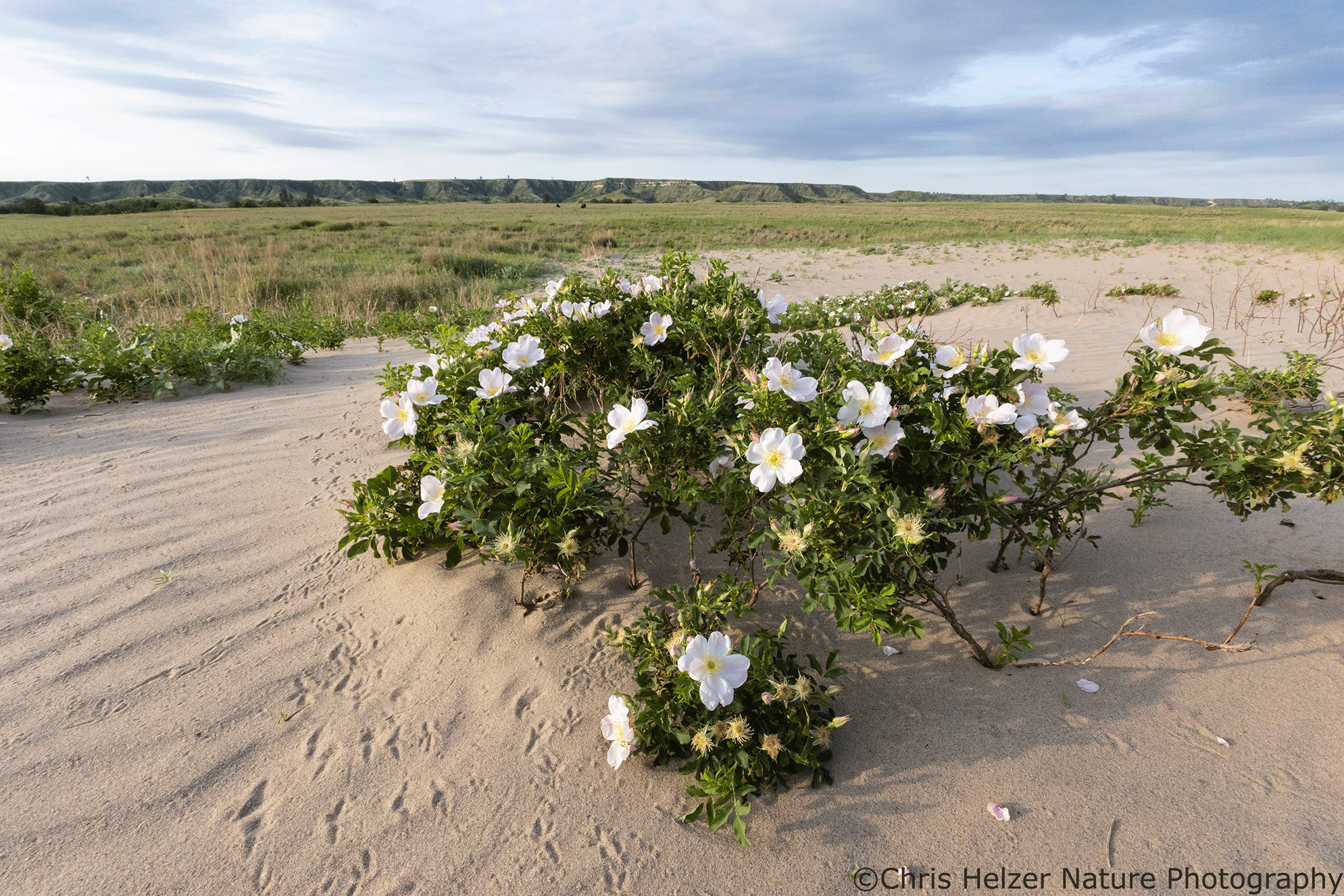
Prairie wild rose, bird tracks, and sandy prairie.
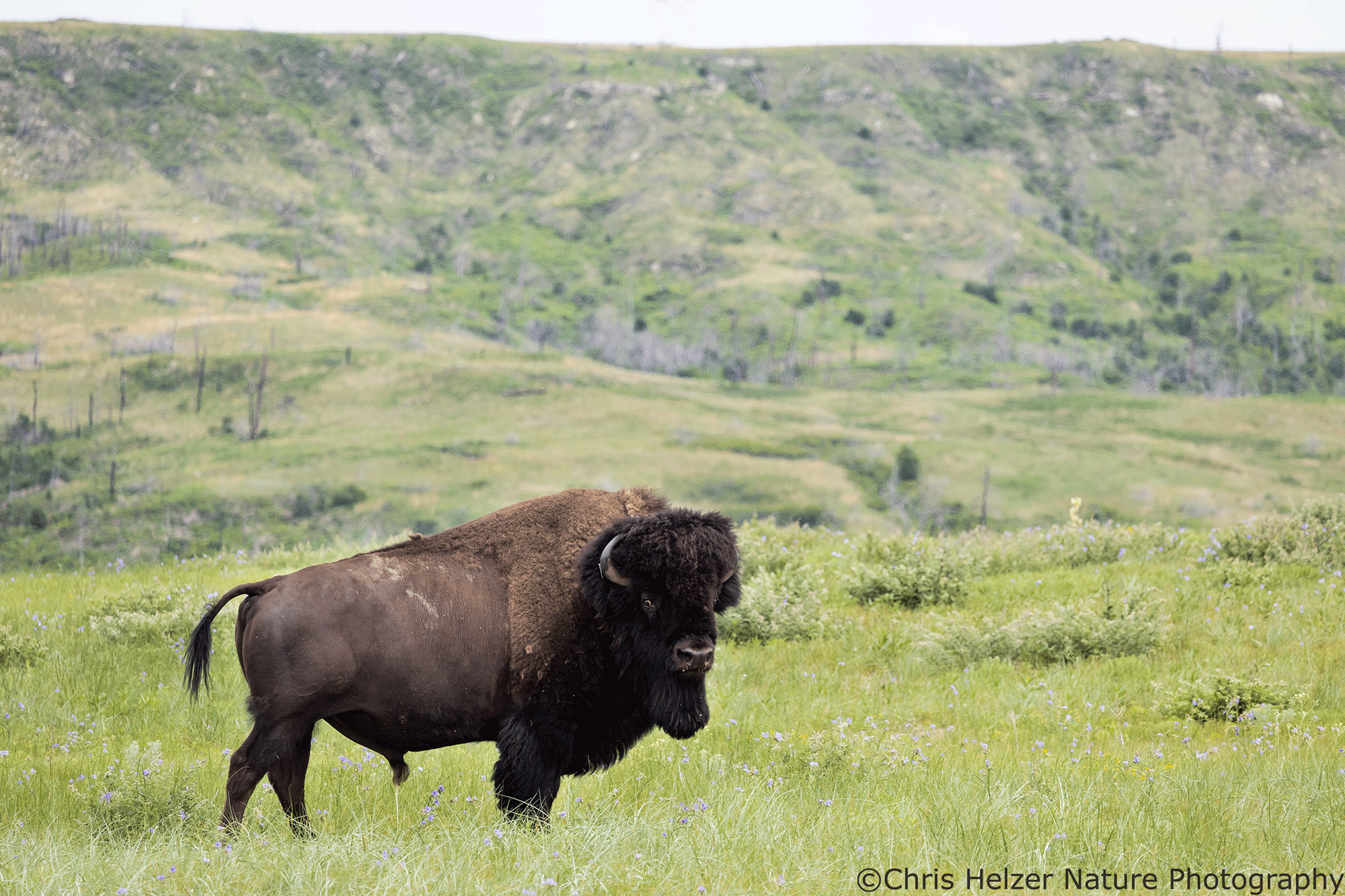
Bull bison on recently-burned prairie.
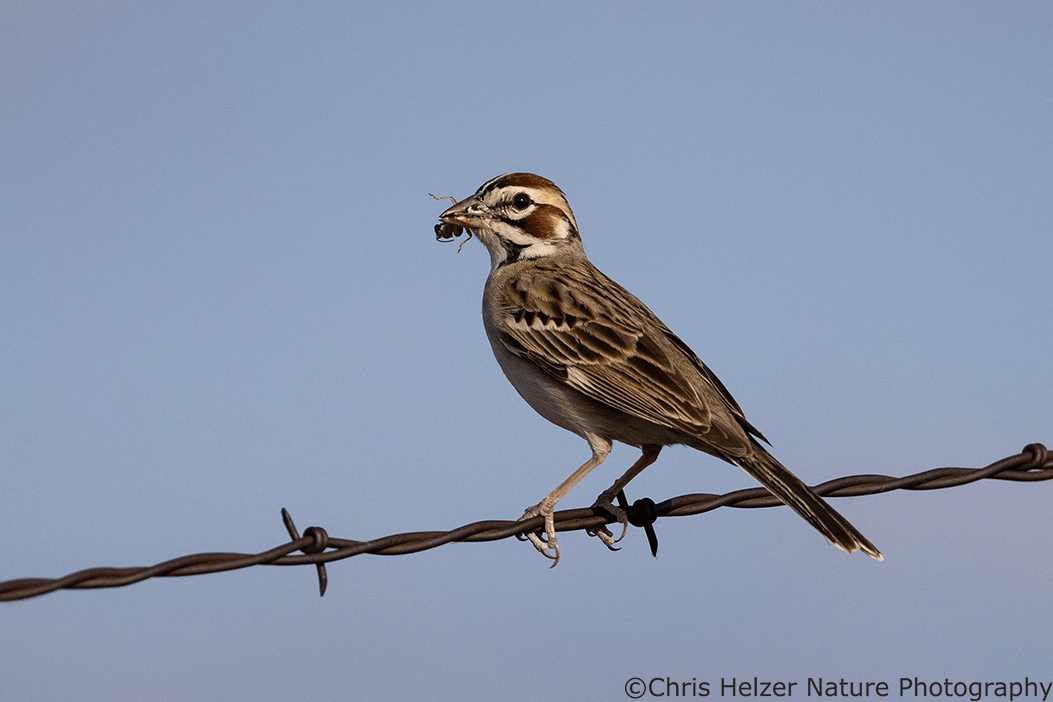
Lark sparrow with captured grasshopper.
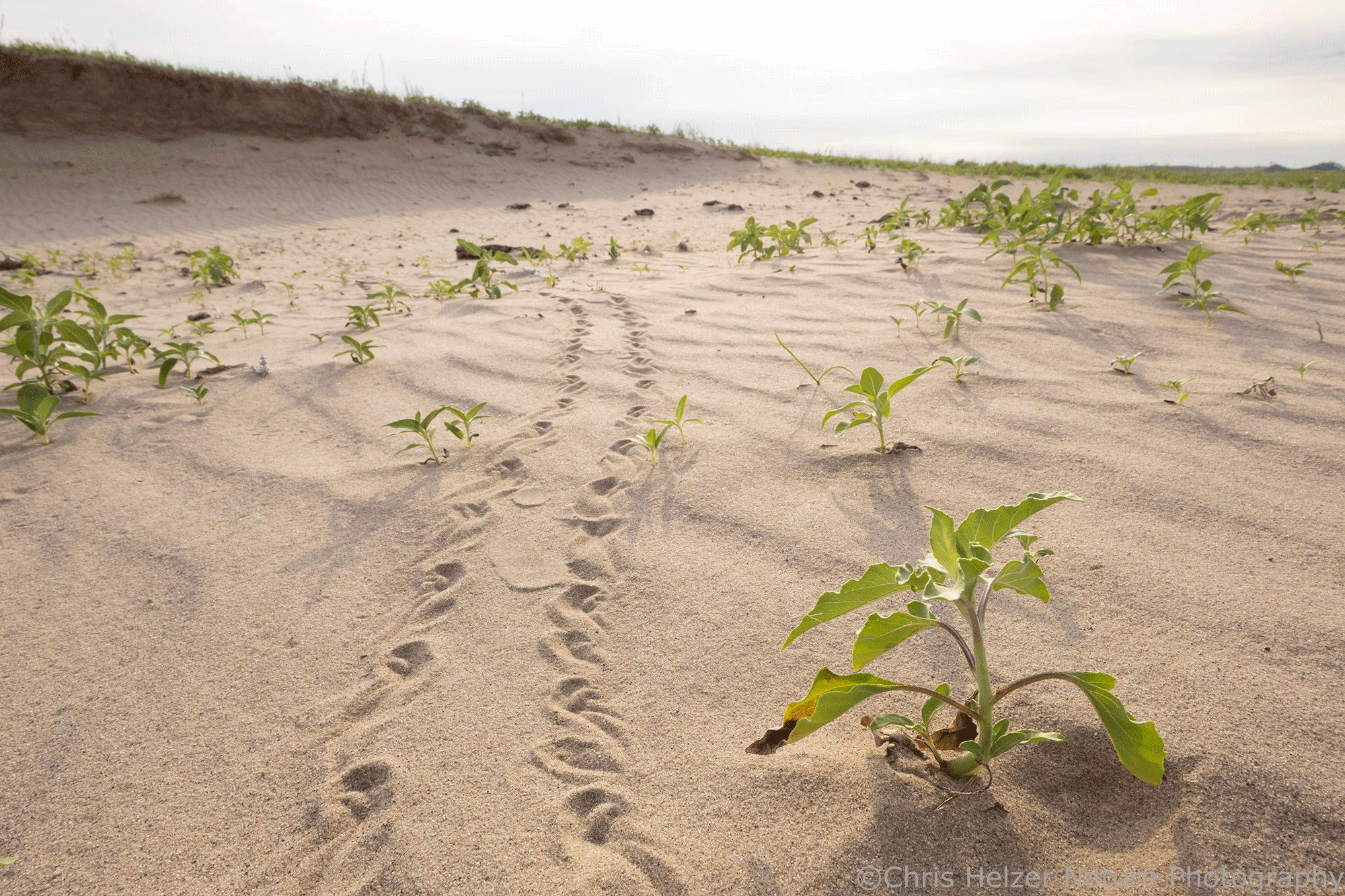
Ornate box turtle tracks in the sand.
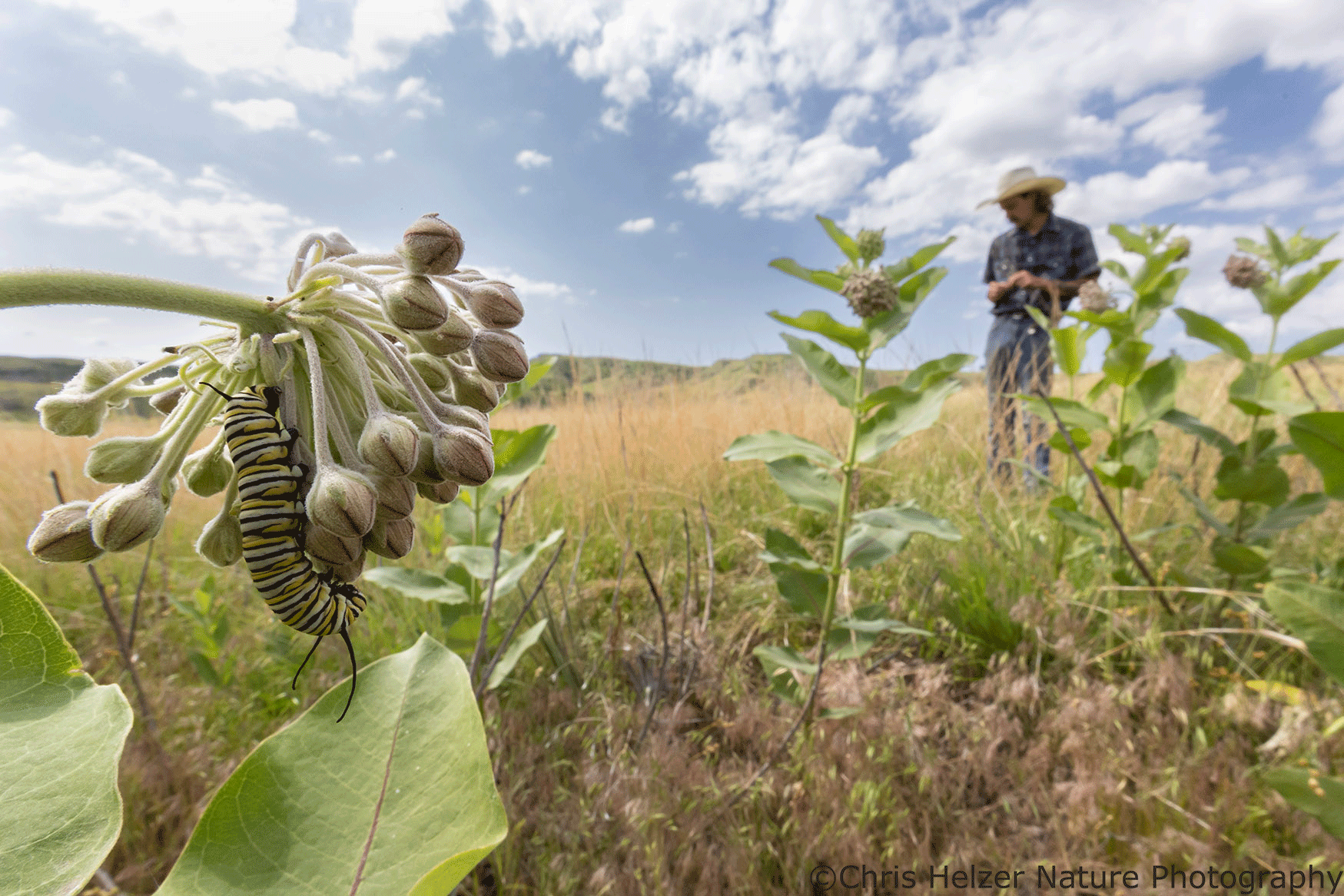
Monarch caterpillar on common milkweed with NVP Stewardship Manager Carson Schultz.
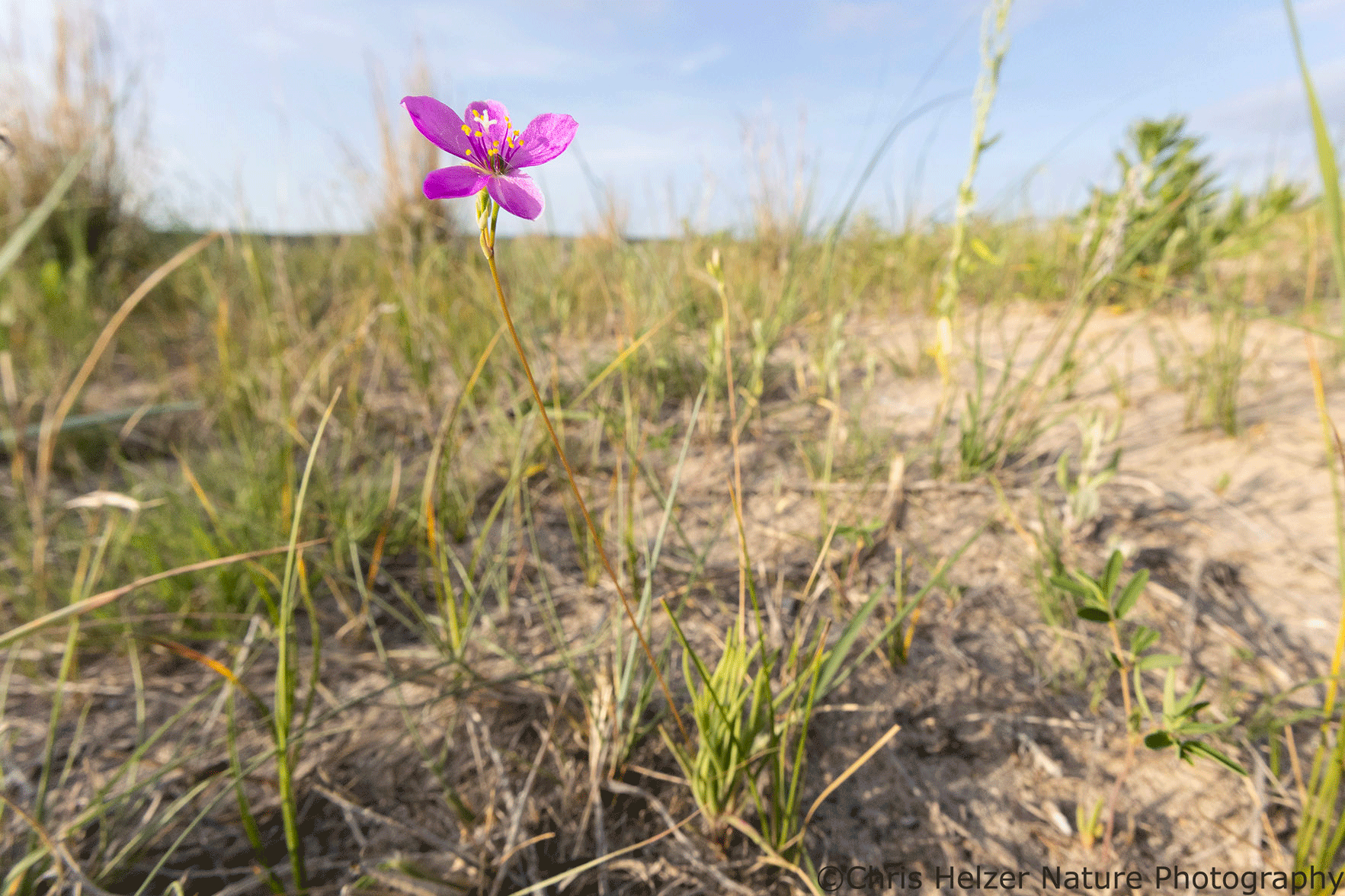
Prairie fame-flower (Phemeranthus parviflorus).
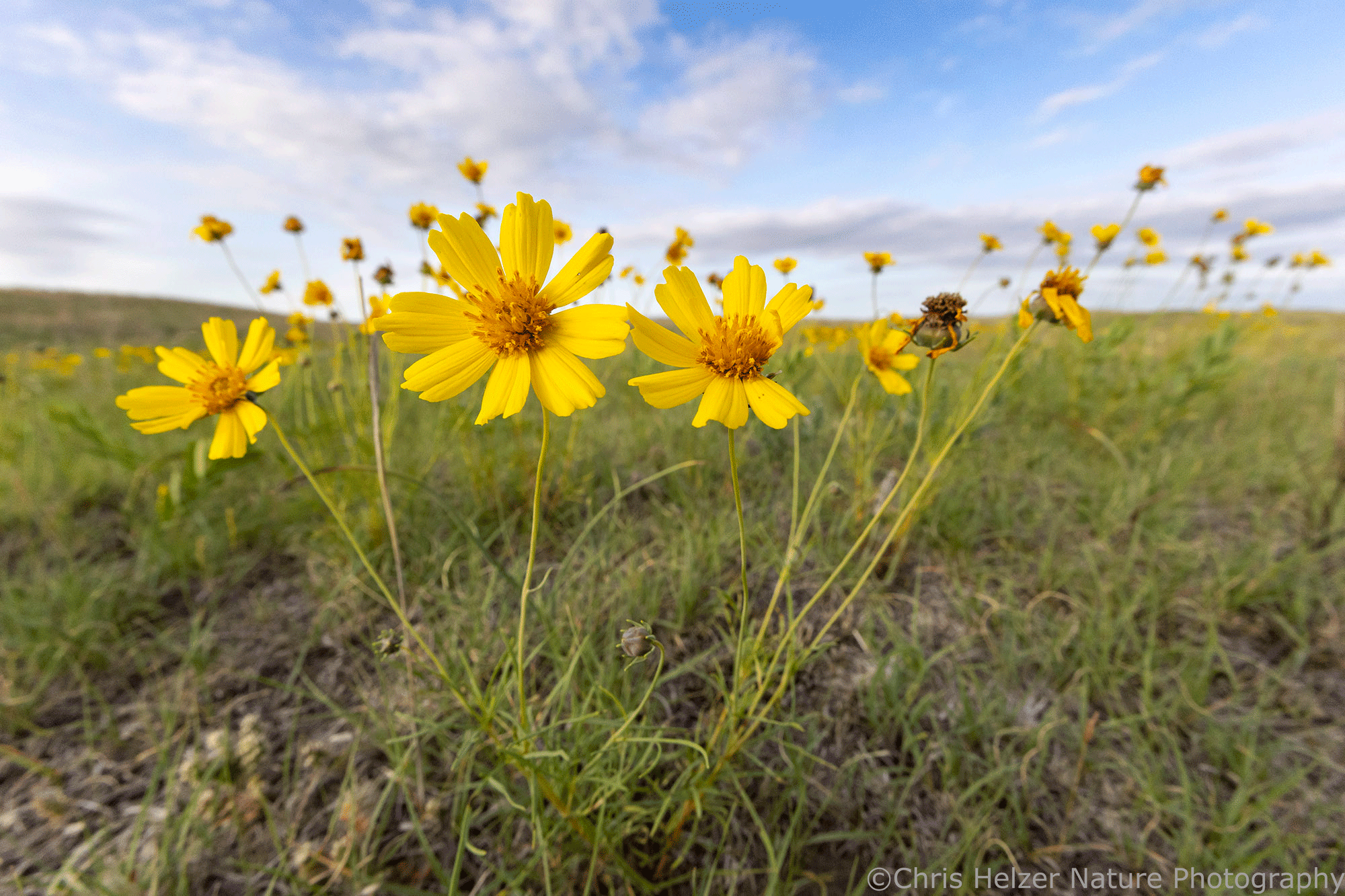
Stiff greenthread (Thelesperma filifolium).
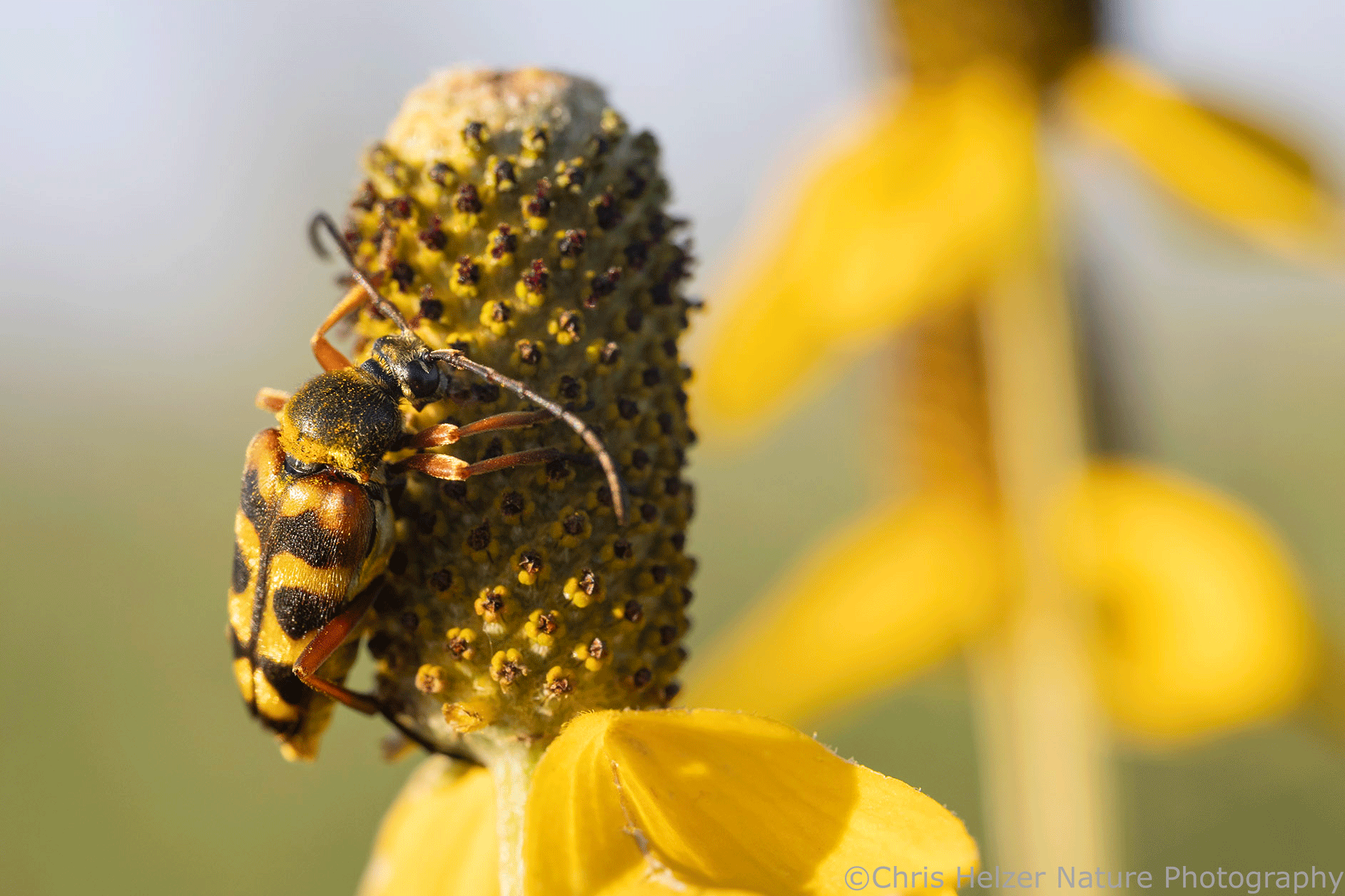
Longhorn beetle on upright prairie coneflower (Ratibida columnifera).

During my last trip, I got to help with some moth and butterfly surveys. Moth experts set up lights and traps overnight and spent much of their night capturing and photographing the species that visited. I helped for a while, but was in bed by midnight. In the morning, I photographed a few moths that were still hanging around before we picked up our nets and headed out to find butterflies.

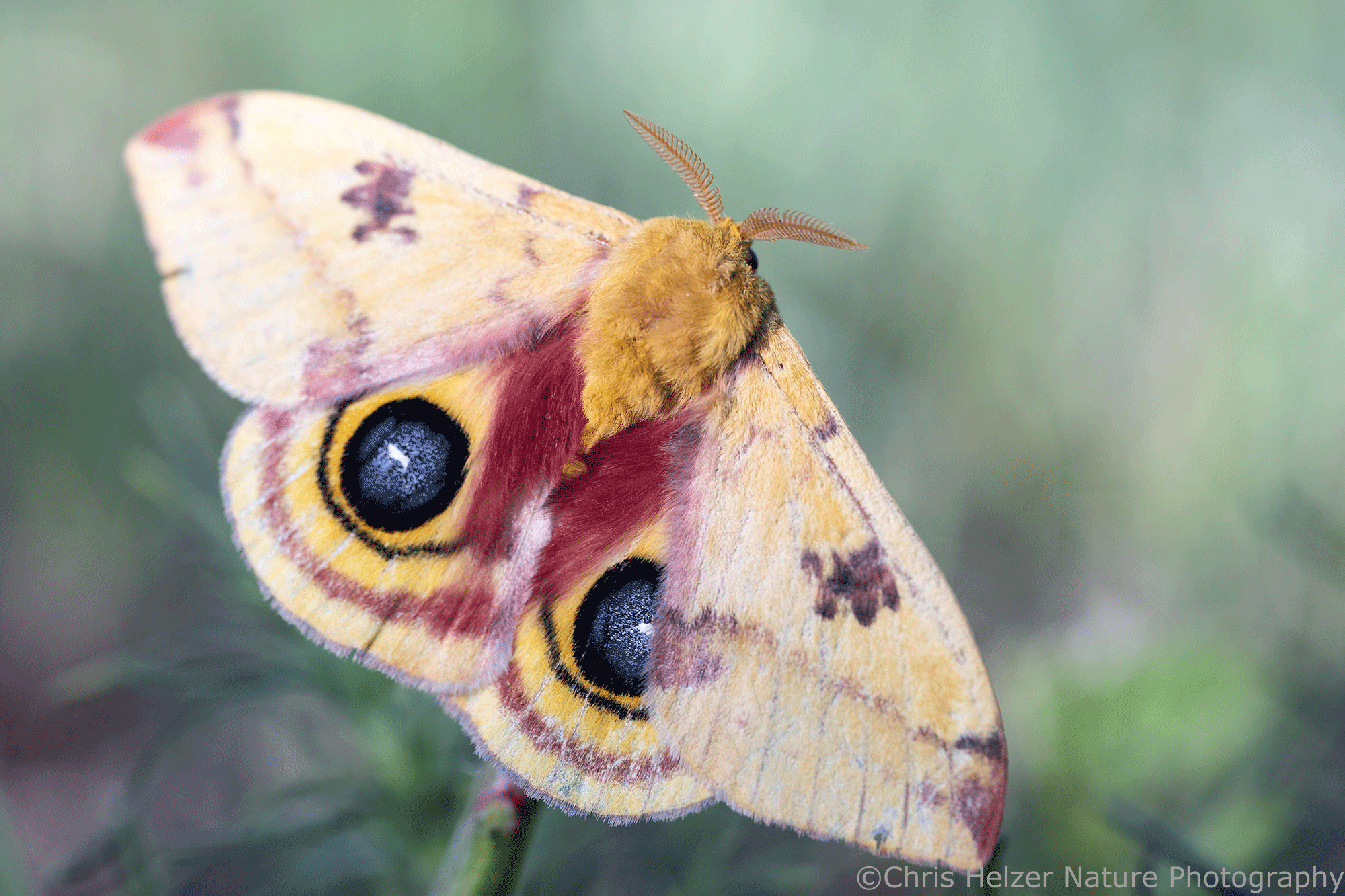
Io moth (Automeris io).
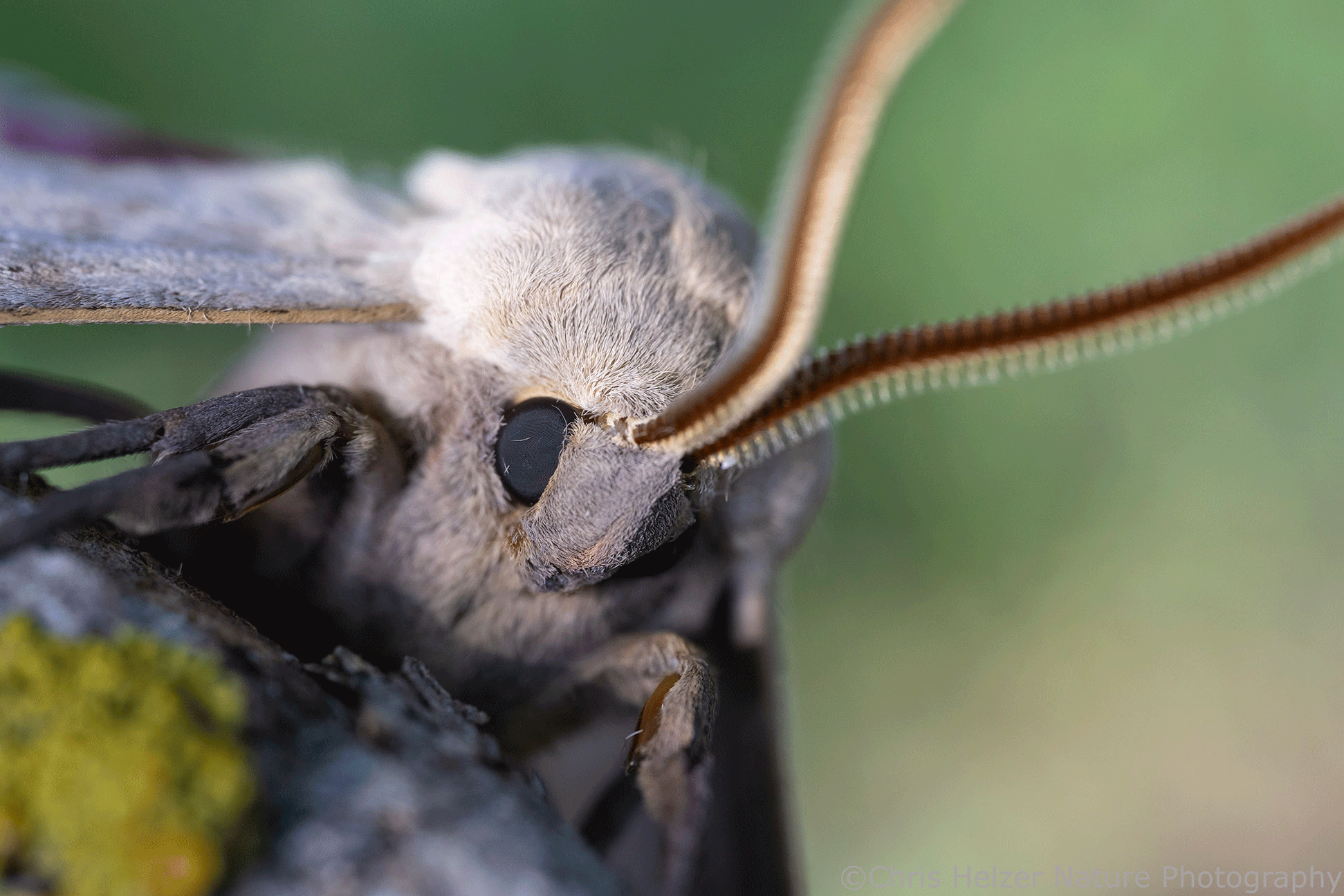
Modest sphinx moth (Pachysphinx modesta).

Thistles get a bad rap. Sure, we have some invasive thistle species in Nebraska that are problematic, but we also have some fantastic native species that are incredible resources for wildlife (vertebrate and invertebrate) – as well as being attractive wildflowers. I photographed two of those native species at NVP this month.

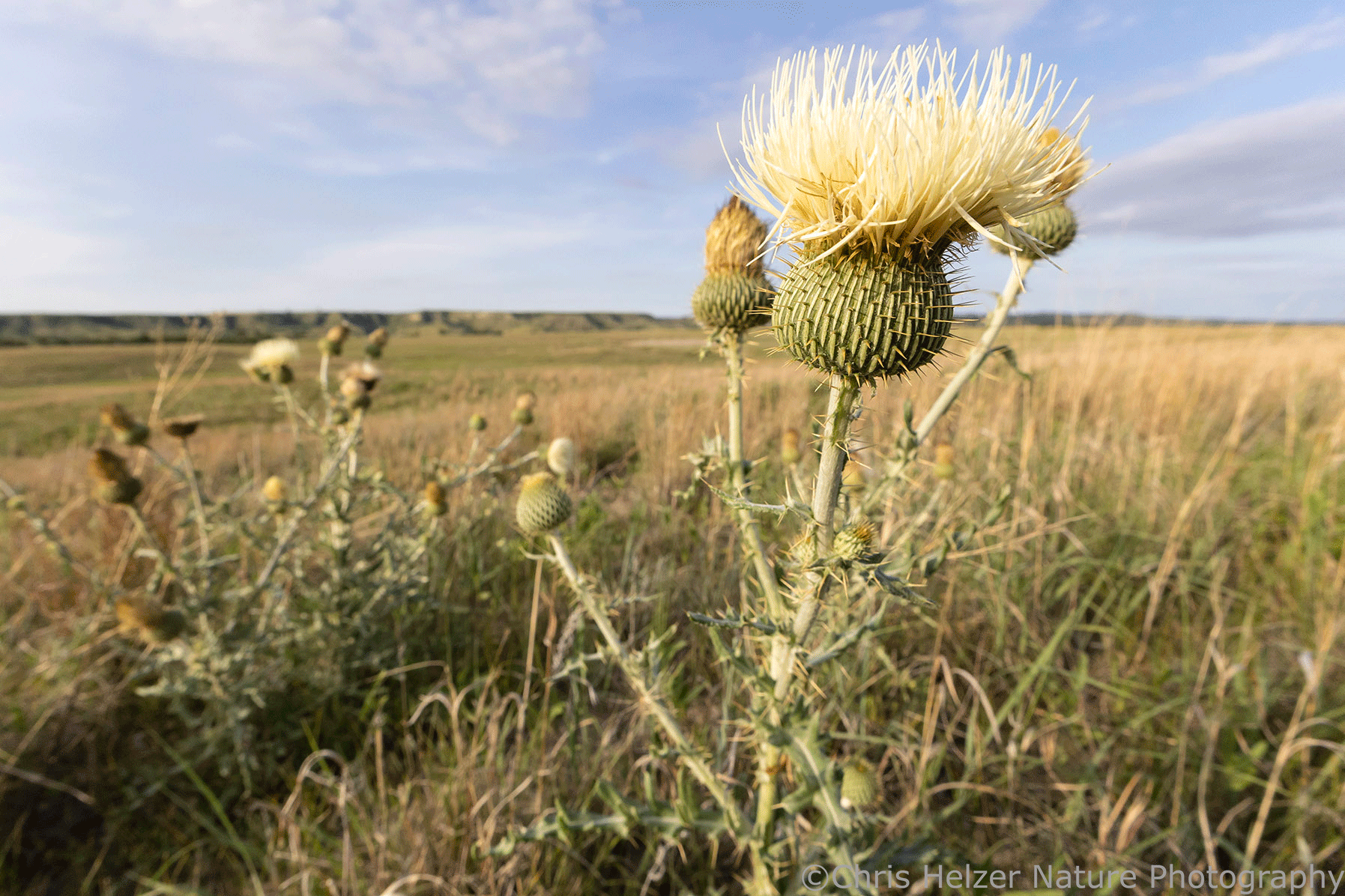
Platte thistle (Cirsium canescens).
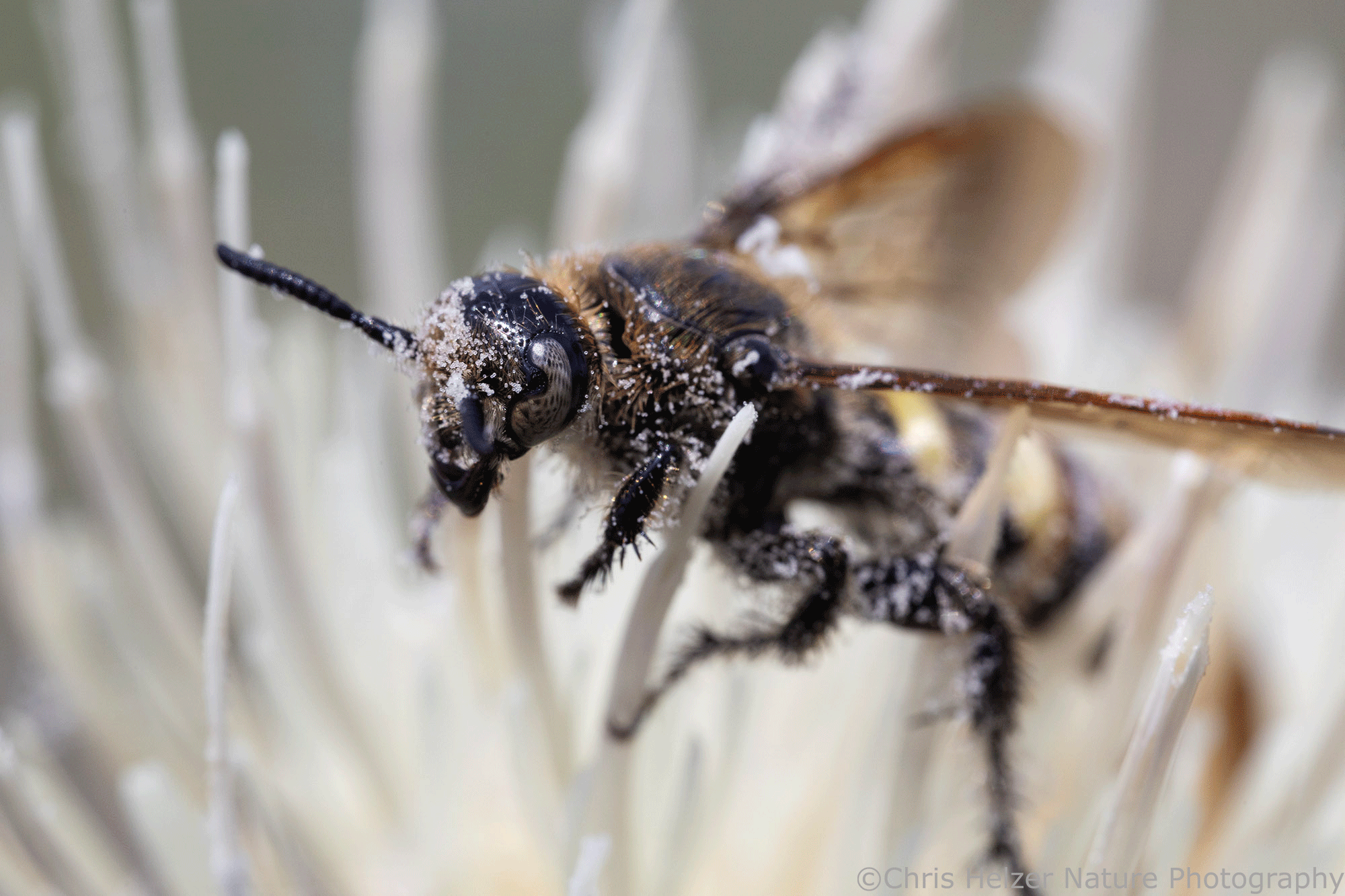
Wasp foraging for nectar on Platte thistle.
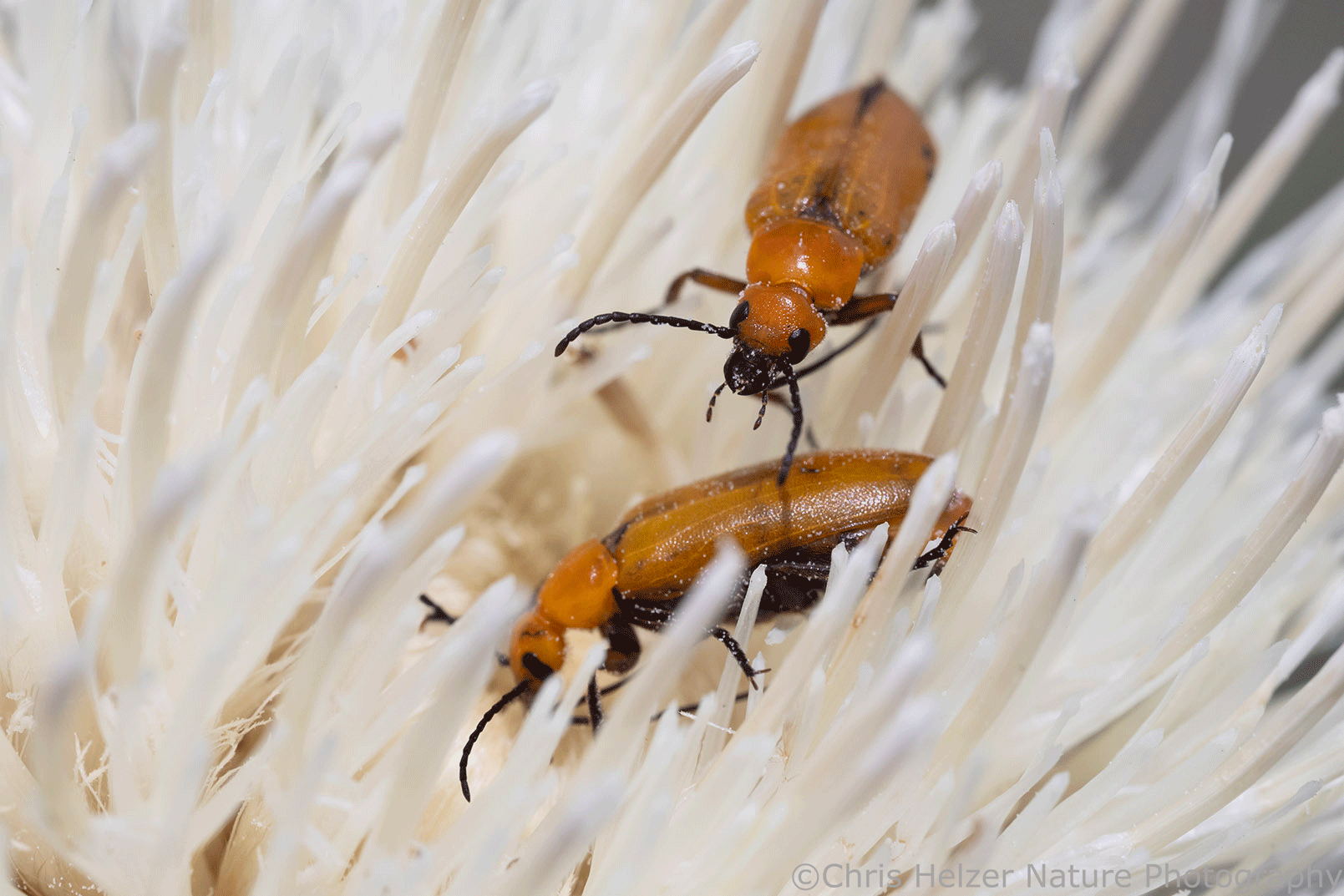
Blister beetles (Nemognatha sp.) on Platte thistle.
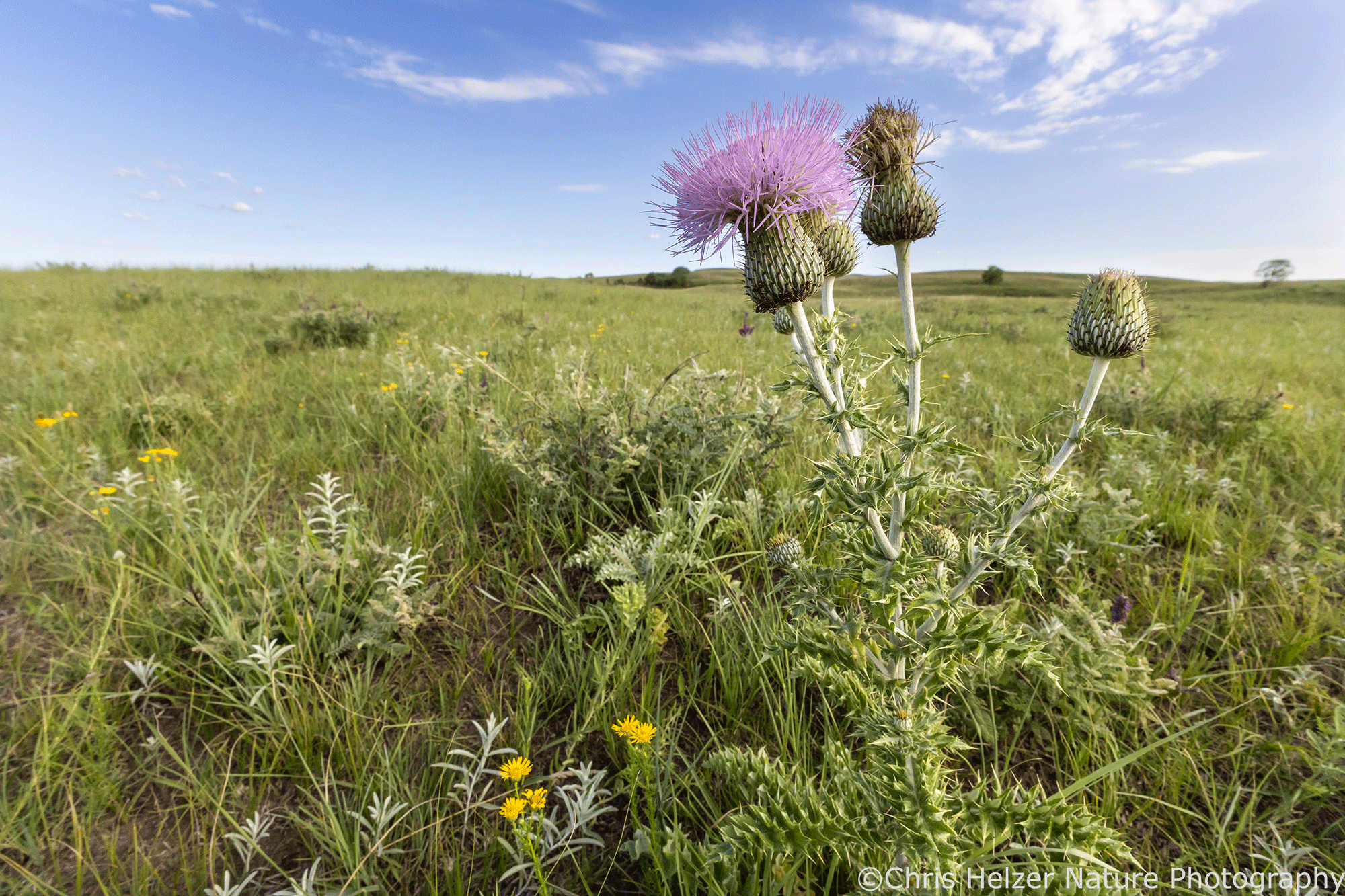
Wavy-leaf thistle (Cirsium undulatum).

Carson Schultz, NVP’s stewardship manager, has been experimenting with a combination of patch-burn grazing and rotational grazing for a while now. That often involves burning portions of multiple Sandhills pastures and then rotating cattle through those – grazing each pasture for about a month-and-a-half. The burned areas of each pasture get grazed much more intensively than the unburned, creating extra habitat heterogeneity.

In addition, the ability of cattle to choose what they want across pastures that are hundreds of acres in size, as well as between burned and unburned areas, means the animals have a nearly unlimited diet selection. It’s fascinating to watch what they choose to eat and what they don’t. Their choices vary by the day, largely because they’re always looking for plants that are at a growth stage that provides the most tender, nutritious food. The cattle are eating primarily grasses, but the mix in other plants as well.

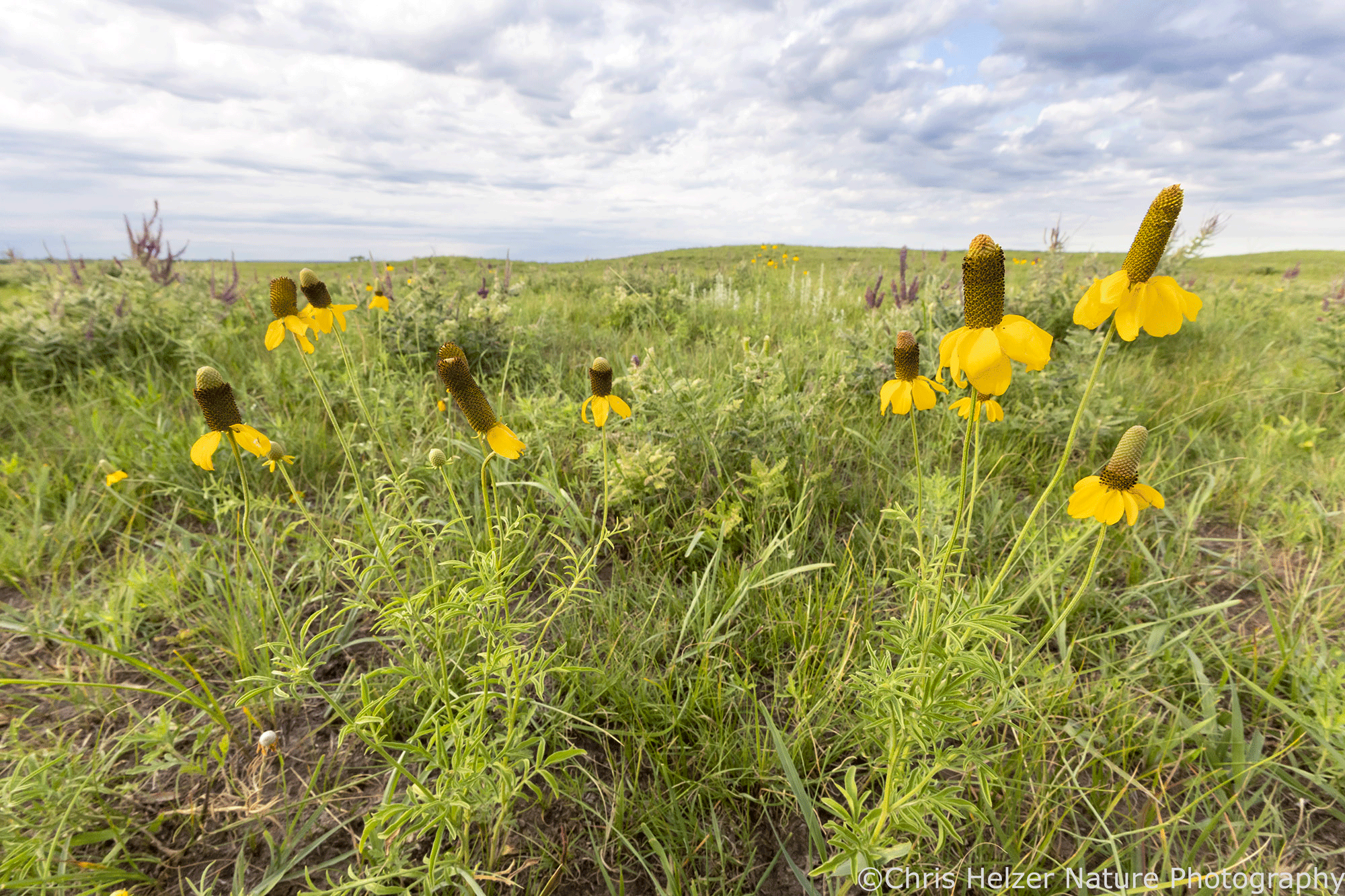
Upright prairie coneflower in burned/grazed prairie.

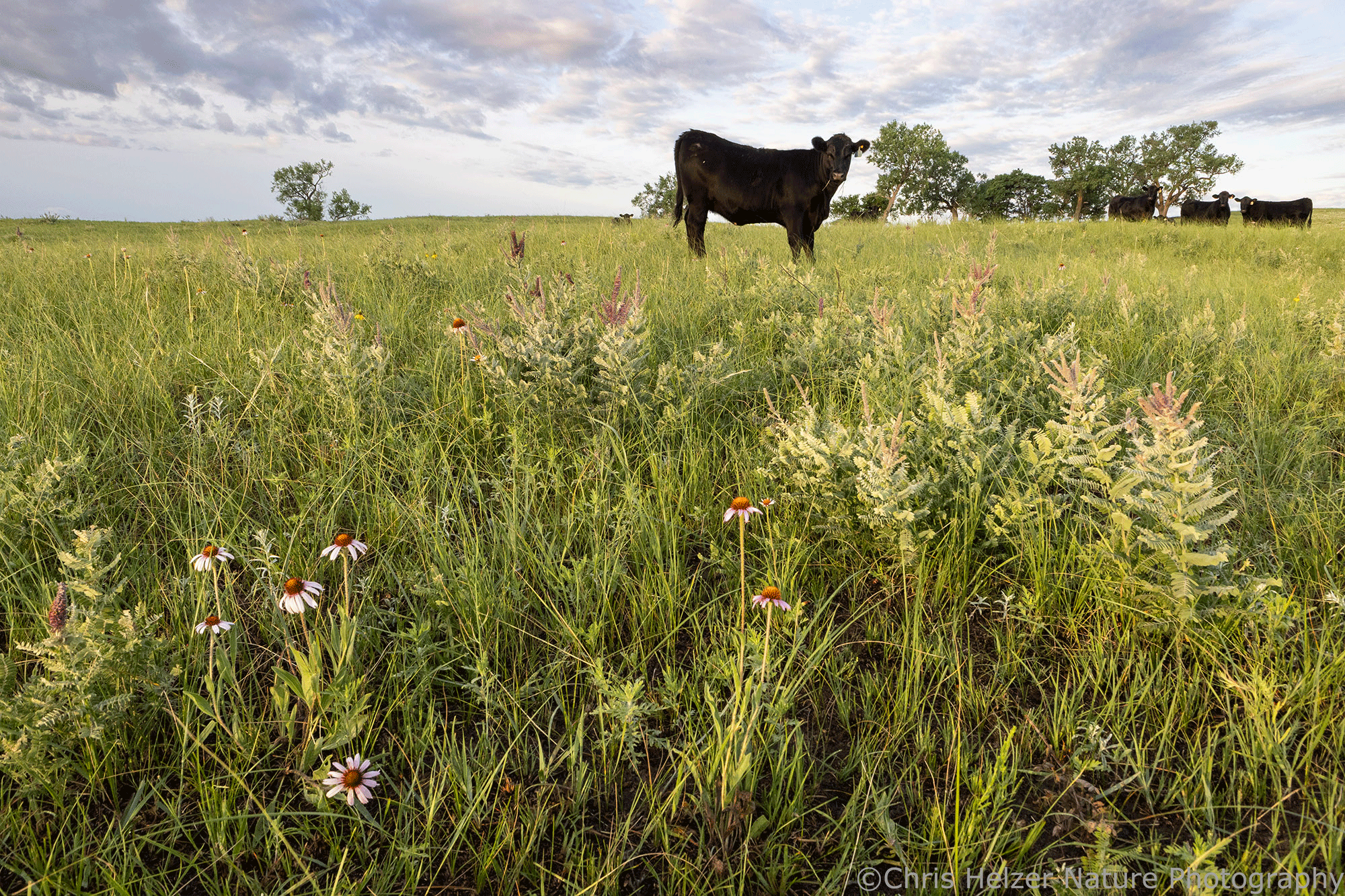
In the pasture I explored, the prairie had been burned in the spring and cattle entered in mid-May. They’d been grazing for over a month and had kept the grasses in the burned area pretty short. Their selective grazing, though, meant there was a lot of variety in the height of the vegetation, which created great wildlife habitat, as well as a fun place to photograph. In the unburned portion of the same pasture, the grasses were much taller and very little grazing was taking place. As a whole, then, the pasture provided a good mix of habitat structure and lots of blooming plants.

Cattle grazing with purple coneflower (Echinacea angustifolia) and lead plant (Amorpha canescens).
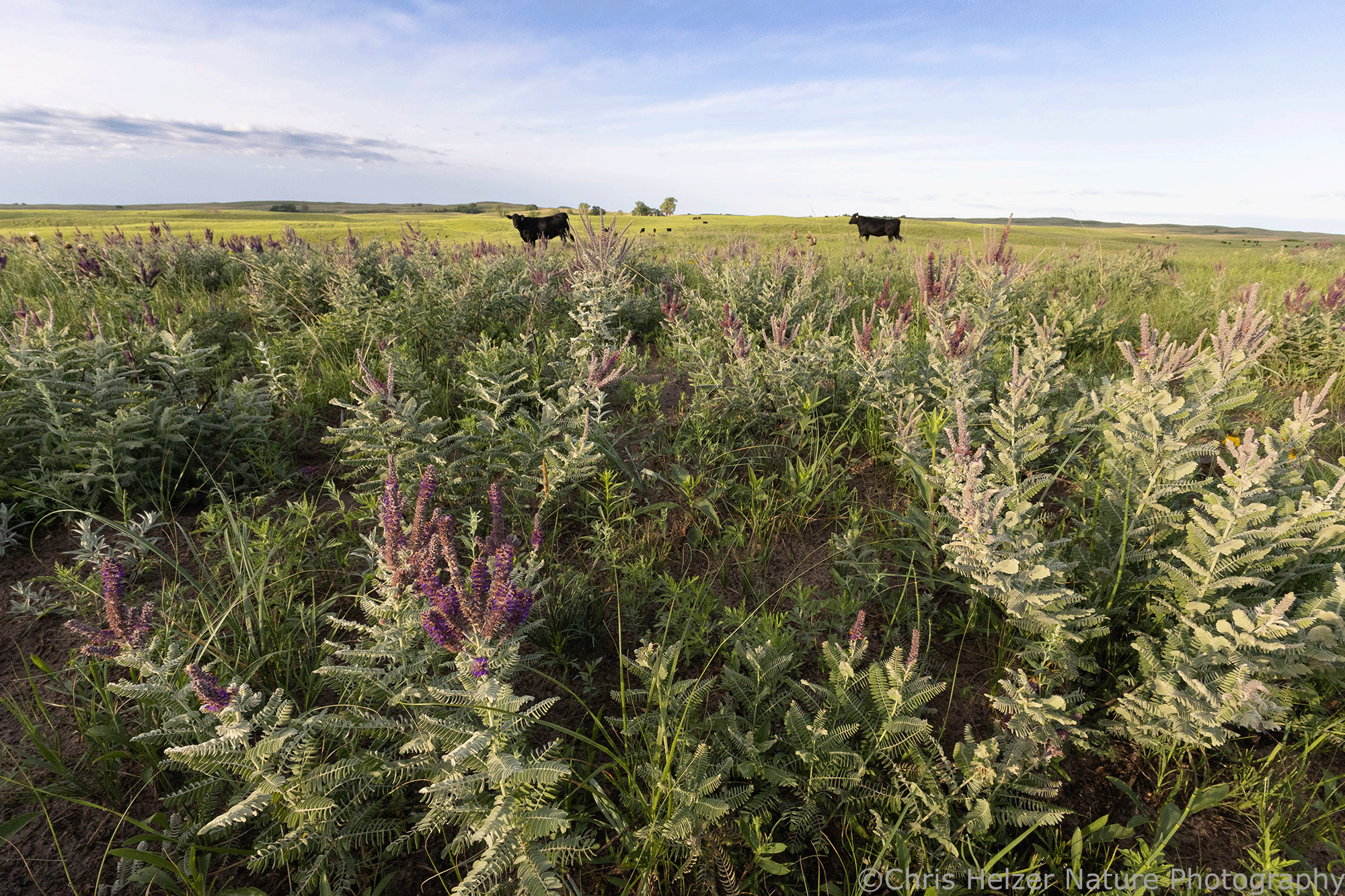
Abundant lead plant with cattle.

Here’s one last plug for our public field days – if you like what you see in these photos, come see it for yourself! Both the Platte River Prairies and Niobrara Valley Preserve events will feature tours with staff and a chance to learn about ecology and prairie stewardship. We hope to see you there!

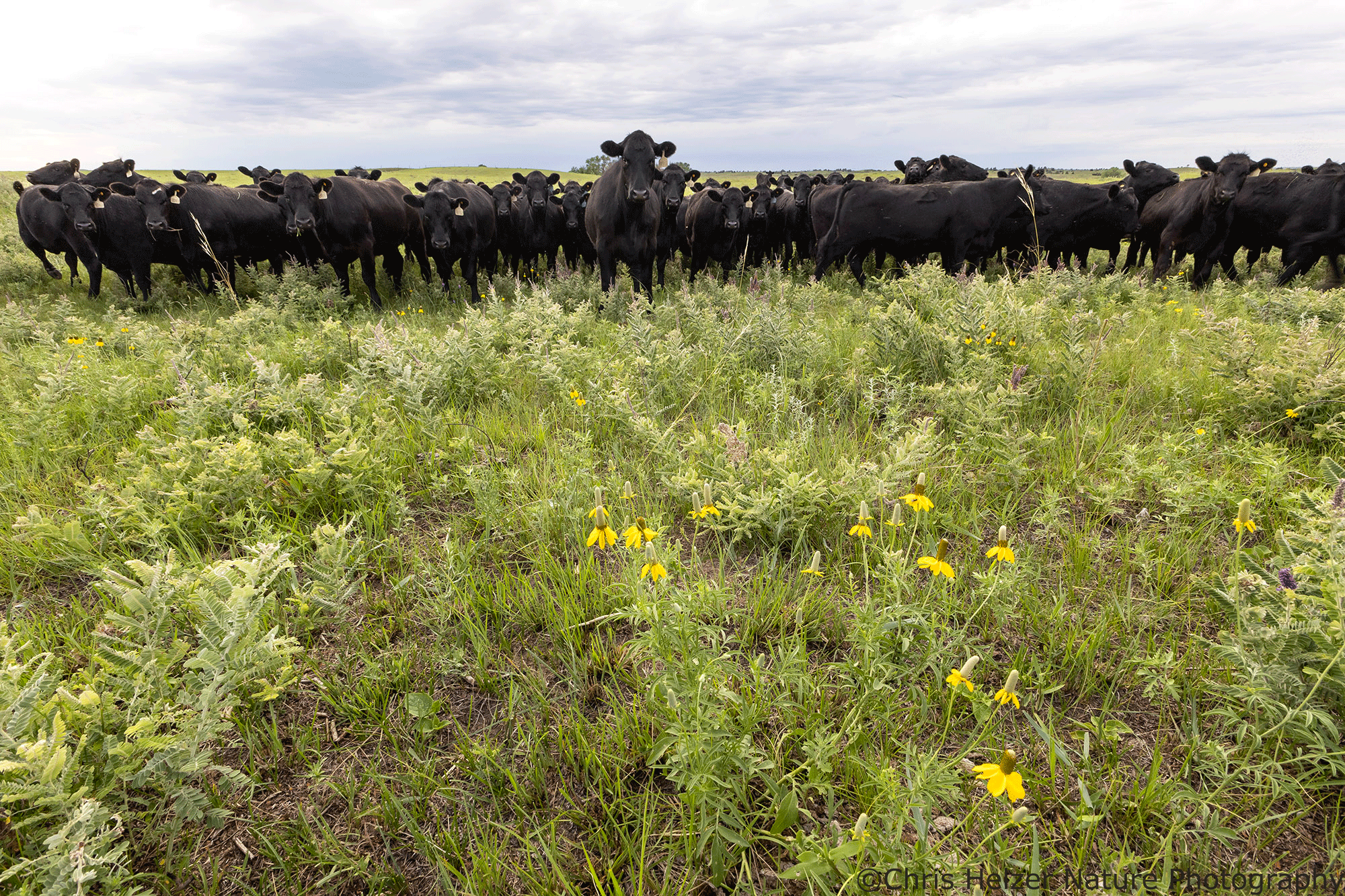
Cattle staring at me while I explore.

Are Prairies Less Natural Because They Need Us?

What if I told you tallgrass prairie is a human construct?

Would you think it’s less important?  Less natural?  Less real?

I don’t know if “human construct” is a totally fair description, but it’s certainly true that tallgrass prairie in the central United States exists because of people.  In many places, it formed because of people, and throughout its range, it relies on human stewardship for its continued persistence.

Let’s step back in time a little. 

While the actual timing of human arrival in North America is still being debated, there is consensus that people were here well before the ice sheets receded from the center of the continent (between 8,000 and 12,000 years ago).  Those humans played pivotal roles in the ecosystems they lived in. They hunted, cultivated and transported plants, and, perhaps most influentially, actively used fire in many different ways. 

As the continent warmed and bloomed after the ice age, human stewardship shaped plant and animal communities. In particular, people burned the landscape around them enough to create grasslands in what otherwise would surely have been wooded landscapes.  That was particularly important in the eastern portions of the tallgrass prairie.  Lightning fires were part of that story, too, but they were much less significant than the frequent, intentional use of fire by people.

In other words, if it hadn’t been for people and their stewardship of the land, tallgrass prairies would not have existed across much of what is now the Midwestern United States.  Throughout subsequent millennia, people have continued their stewardship, allowing prairies to persist in places where trees would otherwise have moved in.

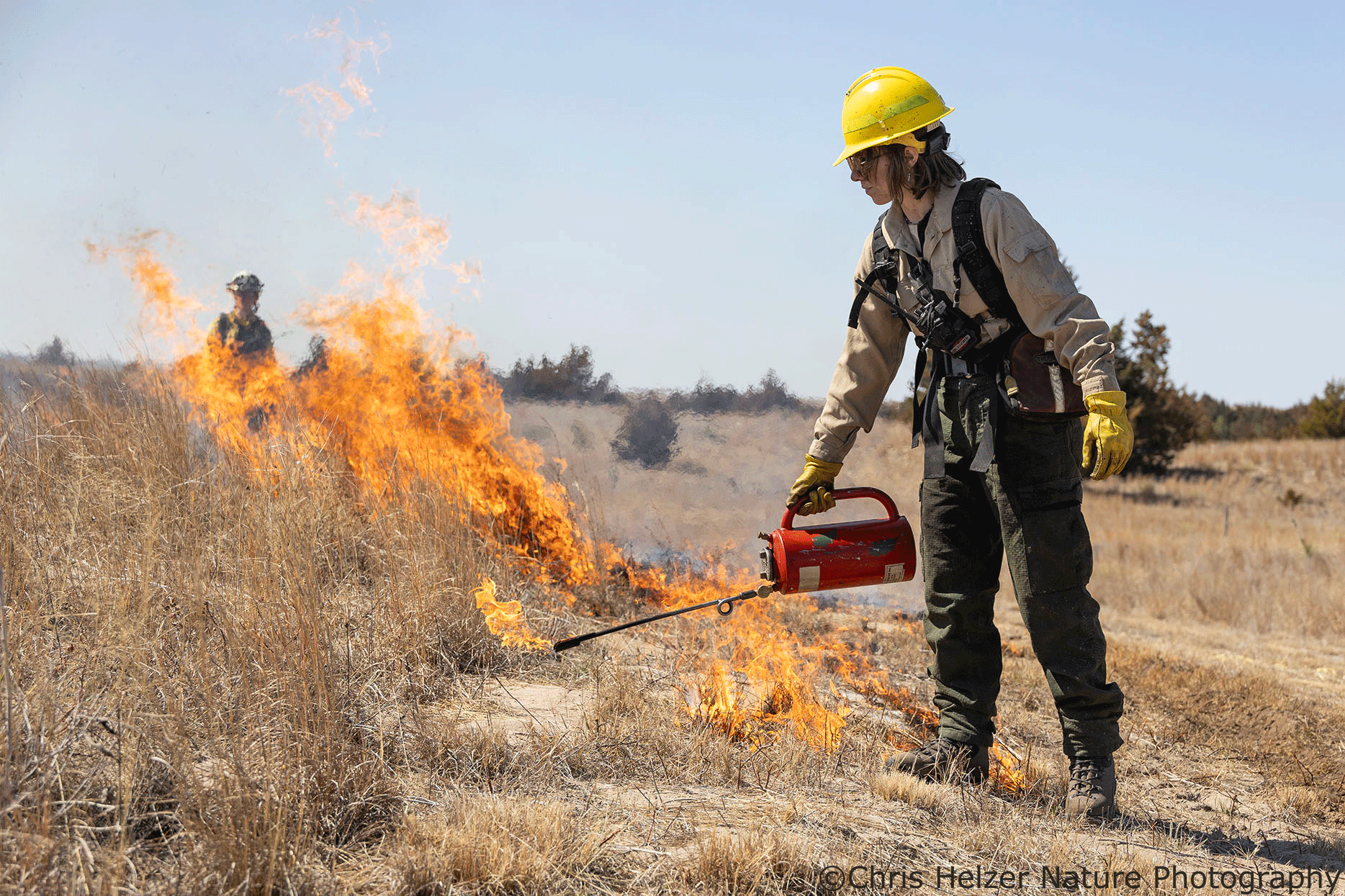
Chelsea Forehead ignites a prairie that will help keep woody plants from taking over this prairie landscape.

Today, the majority of tallgrass prairie has been lost, of course – mostly through conversion to row crops.  The prairie that remains still relies on continuous, thoughtful stewardship by people.  Without active management with prescribed fire, haying, grazing, and/or targeted invasive species suppression, tallgrass prairie transitions to something else – shrubland, woodland, or a low-diversity herbaceous community that no longer qualifies as “prairie”.

Does that reliance on people make tallgrass prairies unnatural?  Does it mean we should “let nature take its course” and allow tallgrass prairie to become what it’s supposed to become? 

You’re welcome to form your own opinion, of course, but I feel strongly that the answer to both questions is no.  Most ecosystems on earth are strongly tied to human stewardship and have been for tens of thousands of years.  It’s not that those ecosystems or the species that depend upon them would all be destroyed in the absence of people, but they’d change dramatically – and many species would suffer as a result. We humans have certainly not always done the best job at land management but that doesn’t mean we can or should abdicate our responsibility as stewards.

Speaking more locally, prairie is amazing, beautiful, and complex.  The incredible, diverse ecological communities that live in tallgrass prairie rely upon our continued attention and stewardship. Losing those would be an immense tragedy.

This photo captures the essence of prairie. The more you look, the more you see.

Tallgrass prairie isn’t less important, natural, or real because it relies upon humans.  Instead, our long-standing, interconnected, and interdependent relationship with the prairie should increase its relevance and value to us. 

Just as with any other worthwhile relationship, though, we can’t just ignore the prairie and hope for the best.  Only thoughtful, adaptable care will ensure we can keep this good thing going for a very long time.

Additional Reading. If you want to learn more about the long relationship between humans and nature (prairies and otherwise), here are a few recent journal articles you might enjoy. They’ll get you started and provide many other references you can dig into if you want to keep going:

Impacts of indigenous burning in the Great Plains

Presence of people after the North American ice sheets receded

The shaping of global ecosystems by people for more than 12,000 years