
Hi everyone. The following blog post is written by 2024 Hubbard Fellow Claire Morrical. Claire put together a fantastic series of interviews with people working in conservation here in Nebraska and we thought you’d enjoy reading and listening to their stories.
This project – Perspectives of the Prairie – uses interviews and maps to share the perspectives and stories of people, from ecologists to volunteers, on the prairie. You can check out the full project HERE.
This post also contains audio clips. You can find the text from this blog post with audio transcripts HERE. If you’re reading this post in your email and the audio clips don’t work, click on the title of the post to open it online.
Amanda spent her 20’s at Niobrara Valley Preserve and was strongly shaped by the preserve and its communities. Amanda and I chatted as she baked a loaf of beer bread. She shared how the 2012 wildfire brought her to NVP, her experience telling the story of two long-time employees at the preserve and discussed the importance of community to herself and the Niobrara River Valley. Today Amanda works with at Rowe Sanctuary with the Audubon Society.
Interview: December 14th, 2024
Part 1: Meet Amanda
Location: Crew Quarters at Niobrara Valley Preserve
This is Amanda Hefner, baking bread in the kitchen of the Niobrara Valley Preserve crew quarters.
A year ago, Amanda would have been at the Niobrara Valley Preserve as an employee. Today, she’s a visitor and a volunteer. Visiting a recent burn, providing her fellow volunteer (who is painting stories from preserve) with moral support, and chatting with me about her time at Niobrara Valley Preserve.
Part 2: In the Aftermath of Wildfires
Location: The North Ridge at Niobrara Valley Preserve
The catalyst for Amanda’s arrival at Niobrara Valley Preserve was the 2012 wildfire (listen to Neil Dankert’s perspective of the wildfire in “Neil Dankert 3: Fire on the ridgetop“). The fire was one of several major wildfires across Nebraska that year, and burned a total of 74,000 acres, including part of NVP.
Notes for Context: Although native to Nebraska, eastern red cedars can be a little … overzealous. If left un-managed, they can grow into dense woodlands, choking out grassland species and other native trees and shrubs. We often rely on regular fires, which can kill small enough cedars, as a tool to manage eastern red cedars. Learn more HERE.
- Regeneration: recovery of an ecosystem or a population within an ecosystem
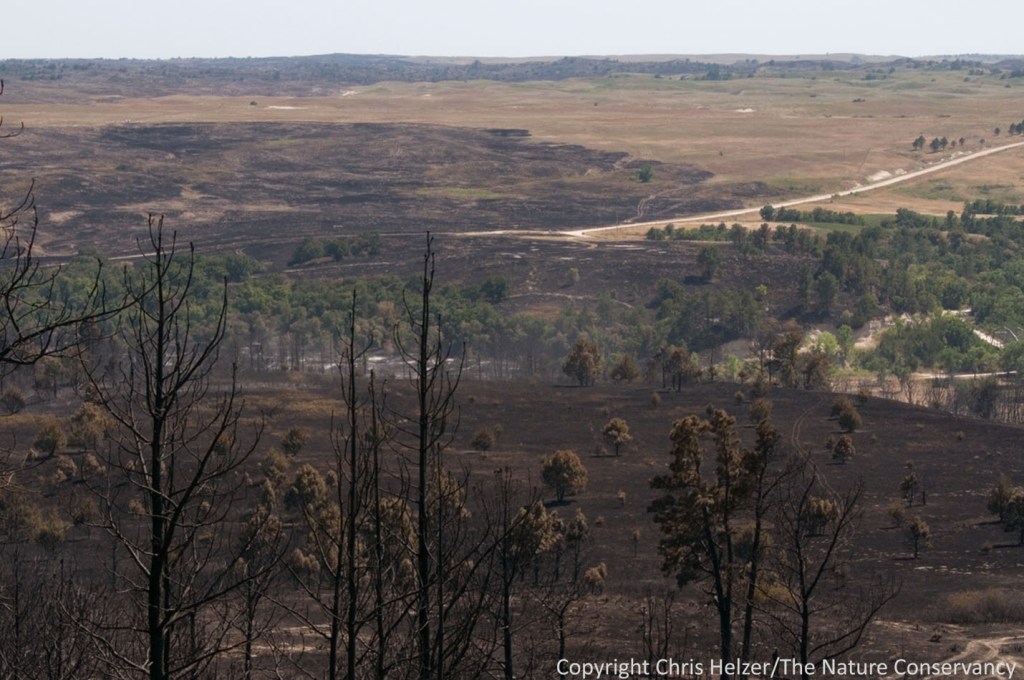
You can learn more about 2012 fire and the prescribed fire in 2023 HERE.
There is a consequence to every choice that a land manager makes, in addition to the consequences of events out of their control. For every fire, there are questions like “how intense is too intense, or not intense enough?” “Will this create opportunities for species we want to encourage or species we want to deter?” Oftentimes, every problem that is addressed means another problem has to be accepted as it is or as a result.
Part 3: Telling the Story of a Friendship
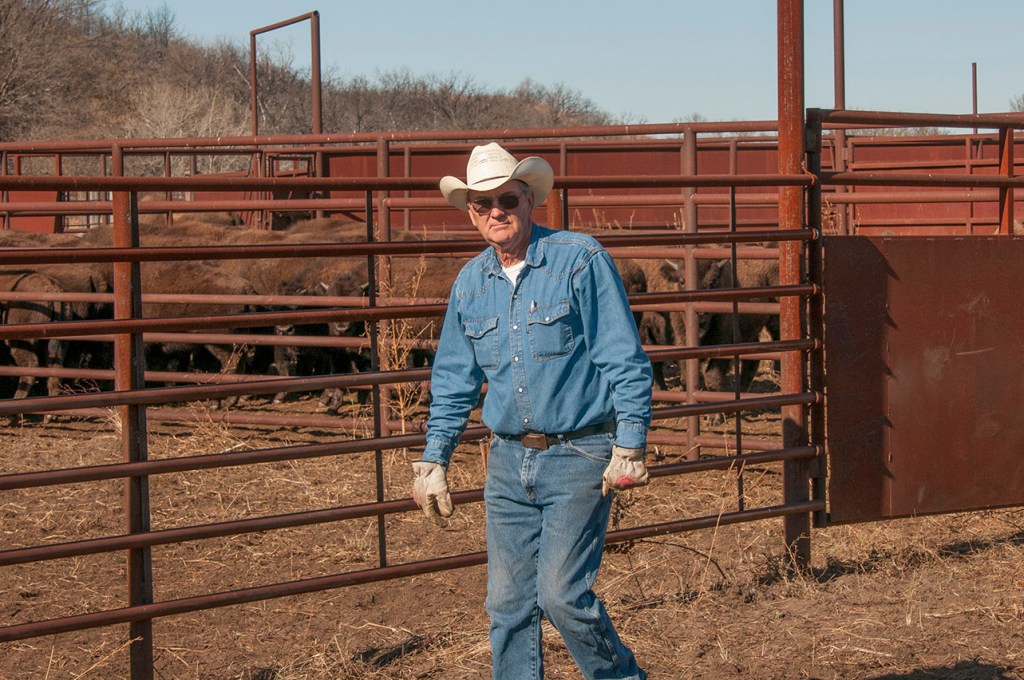
Location: The East Bison Pasture at Niobrara Valley Preserve
For as long as Amanda has been there, the people on the Preserve and the community in the Sandhills have been a key part of Amanda’s life. The significance of their experiences drew Amanda to storytelling early on.
Notes for Context: Mike Forsberg and Mike Farrell tells stories of ecology and history on the Platte River through their Platte Basin Timelapse Project, a collection of stories, films, and photography.
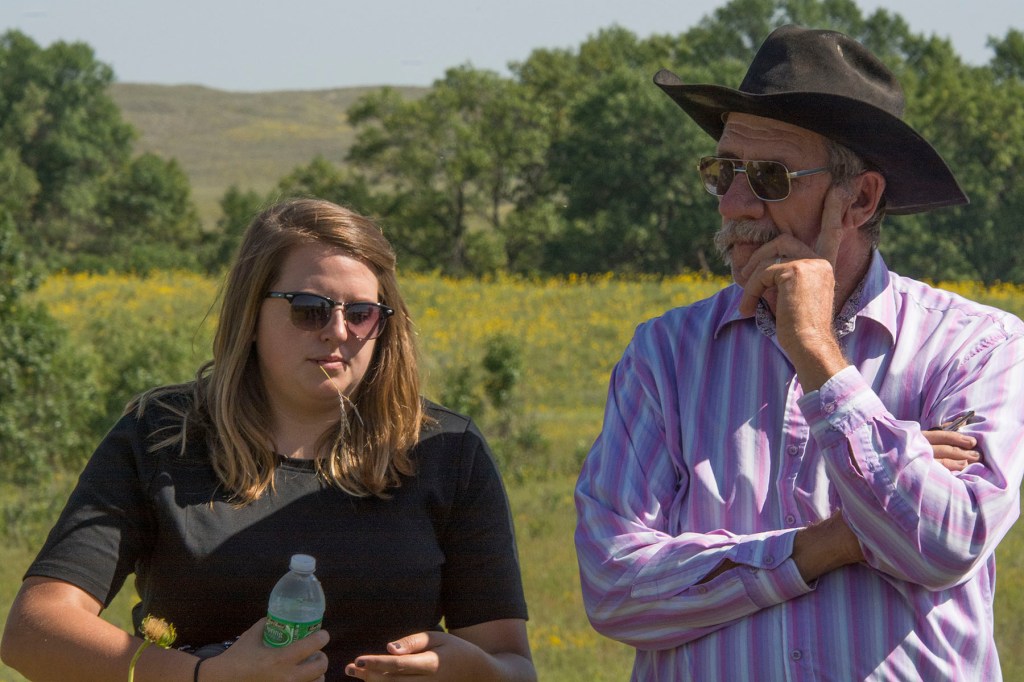
Amanda doesn’t tell all of Doug and Rich’s wild stories, but you can get a sense of their friendship through Amanda’s video, linked HERE.
It’s easy to see the community that Amanda has amassed around her, and the ways in which it ties her to the valley. Earlier that year, Amanda had organized a kayaking trip down the Niobrara River. Our outfitter was Scott Egelhof, Richard’s brother, and an old friend of Amanda’s. It was a joy to watch Scott and Amanda catch up and banter, as Scott lamented her departure from the Nebraska Sandhills.
Amanda reflects on how relationships like these shaped her.
Part 4: No Dam on the Niobrara River
Location: The intended dam location on the Niobrara River
Amanda and I also talked about the history of the Niobrara River Valley, and the importance of the river to its ecology, the community, and herself.
Notes for Context: Be careful not to confuse the Niobrara Valley with the Niobrara Valley Preserve. The river valley extends beyond the boundaries of our preserve, and is part of a quilt of preserves, parks, and ranches along the Niobrara River, with the diverse array of ecosystems that Amanda shares with us.
The distance that Amanda describes, from the preserve headquarters to Smith Falls measures to about 18 miles of riverfront.
Amanda shared a lot of different ecosystems with us. Let’s take a moment to learn about them:
- Tallgrass Prairie
- Mixed Grass Prairie
- Sandhills Prairie
- Eastern Deciduous Forests
- Ponderosa Pine Savanna: On the northern ridge of the river, we aim to have stands of ponderosa pine trees throughout the prairie.
- Spring Branch Canyons (Northern Boreal Remnants): The lines of trees that stretch, like veins, from the south edge of the river are spring branch canyons. This is where water from the surrounding sandhills emerges from the ground in springs and flows to the river. These areas are wooded with trees like burr oak, boxelder, and American hophornbeam.
(While the Niobrara dam was never built, the surveys done in preparation for the dam include a wealth of information. Brandon shares this in “Brandon Cobb 5: Cultural surveys with Stacy Laravie“)

Amanda is open about her deep love for the Sandhills and the Niobrara River Valley. It’s something that emanates off of her, when she describes the landscape, when she tells stories of other employees and friends.
She values this love and this openness and relies on it in her outreach work, to form meaningful connections with others.
Part 5: Giving Back Buffalo
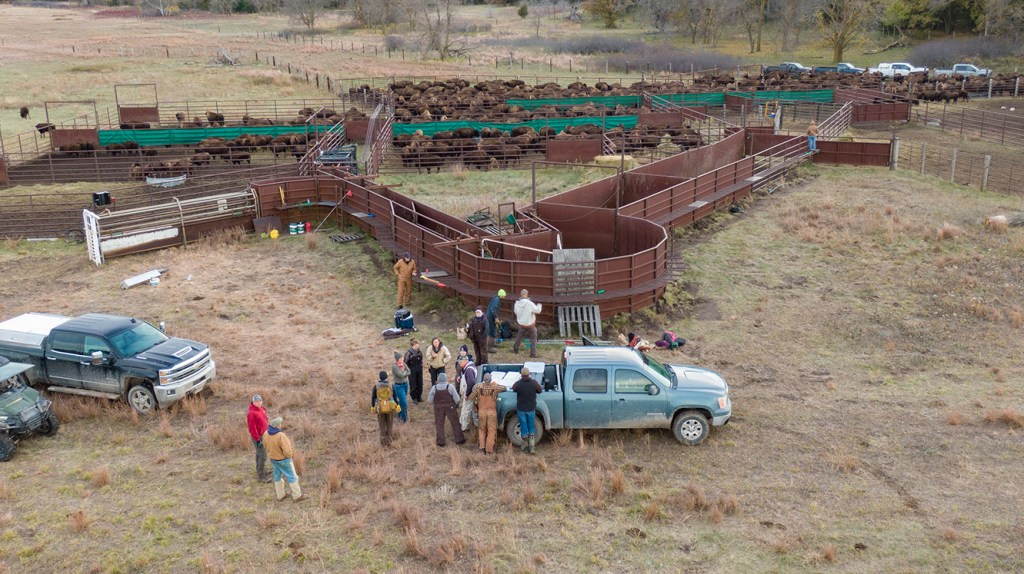
Location: The West Bison Pasture Corral at Niobrara Valley Preserve
The bread is done and cooling on the counter.
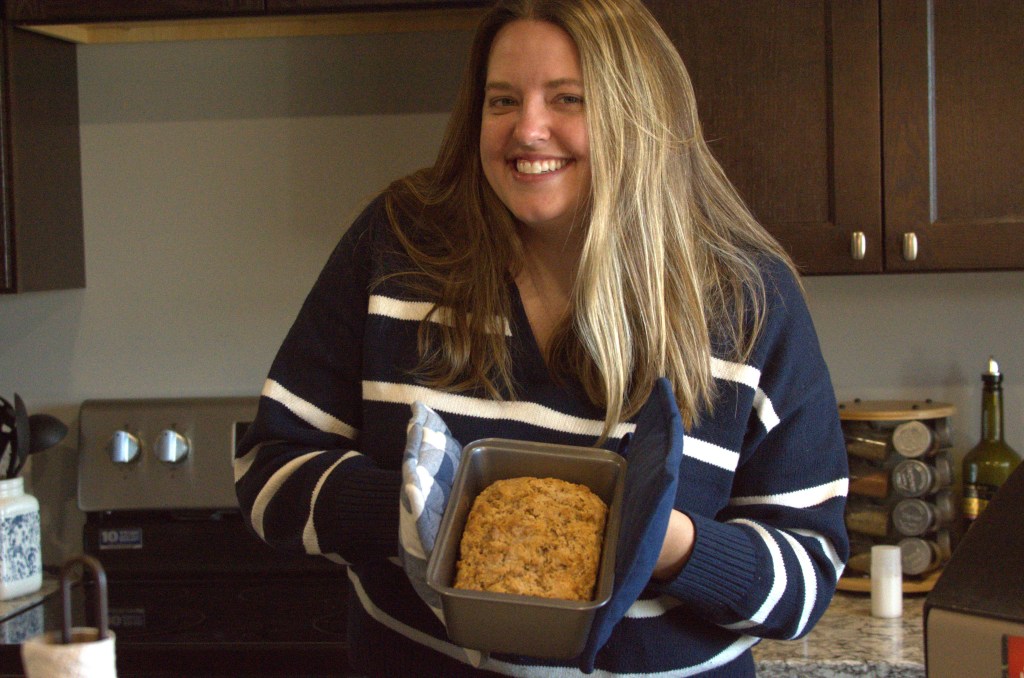
Amanda relays one more story about connections in conservation, through bison returns with the Intertribal Buffalo Council.
Notes for context:
- Intertribal Buffalo Council: A collection of tribes working to re-establish bison herds on tribal lands
- Tanka Fund: A non-profit focused on supporting Native American run Buffalo ranches
 The Prairie Ecologist