
This might be an awkward week to laud the value of having a non-native wildflower in my yard. I’m an invited speaker at the Indiana Native Plant Society’s annual conference this coming weekend. It’s probably (?) too late for them to cancel my appearance.
I’m mostly kidding. Today’s post is not intended to diminish the importance of native plants, either in ecological restoration or in suburban landscapes. I’m (obviously, I hope) a huge advocate for including native plants in those situations for many reasons. I’ve written about that before (here) and don’t need to cover that ground again here. However, in that same post, I also explained why Kim and I have a mix of native and non-native (and even some cultivars of native plants) in our yard. If that makes you feel agitated, I beg you to read both that post and this one before you start stomping your feet and plotting my destruction.

We moved across town last winter, abandoning garden spaces Kim and I (mostly Kim) had invested 10 years in. Our new place is mostly Kentucky bluegrass with some minimal and mostly not-our-style flower gardens along the edge of the house. While we’re both antsy to start making it ours, Kim very rationally decided that we need to wait a year before jumping into a new landscape plan. That’ll give us (her) time to scope out the sunny and shady spots, learn about what’s already here, and think about what we really want this new yard to look like.
As a result, we (she) planted a small vegetable garden in the same footprint used by the previous owner, but otherwise – with one exception – left the rest of the yard as is. That exception was that she planted a bunch of zinnias around our back deck and in a stretch of space on the west side of the house. I’m grateful for a couple reasons. First, zinnias are beautiful and I like looking at them. Second, and (finally) getting to the point of this post, they attract and feed a lot of insects, including lots of migrants. In particular, this week, they fed a couple butterflies that weren’t really supposed to be here, but showed up anyway.

We’ve been enjoying a bounty of pollinators and other insects on our zinnias all season. During the last few weeks, though, the activity has been even more appreciated because most of the native plants in nearby prairies and other natural areas have pretty much shut down for the season. There’s very little available pollen and nectar out there right now. In our yard, though, the zinnias are still cruising along.
While most monarchs have scooted south, the few that are still hanging around and/or passing through have really concentrated their activity on our zinnias. They’re joined by migratory painted lady and American lady butterflies, as well as other butterflies, moths, bees, flies, etc. – some migratory, some not.
Last weekend, I spotted a butterfly on our zinnias that I’d seen in books, but never in real life – a gulf fritillary. I took a couple quick photos with my phone and checked the terrific Nebraska Lepidoptera website to see what I could learn.
According to the website, the species hadn’t yet been reported in our county and it was also outside the seasonal window when it had been reported in the state. That’s pretty cool. I emailed Neil Dankert, who runs the site, to let him know what I’d seen. Apparently, a few other people in the state were reporting the butterflies in their yards, too, along with a few other species that are normally found to our south. We’d had some strong southerly winds (blowing out of the south) a day or two before I saw the gulf fritillary, so maybe a bunch of butterflies just got blown north by that weather system.


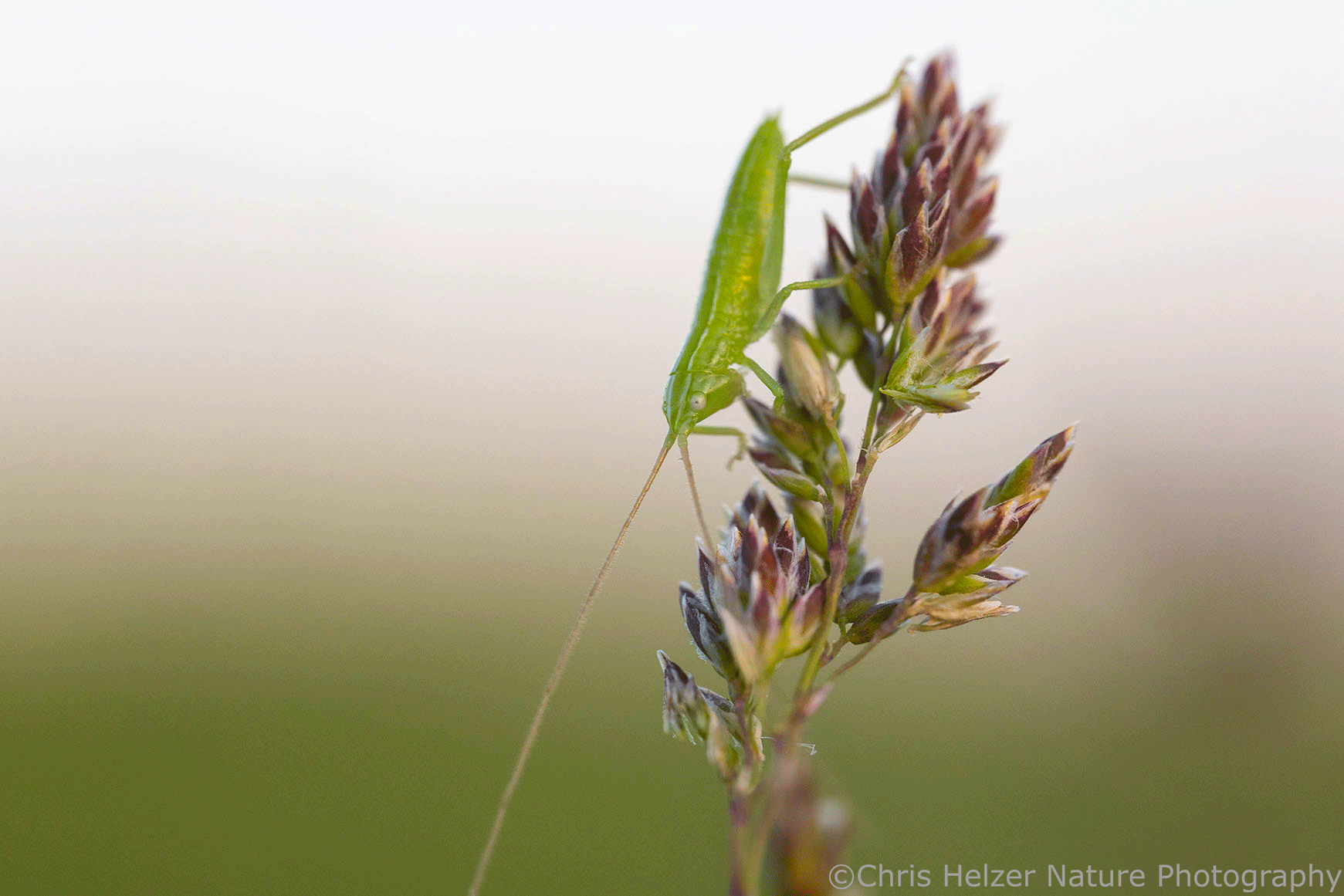
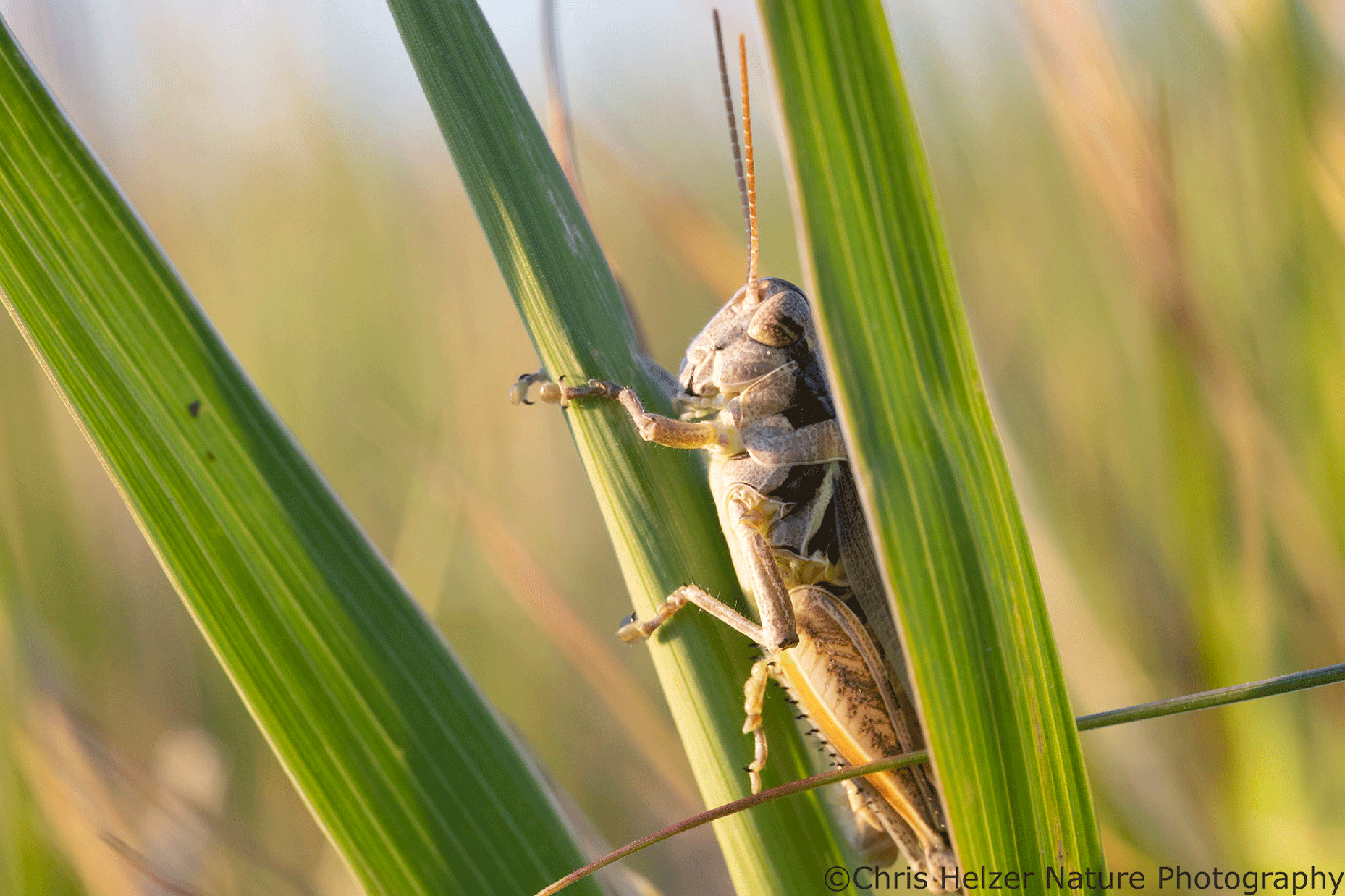
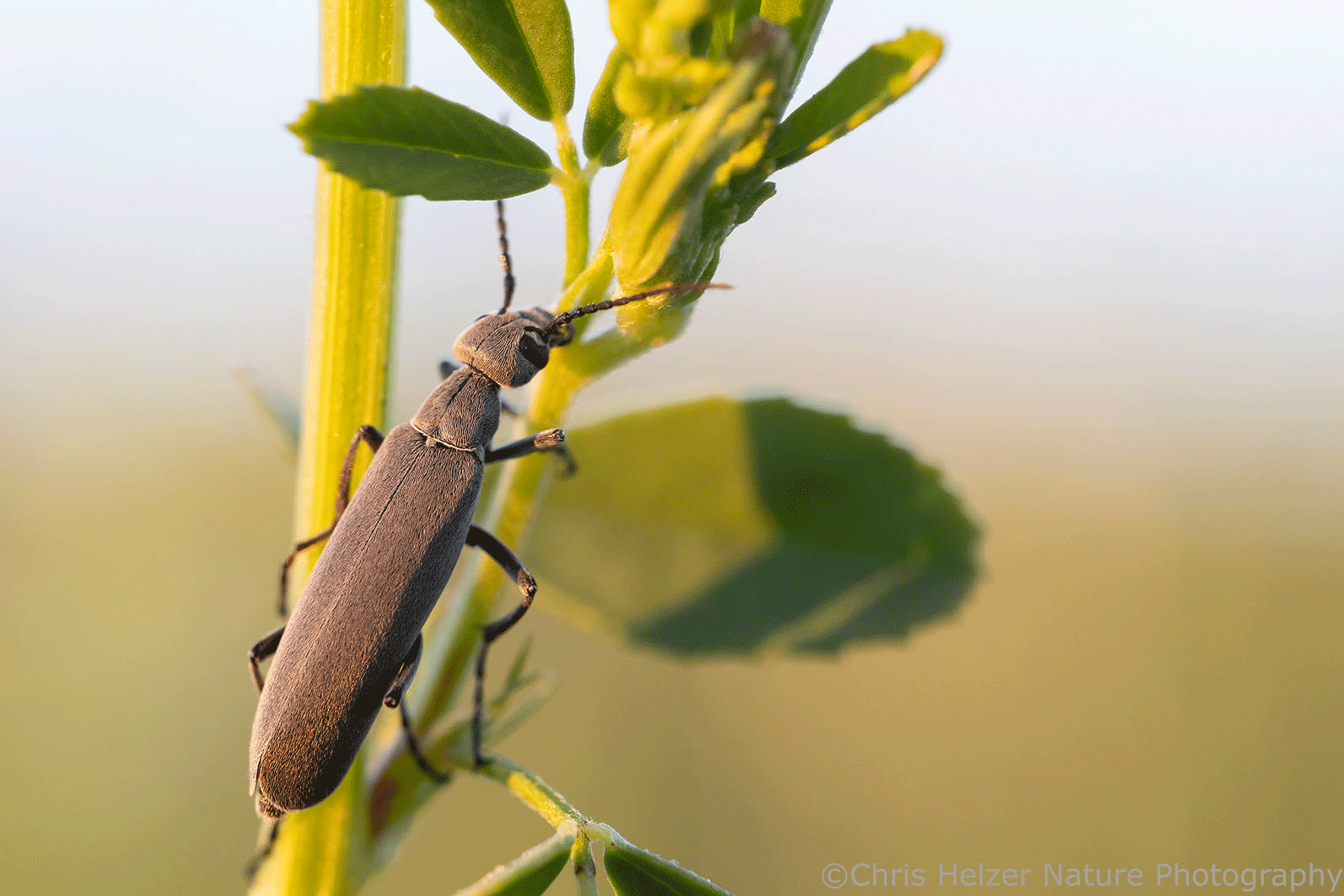
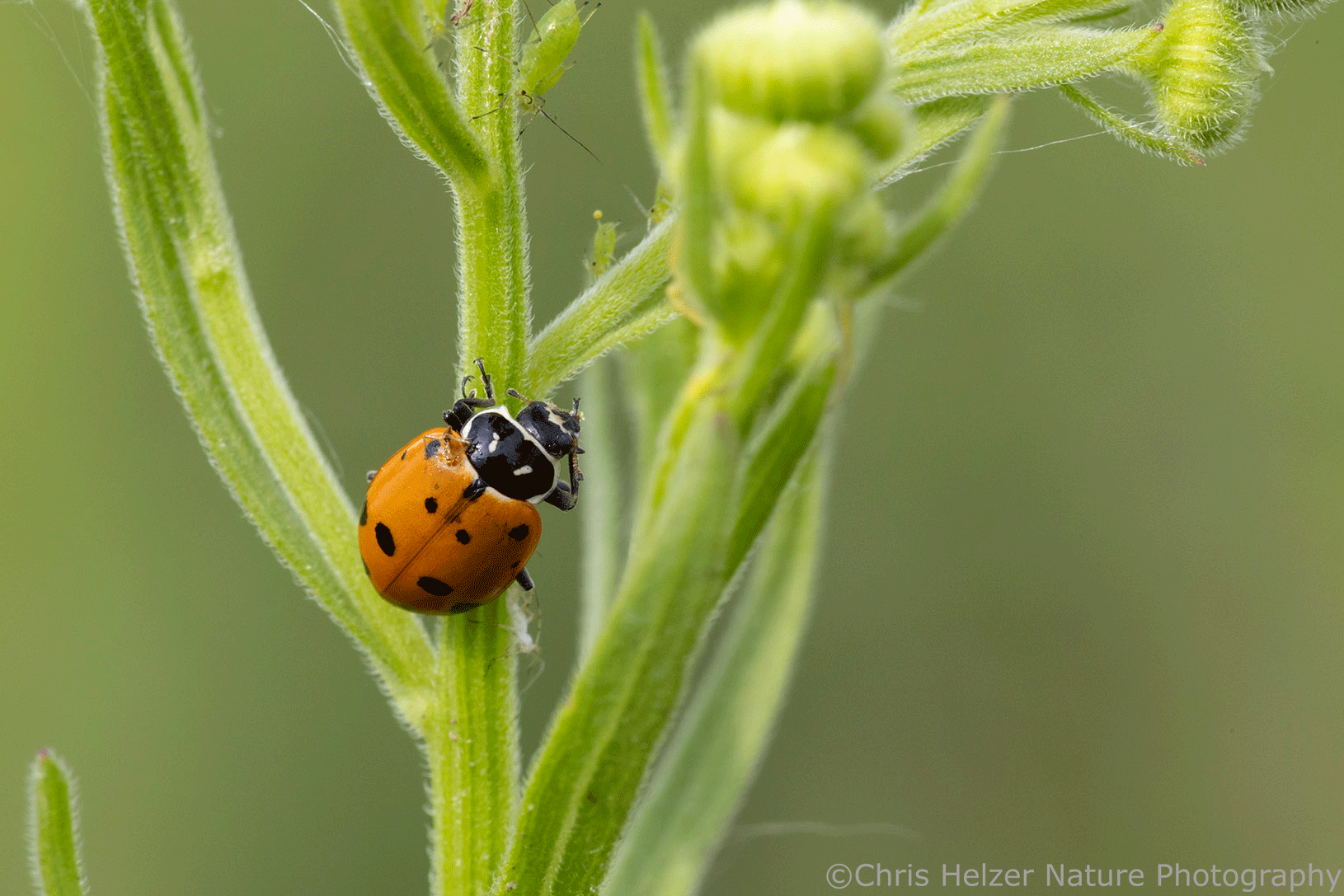
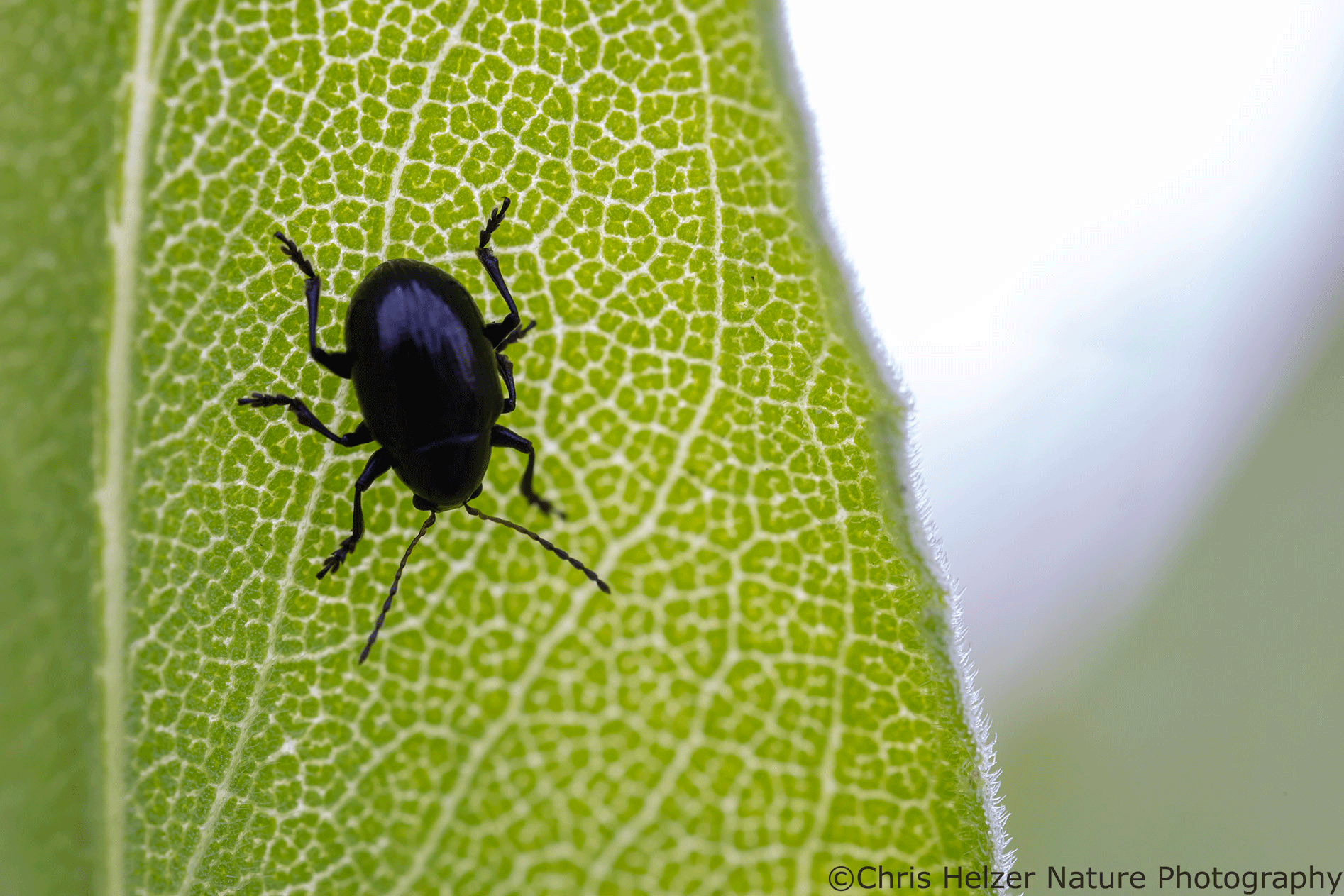
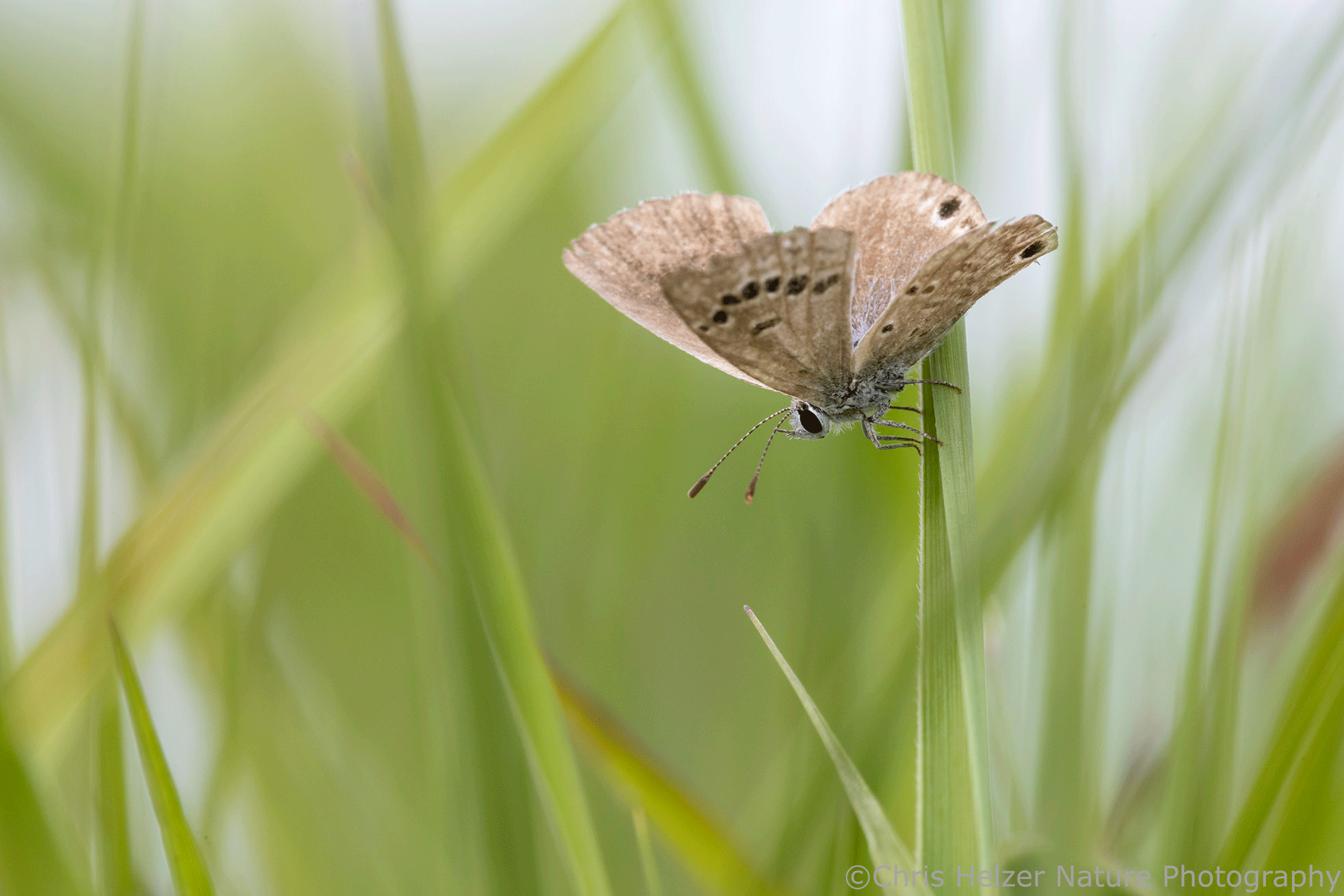
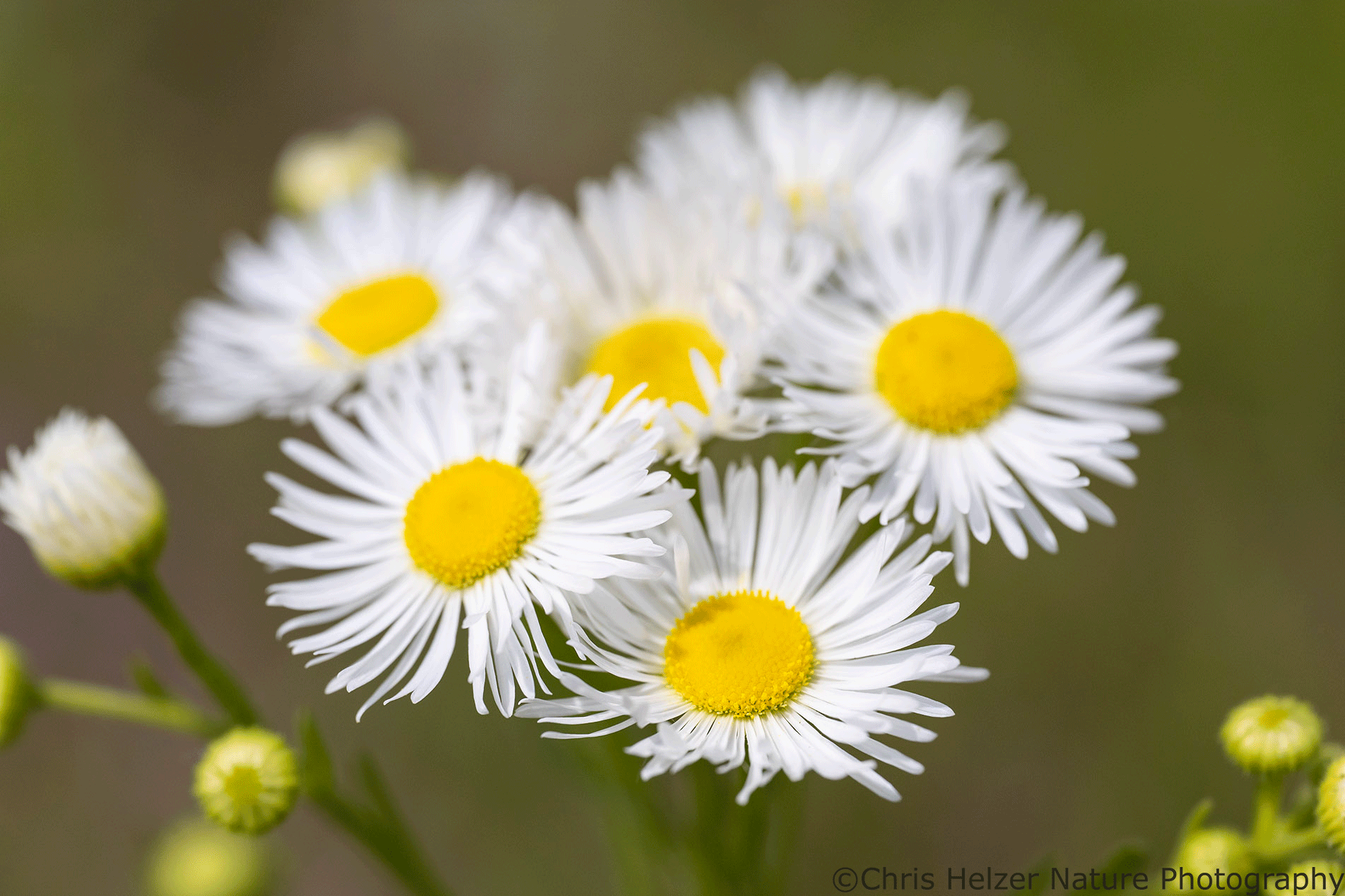
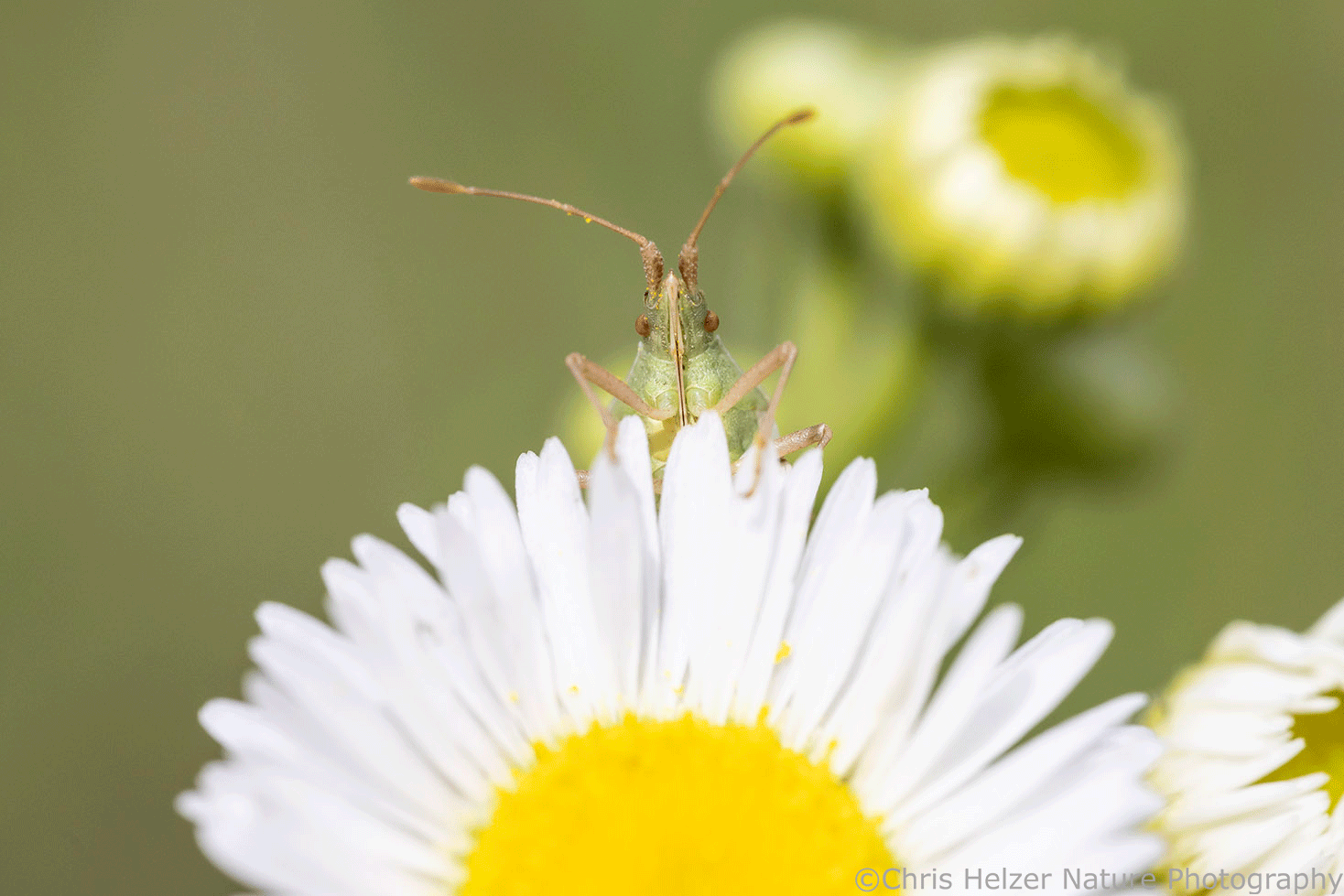
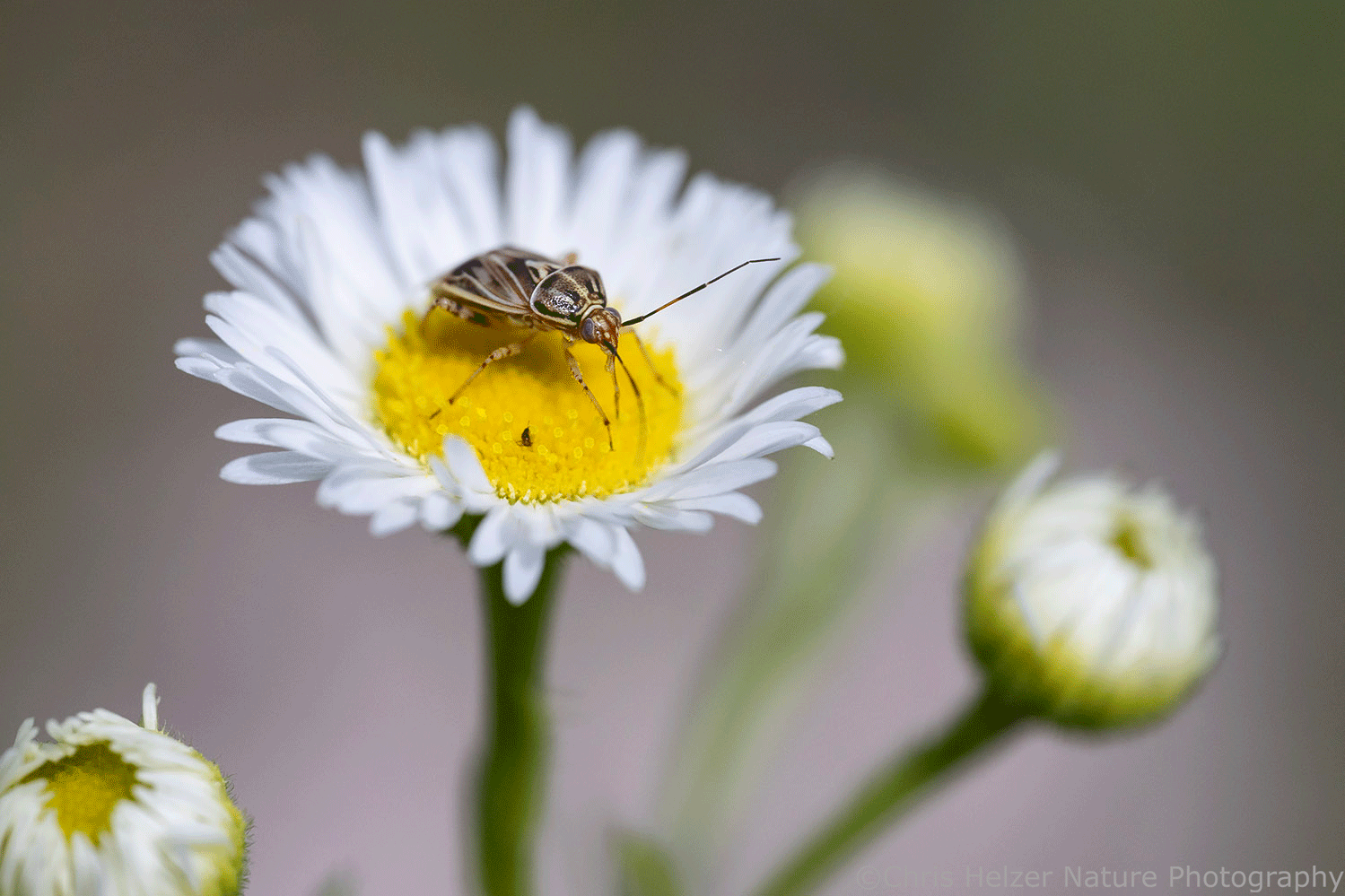
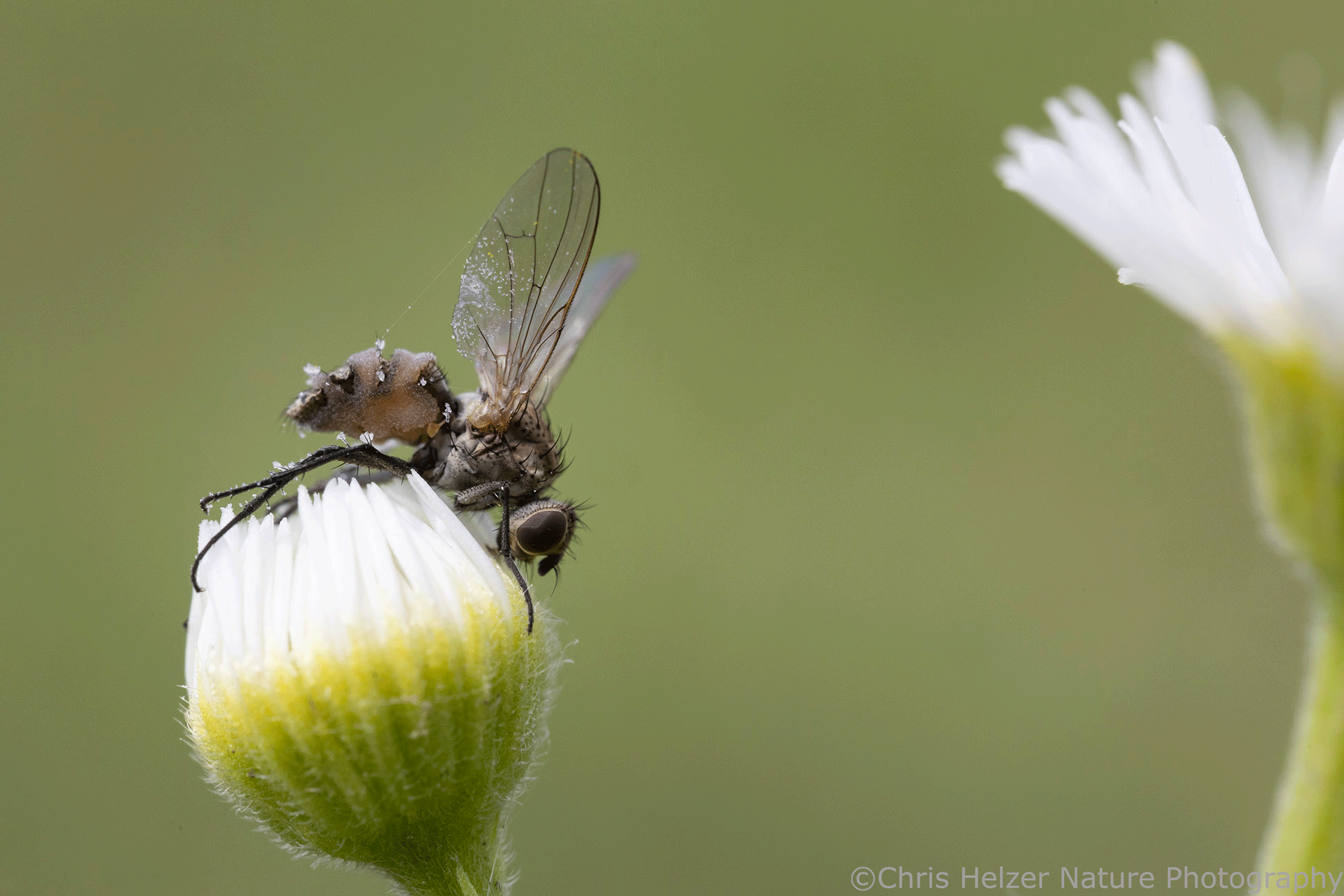
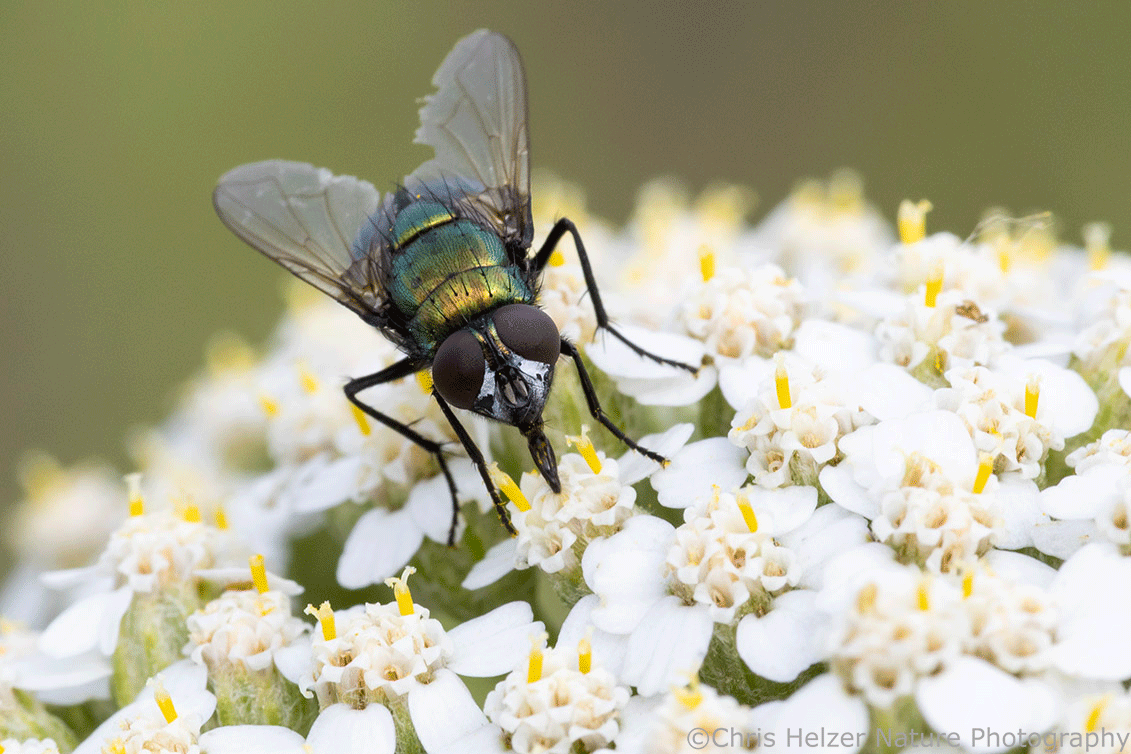
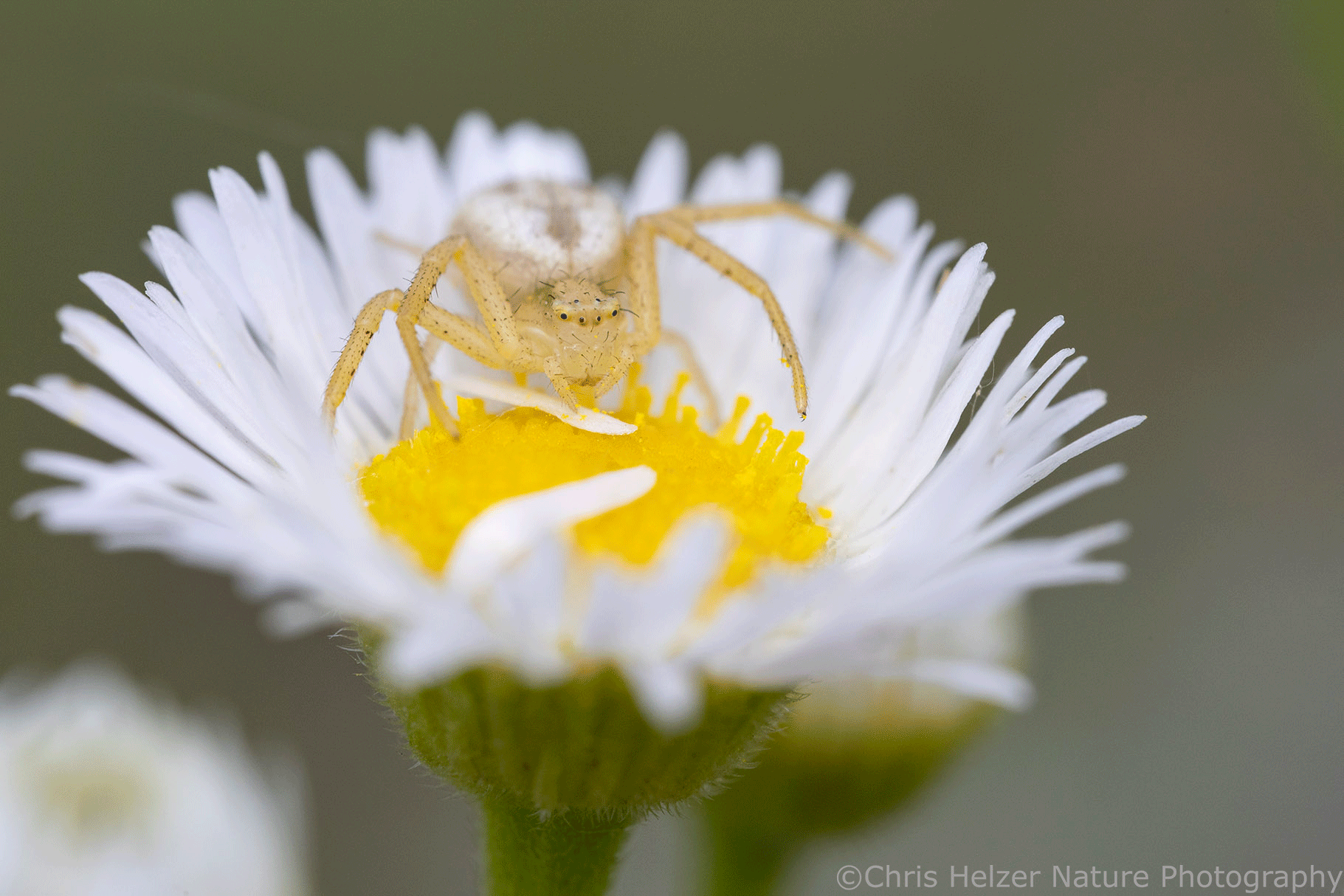
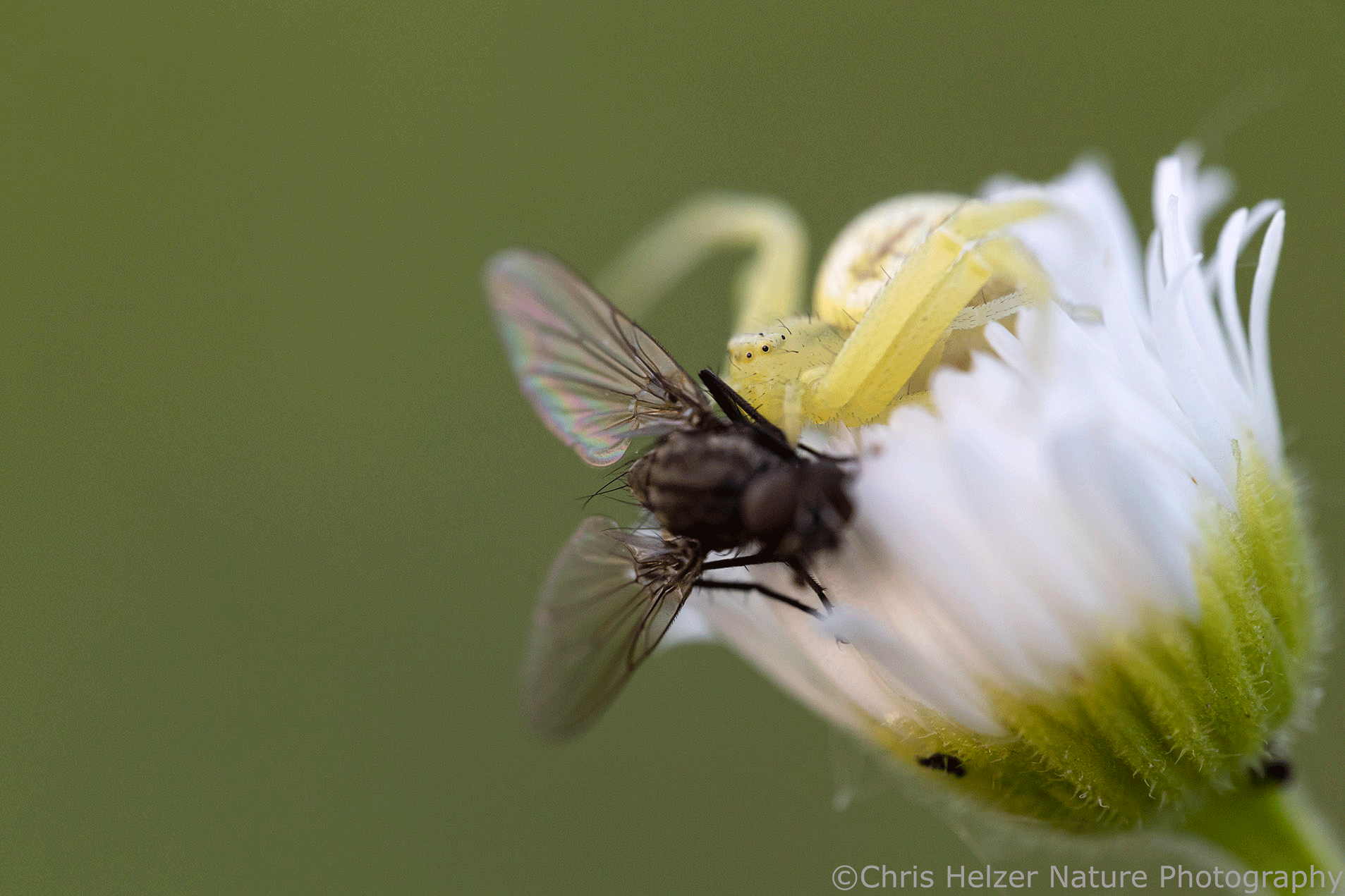
The next morning, I took my camera out behind the house and took the photos shown in this post. I saw at least two different gulf fritillaries, which I know only because one of them had a wing that was a little beat up. Well, I also saw two at once, which was another good clue, I guess. There could easily have been more than two, though – there was so much activity on the flowers, it was hard to keep track. Here are photos of some of the other insect visitors on the zinnias that morning.


I’m excited to start putting in a bunch of native plants next spring, and building those gardens out over the next several years. We’ll be sure to include wildflowers that bloom at different times of year so that we can provide nectaring options consistently through the growing season for both resident and migratory pollinators. It’ll also be fun to watch myriad insects feed on the leaves, burrow into the stems, and otherwise utilize the plant species they are familiar with and adapted to.
At the same time, though, I’m sure we’ll add species like crocus, daffodil, tulip, hyacinth, and others, just because we think they’re pretty. Zinnias, too, will continue to be a staple of our backyard color. We’ll plant a cherry tree for pies and maybe some raspberries and strawberries for eating and canning. In addition, we’ll leave one fairly big swath of mowed bluegrass so we can play frisbee with the dogs and so there’s a place for kids to play soccer or whatever they want. In short, we’ll create a yard that fits us.

I fully support people who want to turn their whole yard into native prairie plantings, or to landscape with only native plants. If that makes them happy, it makes me happy. I’m a little bothered, though, by the more militant among them who try to shame anyone who doesn’t want to go whole hog with them.
There are lots of ways to contribute to the world with your yard. You can be conservative in your water use, for example, both by planting species that require minimal watering and by not watering more than needed. Leaving piles of sticks and leaves around, as well as patches of bare ground, provide helpful habitat for many species. You can also be judicious about spraying chemicals for weed or “pest” control. The overuse of herbicides and pesticides is a huge problem and has big ripple effects outside of someone’s yard.
And, of course, incorporating native plants in your landscaping has innumerable benefits, both directly to insects and other wildlife and indirectly as a way of normalizing those plant species to neighbors and passers-by. Please add native species to your yard if you can!
However, don’t feel bad about throwing in a few daffodils, petunias, or zinnias as well. I sure don’t, and neither – apparently – do the butterflies.







 The Prairie Ecologist