
I don’t ever plan to write an autobiography, but if I do, the title might very well be, “I Was Always Glad I Went Out”. And, of course, it will sell badly because that’s not a very catchy title for a book. Plus, no one wants to hear about my childhood.
Although it’s a terrible book title, it really is something I feel whenever I kick myself out out of the house and into the prairie. Yesterday was a great example. I had the day off because of the federal holiday (The Nature Conservancy gives us federal holidays off, even though we are not a government agency). I woke up and wasn’t sure what to do with myself. Eventually, I decided I really just needed to go somewhere and things would fall into place. That was a smart call.
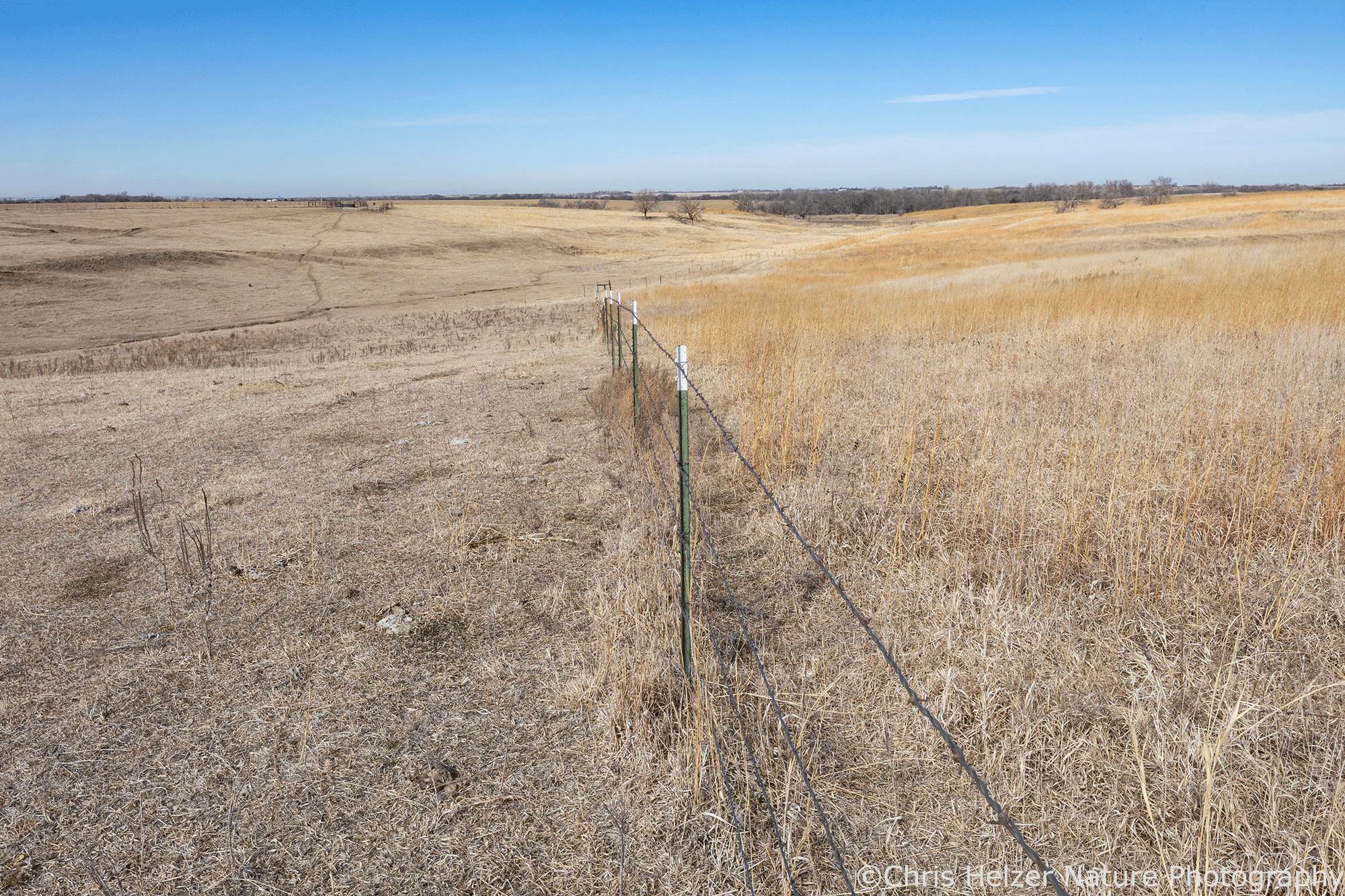
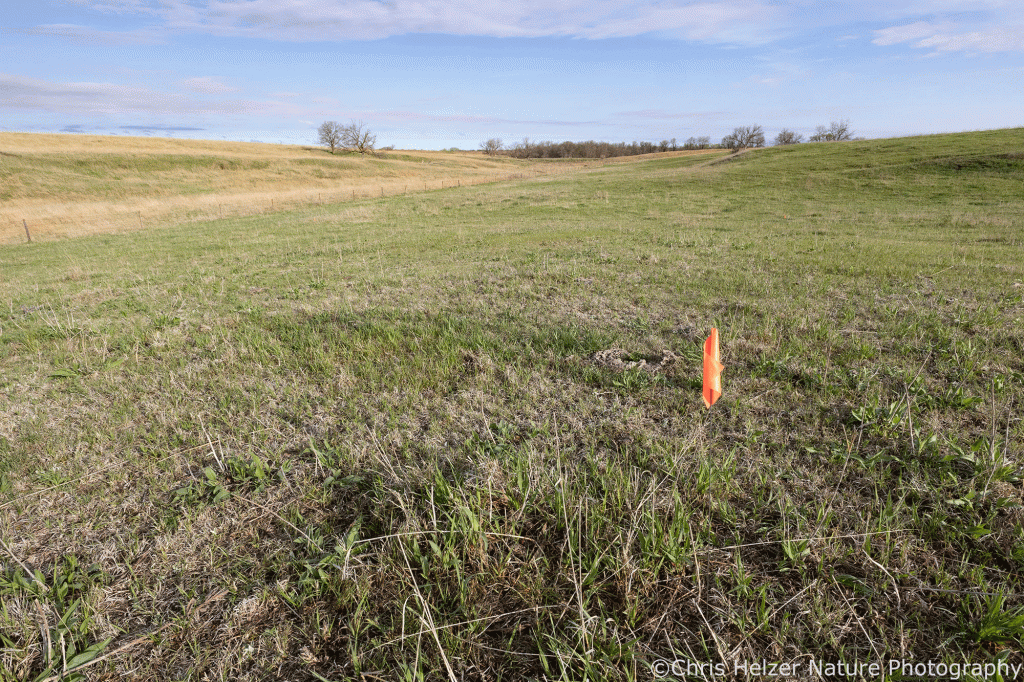
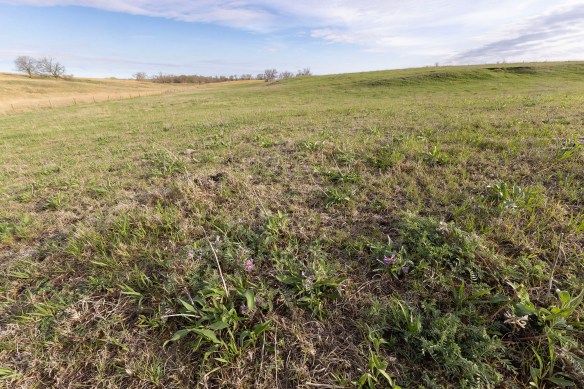
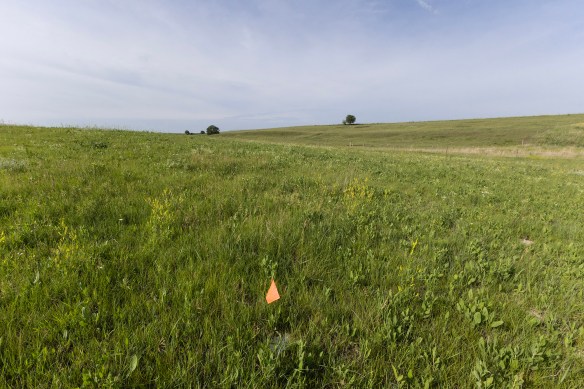
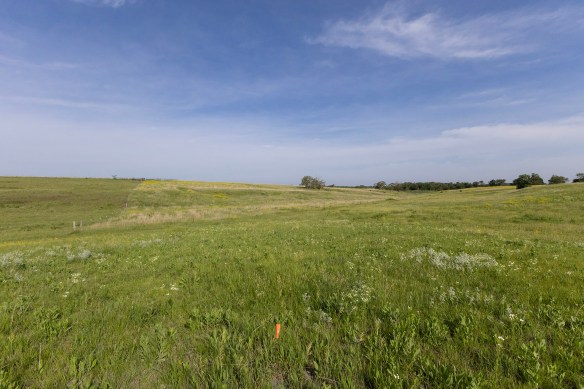
I headed out to our family prairie. I wanted to scout some possibilities for a potential future project, but that was really just the excuse I used to talk myself into the trip. When I arrived, I explored happily, mostly in the part of the prairie that had been grazed all of last year and where the vegetation was extremely short. It was a warm enough morning (mid-50s Fahrenheit) that I hoped to find a few insects moving around, even in mid February, and I haven’t had a lot of opportunities for bug photography lately!
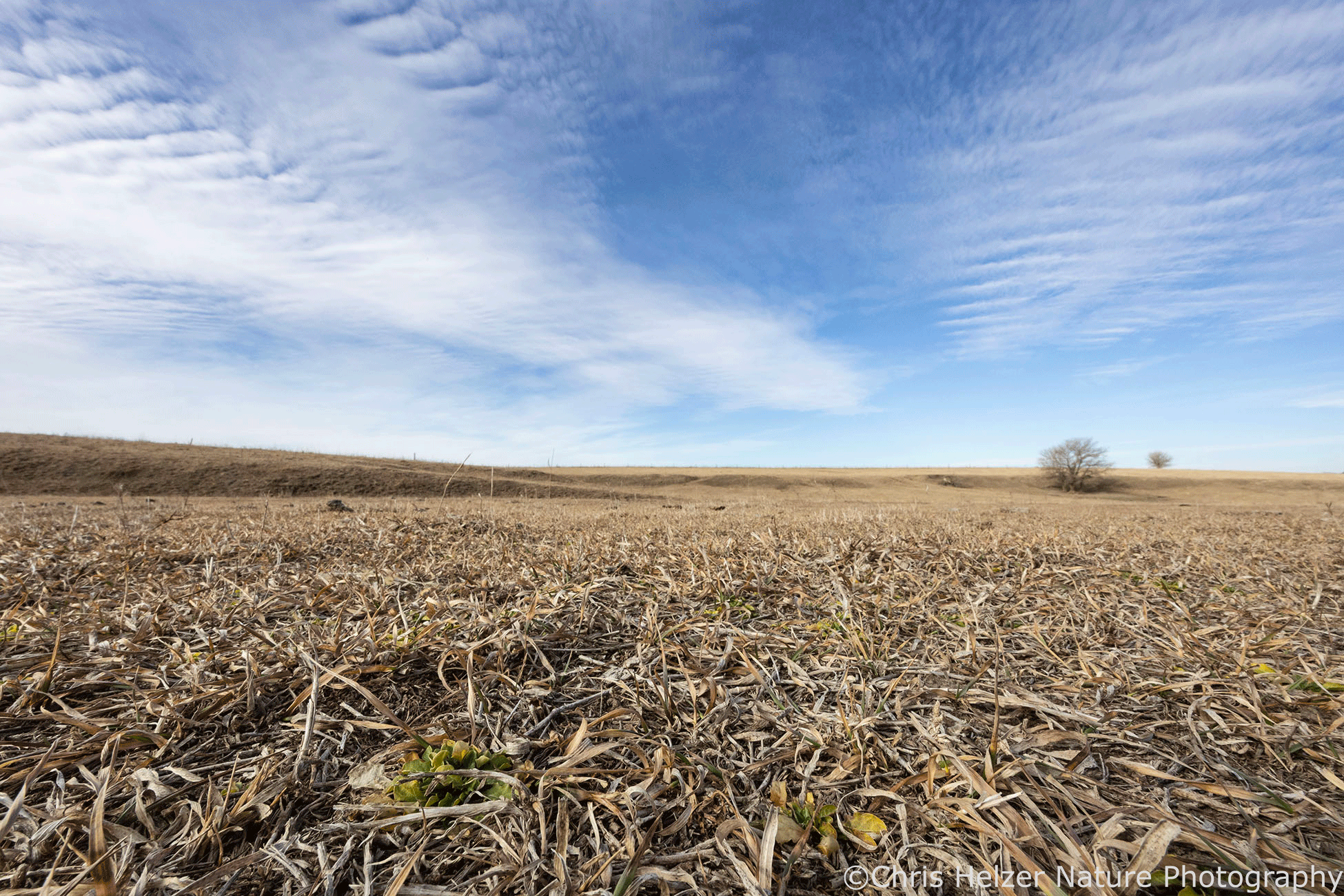
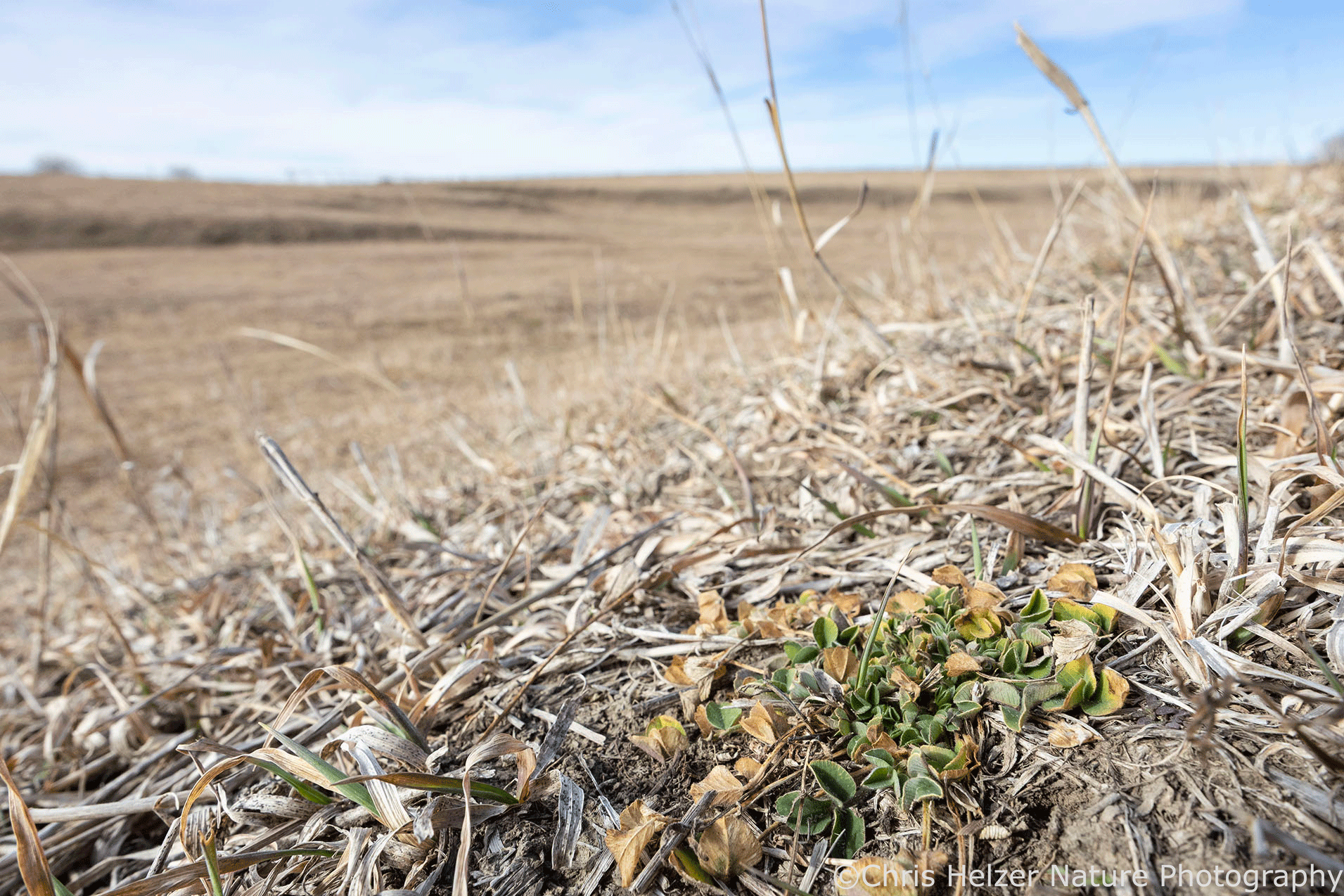
You might remember a recent post with a lot of photos I took in part of our prairie during its first year of rest after a year of intensive grazing. The area I was in yesterday will go through a similar process during the coming year, but right now, it’s just really short with a lot of exposed bare ground. I figured the exposed bare ground would make finding insects easy – both because they like soaking in the sunlight and because there’s not much to hide them from my eyes (other than their incredible camouflage and tiny size, of course).
As it happened, I did find a fair number of insects, but I also found plenty of other sights and sounds to catch my attention. The sounds were mostly flocks of migratory snow geese that crisscrossed the sky above me, shouting to each other about something or other. A group of winter meadowlarks flew past as well, but they were just moving from one part of our prairie to another and weren’t nearly as noisy about it.
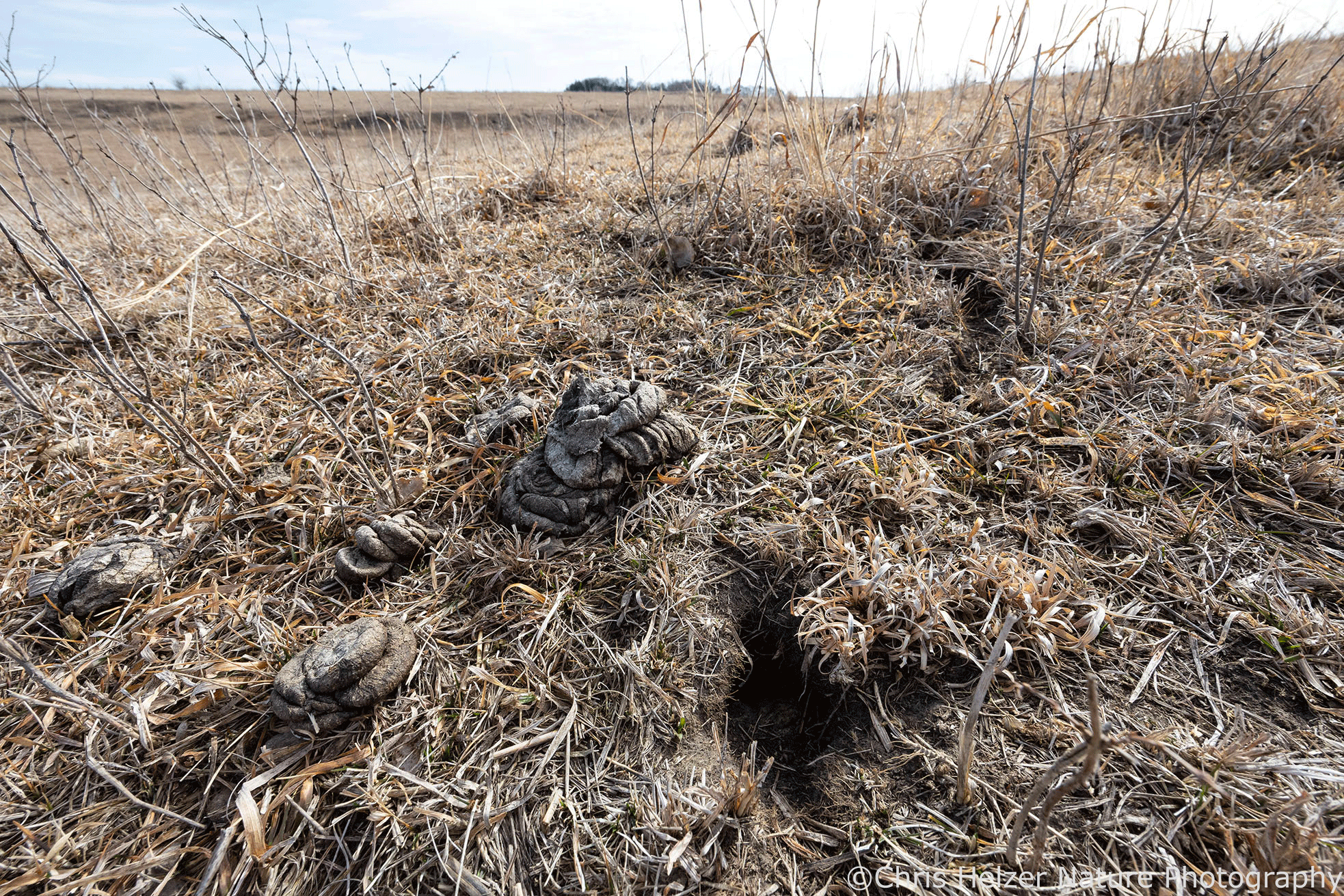
The first sight that caught my eye was a couple of badger burrows. As I walked, I saw more and more – at least a couple dozen in total. I estimated there were maybe 2 per acre, and that’s likely an underestimate. Coincidentally, I’d just recently received a reply to an email I’d sent to a badger researcher asking about burrows. I’d wanted to confirm that most of the digging activity we see in prairies is from hunting, not necessarily for the purpose of making an overnight sleeping spot. The researcher confirmed my assumption, but also agreed with my guess that the badgers probably did end up sleeping for a night in at least some of those burrows, especially since they’d already gone through the excavation work anyway.
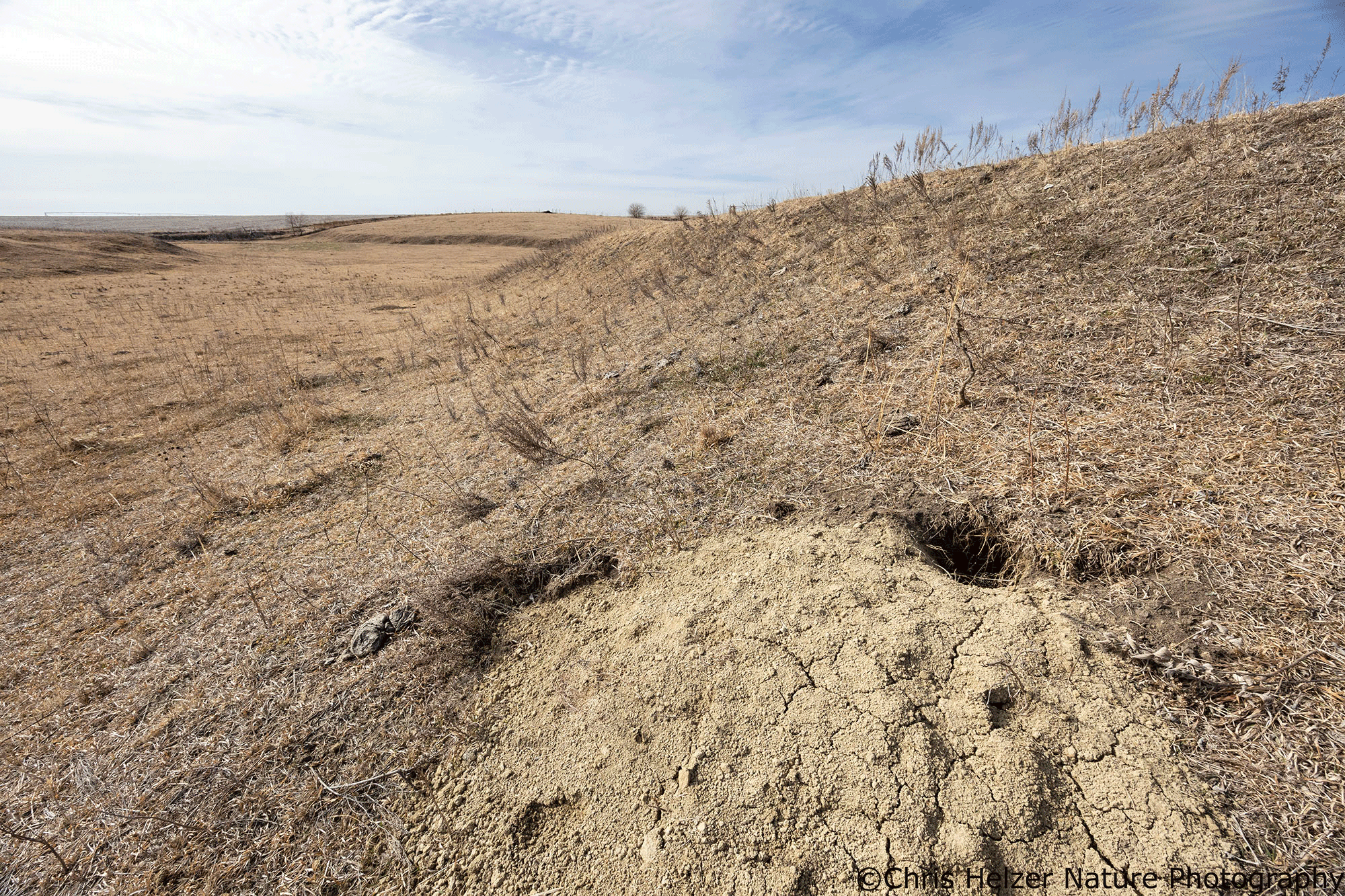
I’ve noticed before that badgers like to dig around in areas of short vegetation, but I’m not sure I’ve ever seen quite the same burrow density as I saw yesterday. Looking across the road, it looked like there were quite a few in the neighbor’s soybean field, too. (Interestingly, I felt a little betrayed by the badger(s?) when I saw that. Isn’t that ridiculous? I thought, “Hey, why are OUR badgers going to the neighbor’s?? Our little prairie isn’t good enough for them?”)
I’m pretty sure the reason there are so many badger burrows in recently-grazed sites, by the way, is because that’s favored habitat for thirteen-lined ground squirrels, which are often considered badgers’ favorite prey. The ground squirrels like the short habitat and dig their little burrows all over in it. That makes it easy for the badgers, who show up and dig their much bigger burrows in the same spot – digging right down to the ground squirrels and catching/eating them. It’s a terrific strategy, but must be a terrifying way for the ground squirrels to end their lives.
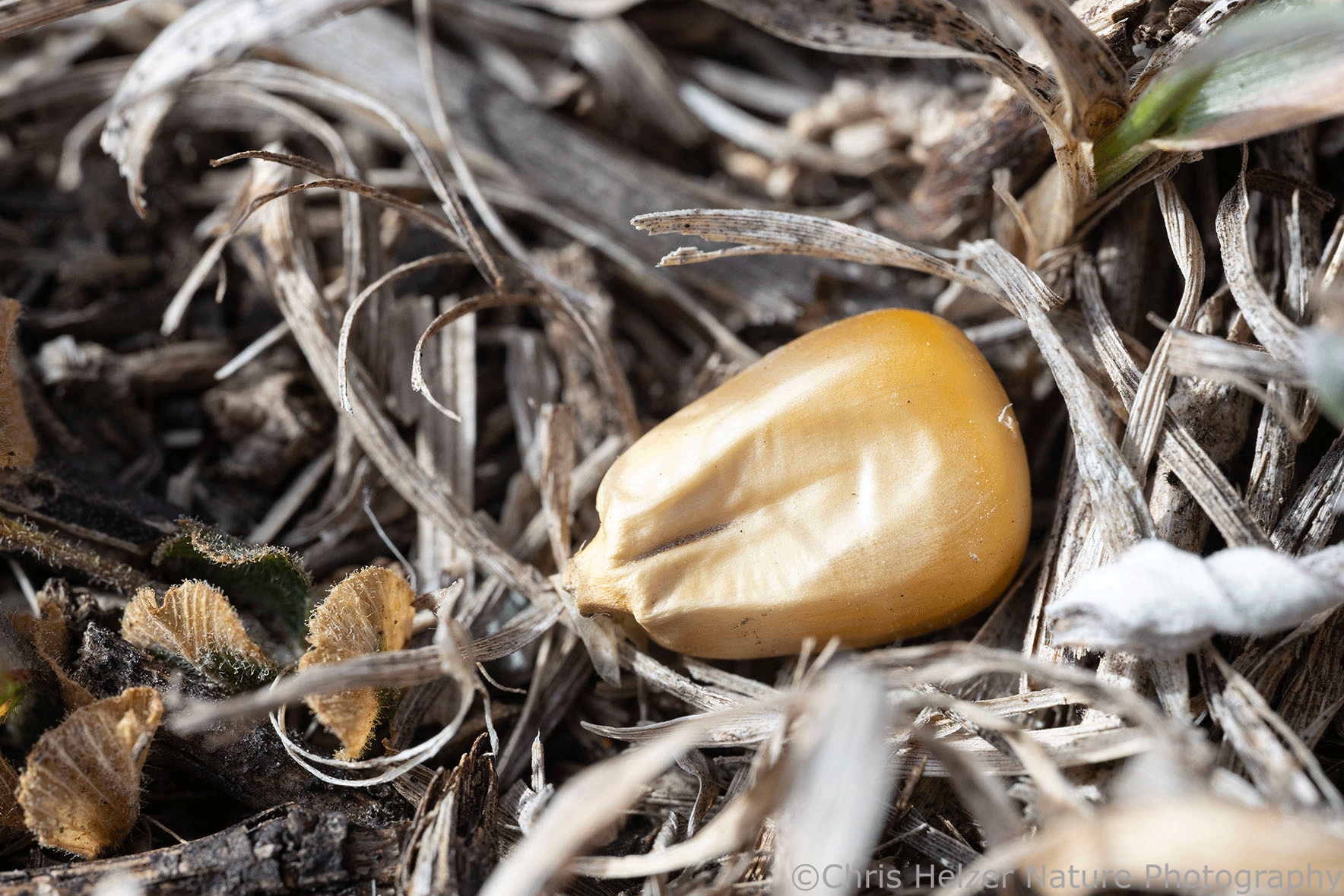
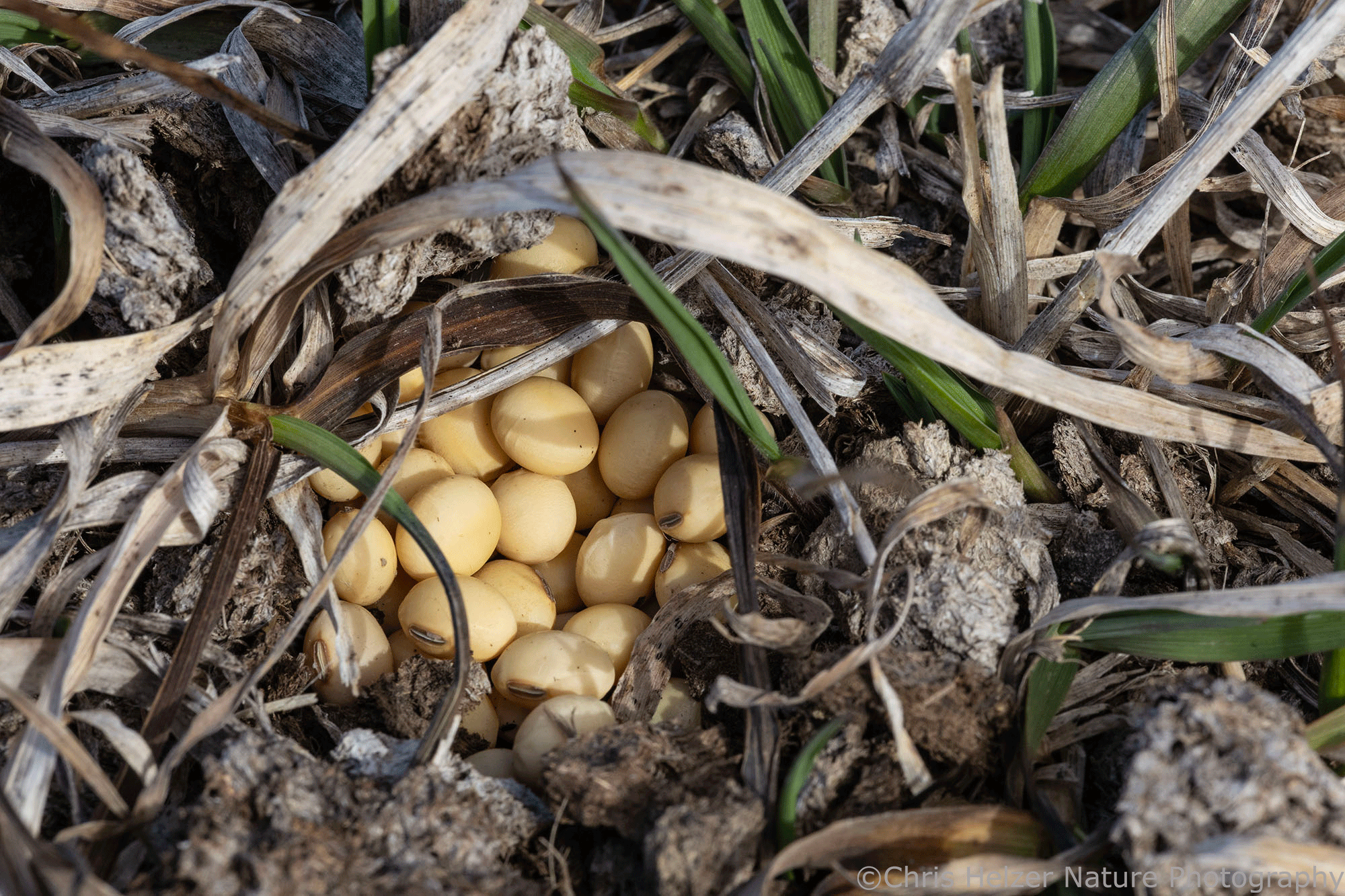
Speaking of small mammals, I saw additional evidence that they, and/or other small vertebrates, had been active. In particular, I found a single kernel of corn on the ground, maybe 100 yards from the nearest corn field, and a little cache of soybeans in a different place – again, maybe 100 yards from the closest soybean field. The corn kernel could have been carried there by a number of different animals, I suppose, but I’d guess either a bird or mouse (or maybe a ground squirrel?). The collection of soybeans, though, definitely looked like something only a small mammal would make. I’ve seen similar caches before, but still don’t know which species might be making them. Any small mammal experts out there?
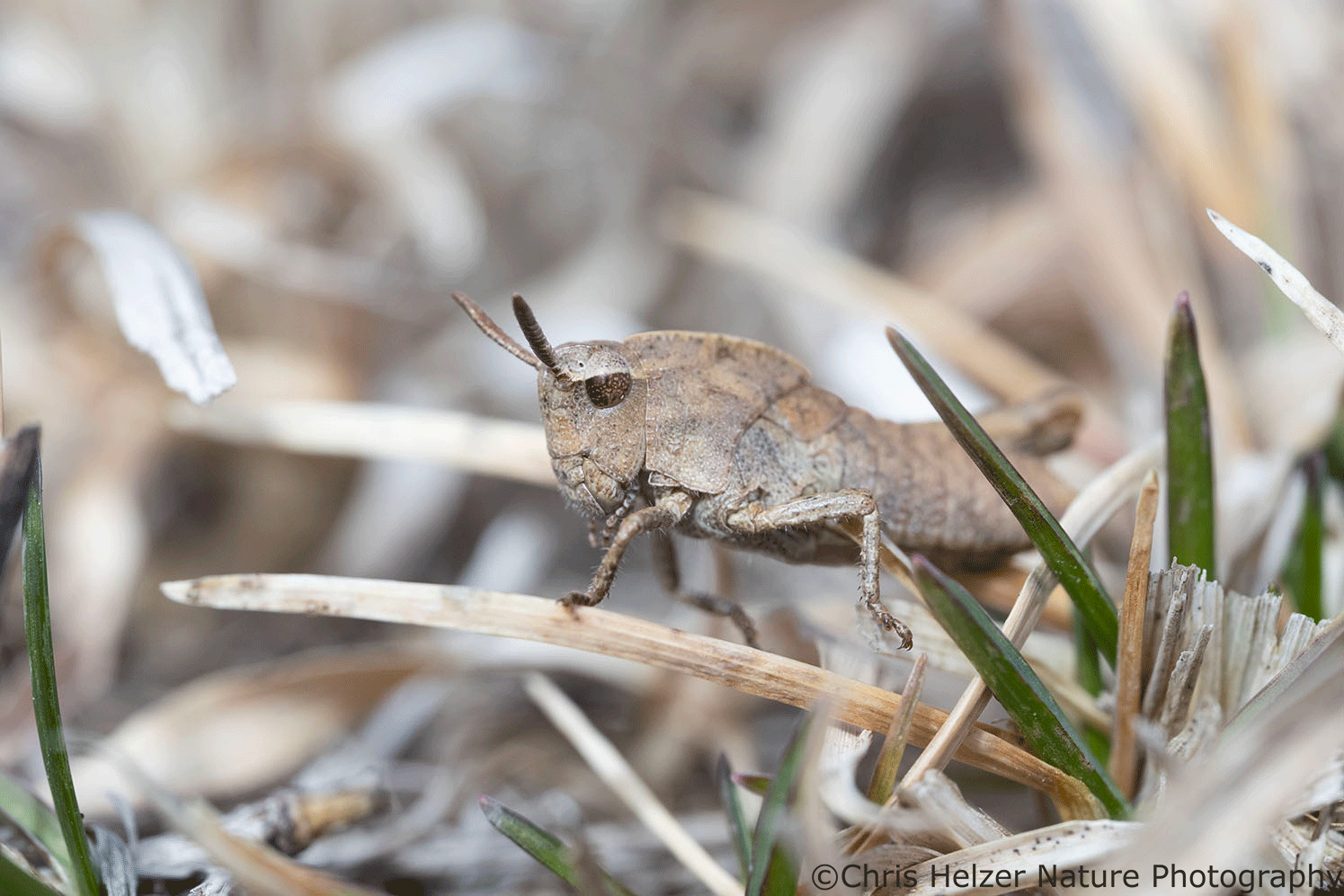
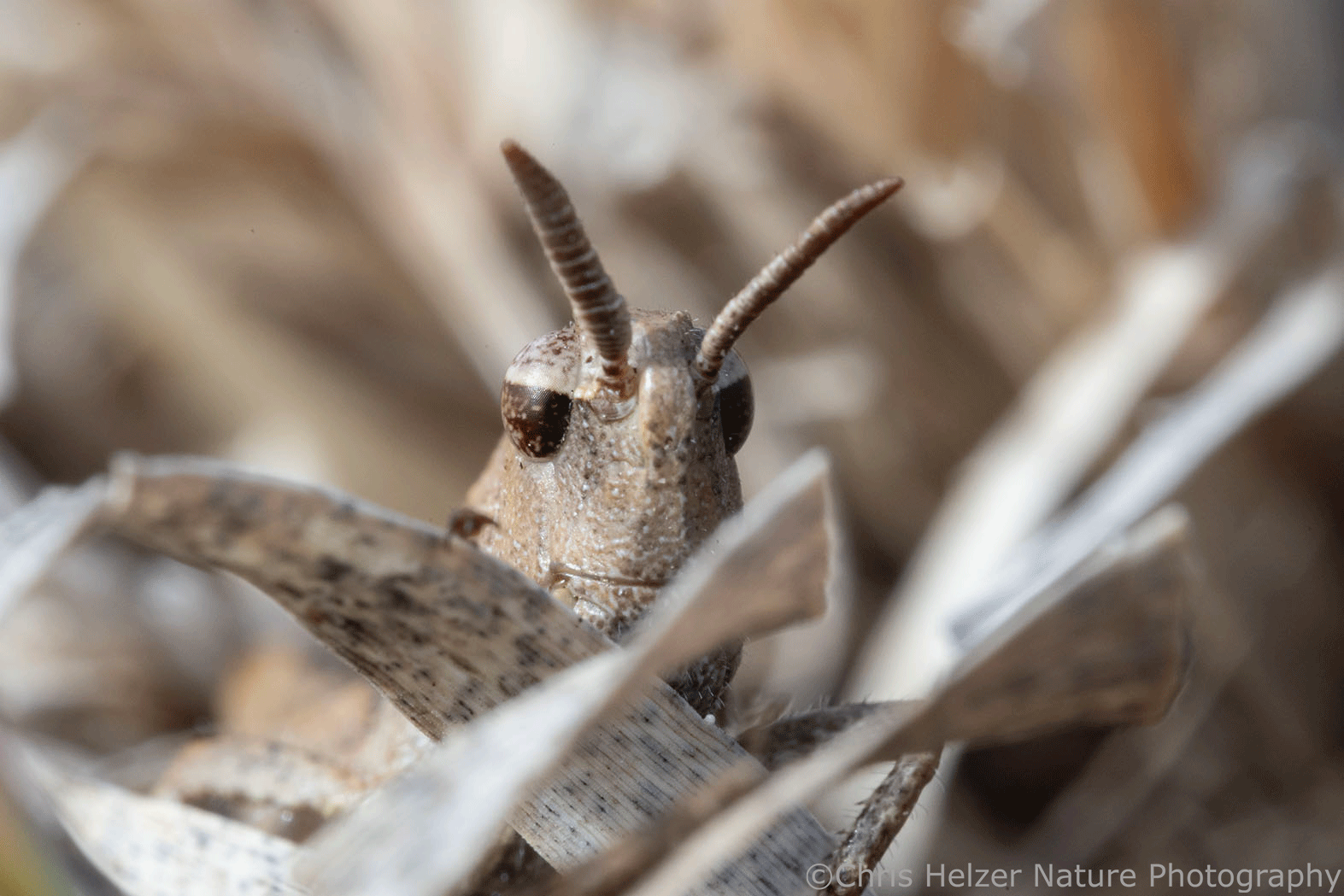
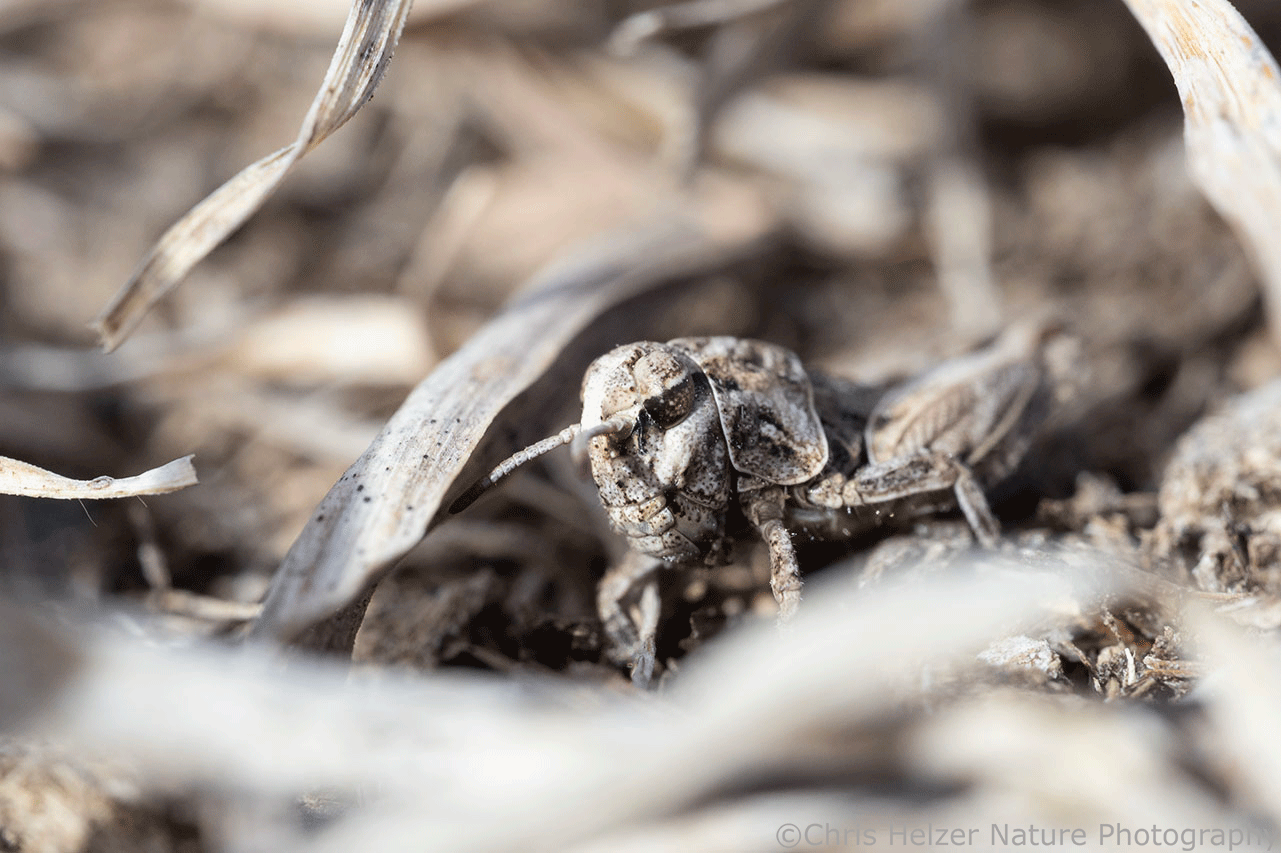
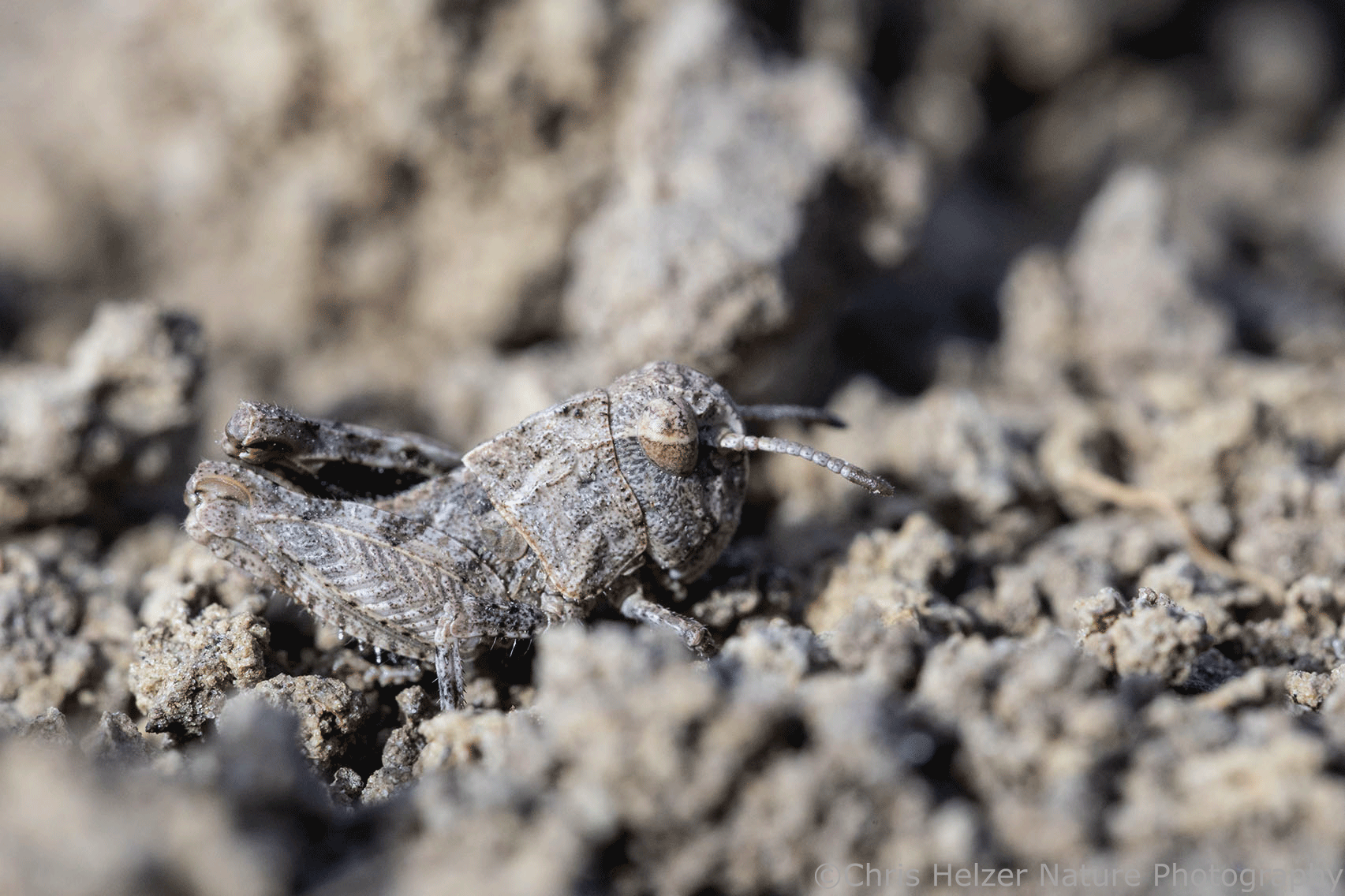
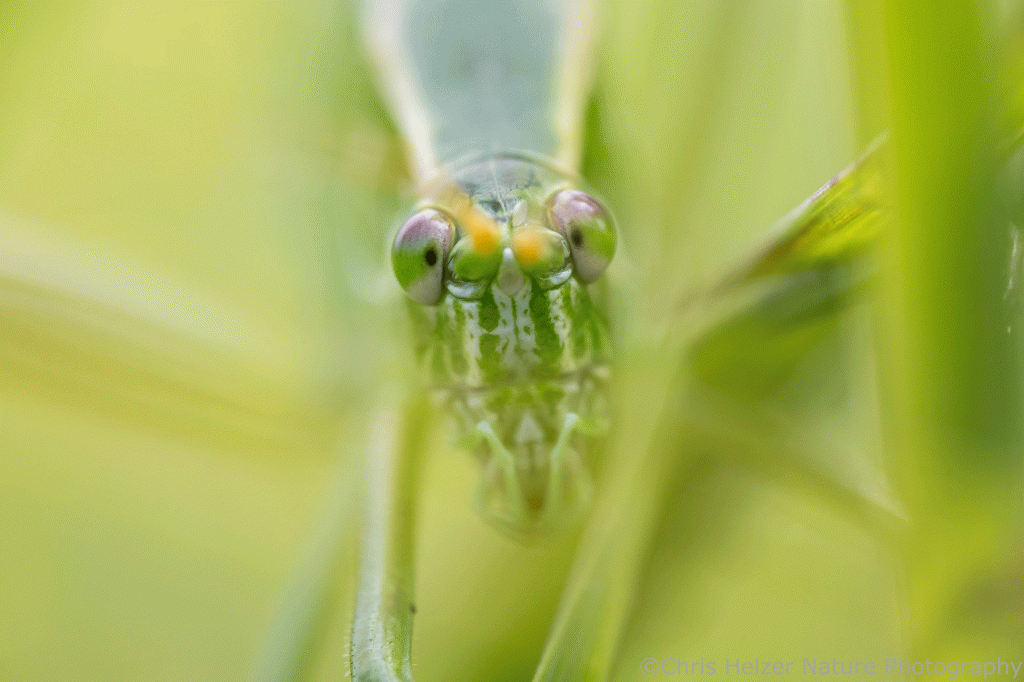
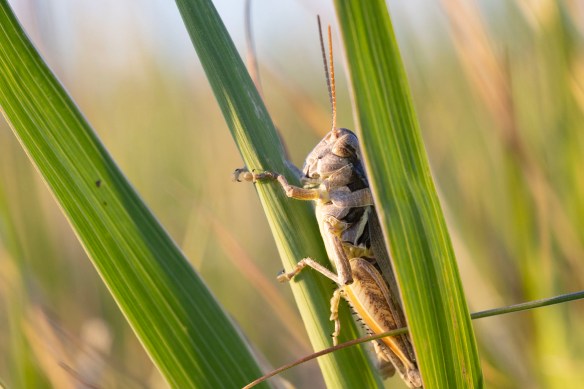
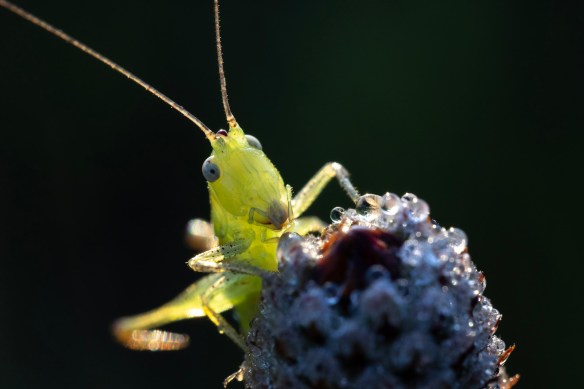
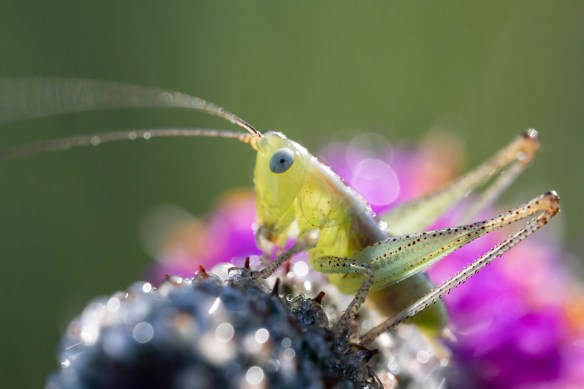
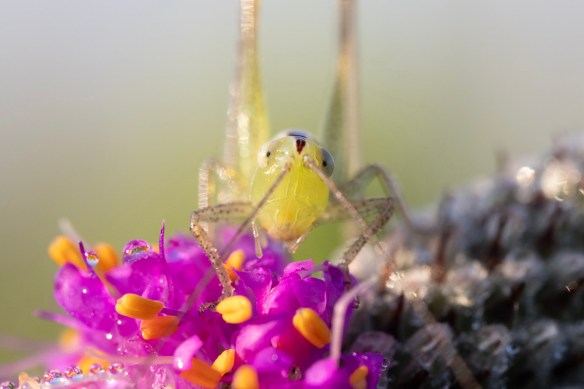
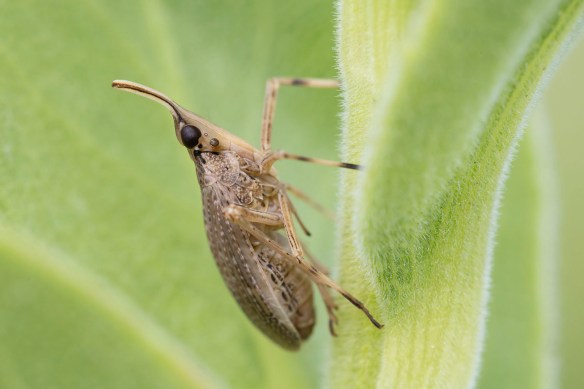
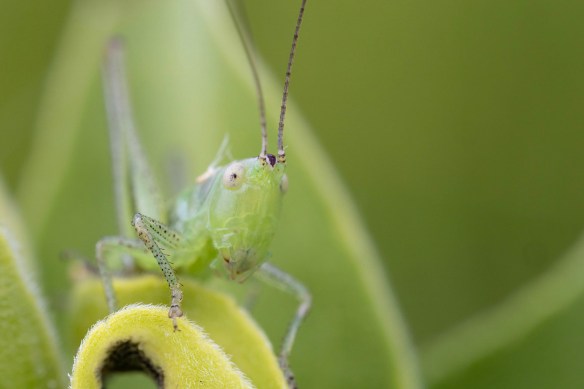
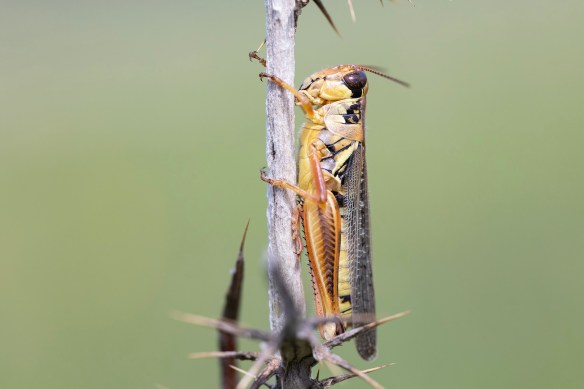
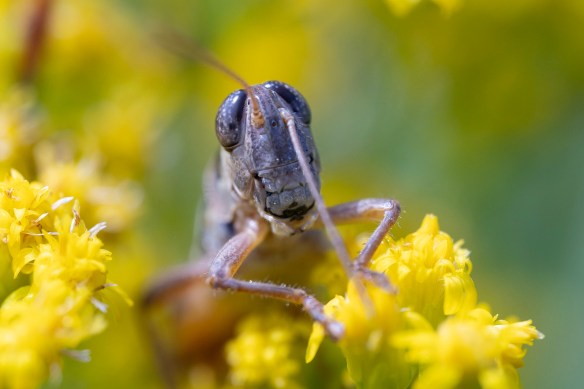
I did find invertebrates, too. They weren’t easy to spot, even with all the bare ground, but I laid down on a few south-facing hill sides where I guessed bugs would get some nice warm sun, and waited until I saw movement. I managed to see and photograph a handful of grasshoppers. Well, not exactly a handful, since they were all very tiny nymphs, but I did see 4-5 of them. They looked different from each other, but I’ve learned enough about grasshoppers to know that differing appearance doesn’t mean they were different species.
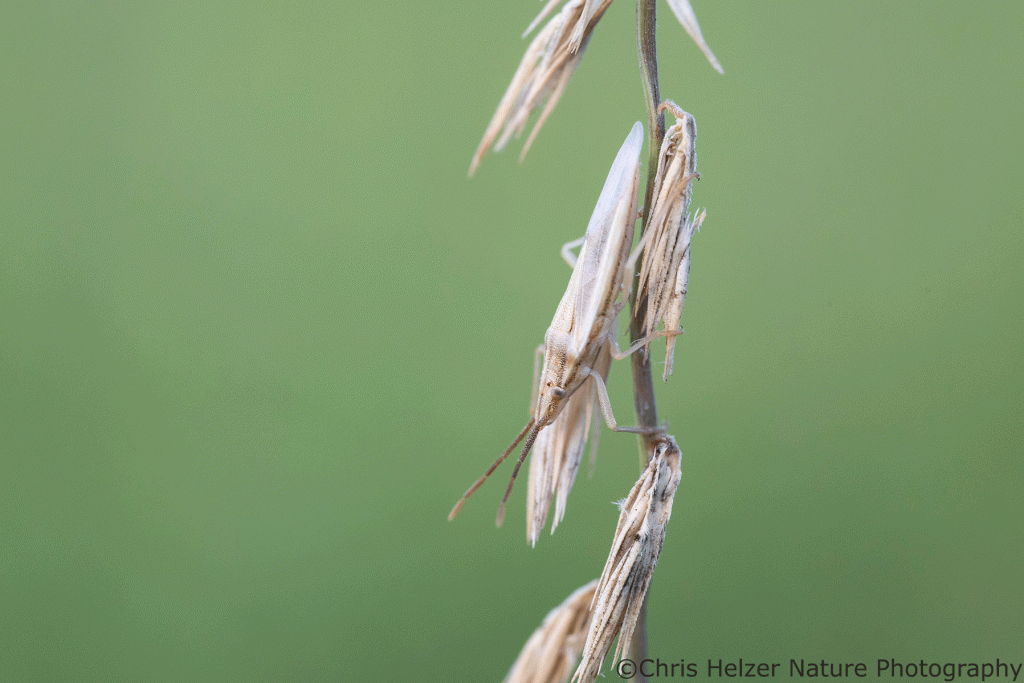
Especially among grasshopper nymphs, appearance can sometimes vary quite a bit from individual to individual, and even more between nymphal stages – even within the same species. As a result, the three individuals featured below might very well be all the same species. (The first two photos are different shots of the same individual, which was about 3/4 of an inch long. The second two were two other individuals which were both less than half an inch in length.)
Many invertebrates (along with some frogs and other vertebrates) have the ability to freeze solid during the cold winter months and then reanimate when it warms back up. I’ve known and marveled at that for a long time, but yesterday, I realized I still had unanswered questions. Primarily, why is that we can put insects in the freezer to kill them (during research data collection efforts, for example) and they don’t reanimate? What’s the difference between that and the kind of freezing they do during very cold winters?
As I often do, I took advantage of having met a lot of smart people during my career, and sent off an email to a few entomologists to ask for an explanation. So far, I’ve only heard back from one of them, so I may have to update this later. The first response, from Mathew Brust, gave me a couple possible explanations. One is that many insects (and other invertebrates) find insulated spots for overwintering – often in leaf litter or in underground burrows. That doesn’t keep them from freezing, but does keep them a lot warmer than if they were just sitting in an exposed spot. The temperature difference between a sheltered and unsheltered spot can be surprisingly stark, and could easily be the difference between life and death. It could very well prevent insects from getting as cold as the the zero degrees F many of our freezers are set at.
A second possibility, though, is that invertebrates can handle cold temperatures much more easily when the temperature change is fairly gradual. If they have time to adjust, their bodies might be able to handle much colder temperatures than if the temperature goes from, say, 80 degrees F to 0 degrees F within a few minutes. That quick and drastic shift might be too much for invertebrates to handle.
Matt also sent me a recent video by Travis McEnery, which explores the ways spiders can survive winter temperatures. You can watch it at this link, if you like. The video does a great job of explaining how the “blood” (hemolymph) of spiders and invertebrates is often formulated in a way that it doesn’t freeze solid until temperatures get far below those that freeze water. There’s a lot more to it, but I’m not going to try to explain it all here.
Another reason (covered by the McEnery video) spiders and insects can handle winter temperatures might tie both Matt’s suggestions together. In at least some invertebrates, their bodies change throughout the year, and in places that have cold winter, invertebrate bodies develop a tolerance to cold (related to the composition of their hemolymph, for example) only when day lengths shorten during the colder times of year. In other words, they’re not adapted to freezing temperatures during our summer research work but they are by the time winter comes around.
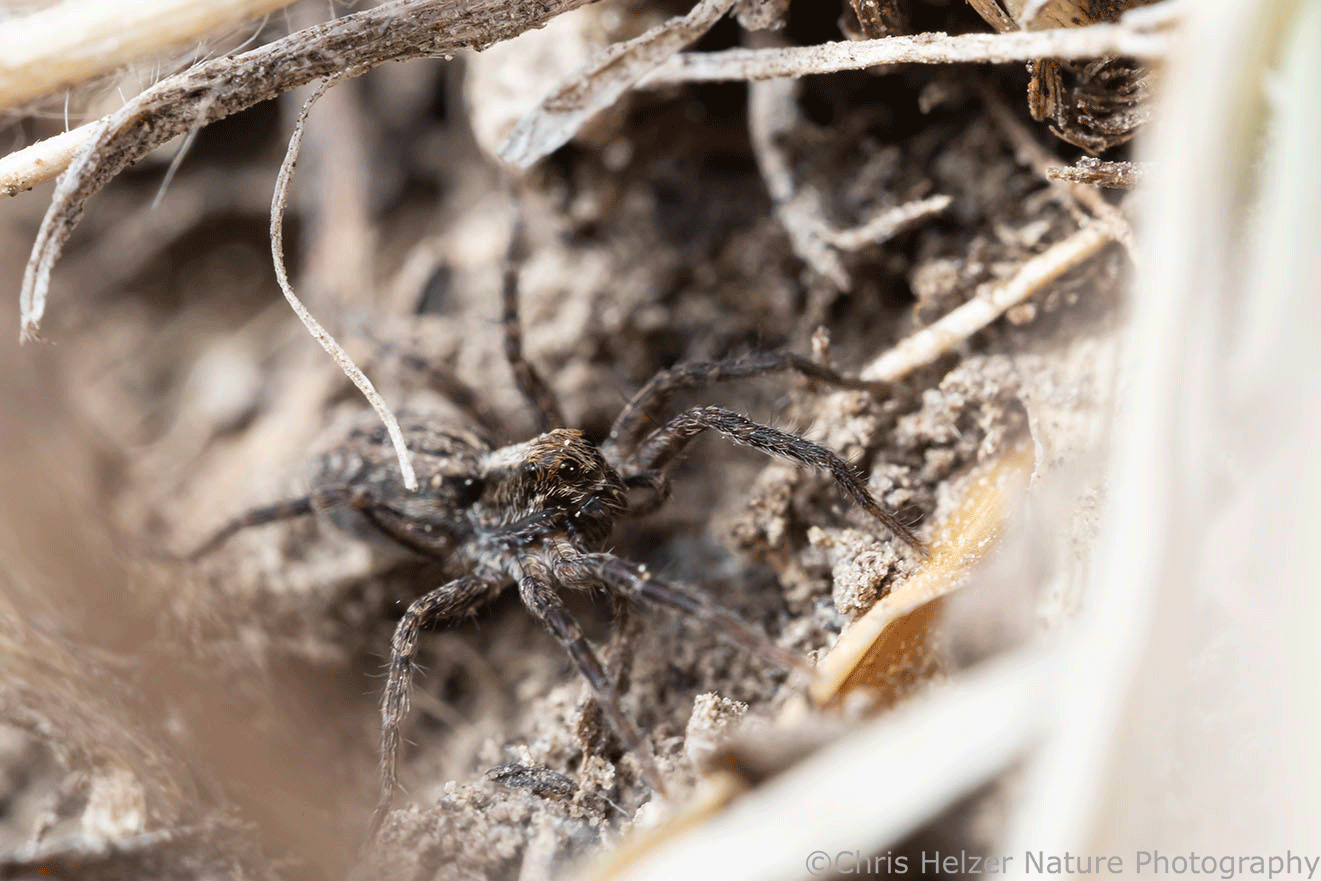
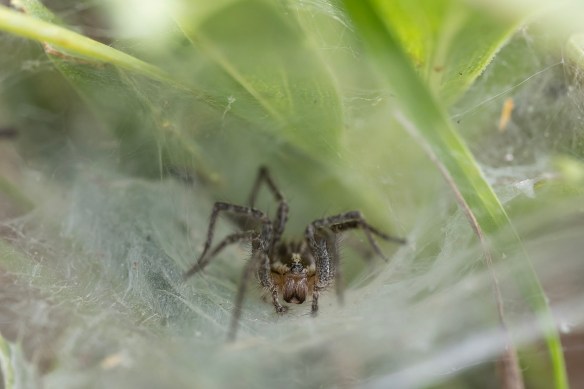
Of course, there’s a difference between sheltering in place during cold temperatures and staying active in cold temperatures. Most invertebrates do the former, at least when it’s really cold, but others keep moving around. If you spend a lot of time outdoors in the winter and keep your eyes open for little invertebrates at the same time (and doesn’t everyone?) you may have noticed a surprising amount of activity, even on snow and ice. I often see juvenile wolf spiders, for example (like the one pictured above) on the snow, and have seen them moving around even when temperatures were well below freezing. Springtails (Collembola), aka snow fleas, provide another example of species that seem to do just fine running around when it seems way too cold for that kind of silliness.
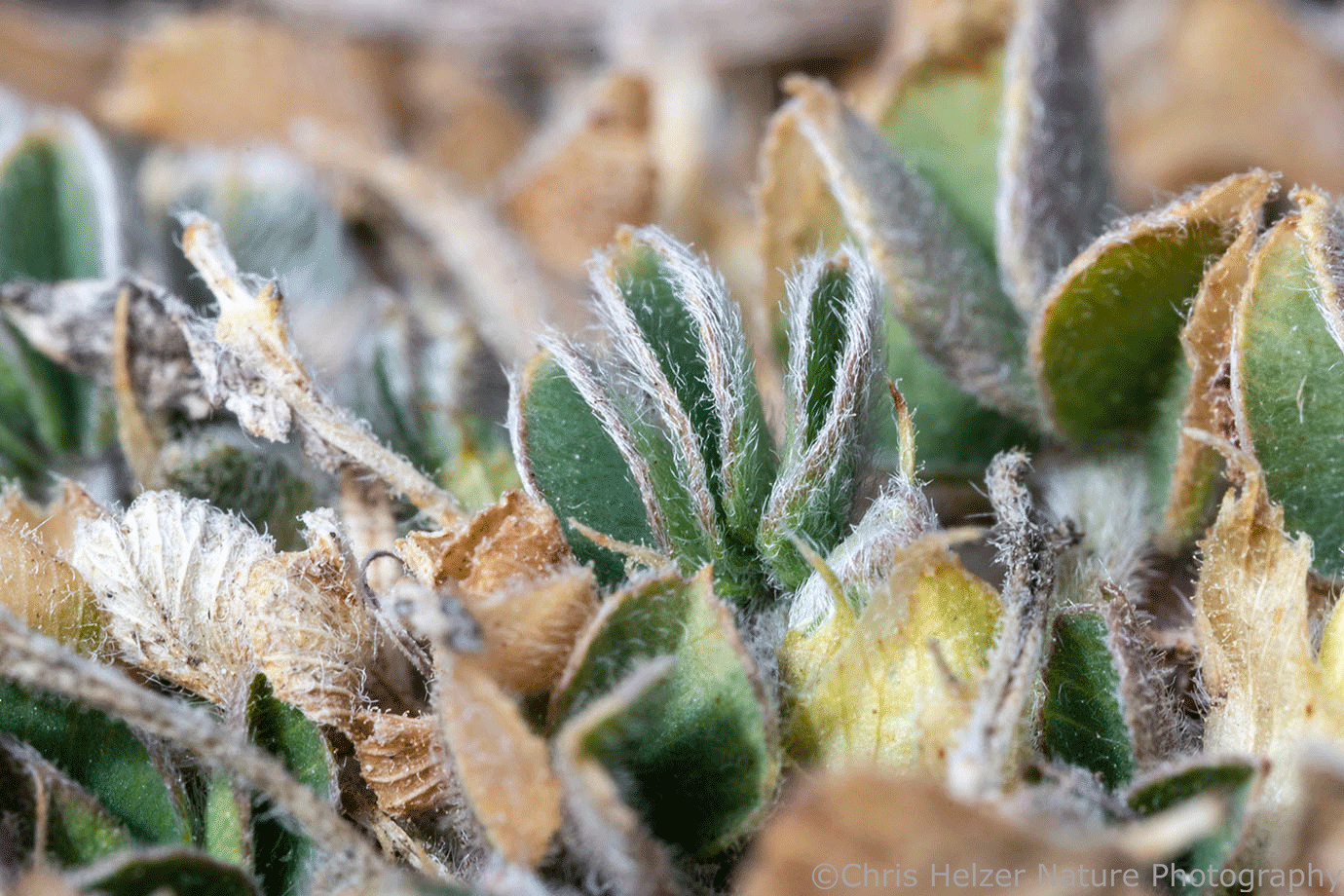
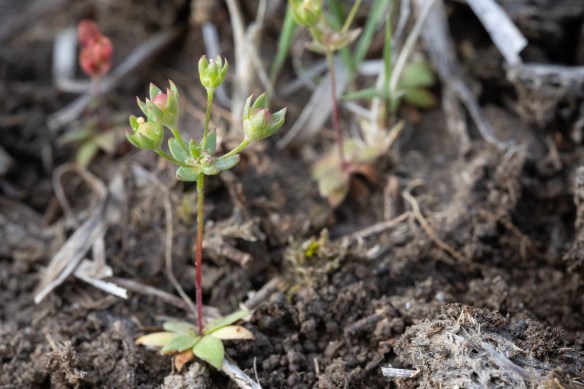
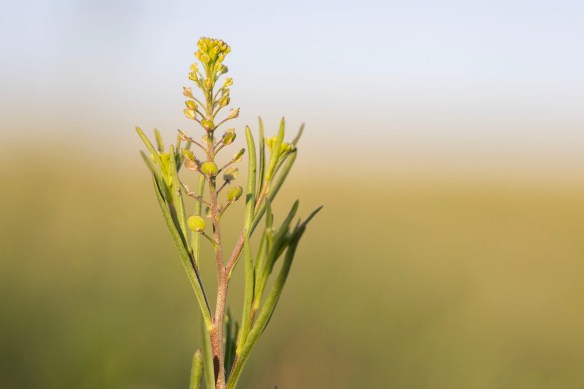
Apart from seeing all those animals and conjecturing about their behavior, I also looked at a lot of plants. Some grasses and sedges were starting to green up already, which isn’t unusual, but this warm winter might have them a little ahead of most years. In addition, a number of forbs (broad leaved plants) were also growing. Some were perennials, regrowing from underground buds, and others were brand new plants (probably mostly annuals and biennials).
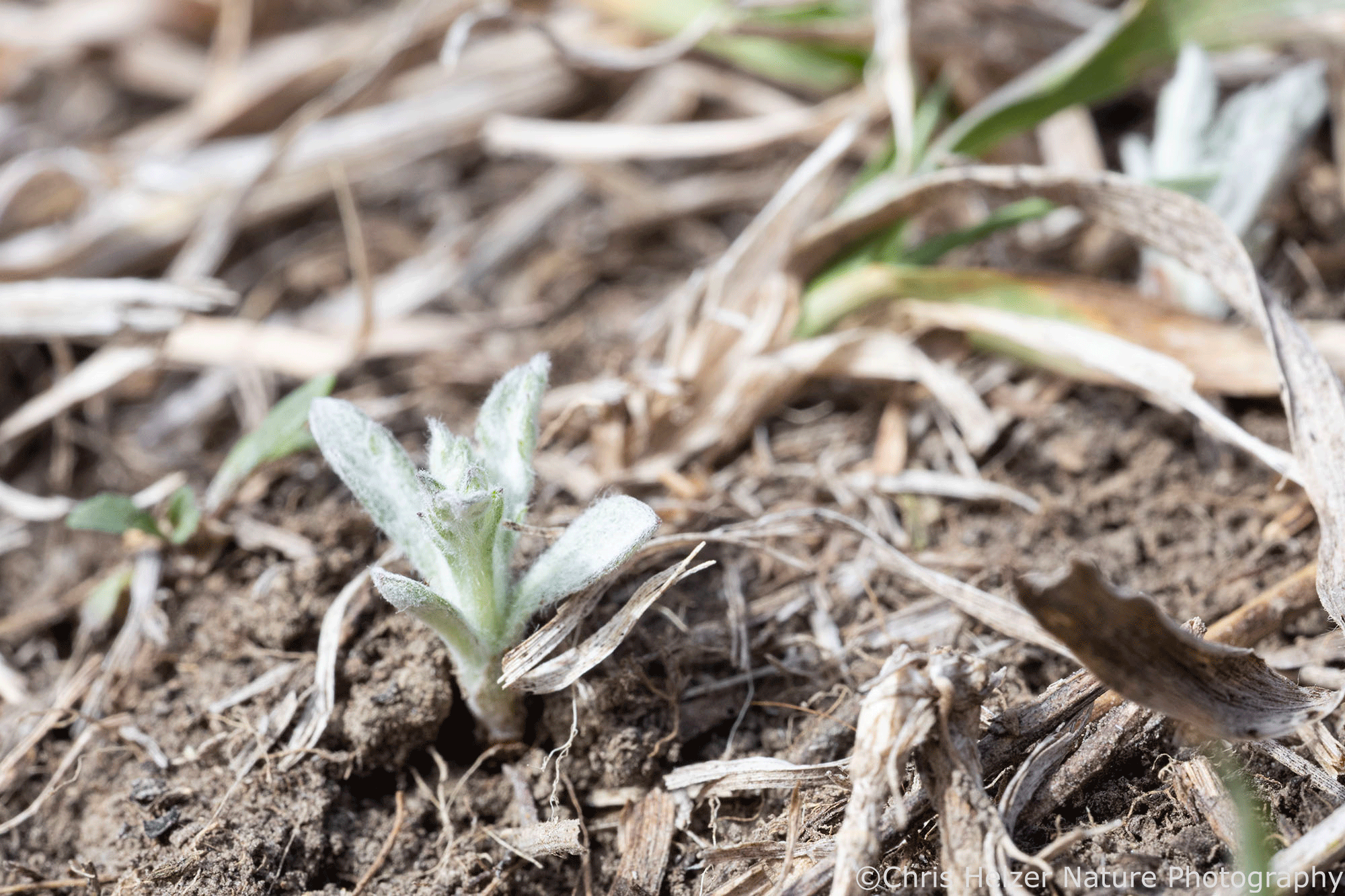
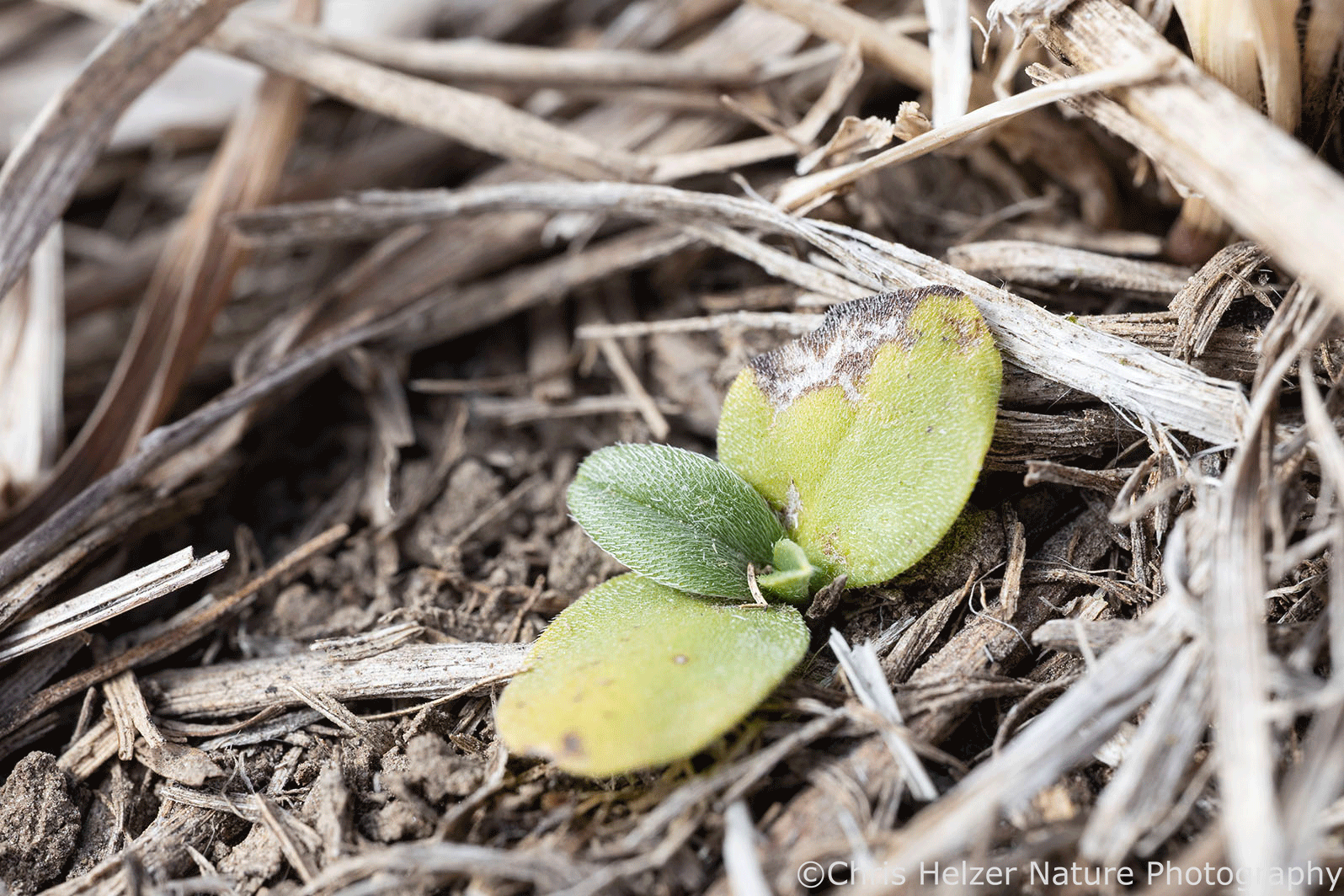
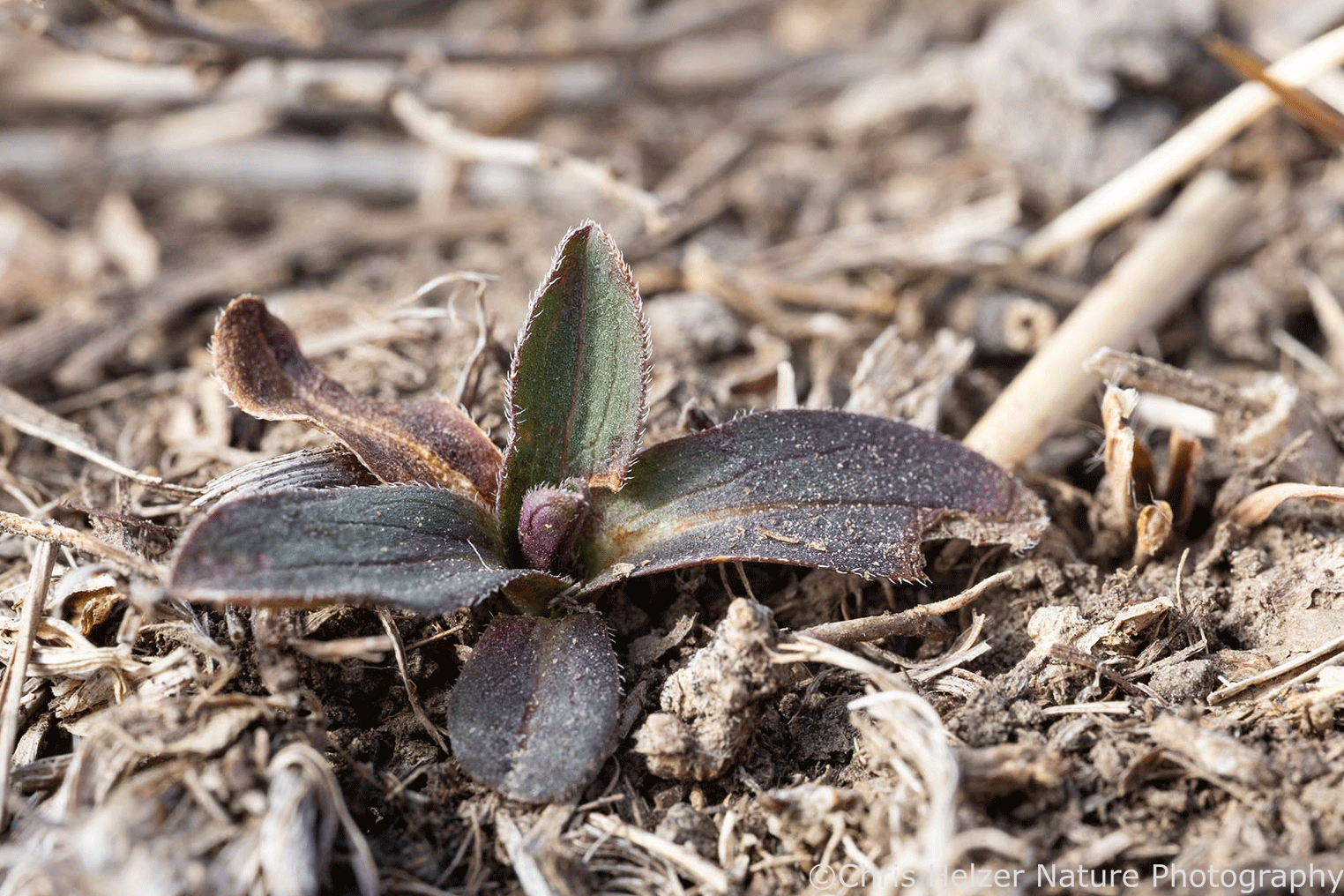
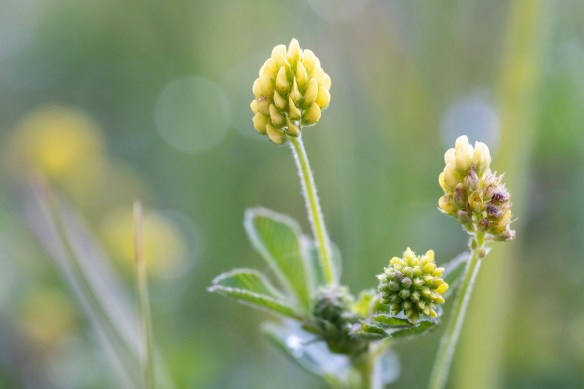
The most abundant green forb in the heavily grazed site was black medic, which is a non-native legume that always responds well to grazing. We often see flushes in abundance (and/or blooming) of this species in the year following grazing events that create a lot of space and sunlight. Because I’ve conducted annual vegetation surveys throughout the last couple decades, I’ve gotten to see this over and over. Dense vegetation and a lot of thatch (layer of dead vegetation) can kill off the short-lived medic plants beneath it, or, in some cases, it just causes them to shrink down to just a few small leaves. After grazing removes that thatch and reduces the competitive ability of neighboring plants, though, medic can quickly grow and bloom profusely – both from seed and from the little plants just hanging on to life.
So, once again, my adage held true. I went out, not sure if there would be anything interesting to see, and I returned with a mind full of observations and questions. Even in mid-February, when prairies are supposed to be dormant (and thus particularly boring), it was a great morning.
I’m always glad when I go out.



 The Prairie Ecologist