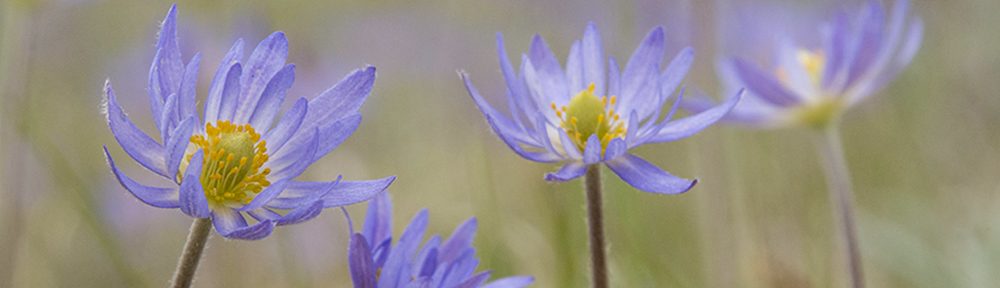
Reminder – we are hosting two public field days at the Platte River Prairies and Niobrara Valley Preserve, respectively. The first is July 12 and the second is August 2. Read here for more information on both of them and click here for a detailed agenda of the Platte River Prairies event. These will be great opportunities to explore and learn about prairies with experts in a variety of topics. The Niobrara Valley Preserve day will include bison tours. Please RSVP so we know how to plan for you and can notify you if we have to adjust to weather or other events!
I’ve made a couple trips to the Niobrara Valley Preserve lately. I didn’t have a ton of time for exploration and photography on either trip, but at a place like that, it doesn’t take long to find a lot. Here are some photos from those recent visits.
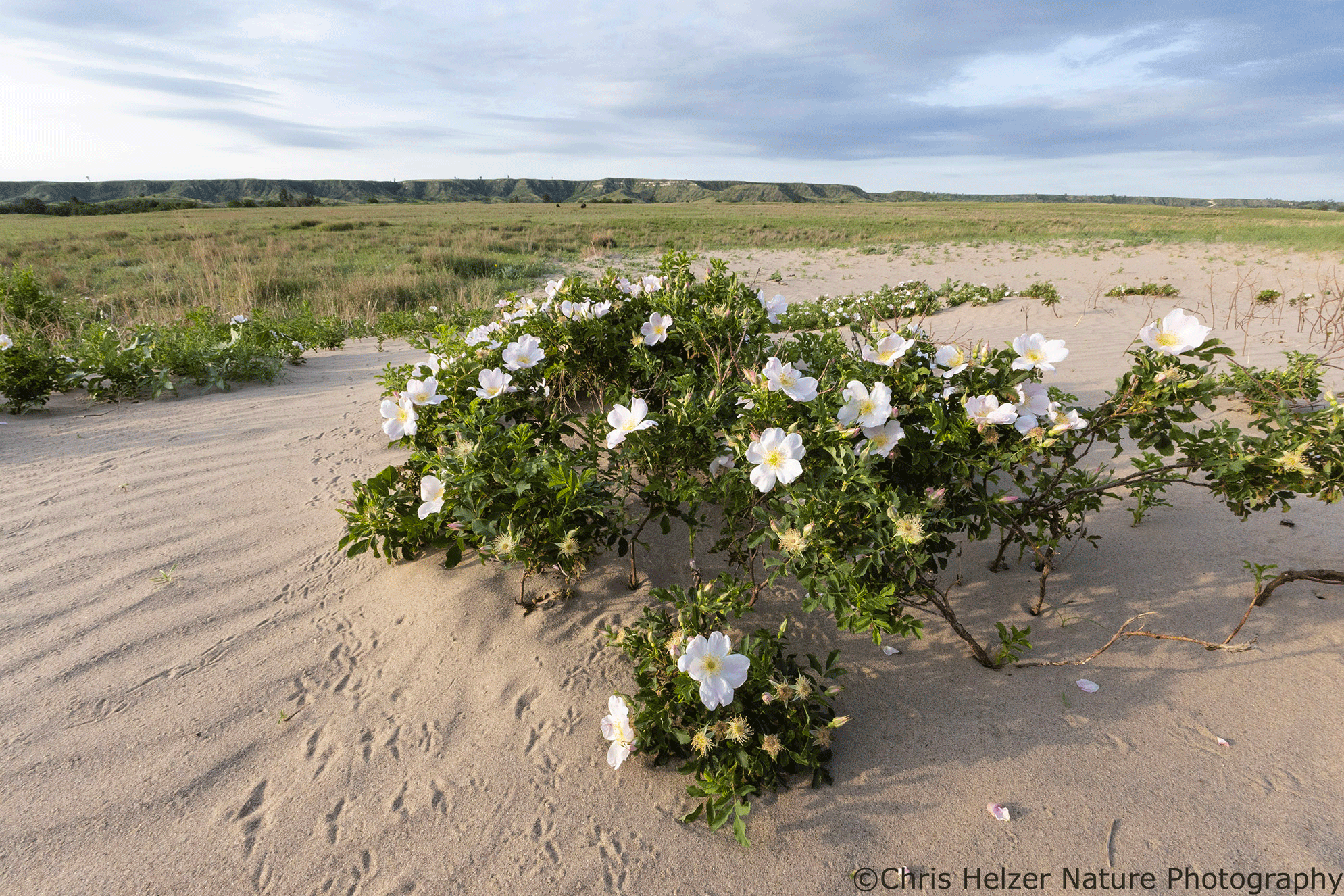
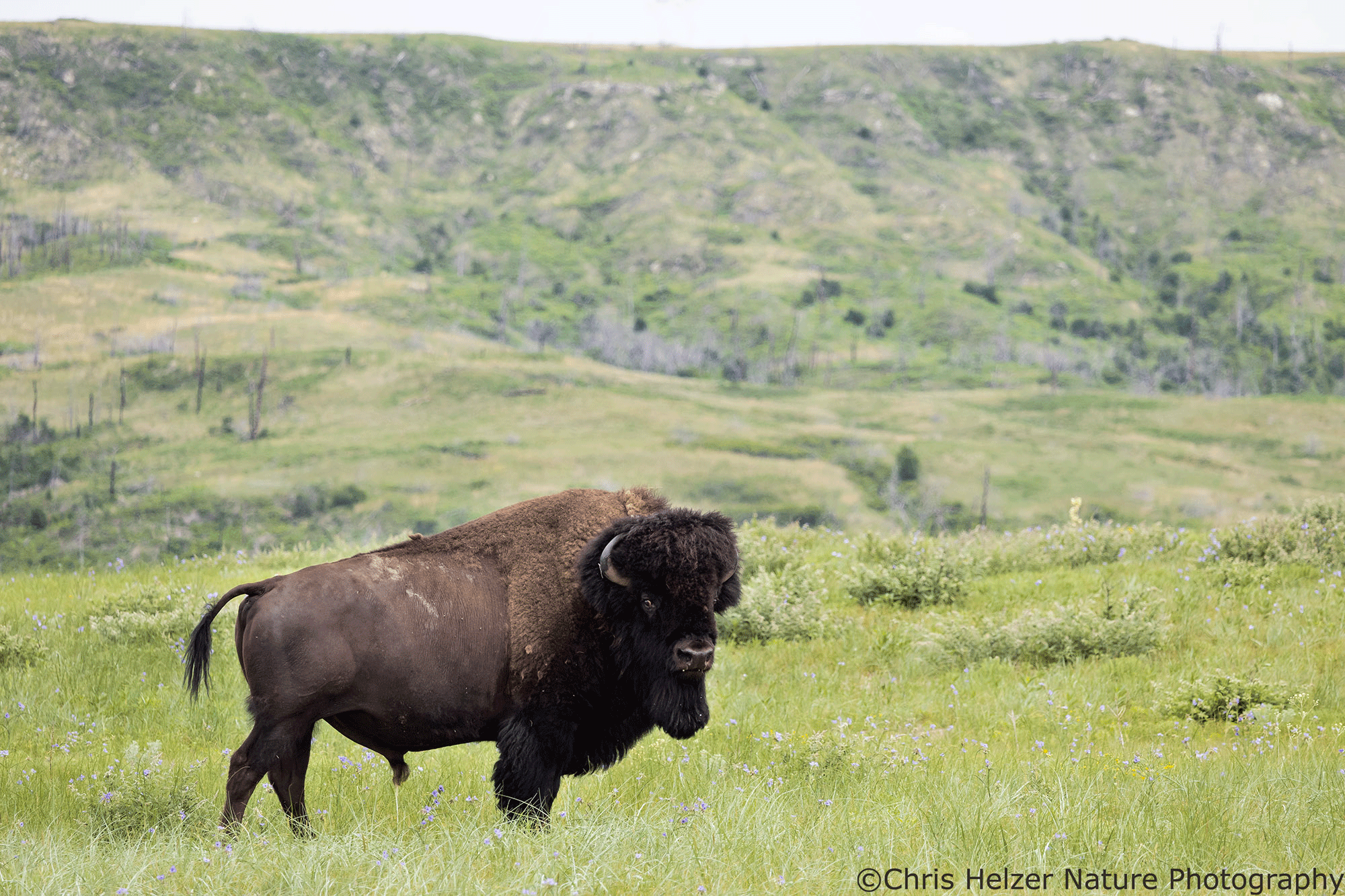
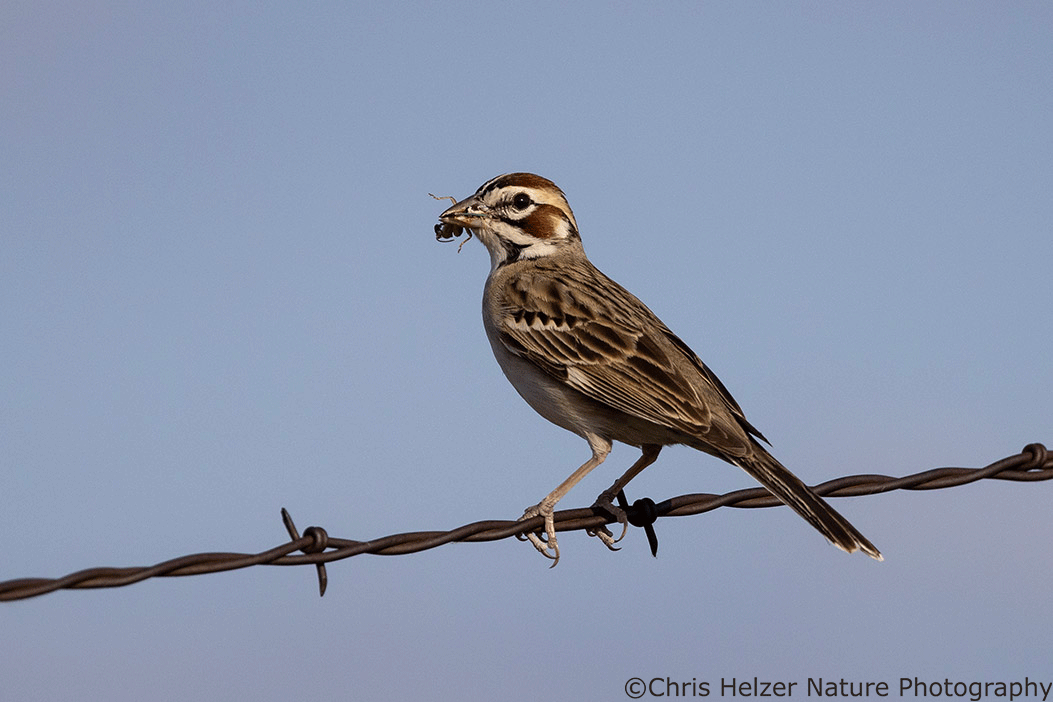
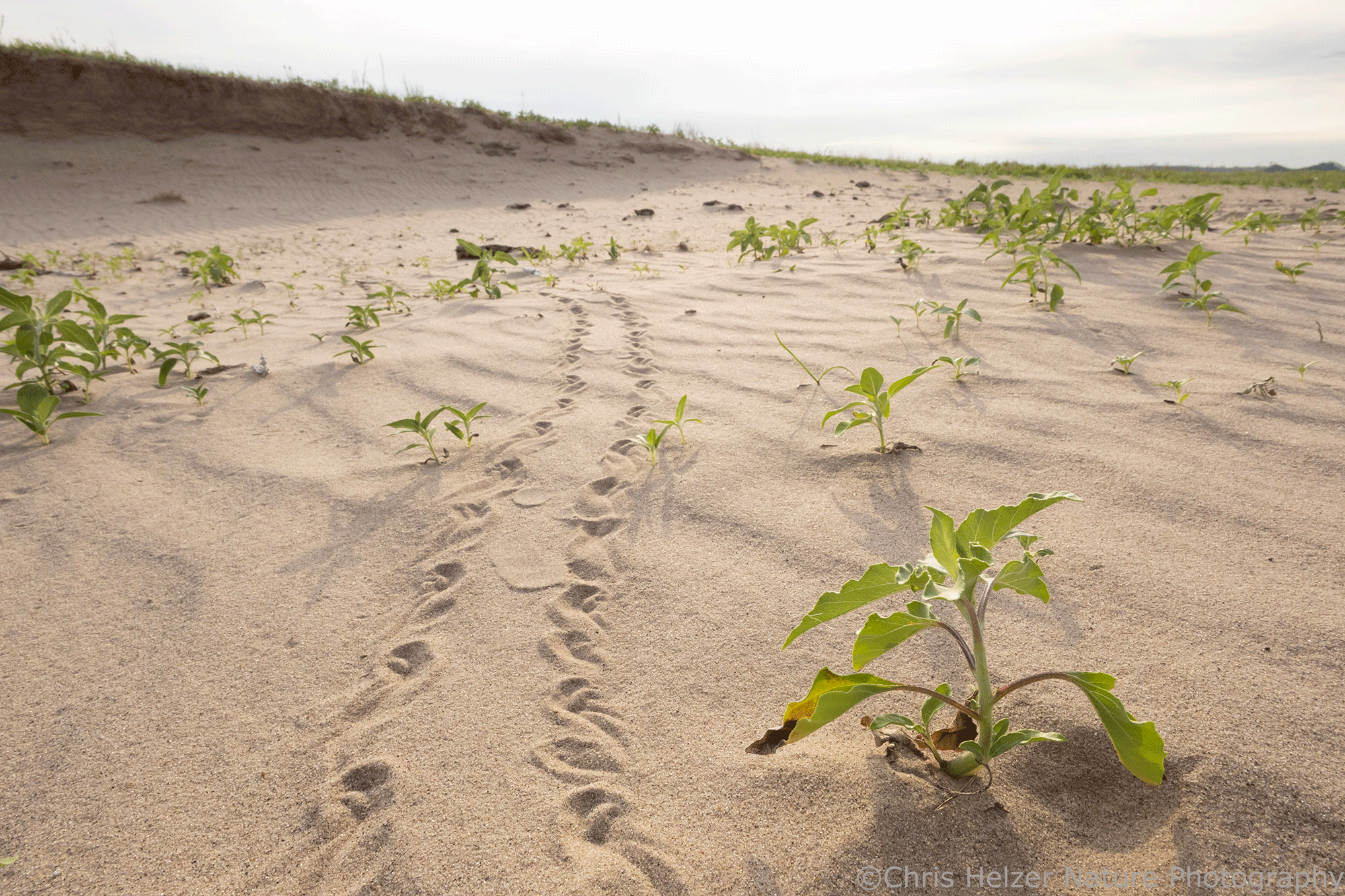
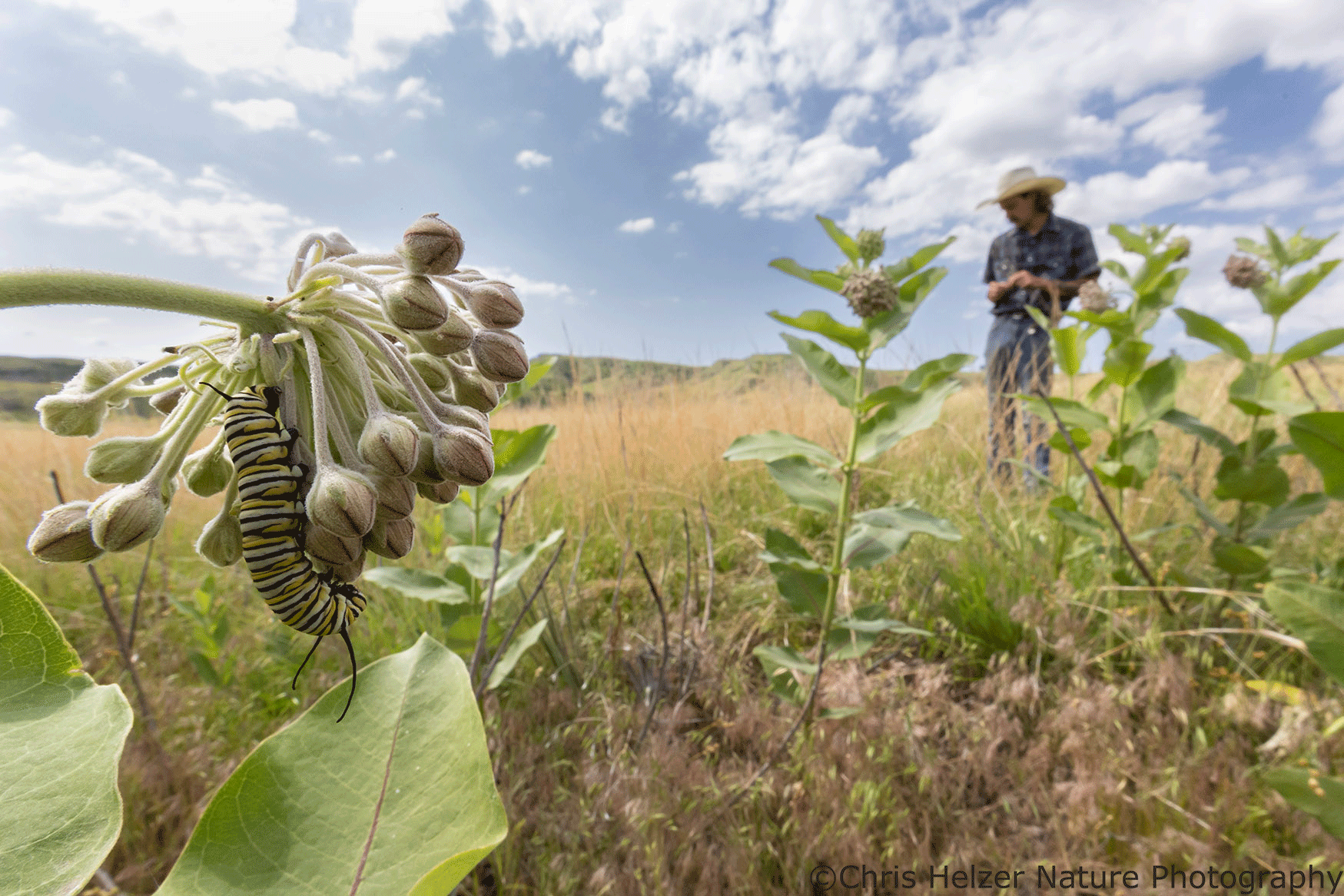
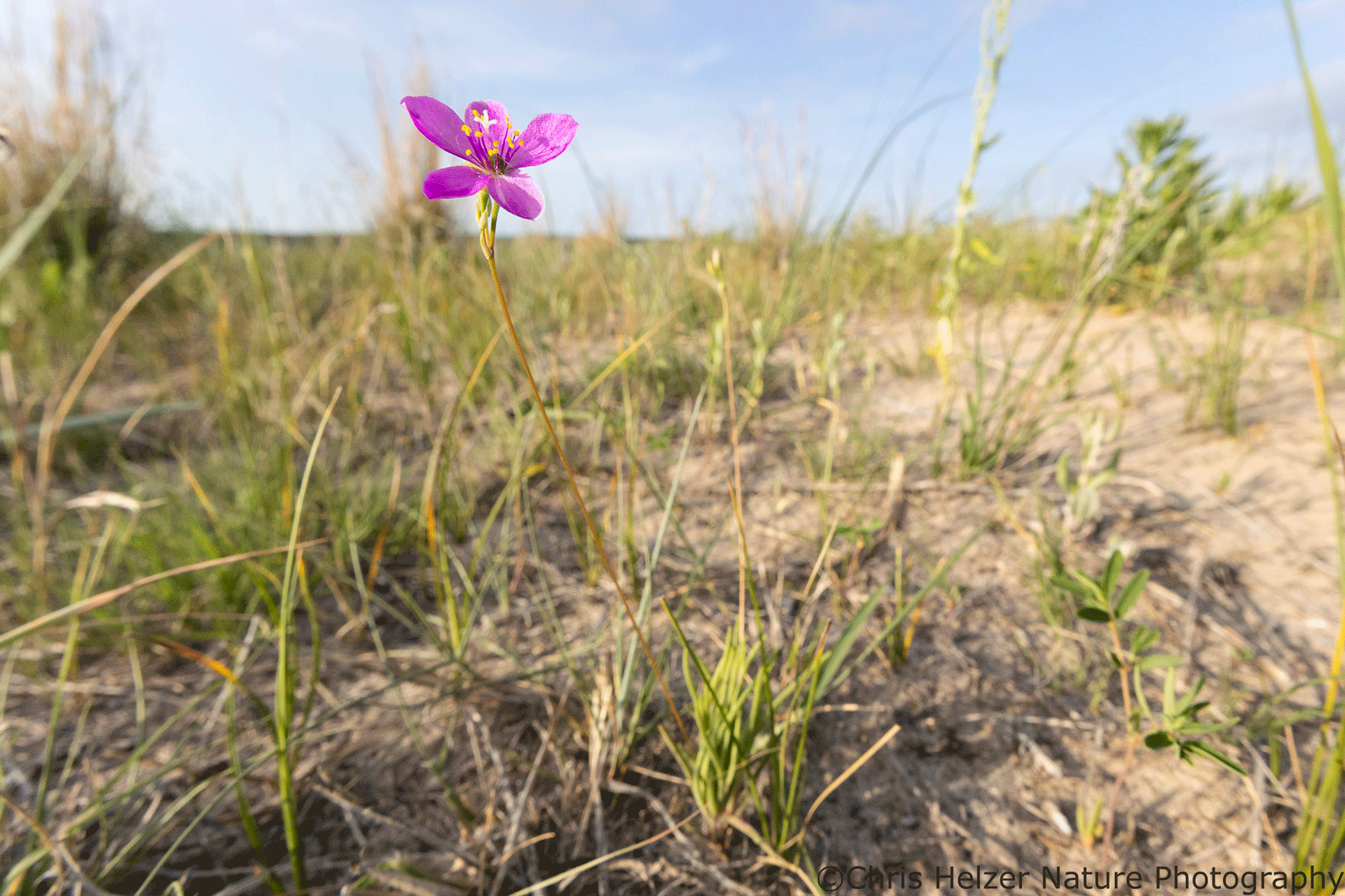
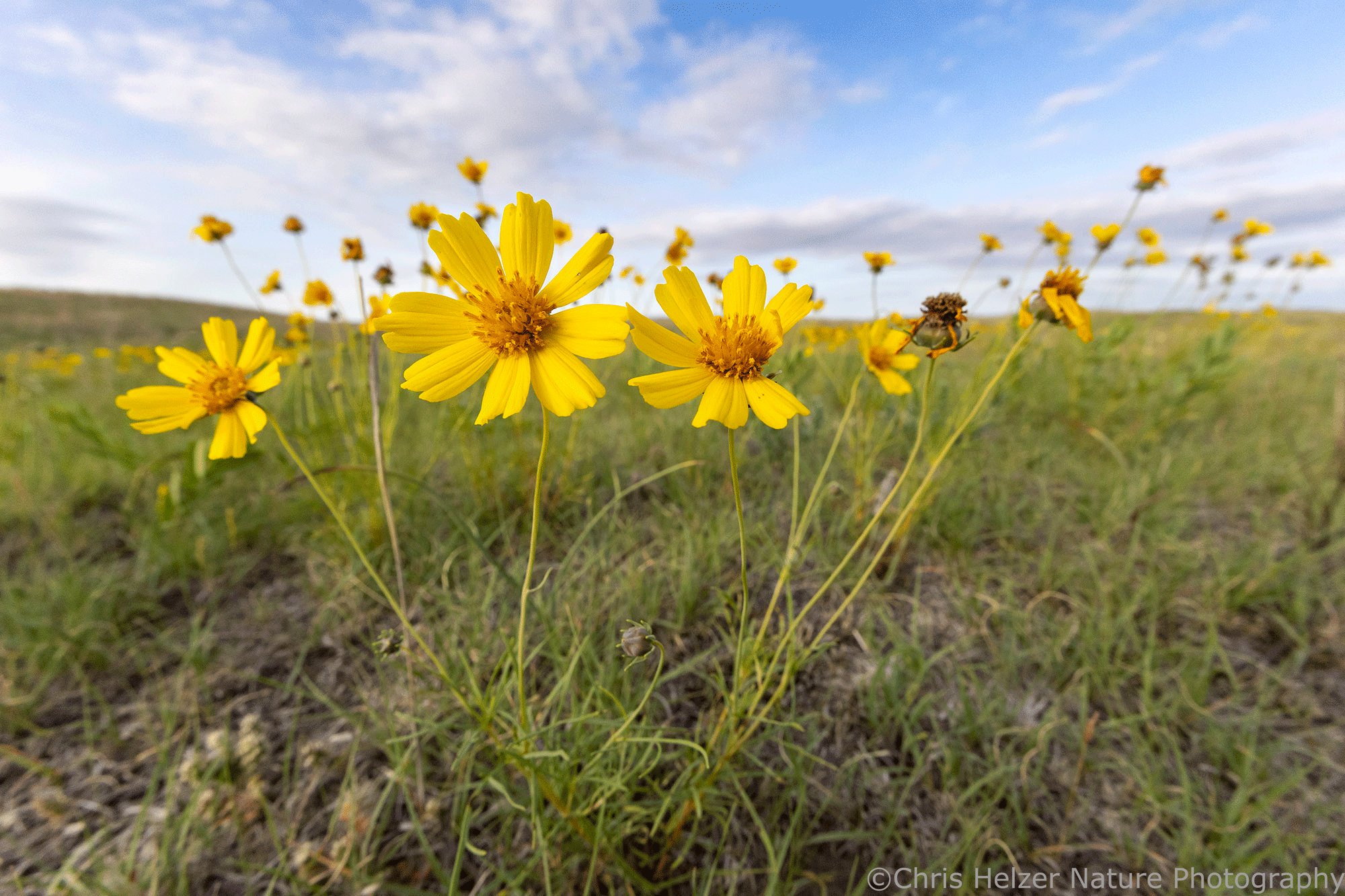
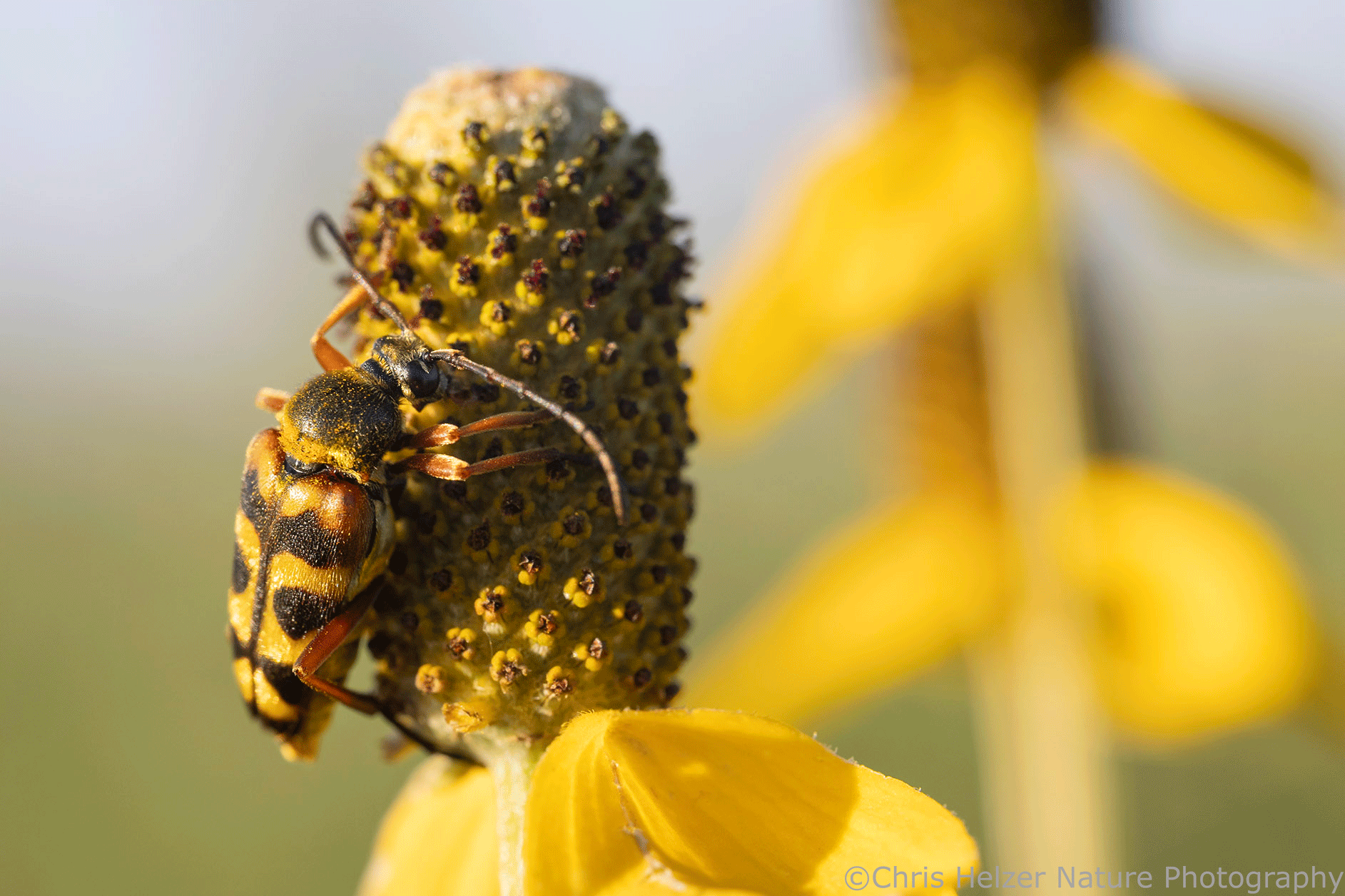
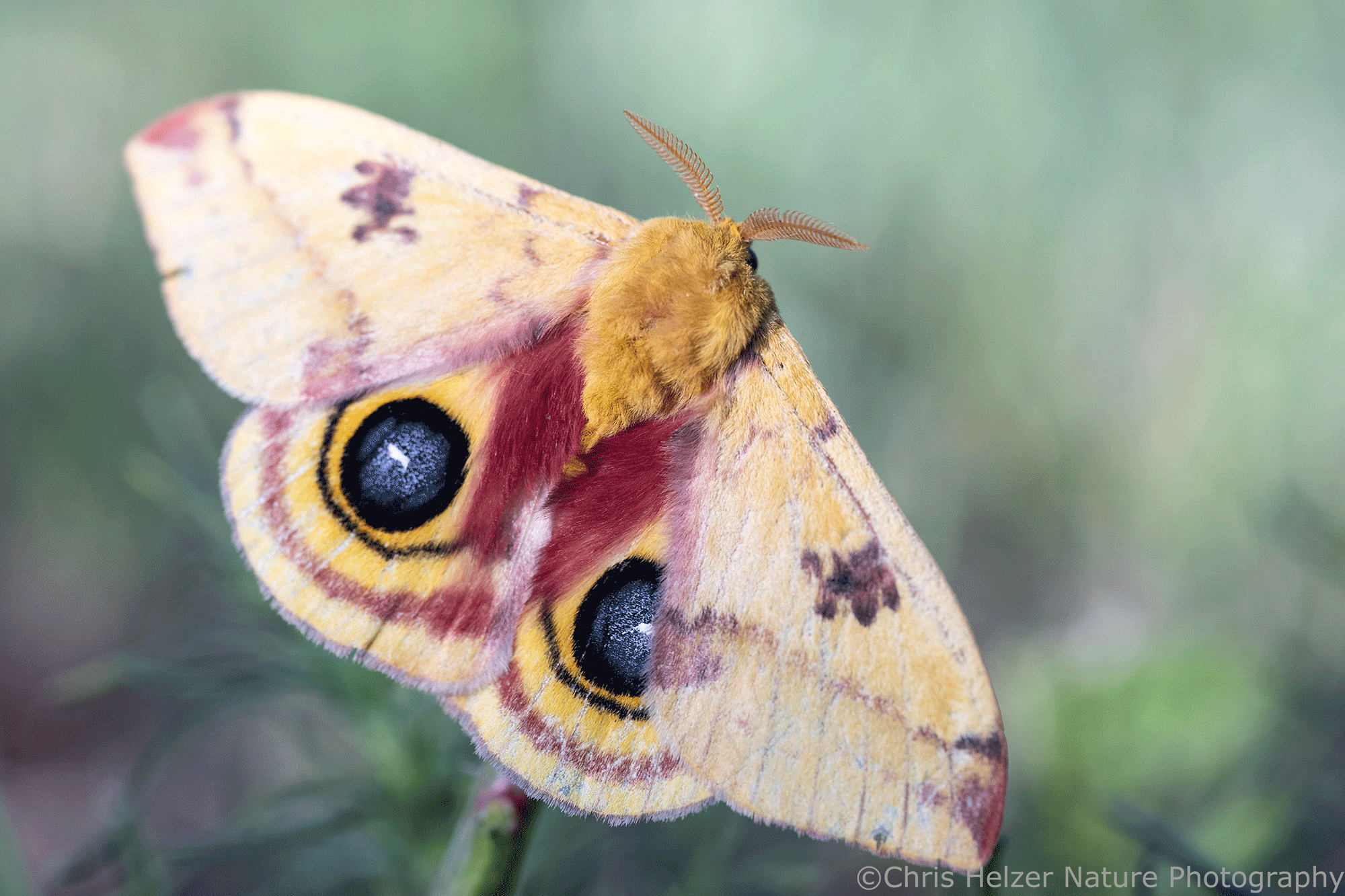
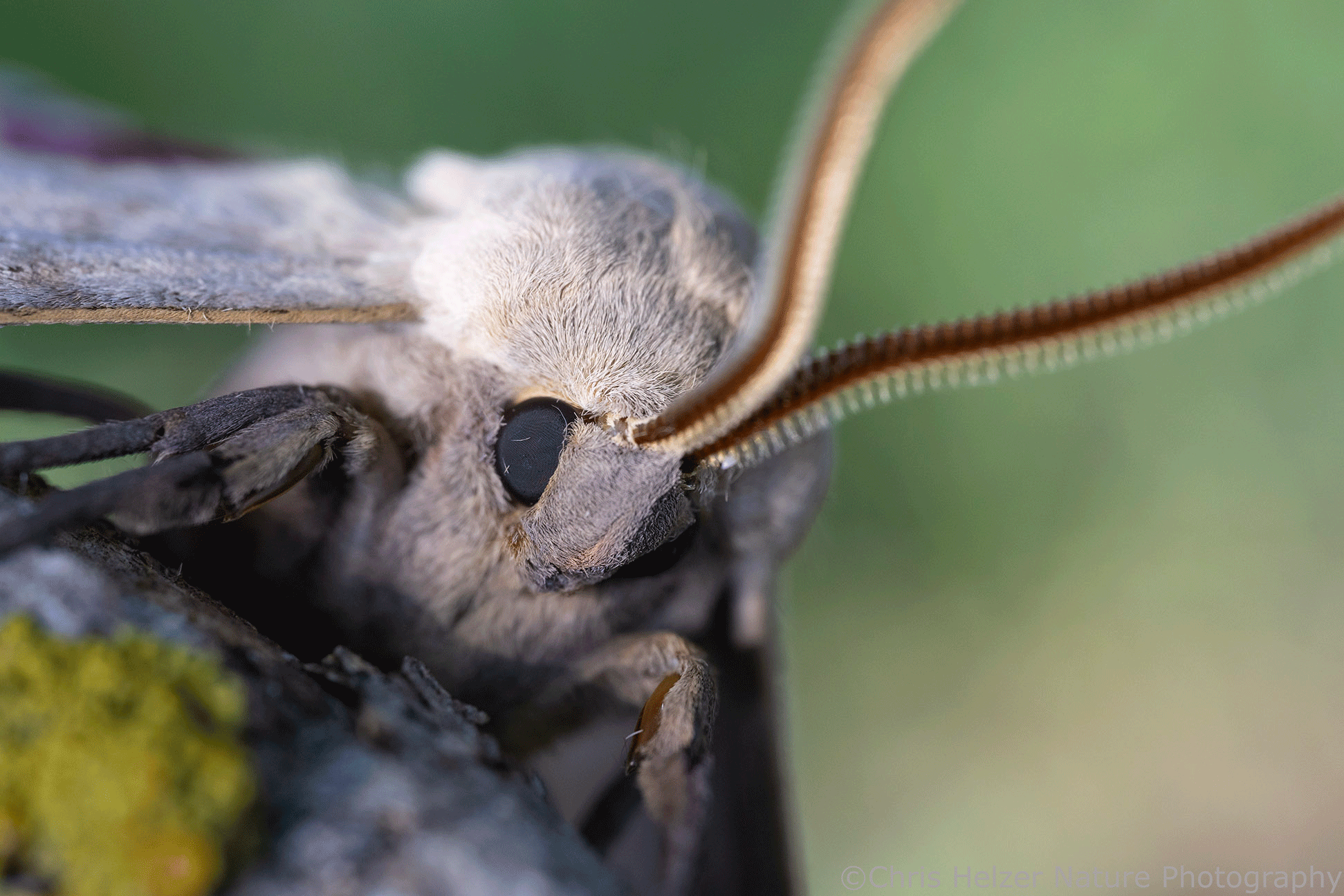
During my last trip, I got to help with some moth and butterfly surveys. Moth experts set up lights and traps overnight and spent much of their night capturing and photographing the species that visited. I helped for a while, but was in bed by midnight. In the morning, I photographed a few moths that were still hanging around before we picked up our nets and headed out to find butterflies.
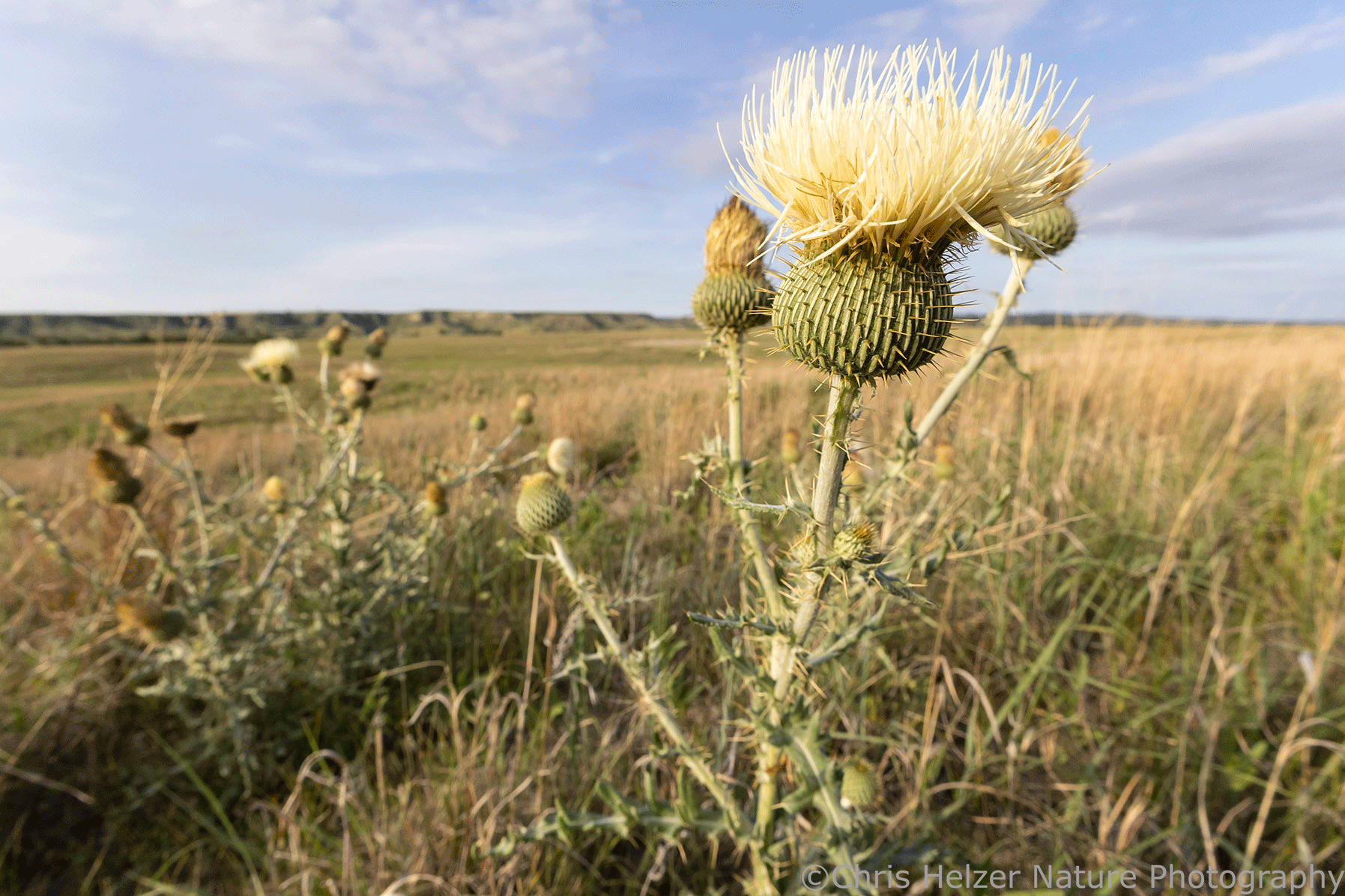
Thistles get a bad rap. Sure, we have some invasive thistle species in Nebraska that are problematic, but we also have some fantastic native species that are incredible resources for wildlife (vertebrate and invertebrate) – as well as being attractive wildflowers. I photographed two of those native species at NVP this month.
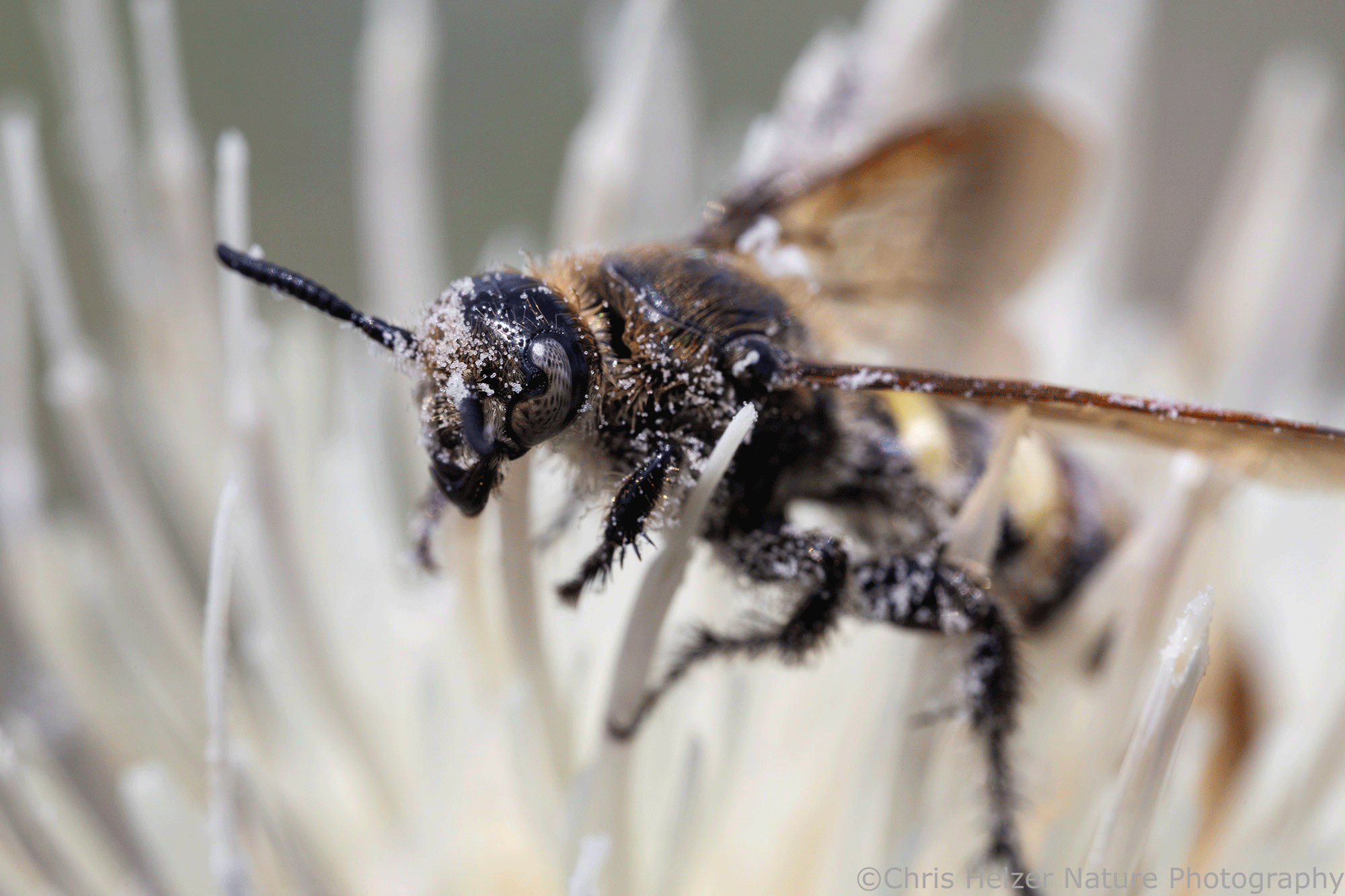
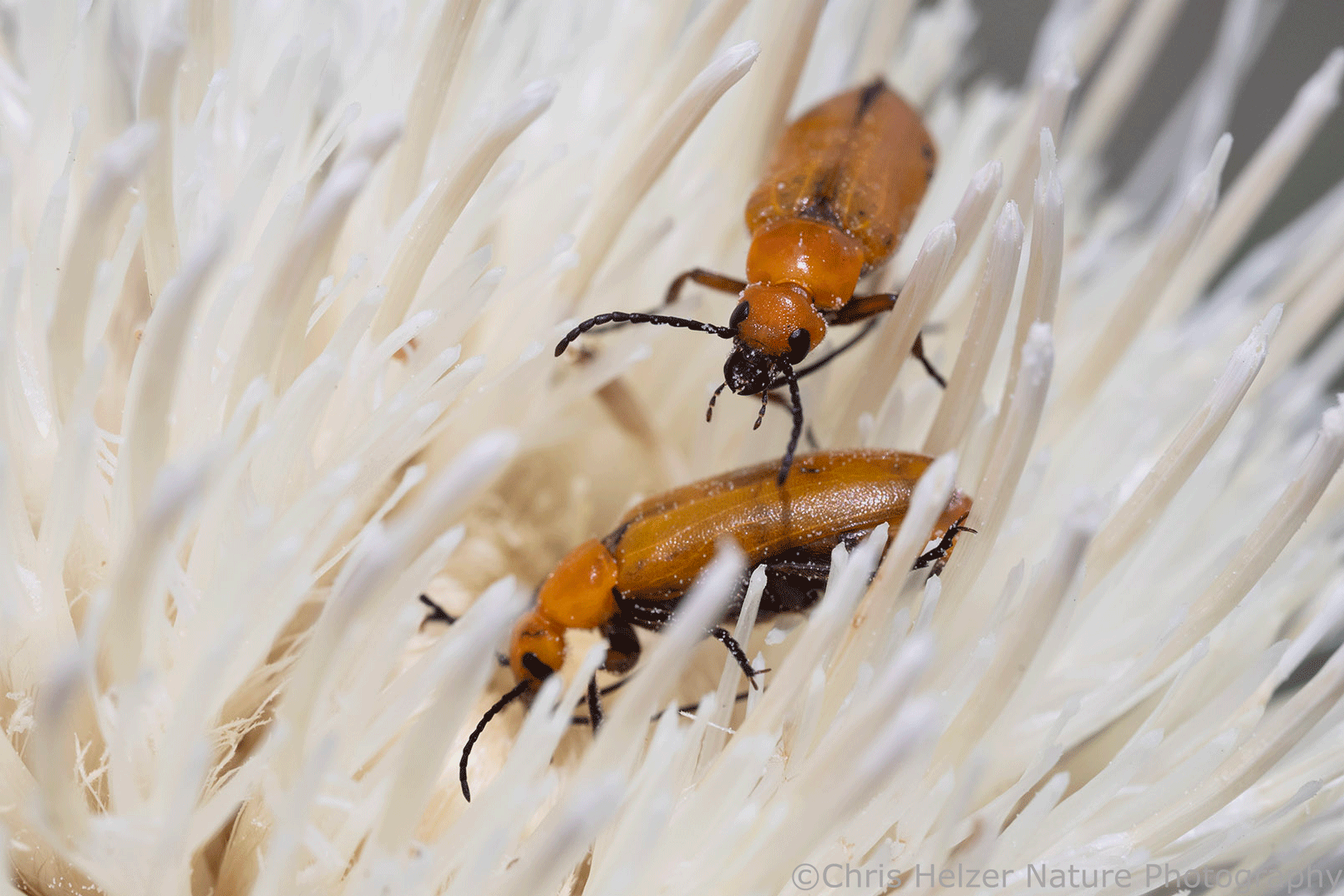
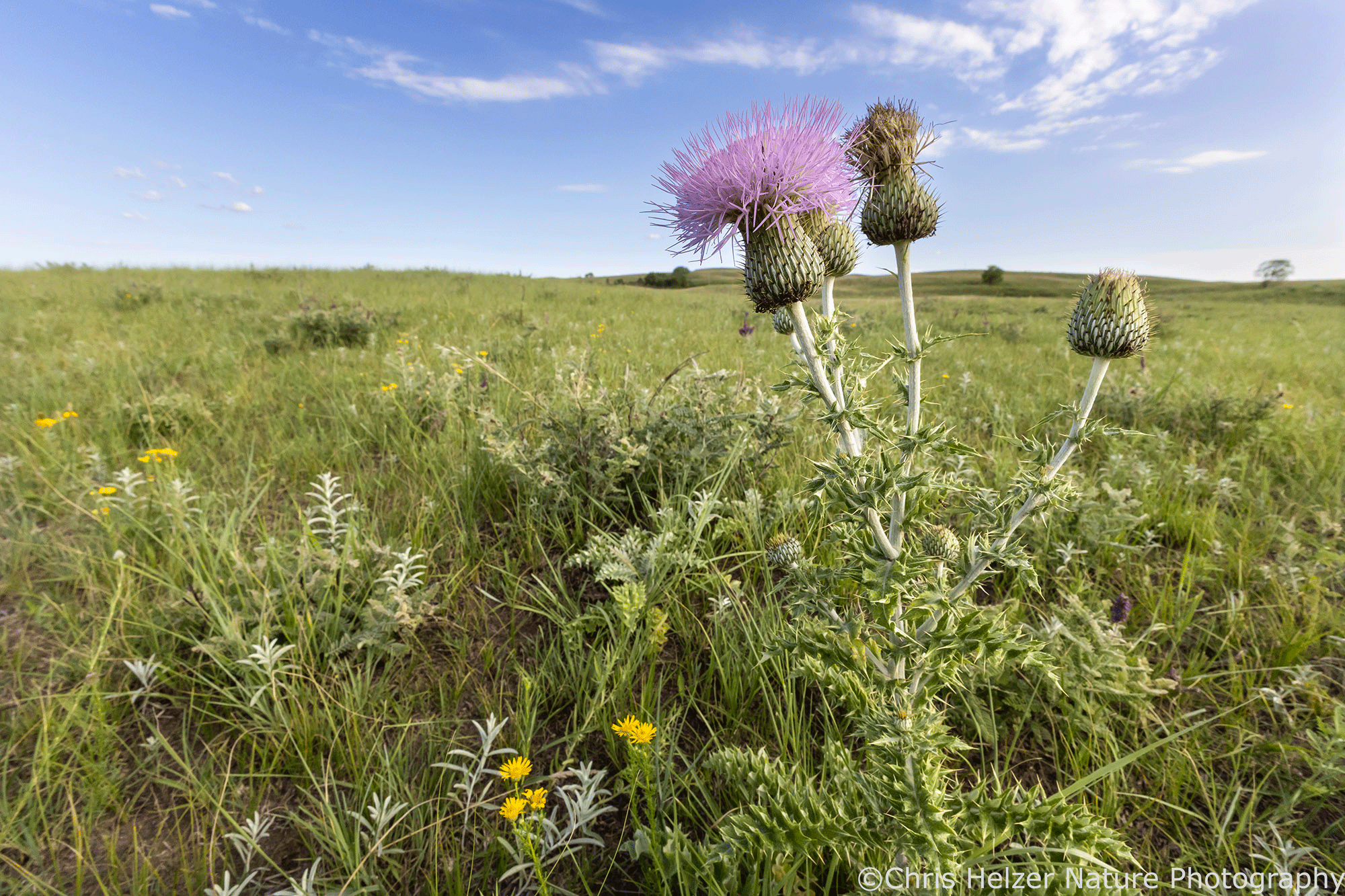
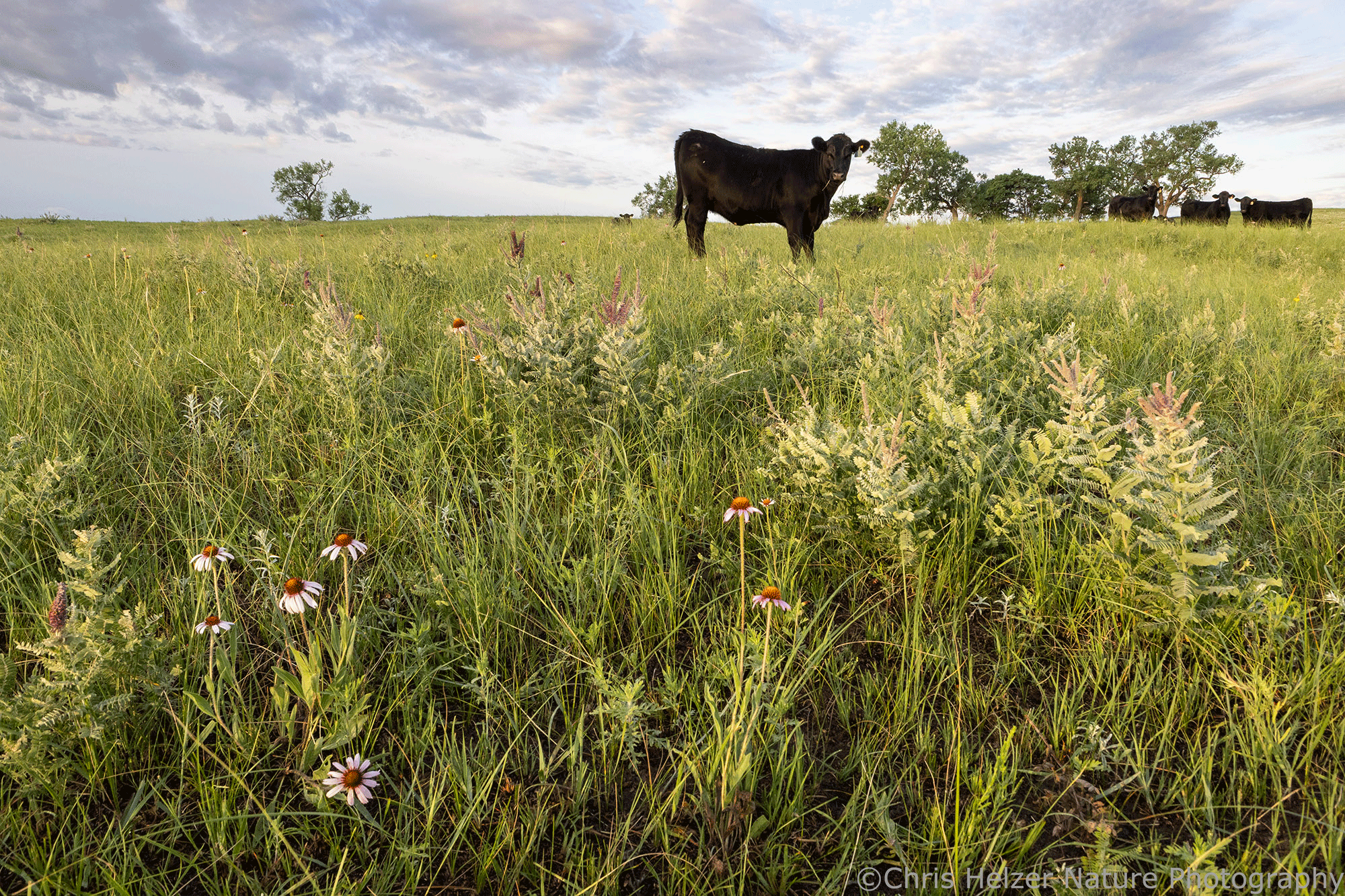
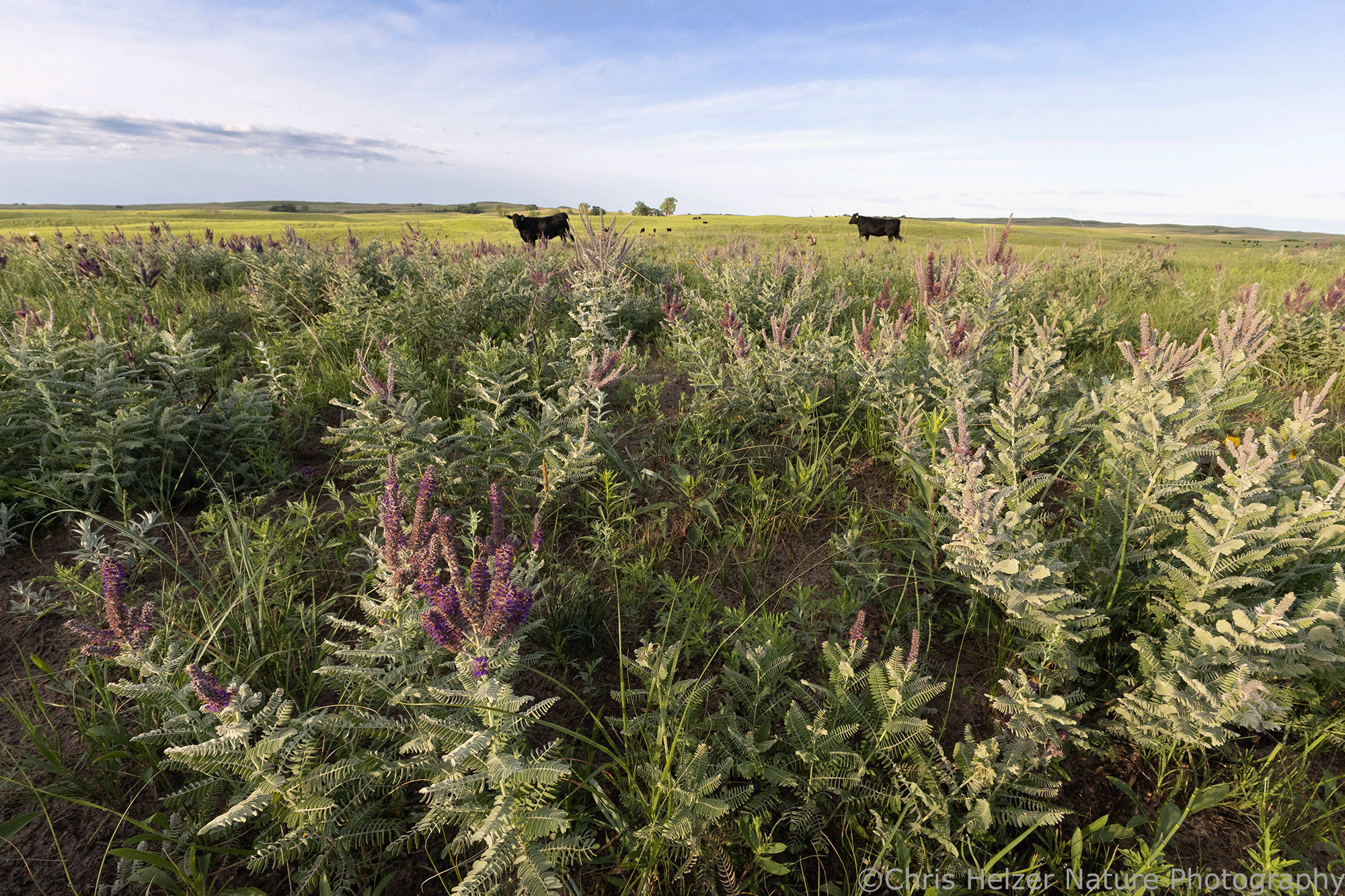
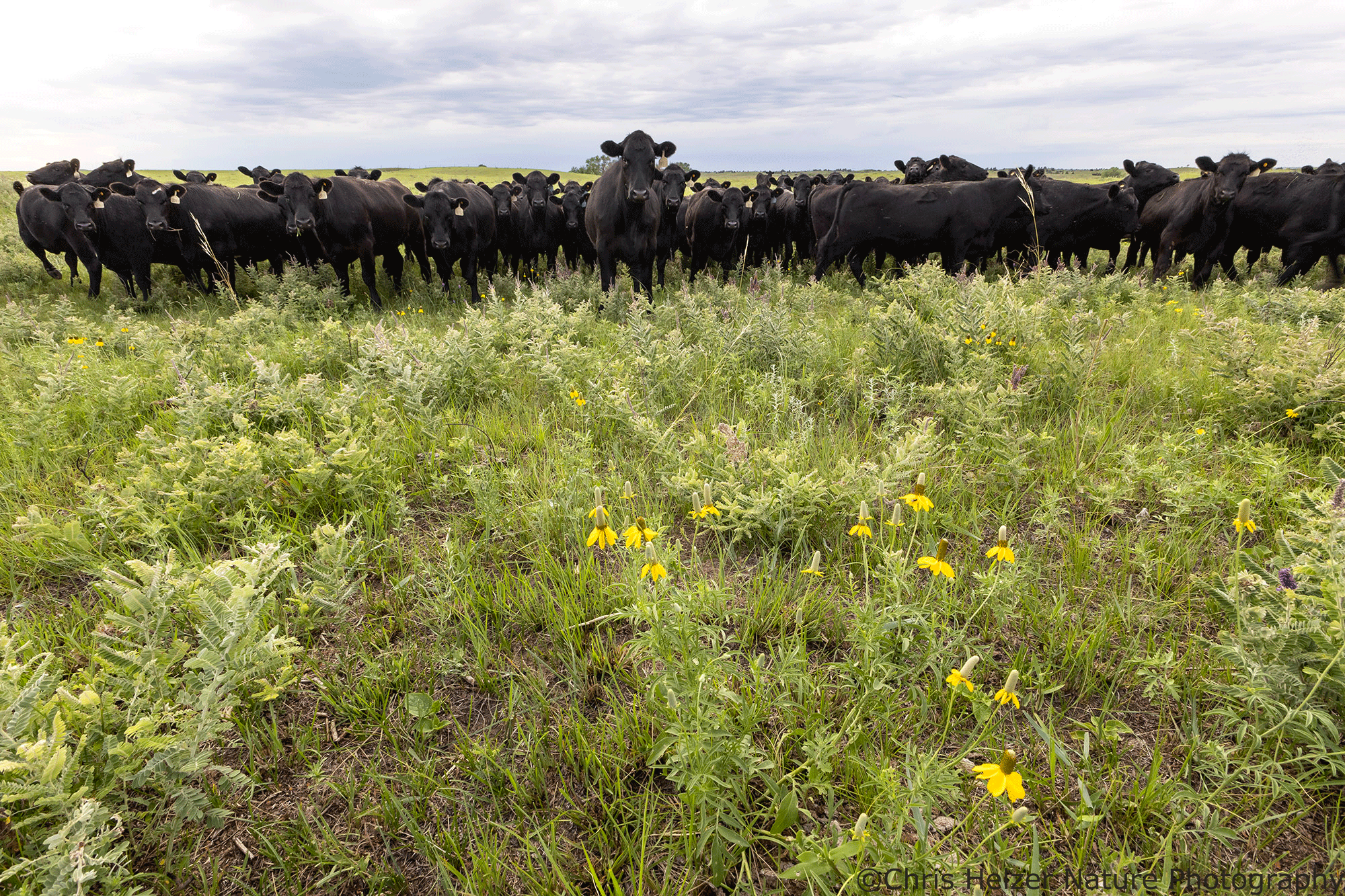
Carson Schultz, NVP’s stewardship manager, has been experimenting with a combination of patch-burn grazing and rotational grazing for a while now. That often involves burning portions of multiple Sandhills pastures and then rotating cattle through those – grazing each pasture for about a month-and-a-half. The burned areas of each pasture get grazed much more intensively than the unburned, creating extra habitat heterogeneity.
In addition, the ability of cattle to choose what they want across pastures that are hundreds of acres in size, as well as between burned and unburned areas, means the animals have a nearly unlimited diet selection. It’s fascinating to watch what they choose to eat and what they don’t. Their choices vary by the day, largely because they’re always looking for plants that are at a growth stage that provides the most tender, nutritious food. The cattle are eating primarily grasses, but the mix in other plants as well.
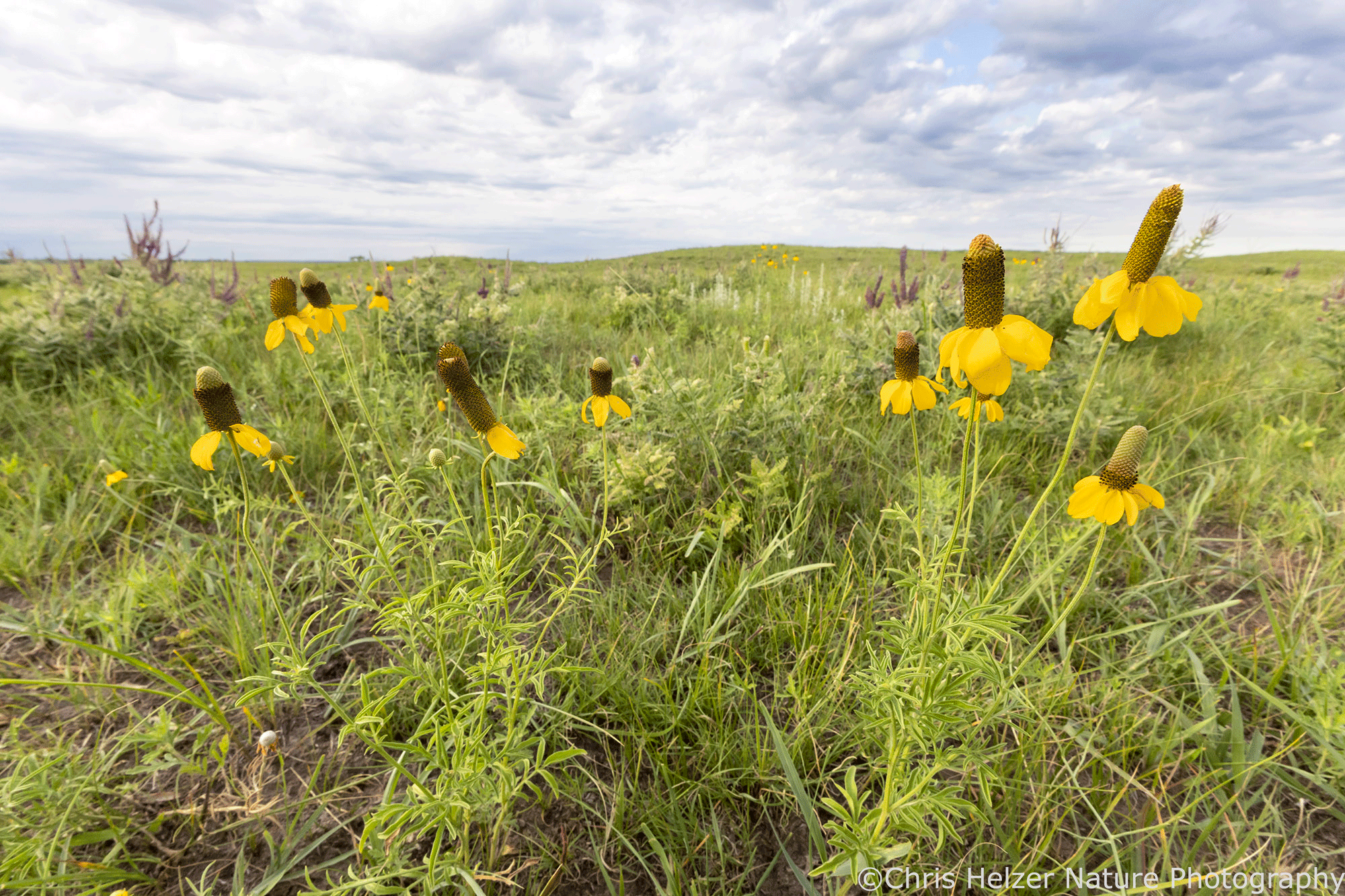
In the pasture I explored, the prairie had been burned in the spring and cattle entered in mid-May. They’d been grazing for over a month and had kept the grasses in the burned area pretty short. Their selective grazing, though, meant there was a lot of variety in the height of the vegetation, which created great wildlife habitat, as well as a fun place to photograph. In the unburned portion of the same pasture, the grasses were much taller and very little grazing was taking place. As a whole, then, the pasture provided a good mix of habitat structure and lots of blooming plants.
Here’s one last plug for our public field days – if you like what you see in these photos, come see it for yourself! Both the Platte River Prairies and Niobrara Valley Preserve events will feature tours with staff and a chance to learn about ecology and prairie stewardship. We hope to see you there!
 The Prairie Ecologist
Thanks so much!
Your photographs are fantastic! I’ve never visited this area but you make me want to. Thank you so much.