Over the last ten days or so, I’ve made several trips out to our family prairie. Those included (among others) two foggy mornings and a steamy evening, all of which lent themselves to photography. I tried to take advantage of the conditions, while fighting off mosquitos and sweating through my clothing. I also just about stepped on a skunk but both of us managed to extricate ourselves from the situation unharmed.
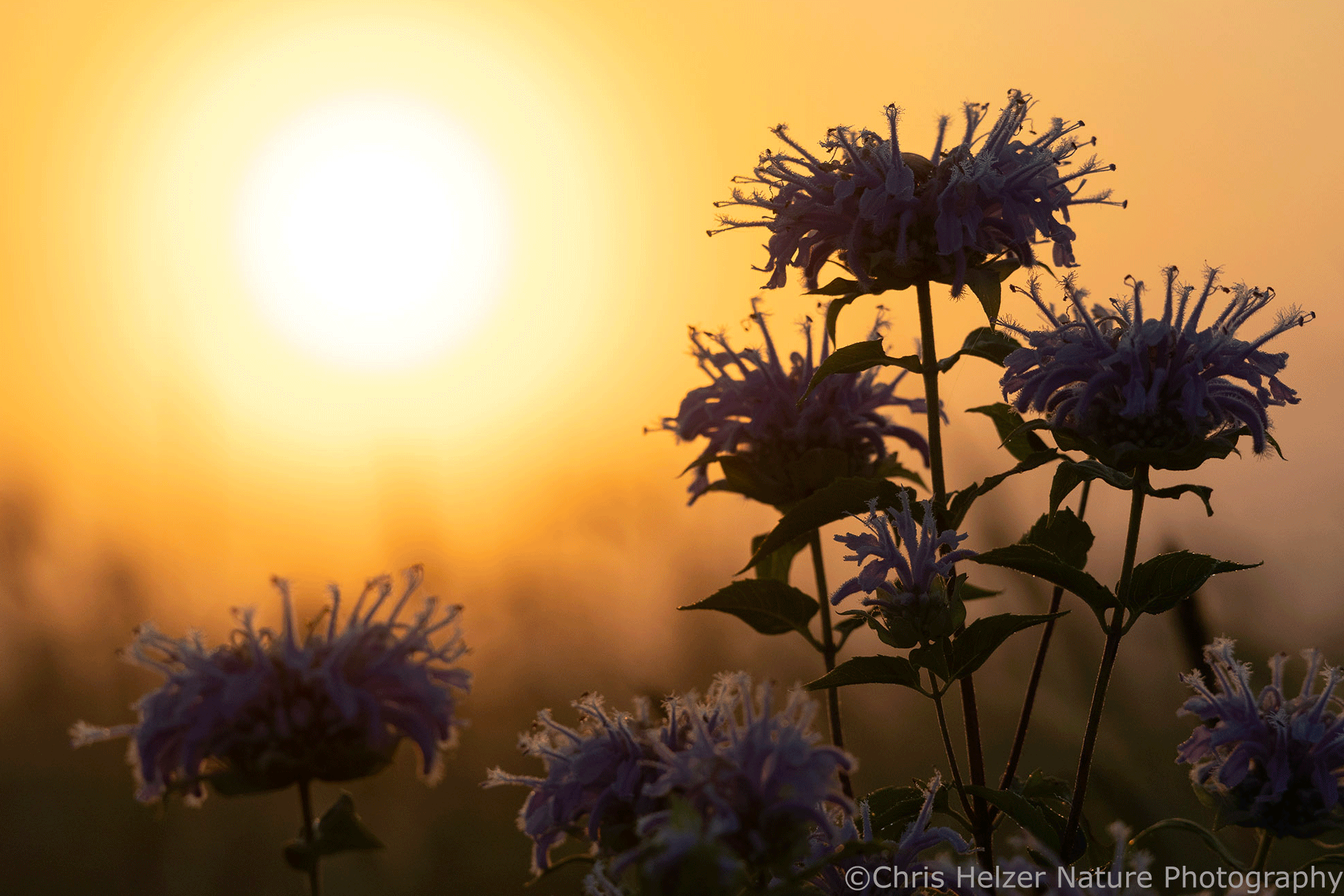
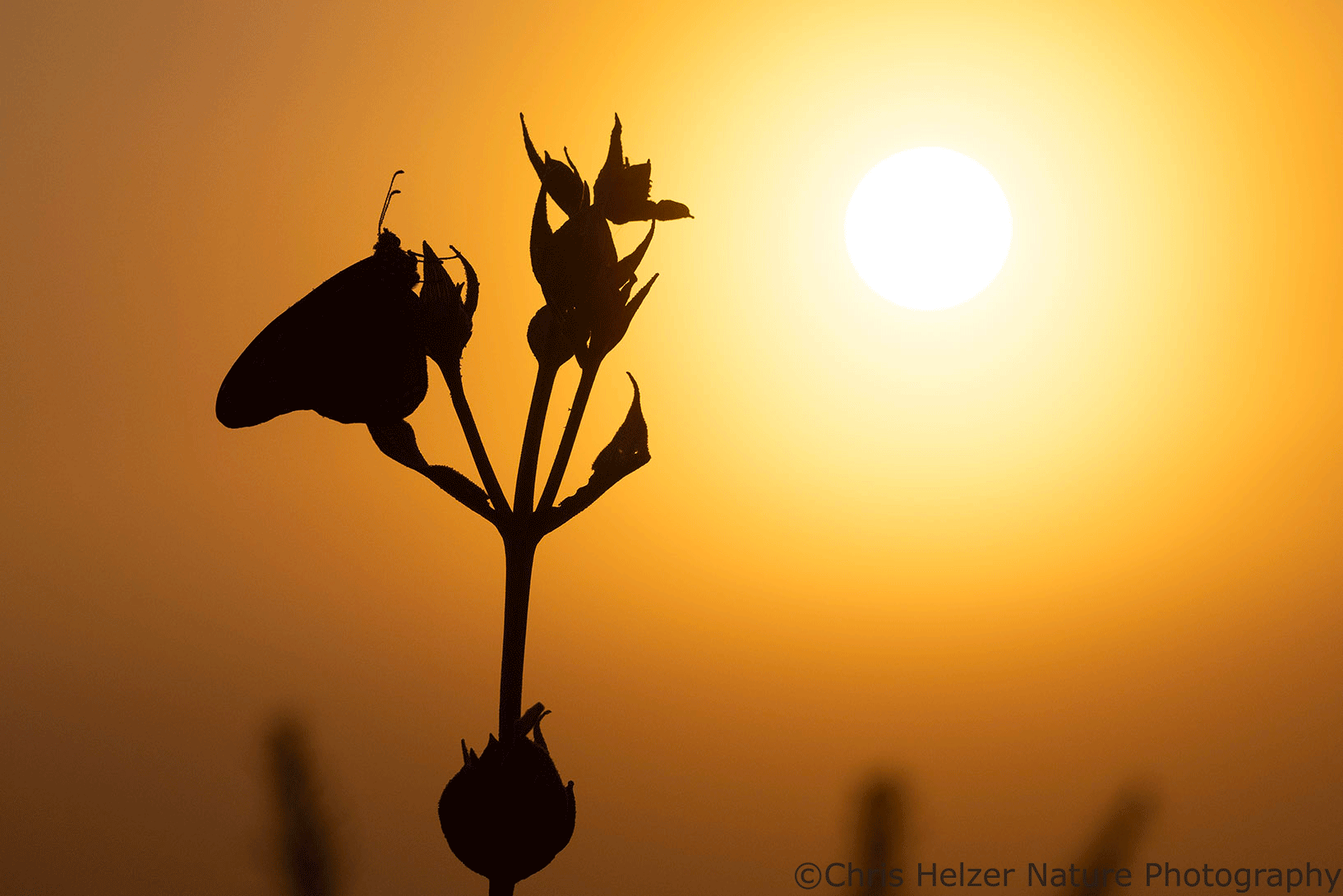
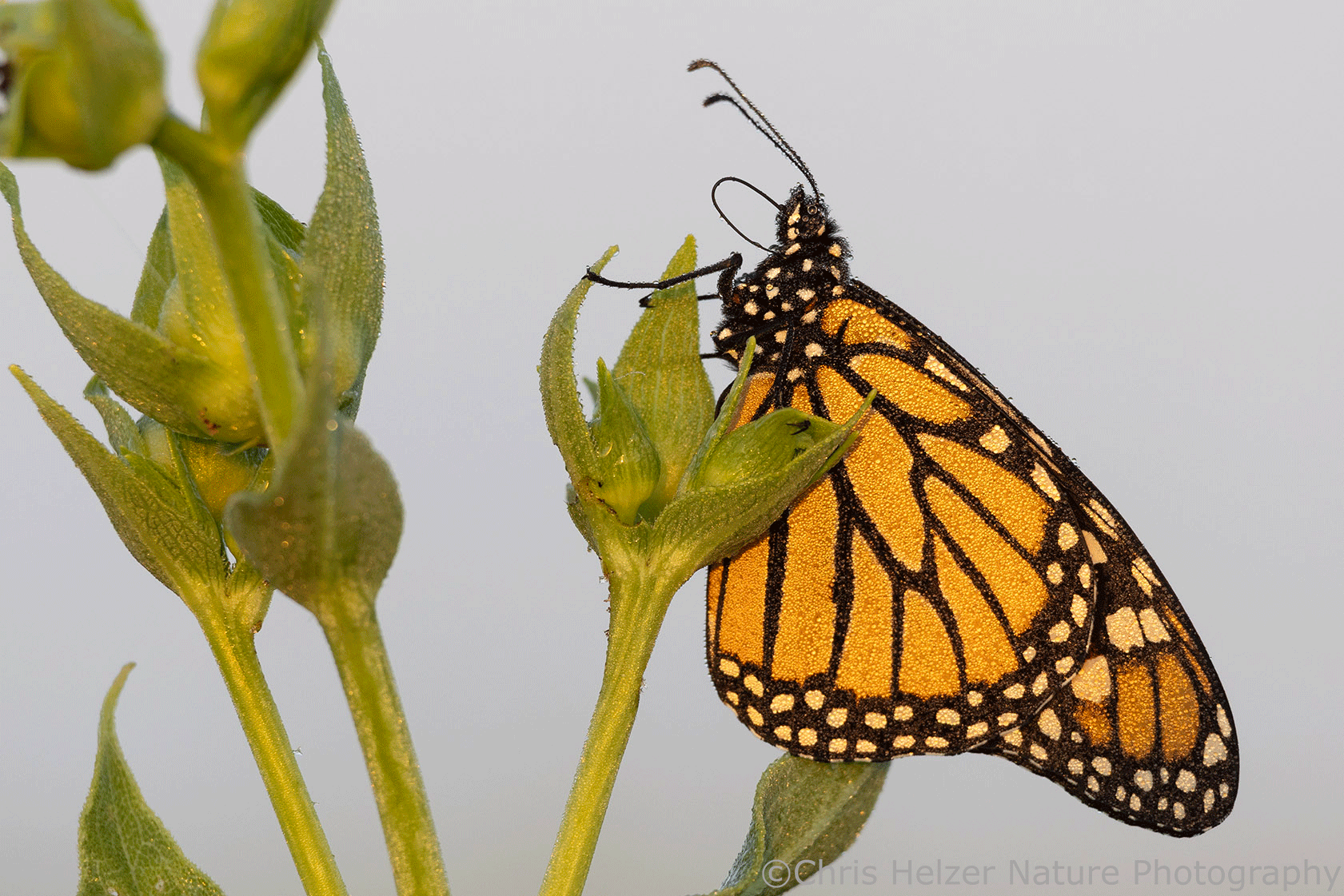
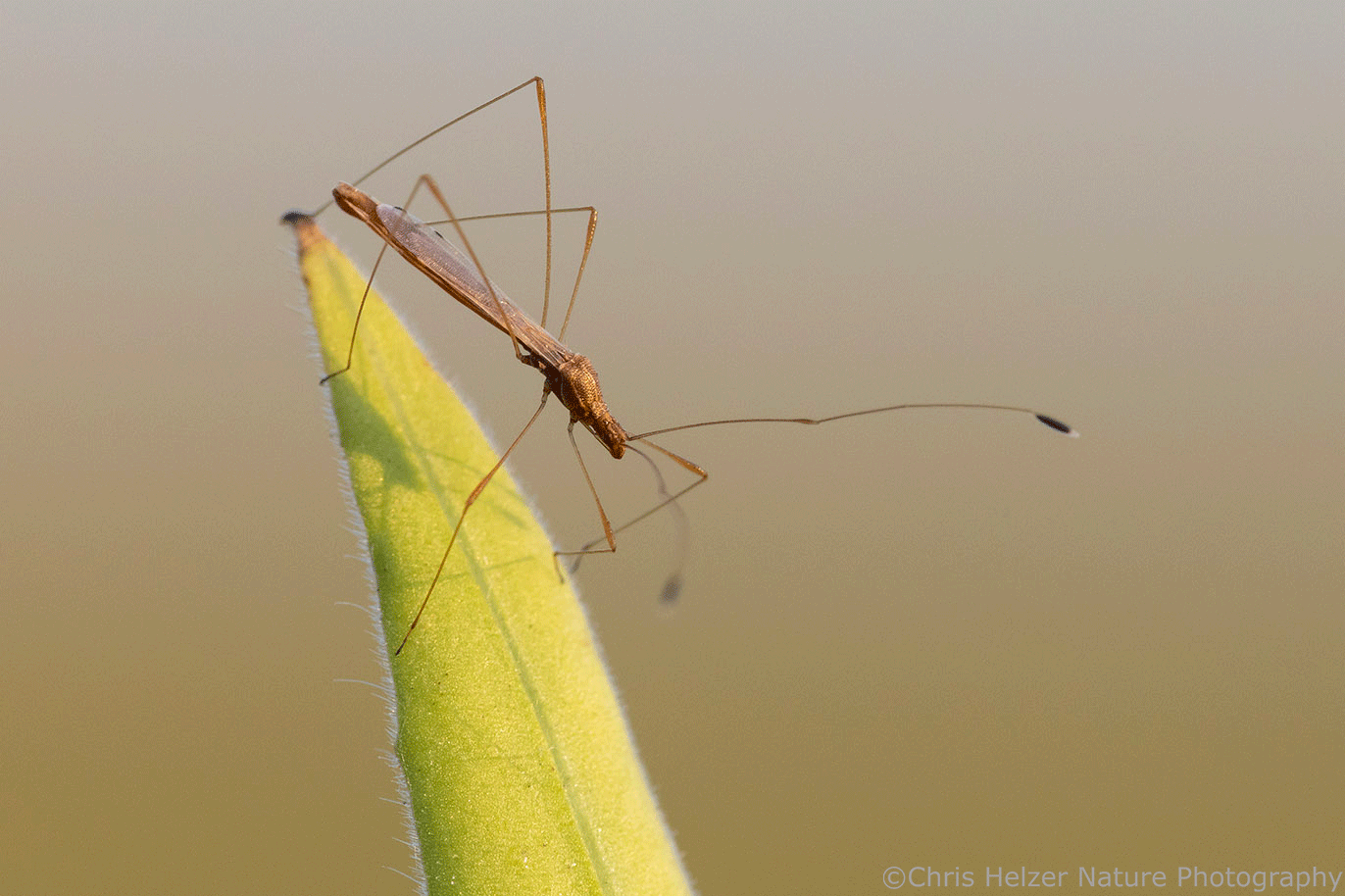
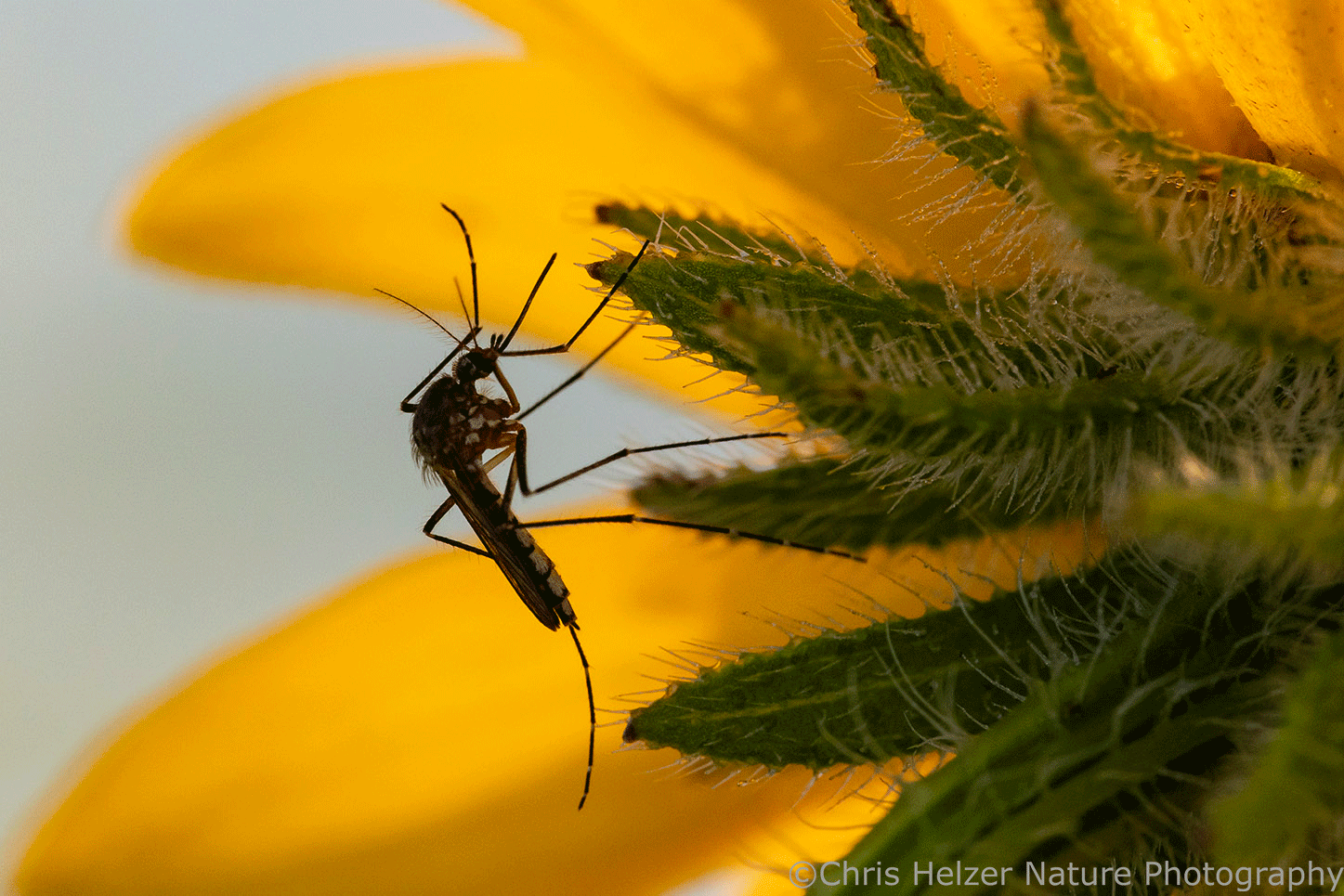
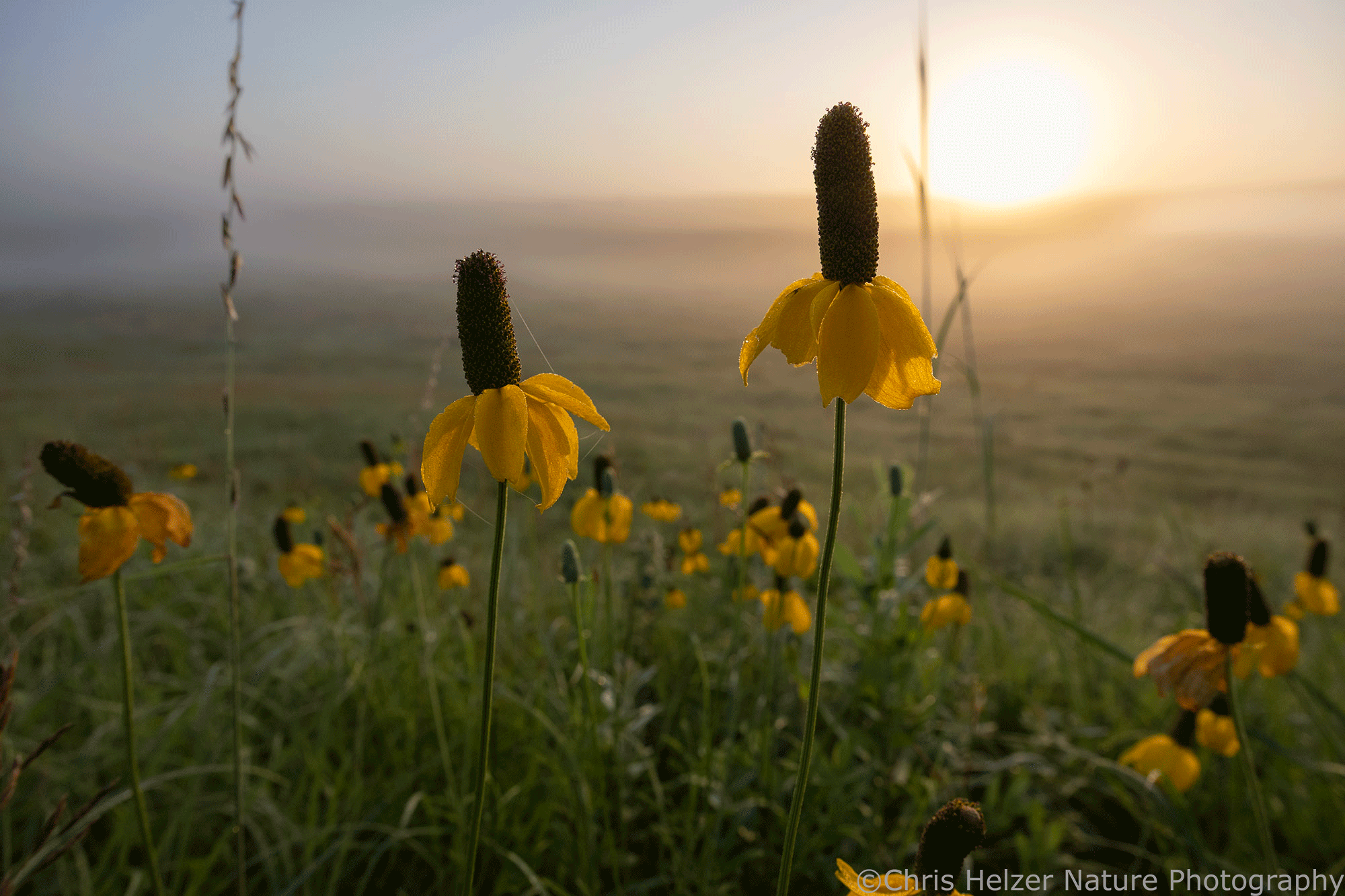
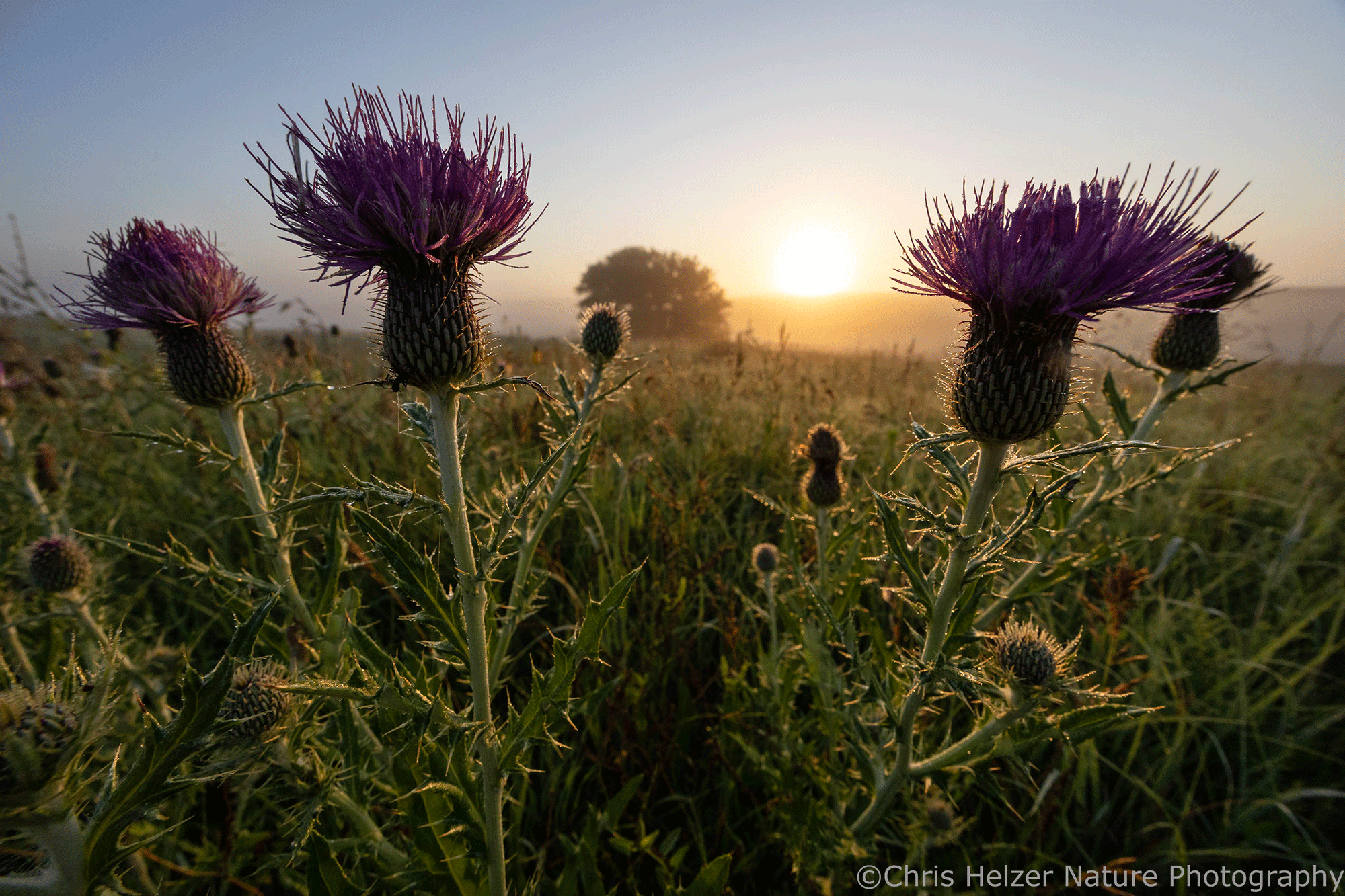
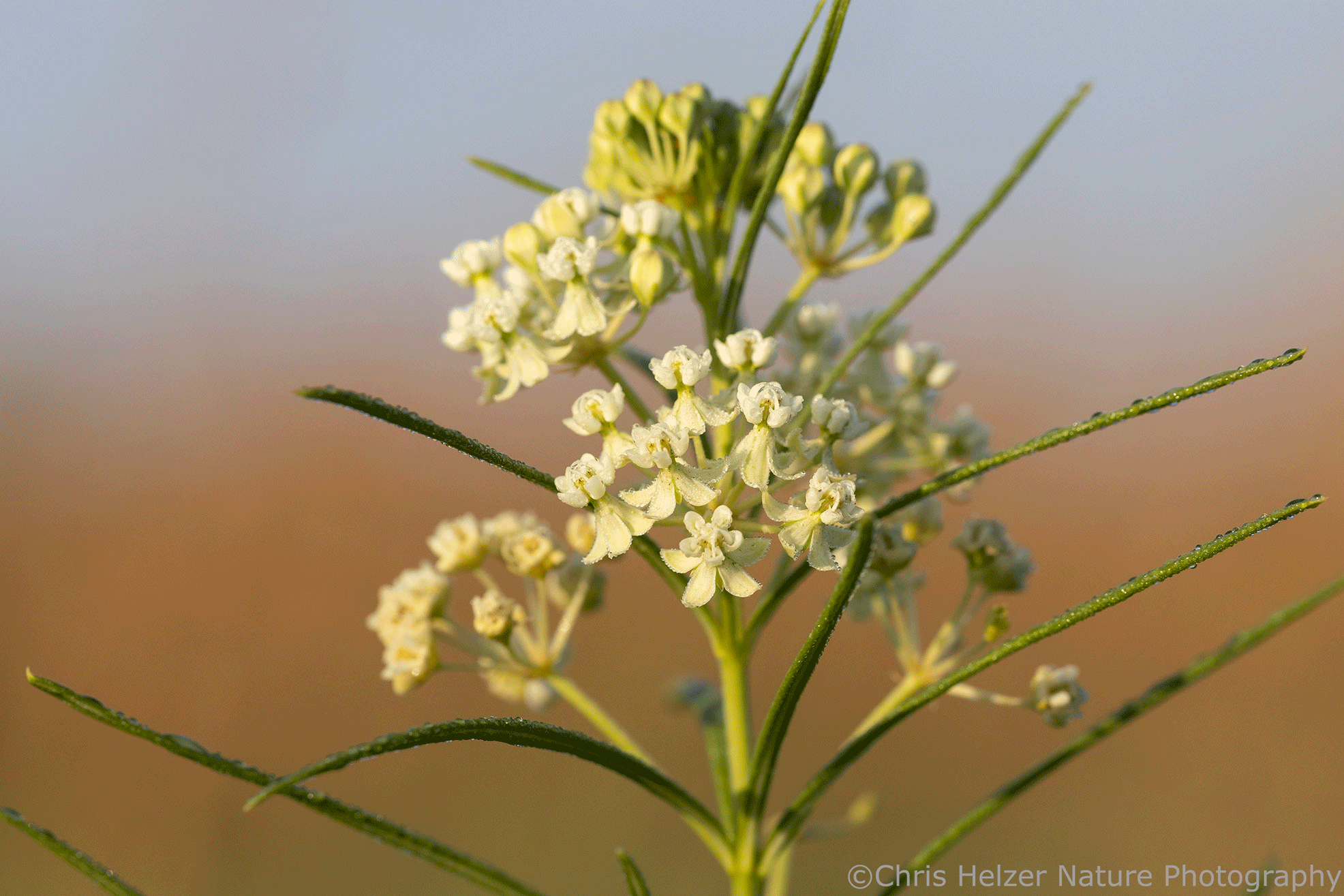
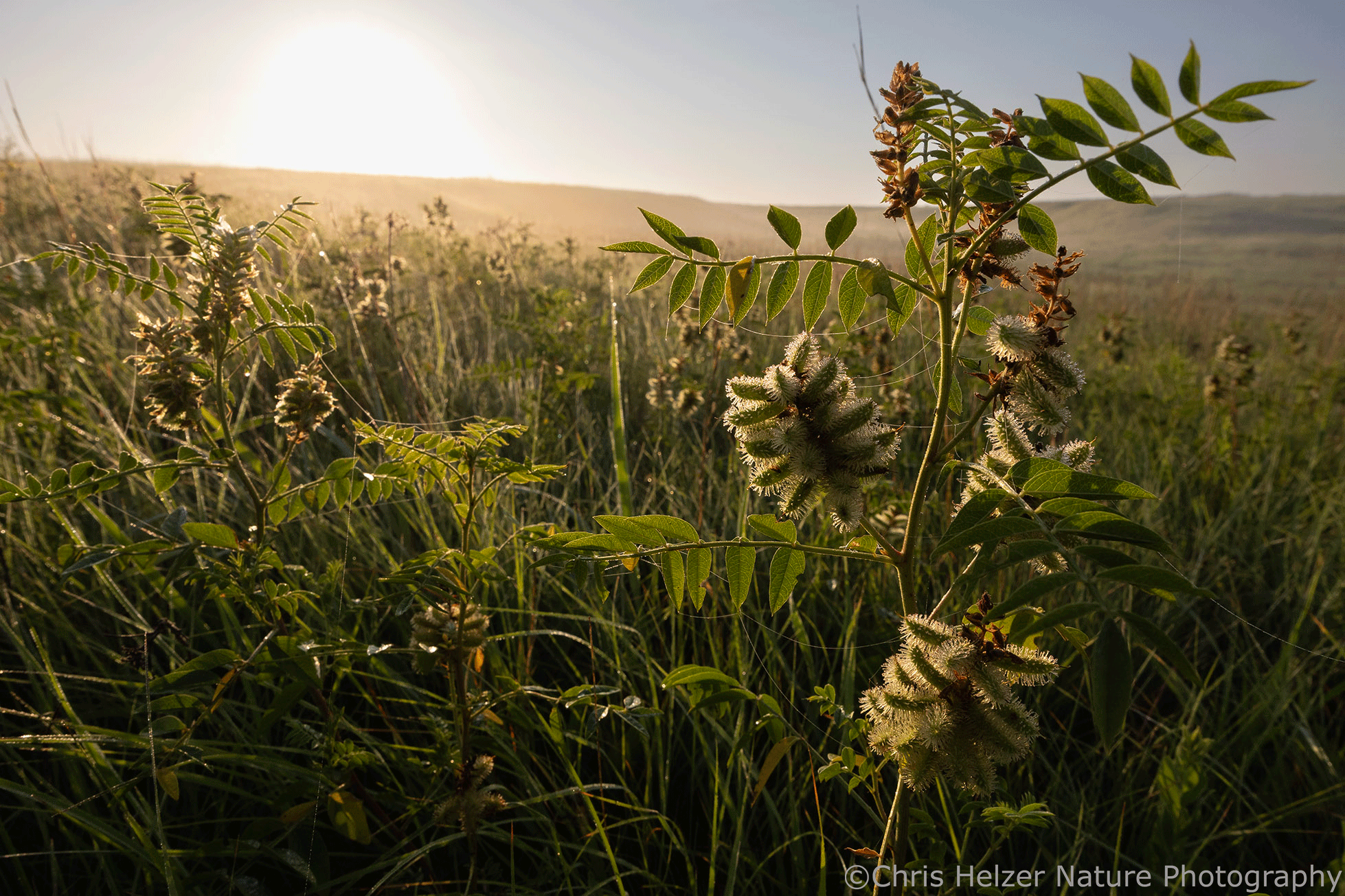
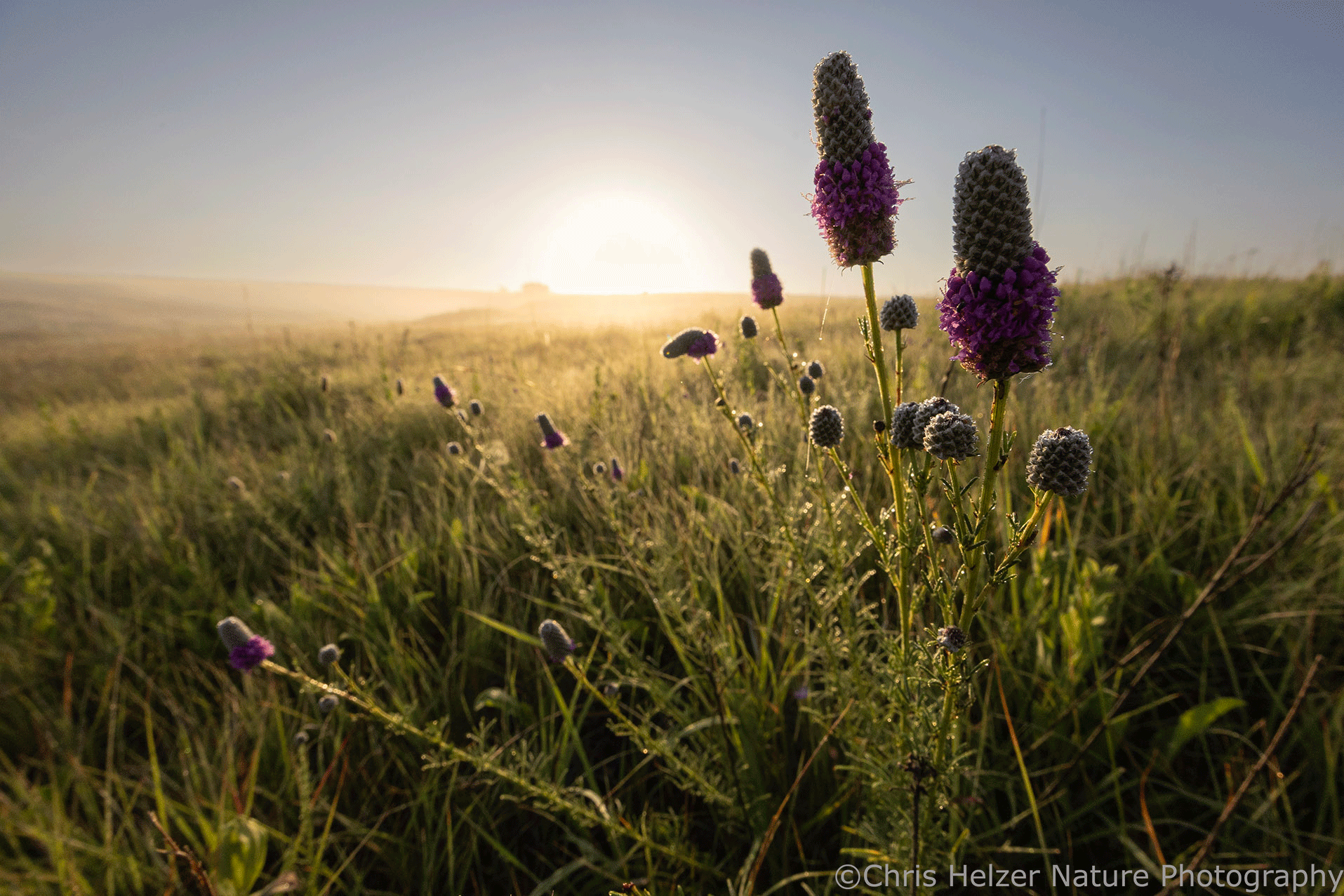
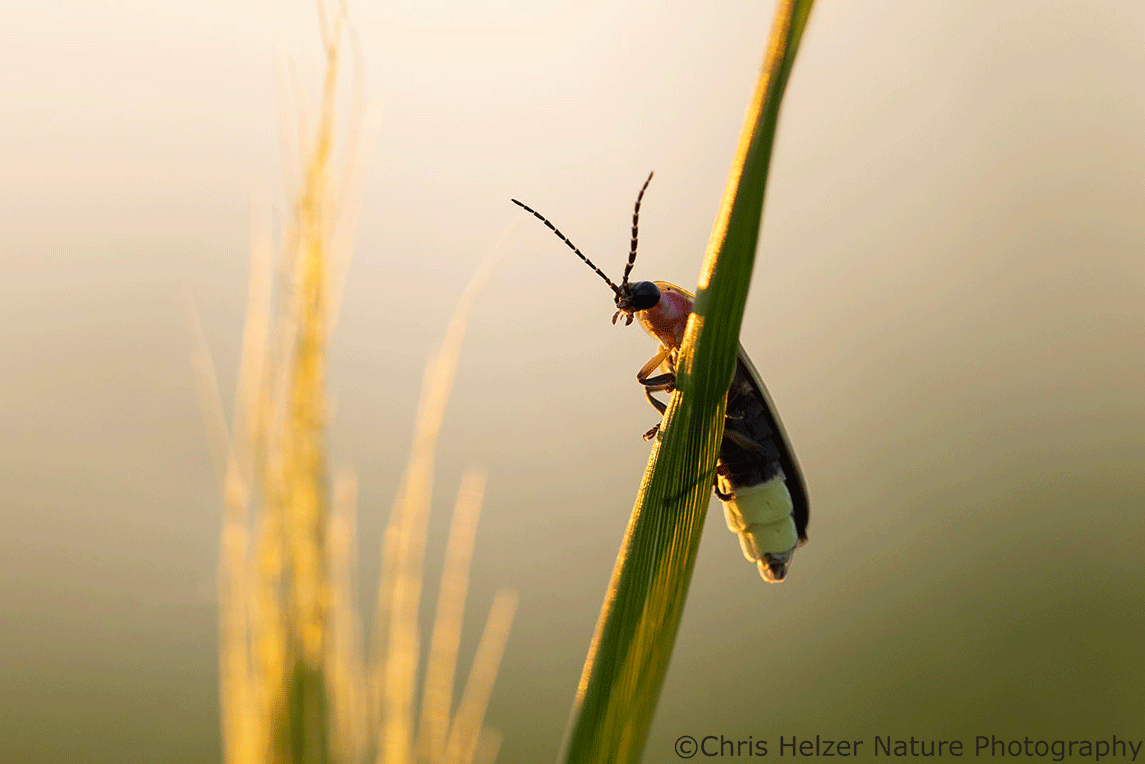
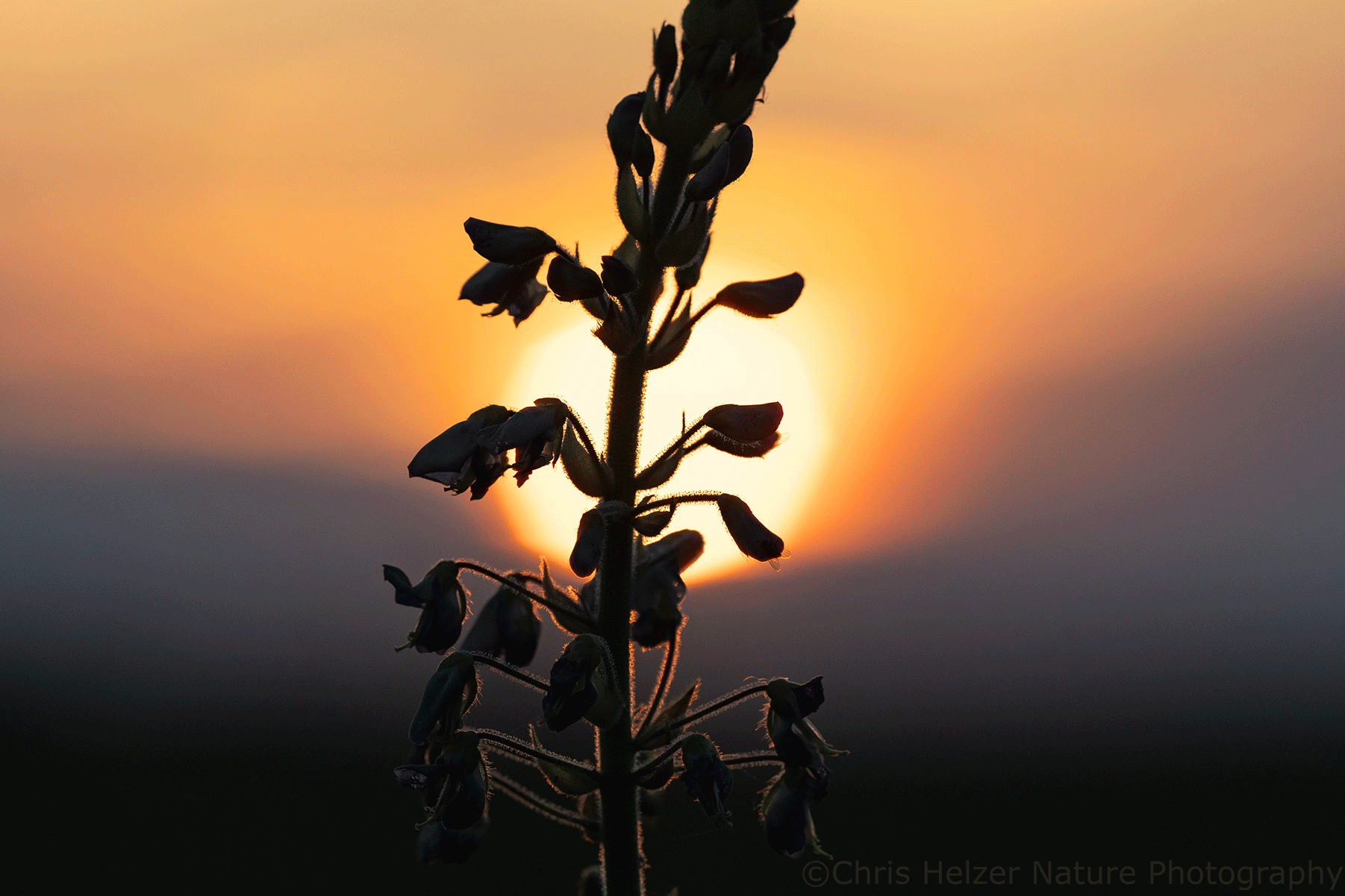
Foggy morning sunrise (yesterday)Wild bergamot and foggy sunriseMonarch on rosinweed (and foggy sunrise)Same monarch, same foggy sunriseSame monarch, other side (foggy sunrise present but not pictured)Different monarch, different morning (there are a lot of monarchs at our prairie this year)Stilt bug on common evening primroseMosquito on black-eyed Susan (there are a lot of mosquitos at our family prairie this year)Black-eyed Susans (there are a lot of black-eyed Susans at our family prairie this year – mostly in the 2022 restoration we planted)Southern grass cicada. (There are a few of southern grass cicadas – probably more than I think because they’re small)Upright prairie coneflower and foggy sunrise (there are a lot of these coneflowers in the area we grazed the most last year)See? Here are some more of them.Flodman’s thistle (native species) is also doing well where we grazed last year.Whorled milkweed, one of seven species I’ve seen at our prairie so far this year. (Common, butterfly, green comet, narrowleaf, spider, whorled, and wooly)Wild licorice grows in large colonies, with or without fogPurple prairie clover is also in big patches, but isn’t connected underground by rhizomes like the licorice isCommon milkweed is connected underground by rhizomes. This is a patch that hasn’t been grazed for a few years, so it was able to grow and flower happily (I assume it is happy)Goatsbeard, aka salsify, has a seedhead that is nearly impossible for me to walk past with my camera. Lightning bug (there are a lot of lightning bugs at our family prairie this year)See? Here’s another oneSunset and Illinois tickclover , aka tick trefoil
2 thoughts on “Photos of the Week – July 16, 2026”
Thank you for almost the only thing in my email-box that brings beauty and good news – and great photos – into my morning read!! You and your work are uplifting in these trying times!










Thank you for almost the only thing in my email-box that brings beauty and good news – and great photos – into my morning read!! You and your work are uplifting in these trying times!
I love all your photos, especially the foggy sunrise. Amazing!