Color, Movement and Noise

A couple months ago, I wrote a post asking you how you evaluate your prairies as you walk around them.  I appreciated the thoughtful responses you shared.  This week, I’ll be facilitating a discussion on the same topic at the Nebraska Natural Legacy Conference.  As I’ve been preparing for that discussion, my mind keeps returning to a brief conversation I had at the end of this year’s Patch-Burn Grazing Workshop.

The annual workshop is hosted at different sites each year.  This summer, we hosted it at our Platte River Prairies.  As we were finishing the last tour of our site and walking back to the vehicles, Wayne Copp, of the Tall Grass Bison Ranch in Auburn, Kansas, caught up with me.  He told me how much he had enjoyed the tours and that he thought our prairies looked great.  I thanked him, of course – it’s always nice to hear that.  But then he went on…

“A lot of prairies I visit,” he said, “look pretty dead – there’s not much going on. But your prairies are really alive, and they’ve got the three things I always look for in grasslands.”

“Which are?” I asked.

“Color, movement and noise.”

And there you go.  I’ve not heard a more concise, all-encompassing description of a good prairie.  Even better, you don’t have to be a botanist or ecologist to recognize color, movement and noise.  Anyone, regardless of age or background, can walk through a prairie and judge whether or not that prairie has those qualities.

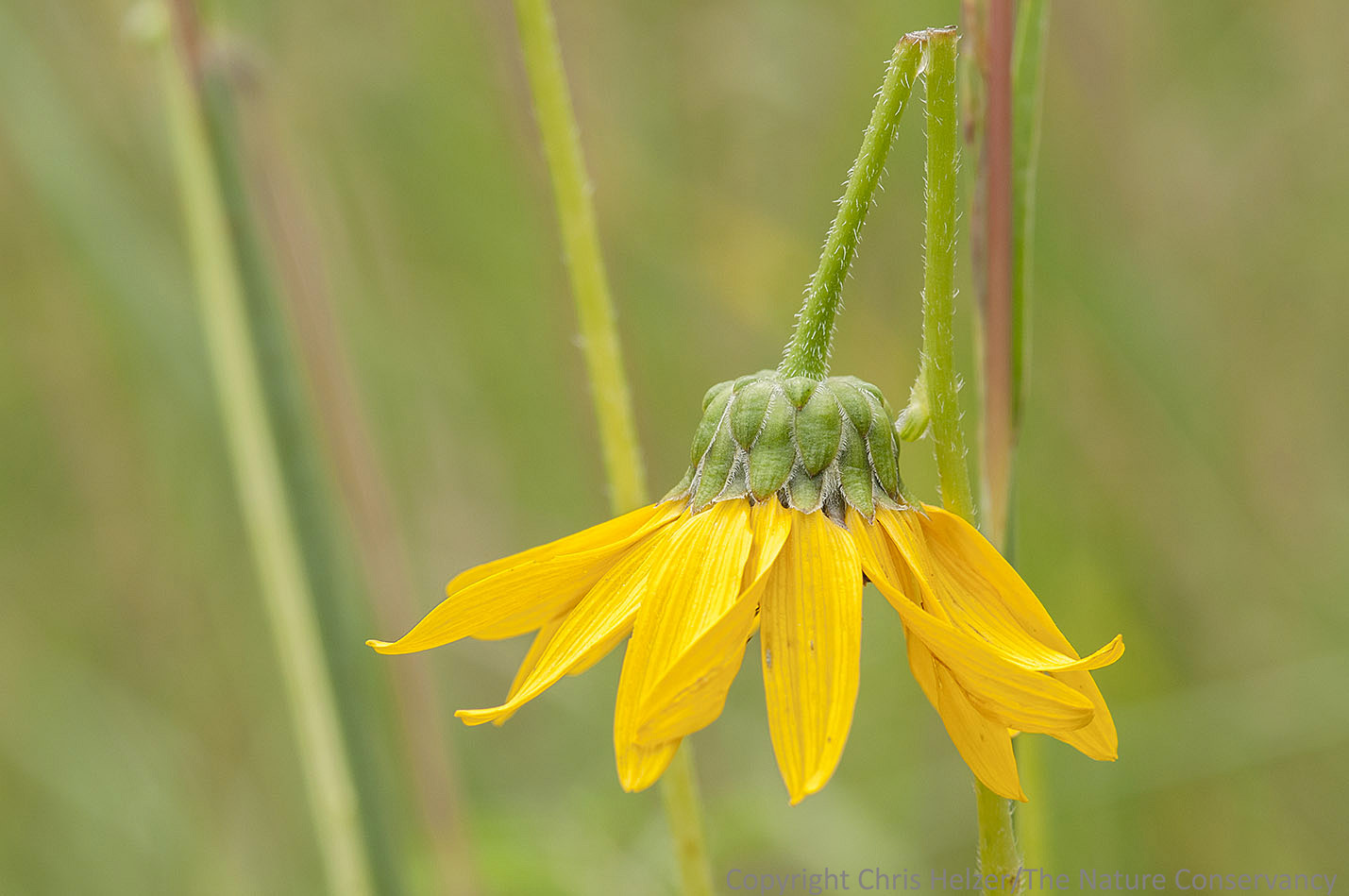
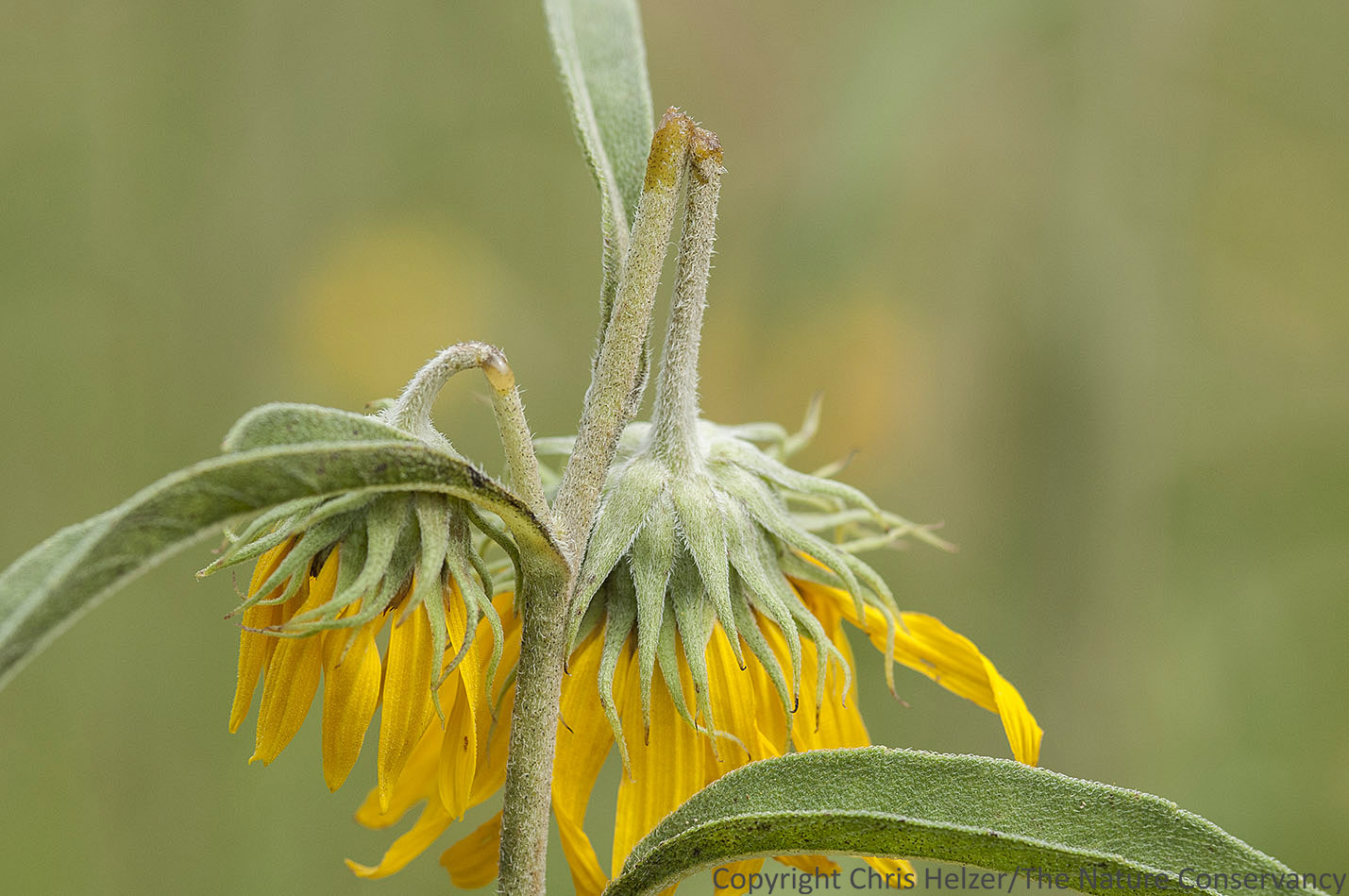
Color is easy to find in many prairies.  Wildflowers are an obvious source of color, but not the only one.

Color is easy to find in many prairies. Wildflowers are an obvious source of color, but not the only one.

ENPO090913_D007

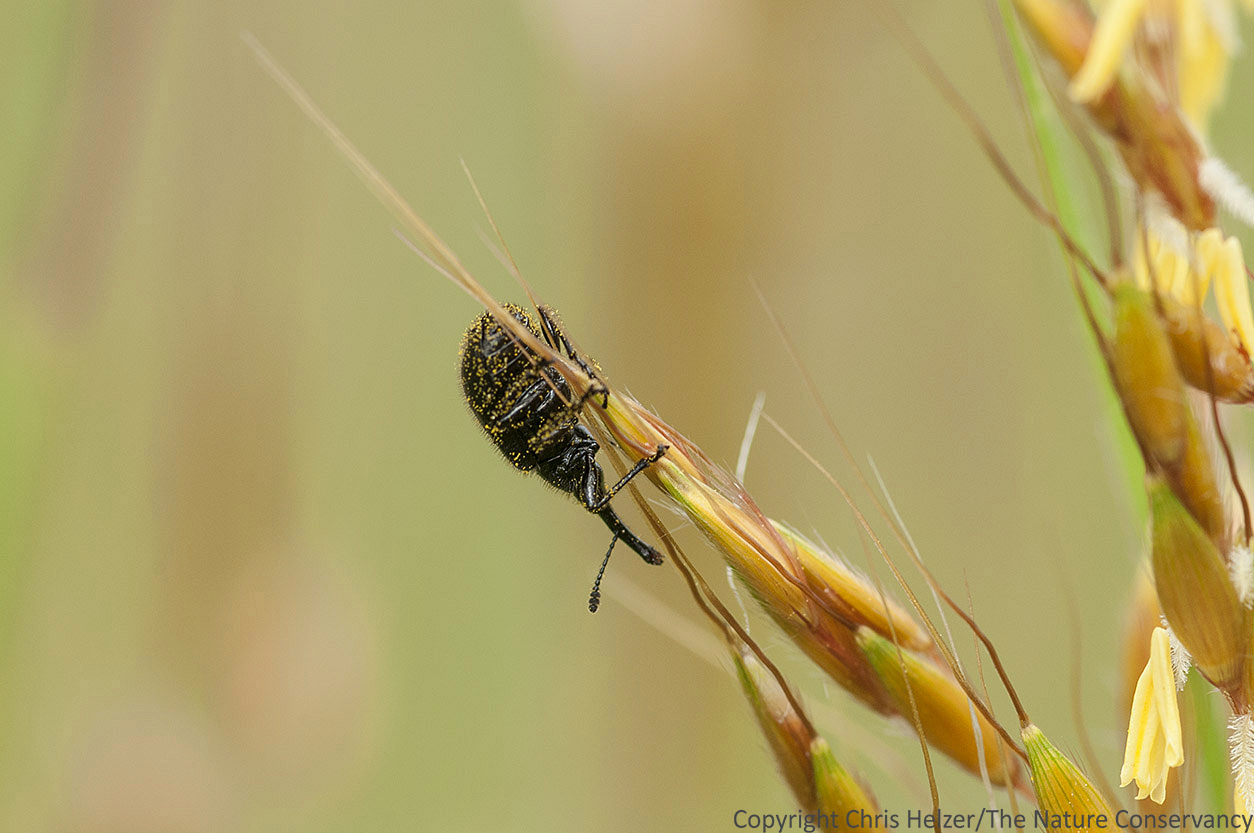
A closer look at most wildflowers reveals abundant movement – much of it by visiting insects, such as these pollinators on a native thistle.

Birds such as this dickcissel can provide color, movement and noise all by themselves...

Birds such as this dickcissel can provide color, movement and noise all by themselves, but a site needs more than just birds to be a prairie.

Of course, some of you are already asking, “How MUCH color, movement and noise should there be?”

But Wayne’s criteria for judging prairies (at least as I understand them) are not meant to be quantitative.  Sure, more is better, but that’s not really the point.  I think he’s just saying that a prairie without color, movement and noise is deficient.  Clean and simple.

Much of the "noise" in prairies is created by insects, though they are far from the only sources, which can include birds, mammals, wind, and many others.

Much of the “noise” in prairies is created by insects, though they are far from the only sources, which can include birds, mammals, wind, and many others.

ENPO100913_D010

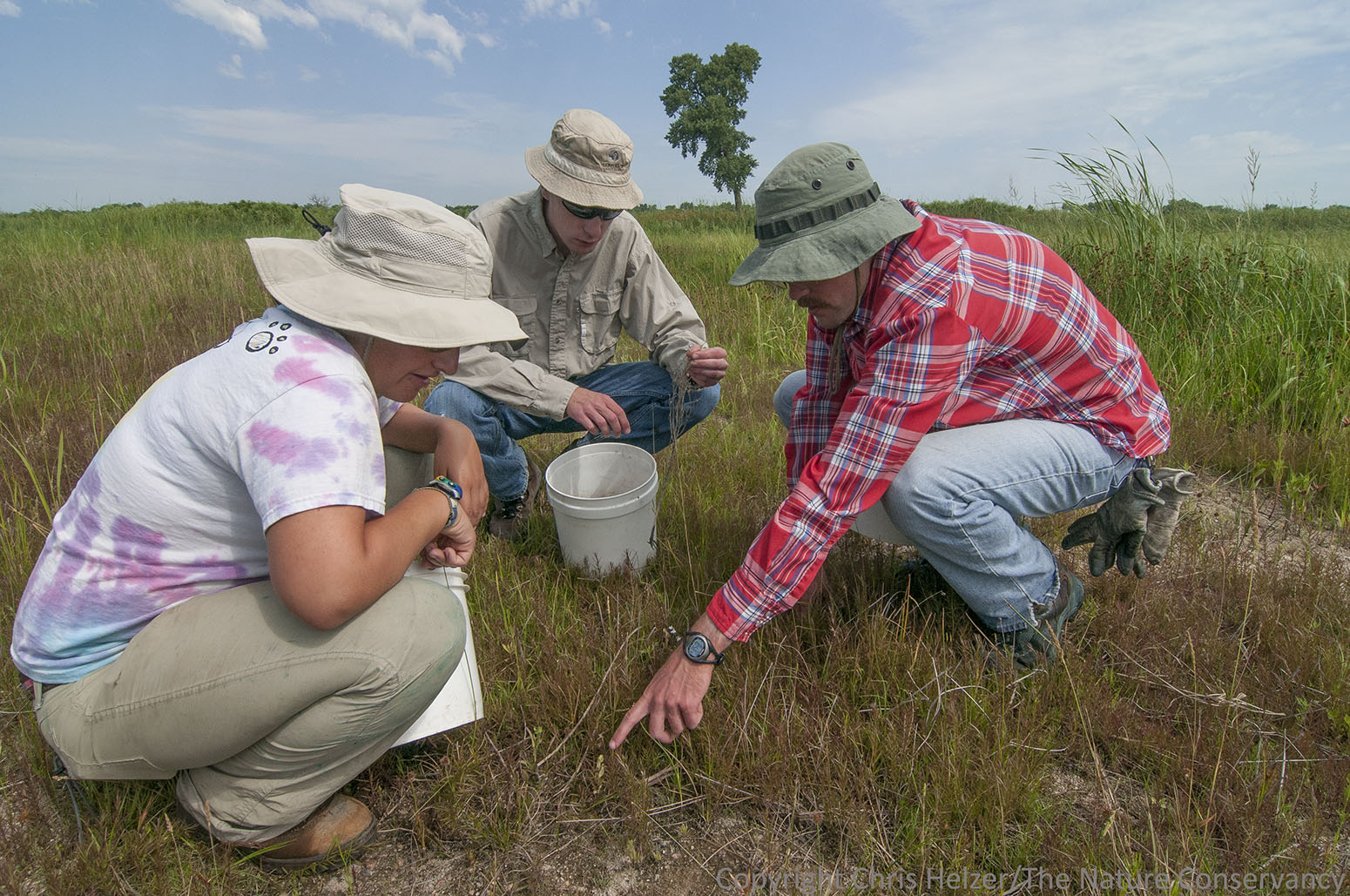
A great deal of the movement, color and noise in prairies can be hidden from those who just drive past at 65 miles per hour.  However, anyone who takes the time to walk out into the prairie will have no trouble finding it.

Sure, we still need other indicators and measures that can help us identify trends in plant diversity or species’ population viability.  We still need to figure out what to look for as we evaluate past management actions and plan the next ones.   And we still need to better understand what factors can indicate whether a prairie is ecologically resilient.

Unfortunately, only those of us who spend the majority of our time working in prairies can get much good out of those highfalutin indicators, measures, and factors.  They are important, but only to a small subset of people.  For everyone else – and us prairie wonks too – Wayne has already figured out the three essential qualities every prairie should have.

Color, movement and noise.

Brilliant.

Photo of the Week – October 3, 2014

I made my first ever visit to The Nature Conservancy’s Smoky Valley Ranch in western Kansas this week.  It won’t be my last.  Situated along the boundary between mixed-grass and shortgrass prairie, the Smoky Valley Ranch contains 16,800 acres of grassland – including a wide variety of prairie types – along with bison, lesser prairie chickens, prairie dogs, and even black-footed ferrets.  It’s quite a place…

A rock outcrop above an oxbow.  The Nature Conservancy's Smoky Valley Ranch - western Kansas.

Exposed rock above an oxbow. The Nature Conservancy’s Smoky Valley Ranch – western Kansas.

I was at the ranch as part of a small group invited to help the Conservancy’s Kansas staff think about their conservation strategies at the ranch, including fire and grazing management, restoration work, neighbor relations, and their research and monitoring approach.  The peer review team included Conservancy staff from Nebraska, Kansas, and Oklahoma, as well as several local landowners and partners from the local area.

Matt Bain of the Conservancy, discusses grazing strategies with other biologists and neighbors.

Matt Bain (left) of the Conservancy, discusses grazing strategies with other biologists and neighbors.

The thoughtful work being done by the staff at the ranch was really impressive.  They have been reconsidering their objectives and making some significant adjustments to their management approach.  Our job was to give them some feedback on the changes they’re already making and help them think about some additional possibilities.  It was two days of thought-provoking and stimulating conversation – mostly while standing in the middle of impressive grassland scenery.

A very colorful grasshopper.

A very colorful grasshopper.  (Pictured Grasshopper – Dactylotum bicolor)

.

Sandsage prairie.

Sandsage prairie – one of several different prairie types found at the Smoky Valley Ranch.

.

A giant ant hill.

A giant ant hill, made by harvester ants (Pogonomyrmex sp.)

I need to learn more about shortgrass prairie and the drier end of mixed-grass prairie.  Plant and animal communities respond very differently to management and restoration treatments with less annual rainfall and under more frequent/longer droughts.  However, I don’t feel like I have a good grasp of those differences.  Looks like I’ll have to start making some trips to western Kansas….

Oh darn.

Prickly pear cactus.

Prickly pear cactus.