Photo of the Week – June 27, 2014

A selection of photos from a prairie ecologist’s family vacation in the mountains of Colorado…
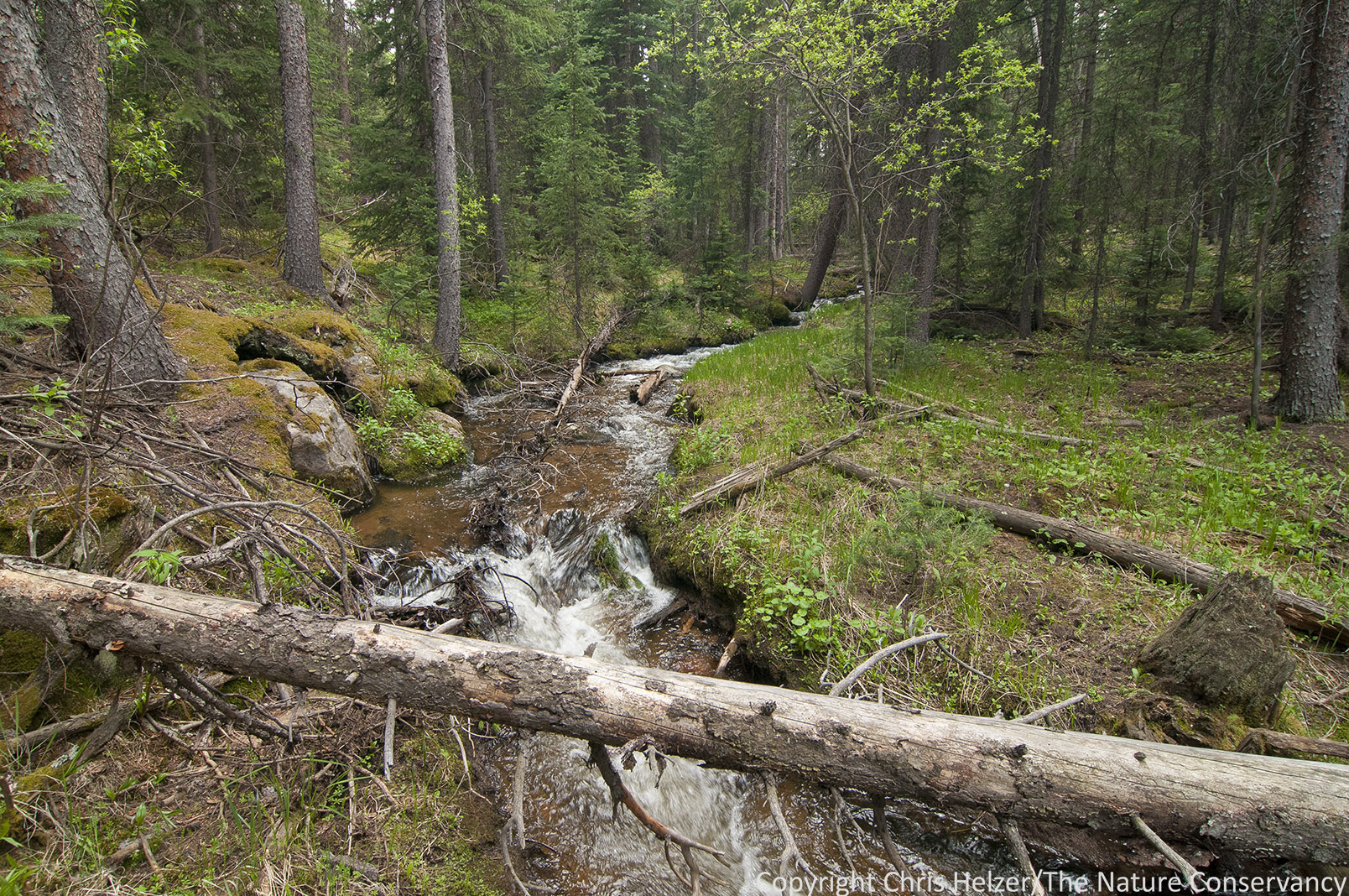
Rocky mountain stream.

A rocky mountain stream not far from the door of the cabin we stayed in last week.  South of Idaho Springs, Colorado.

.
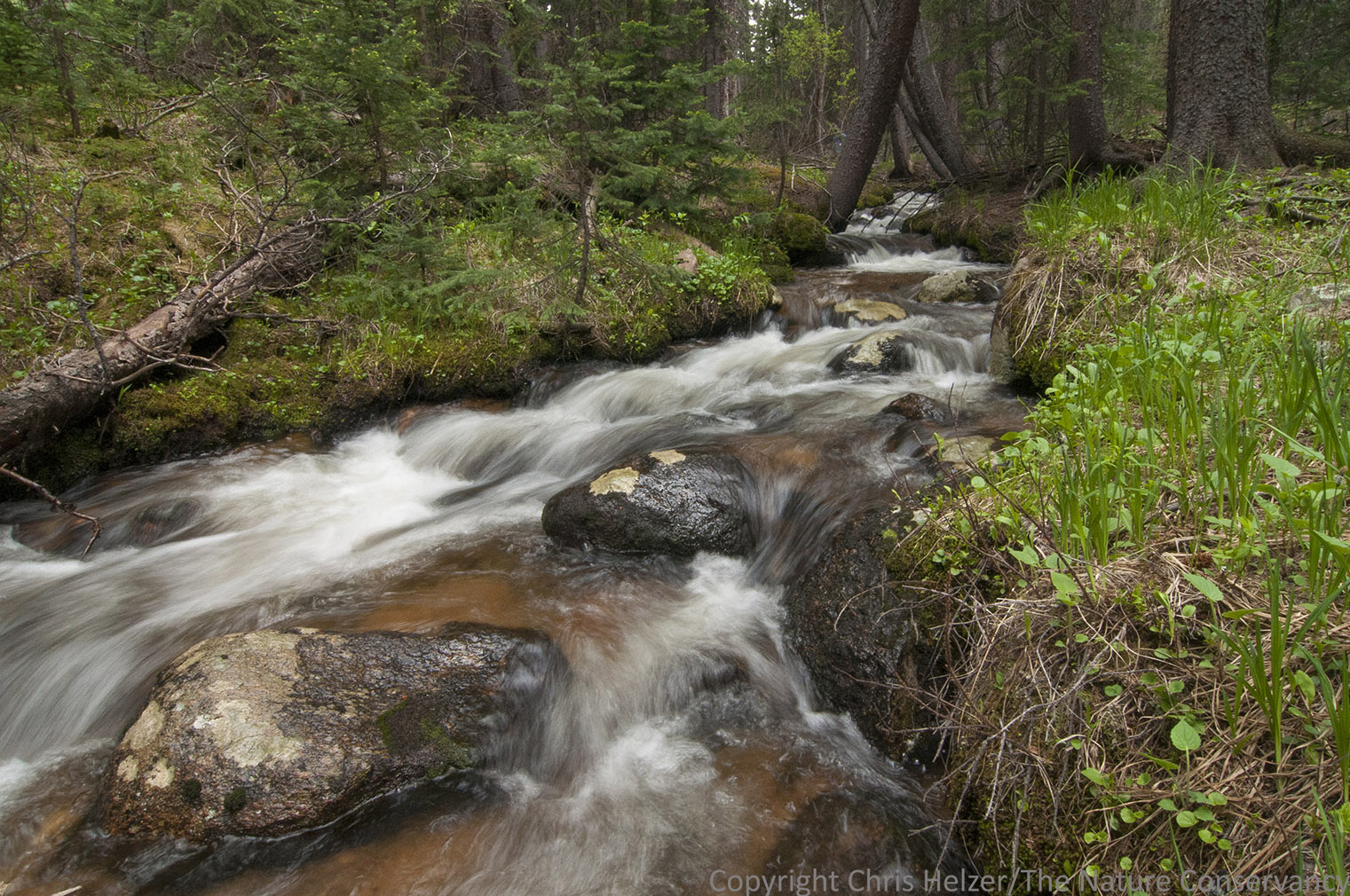
Slow shutterspeed

Since I don’t see fast flowing water (or rocks) very often in my part of Nebraska, I don’t often get to play with the old photography trick of using a slow shutterspeed to show the movement of the water.

.
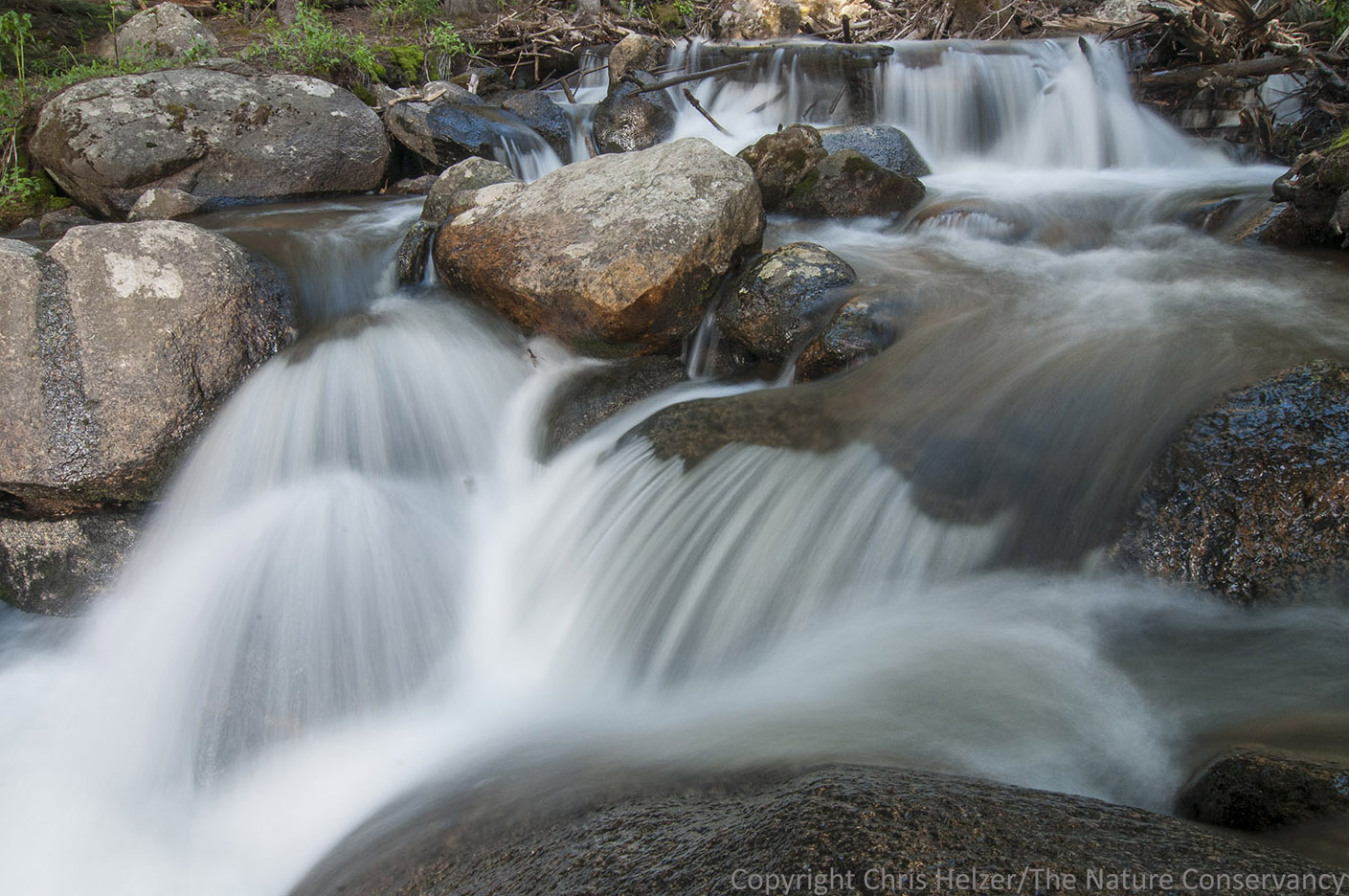
slow shutterspeed again

I spent way more time than I should have on the slow-shutterspeed-trick…

.
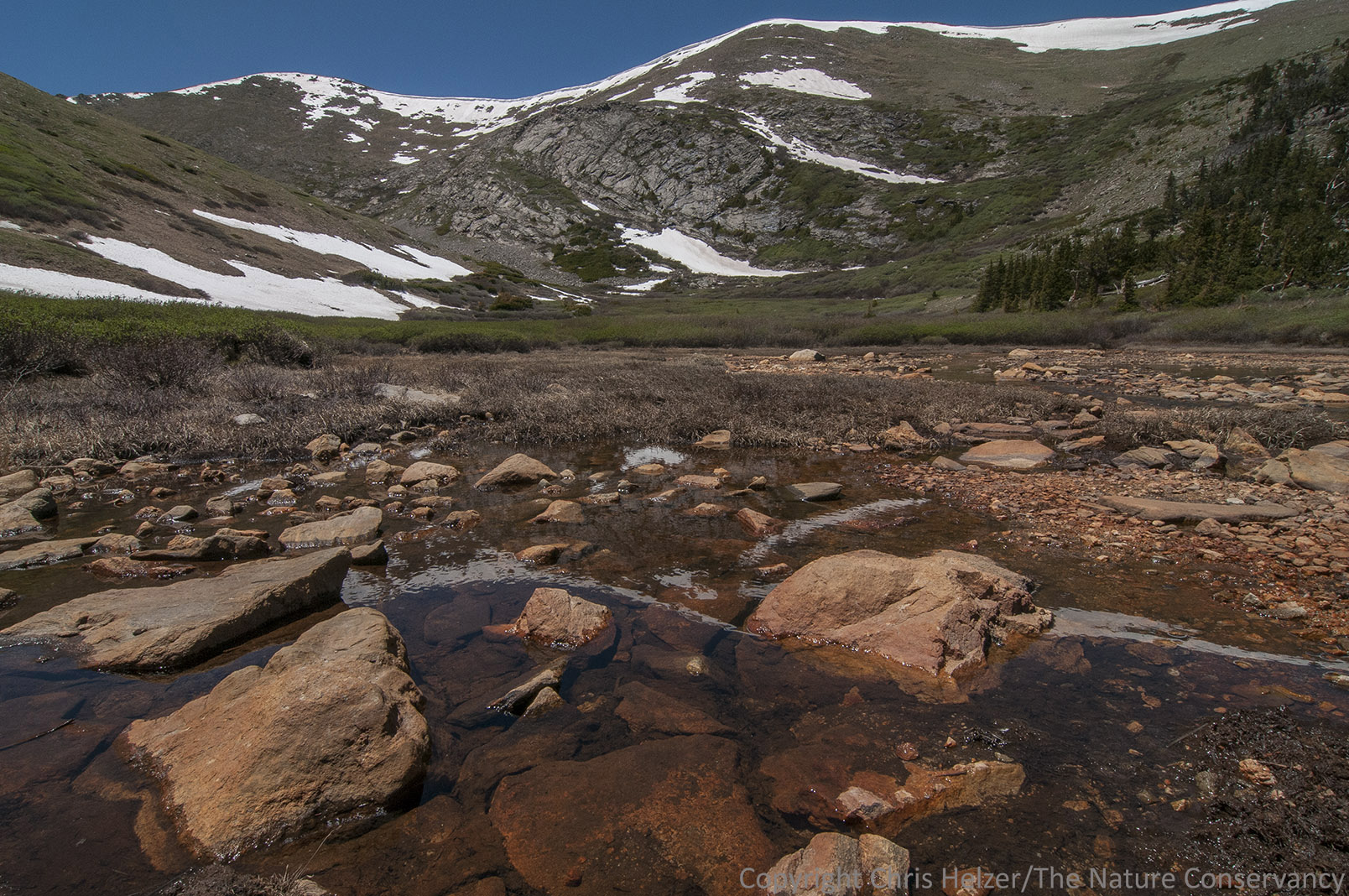
Where the snow is coming from...

We got to climb high enough to see the melting snow that was feeding all those streams.  It was fun to think about the fact that the snow melt we were looking at would be flowing right past us in the Platte River when we got home.  Hell’s Hole Trail.

.
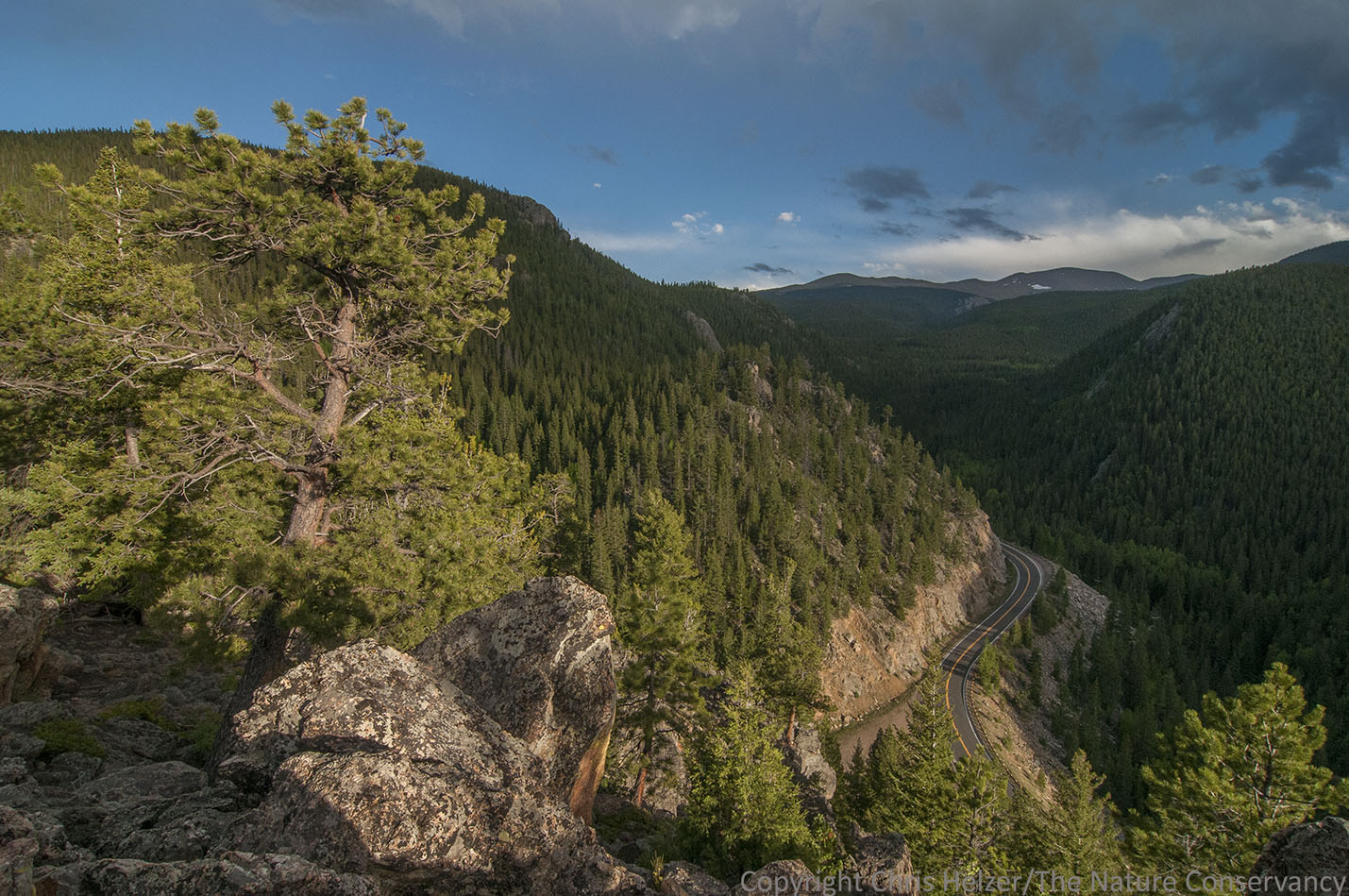
Boys and I climbed up a ridge one evening.

One evening, the boys and I climbed up a ridge near our cabin just because it was there.

.
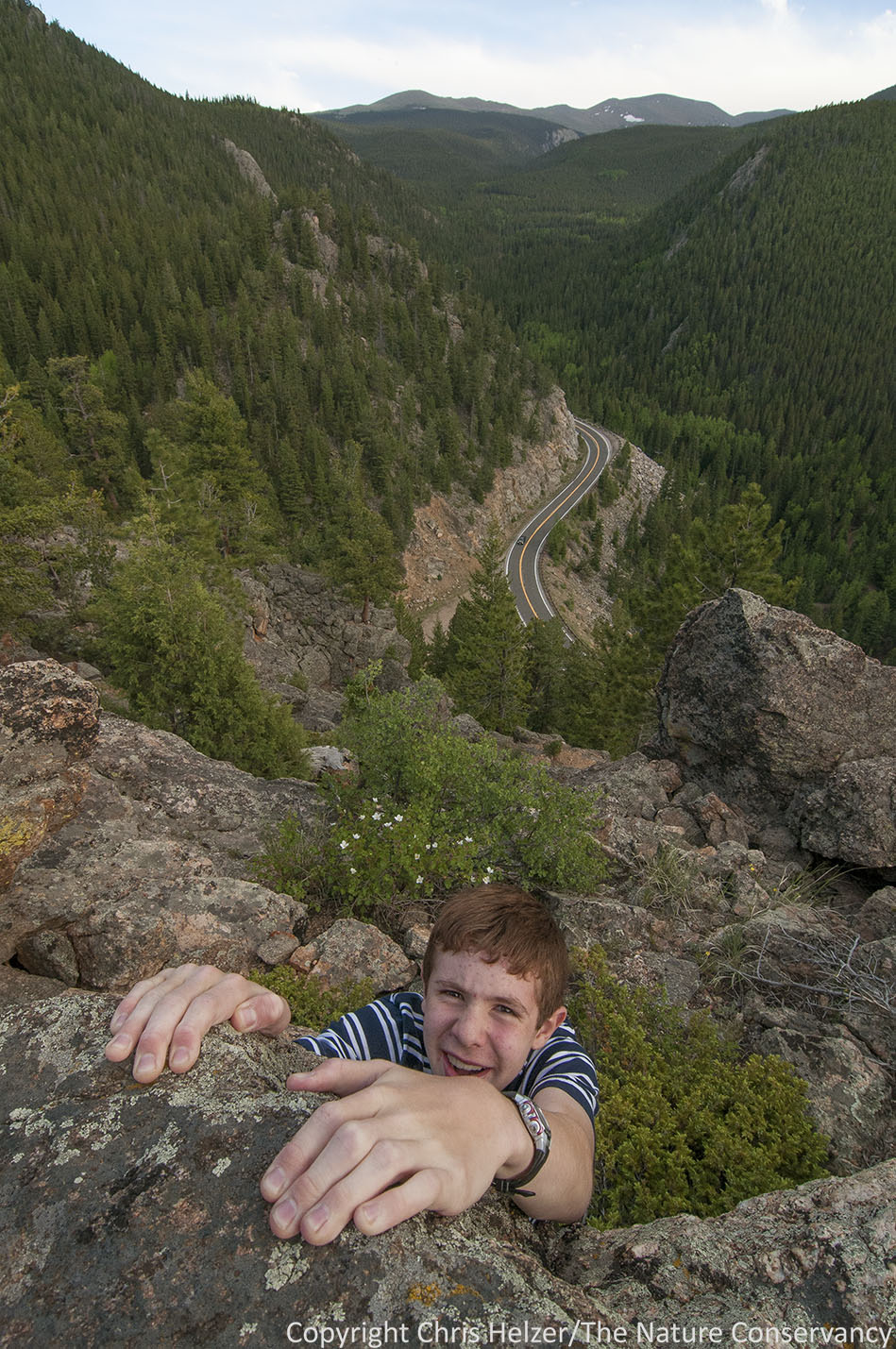
John thinks he's funny

John thought it was funny to pretend he was clinging to the edge of a cliff.  (His feet are solidly on the rocks below.)

.
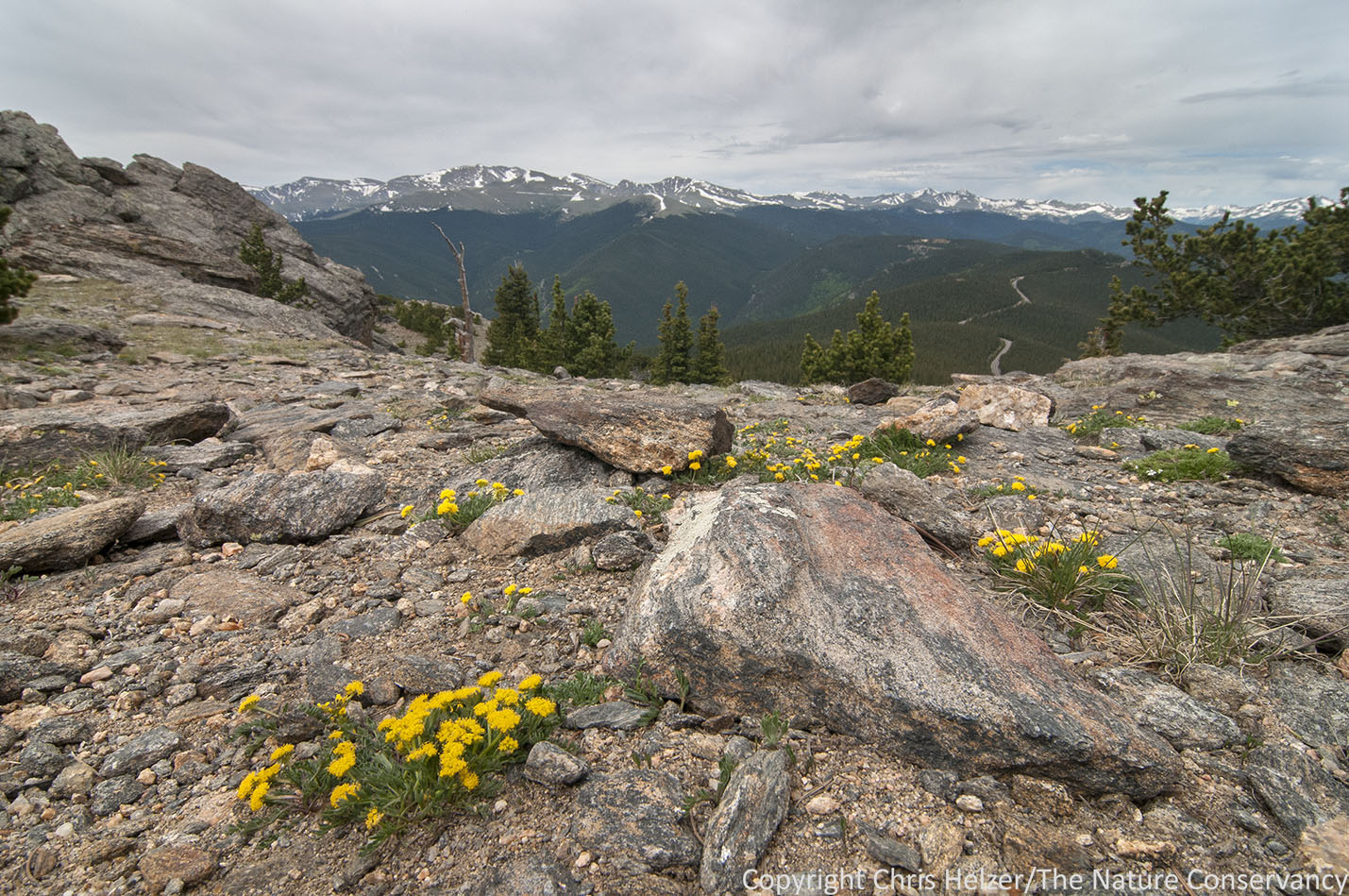
Favorite part of mountains are above the tree line.

My favorite parts of the mountains are above treeline where I don’t feel so closed in.  Chief Mountain.

.
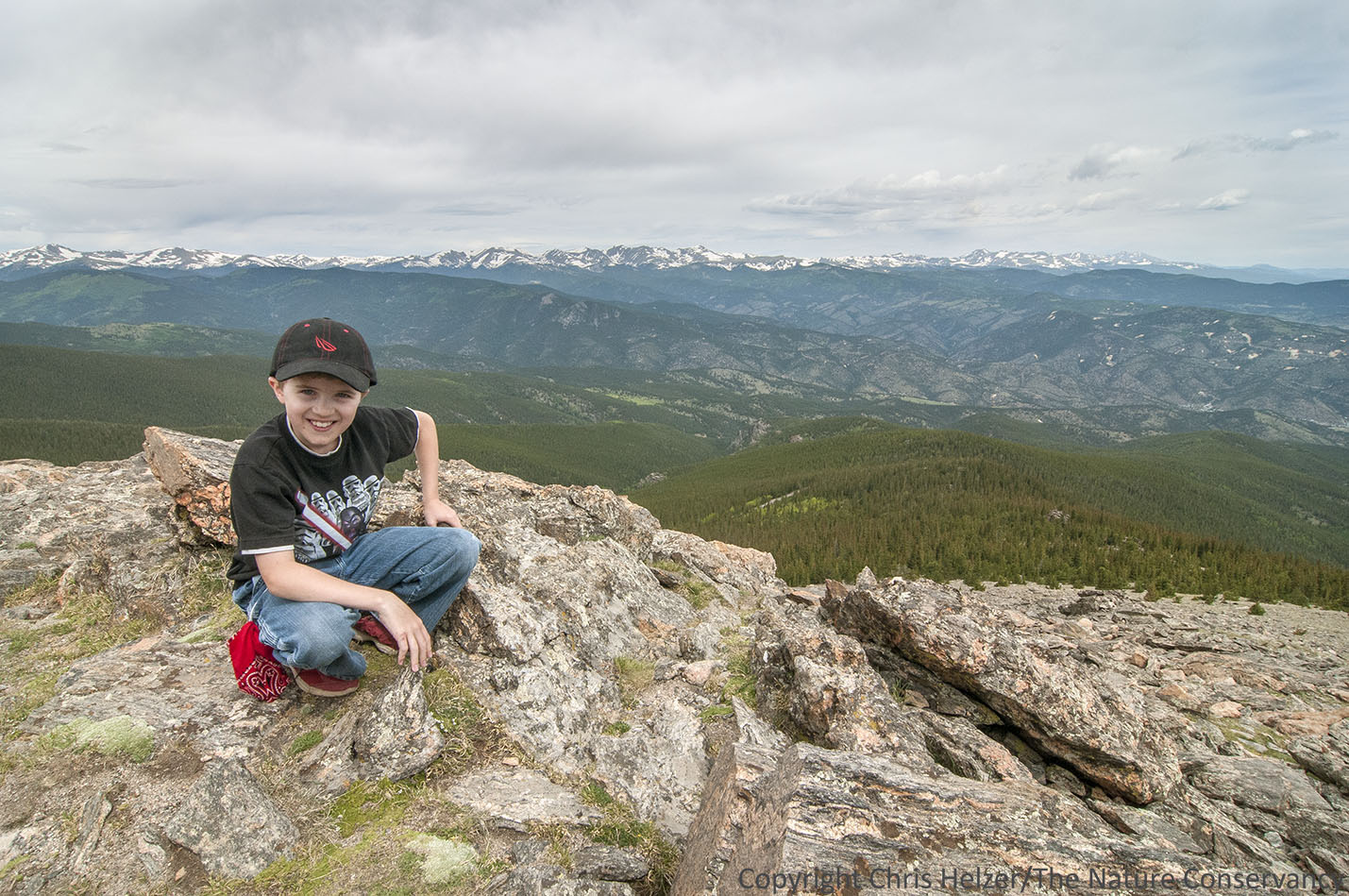
Dan also likes

Daniel (and his brother) lobbied hard to climb Chief Mountain, even though we’d done the same hike only a year before.  The scenery WAS very nice…

.
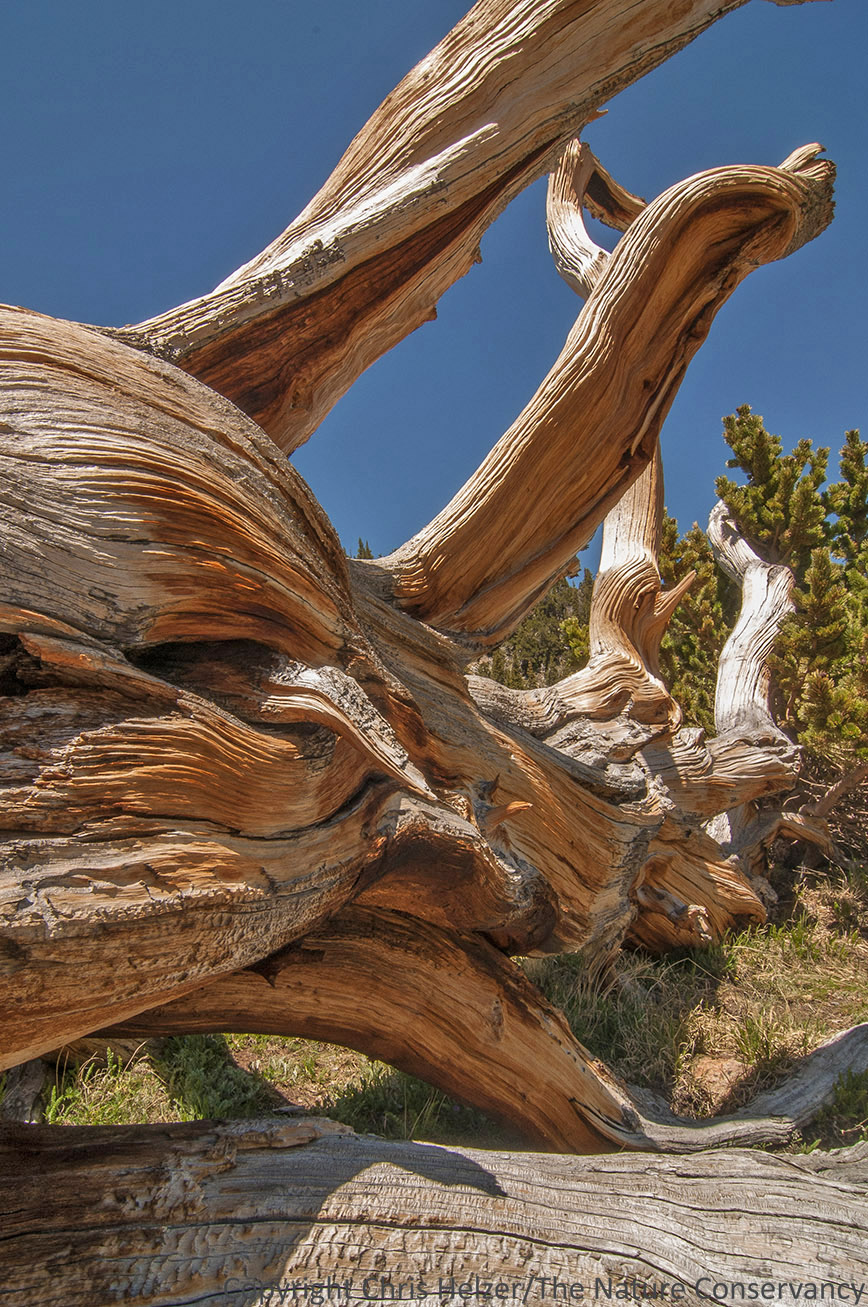
Bristlecone pine

Bristlecone pines are found only at very high elevations.  Both the live and dead ones are very picturesque.

.
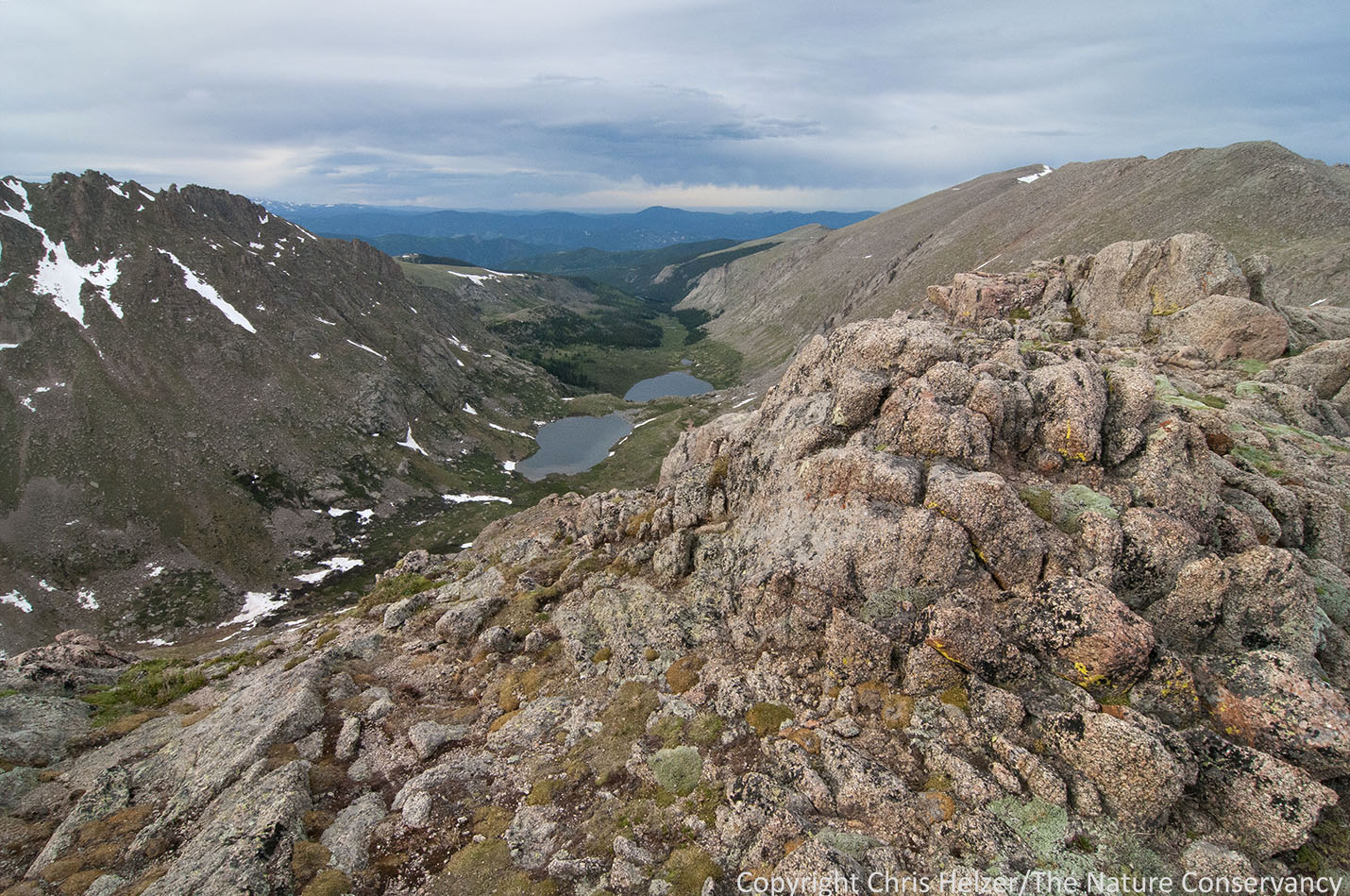
Summit lake near Mount Evans.

One cool evening, we dodged some light showers and took a short uphill hike from Summit lake near Mount Evans.  The scenery was enough to take your breath away – though the 13,000 foot elevation helped with that as well…  

.
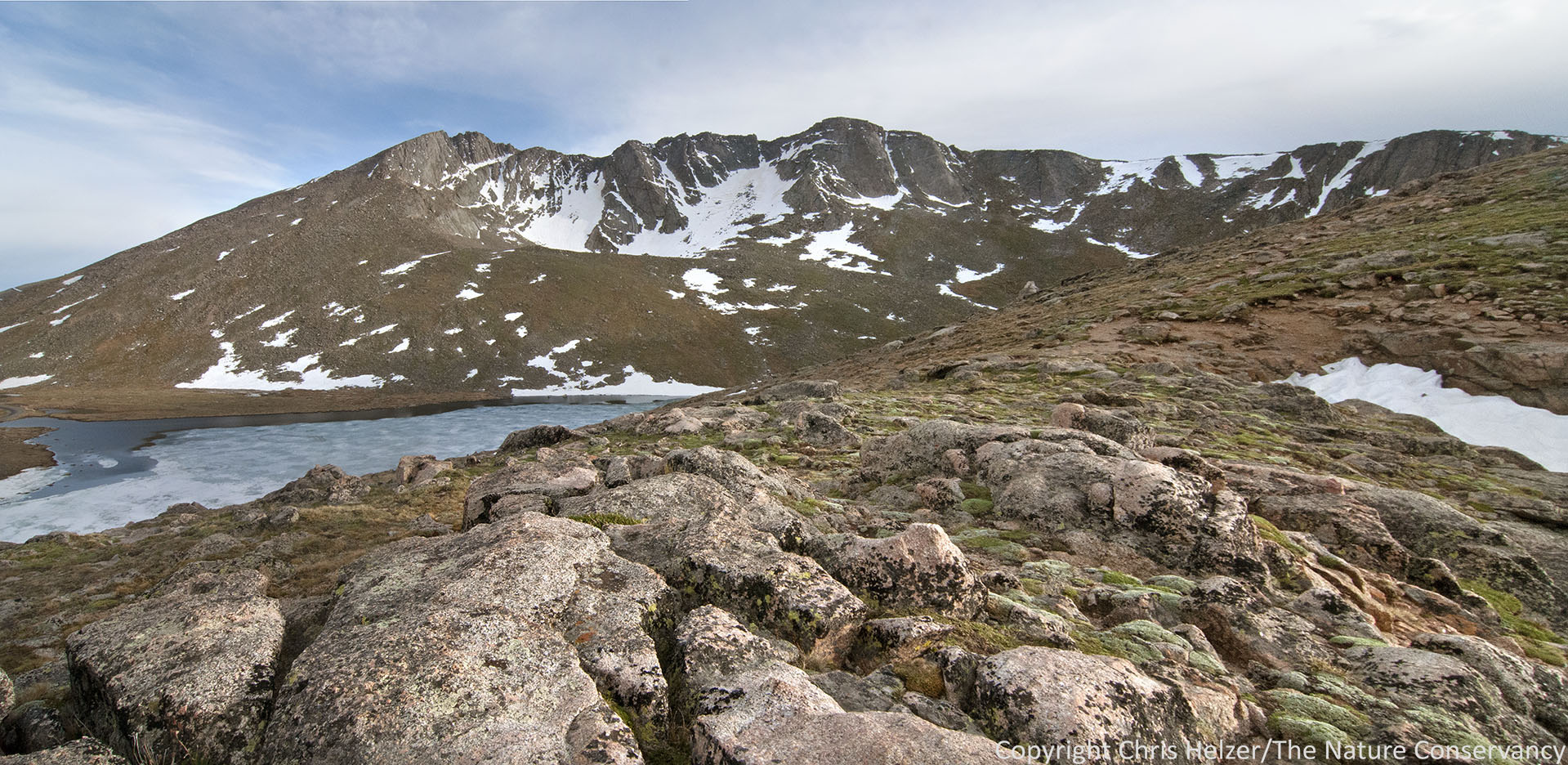
Mount Evans and Summit Lake.

A  panoramic view of Mount Evans and Summit Lake from the trail.

.
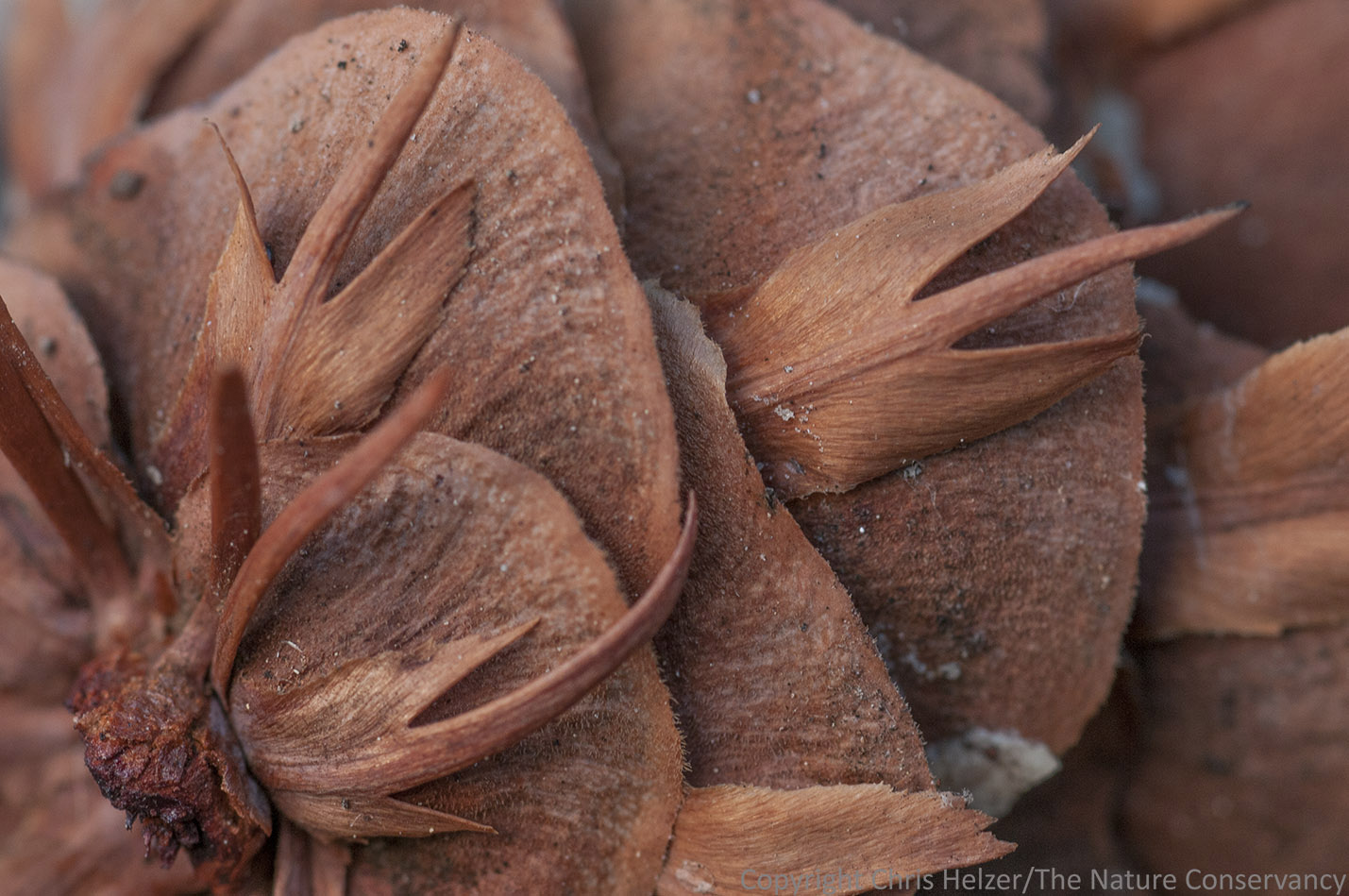
Douglas fir cone.

Of course, despite the gorgeous scenery, many of my  favorite photos from the trip were close-ups.  Just as in prairies, close-up photography helps me see details I would otherwise have missed.  For example, did you know Douglas fir cone had these funny little trident-like appendages on them?

.
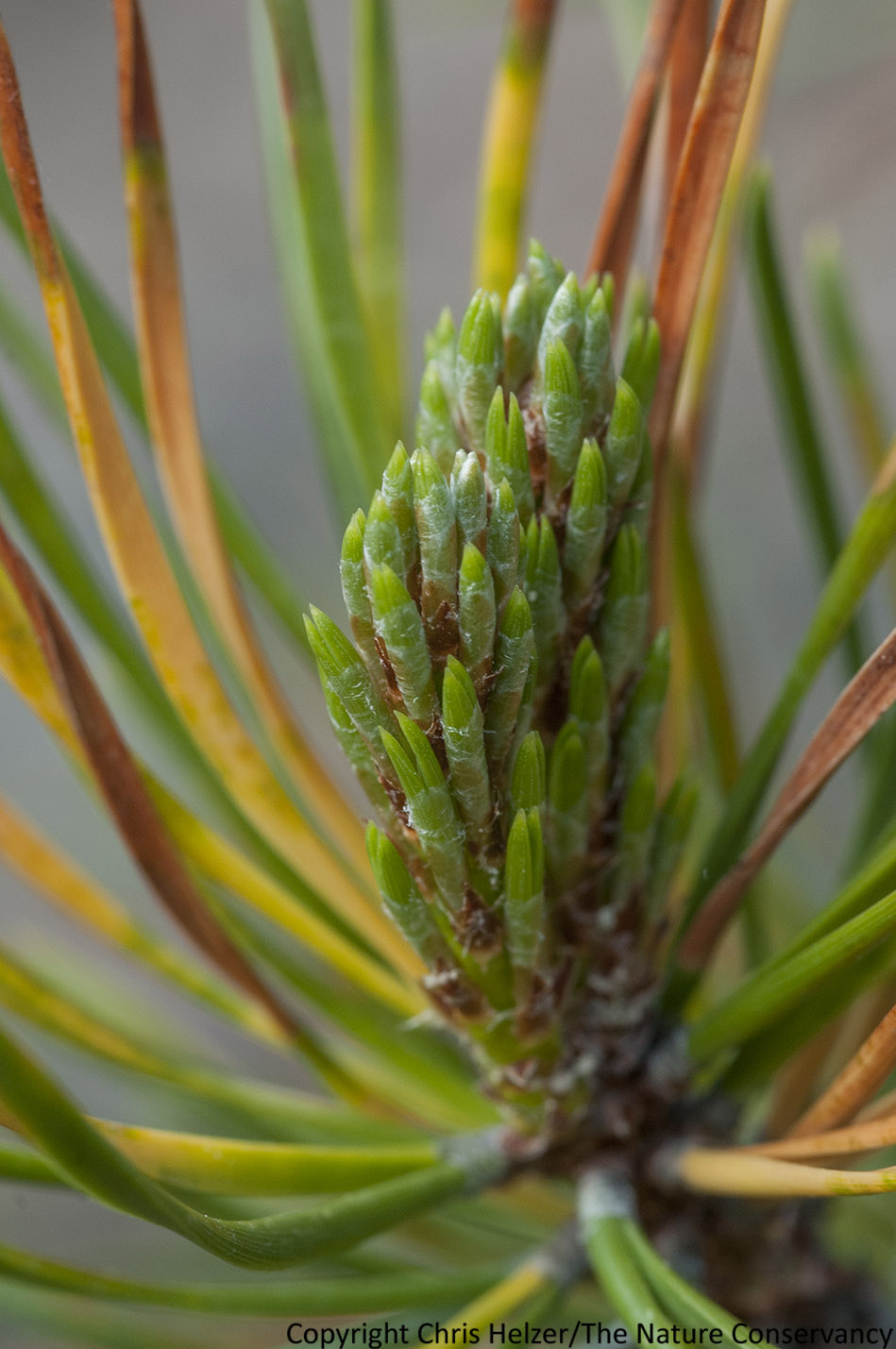
Colorado spruce

A close-up of Colorado spruce needles.

.
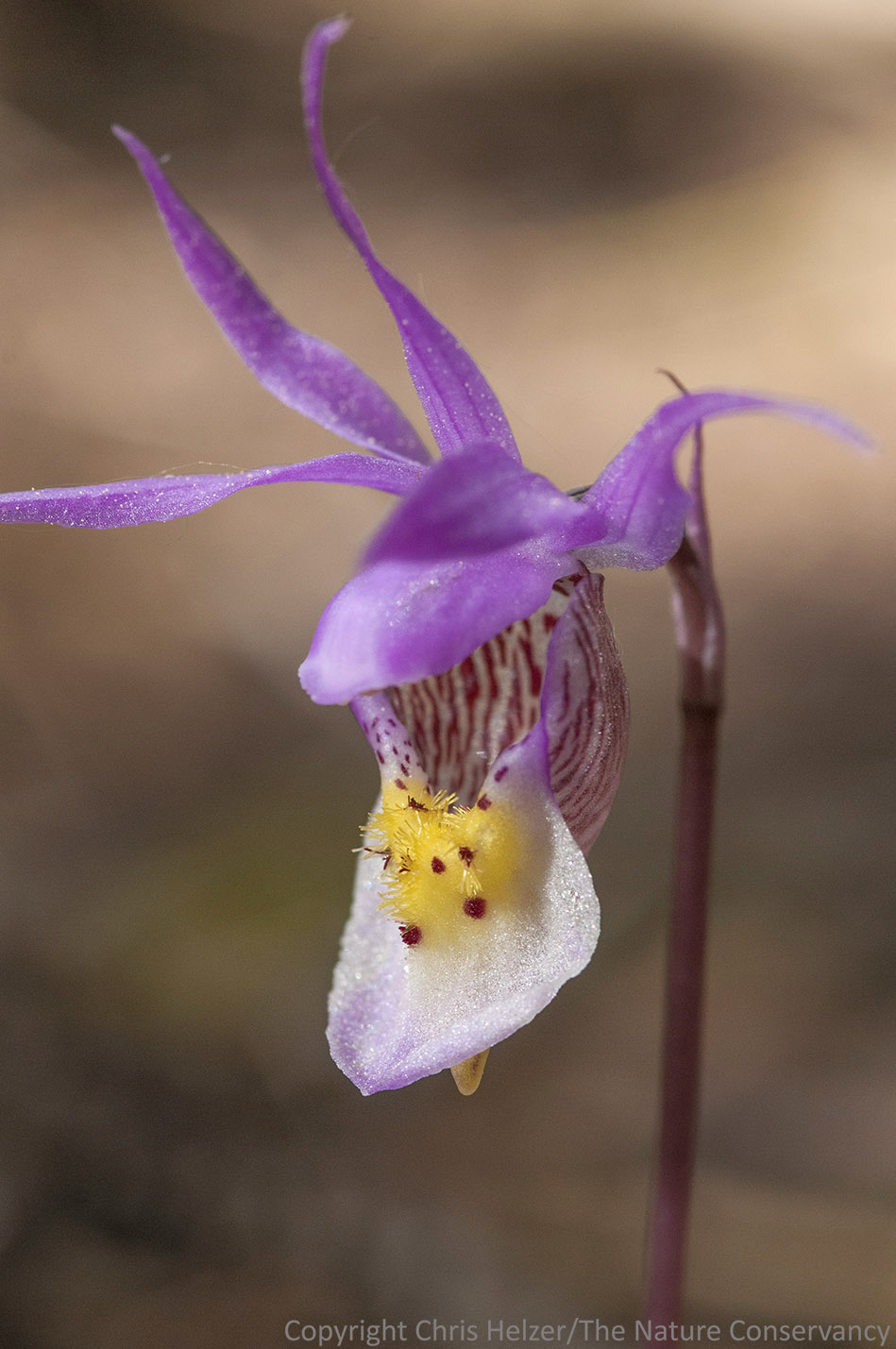
Venus's slipper orchid, aka Fairly slipper orchid (Calypso bulbosa).

Venus’s slipper orchid, aka Fairly slipper orchid (Calypso bulbosa).  My wife found several of these near our cabin.  After I photographed one, I looked it up in one of the field guides in the cabin.  My favorite quote from the guide was: “Although one of our smallest orchids, Venus’s slipper is the most exquisite, as well as the most elusive.”

It was great to spend a week in cooler weather and see some different landscapes, and I really enjoyed the concentrated time with my family.  Pine and spruce woodlands are very pretty, though the alpine meadows above them were certainly my favorites.  I can see how some people really enjoy living in the mountains.  However, while I like short trips to the mountains, I am always glad to get back home to the wide open landscape of the Nebraska prairie.
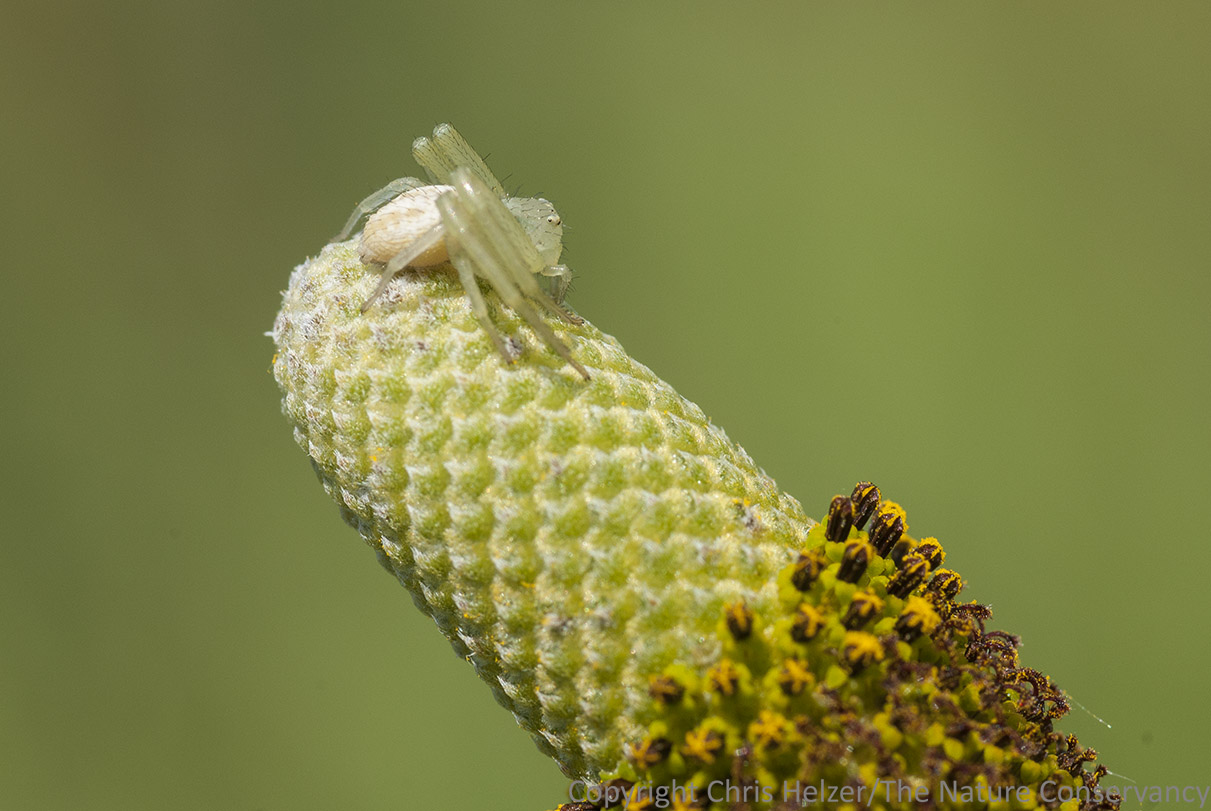
“Should I Stay or Should I Go?”

It’s good to be back in the prairies after spending last week in the mountains.  The mountains were beautiful and daytime temperatures were pleasantly cool, but I sure enjoyed the chance to catch up with the goings on in our prairies yesterday.  As if to welcome me home, the weather provided about an hour of bright overcast skies and light winds around lunchtime – perfect weather for a little close-up photography.

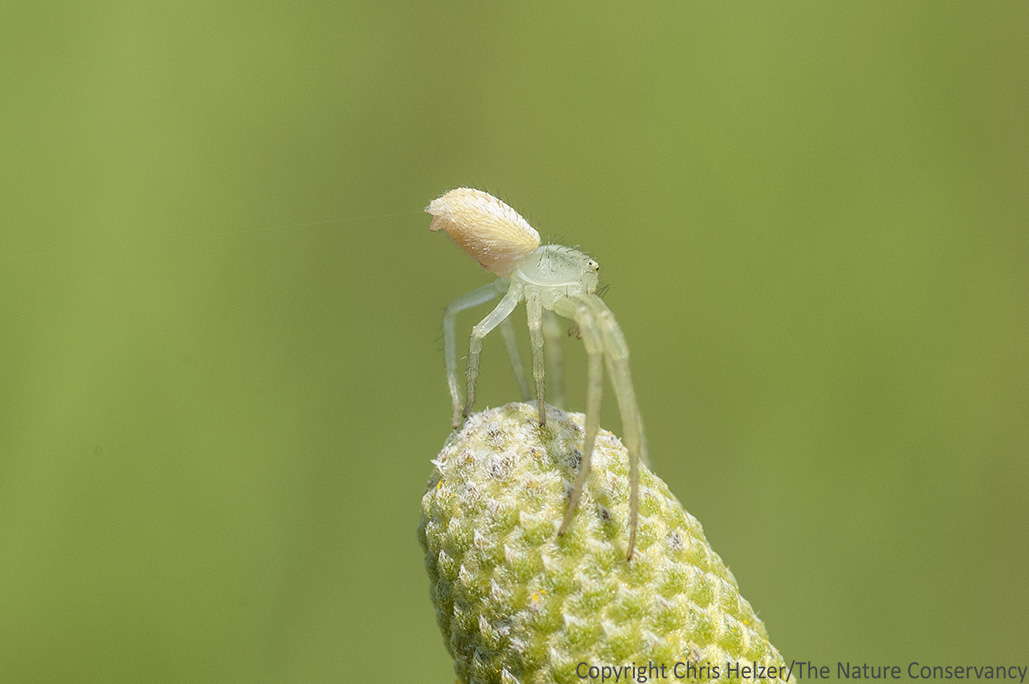
As I wandered, I found a crab spider perched atop an upright prairie coneflower (Ratibida columnifera) flower.  I’m a sucker for crab spiders, so I crept up and snapped a photograph of it.

Crab spider on upright prairie coneflower.  The Nature Conservancy's Platte River Prairies, Nebraska.

Crab spider on upright prairie coneflower. The Nature Conservancy’s Platte River Prairies, Nebraska.

I was surprised the spider was sitting so high on the flower – it seemed awfully visible to predators, and poorly placed to capture pollinators coming to visit the blooming portion of the flower below.  Just as I was wondering what it was up to, the spider answered my question for me.  It popped itself up on its “tiptoes” and let loose a long silk trail.

ENPO140624_D055

If you look closely, you can see a long silk thread emerging from the abdomen of the spider.

The spider was attempting a technique commonly called “ballooning”, though “kiting” seems a more appropriate term.  Small spiders use ballooning to travel long distances by releasing long silk threads into the breeze and floating off to wherever the wind carries them  Often, the spider only goes a short distance, but it’s still a faster mode of transportation than walking on short little legs!  Sometimes, if the wind is right, a ballooning spider can go many miles.

In this case, the light winds were apparently insufficient to carry the spider off, and after it failed to launch, it detached its silk thread and sat back down (dejectedly?).  I imagined the spider’s disappointment at having steeled itself for a potentially long trip only to find that it wasn’t going anywhere after all.

Oh well...

Oh well…

As I walked off, I left the spider with good wishes that it would catch a better breeze in the near future, but also with a silent warning.  It’s great to go to new and different places, but sometimes travel just helps you appreciate how nice it is to be home.