Hiding On Their Favorite Plant

I’ve been working with prairies a long time, and there are some individual sites I’ve been studying, managing, or visiting for 30 years or more. Even so, I keep finding new species I didn’t know about and stories I can’t believe I’d not heard before.

I made a quick trip to our family prairie last week to check on grazing progress and to enjoy a quiet evening. As always, there was a lot to see and I’m glad I went. In particular, though, I got to meet and learn about a new prairie friend.

As I was walking through part of the prairie that was grazed last year, I paused and did a little double take at some sideoats grama plants. There was something just a little “off” about the arrangement of flowers up the stem. First of all, it was on a dry slope, and the sideoats was obviously not going to produce seed – the flowers hadn’t gotten rain at the right time, and dried up before they filled. That’s not what I noticed, though. What I noticed was a little extra bump in the row of flowers.
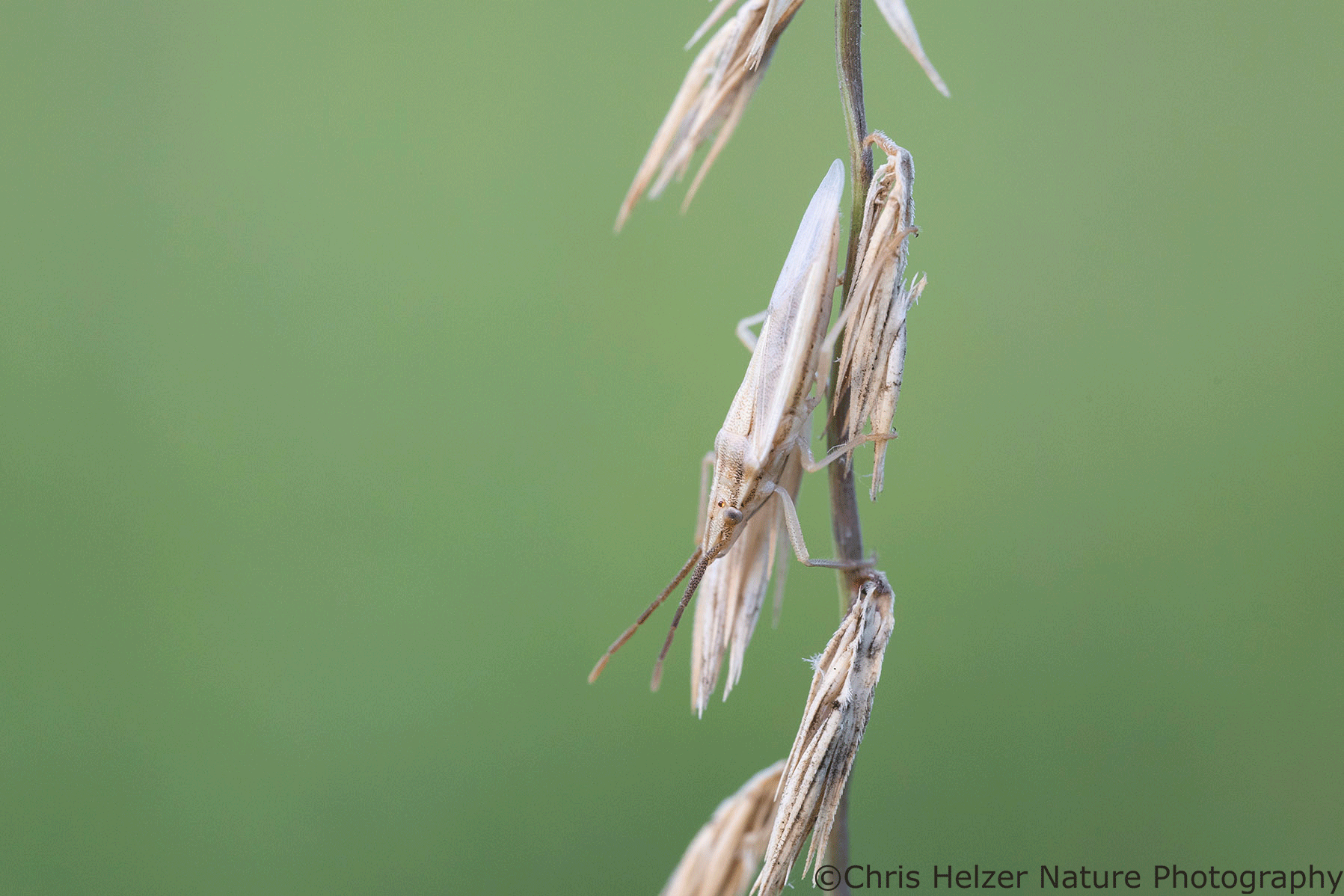
Narrow stink bug on sideoats grama.

I knelt down and looked closer. Sure enough, there was something there – it was a skinny little bug that looked almost exactly like one of the dried grass flowers. Both the color and shape were near perfect matches. Well, I thought, that might be a coincidence but I bet it’s not.

I looked a few feet to my right at the next nearest sideoats flower stem and, boy howdy, if I didn’t see another bug just like the first! The chances that this was coincidental were dropping fast.
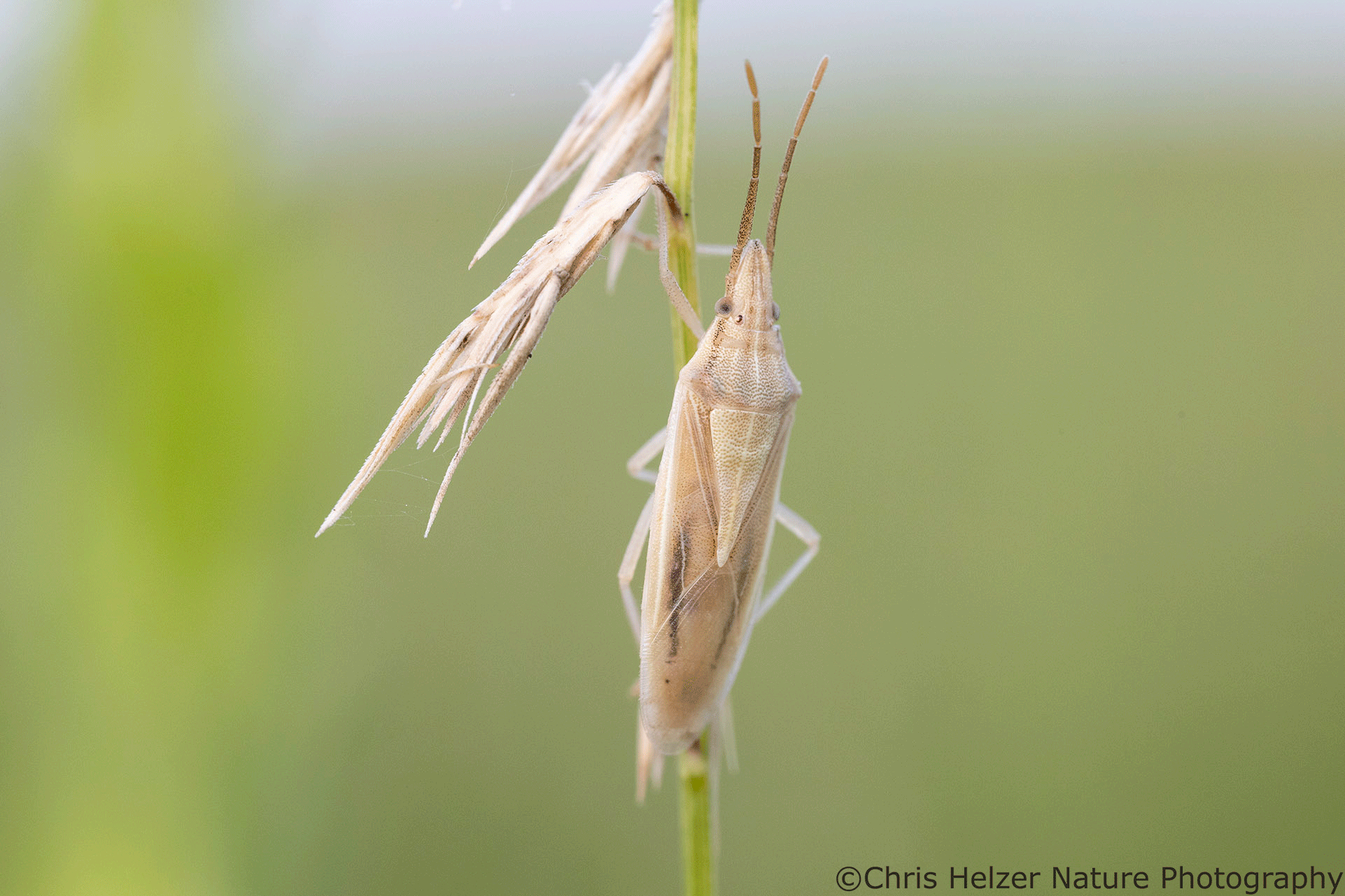
Another narrow stink bug on a different sideoats plant.

After that, of course, I looked at more nearby sideoats plants, but didn’t see any more bugs. That didn’t necessarily mean much but I still noted it. Shortly afterward, I did, though, find a couple more of the bugs – hanging out on some Indiangrass. Hm. Did the exception prove the rule or was I reading too much into a chance color/shape match between two species?
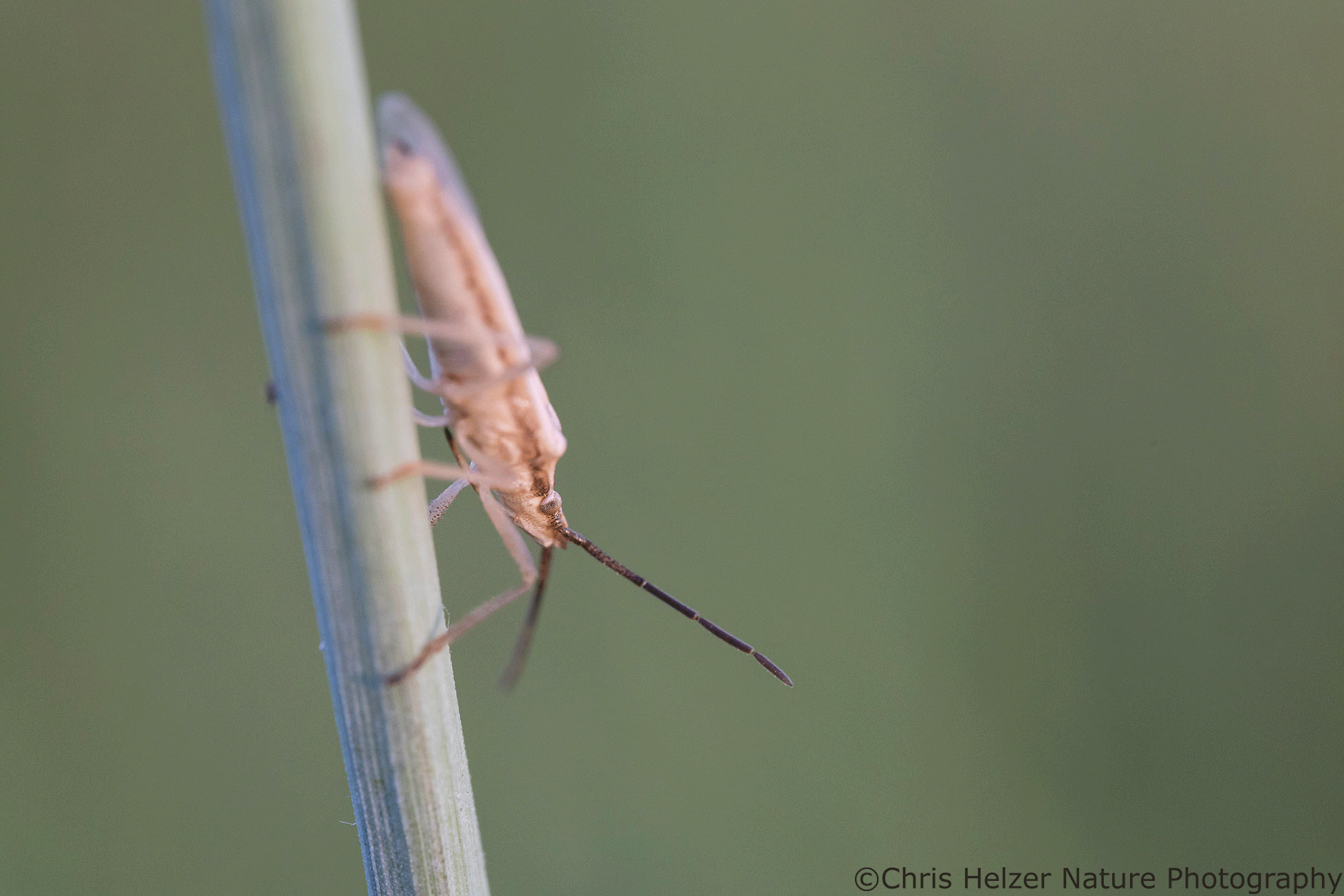
A narrow stink bug on an Indiangrass stem.

Later that evening, I submitted one of my photos of the bug to Bugguide.net and by the next morning I had my answer. The bug was identified as a narrow stink bug (Mecidae), which is a group of insects that feed on grasses. Sideoats grama was specifically noted as the grass species they are most often observed on. How about that?

Our family prairie is a site I know very well. It’s only a quarter section of land (160 acres) and I’ve been visiting it frequently for many years – usually with my camera – and looking closely at everything I can find. Even after all that time, I’d just discovered a new “kinship” between species I hadn’t known about. And, that’s not unusual. Making new discoveries is still a regular occurrence. This is just the latest one.

Anyway, I saw other things at the prairie, too. Here are some of them:

A silver-spotted skipper feeds on wild bergamot.
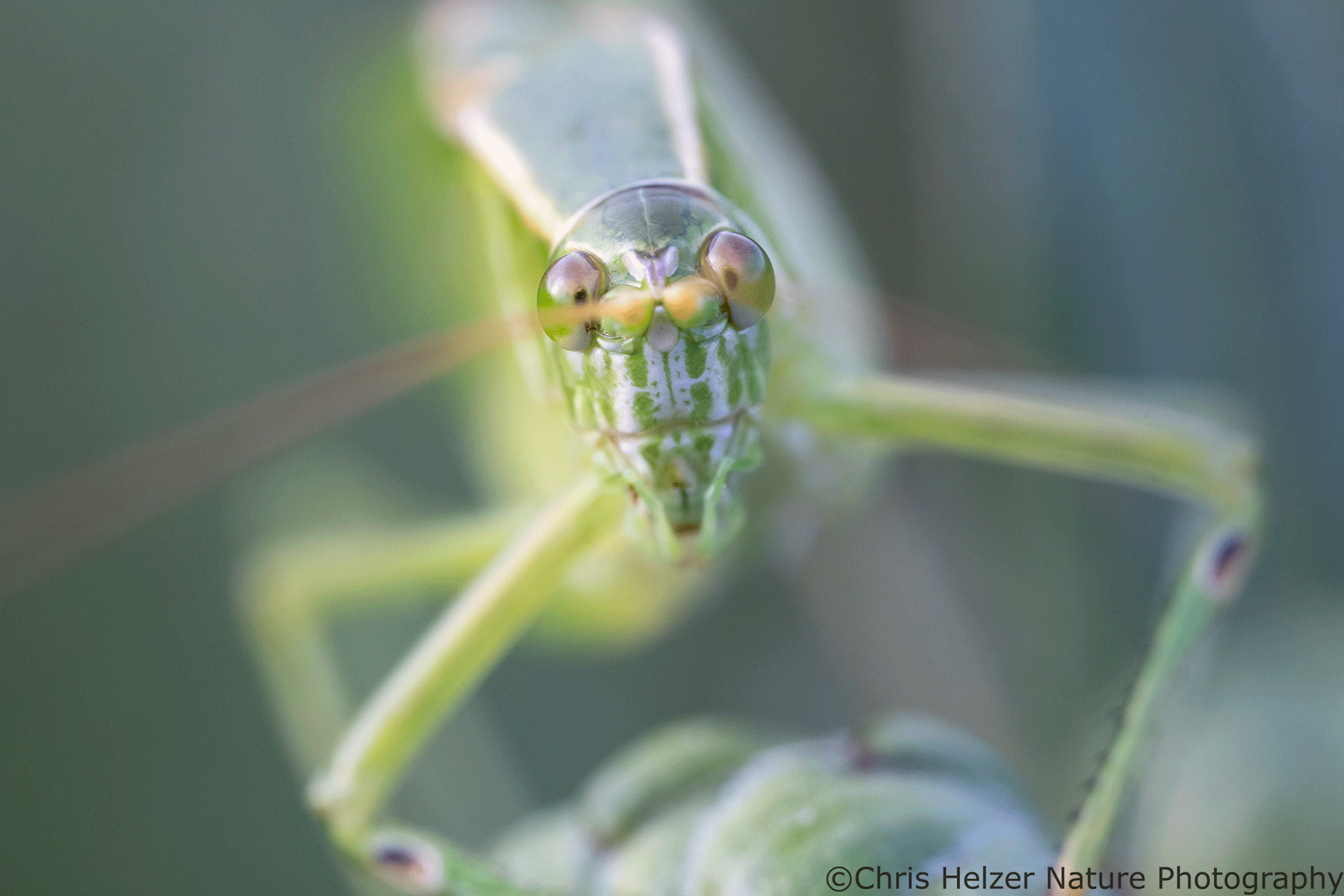
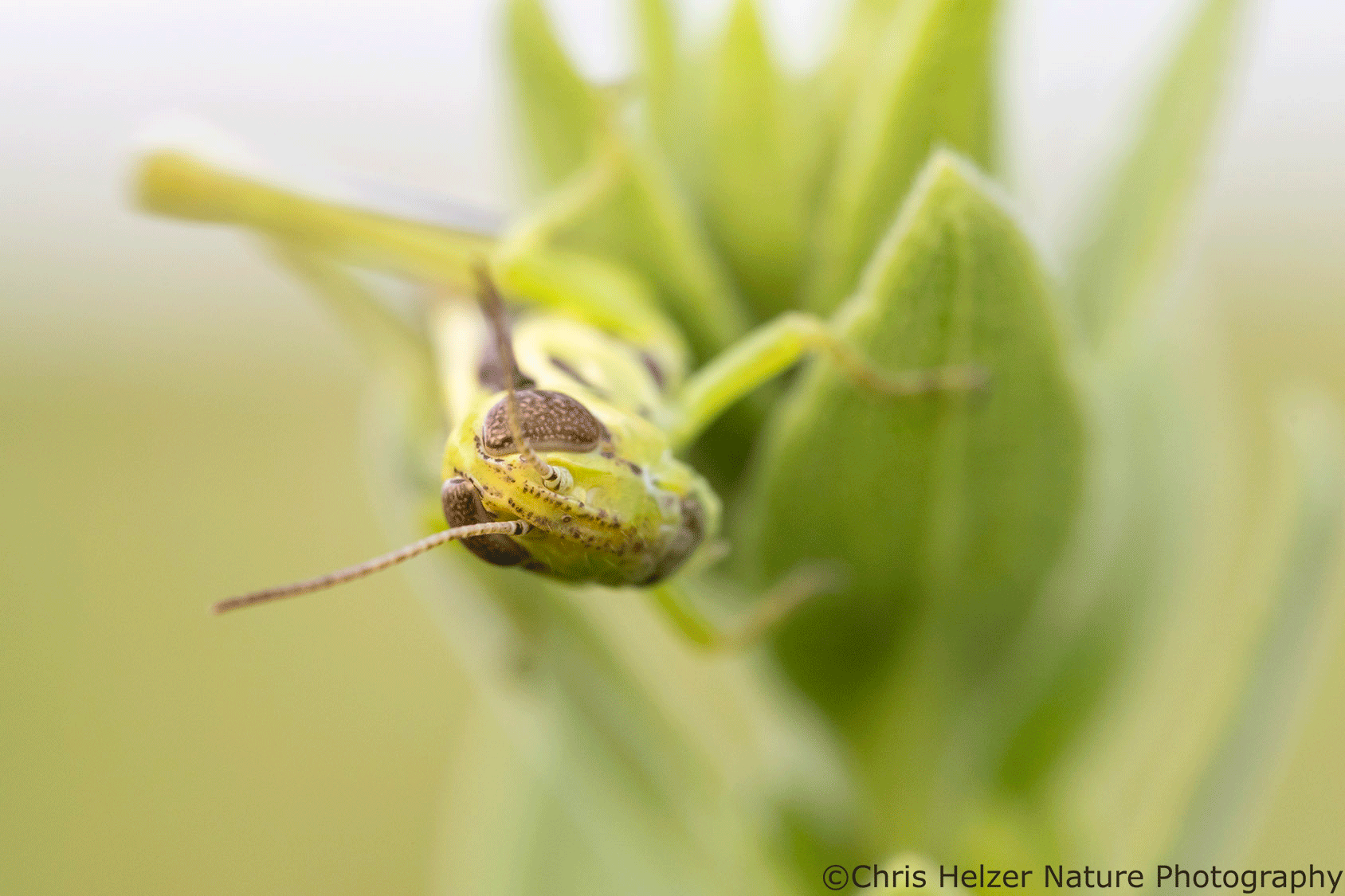
A bush katydid peers at me through the grass.
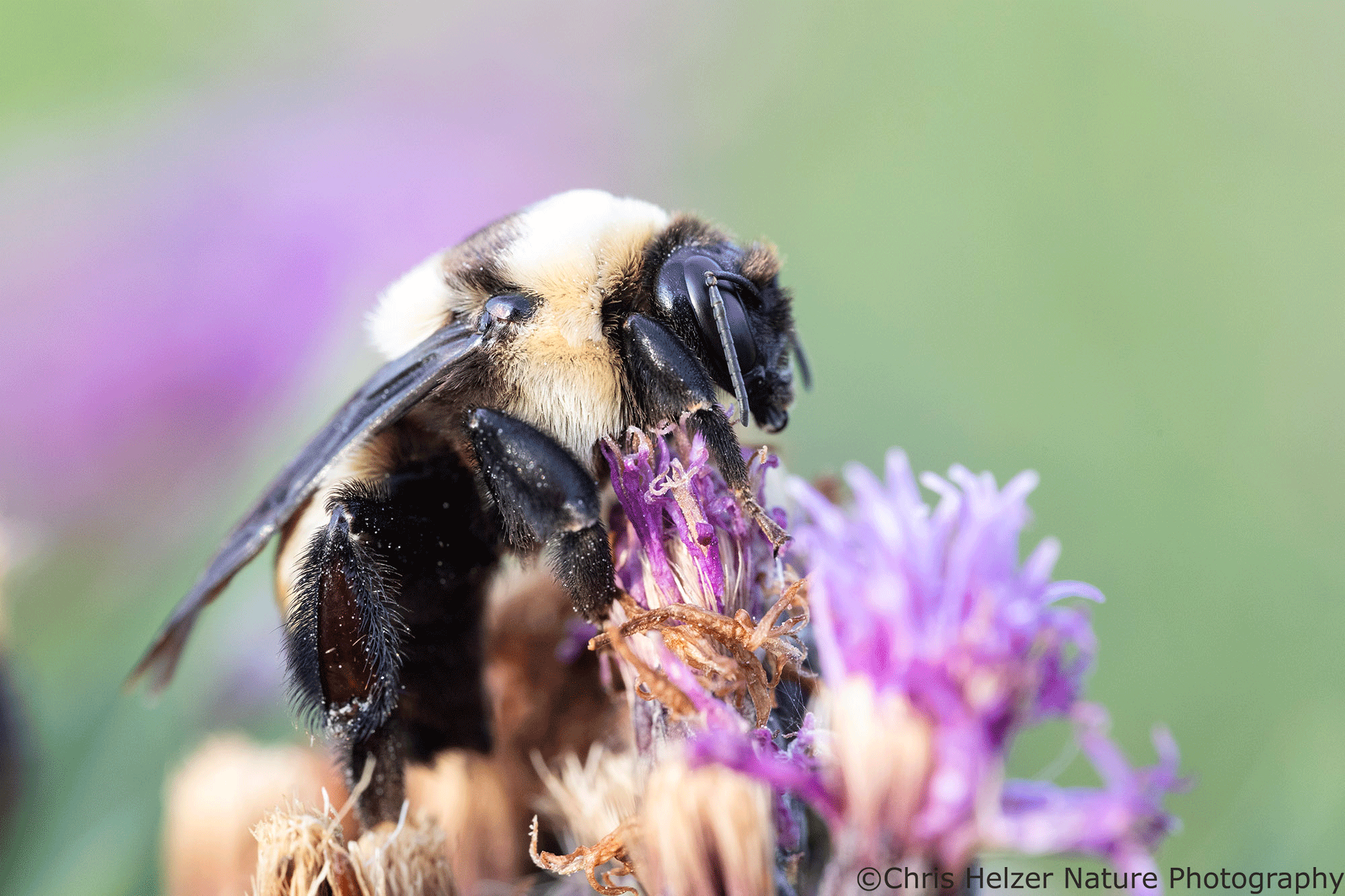
Bumblebee on ironweed.
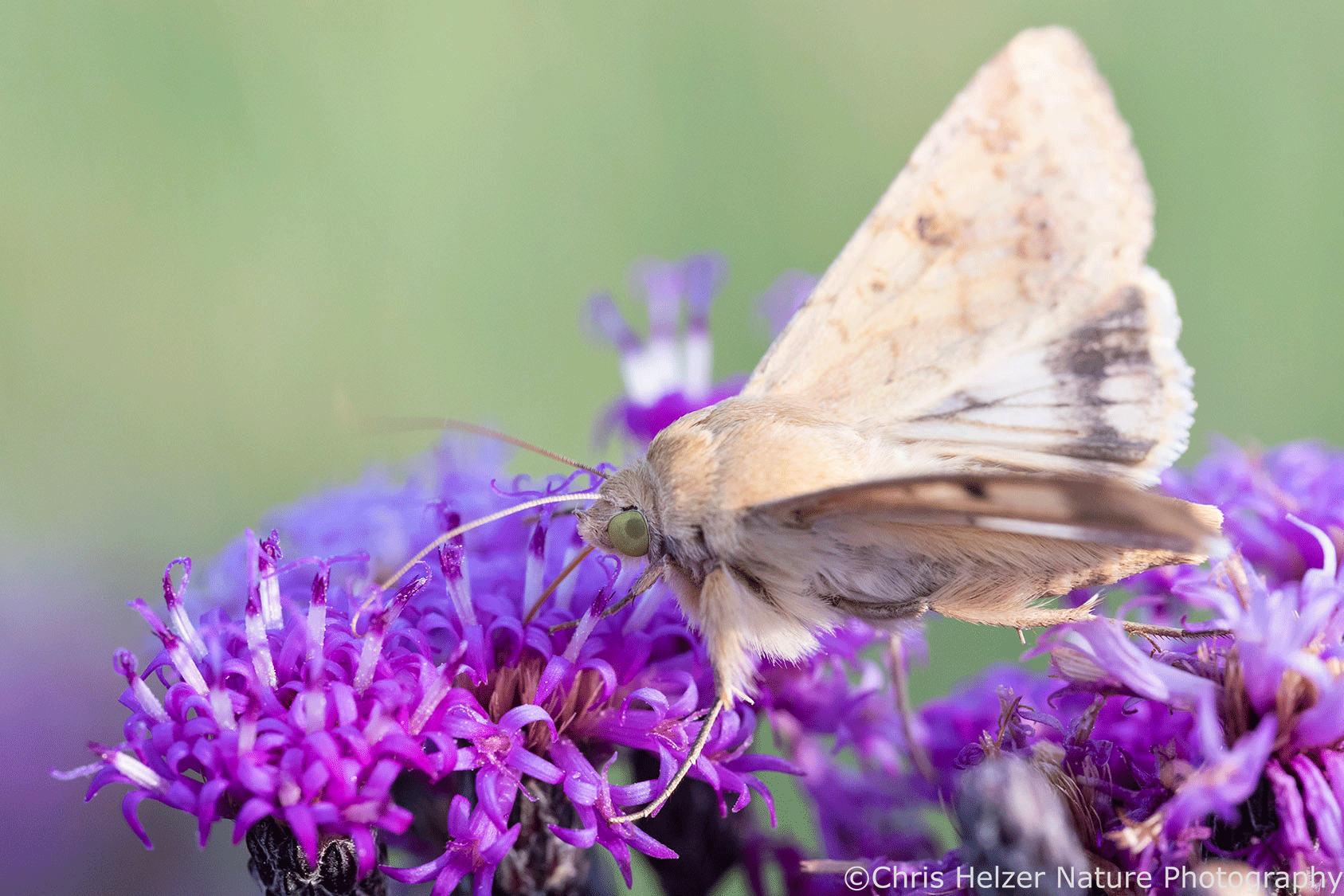
Corn earworm moth (native species) on ironweed.
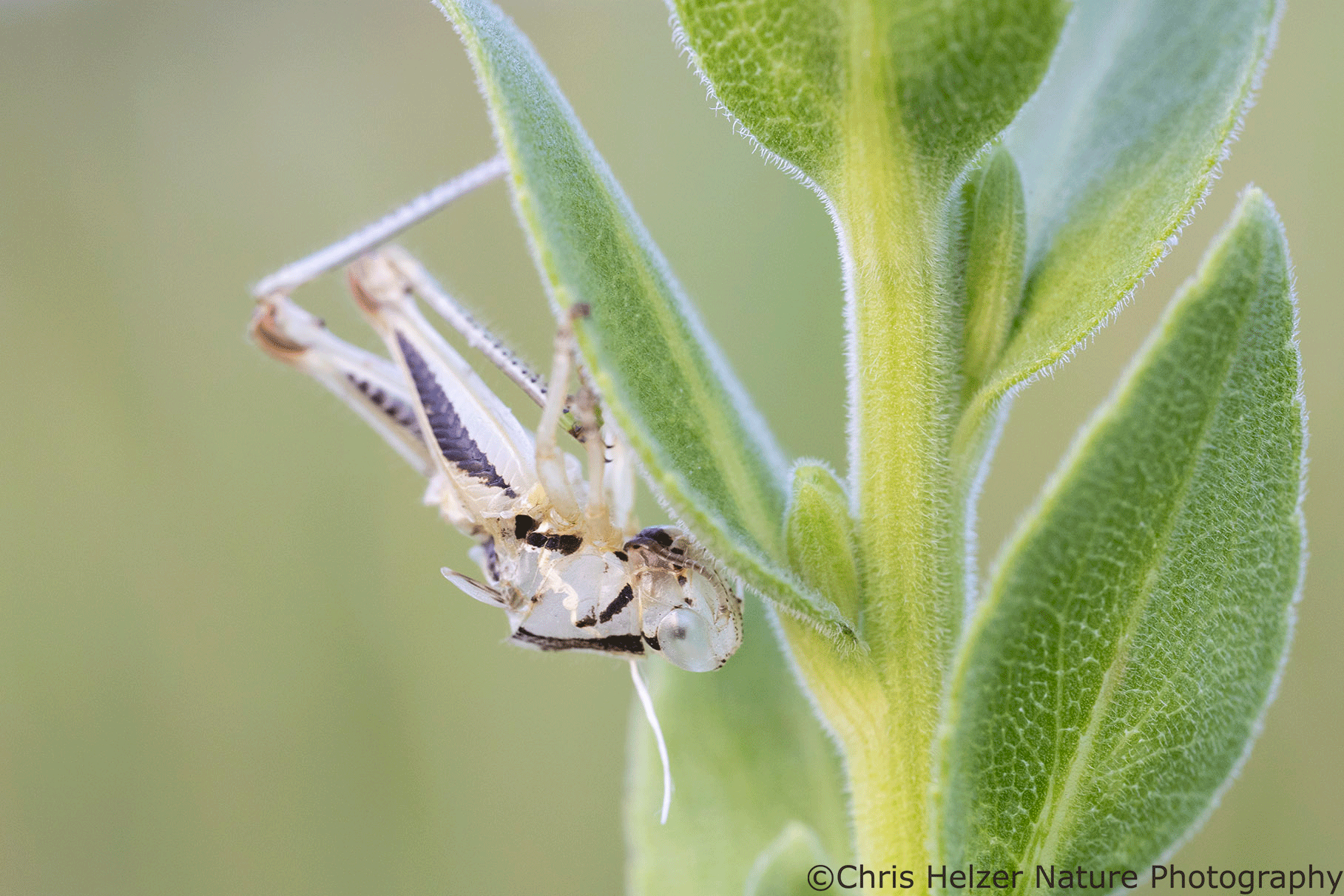
A recently-shed grasshopper exoskeleton on stiff goldenrod.
I’m pretty sure this is the grasshopper that had emerged from the above shed exoskeleton. It was sitting on the same plant and looked very fresh.
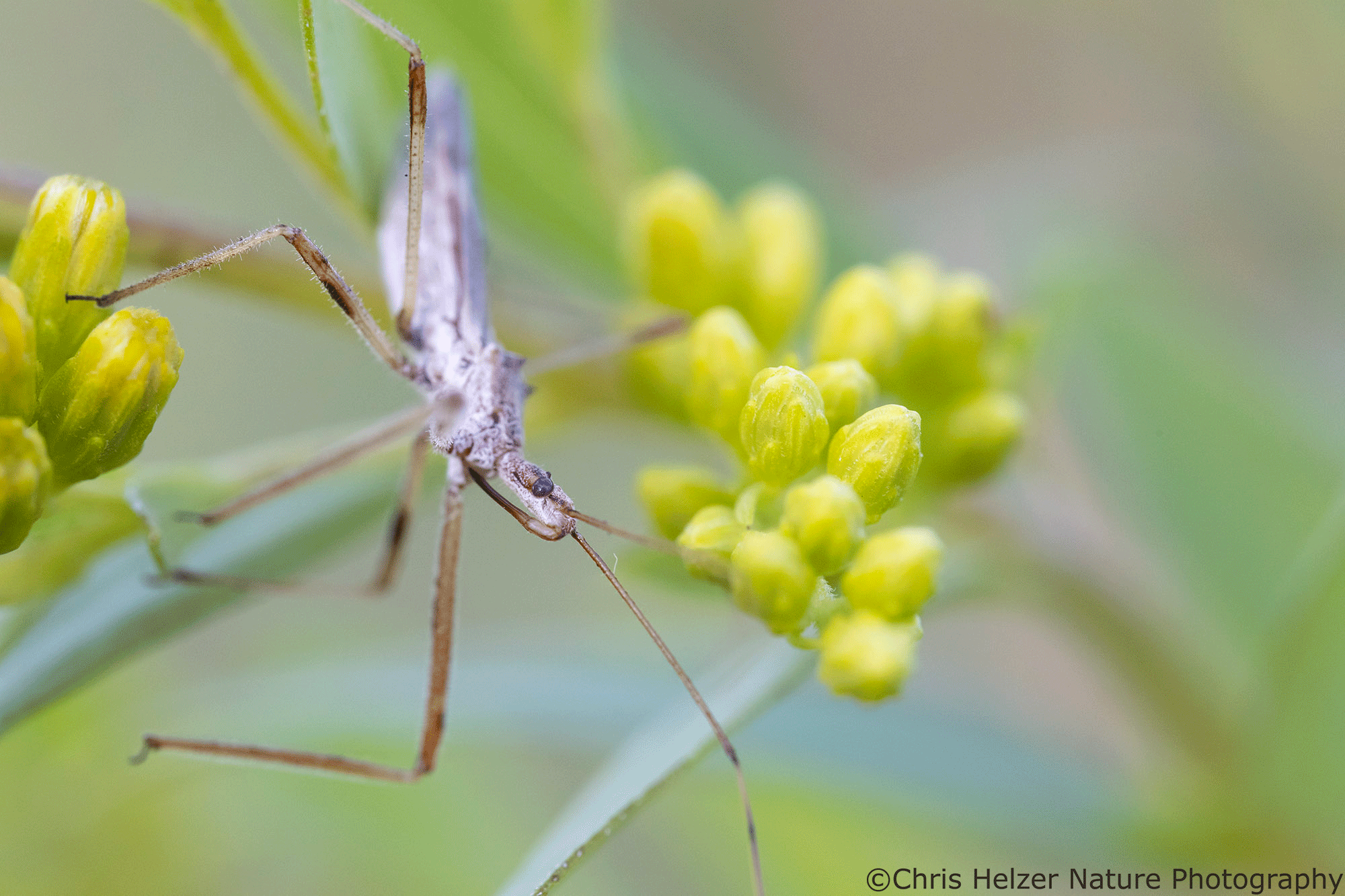
An assassin bug hunts on Missouri goldenrod.
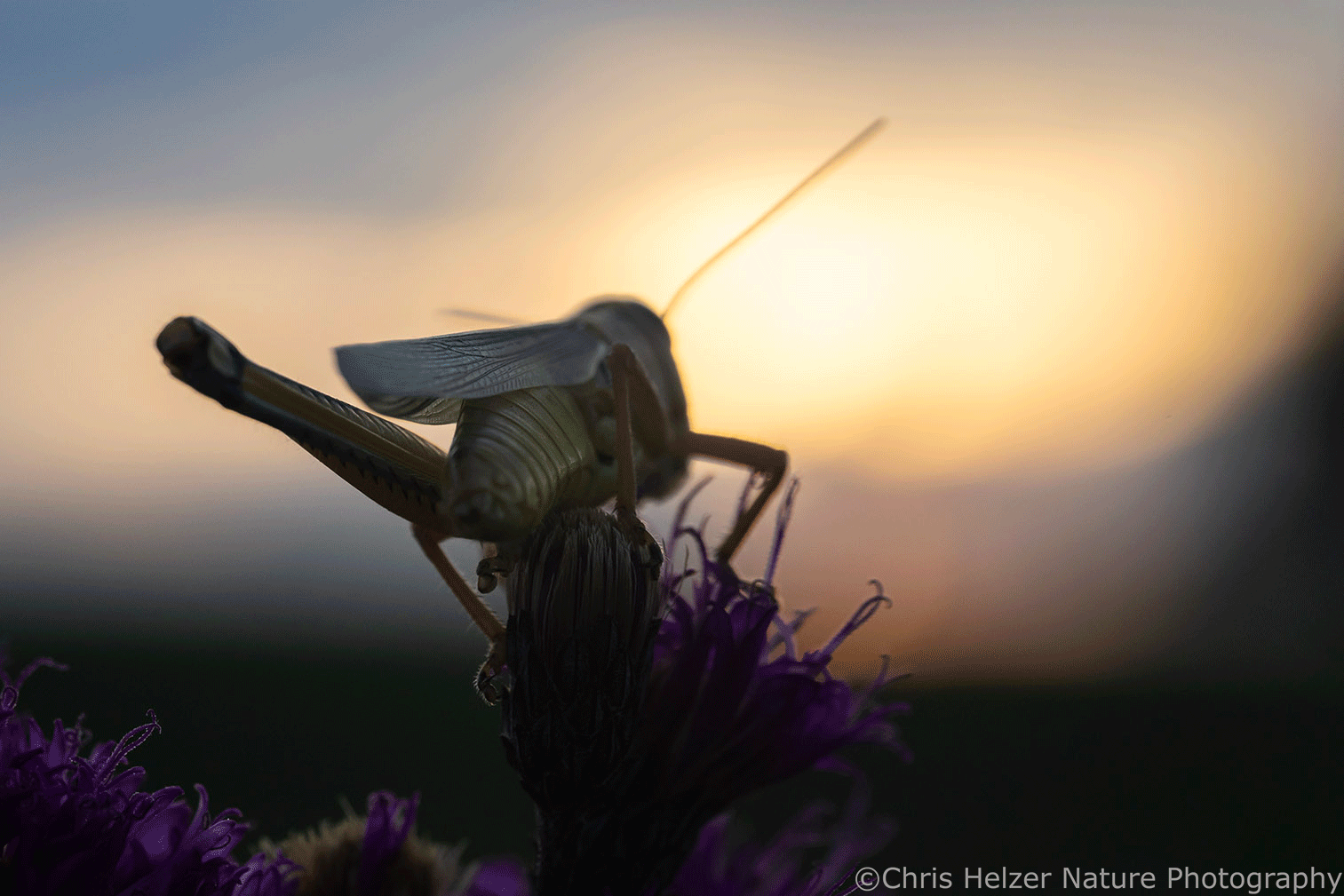
This grasshopper was looking at the same sunset I was. It wasn’t until I got home that I realized it was missing one of its big back legs!

After the sun went down, I was driving out past the pond/wetland, which has water in it for the first time in several years. I wasn’t on a particular schedule, so I figured I’d stop and see if anything interesting was happening down by the water before it got too dark to see anything. The first thing I noticed as I approached was the squeaks of several bullfrogs jumping into the water. That wouldn’t be noteworthy except that the pond has been dry for four or five years. Where did those frogs come from? How did they get here so quickly?

The second thing I noticed was the cloud of dragonflies skimming back and forth above the surface of the water. It looked like they were all green darners, feeding on mosquitoes (I assume) and other flying insects. I think there were maybe 50 of them, though it was pretty hard to get an accurate count. It could have been as few as 20 – who knows?

Anyway, every once in a while, one of the dragonflies would drop down and land on a partially-submerged plant. It would then curl its tail downward – clearly laying an egg (or several) – before rising again to join its colleagues in the sky. I couldn’t tell if it was just one female doing this over and over or several different individuals.
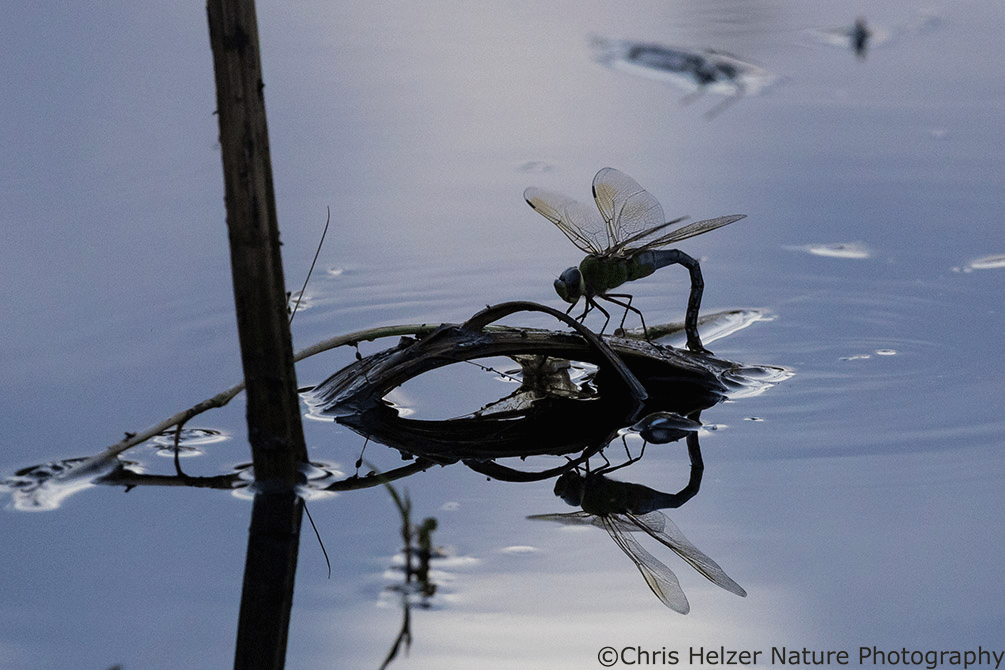
A green darner laying an egg in the post-sunset glow of distant clouds.

I was surprised that the egg-laying dragonflies were solo. Often, when I see dragonflies laying eggs, there is a male attached to the female. I was pretty sure I’d seen that with this same species, in fact. I looked it up when I got home and apparently it happens both ways. There you go – one more thing I’ve learned!

The light was getting pretty dim as I watched the dragonflies but I couldn’t resist trying for some photos. The clouds to the west were still slightly glowing from the recently-set sun, so I set up my tripod and camera so that the reflected glow gave me enough light to work with (barely). Even so, I was using a pretty slow shutter speed and a remote trigger to avoid jiggling my camera. It took a while, but I managed to a get a few shots that looked like they’d work.

Happy and full of both new discoveries and questions for Google, I headed home.
Photos of the Week – July 3, 2025

Reminder – we are hosting two public field days at the Platte River Prairies and Niobrara Valley Preserve, respectively. The first is July 12 and the second is August 2. Read here for more information on both of them and click here for a detailed agenda of the Platte River Prairies event. These will be great opportunities to explore and learn about prairies with experts in a variety of topics. The Niobrara Valley Preserve day will include bison tours. Please RSVP so we know how to plan for you and can notify you if we have to adjust to weather or other events!

I’ve made a couple trips to the Niobrara Valley Preserve lately. I didn’t have a ton of time for exploration and photography on either trip, but at a place like that, it doesn’t take long to find a lot. Here are some photos from those recent visits.

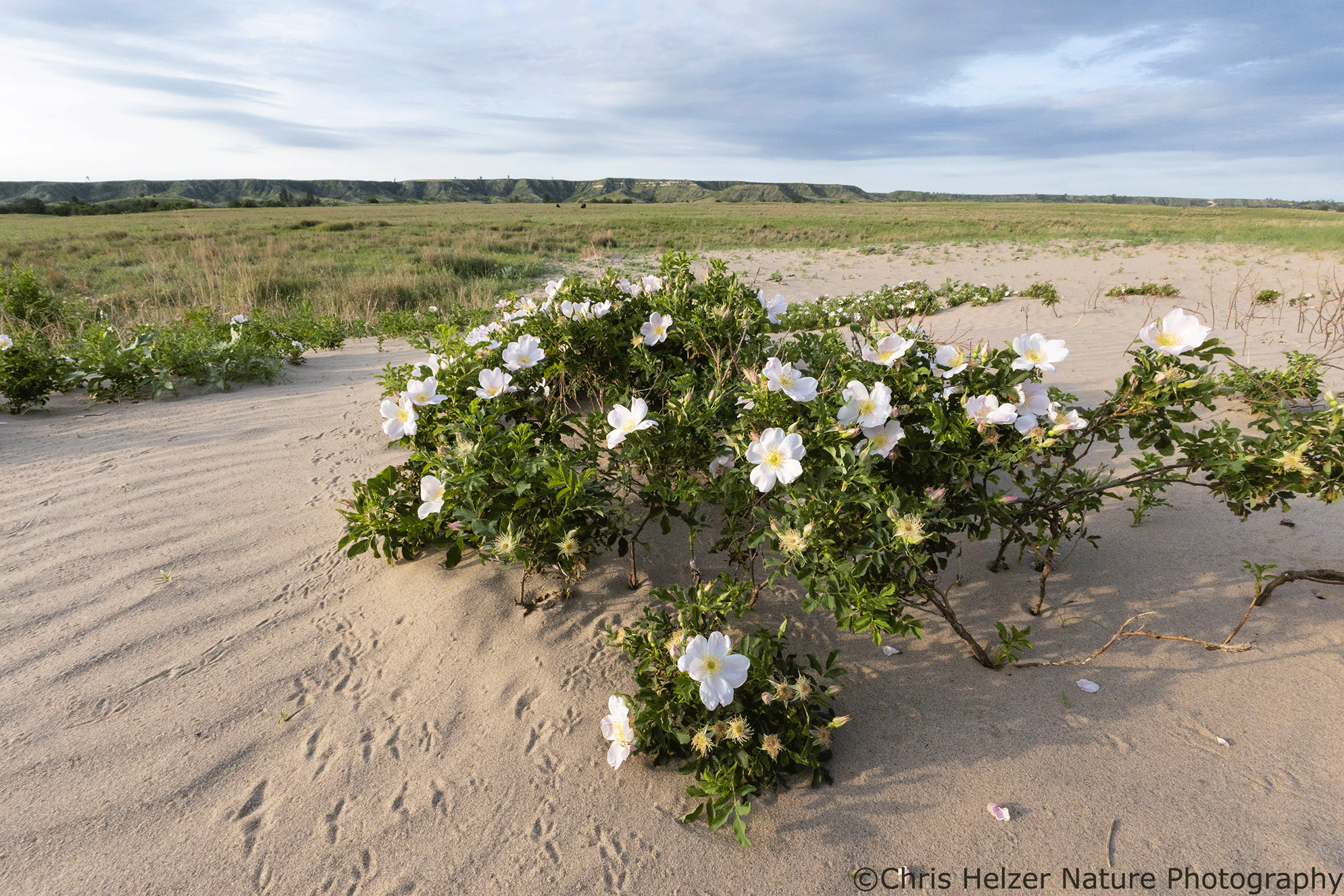
Prairie wild rose, bird tracks, and sandy prairie.
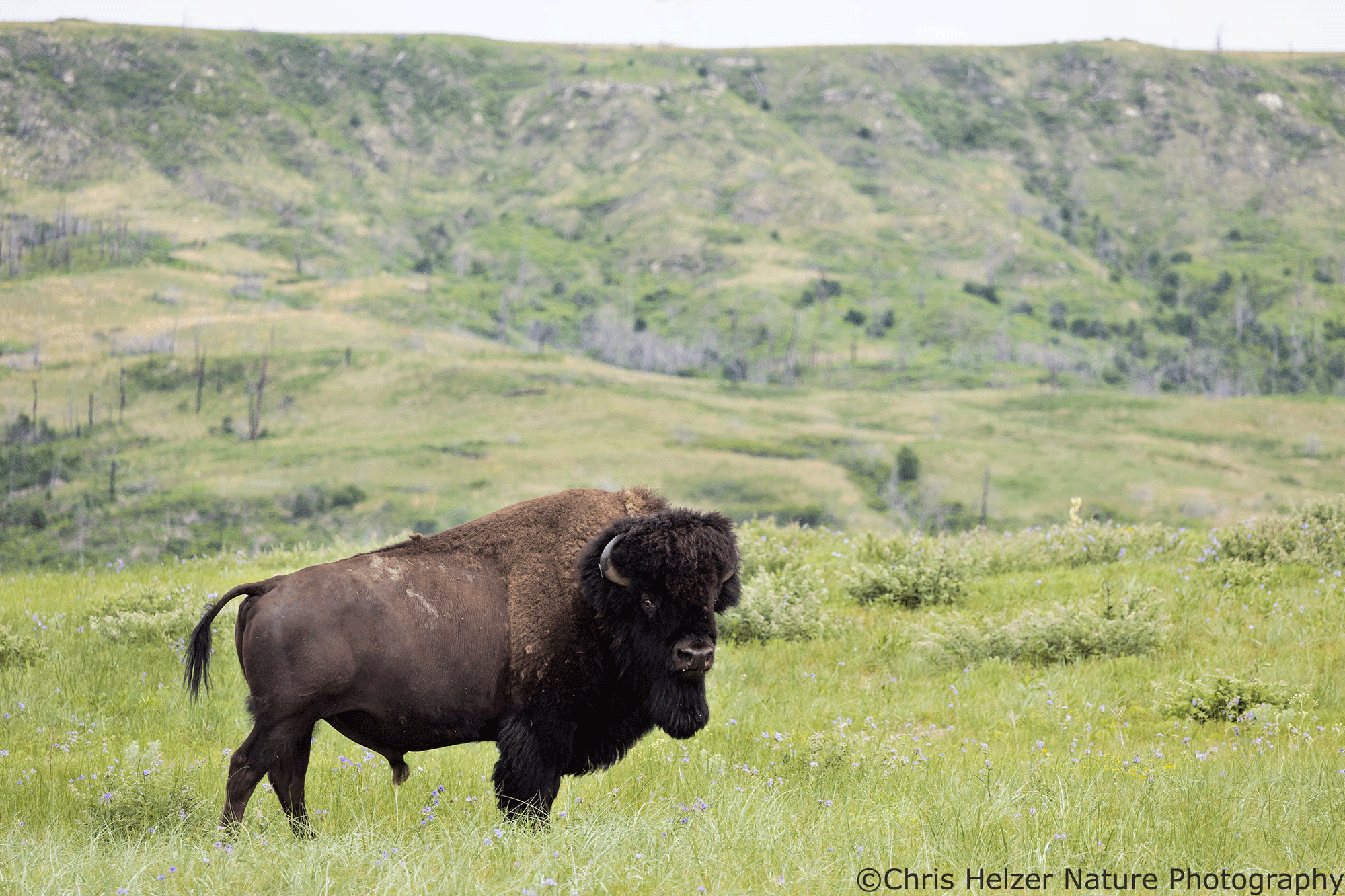
Bull bison on recently-burned prairie.
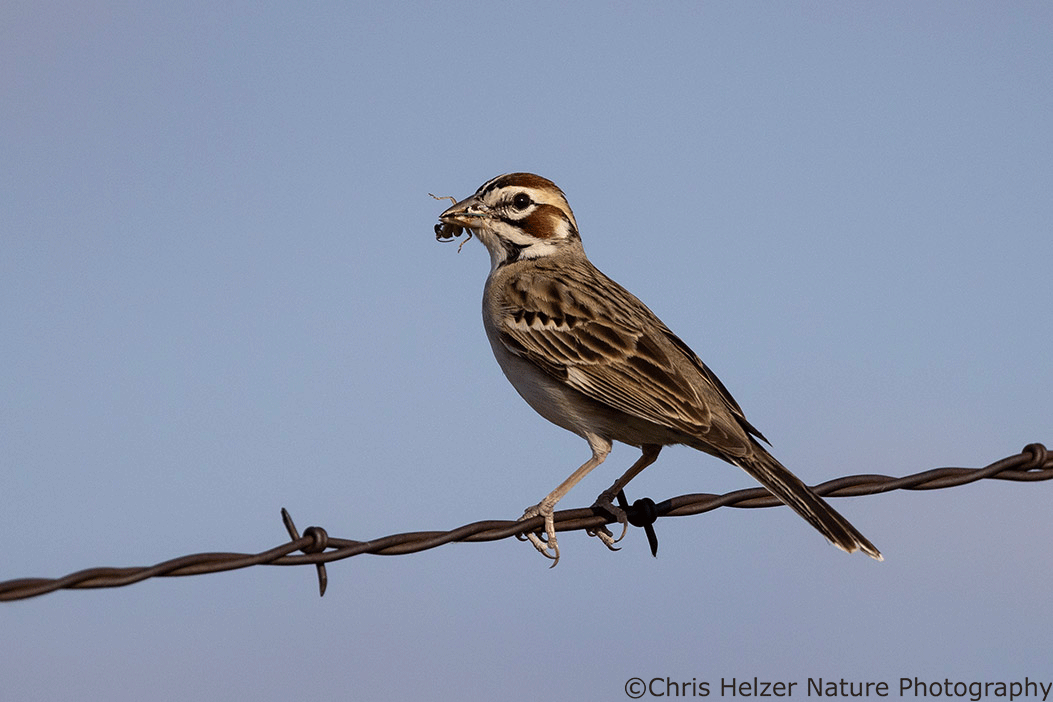
Lark sparrow with captured grasshopper.
Ornate box turtle tracks in the sand.
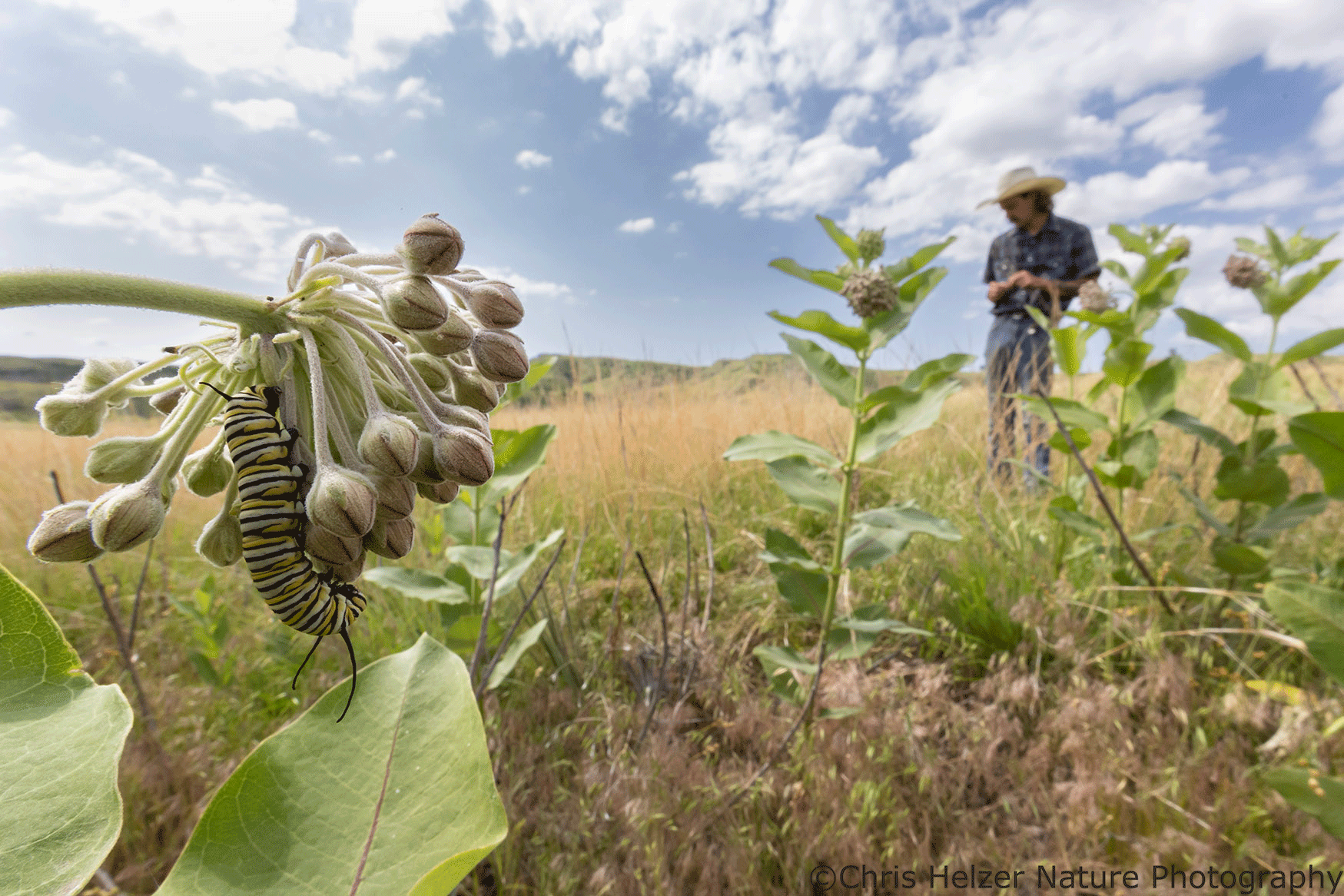
Monarch caterpillar on common milkweed with NVP Stewardship Manager Carson Schultz.
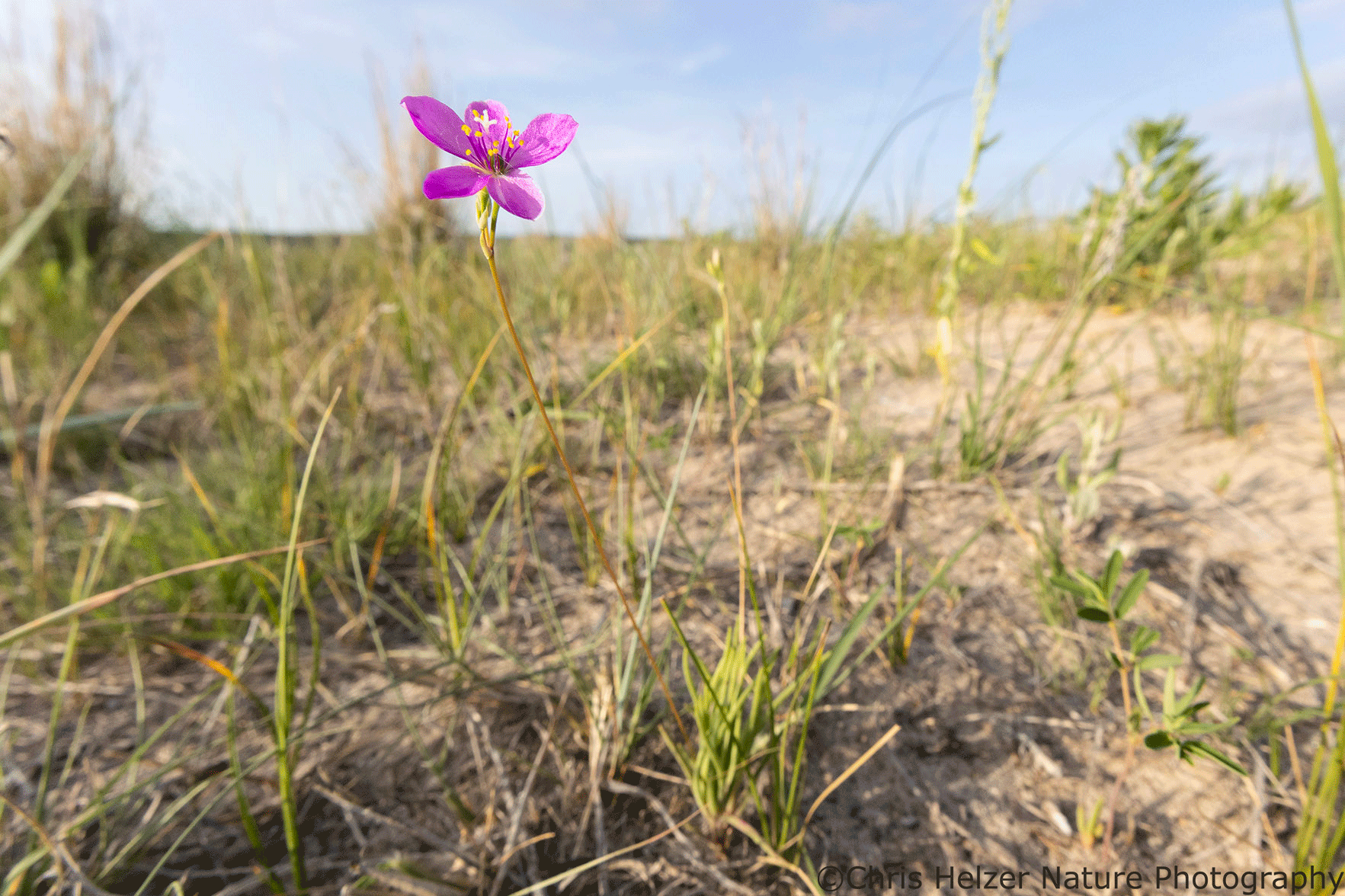
Prairie fame-flower (Phemeranthus parviflorus).
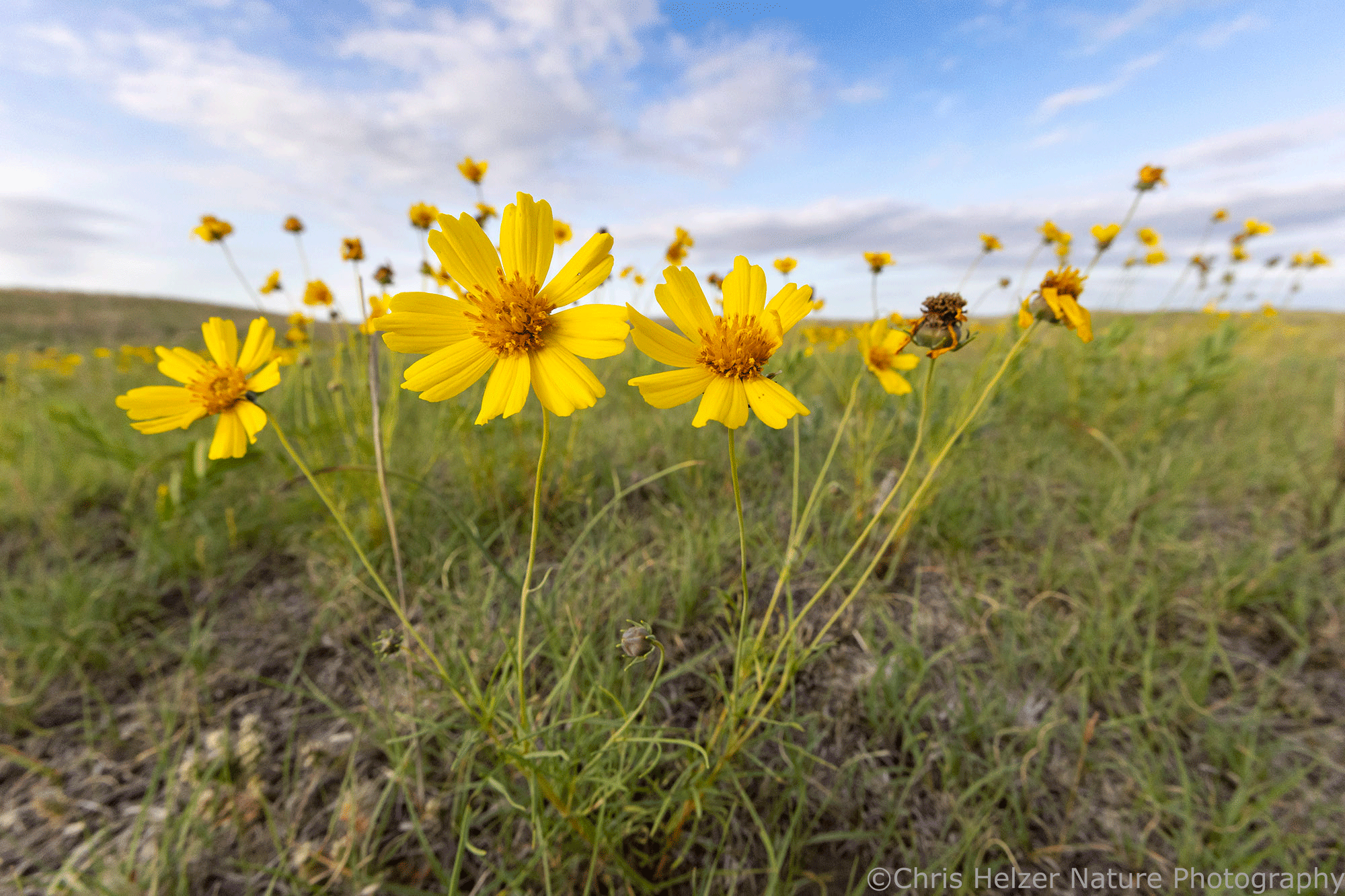
Stiff greenthread (Thelesperma filifolium).
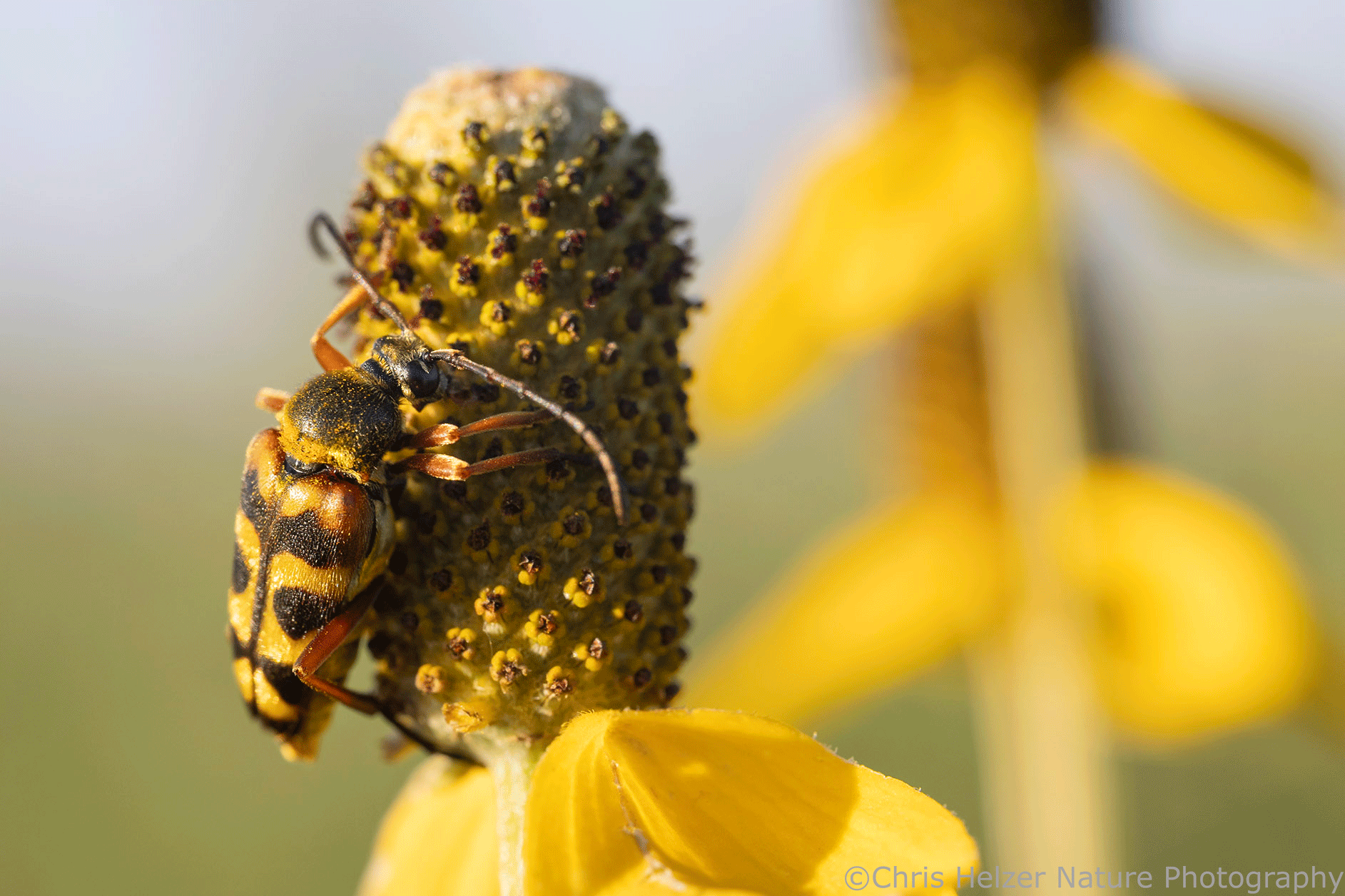
Longhorn beetle on upright prairie coneflower (Ratibida columnifera).

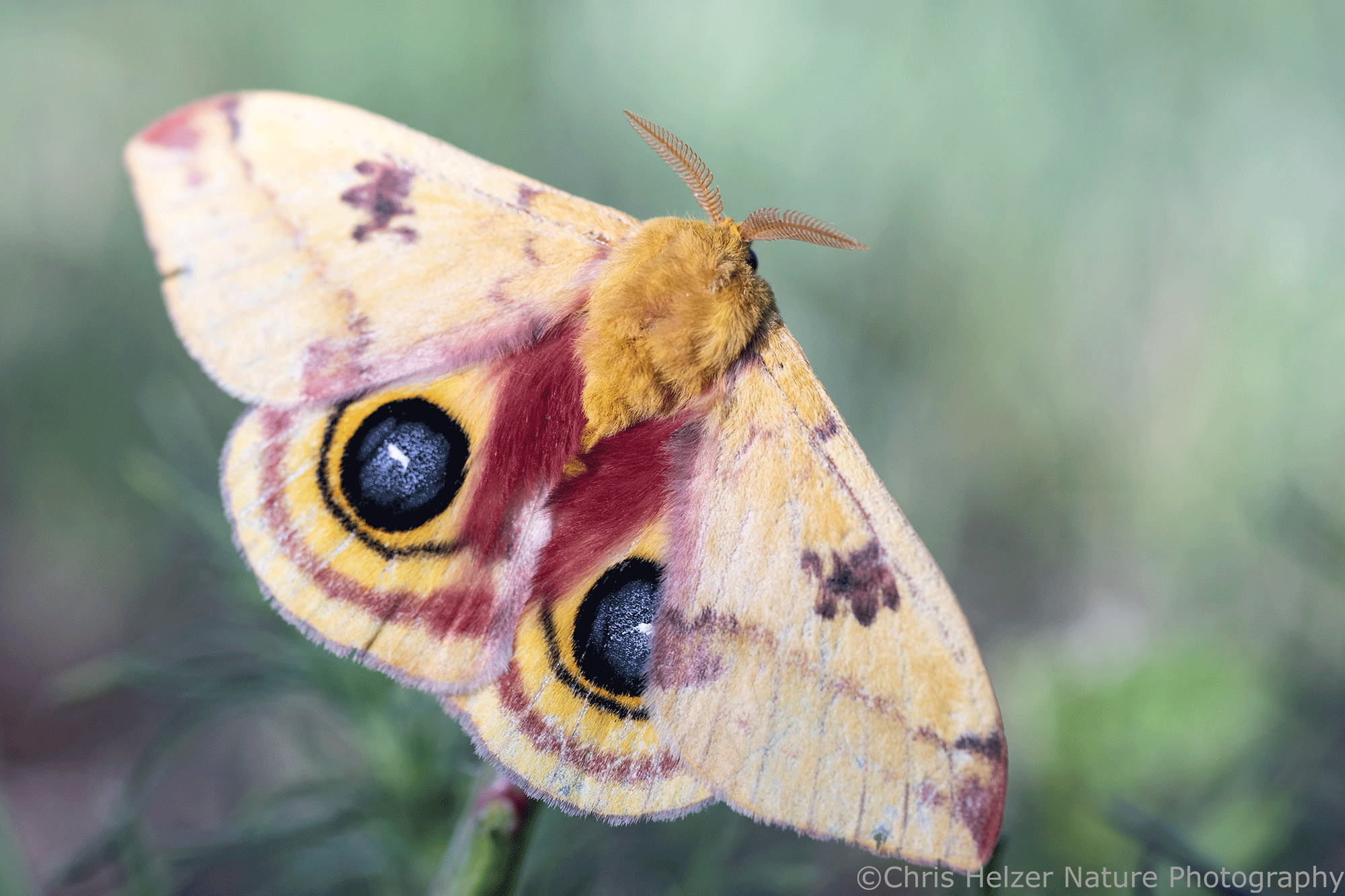
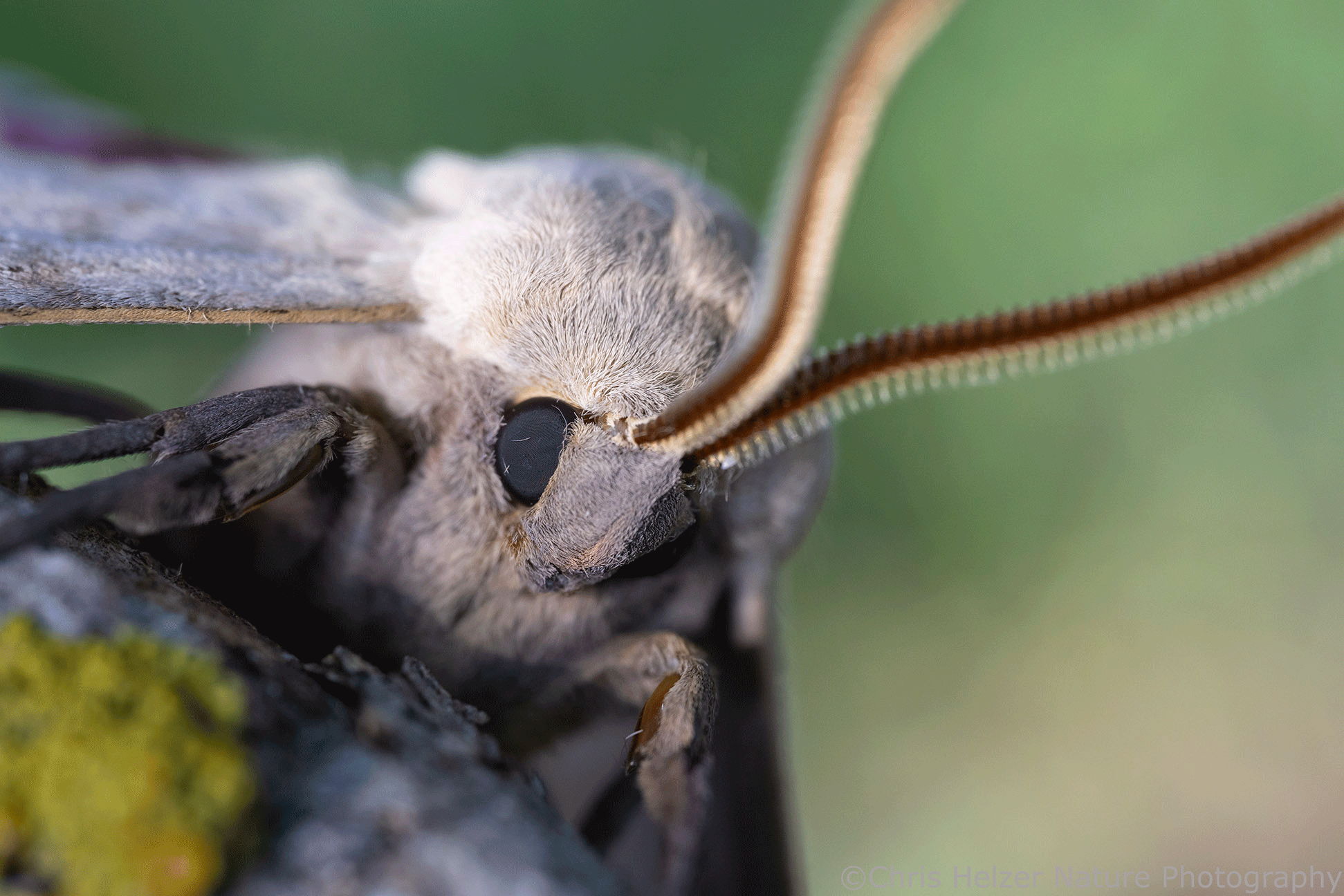
During my last trip, I got to help with some moth and butterfly surveys. Moth experts set up lights and traps overnight and spent much of their night capturing and photographing the species that visited. I helped for a while, but was in bed by midnight. In the morning, I photographed a few moths that were still hanging around before we picked up our nets and headed out to find butterflies.

Io moth (Automeris io).
Modest sphinx moth (Pachysphinx modesta).

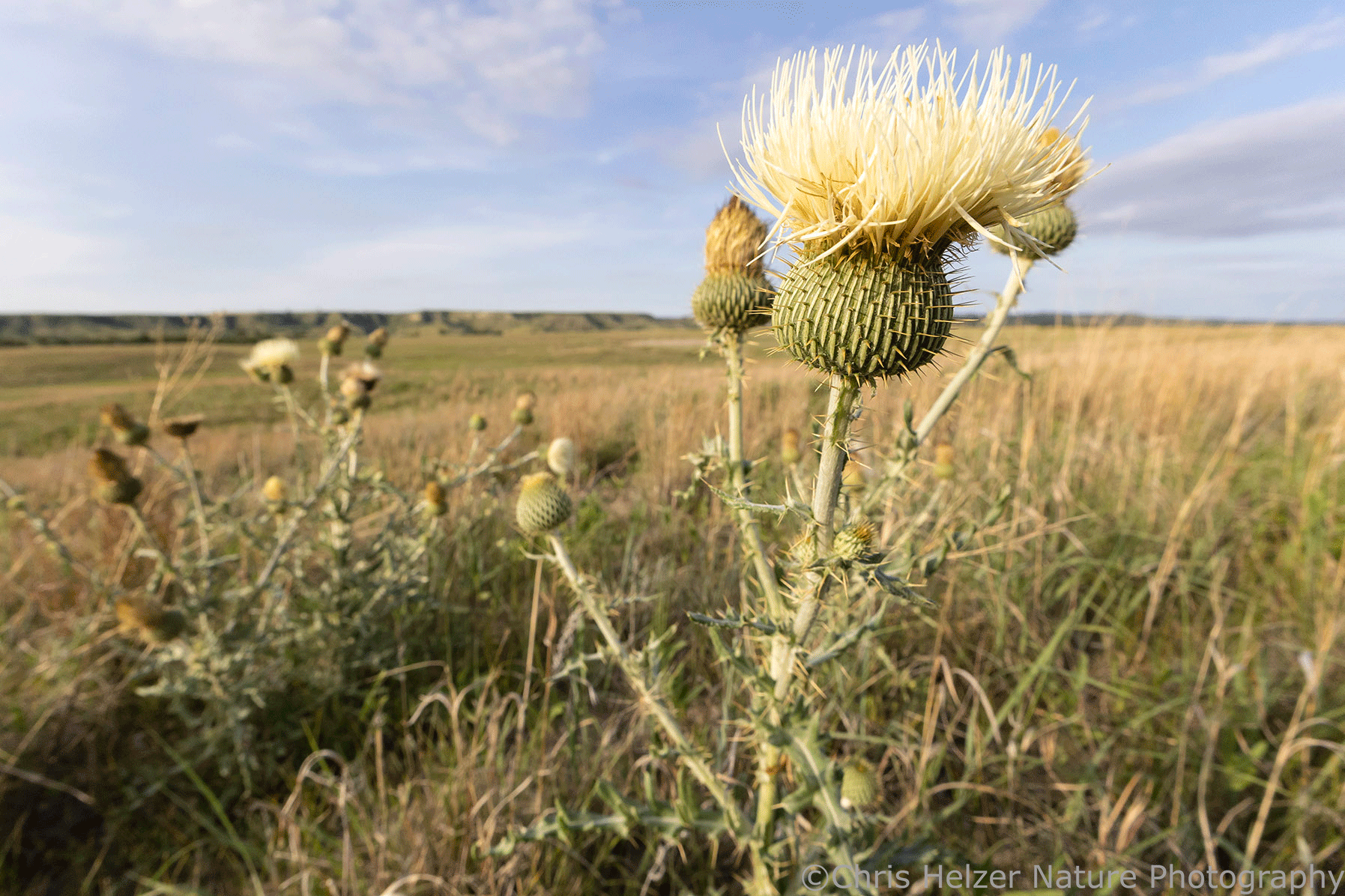
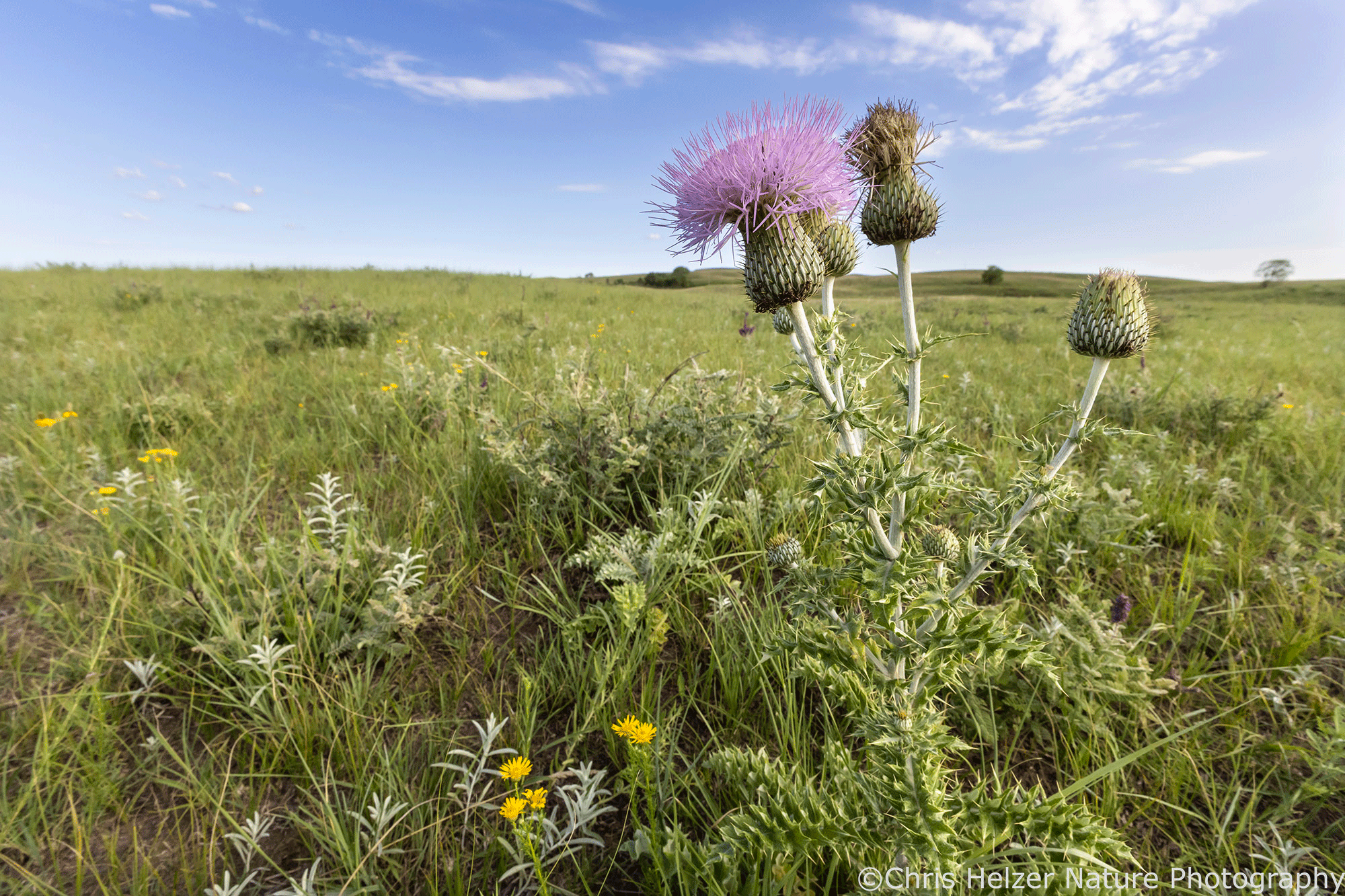
Thistles get a bad rap. Sure, we have some invasive thistle species in Nebraska that are problematic, but we also have some fantastic native species that are incredible resources for wildlife (vertebrate and invertebrate) – as well as being attractive wildflowers. I photographed two of those native species at NVP this month.

Platte thistle (Cirsium canescens).
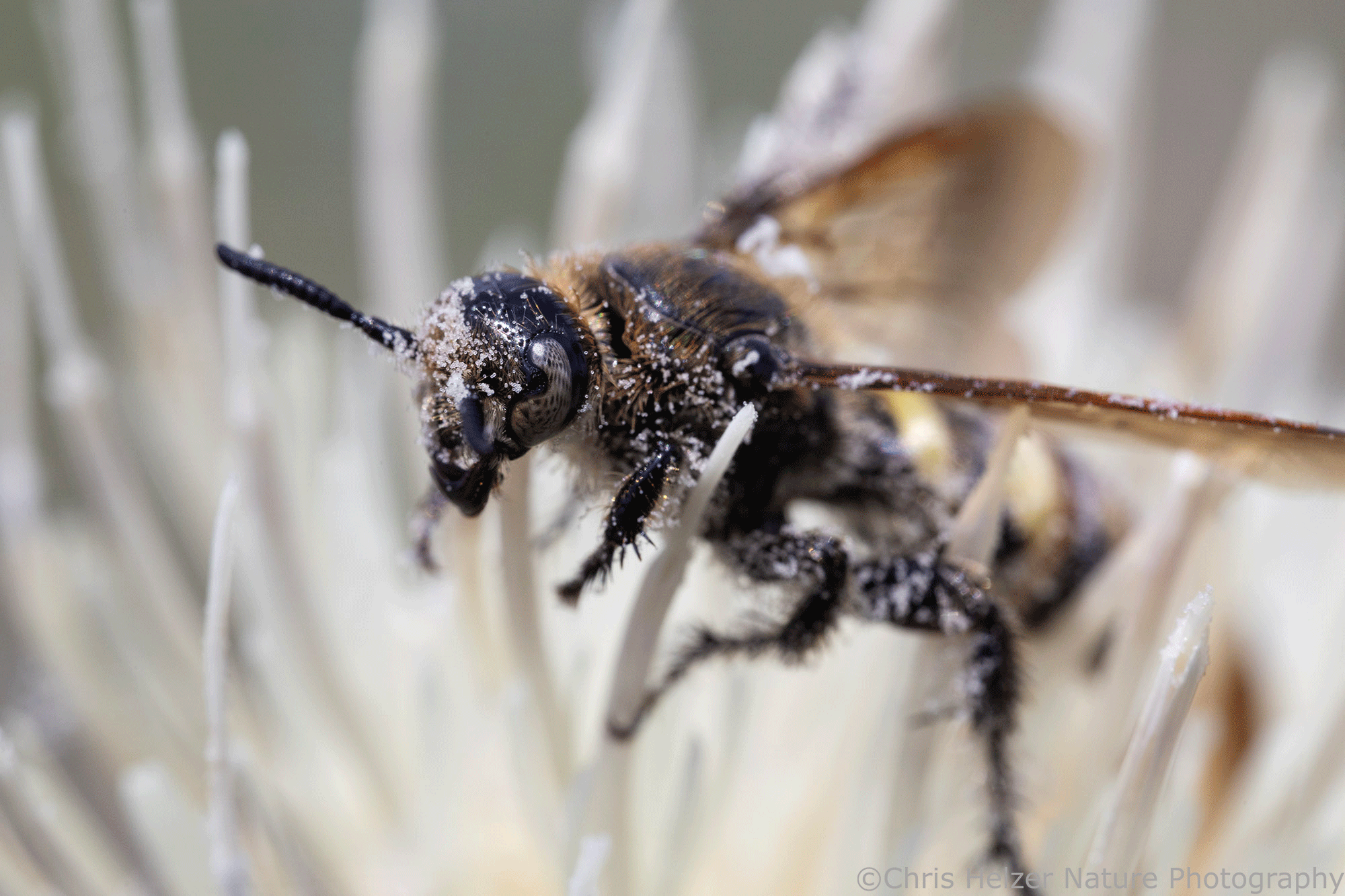
Wasp foraging for nectar on Platte thistle.
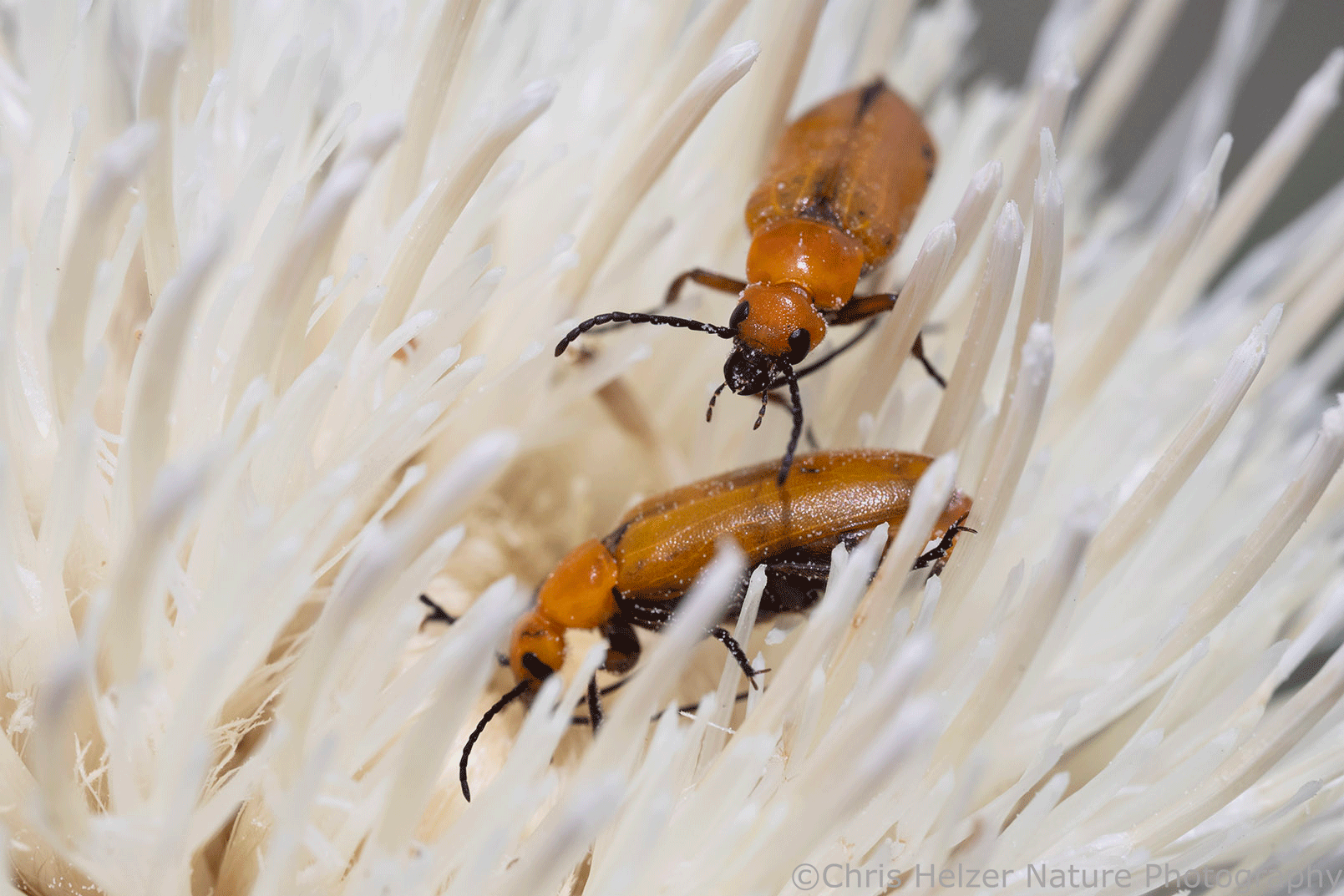
Blister beetles (Nemognatha sp.) on Platte thistle.
Wavy-leaf thistle (Cirsium undulatum).

Carson Schultz, NVP’s stewardship manager, has been experimenting with a combination of patch-burn grazing and rotational grazing for a while now. That often involves burning portions of multiple Sandhills pastures and then rotating cattle through those – grazing each pasture for about a month-and-a-half. The burned areas of each pasture get grazed much more intensively than the unburned, creating extra habitat heterogeneity.

In addition, the ability of cattle to choose what they want across pastures that are hundreds of acres in size, as well as between burned and unburned areas, means the animals have a nearly unlimited diet selection. It’s fascinating to watch what they choose to eat and what they don’t. Their choices vary by the day, largely because they’re always looking for plants that are at a growth stage that provides the most tender, nutritious food. The cattle are eating primarily grasses, but the mix in other plants as well.

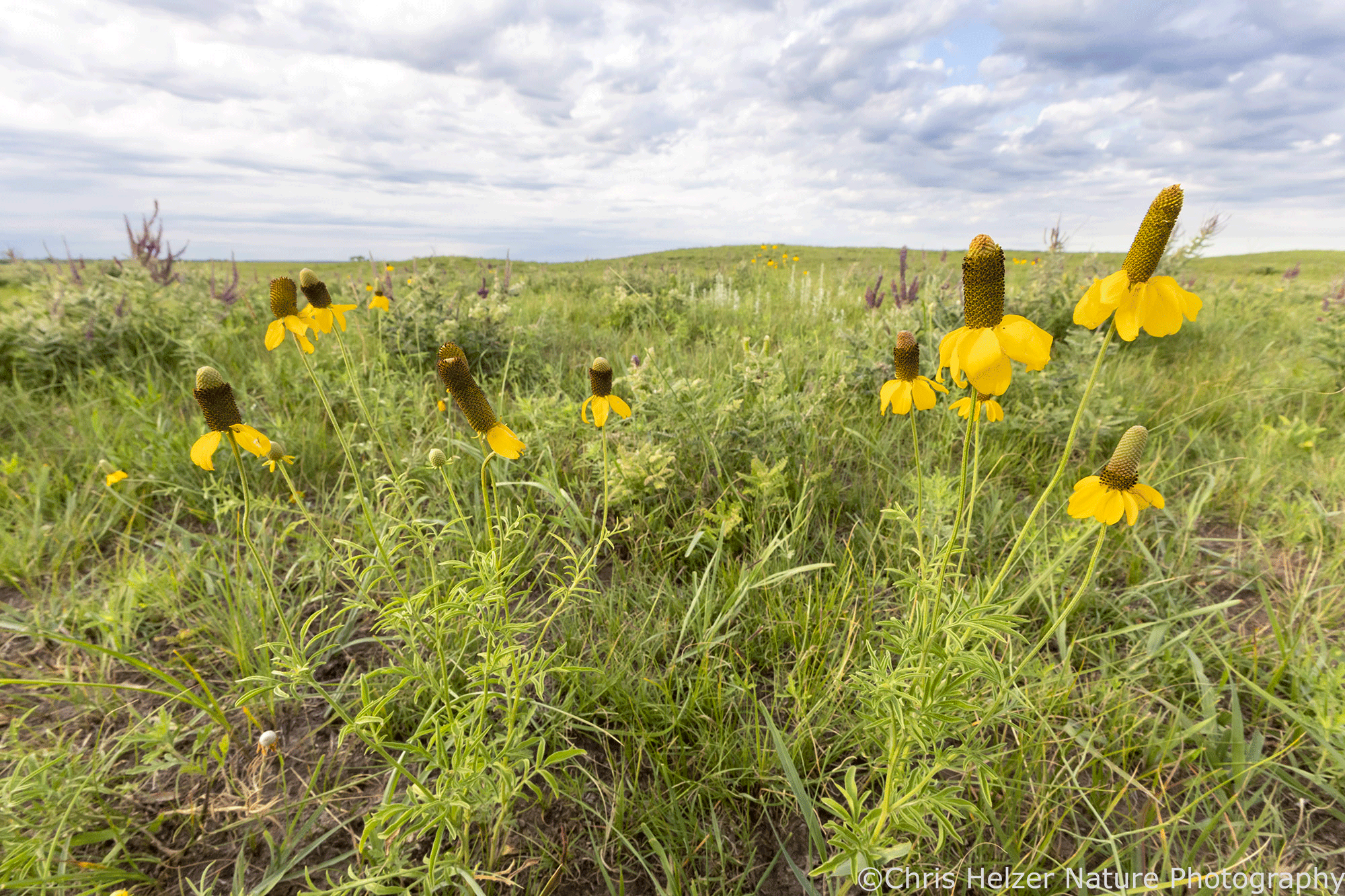
Upright prairie coneflower in burned/grazed prairie.

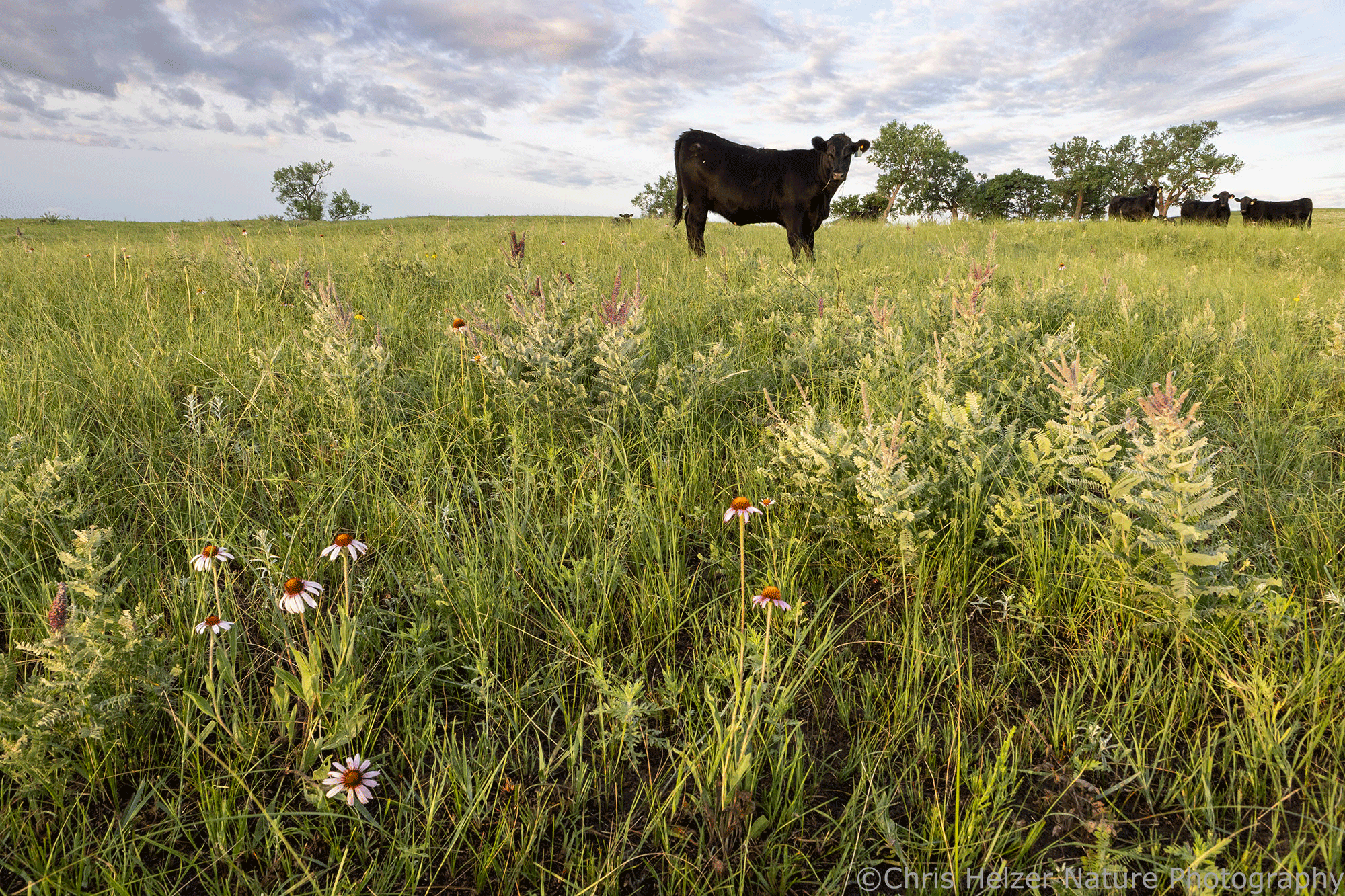
In the pasture I explored, the prairie had been burned in the spring and cattle entered in mid-May. They’d been grazing for over a month and had kept the grasses in the burned area pretty short. Their selective grazing, though, meant there was a lot of variety in the height of the vegetation, which created great wildlife habitat, as well as a fun place to photograph. In the unburned portion of the same pasture, the grasses were much taller and very little grazing was taking place. As a whole, then, the pasture provided a good mix of habitat structure and lots of blooming plants.

Cattle grazing with purple coneflower (Echinacea angustifolia) and lead plant (Amorpha canescens).
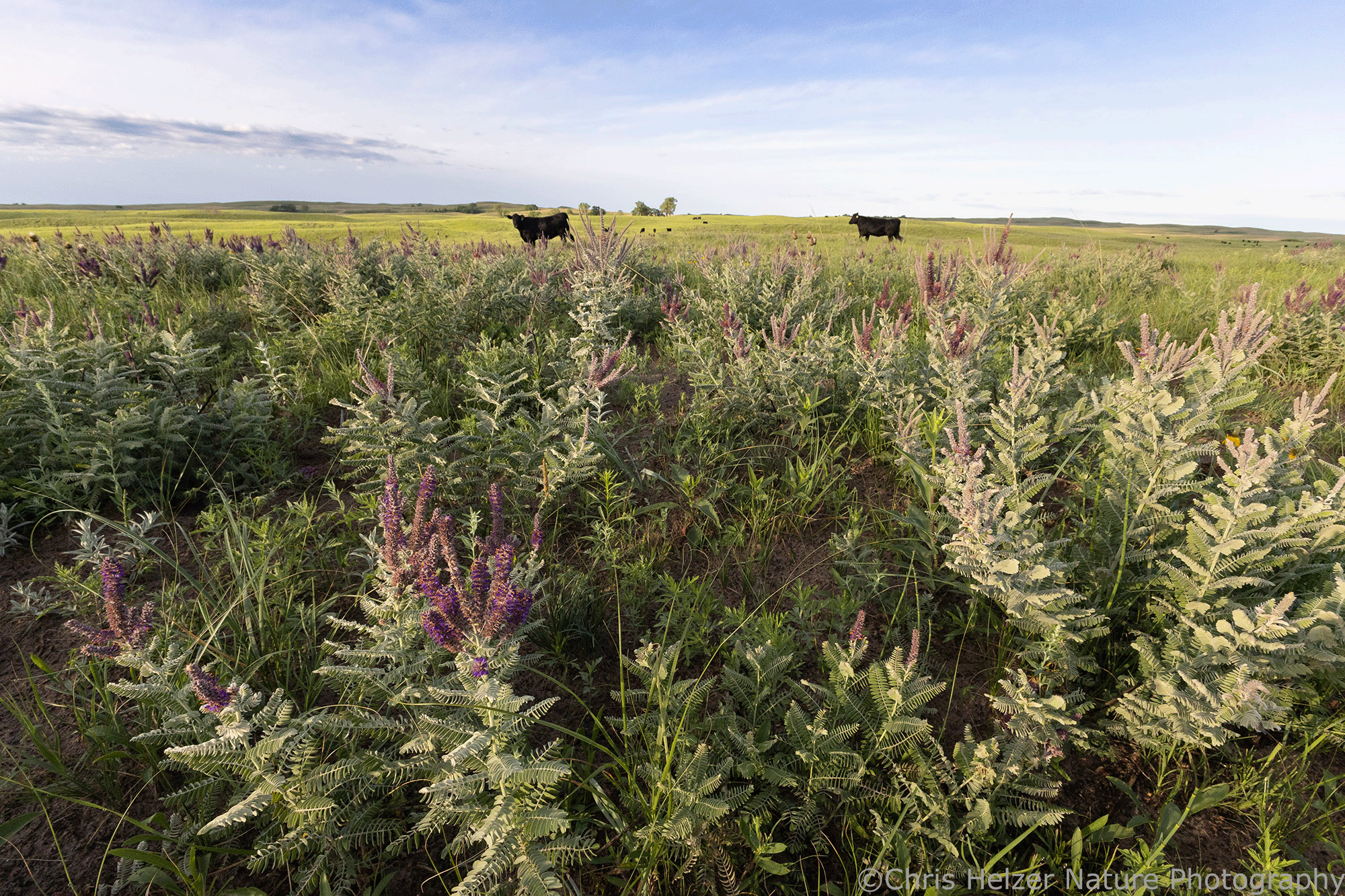
Abundant lead plant with cattle.

Here’s one last plug for our public field days – if you like what you see in these photos, come see it for yourself! Both the Platte River Prairies and Niobrara Valley Preserve events will feature tours with staff and a chance to learn about ecology and prairie stewardship. We hope to see you there!

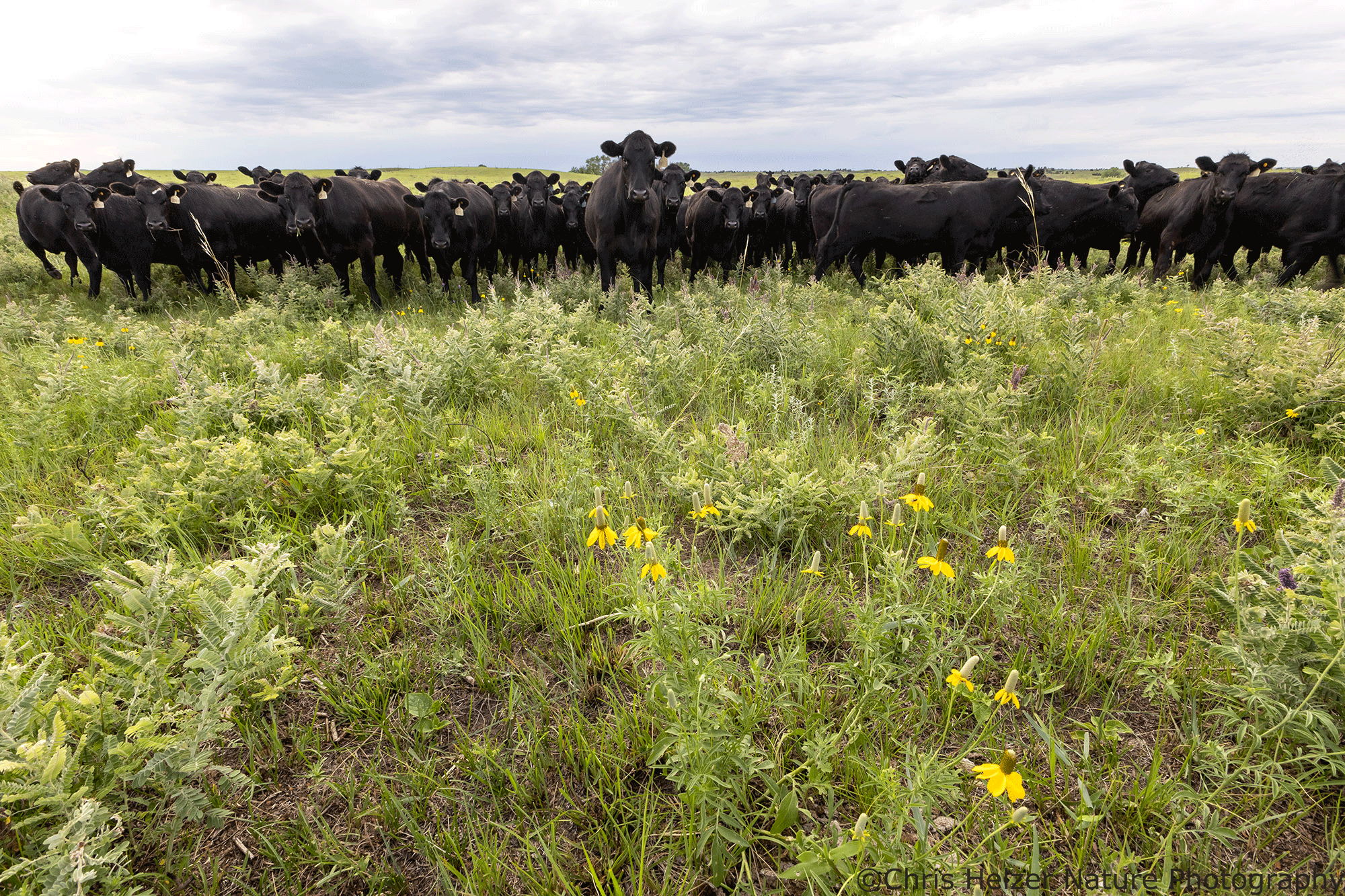
Cattle staring at me while I explore.