Ants in Restored Prairie – Part 2 of our 2012 Insect Week Results

As promised, here is the second half of the results from our insect week back in July.  Back in September, I reported that it appears bees are using our restored prairies much as they do our remnant prairies.  That’s particularly important because our prairie restoration objective is to functionally enlarge and reconnect our remnant prairies by restoring the cropland around and between them.  That objective can only be reached if insects and other creatures in our remnant prairies are using restored areas as habitat.

Besides bees, the other group we focused on during our insect week was ants.  James Trager (biologist and naturalist at the Shaw Nature Reserve in Missouri) and Laura Winkler (a graduate student at South Dakota State University) were here to help us start an inventory of the ants in our prairies and – more importantly – to begin evaluating our restored prairies as ant habitat.  As with the bees, there’s still much to learn, but the news so far is good.

Mound building ants (Formica montana) tending aphids on bull thistle. Platte River Prairies, Nebraska.

Continue reading →

Photo of the Week – September 28, 2012

During the last couple of weeks, the weather and prairies have both made full transitions to autumn.  I’ve been able to grab a little time here and there to snap some portraits of the fall prairie.  I hope you enjoy them.

.

Canada wild rye (Elymus canadensis) stands out against a backdrop of gold and green prairie.

.

A jumping spider peers at me from the stem of a beggarstick flower in a restored wetland.

.

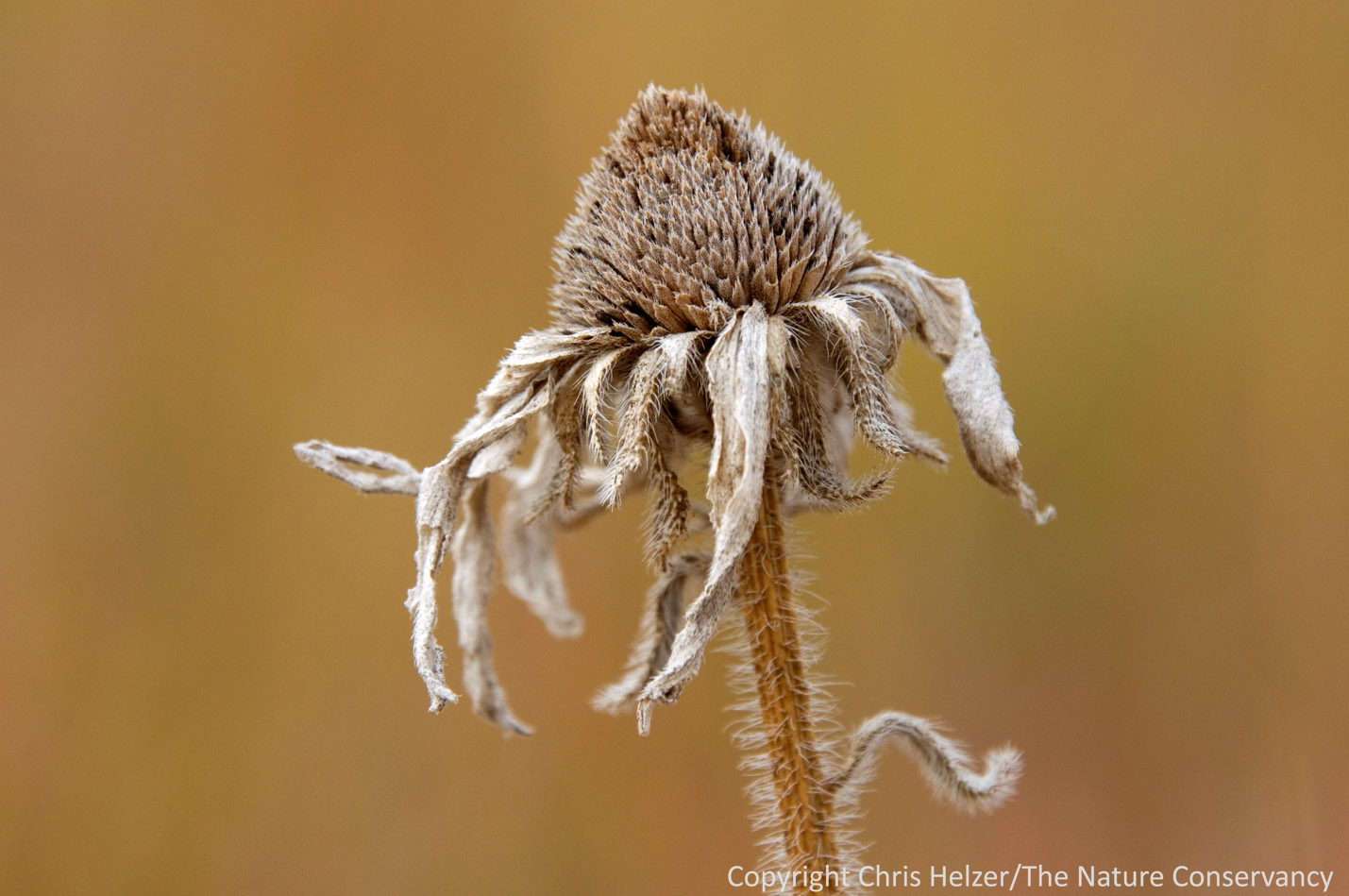
Black-eyed Susan (Rudbeckia hirta) – long since done flowering – is still an attractive flower in the autumn prairie.

.

Stiff goldenrod (Solidago rigida) contributes strongly to the cacophany of yellow flowers in autumn prairies.

.

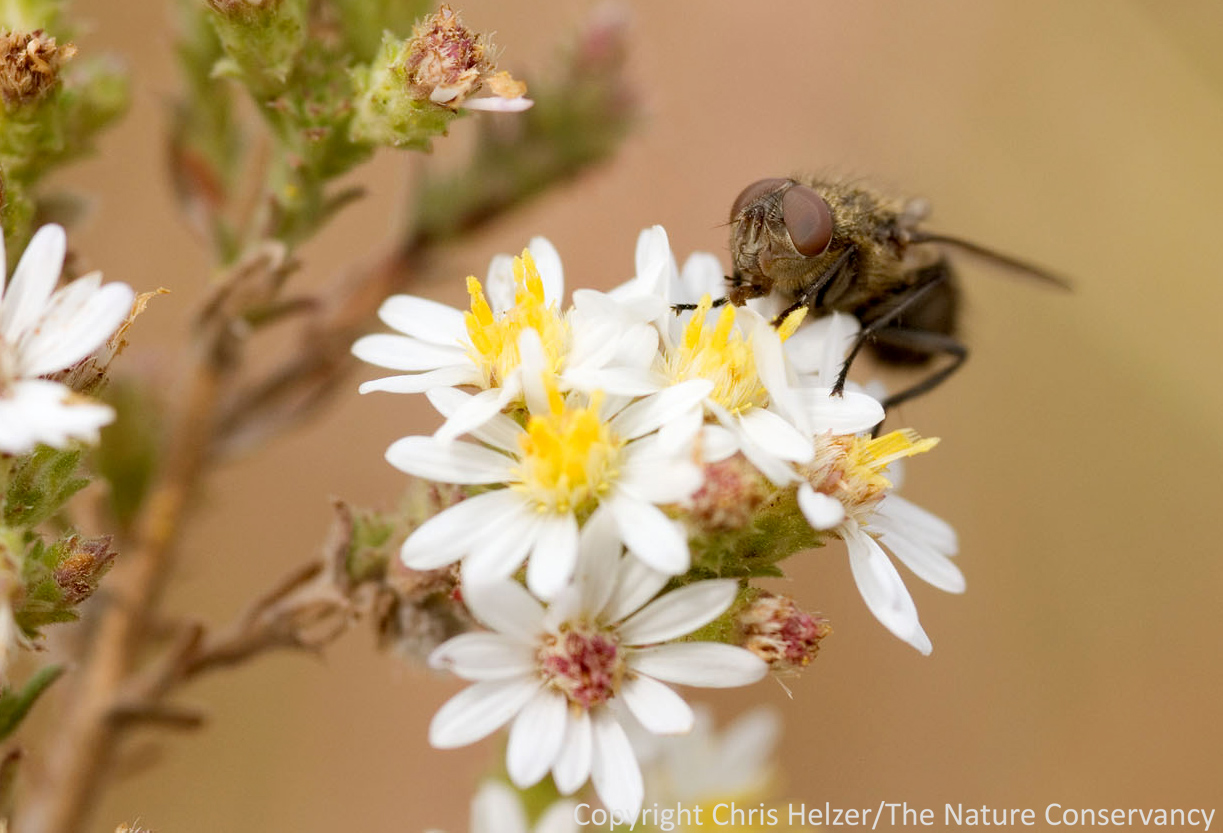
Heath aster (Aster ericoides) is super-abundant this year in some of our prairies, and many pollinators – including this fly – appear to appreciate it.

.

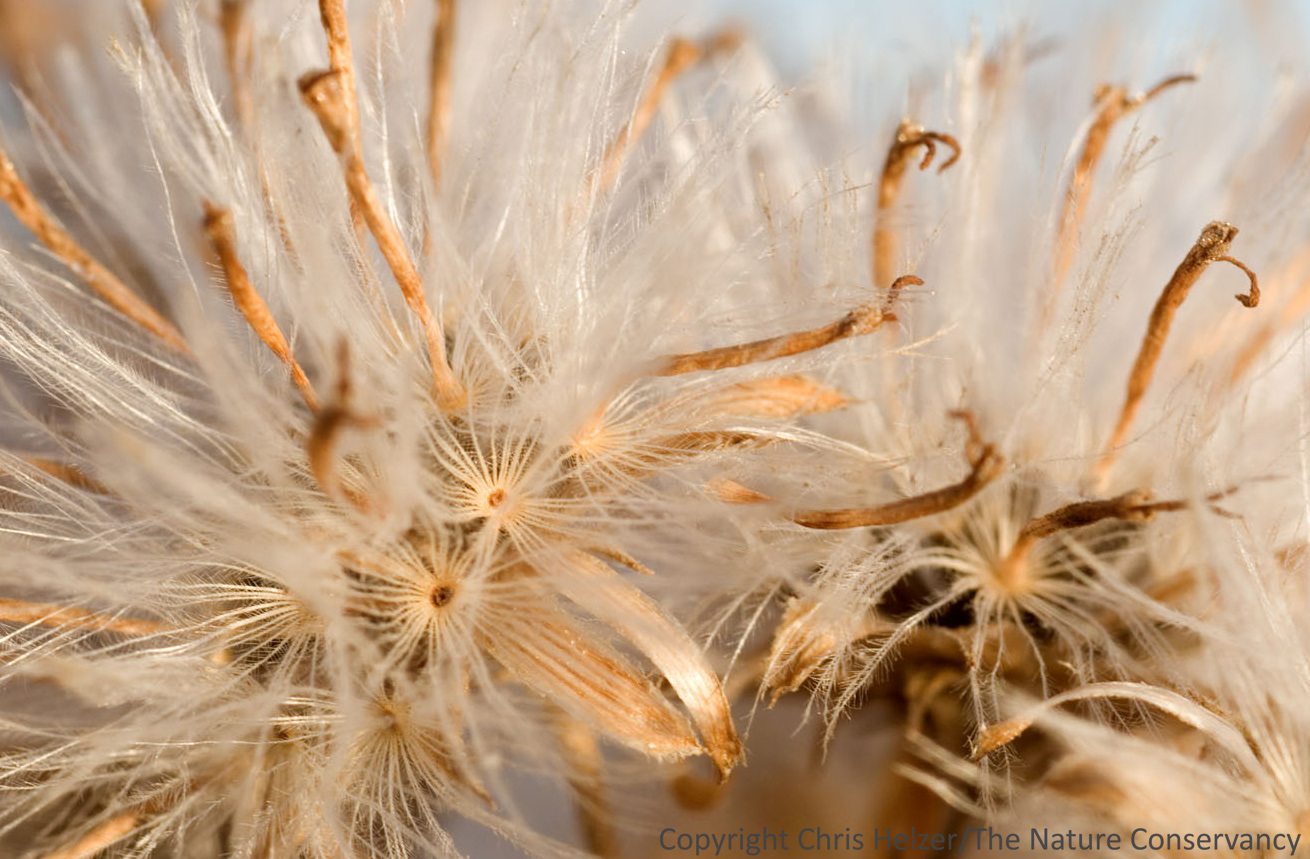
False boneset (Brickellia eupatorioides) is one of the deepest rooted plants in the prairie, which allowed it to flower and produce abundant seed even in this very dry year.

.