This is the time of year when I get the most satisfaction from harvesting prairie seeds. Early in the year, seed harvest consists largely of hunting around for little plants hidden here and there in the prairie, and bending low to pluck their seeds. It’s an important time, but it often feels like a lot of work for not much seed. In the fall, however, we’re grabbing big handfuls of seed heads from tall plants, and our buckets fill quickly.

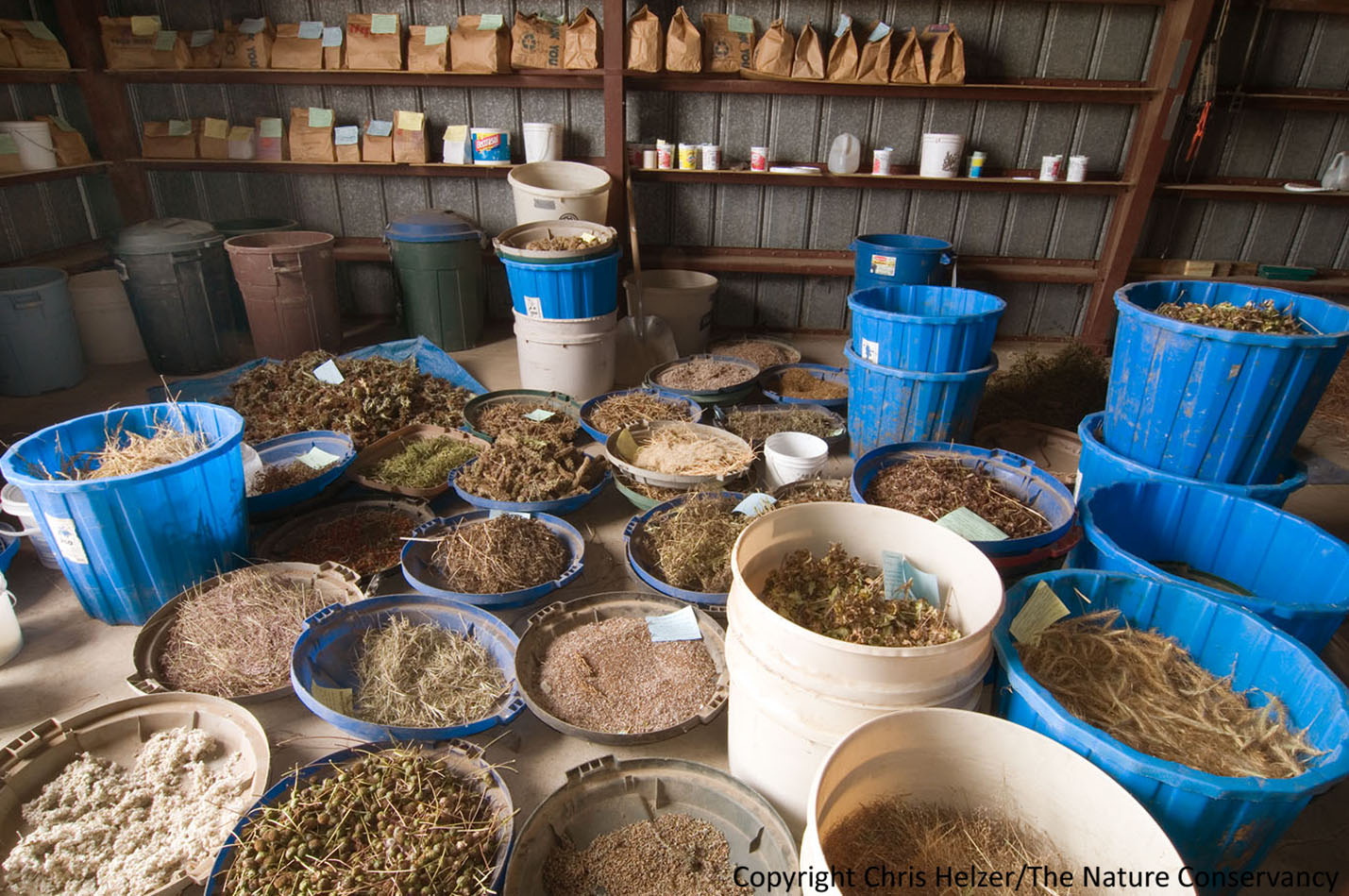
One corner of our seed storage barn, showing drying seeds in the foreground and cleaned and bagged seeds on the shelf behind.
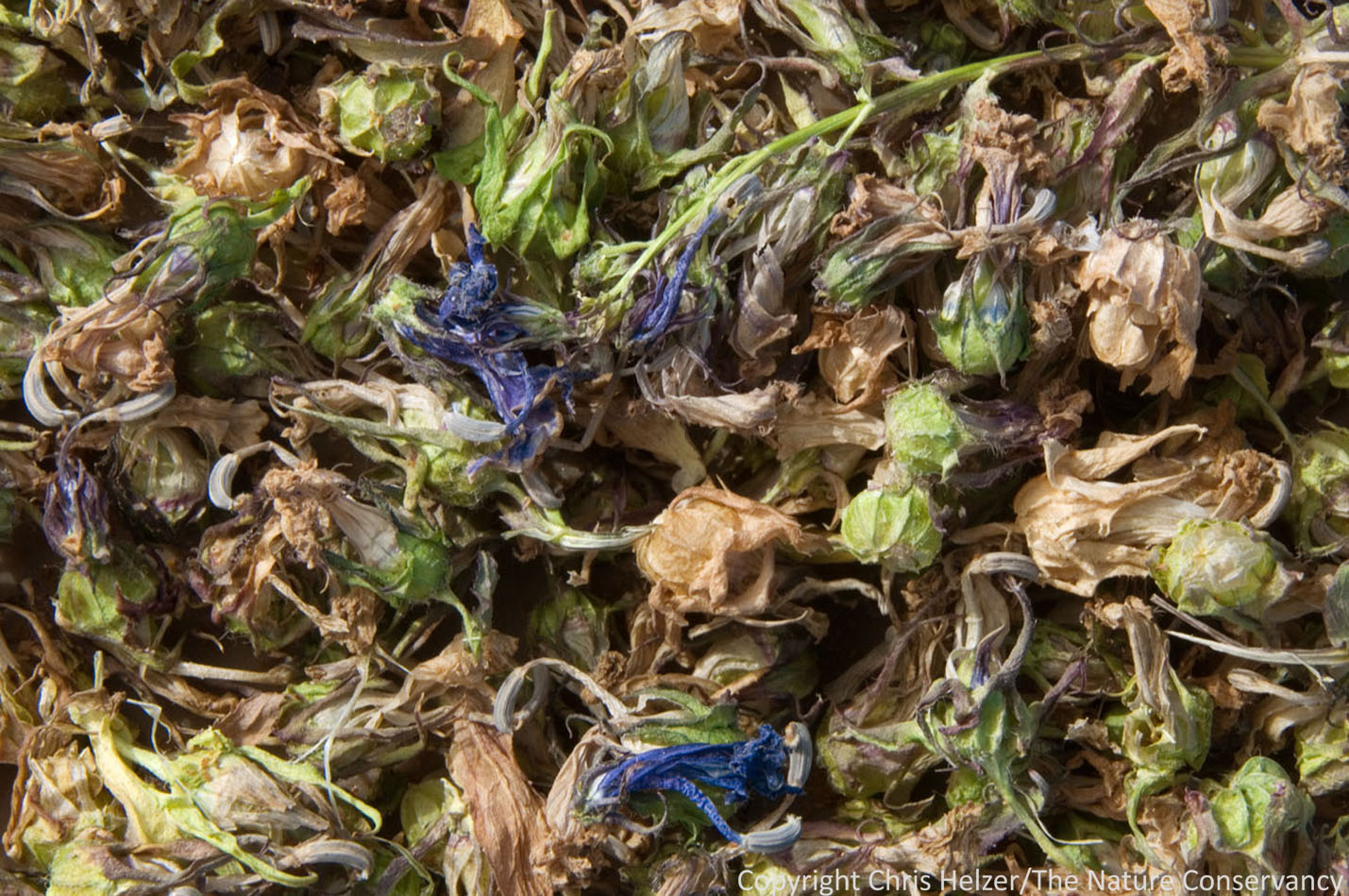
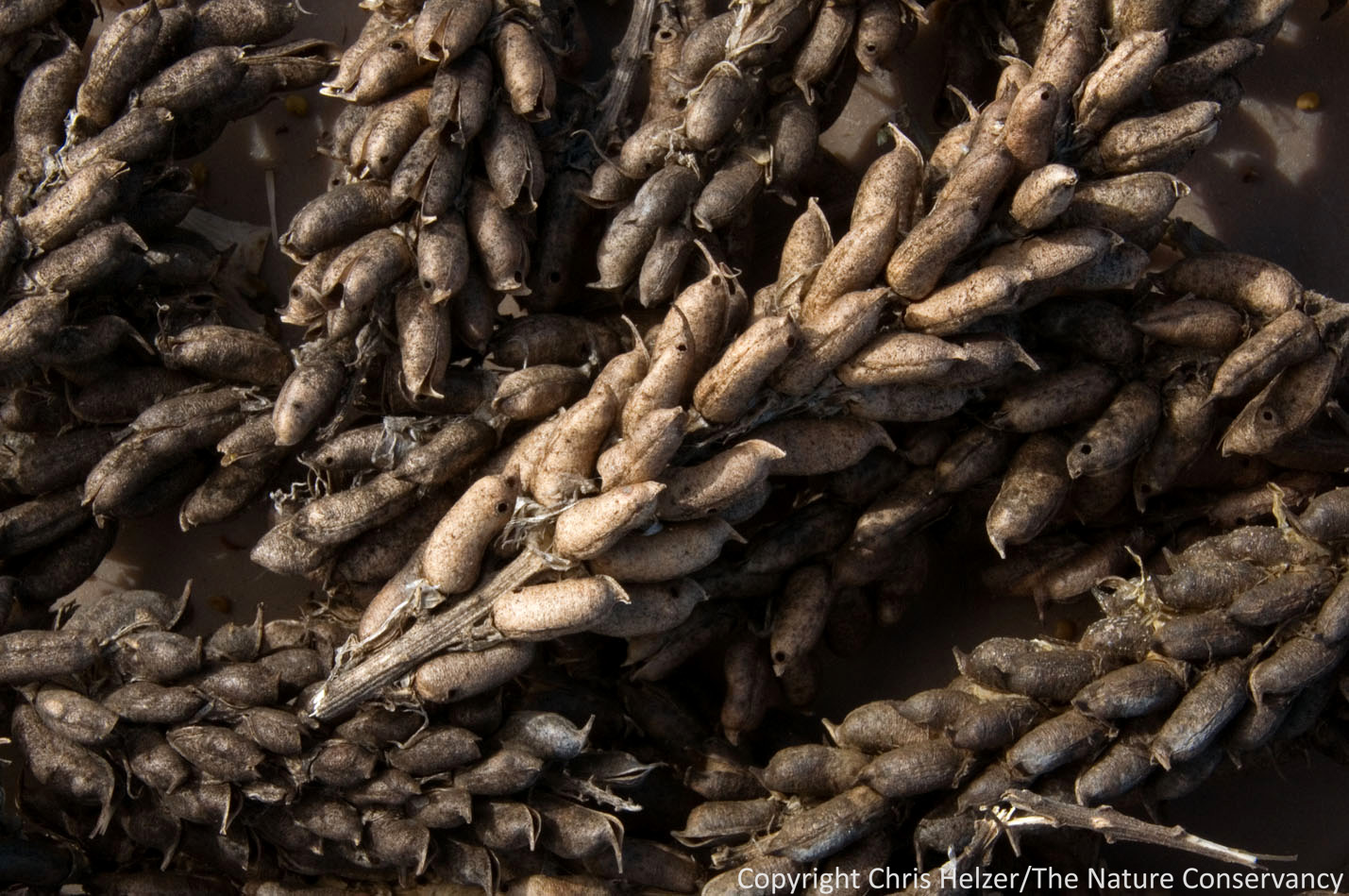
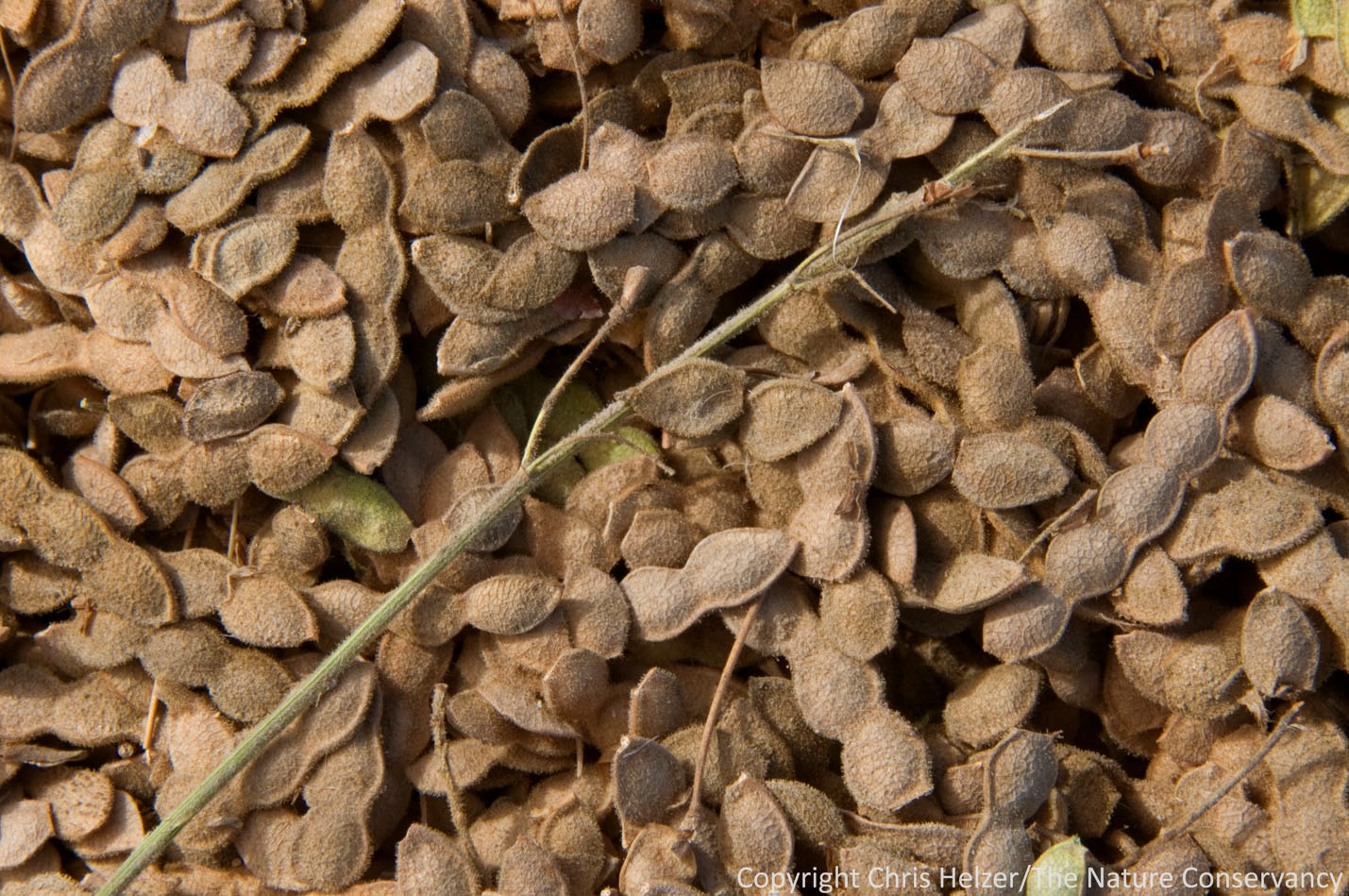
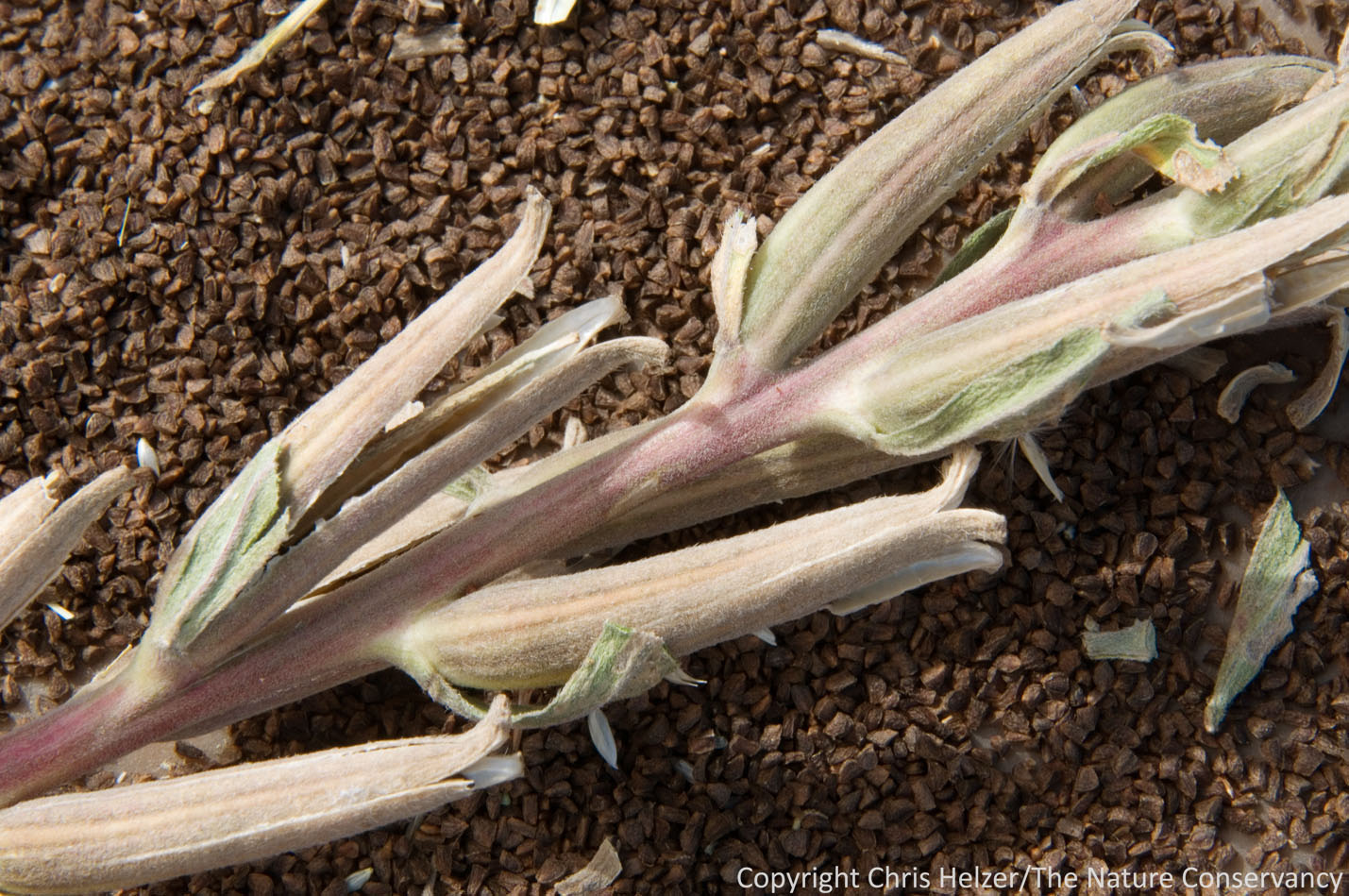
The other day, I stepped back to admire the bounty in our seed storage area and thought – not for the first time – how attractive piles of drying seeds can be. The textures, shapes, and colors all jumbled up together make interesting patterns that beg to be the subjects of still life photographs.
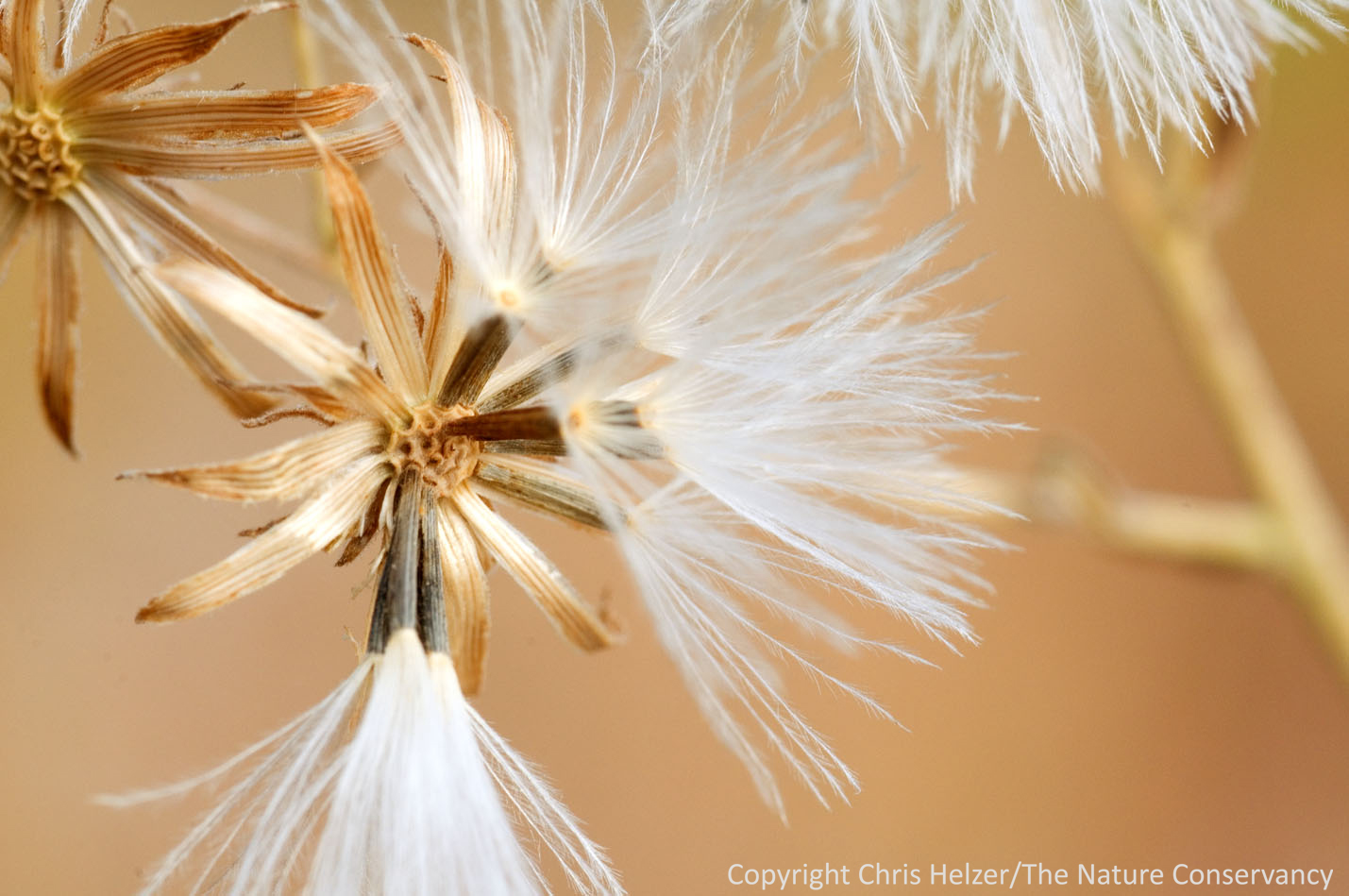
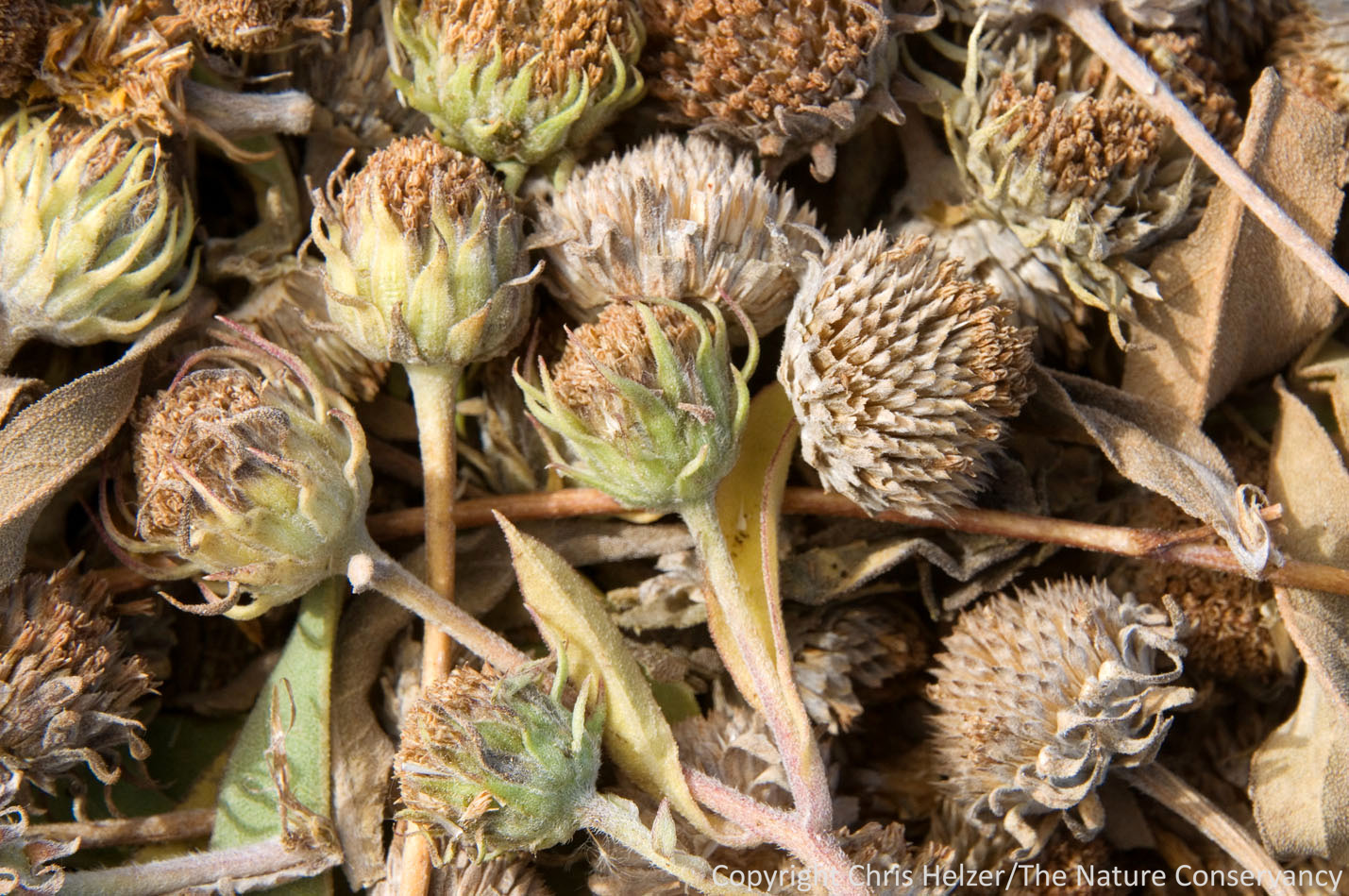
Here are some photos of our seed piles, taken earlier this week. Because I know some of you will enjoy it, I left the species names off so you can try to guess their identities. The correct answers will be at the bottom of this post – good luck!
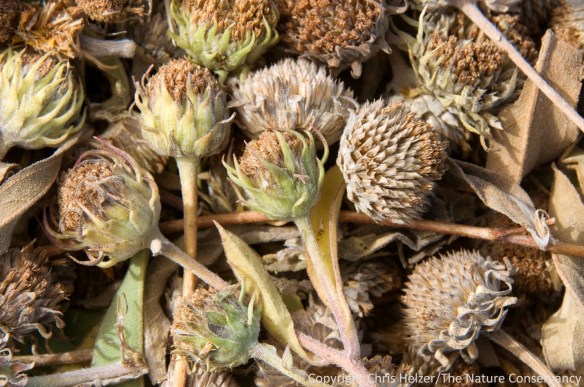
#1
.
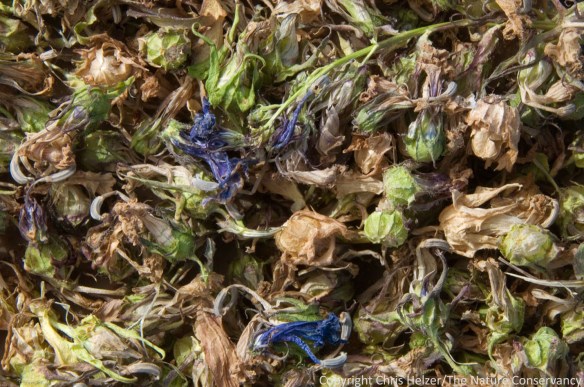
#2
.
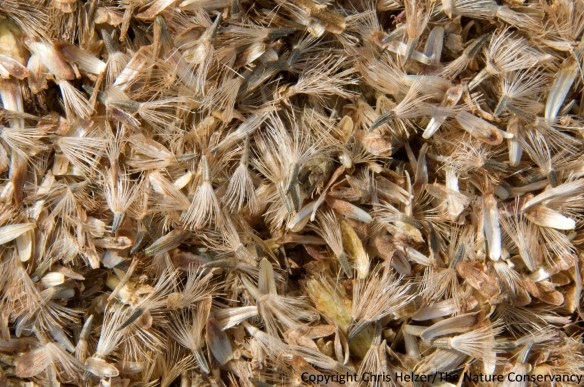
#3
.

#4
.
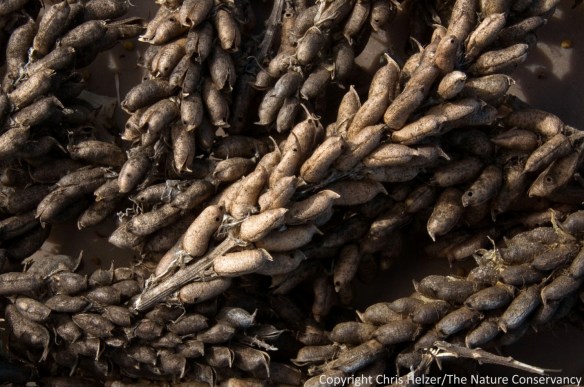
#5
.

#6
.
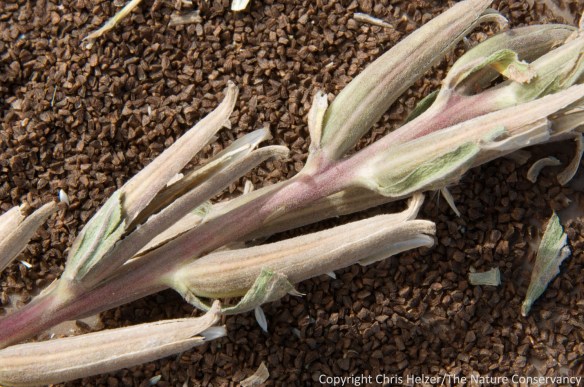
#7
.

#8
Did you guess them all? Knowing that they’ve all been harvested within the last couple weeks should help. (This is probably more difficult for those of you living on other continents… sorry about that!)
THE ANSWERS:
#1 – Maximilian sunflower (Helianthus maximiliani)
#2 – Blue lobelia, aka great lobelia (Lobelia siphilitica)
#3 – Lanceleaf gayfeather (Liatris lancifolia)
#4 – Prairie wild rose (Rosa arkansana)
#5 – Canada milkvetch (Astragalus canadensis)
#6 – Showy tick trefoil, aka Canada tick clover (Desmodium canadense)
#7 – Common evening primrose (Oenothera villosa)
#8 – Pitcher sage (Salvia azurea)