
Photo of the Week – June 7, 2013

Prairies demonstrate their resilience regularly, but usually in a fairly subtle way.  They tend to adjust their plant composition after fire, grazing, or drought in ways you might not notice unless you were a botanist.  Once in while, however, prairies take it to the next level and really show off.
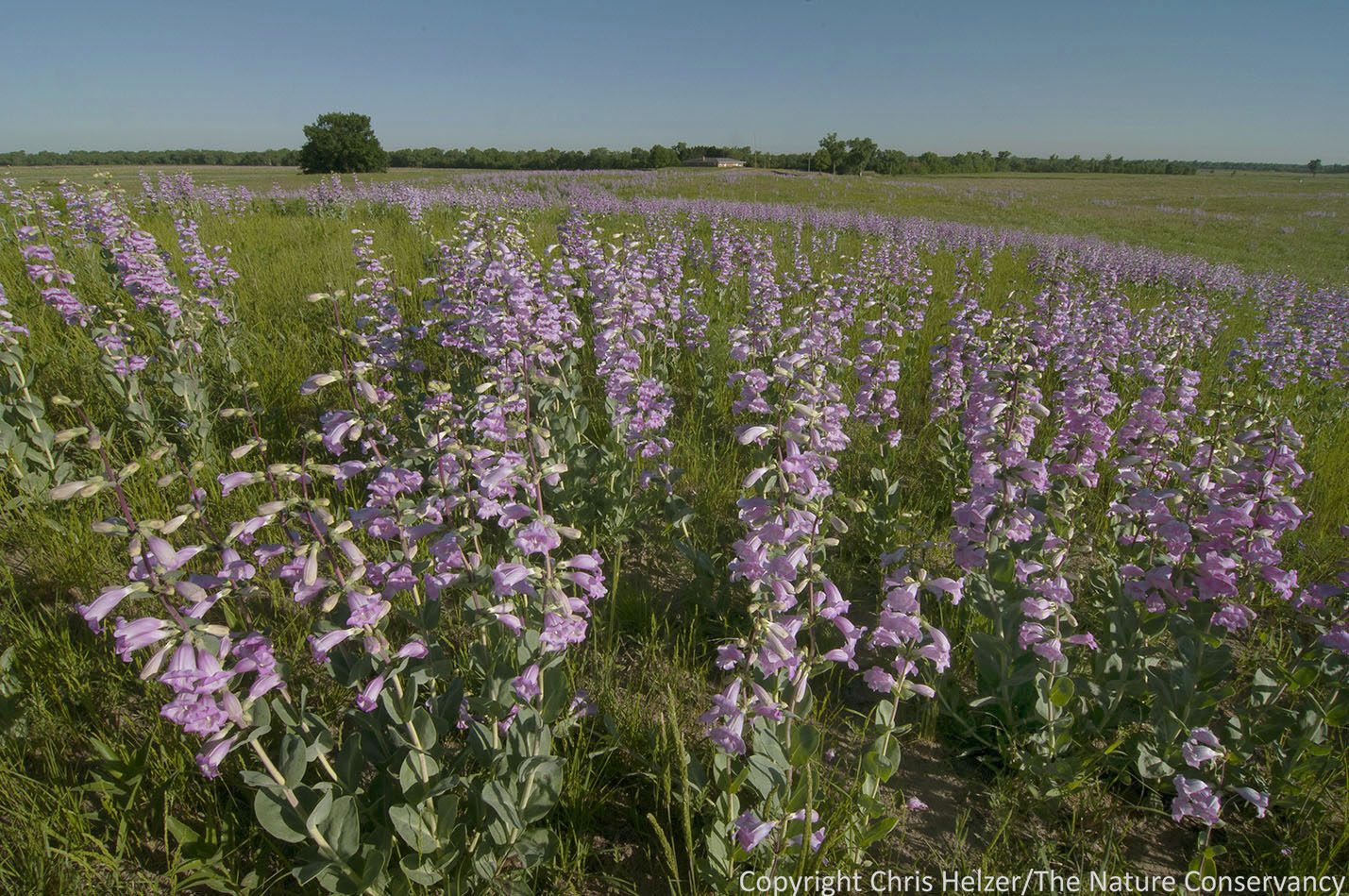
A profusion of penstemon in restored sandhill prairie at The Nature Conservancy's Platte River Prairies.

A profusion of penstemon in restored sandhill prairie at The Nature Conservancy’s Platte River Prairies.

Last year was the driest year on record for this area.  We had less than half of our average annual rainfall, and most of that came early.  By late August, very little green was left in most of our sites.  The prairie shown above had been burned in the spring and grazed most of the season.  Many people seeing it for the first time would have assumed it was dead and gone (see photo below).
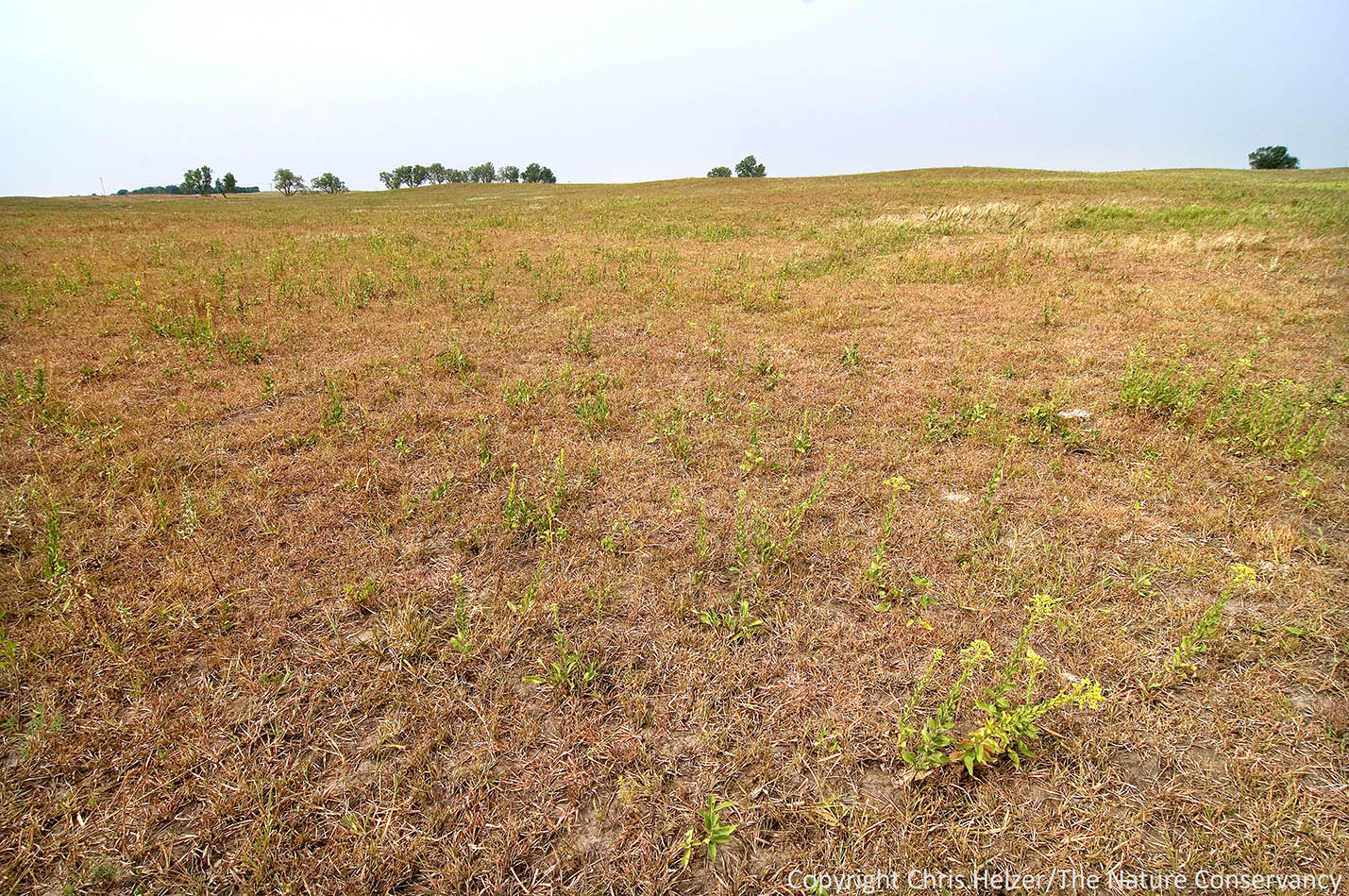
This is the same portion of prairie shown in the first photo, but this images was taken August 24, 2012 after a year of fire, grazing, and severe drought.  Most of the green in the photo is western ragweed and a little goldenrod.

This is the same portion of prairie shown in the first photo, but this images was taken August 24, 2012 after a year of fire, grazing, and severe drought. Most of the green in the photo is western ragweed and a little goldenrod.

I’ve written about the ecological resilience of prairies before, and have presented long-term data showing how our prairies fluctuate in plant composition over time in response to drought, grazing, fire, and various combinations of those factors.  Many plant species rise and fall in abundance as conditions change (opportunistic species) and others tend to maintain a steady population size, though they may be more or less visible in particular years.  It’s one thing to see that in graphs and tables, but it’s also fun to see a spectacular green-up and explosion of wildflowers in person, especially after a long dry (brown) year.

In the sandhill prairie shown above, last year’s drought caused most of the perennial plant species to enter dormancy by July – effectively giving up on that season’s growth and reproduction potential and saving their remaining energy for the next year.  Before they went into dormancy, however, the perennial grasses had already been weakened by relatively intense grazing, reducing the size of their root masses and opening up space for opportunistic species to take advantage of.  One of those opportunistic species is the short-lived perennial shell-leaf penstemon (Penstemon grandiflorus) which is obviously thriving this season.  Shell-leaf penstemon has been generally increasing in abundance since this prairie was seeded in 2002, but it took a gigantic leap forward this year.  Based on what I’ve seen in other prairies, I expect it to decline in abundance over the next couple of years as the dominant grasses and other long-lived perennials recover from last year’s stress.  In the meantime, we’re happy to enjoy the prairie’s flamboyant demonstration of resilience.
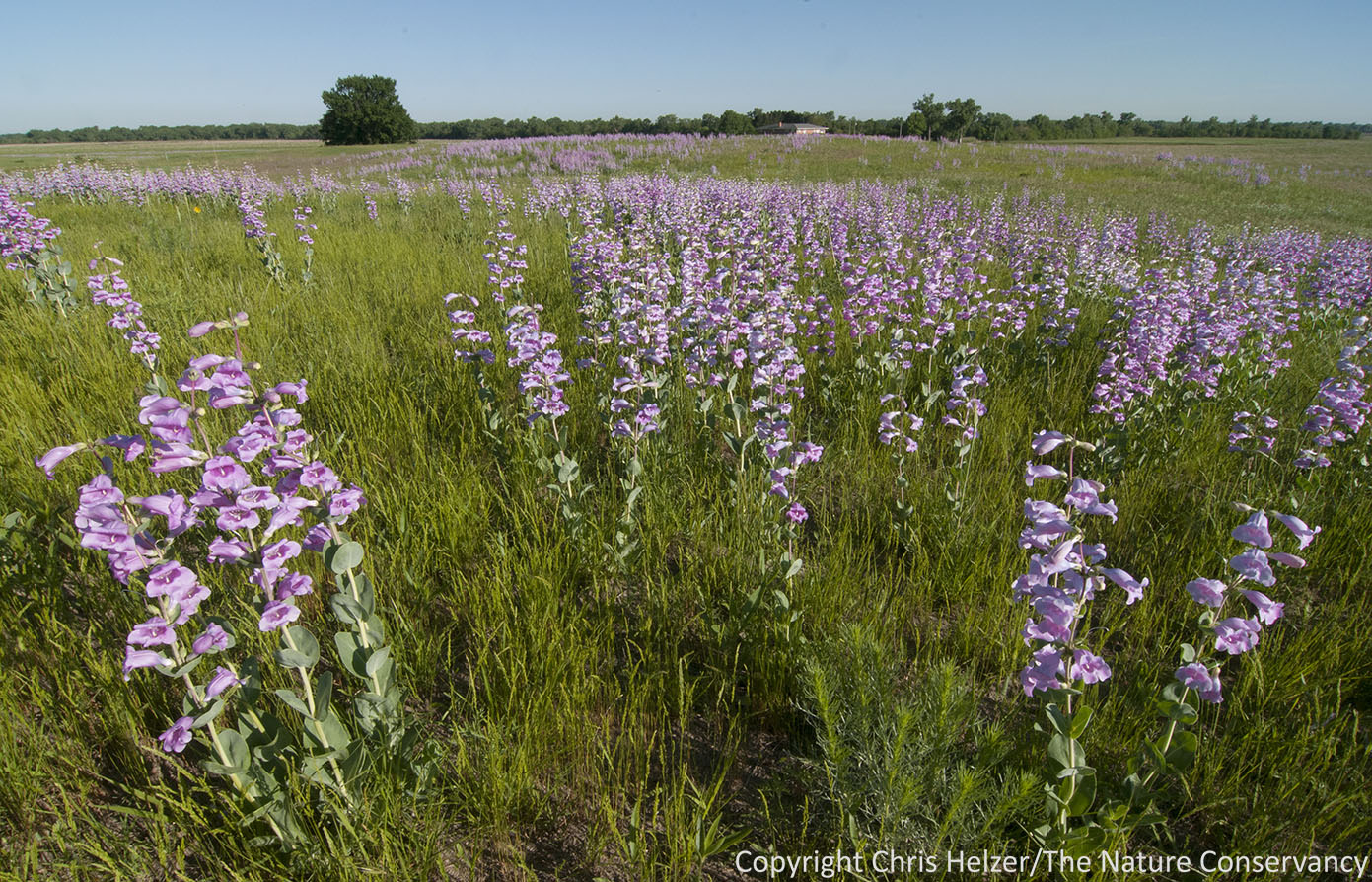
Junegrass (Koeeria macrantha) is also having a great year, and provides a beautiful counterpoint to the penstemon in this photo.

Junegrass (Koeeria macrantha) is also having a great year, and provides a beautiful counterpoint to the penstemon in this photo.

If you’re in the area, now is a great time to come hike our trails.  Both the upland and lowland trails through the Platte River Prairies cut right through huge patches of penstemon.  If you’ve never been to our trails, you can find directions and more information here.

The mowed hiking trail through sandhills provides excellent exposure to the penstemon profusion this season.

The mowed hiking trail through the sandhills takes you right through penstemon profusion this season.
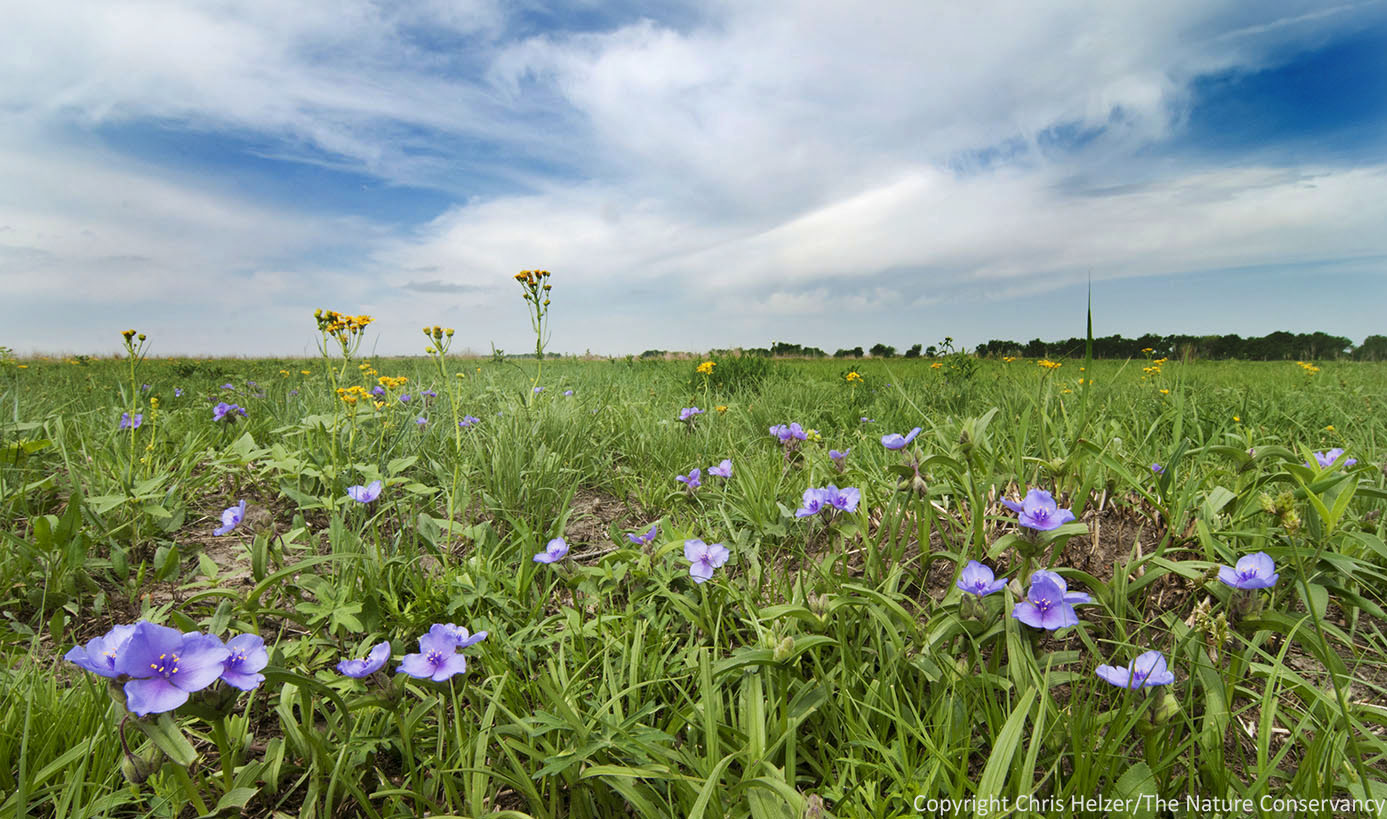
Photo of the Week – May 31, 2013

I started my annual plant community monitoring this week.  That work consists mainly of inventorying the plant species within small sampling plots.  Forcing myself to walk regularly spaced transects and stare at a square meter of prairie at a time is a great way to find creatures and sights I might miss if I was just wandering aimlessly.  This week, for example, I scared up a couple jackrabbits and found a quail nest within a few minutes of each other, and found a number of pretty neat insects.  But in that particular prairie, the star of the show was Tradescantia bracteata (bracted spiderwort), which was scattered across the site in patches about the size of a small car.

A close-up look at a patch of bracted spiderwort, with prairie ragwort (Senecio plattensis) in the background.  The Nature Conservancy's Platte River Prairies, Nebraska.

A close-up look at a patch of bracted spiderwort, with prairie ragwort (Senecio plattensis) in the background. The Nature Conservancy’s Platte River Prairies, Nebraska.  You can click on the photo to see a larger and sharper version.

These spiderworts were blooming in a prairie we planted back in 2000.  It has become of our most colorful sites – loaded with wildflowers of all kinds.  I didn’t see much spiderwort during the first 5-7  years of the prairie’s establishment (most of which were drought years).  Eventually, I started finding a lone plant here and there.  Those scattered plants have now formed colonies that radiate outward every year.

If you look closely, you can see that several of the spiderwort plants in this photo have been grazed.  They are blooming in a burned portion of the prairie, which is where cattle are focusing most of their attention (within our patch-burn grazing system).  Cattle really like to eat spiderwort, so grazing will probably impact the 2013 growth and seed production of the plants in this photo.  However, we just finished building a temporary electric fence to exclude cattle from about half of this same prairie for the rest of this growing season, so all the spiderwort patches in that exclosure should have a good year.  Next year, the patch of flowers pictured here will get a break from grazing too.

Although grazing can keep spiderwort plants short and decrease seed production, most of this species’ reproduction happens through rhizomes (underground stems), so annual seed production is not critical for its survival or spread.  In addition, periodic grazing helps open up space among the grasses and provides opportunities for spiderwort to continue its spread.  In fact, areas of our prairies that get little or no grazing tend to have fewer and smaller patches of spiderwort (though the individual plants often grow taller).