Photos of the Week – April 22, 2025

Life is funny sometimes. Last week, I spent a morning setting up some research plots aimed at helping us learn how to suppress the growth and spread of deciduous shrubs in grasslands. When I finished, I walked about 50 yards to a patch of wild plum (a deciduous shrub) and spent a half hour photographing an incredible abundance of pollinators using the patch as a source of food. Really makes you think, huh?
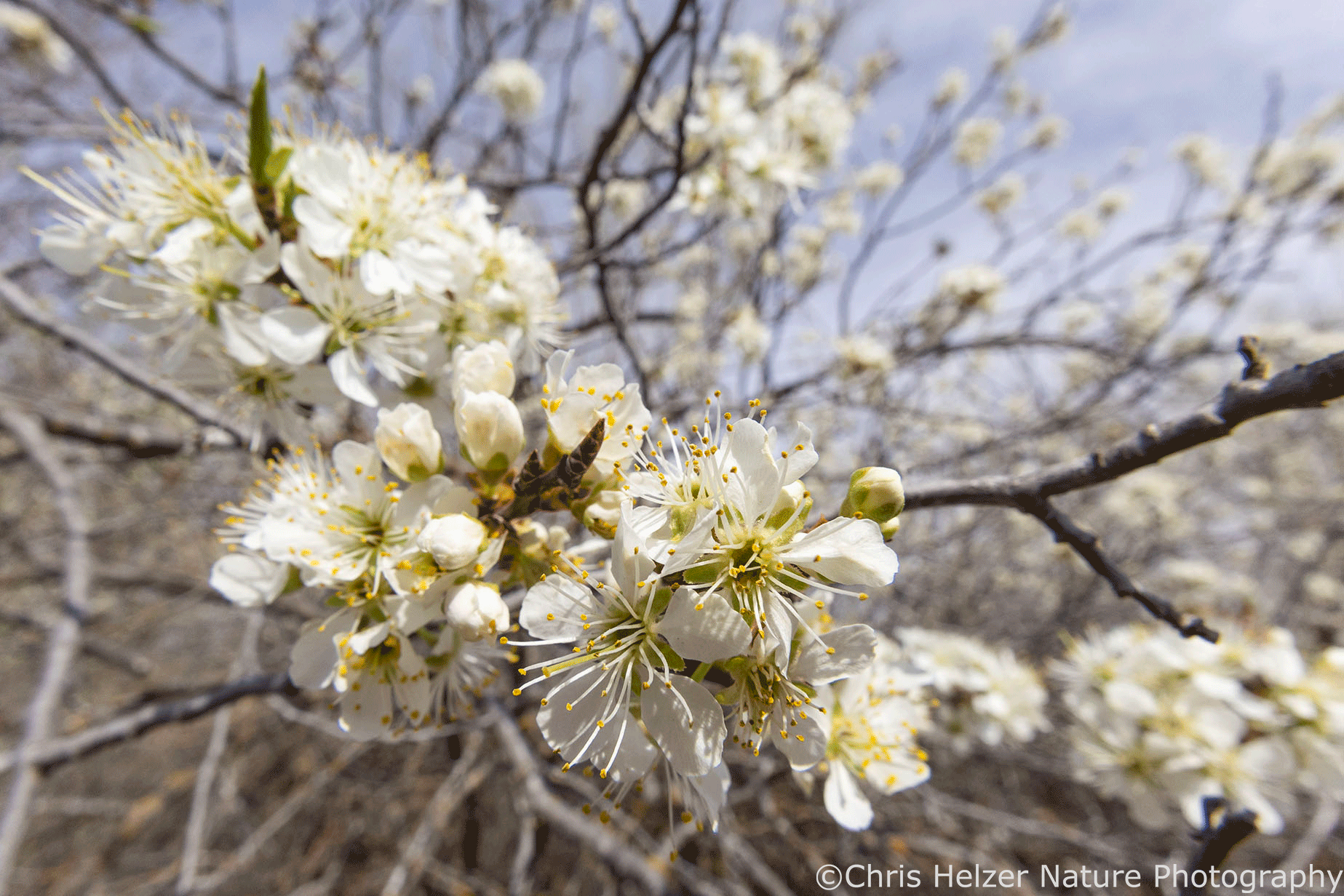
Wild plum, aka American plum (Prunus americana) at The Nature Conservancy’s Platte River Prairies.
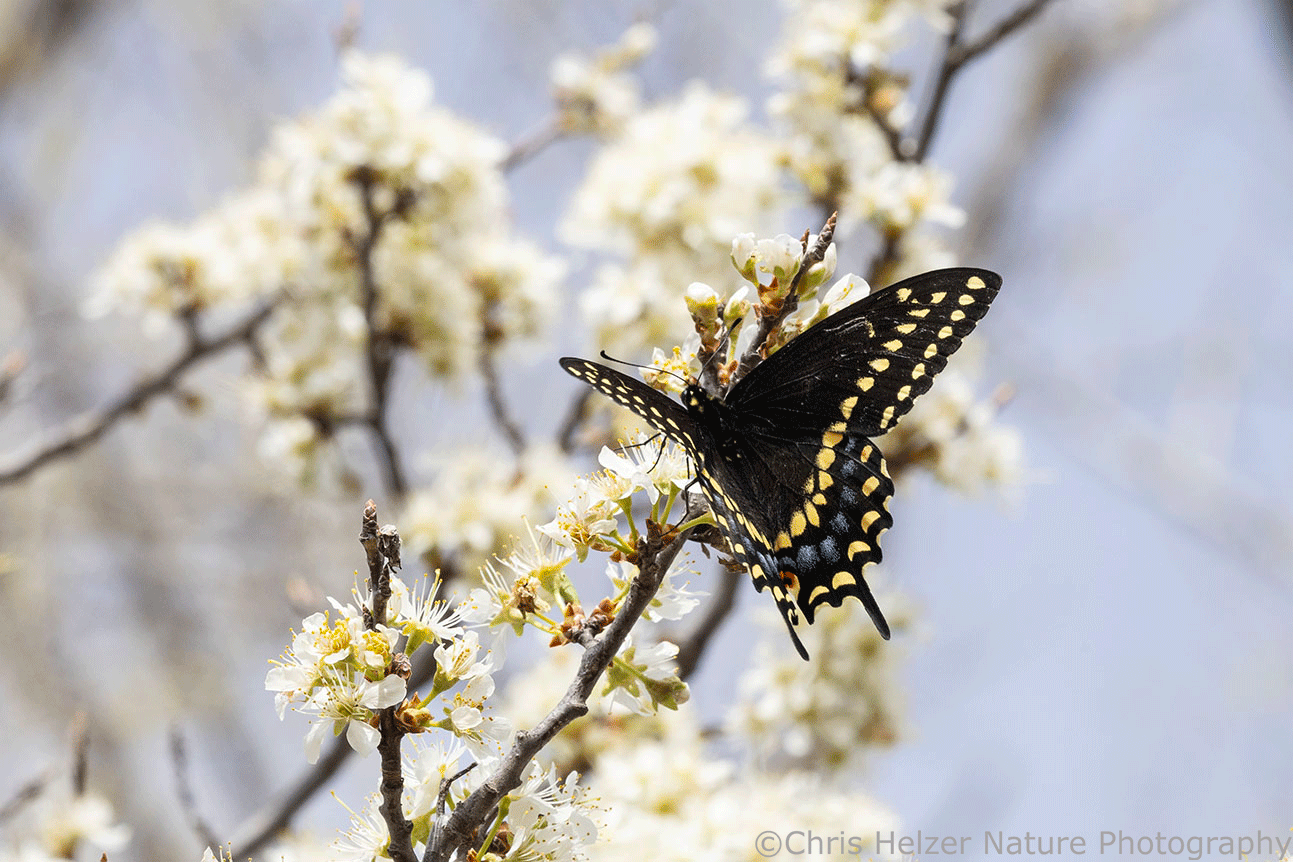
A black swallowtail.

Deciduous shrubs, of course, are great. Wild plum, for example, is one of several early-blooming native shrubs that play a vital role for pollinators in April. There aren’t a lot of blossoms among the herbaceous prairie plants in our area at this time of year. As a result, blooming shrubs draw insects in like big, showy, nice-smelling magnets. Aside from their pretty, nutritious flowers, shrubs also create nice little pockets of habitat for a lot of animals that need a little woody cover with their prairie vegetation.

On the other hand, deciduous shrubs have been spreading into and through grasslands at an increased rate. That rate of spread is caused by a lot of factors, including changes in native browser populations and a style of landscape fragmentation that has broken grasslands into pieces and introduced woody plants along the edges of those pieces. Most importantly, higher levels of atmospheric carbon dioxide are fueling the growth and spread of deciduous woody plants in a way that is very different than even a couple decades ago.

Adding all that up, it can be hard to know how to feel about and act around deciduous shrubs in prairies. Shrubs yay? Shrubs boo? Yes.

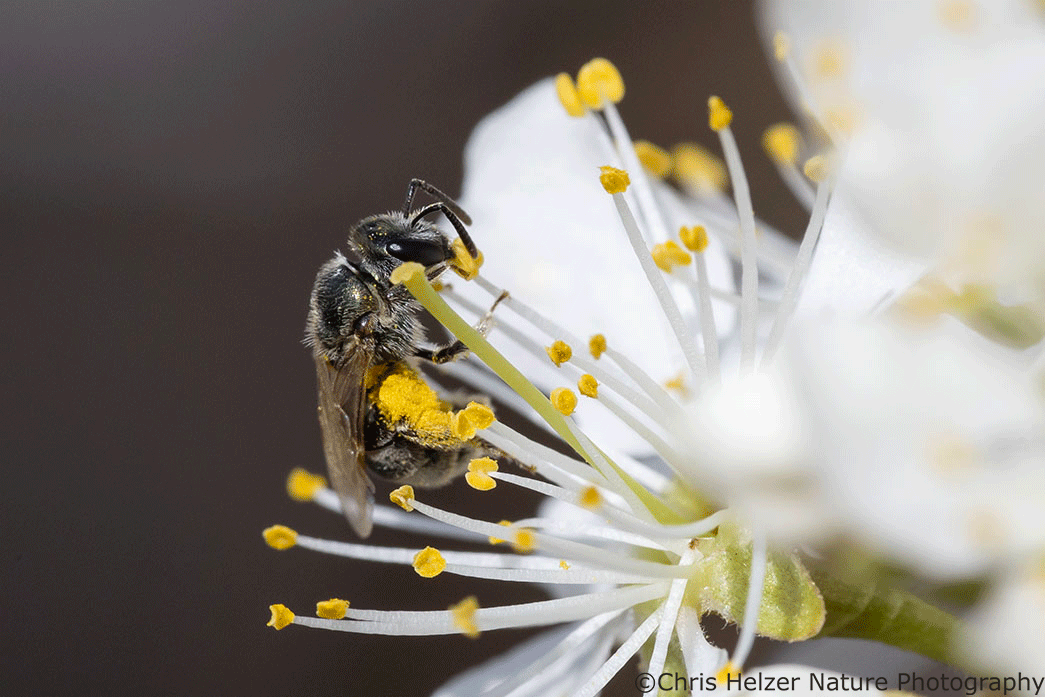
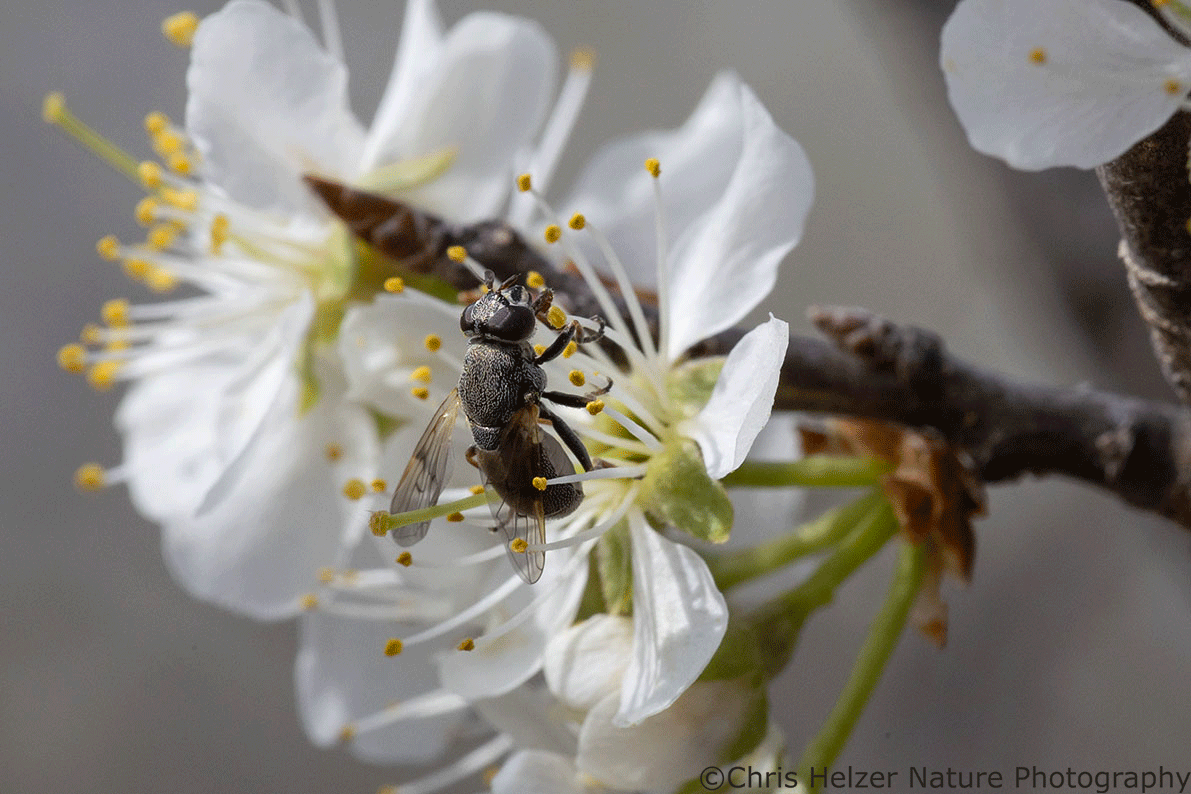
A sweat bee and a tiny beetle.
Probably the same species of sweat bee as shown above, but a different individual.
This photo give you some idea of how many little pollinators were using the plum blossoms. All those little specks are flies, bees, and/or wasps.

I was only able to photograph a tiny fraction of the pollinator species frenetically bouncing between the plum blossoms. Many were so tiny, it was hard to photograph them at all, and most were moving so quickly, I couldn’t focus my lens before they skipped off to the next flower. Even so, I managed to capture a decent sample of the kind of diversity I was seeing. You’ll just have to imagine the others.

A fly
A drone fly with kaleidoscope eyes. I assume her name is Lucy.
Yet another fly species.
One more fly species.

Managing the size and spread of deciduous shrub patches is already a major focus of many prairie managers. The challenge of dealing with that issue is growing like – well, like a patch of carbon dioxide-fueled deciduous shrubs. Most of the shrub species we’re facing, though, aren’t enemies. As with the wild plum I was photographing, the majority are native species that happen to be gaining a competitive edge because of a number of enabling conditions we can’t do much about.

As land stewards, we need to find ways to manage shrubbier grasslands for biodiversity and productivity because shrubbier grasslands are our future across much of the Midwest and Great Plains regions of North America. In fact, the future is already here in many places. We’re all free to think what we want of that future, but ignoring or denying it won’t do us much good.

But they’re also pretty! And they provide a lot of pollen, nectar, fruit, shelter, and other resources for prairie species.

A long-bodied, long-antennaed beetle with short wing coverings.

Really, the dual experiences I had with shrubs last week were a great illustration of how we should all be thinking about them. We have a lot to learn, and quickly, about how to manage the competition between shrubs and other prairie species. As we experiment with various approaches to the issue, we need to share our experiences with each other. At the same time, we should all recognize and celebrate the positive traits of those shrubs. That’ll help us make better decisions, but it’ll also give us a helpful perspective on the changes we see around us.

Happy Earth Day.

Celebrating Seeds

I’ve been seeing a lot of brand new plants germinating from seeds during the last couple weeks. Looking at all those cotyledons (first leaves) poking out of the ground makes me reflect on the massive amount of good fortune it takes for any seed to actually turn into a new prairie plant.

Prairie dandelion seeds (Nothocalais cuspidata).

Seed production is a high risk, high reward strategy for plants, and even that’s a huge understatement. It takes a tremendous amount of energy for a plant to produce a flower – especially if you’re trying to make one that’s attractive to an animal pollinator. There’s all the colorful petals or other structures, nectar (in many cases), and, of course the pollen itself. After pollination, even more energy can go into loading up the developing seeds with the nutrition and energy needed to give the embedded embryo a chance of success.

Once the seeds are released from the plant, they often travel away from their parent – at least far enough that they aren’t trying to grow directly beneath them. The varied tactics used by plants to disperse their seeds is a huge, fascinating topic, which I’ve written about before. Regardless of whether a seed travels by wind, water, attached to the fur or feathers of an animal, or by being eaten and then pooped out, there are myriad dangers along the way.

Prairie violet (Viola pedatifida) seeds can travel in two ways. First, they are ballistically launched into the air as their pods dry and constrict. Second, many are picked up and carried home by ants because of the little fatty packet of nutrition (elaiosomes) violet seeds have attached to themselves for that very purpose.

Seeds packed with nutrients to feed their embryo are also a great food source for many other organisms. Countless vertebrate and invertebrate animals seek out and eat seeds, especially during the dormant season when most other food sources are scarce. Fungi and lots of microorganisms can also destroy and consume seeds.

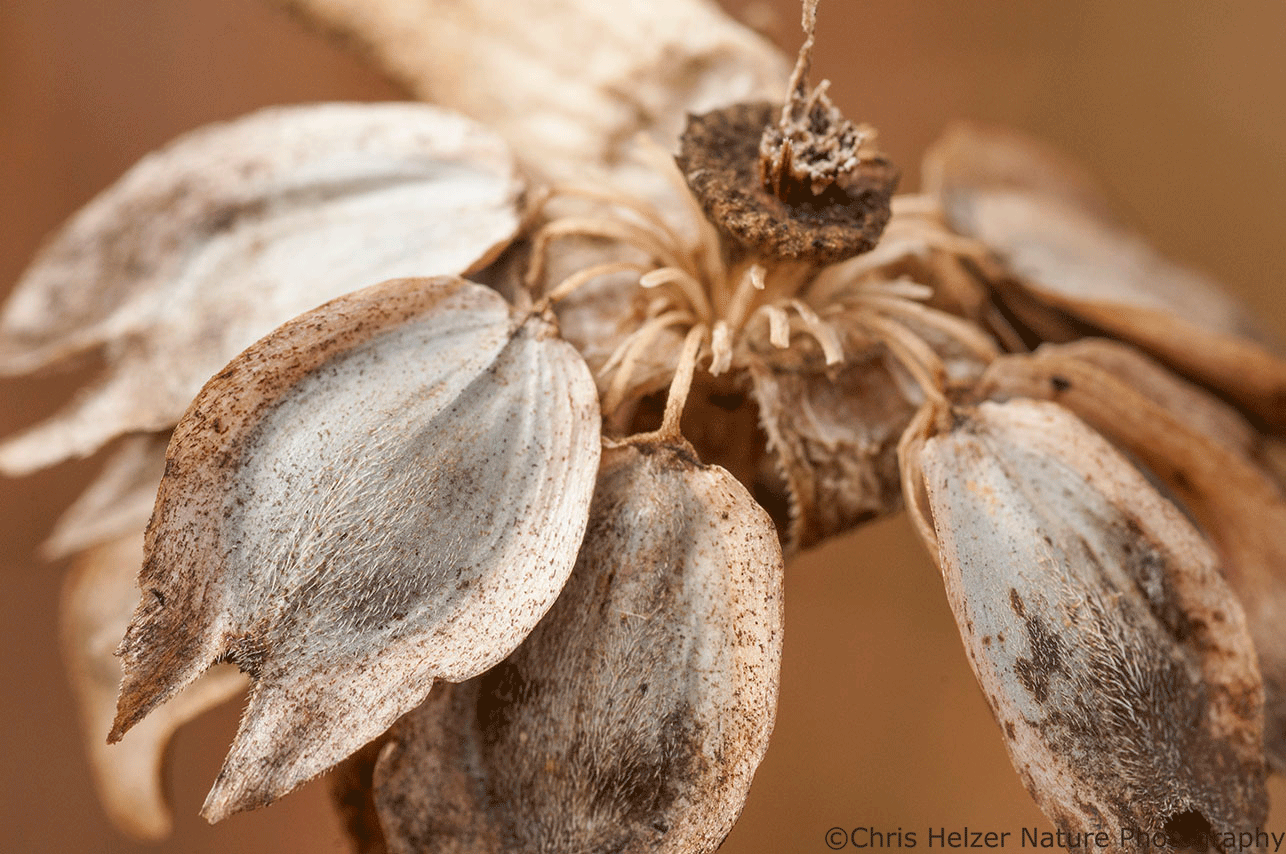
Pasque flower (Pulsatilla patens)

If, by some minor miracle, a seed survives its short or long journey intact, it may still be a long way from ultimate success. For most plants, germination only happens if a seed is in good contact with soil. Think for a moment about the world a seed is launched into and how many obstacles there are between that seed and the soil!

When you walk through most prairies, if you look straight down, you’re not seeing a lot of bare soil. Instead, there are a lot of living and dead plant parts (leave, stems, etc.) between your feet and the ground. A recently-burned prairie, of course, has lots of bare ground. That’s a great opportunity, but only for any seeds who weren’t consumed by the fire itself.

Most seeds land on something besides soil. Often, that’s the end of their journey and they sit there until they die (e.g., the embryo runs out of stored food) or they’re found and consumed by another organism. If they’re lucky, they might get dislodged from their original landing spot by wind or rain, for example, and slip downward toward the soil.

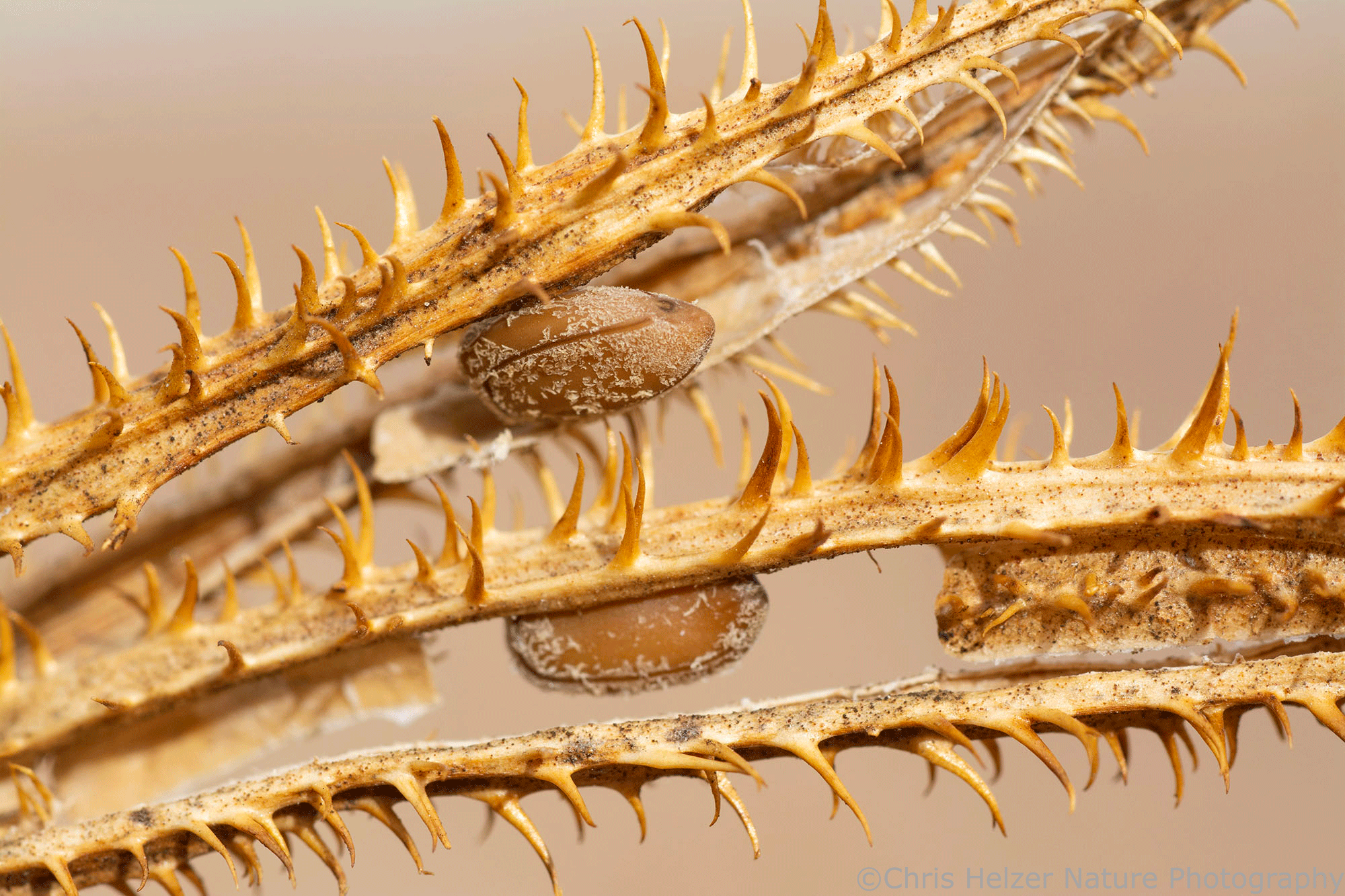
Entire-leaf rosinweed seeds (Silphium integrifolium)

Let’s say a seed has led a lucky life and manages to reach soil. It might even get pushed into that soil slightly by rain or a passing animal’s foot. Hooray! Now it can grow and reward its parent’s huge investment.

Well, maybe.

Most seeds need water to germinate. During drought periods, a seed might sit in the dusty earth for weeks, months, or years, waiting for sufficient moisture to help break its seed coat open. As it sits there, it’s vulnerable to any passing animal, fungal hyphae, or tiny microorganism looking for a meal. Plus, as we discussed earlier, the embryo might simply run out of food.

Dotted gayfeather (Liatris punctata)

Even if rain or snow provides sufficient moisture for germination, some prairie seeds also need a certain amount of sunlight to trigger germination. (This is why it’s important not to plant prairie seeds like you plant pumpkin or green bean seeds. Just scattering them on top of the ground is often best.) If a seed that requires light lands on bare soil that happens to be in the shade of other plants, it might still be stuck in limbo.

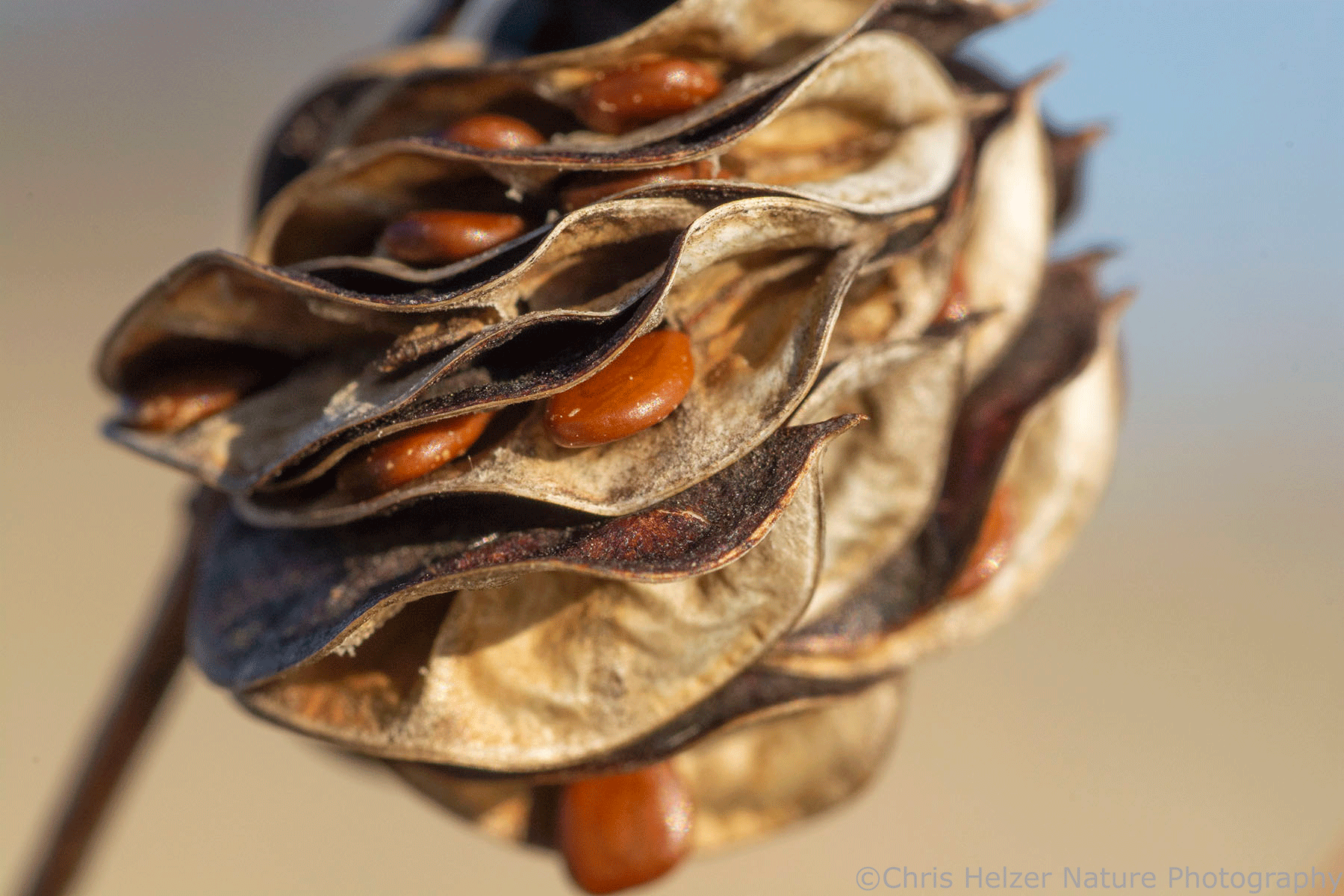
Illinois bundleflower seeds have such a strong seed coat they can survive a trip through the digestive system of an animal. That’s great for the seed, but doesn’t provide any reward for the poor hungry animal!

As a result of all the challenges they face, only a tiny percentage of seeds released into the world by their parents actually end up germinating. Those that do have a chance to perpetuate the family line. However, simply reaching the germination stage isn’t the end of the race.

A tiny seedling still has to compete with any nearby plants for food, water, and sunlight. Only a small minority of prairie plant seedlings make it to maturity and create their own flowers and seeds. They either wither and die in the face of more competitive neighbors or get eaten by herbivores looking for fresh new growth to nibble on.

Tall thistle (Cirsium altissimum)
Sensitive briar (Mimosa quadrivalvus)
Ironweed (Vernonia baldwinii)

Despite the odds, of course, some seeds do manage to germinate and then become parents themselves. We’ve got abundant evidence of those successes all around us. It’s easy, though, to take those winners for granted. Spare a thought for all those who didn’t make it!I’m cheering on all the little germinating plants in the prairie right now. They’ve already survived a ton of obstacles, but they still have a lot to overcome.

I often wish seeds good luck when I see them, too (usually silently, especially if other people are around). While most seeds fail to become plants, each one of them plays a vital role in the prairie ecosystem. Animals and other organisms have to eat, after all, and seeds help keep lots of other community members alive.

Apart from everything else, seeds and the structures that help carry them into the world are simply beautiful. I’m incredibly appreciative of the diversity and aesthetic elegance of prairie seeds and I’ve spent a lot of joyful hours photographing them. I just try not to dwell too much on their individual survival chances…