I don’t know about you but fall weather makes me want to test my natural history knowledge. If you’re feeling the same way, there are probably good ways to do that somewhere on the internet. Or maybe even in real life. All I can offer is this dumb quiz. Sorry about that.
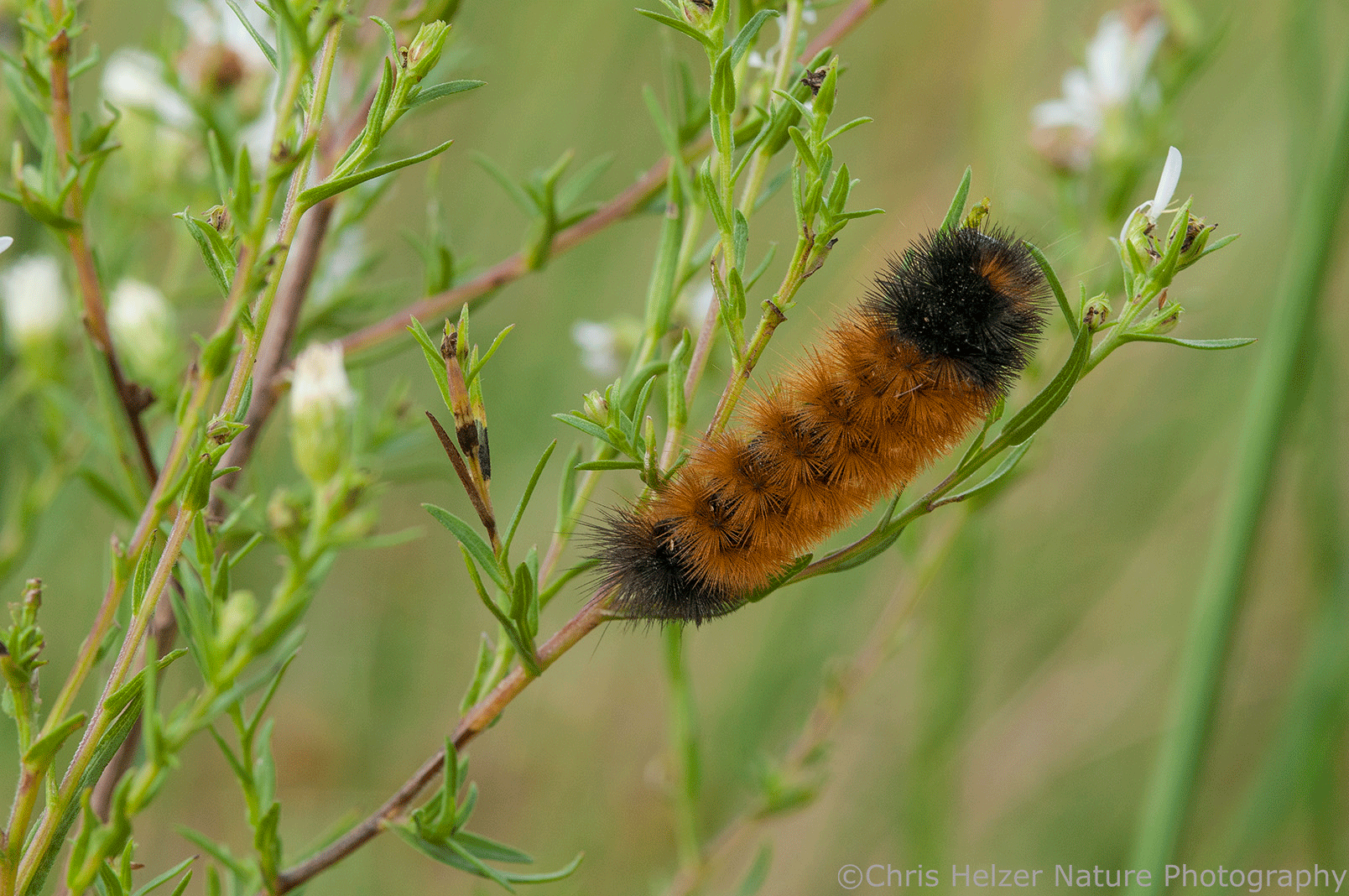
What can we reasonably infer from the color pattern on this caterpillar?
A. This winter will start out cold and snowy. Then it will be warm and pleasant for most of the winter, but there will be a big cold snap at the end, followed by a very brief period of nice weather before spring starts. Near the end of the calendar year, many people will take time off work and visit family and friends. The stock market will go down for a while and then back up*. You will meet a mysterious stranger.
B. It is a woolly bear caterpillar, also known as the larval stage of the Isabella tiger moth (Pyrrharctia Isabella).
C. *Past performance is not indicative of future results.
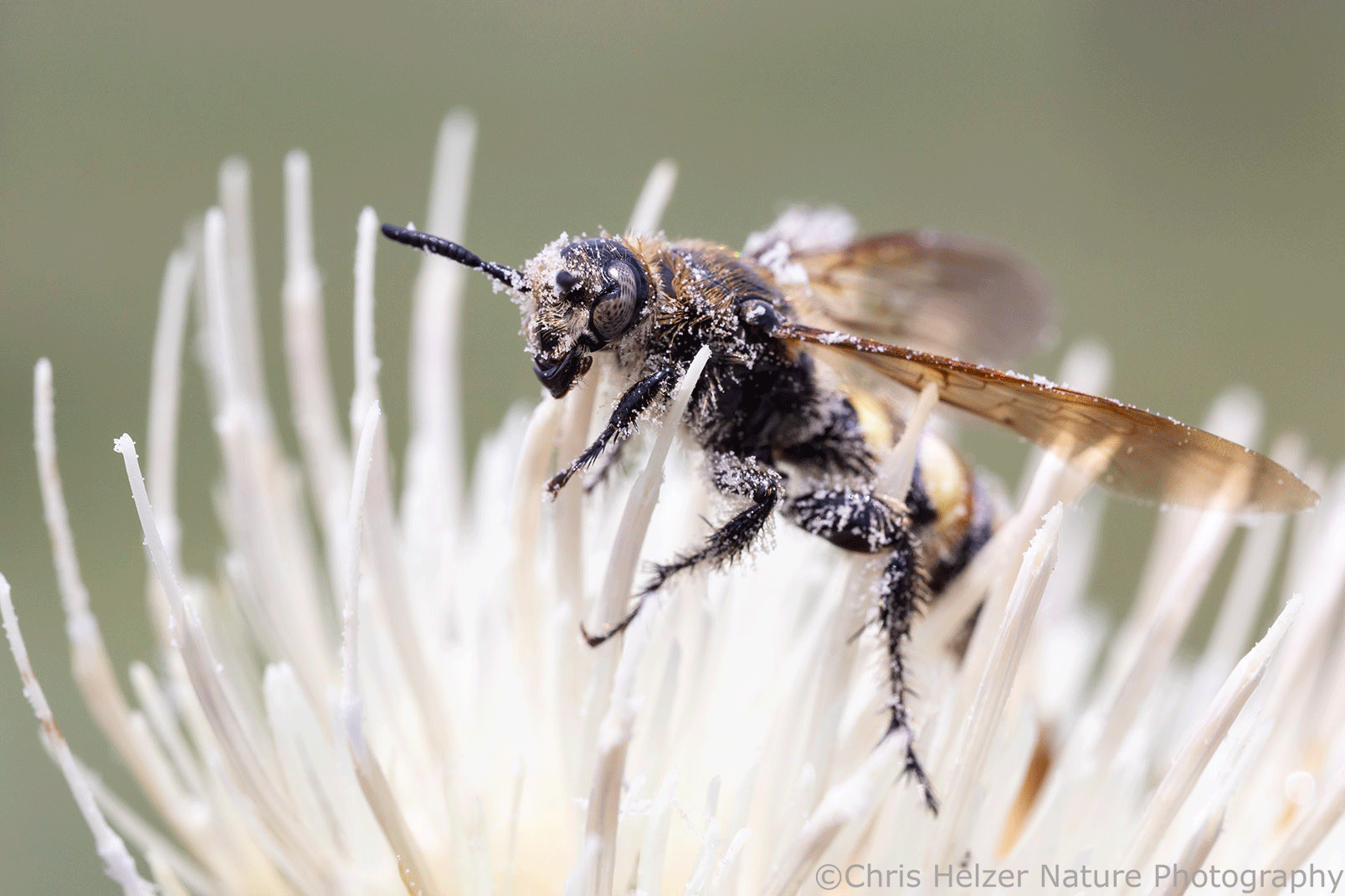
Which have been around longer? Bees or wasps?
A. Wasps. Bees evolved from wasps.
B. Bees are kind of wasps that stopped feeding their kids animal products and gave them a vegetarian diet of pollen and nectar instead (via natural selection-driven evolution).
C. Wasps on flowers are just looking for nectar and aren’t trying to attack you.
D. All of the above.
E. A&B. C is tangential to the question.
F. Yes, but true and important for people to know.
G. (The insect in the photo is a Scoliid wasp.)
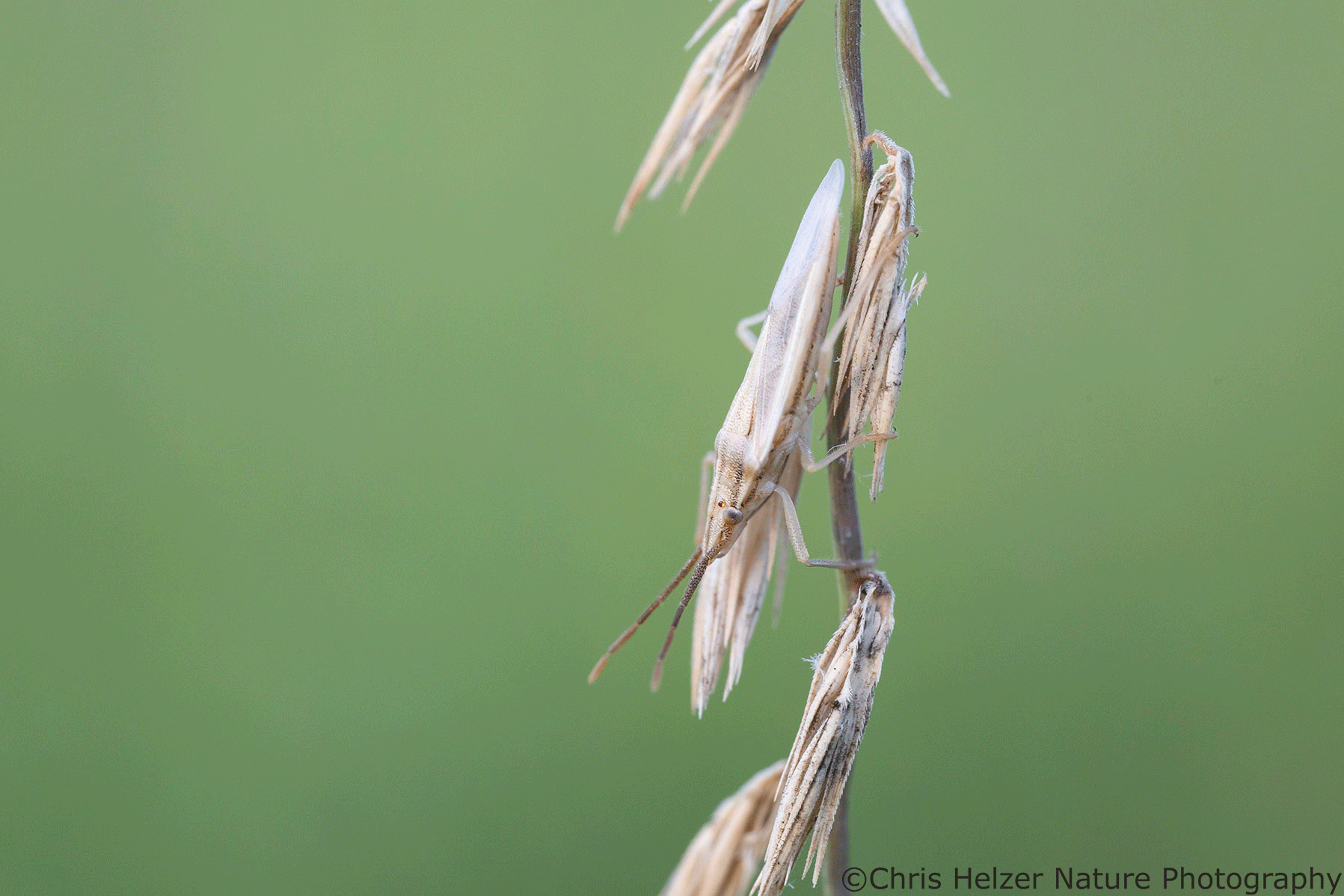
How great is the camouflage of this narrow stink bug hiding on sideoats grama?
A. Whoa, that’s awesome.
B. Incredible.
C. What bug are you talking about?
D. Are you sure sideoats is all one word?
E. Some people hyphenate it but most official botanical sources do not.
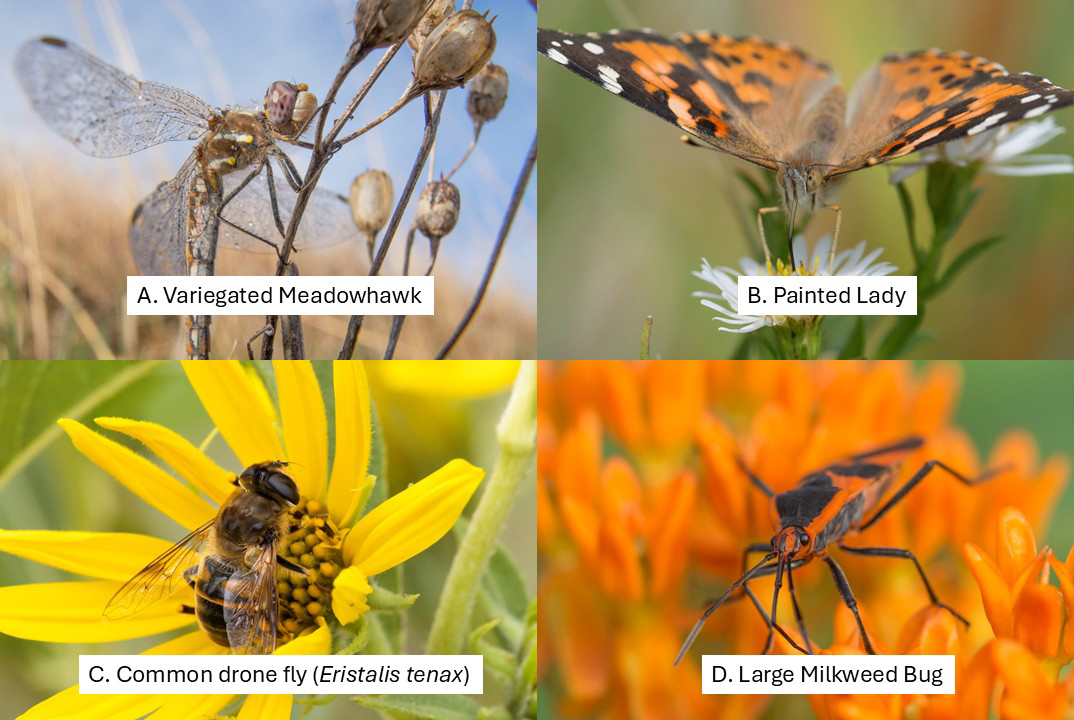
Which of these is a migratory species?
A. A
B. B
C. C
D. D
E. All of them.
F. Probably all of them, but the research being done on migratory flies in North America is embarrassingly behind that of our colleagues in Europe, where they’ve documented lots of migratory fly species, including the one shown here, which is also found in North America. Also, large migratory bugs are, indeed, migratory, which seems wild, huh?
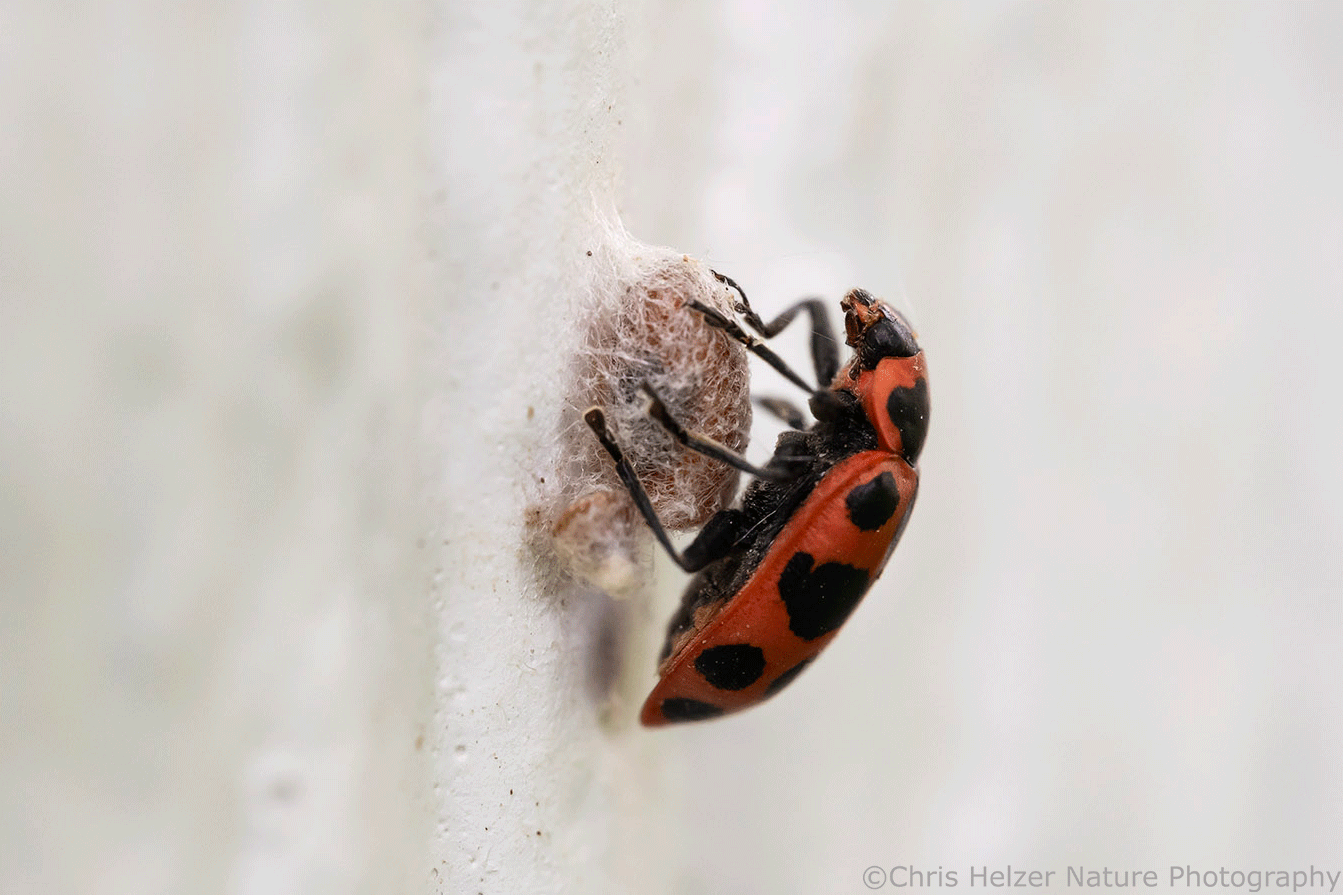
What is happening here?
A. This ladybug is pausing in a completely random location before moving on with its perfectly normal day.
B. I’m wasting my time taking a nonsense quiz instead of doing what I’m supposed to be doing right now.
C. This ladybug has probably been parasitized and paralyzed by a braconic wasp called (Dinocampus coccinellae). After the wasp larva ate much of the inside of the ladybug, it paralyzed the bug and then tunneled out and built a cocoon attached to the paralyzed but still living ladybug, which will continue twitching just enough to hopefully (from the wasp’s standpoint) protect the cocoon and developing adult wasp from any creature who might otherwise want to eat it while it is in an otherwise vulnerable state.
D. Sometimes a ladybug parasitized/paralyzed like this will eventually recover enough to continue living afterward – if you count walking around without a lot of your inside parts (including gonads) as living. And who are we to judge that?
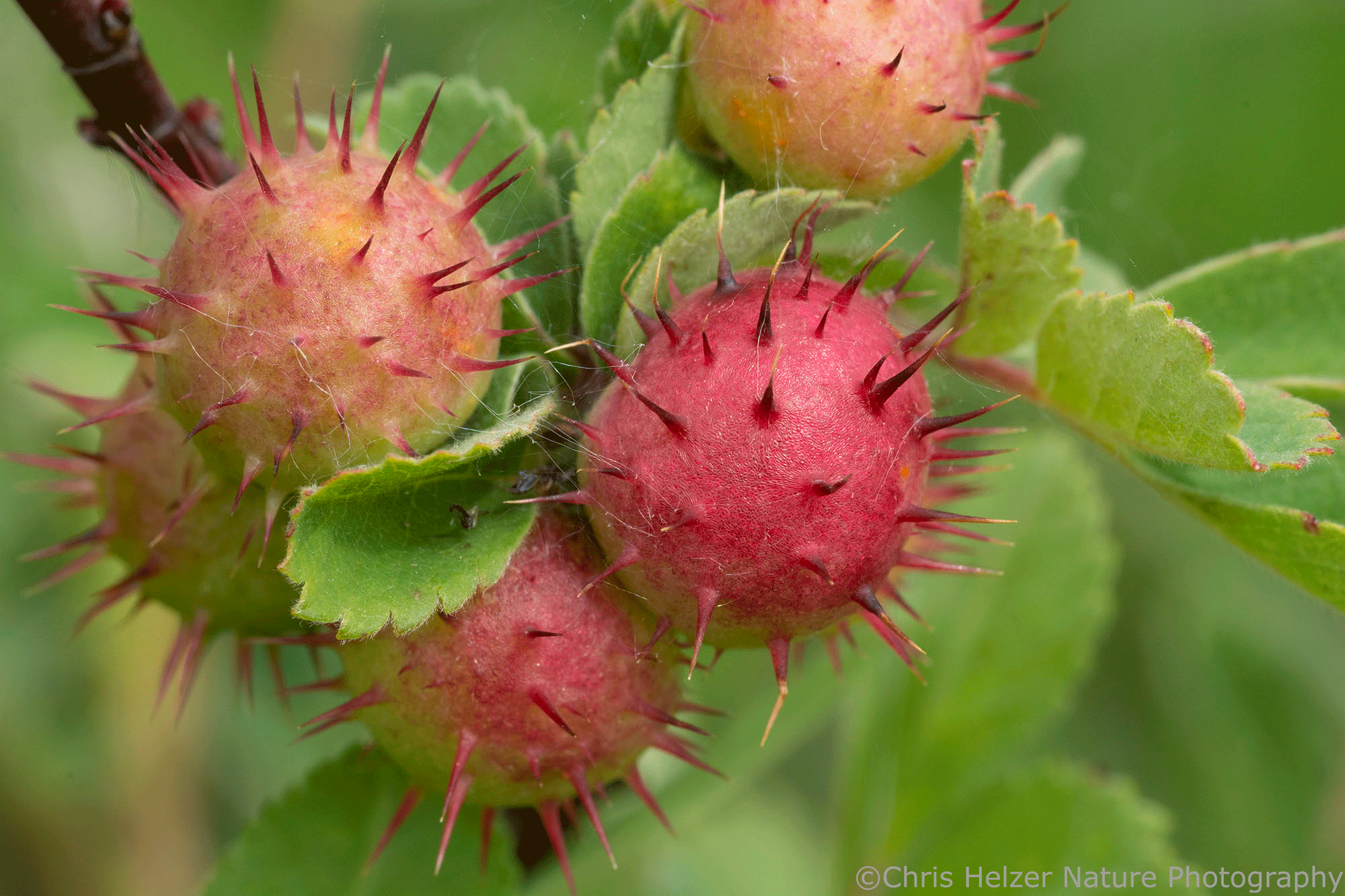
What are the red spherical objects in this photo?
A. Pain fruits.
B. Spike currants.
C. Thorn plums.
D, Galls created by the spiny rose gall wasp, inside which tiny wasp larvae are growing.
E. This is a very wasp-heavy quiz, huh?
F. Yes. Wasps are amazing.
G. Prickleberries
H. You’ve used this same topic in at least one previous quiz.
I. It’s ok. Nobody will notice.
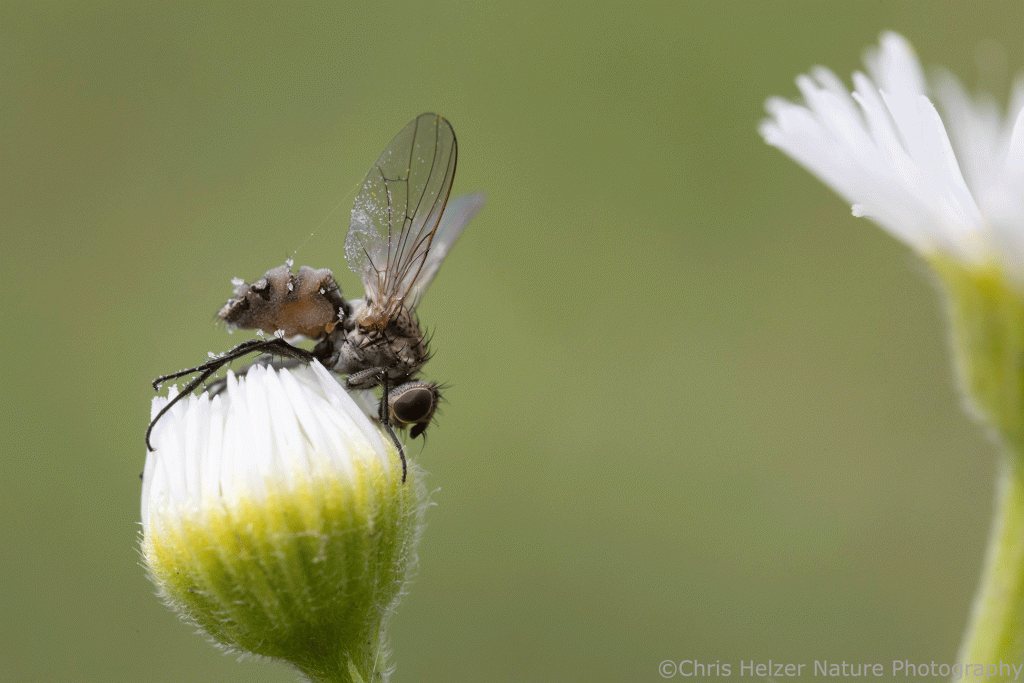
What killed this poor fly?
A. Almost surely a wasp, given how this quiz is going.
B. Old age compounded by steadily increasing feelings of cynicism and apathy.
C. The fly was infected by the spore of a fungus that then grew into and through its body until it took over its brain, directed it to climb up high on a plant, and then killed it so when fungal spores were produced, they could spread through the air. The fly was also directed to spread its wings before death to trick other flies into trying to mate with it, only to infect them with fungal spores and certain death.
D. Egads!
What can be reasonably inferred about someone uses the word “egads”?
A. They are older than dirt.
B. It’s time for their medicine.
C. Their pantaloons might be cinched a little too tightly.
D. They probably think “prickleberries” is funny.
E. All of the above.

Why do they call evening primroses evening primroses?
A. Because they open their flowers late in the day. Often in the evening.
B. Oh, that makes sense.