
Over the weekend, my wife Kim ran 100 miles. On purpose.
The Cowboy 200/100 race has become an annual event for people who think marathons are more fun when you string a bunch of them together end-to-end. There were lots of those people on the Cowboy Trail (an old railroad right-of-way) this weekend. Some of them were running 100 miles like Kim, but even more of them were running 200 miles. In case you were wondering, 200 miles is 322 kilometers. That’s equivalent to thirty two 10K runs in a row, plus a couple extra K just for fun.

Feel free to skip ahead if you’re just here for nature photos but I figured people might have questions about the apparent lunacy of these kinds of races. First of all, just finishing the race is a huge accomplishment. Obviously. There are cut-off times, so you can’t just walk the whole thing. Not that walking 100 or 200 miles wouldn’t also be a big deal, but they make you finish sooner than would be possible if you just walked.
Unsurprisingly, a grueling race like this means a lot of people aren’t able to finish it. Of the 70 people who started the 200-mile race, only 40 crossed the finish line. Sixty-two people started the 100-mile race and only 33 finished. The winner of this year’s 200-mile race finished in about 46 hours, but most people ran it in about 60-80 hours. If you’re struggling with the mental math, 80 hours is three days and 8 hours.
The winner of the 100-mile race finished in an amazing 16 hours and 30 minutes, but most people came in at between 24 and 30 hours. My impression is that most of the 200-mile runners took cat naps here and there, but I think most of the 100-milers did it without sleeping on the way.
Anyway, that was a quick primer to the ultramarathon world for those of you who haven’t run further than 26.2 miles and wondered if there were any opportunities to do so. There are! If you choose to become an ultramarathon runner, you will be joining a very select group of people who, in my experience, are incredibly friendly, supportive, self-disciplined, pain-tolerant, and utterly mad. It’s a fun group to hang around with, assuming you enjoy listening to conversations about electrolytes, caloric intake, blisters, shoe brands, late-race hallucination stories and Courtney Dauwalter.
While all those lovely people were on the trail, I just hung around and took pictures of bugs and such. I also met Kim at various aid stations along the route and handed her water, food, socks, or whatever she needed while she and other runners tried to convince each other they were having fun.
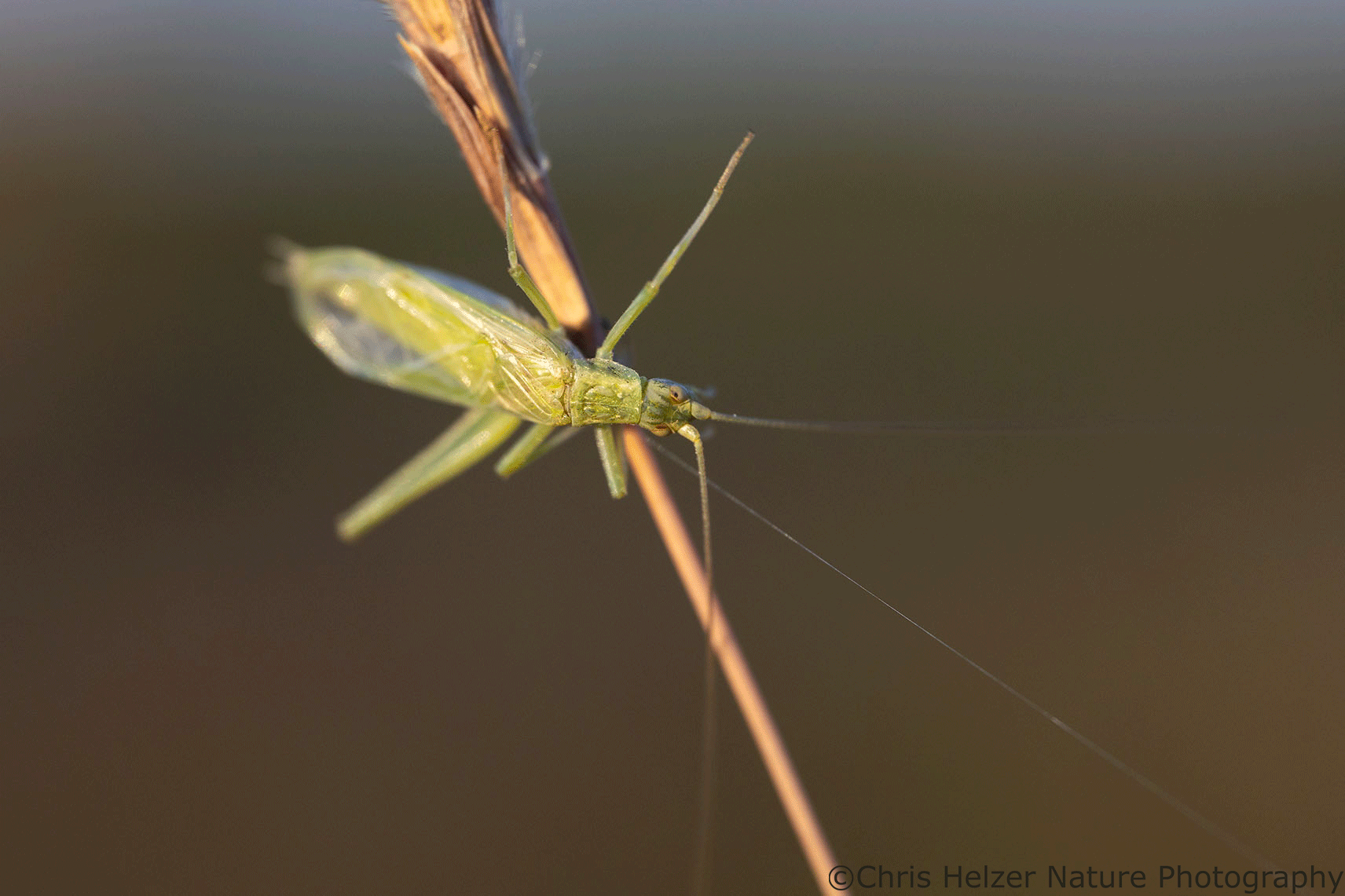
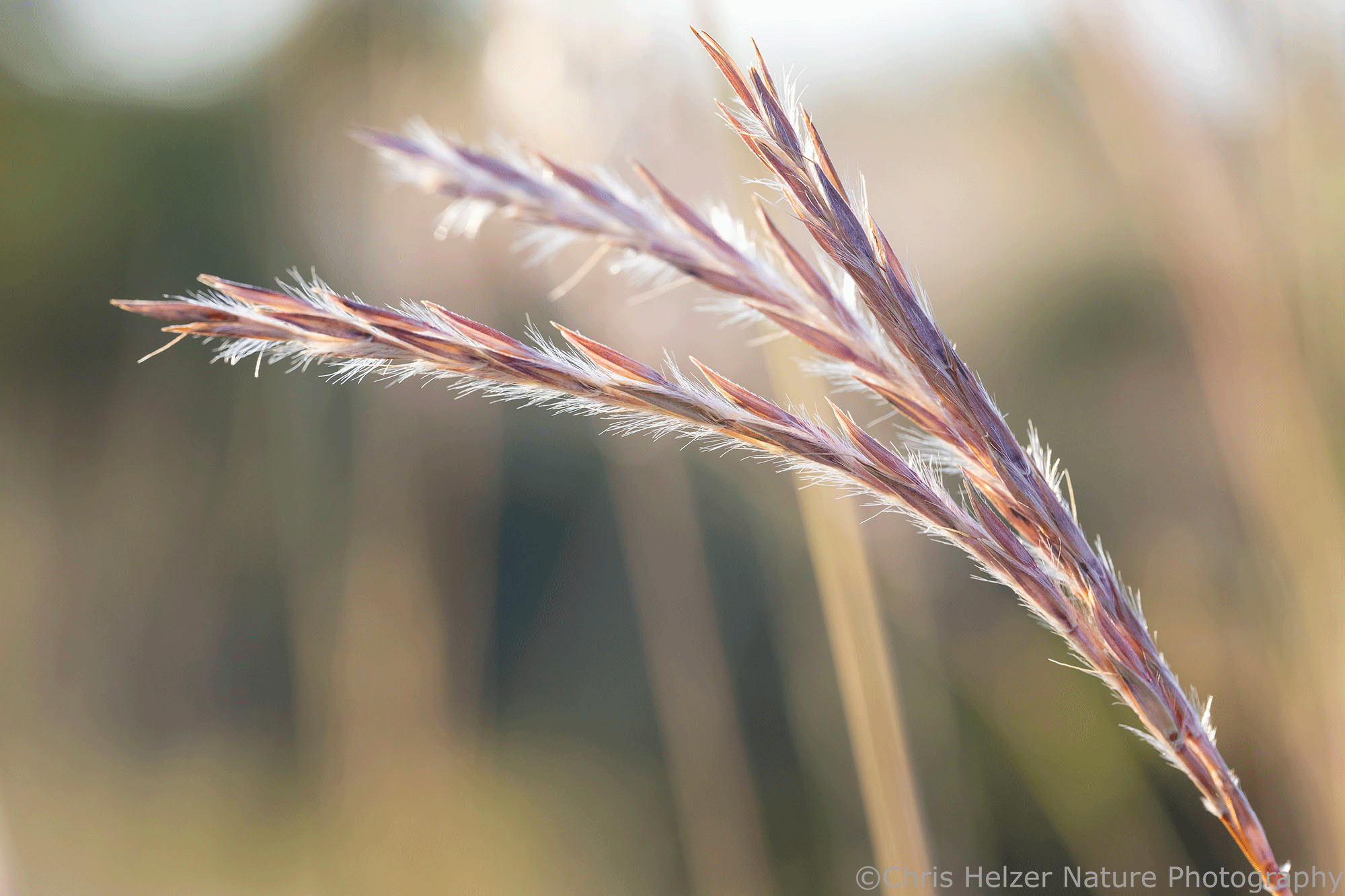
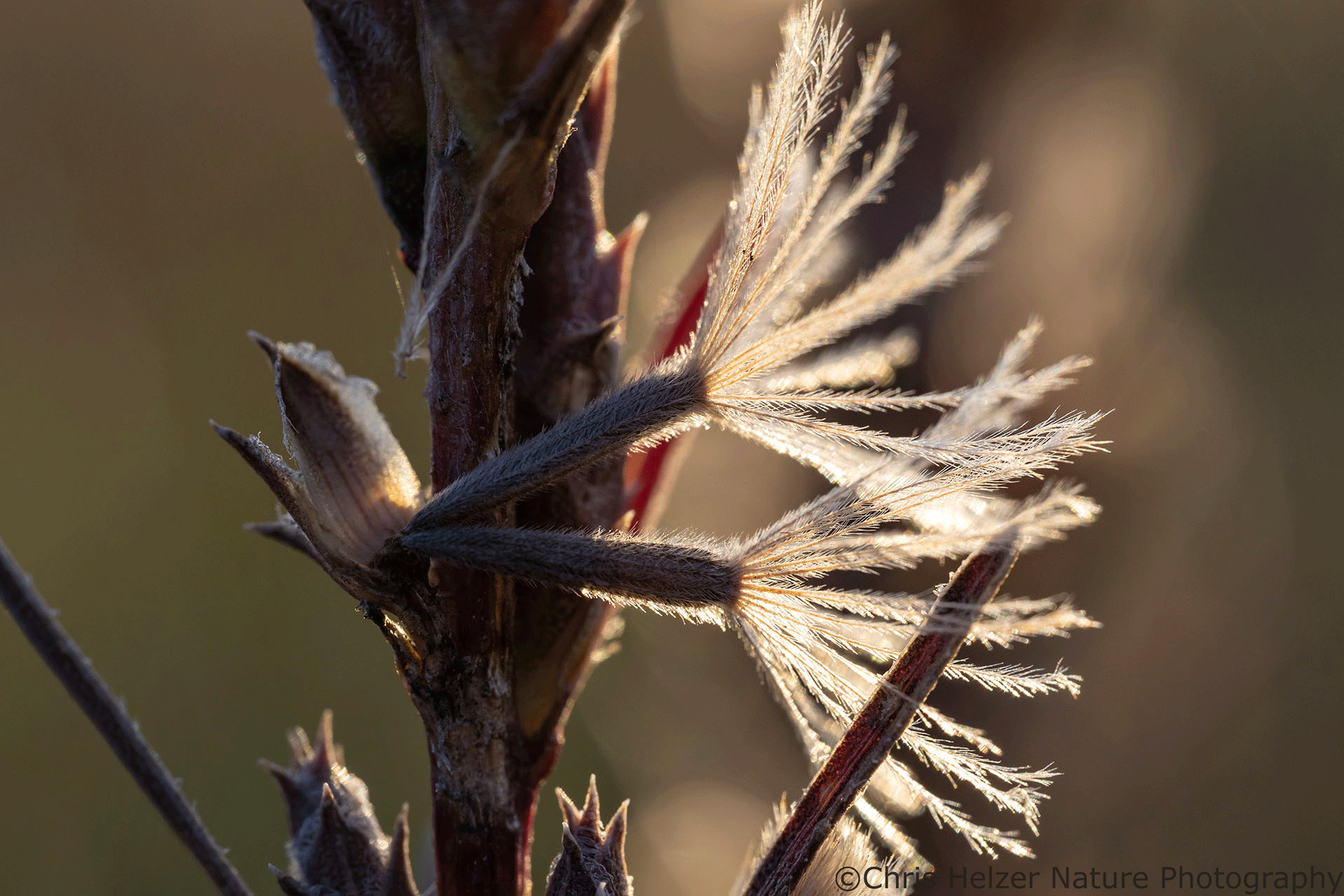
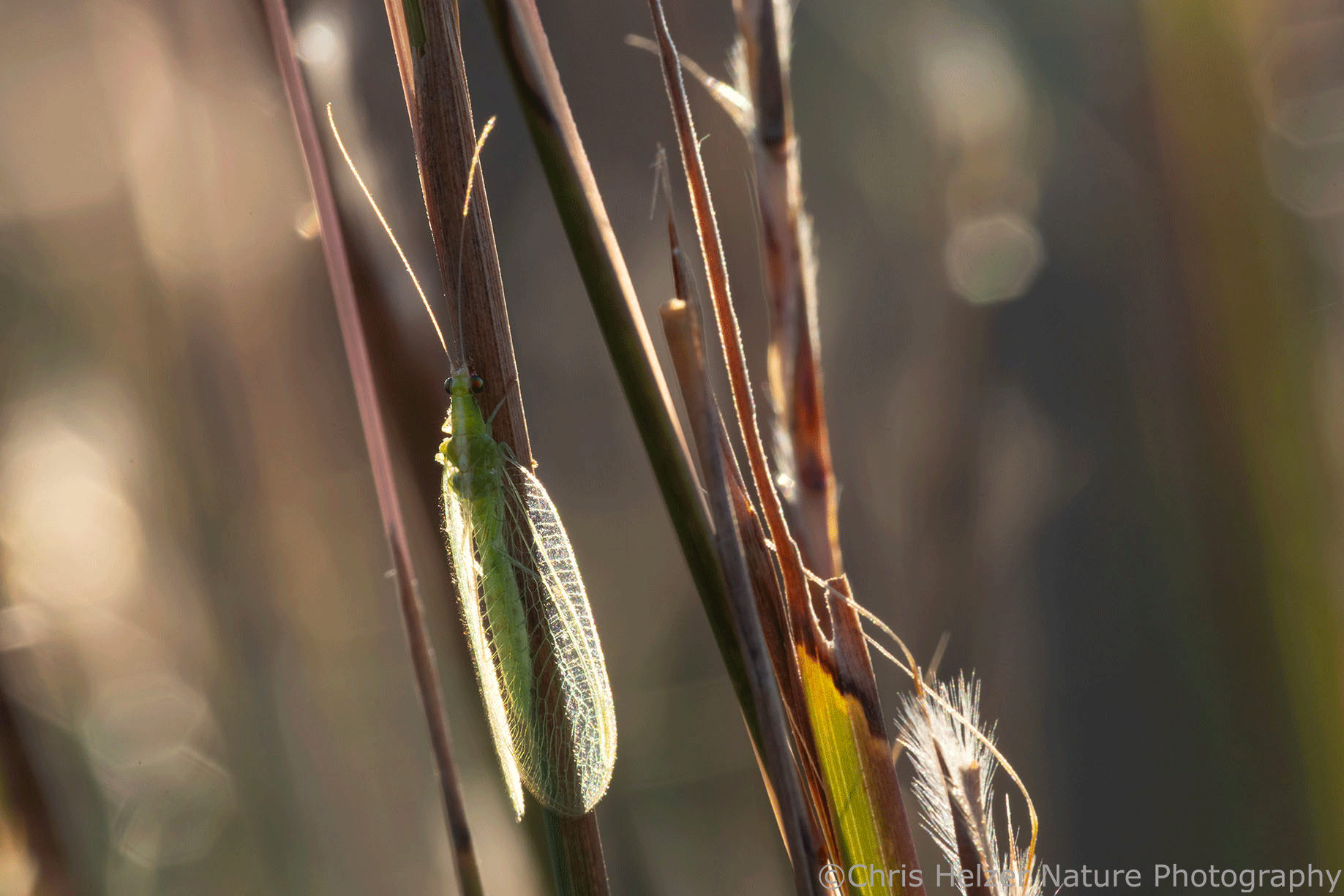
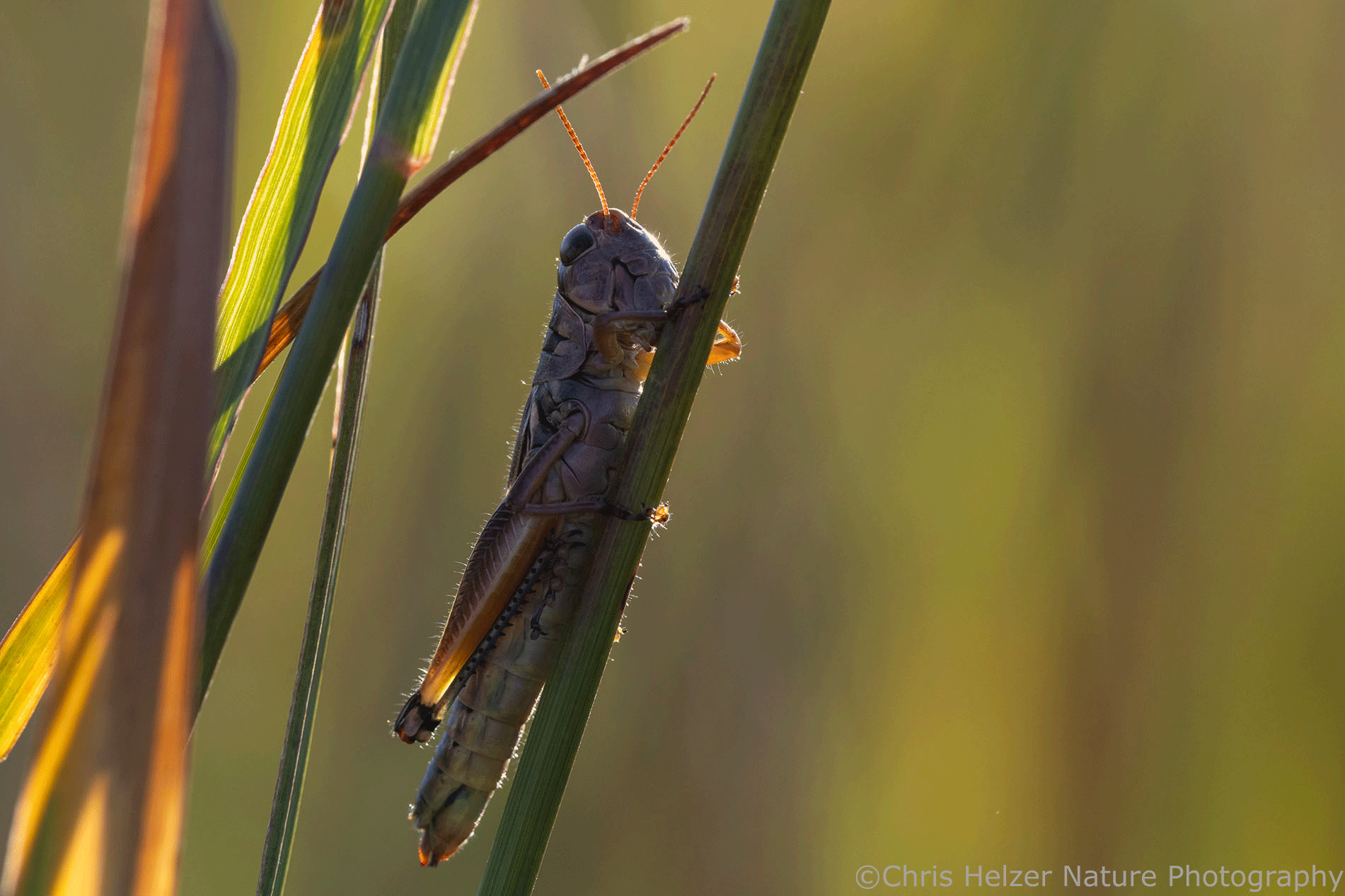
Right after the 100-mile race started on Saturday morning, I drove out ahead of the runners and wandered the Cowboy trail at a much more leisurely pace and photographed insects, flowers, and seed heads I found along the way. It was a gorgeous morning. Here are some of those photos.




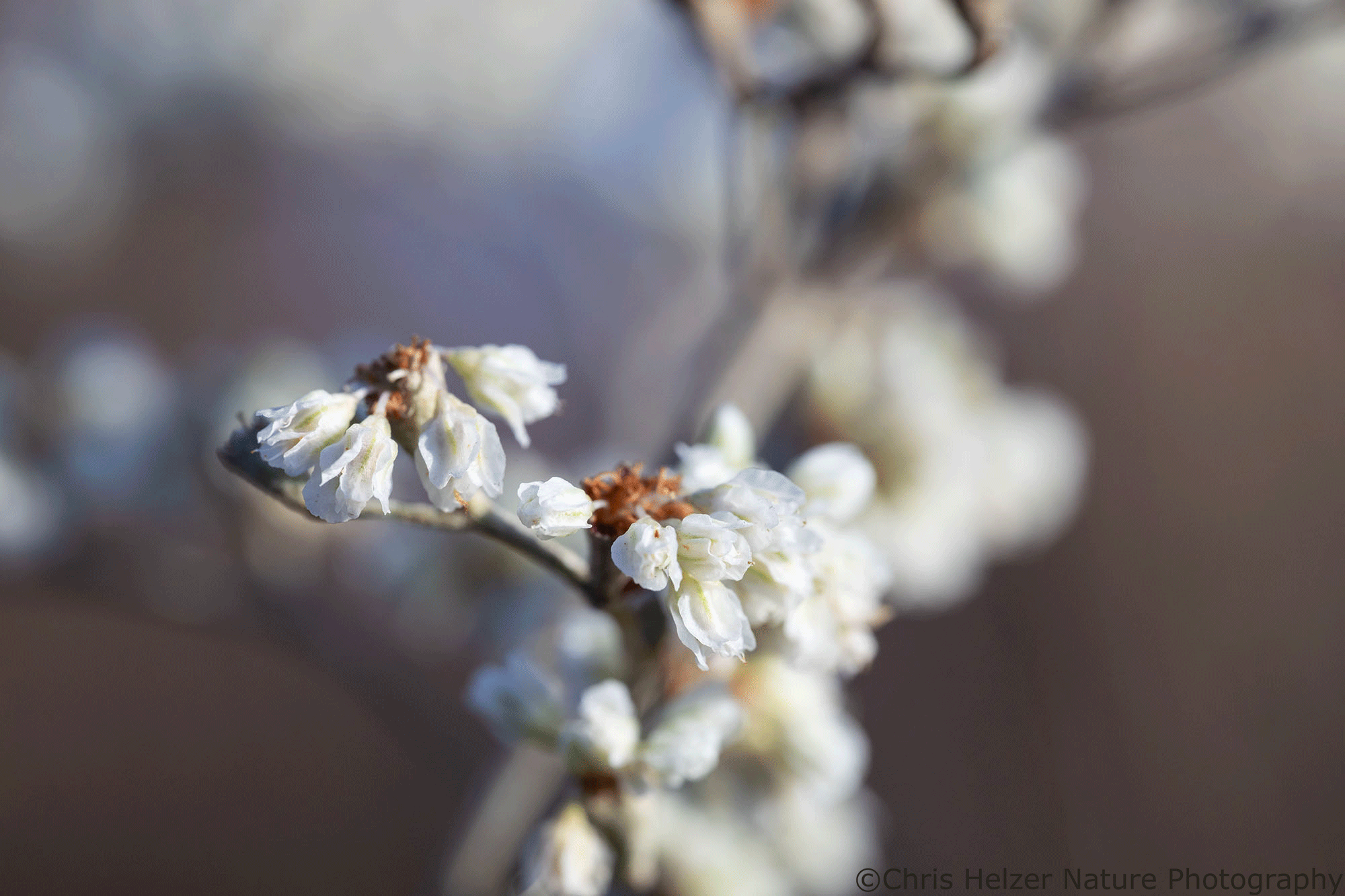
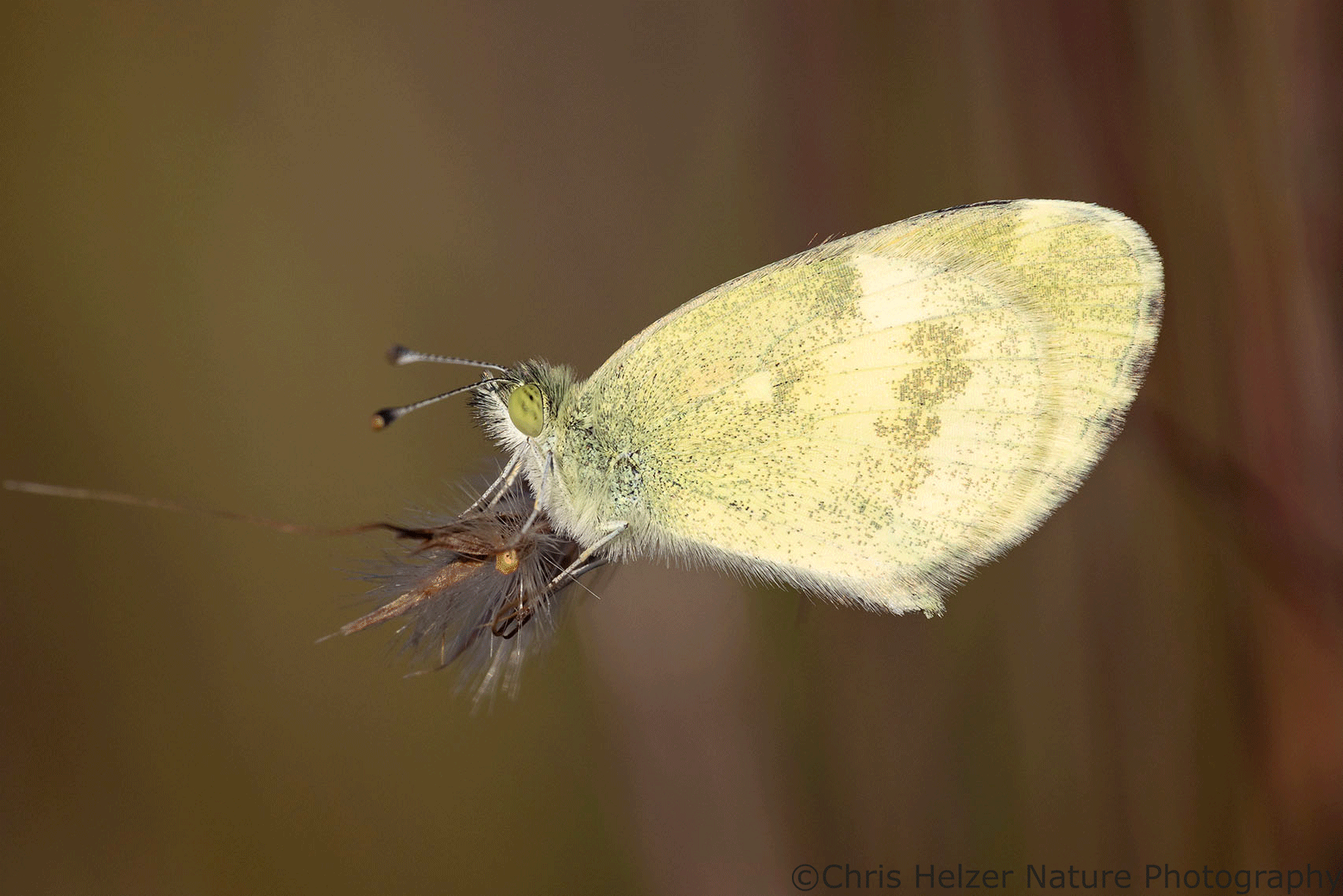
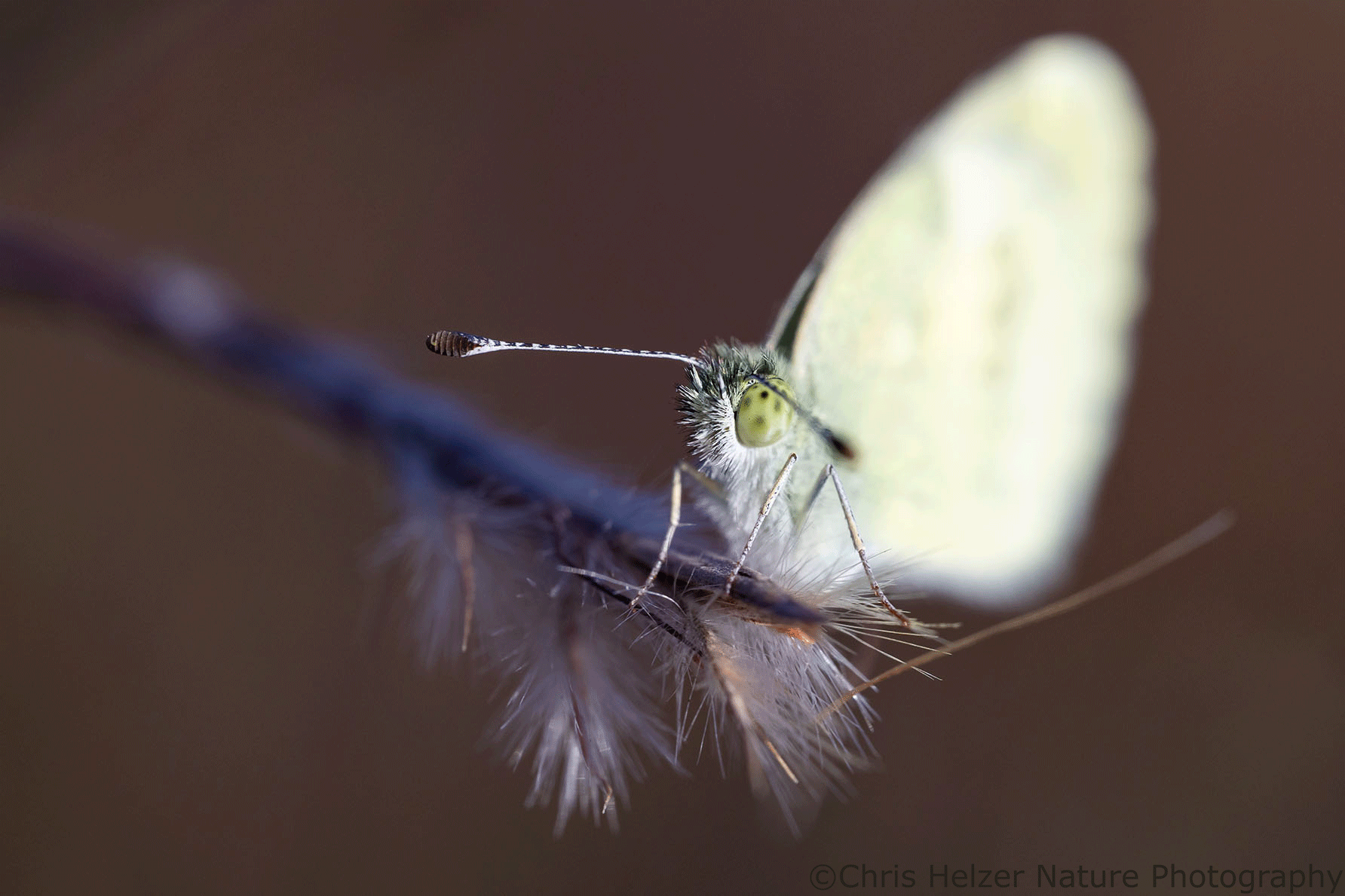
I didn’t get a chance for photography Saturday night, but I did get to watch the sunrise on Sunday morning. There’s a nice scenic overlook at Fort Niobrara National Wildlife Refuge, just outside of Valentine, Nebraska, where the race finished. I drove up there, not necessarily for the scenic overlook, but because I knew it was a place I could wander with my camera.
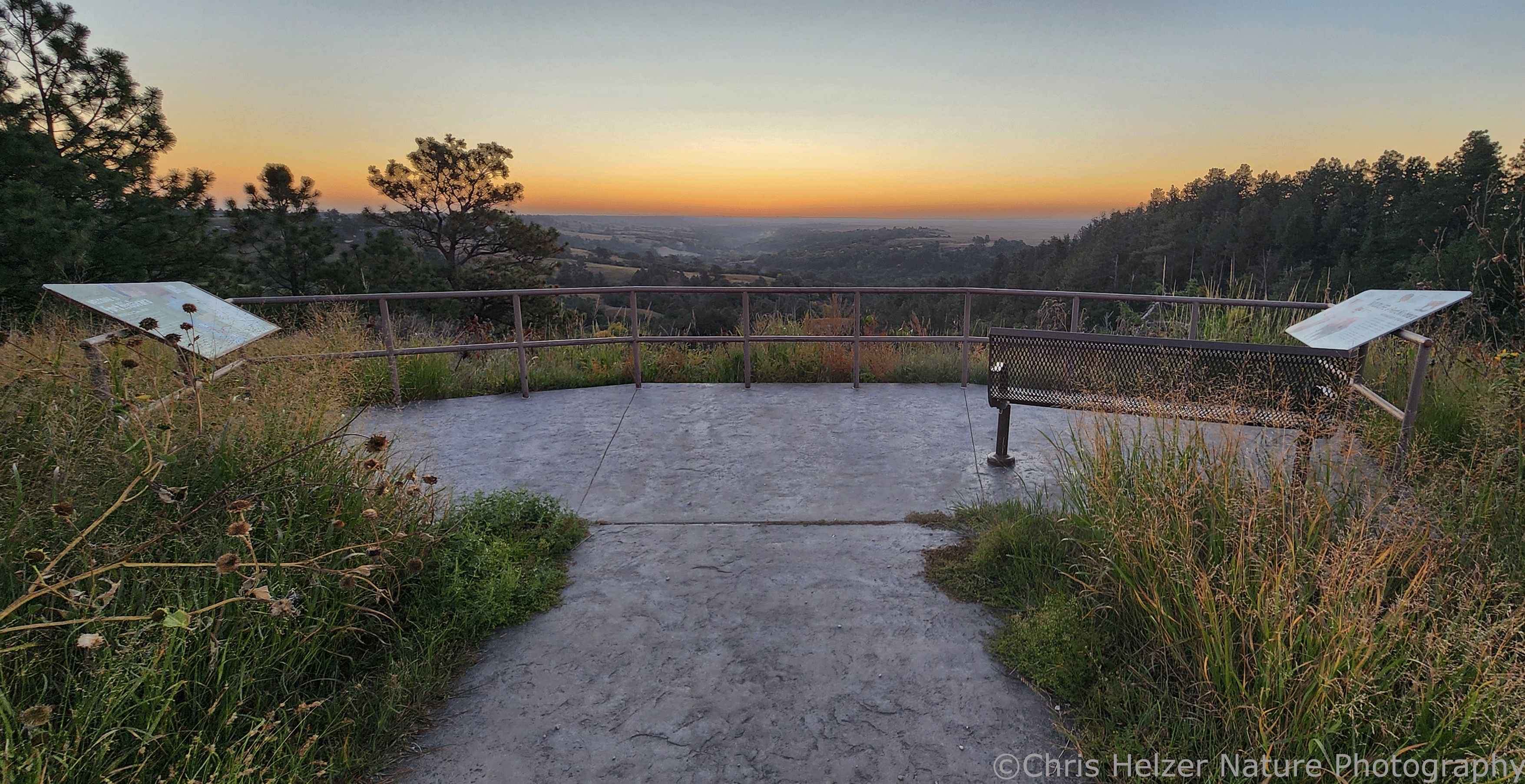
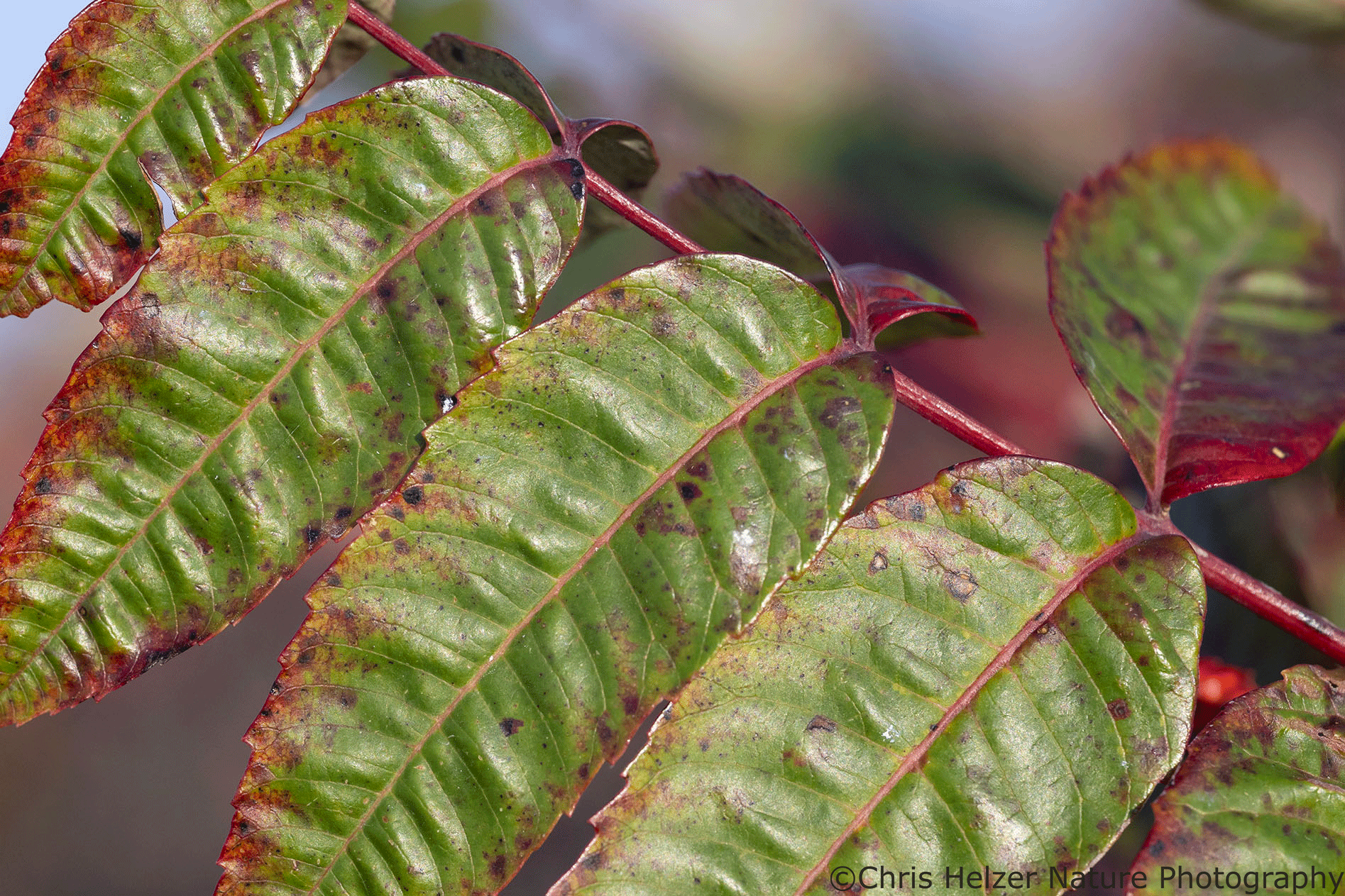
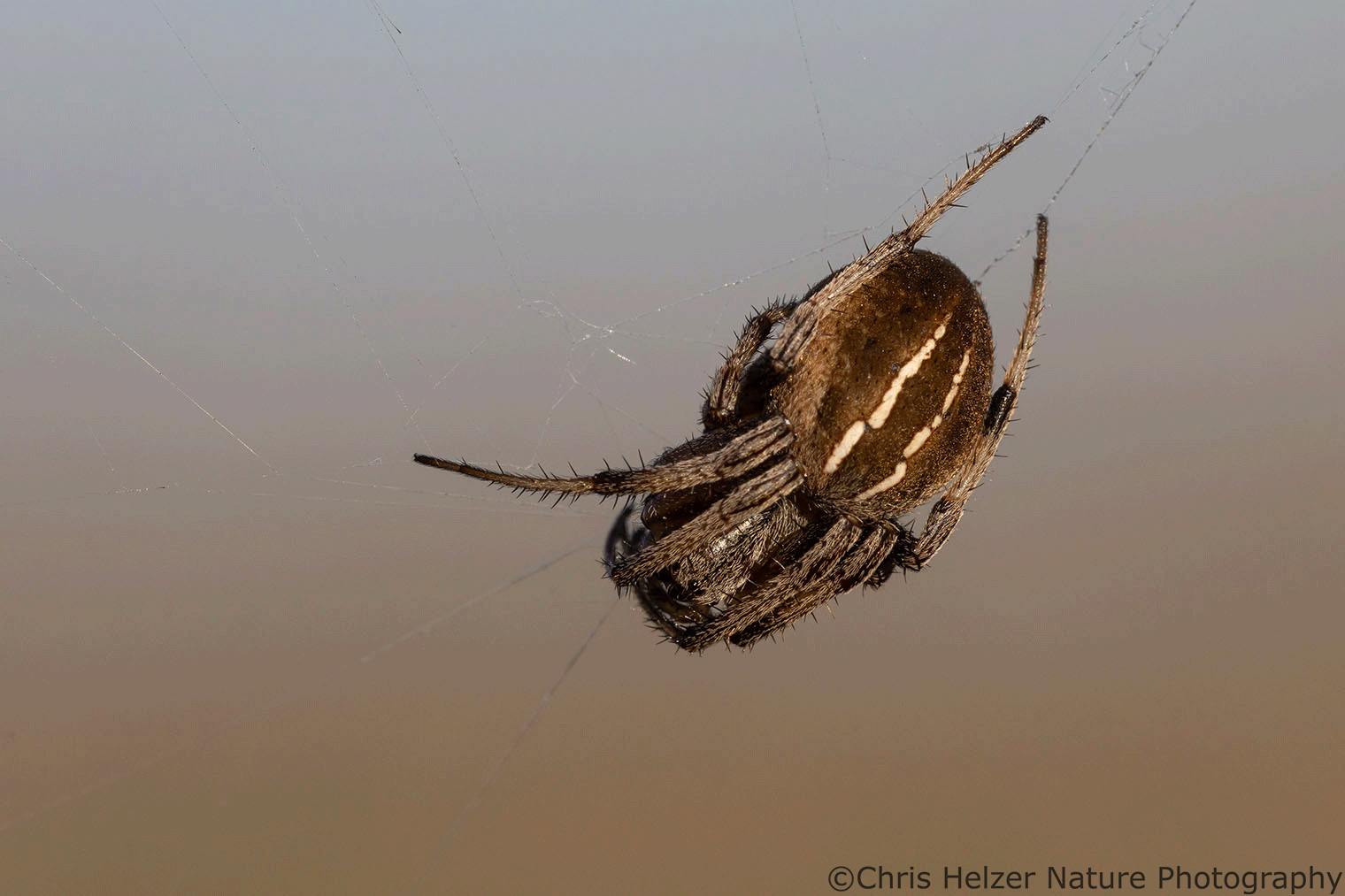
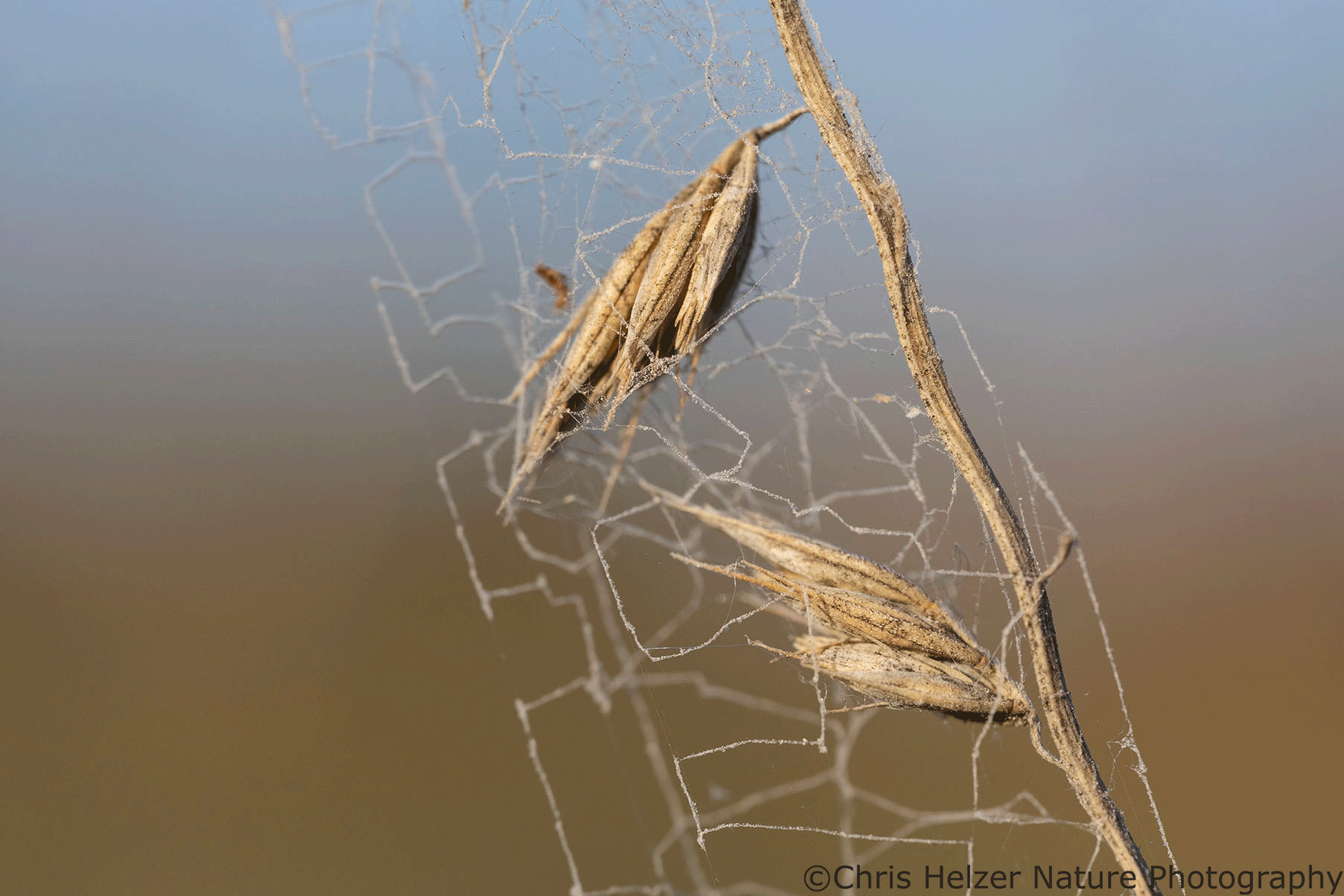
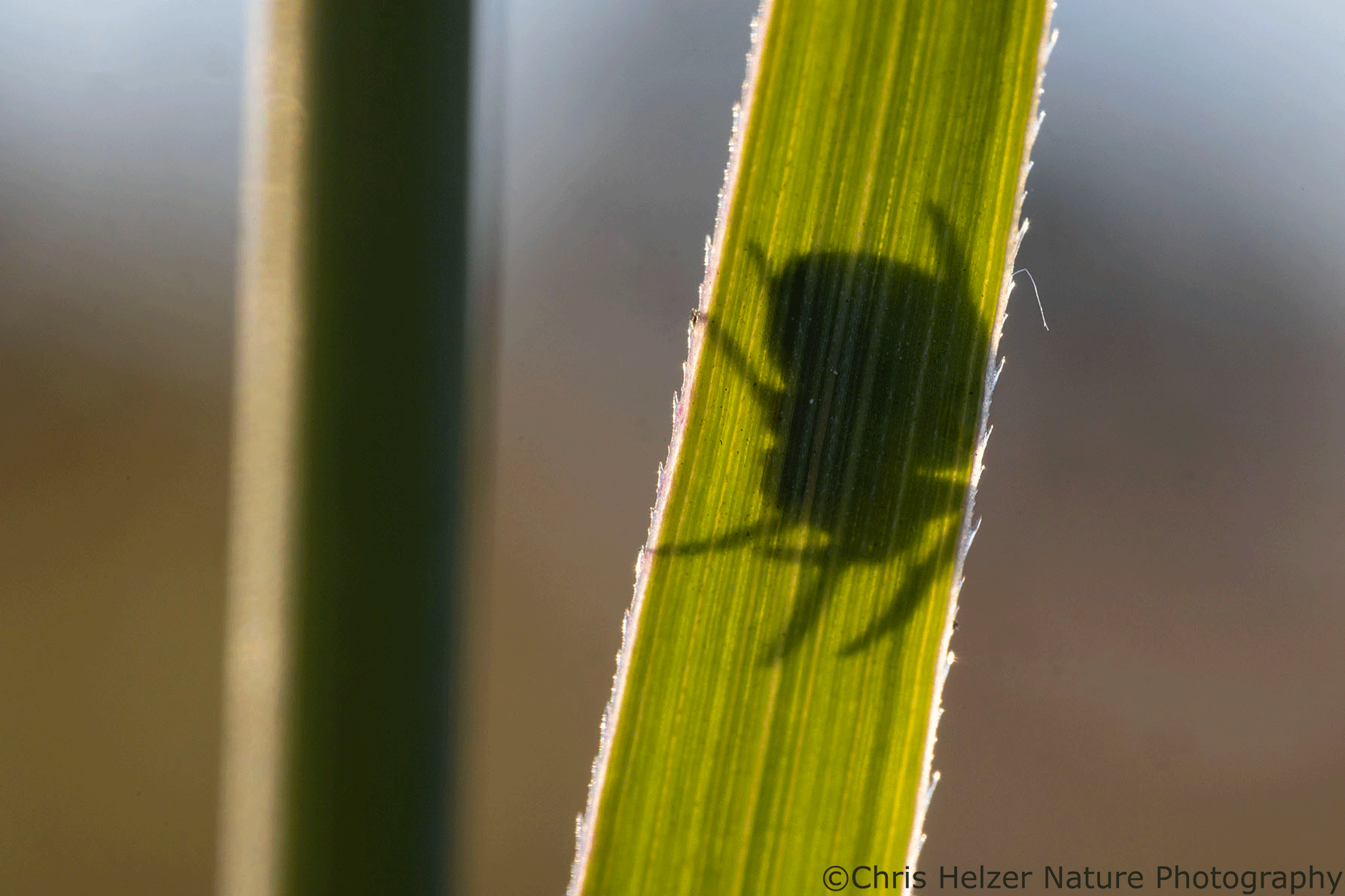
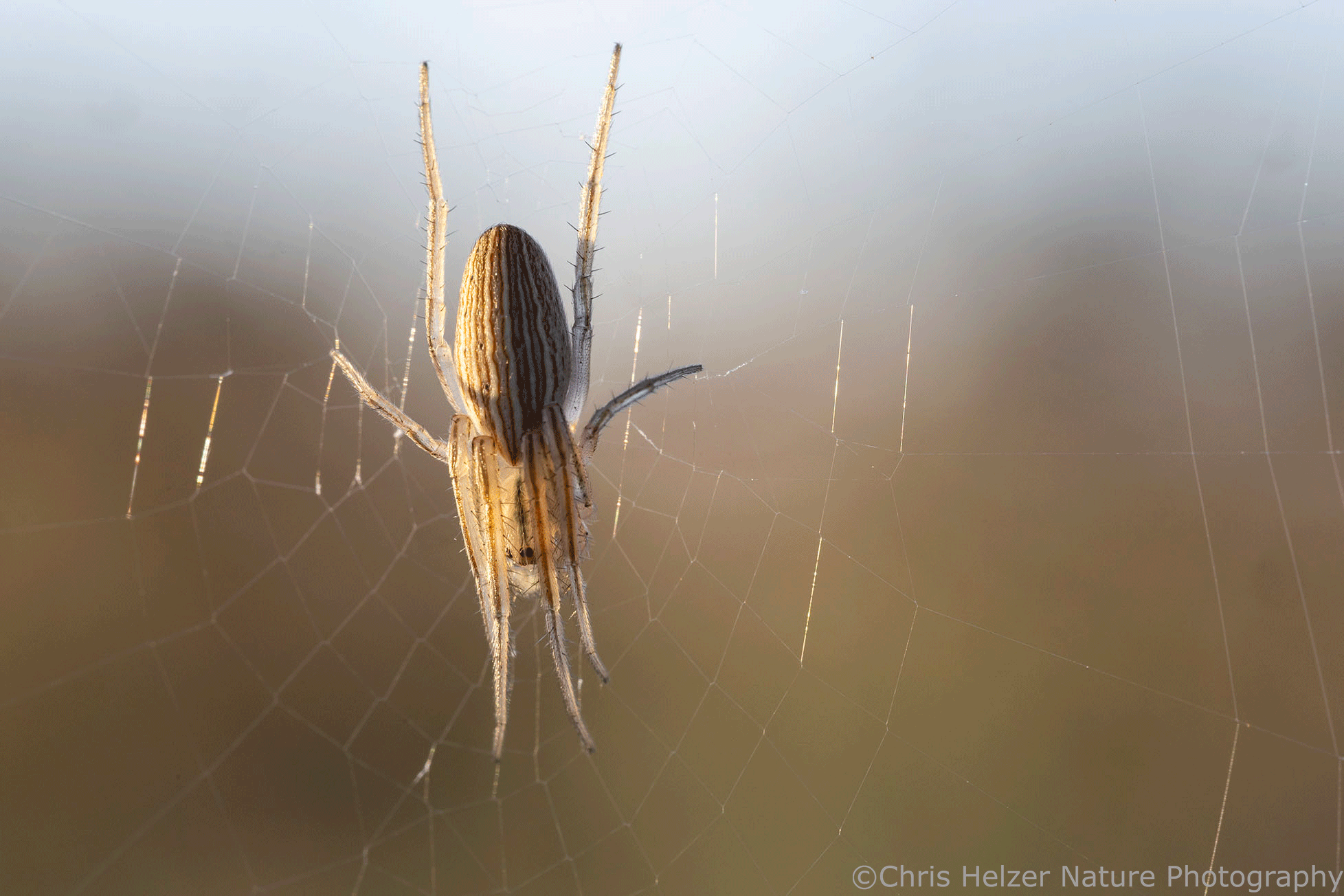
I was working with less than four hours of sleep (in the back of our car) but the crisp morning was invigorating and I had a great time exploring the small prairie area near the overlook. There were quite a few spider webs to enjoy, a few flowers still blooming, and some really nice fall color in the grasses, shrubs, and other plants.
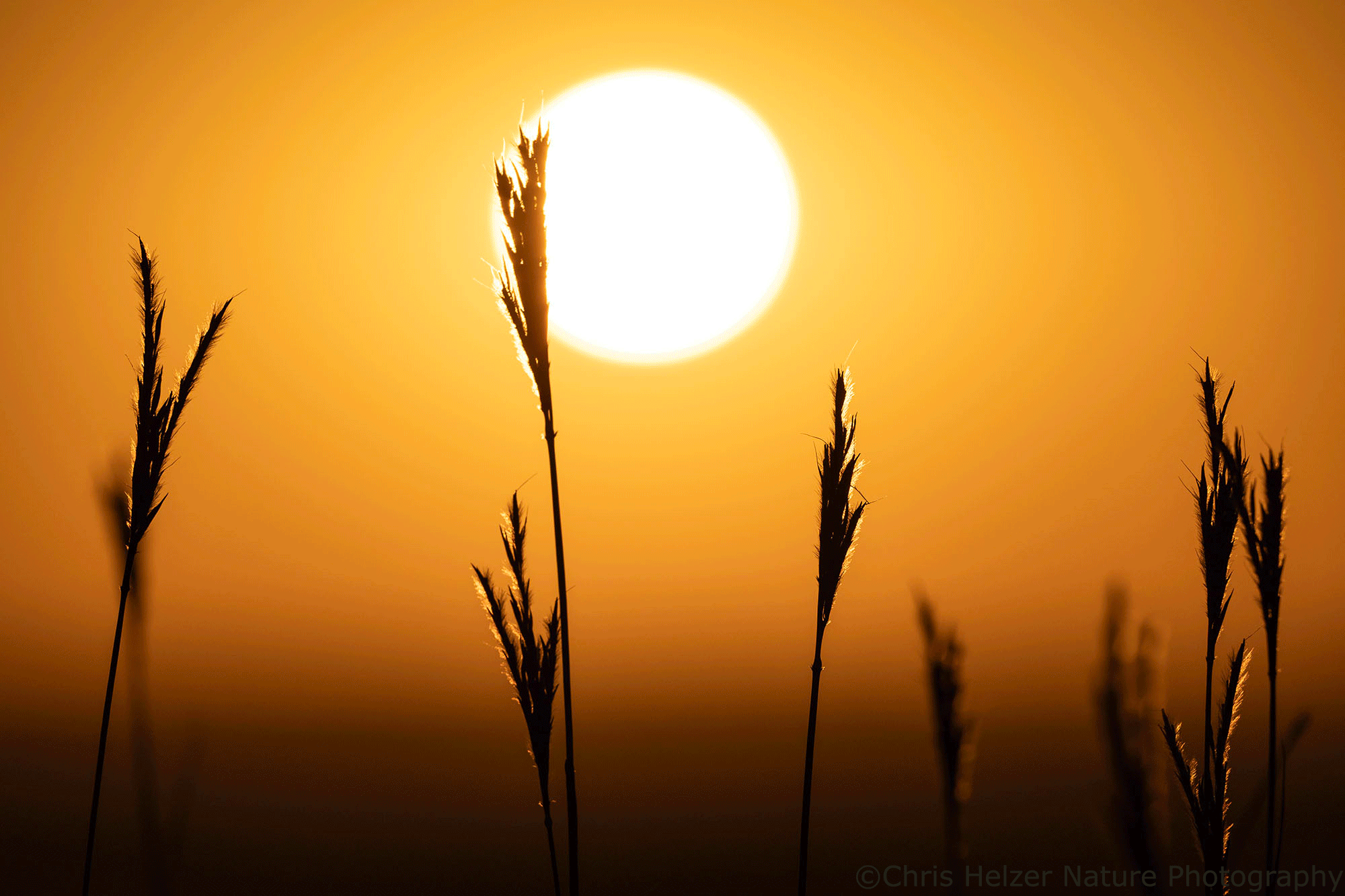
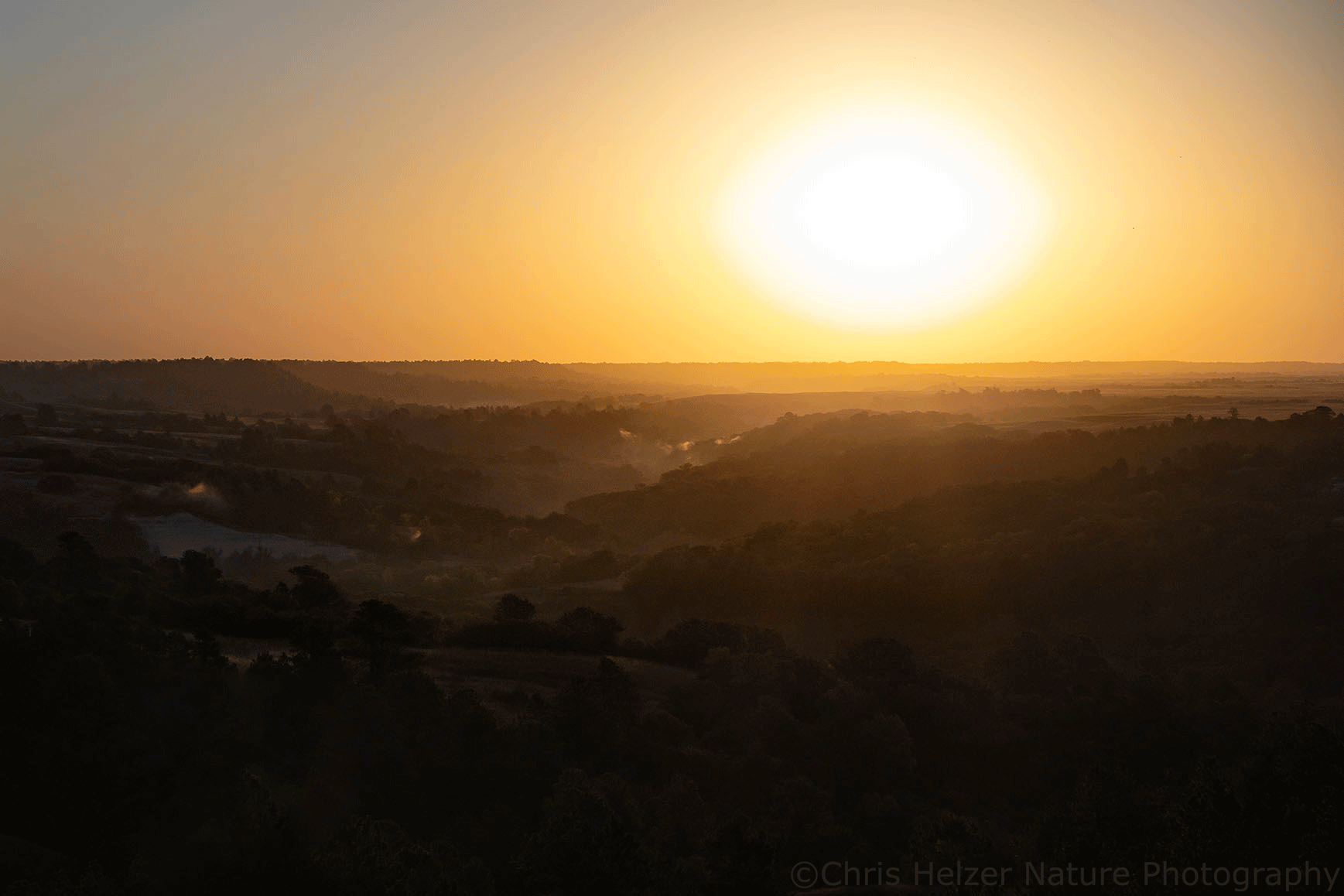
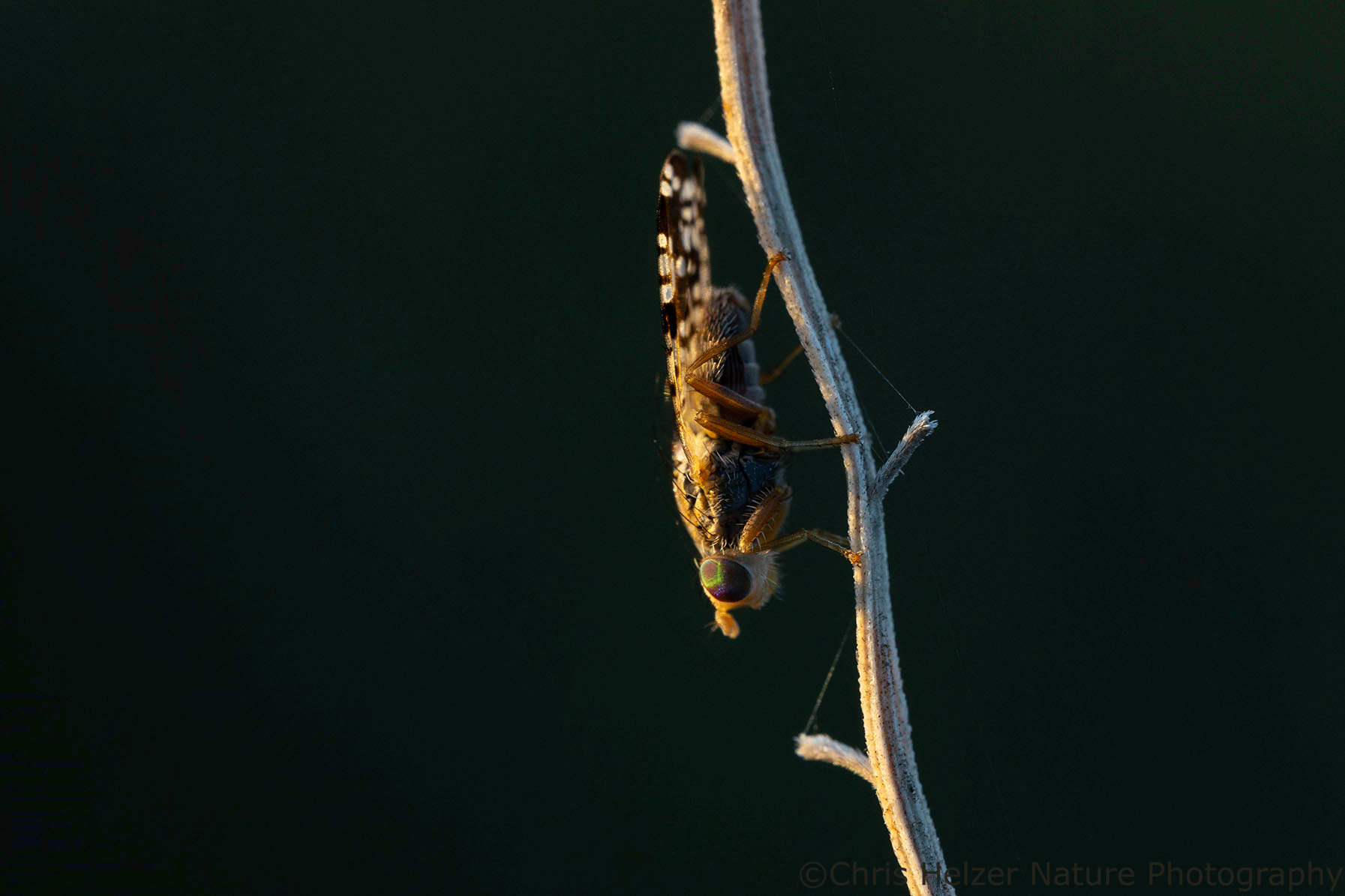
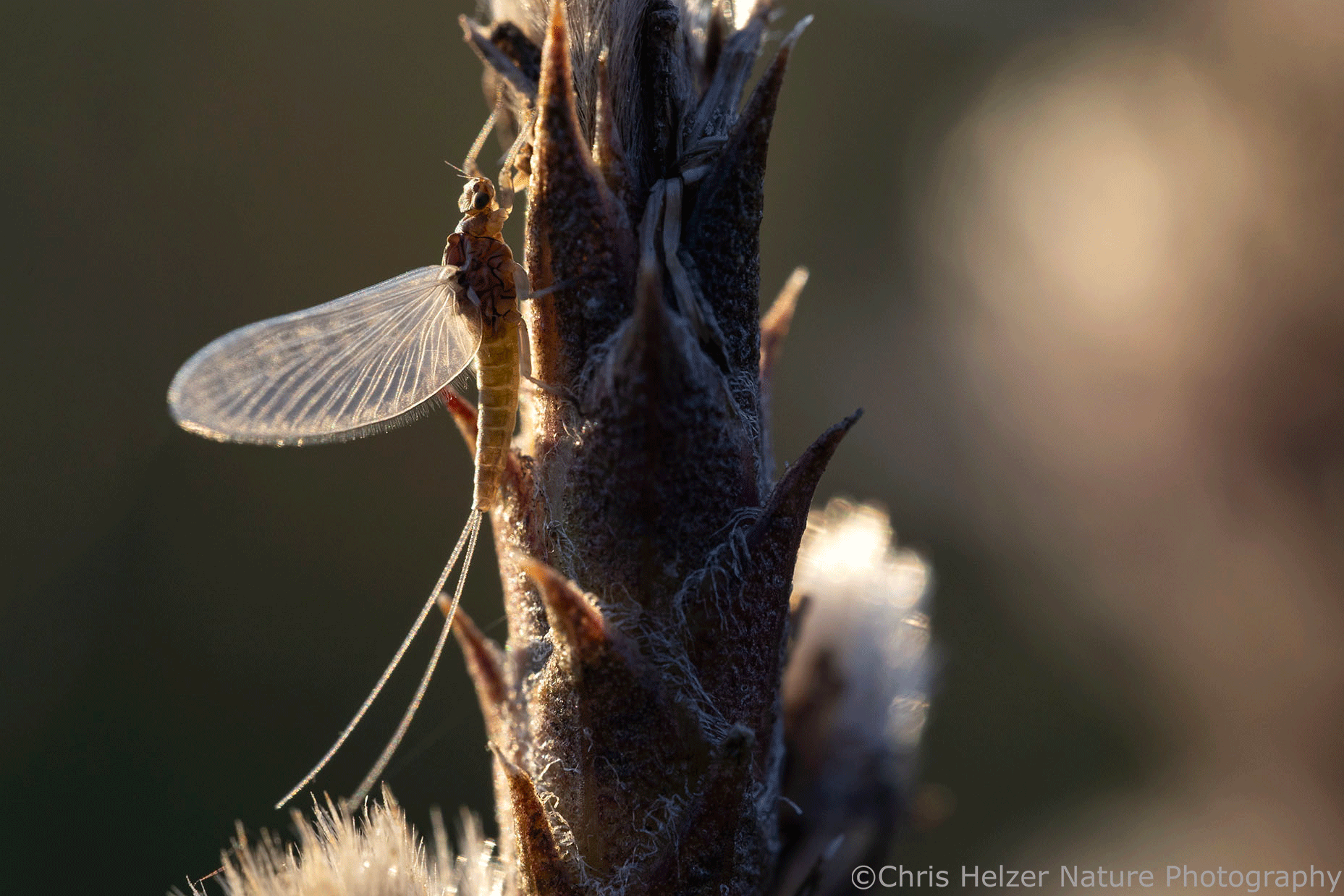

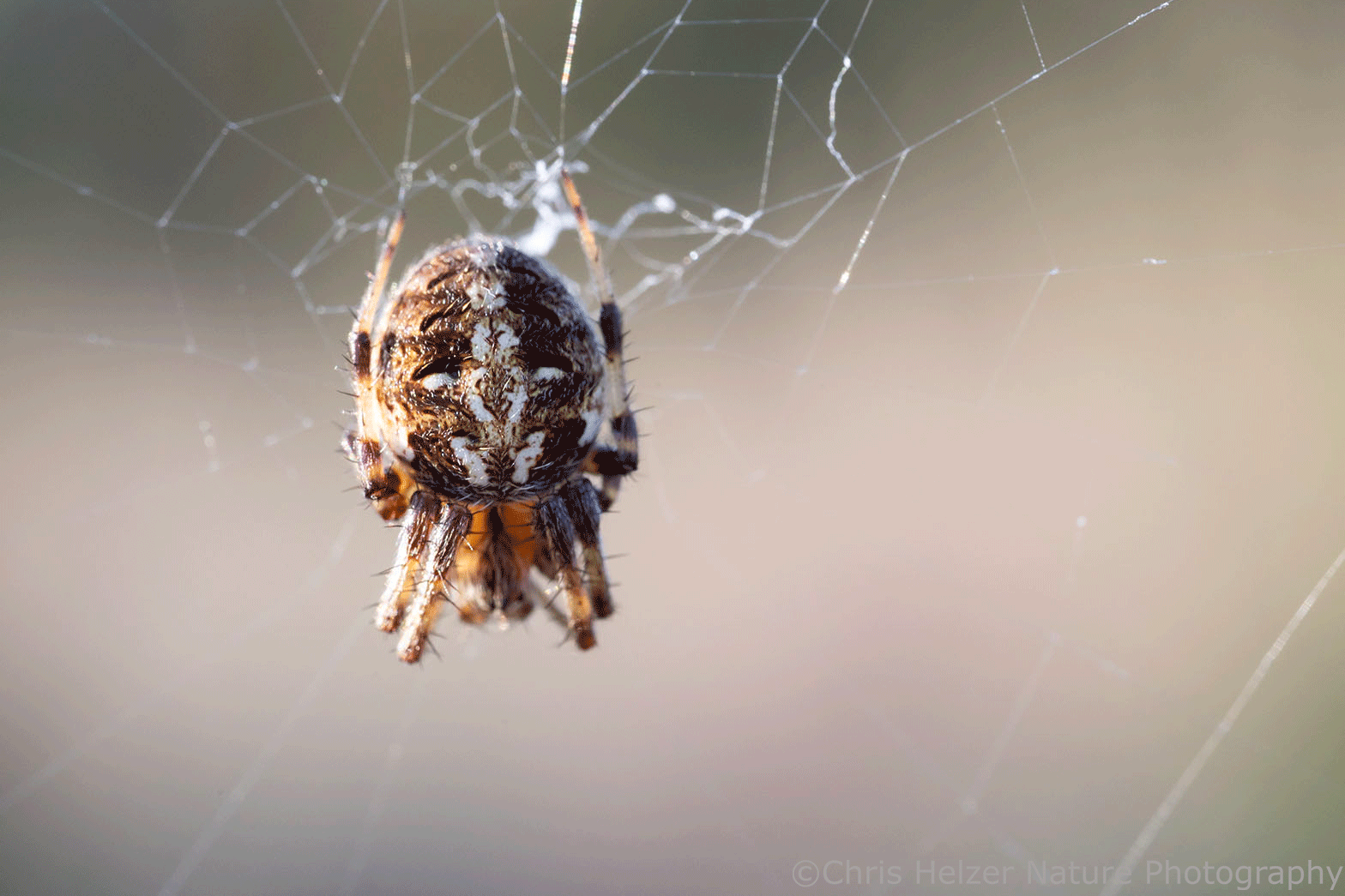
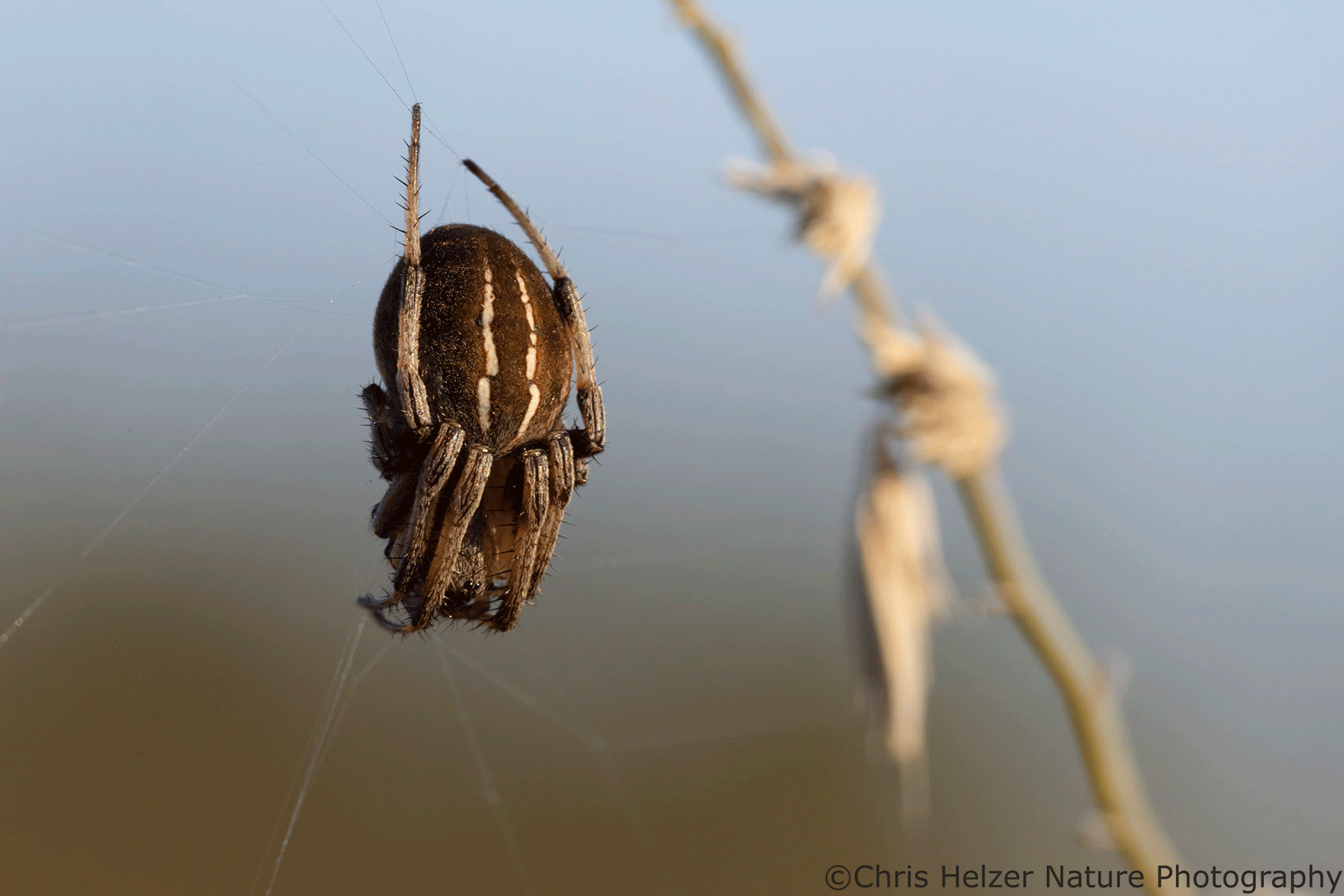
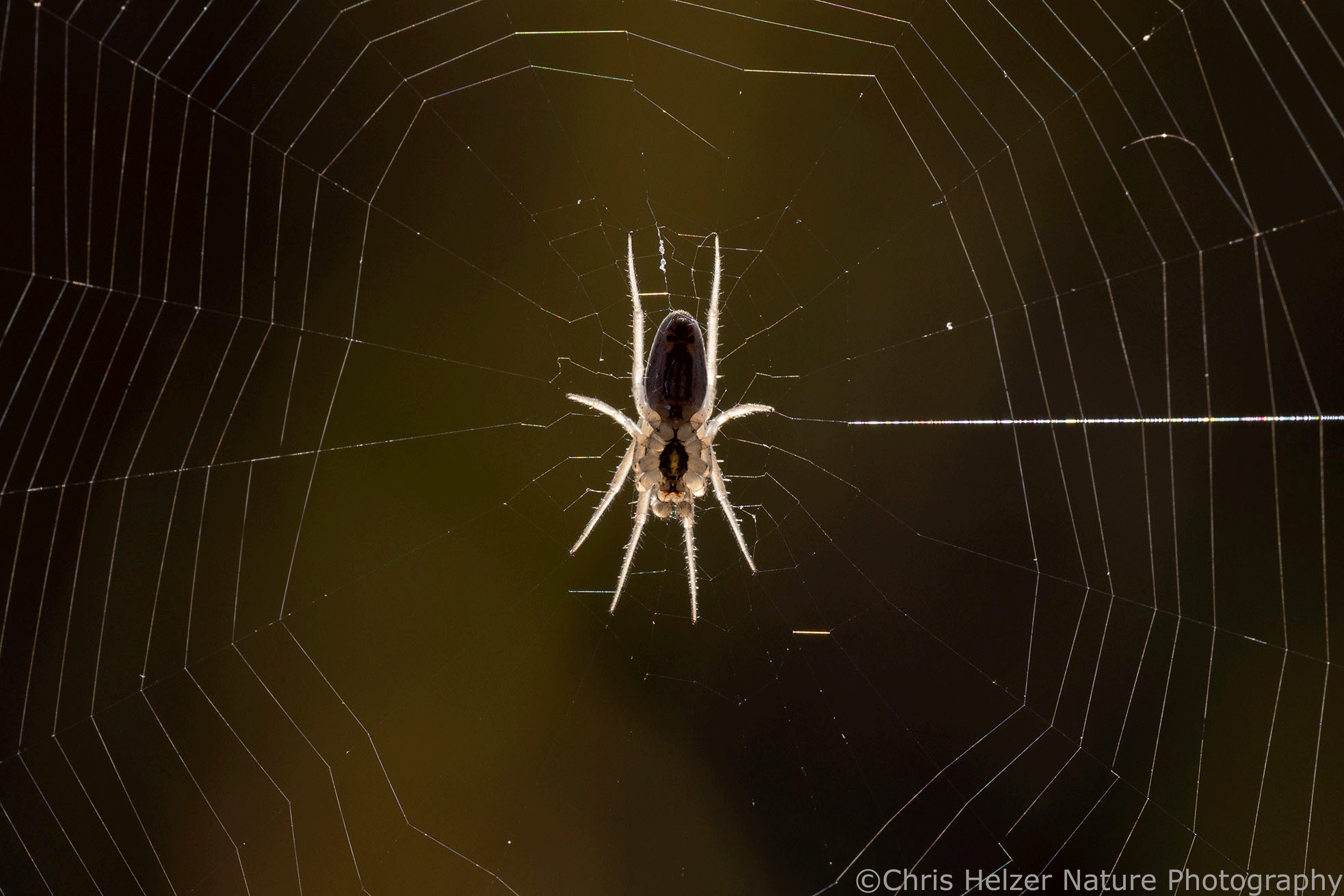
Since there was only a very light breeze, I spent time photographing spiders on their webs – at least those who tolerated my approach. Most of the time, if I kept my head low as I moved in, they seemed willing to pose for me.
Once the sunlight grew too intense for good photography, I drove back down to the finish line and waited for Kim to arrive. While I was there, I hung out and talked to some of the other runners and the race organizers. Every time a runner was spotted approaching the finish line, though, conversations paused and all the runners who were done with the race stood (stiffly and shakily) and limped over to clap and cheer.
Then, I drove my beautiful, sleepy, and sore wife home.
 The Prairie Ecologist