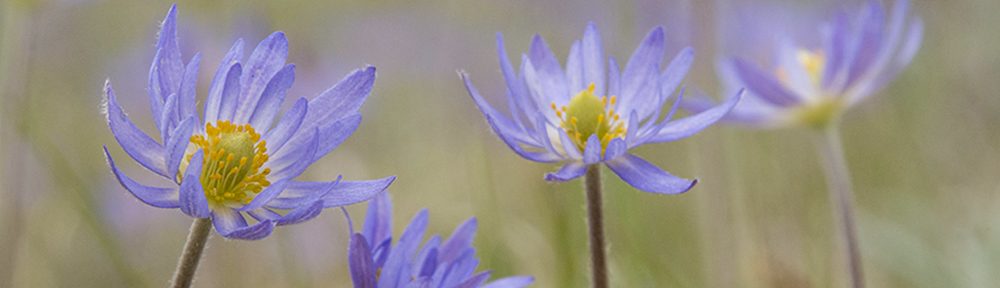
Introducing the Platte River Sandhill Prairie

This week, one of our prairies gets a new name, thanks to some generous donors, including the J.A. Woollam Foundation, the Claire Hubbard Foundation, the Howard and Rhonda Hawks Foundation, and many others.  The new name, more descriptive than celebratory, is simply this: The Platte River Sandhill Prairie.

The site is actually the combination of a 60 remnant (unplowed) prairie and 110 acres of adjacent cropfield that we seeded with 162 species of prairie plants in 2002.  The Platte River Sandhill Prairie sits on a range of sandy hills along the south edge of the Platte River Valley.  Most of the historic prairie in those hills has been converted into center pivot-irrigated cropland now, so our 170 acres of floristically-diverse grassland is especially valuable.

Because of this year’s drought, the prairie is not wearing its most showy colors right now.  Most of the grasses have been dormant since July, and very few fall wildflowers are blooming.  However, as with all prairies, what you see today is not what you’ll see tomorrow, nor what was there yesterday or last year.  As a celebration of the Platte River Sandhill Prairie, its beauty and diversity, and the generous donors who continue to support our conservation work, I’ve put together a series of photographs that show this prairie in all its glory.  Long-time readers of this blog will recognize most, if not all, of these photos from previous posts, but might not have realized that they were all from the same prairie.

Click on any of the below photos to see it larger, and then use the arrows to scroll through the rest of the photos.  I apologize for the quality of a few of them – some are poor quality scans of slides, but were useful for showing different stages of growth in the prairie.

Thank you to everyone who supports the work of The Nature Conservancy along the Central Platte River in Nebraska.  Please don’t be strangers – we’d love to have you come hike our trails and see the results of your support firsthand.

.

Photo of the Week – September 13, 2012

Antlion!  One of the most nightmarish creatures most people have never seen…

When dislodged from its trap, an antlion might sit still just long enough for a photo before backing down into the loose soil again.  You can click on the photo to see a sharper image.

.

The antlion digs a cone-shaped hole in the soil and then buries itself beneath the point of the cone with only its fearsome mandibles showing.  When an unwary creature ventures too near the edge of the pit, it slips in the loose soil and falls down the slope toward the antlion.  The antlion gives the poor creature a paralyzing bite and then sucks the juices out of it.  If the antlion misses with its first bite or the creature manages to stop its slide down the slope, the antlion throws soil at it and knocks it back down toward its doom. 

Fortunately for us, antlions (actually the larvae of antlions) are only 1/2 inch long, and eat small invertebrates.  They tend to make their pits in loose dry soil – often around foundations of houses or other buildings these days.  Antlion adults look very different from their larvae, and resemble damselflies with clubbed antennae.

.

Antlion pits around the base of our house.

.

My son, Daniel, and I saw an adult antlion on our window screen the other day, so we decided to go hunting for the larvae.  It didn’t take long to find some pits along the foundation of our house, safely positioned in the dry rain shadow of the eaves.  We dropped a cucumber beetle into one and watched as it slid down to the bottom of the slop and then jerked violently as the antlion grabbed it. 

Later, we dug the antlion out of the ground and brought it inside so we could watch it more carefully for a few days.  (My wife doesn’t like to admit this, but she’s mellowed considerably over the years about keeping temporary “pets” in the house…)  We filled a bucket with loose dirt and put the antlion in to see if it would make itself at home.  By the next morning, there was a nice conical pit along the edge of the bucket.  So far, the antlion has eaten a pillbug (roly poly) and a millipede, though it took several tries before it was able to catch the millipede.

.

Here’s a clearer look at the antlion – photographed in my homemade photo studio.

.

It’s not hard to find information on anlions online, but one of the most comprehensive sites is Mark Swanson’s “The Antlion Pit“.  You can learn all about antlions, why they’re also called doodlebugs, and watch videos of many different behaviors.