Photos of the Week – April 27, 2026

This has been a month of having to squeeze little bursts of photography into tight windows. That’s certainly not my ideal approach. Nevertheless, I managed some fun exploration time and came away with some images I liked. Here are some you haven’t yet seen.

(Why do we use the word nevertheless to mean, basically, “however” or “despite that”? Who decided that was a word that makes sense in those contexts? If you make it three separate words, they’d make no sense in my above paragraph. But if we squeeze them all into one word it’s ok? Language evolution is weird.)
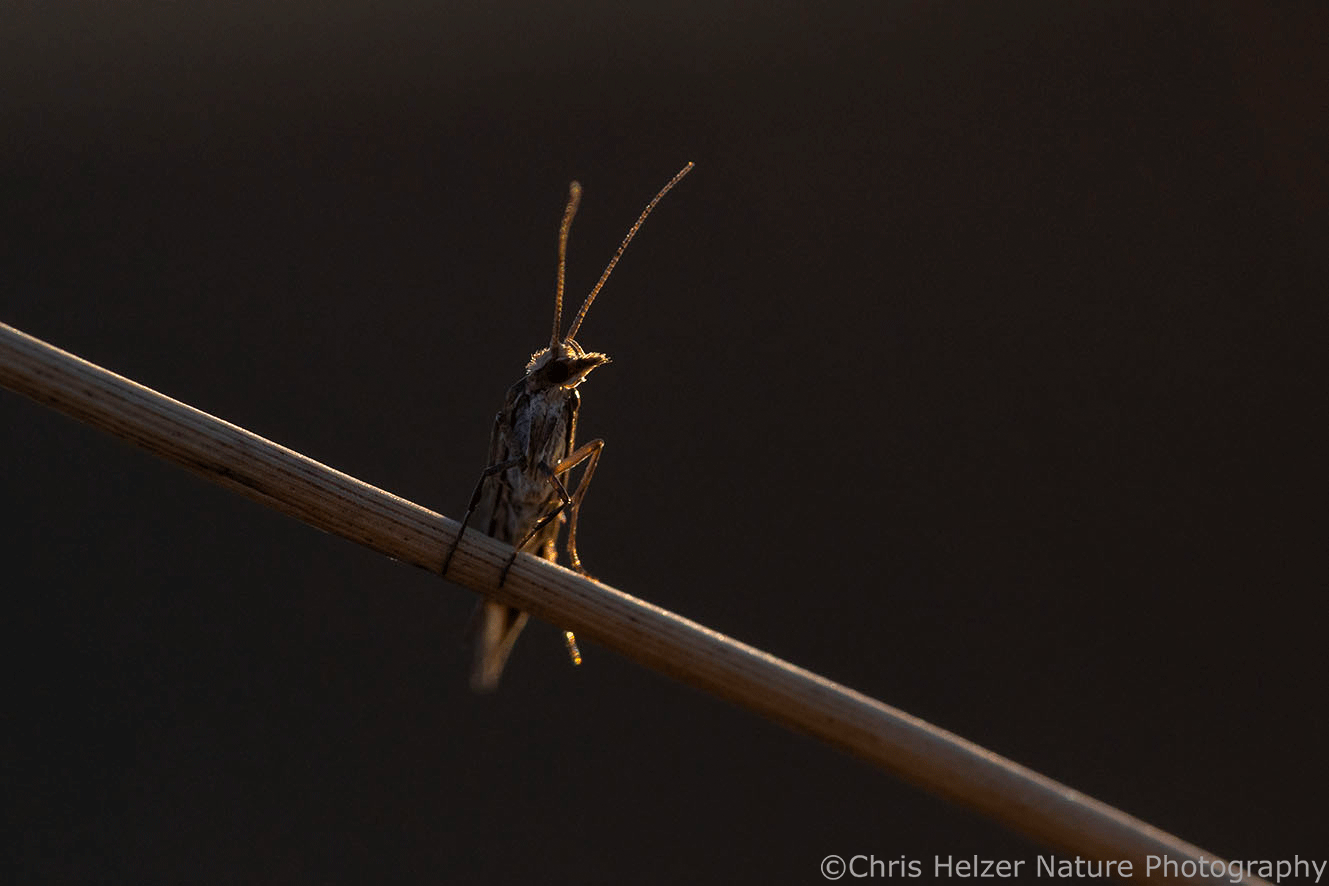
Moth on grass stem

My first photo opportunity of April came during the first week of the month and I found myself at our family prairie as the sun was going down. I’d been doing some work on trees and decided to stick around to see what the sunrise looked like. The sunrise was just fine. However, as the sun dropped, I noticed a bunch of flying insects. Many of them were flies, but there were some moths included as well.

It was still early in the spring and I hadn’t seen many other insects that day, so I thought it was interesting that they’d start getting active as the sun was going down, instead of earlier, when the temperature was warmer. I followed a tiny moth around for a few minutes and managed to get a shot of it right after it landed on a grass stem and perched, momentarily, like a bird.
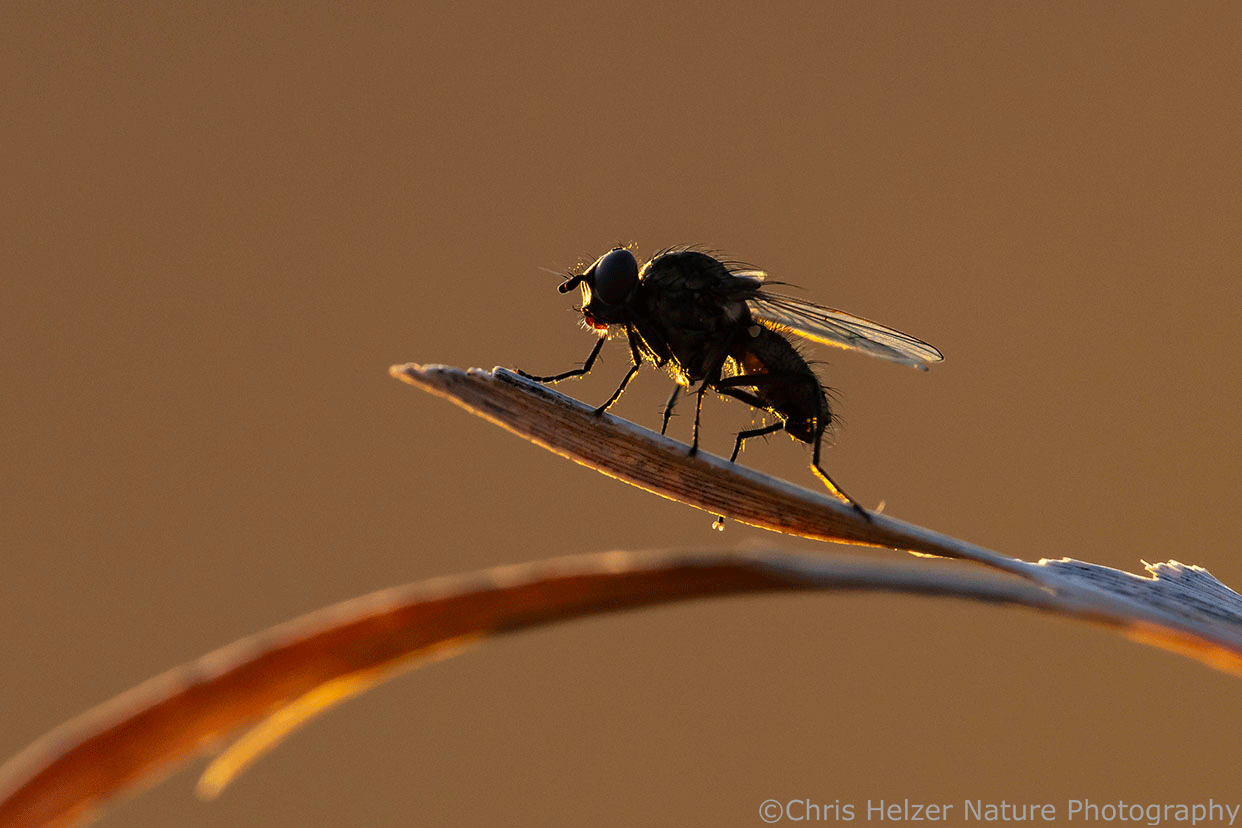
Fly perching in what might have been its preferred overnight roost site

Then I focused my attention on all the flies, which seemed to be landing and preparing to roost overnight high in the vegetation. I’ve seen this before and am still not sure I understand the motivation. Why would they want to perch up high on plants where they are most easily seen by birds and other similar predators, especially as they’re about to get cold (and probably wet with dew), which will largely immobilize them. Why not hide further down in the more dense vegetation?

I assume it’s because there are more/scarier predators down low than up high? Plus, I can see the value of placing yourself where the morning sun will warm you up right away. Early birds like worms, but I bet they’d eat an immobilized fly, too, if one were available.
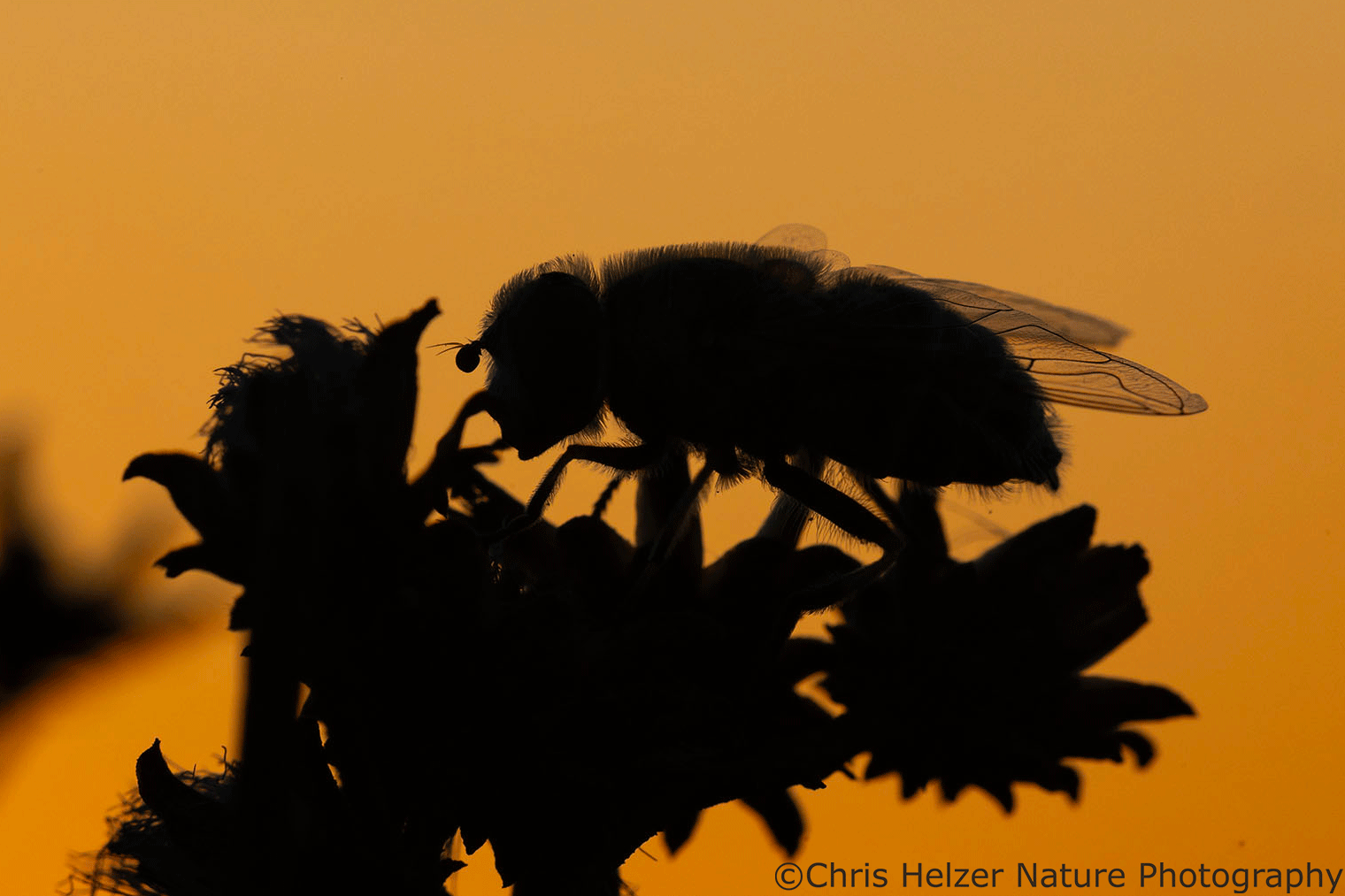
Drone fly on stiff goldenrod (there were several other drone flies on the same plant and others nearby)

Ten days after I photographed evening flies, I was out at the Platte River Prairies and ended up with a free hour between meetings. Wild plum was blooming, so I went to see if it smelled as good as usual. It did.
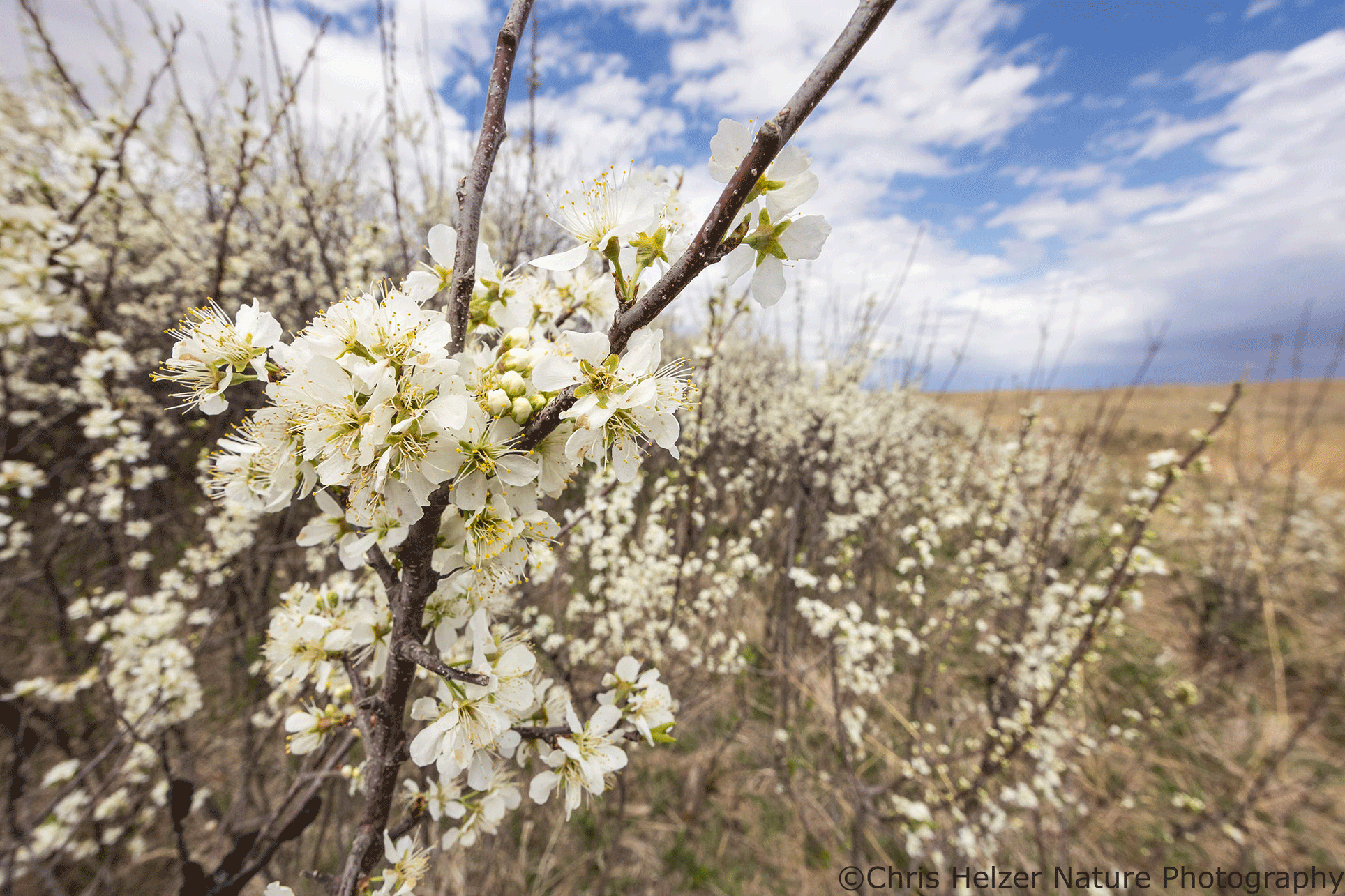
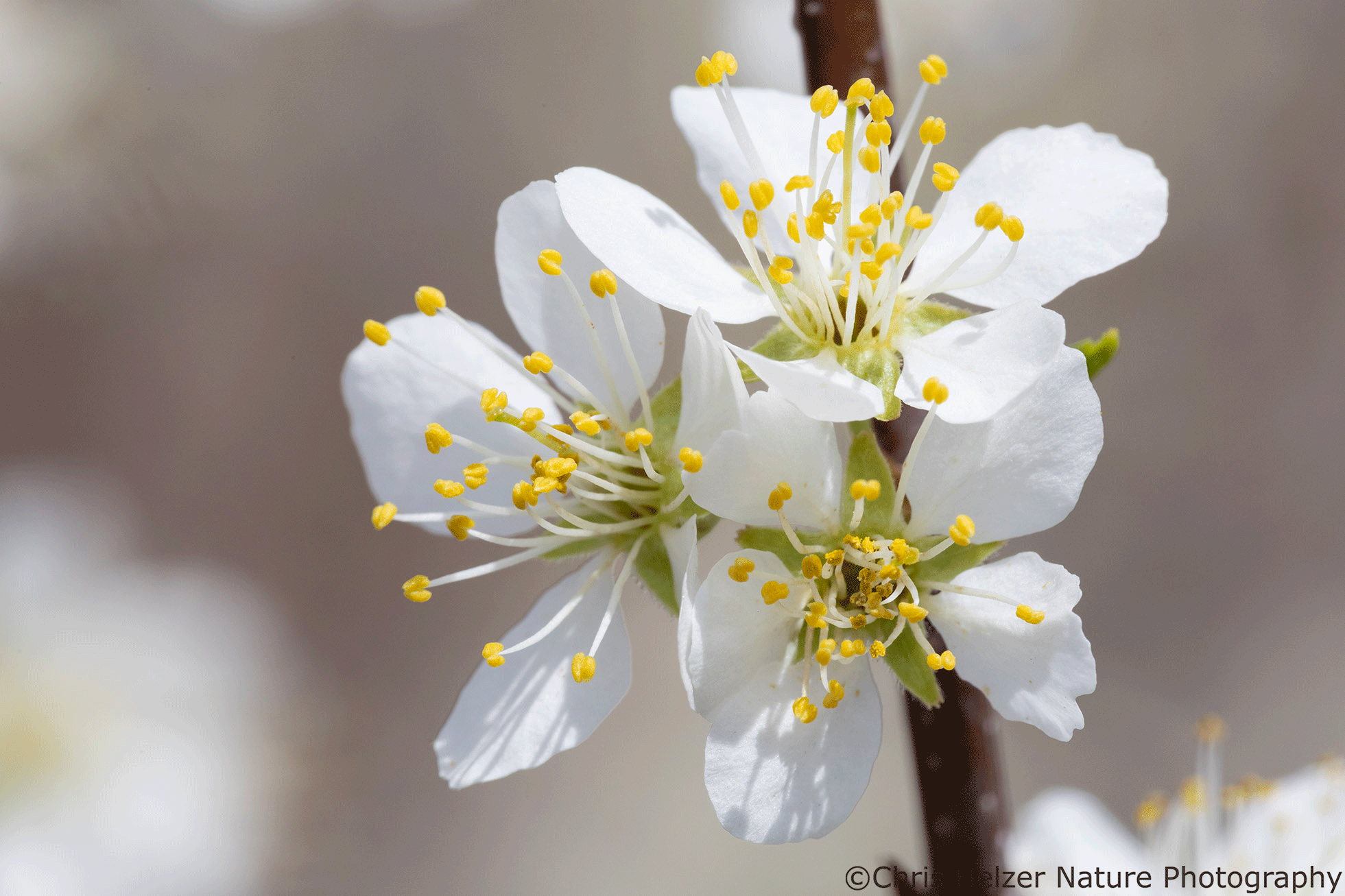
Wild plum (Prunus americana) at the Platte River Prairies
Close-up of wild plum blossoms

I found a portion of the big plum thicket where the lightly-diffused-by-clouds sunlight was hitting the flowers, but there was a little shelter from the strong breeze. Then I settled in to watch the parade of pollinator insects come by. I managed to photograph a fair number of them, but would have gotten more if I hadn’t become obsessed with one particular moth.
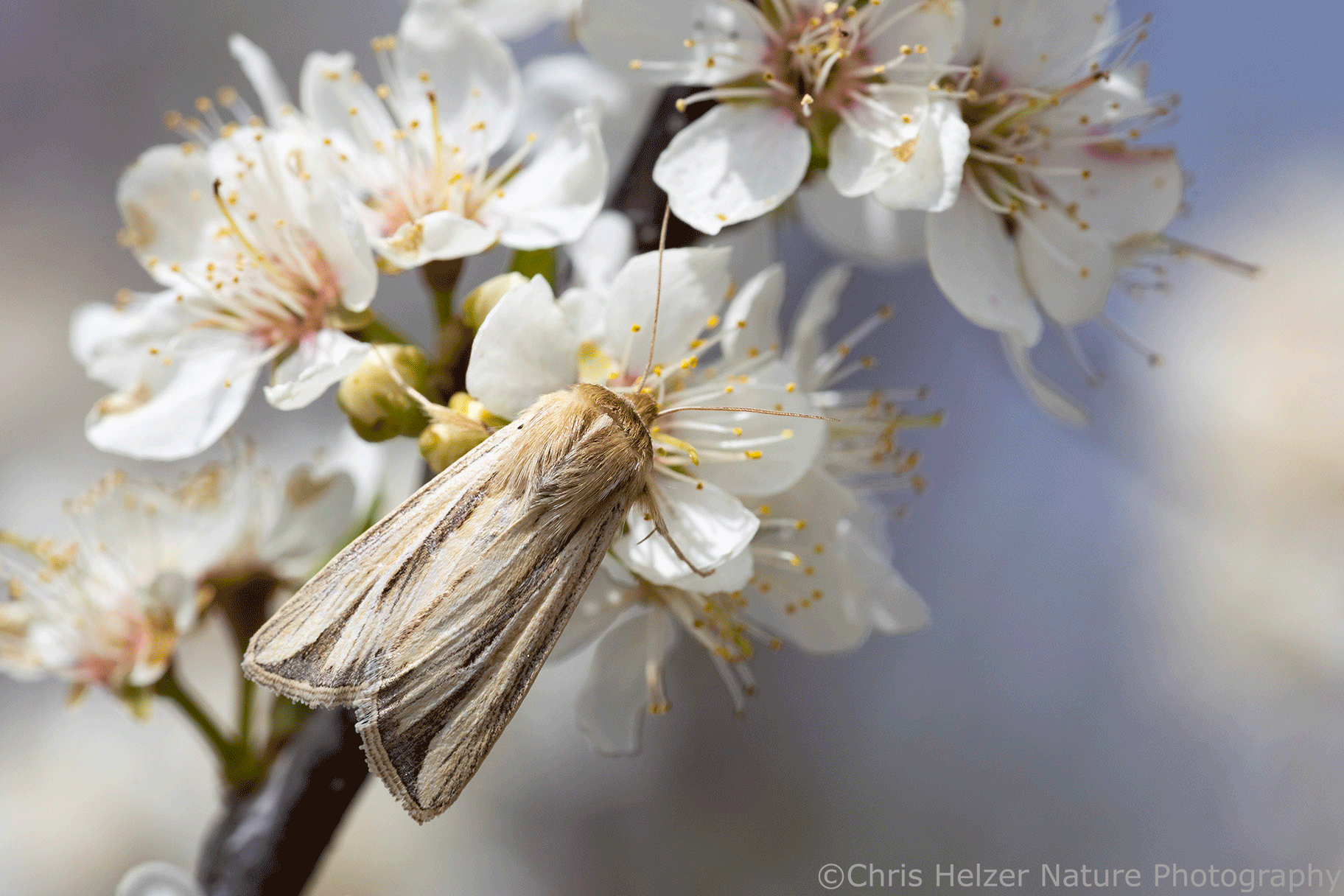
Wheat head army worm moth.

I wondered if it was a migratory moth species (there are lots of them), so I spent extra time following and photographing it to make sure I had good enough photos to identify it to species later. It didn’t turn out to be a migratory moth. Instead, it’s a native species called the wheat head armyworm moth. As you might guess, it is so-named because its larvae are often found feeding on wheat and related grain crops. You can’t really blame the moth for that – it was here before those grain crops showed up. What, you don’t expect it to eat anything from the huge fields of tasty grasses we planted?
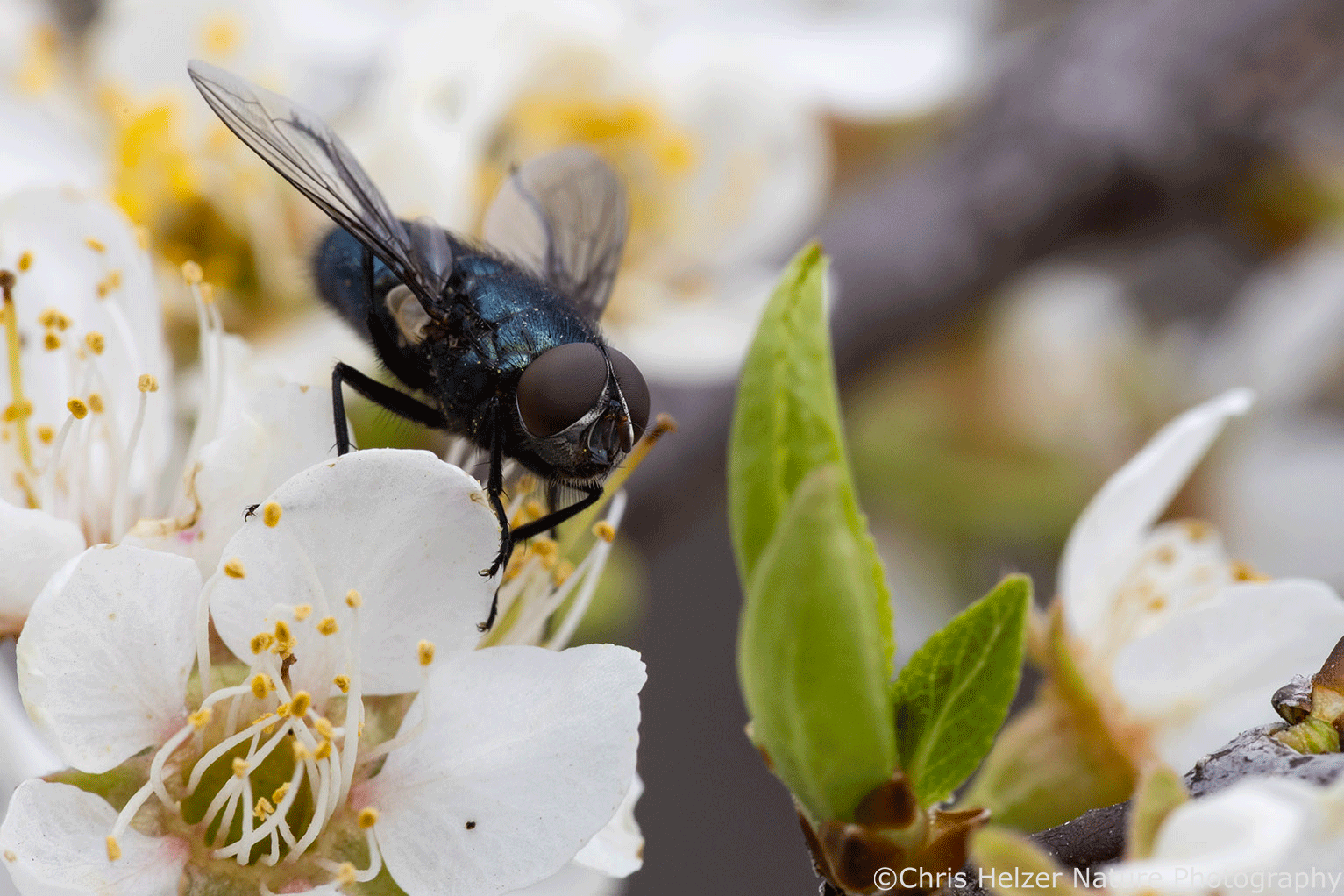
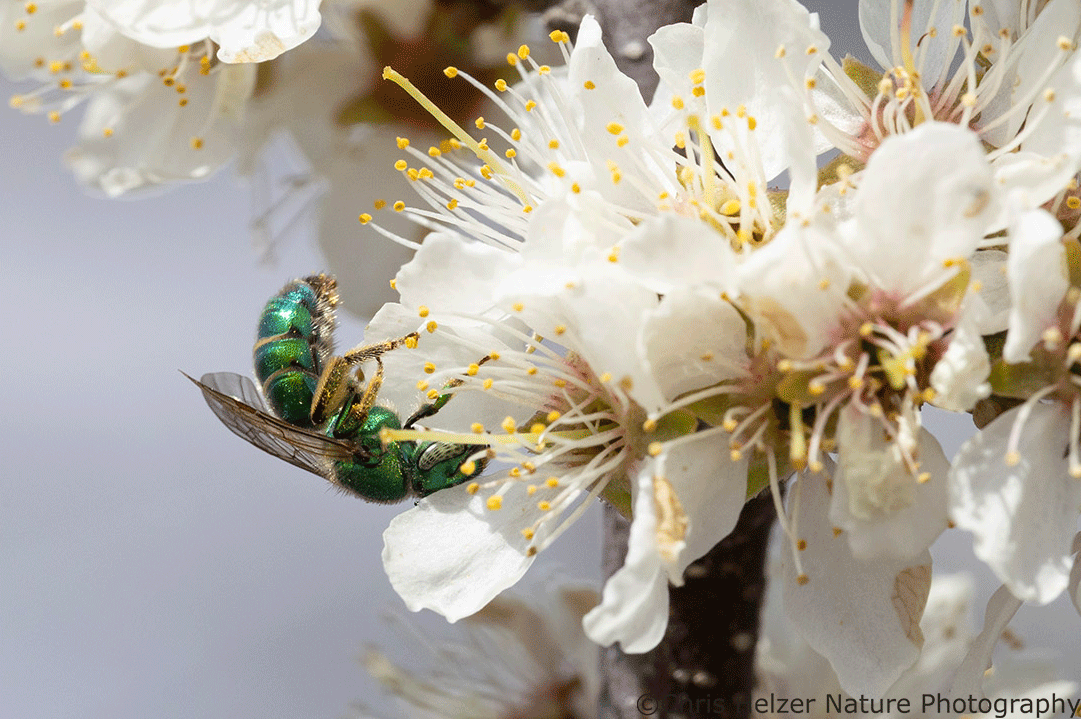
A blow fly of some kind, I think.
A metallic green sweat bee.

The next, very short, window came as I was opening a gate at the Platte River Prairies on my way to collect some data. I noticed some small butterflies flurrying around a patch of dandelions. I wanted to see what they were, so crept up close enough to identify them as Gorgone checkerspot butterflies. I grabbed my camera out of the truck and tried to get a photo of one of them on a dandelion, but they wouldn’t cooperate. I did manage to sneak up on one as it landed to bask in the sun, though.
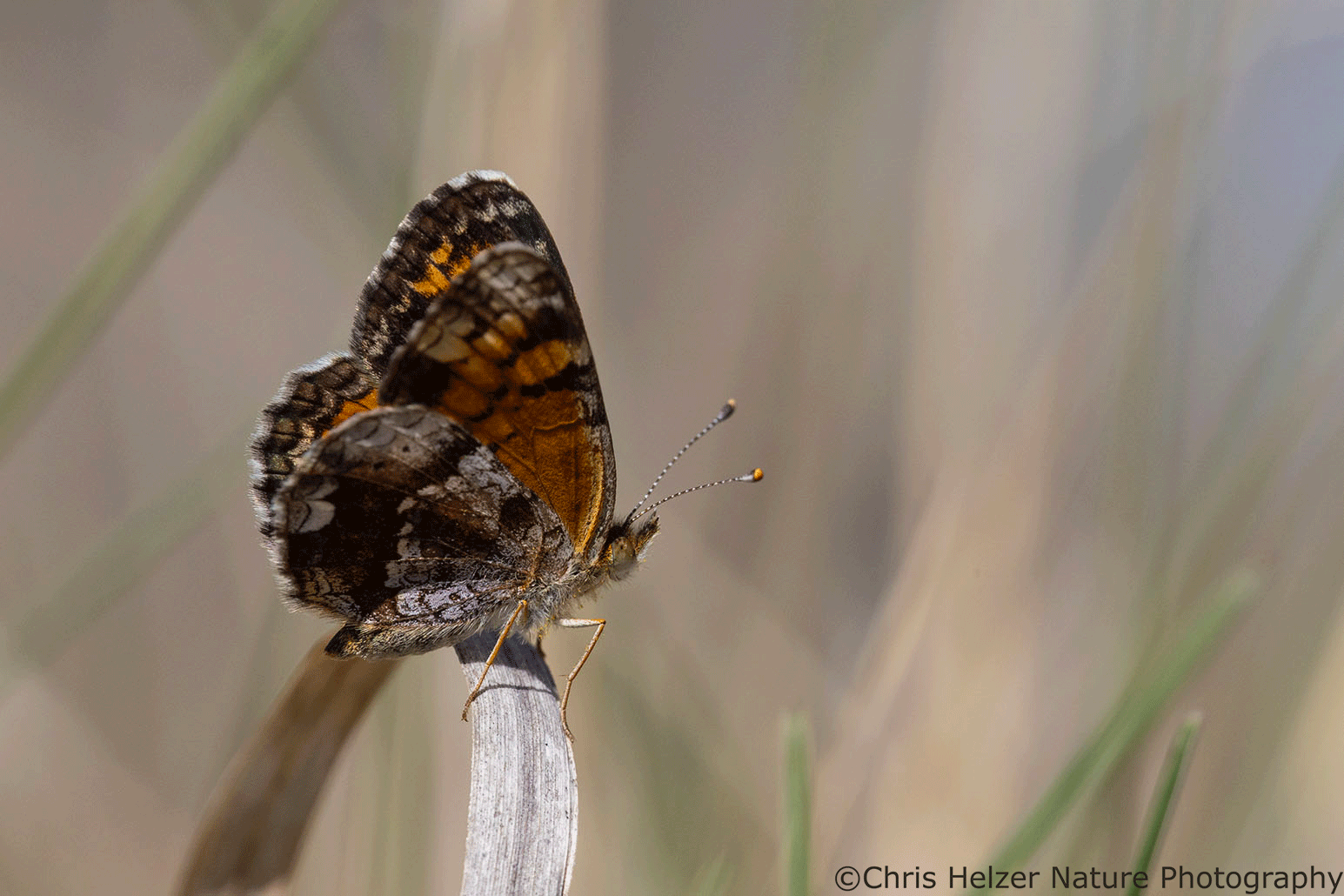
Gorgone checkerspot butterfly

Once I was on the ground, I noticed other pollinators visiting the same patch of dandelions, including some flies, bees, and a couple common checkered skipper butterflies. I got a couple photos of one of the skippers before I pulled away to go do my real job.
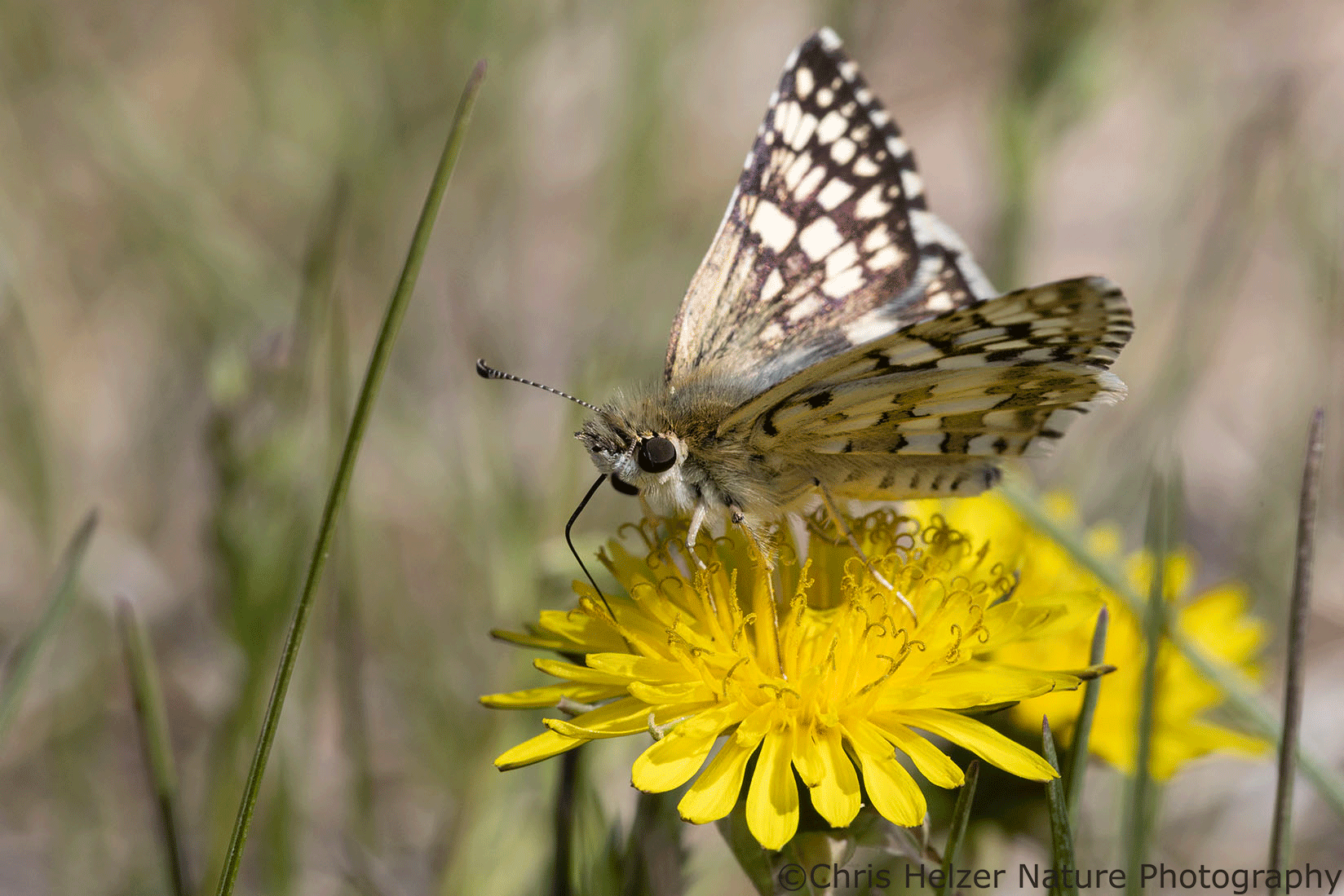
Common checkered skipper

This last Saturday, I finally took a trip to a prairie solely for the purpose of photography. Unfortunately, as I was driving up to Gjerloff Prairie, I could see it was going to be another “squeeze-it-in” kind of photography trip. This time, the issue was the tiny sliver of space between the eastern horizon and the big bank of dark clouds that was sliding slowly in that direction. I kept driving because it looked like I’d get at least a few minutes of light before the clouds obscured the sun.
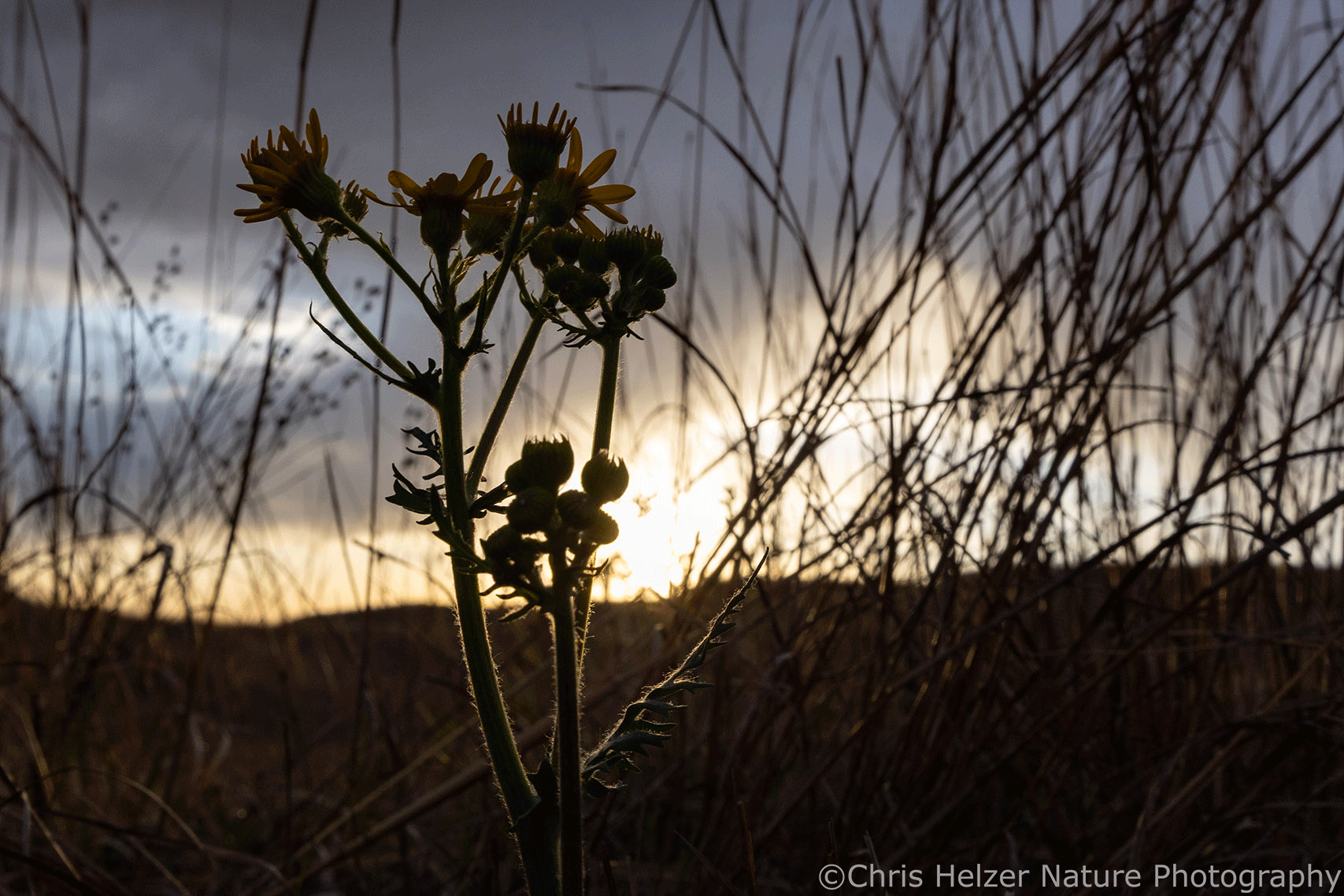
Prairie ragwort (Packera plattensis) at sunrise

When I arrived, I did a lot of quick walking, trying to find a place where there were some blooming flowers on a high area that would be illuminated by the sun when it popped up. Most of the prairie hasn’t been burned or grazed much recently, so there was a lot of thatch and not an abundance of flowers. I finally found a ragwort plant that I thought might work and got a couple photos before the clouds swallowed the light.

After the clouds rolled in, I took a more leisurely stroll and enjoyed finding other hidden flowers here and there. As I eventually circled back closer to where I’d parked, the sun peeked briefly out through a tiny break in the clouds and it looked like there were a few other small windows coming. I headed to a small area that had been burned earlier in the month to see what I could find there.
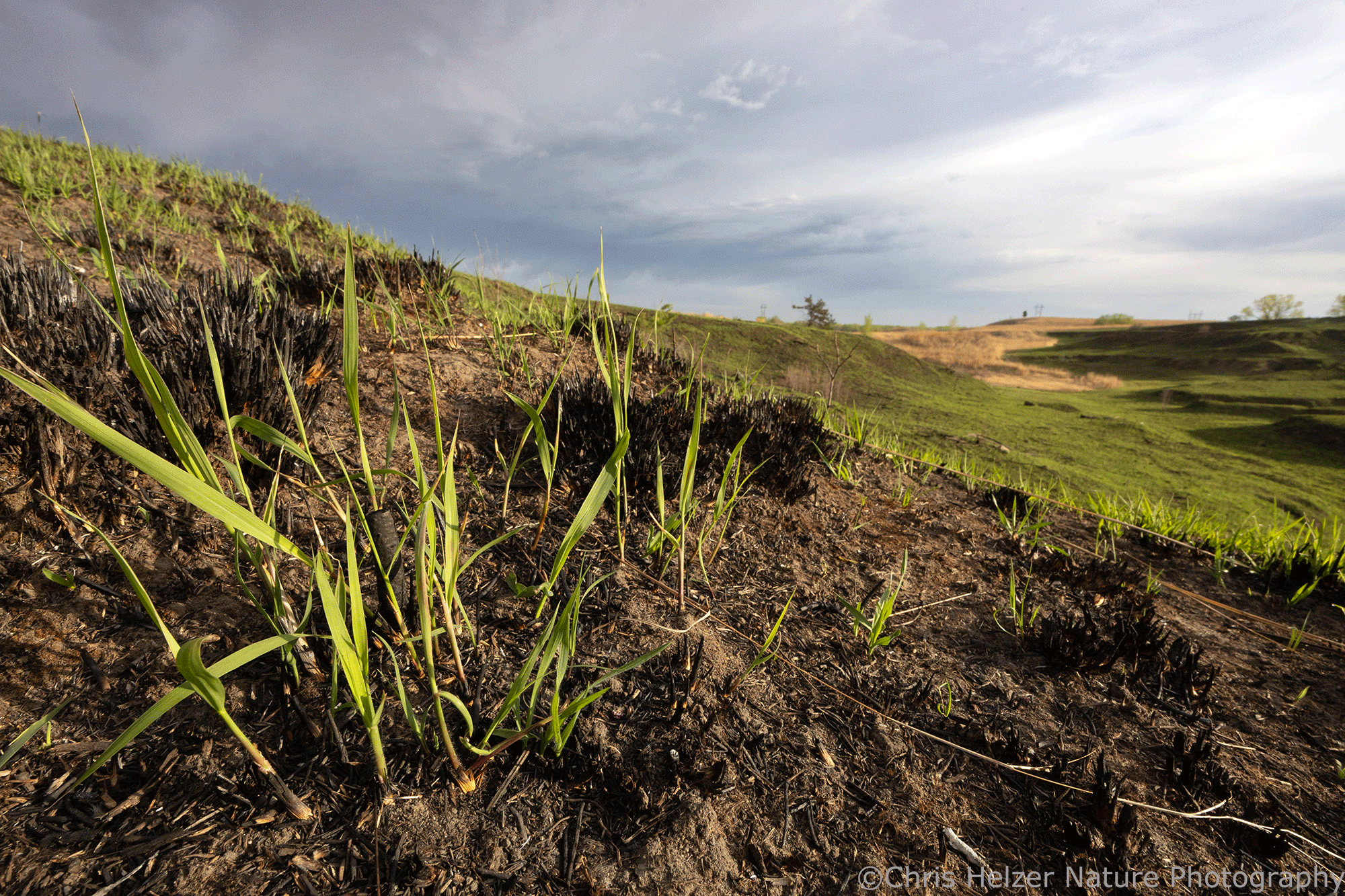
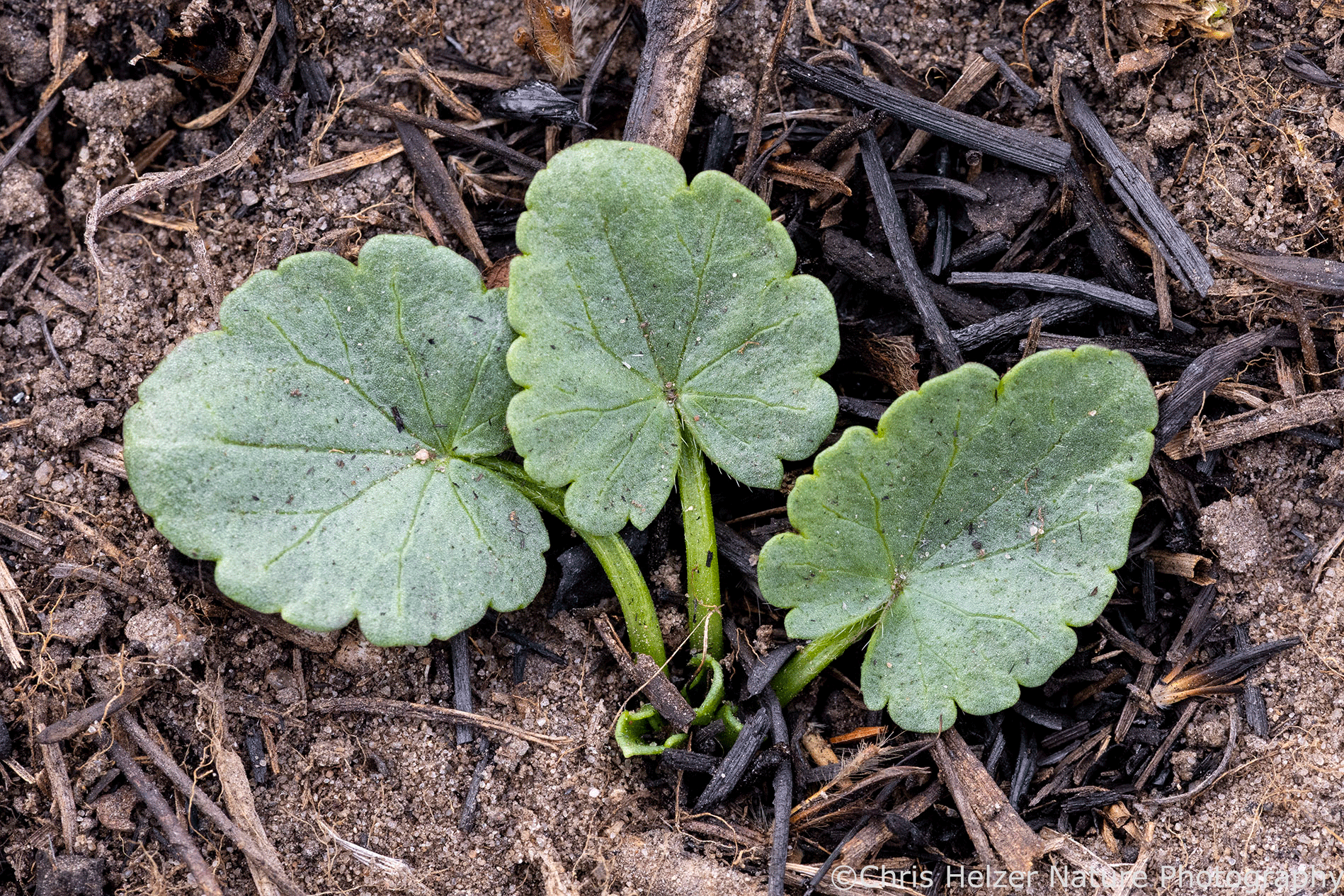
Recently burned prairie – Gjerloff Prairie
Pale poppy mallow (Callirhoe alcoides)
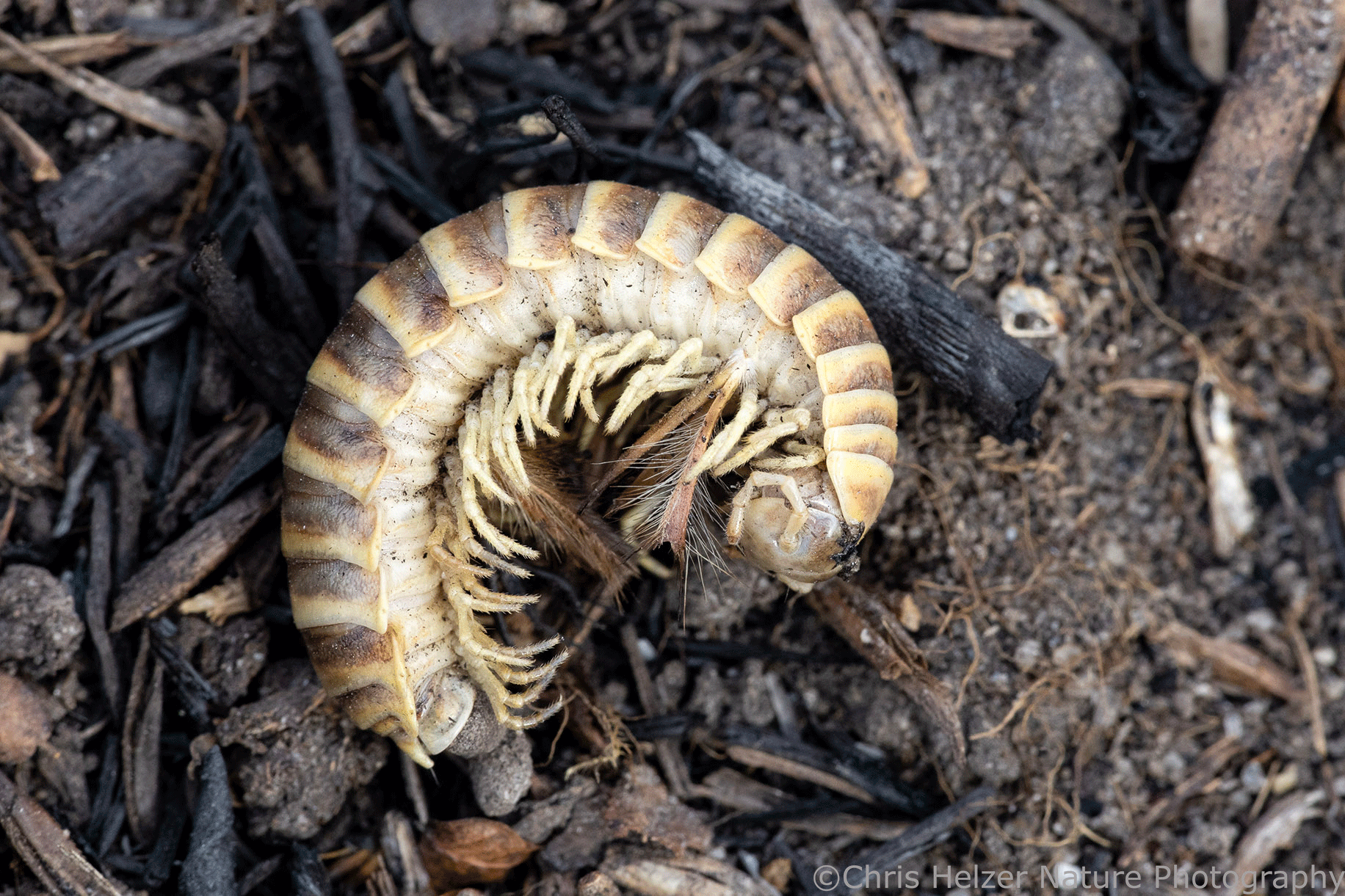
A traveling cherry millepede (Pleuroloma flavipes) that may have met its demise in the fire
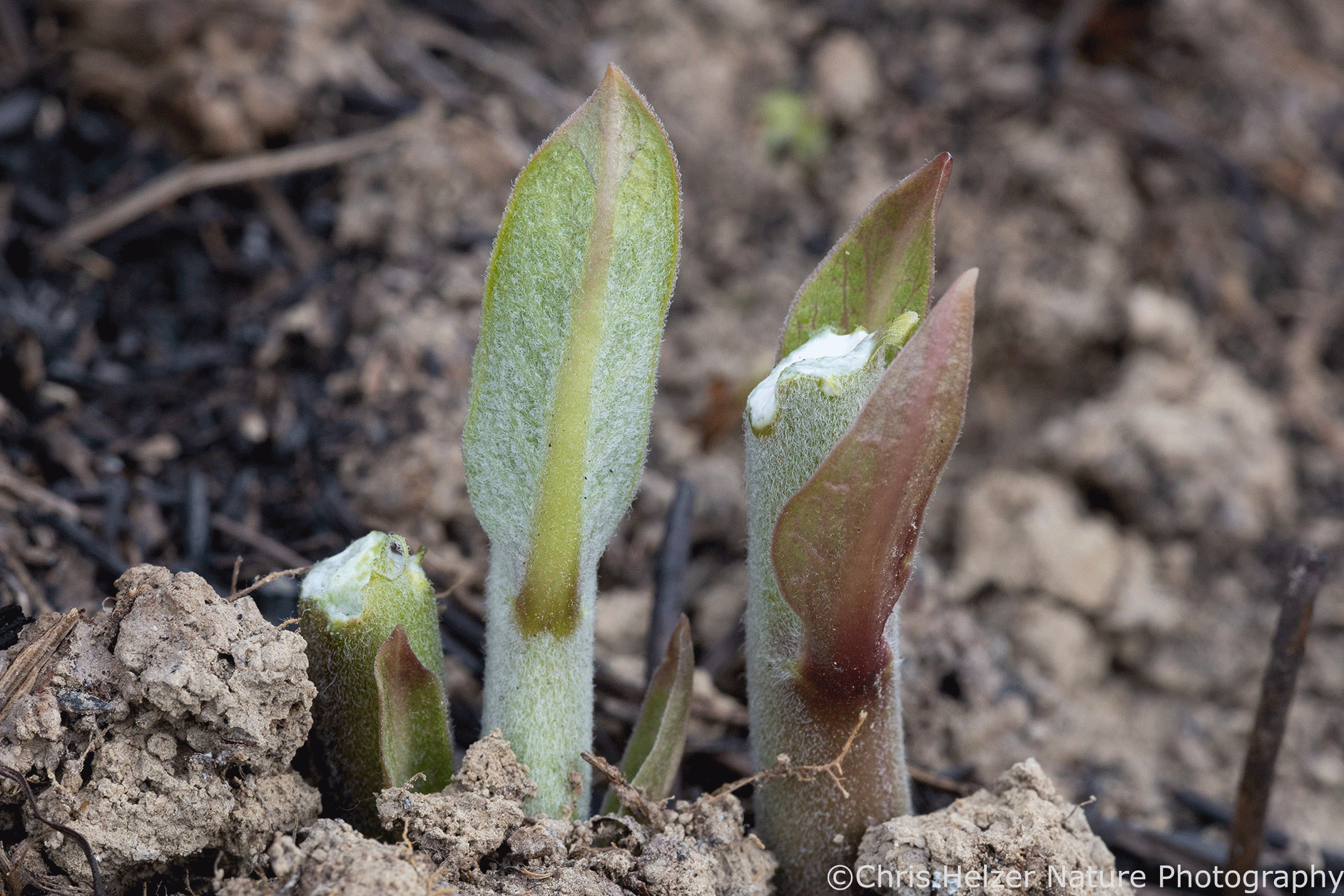
Common milkweed sprouts, two of which were nipped off – probably by a cottontail or white-tailed deer

One aspect of the burned area I was paying close attention to was the resprouting of smooth sumac and other shrubs within the burned area. As always, it looks like a single burn isn’t going to do much to slow them down. Nearly every old stem that had burned had a nice fresh sprout emerging from its base. By the end of summer, they’ll be just about as tall as they were before the burn. This is just the world we live in now – shrubbier prairies are a fact of life, as I’ve written about before.
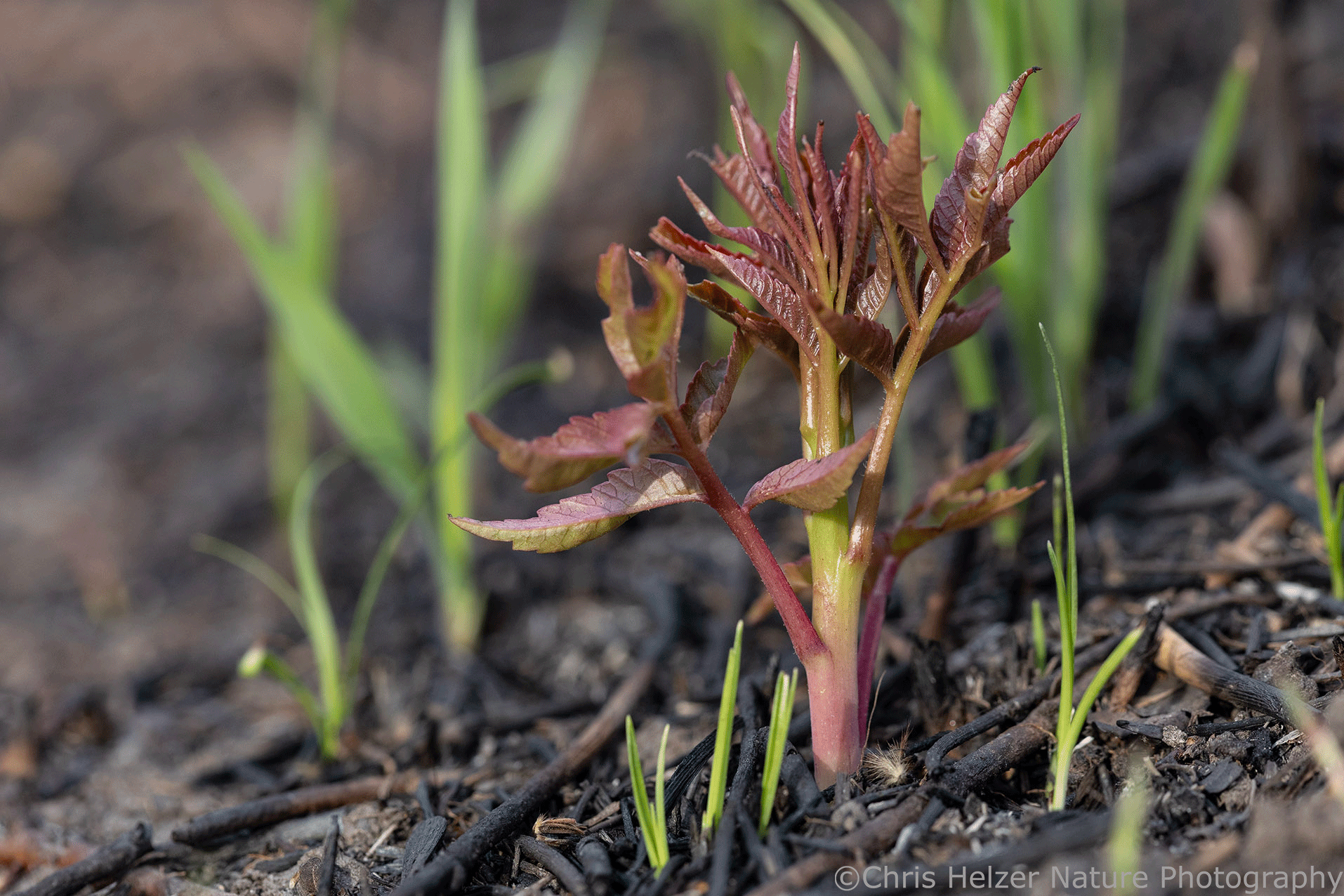
Smooth sumac resprouting after the fire

Eventually, it was clear the light was gone and wasn’t coming back for a while, so I packed up and headed back home. Ironically, I needed to get back home so Kim and I could head to some local nurseries to buy trees and shrubs for our yard. Look, I’ve eliminated way more woody plants from the world this month than I’ve added to it, but it’s all about the right plants in the right places, right? In this case, we wanted some shade, early flowers, and pie cherries in our yard. We waited a year since moving to our new house before starting to implement change, but now it’s time.

Nevertheless, it’s funny that I bought a bunch of woody plants to install in one place while working to suppress/manage the growth of many other woody plants in the prairies I care about. Also, it’s funny that I found two opportunities to use the word nevertheless in the same post. Heretofore, I’m not sure I’ve used it very much, insofar as I don’t like using words that are really three words in one.

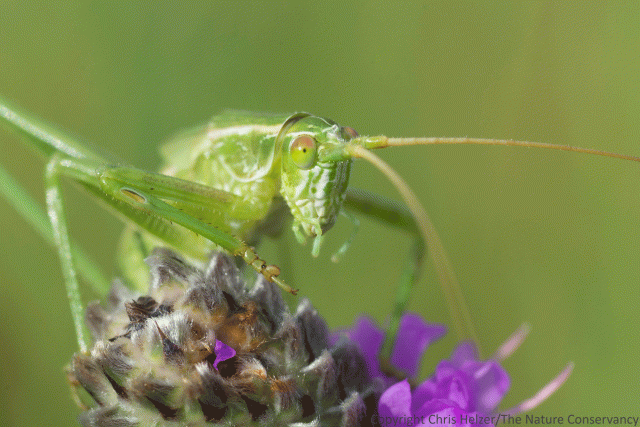
Photo of the Week – July 6, 2017

When photographing invertebrates, I can split most critters into two categories: those that hunker down and those that flee.  Those that hunker down are awfully nice because I can set up and photograph them thoughtfully, playing with various angles and compositions for each individual.  The ones that flee are a completely different matter, and I often end up chasing lots of different ones around, hoping to get close enough for any kind of photo and/or find one that is slightly less skittish then most.  Of course, all of this is on a continuum; even insects that end to hunker down can be pushed past their comfort level and eventually hop, drop, or fly away.  Learning where those thresholds are for various invertebrate species has been really helpful over the years.

Katydid nymph on white prairie clover (Dalea candida) earlier this week.  Katydids are usually pretty easy photo subjects.

Katydids and grasshoppers tend to be hunkerers, especially if I catch them in the middle of a meal.  Often, if they’re feeding on a flower, for example, they’ll slide around to the far side of the flower when I get close.  That’s actually nice because it lets me finish my approach while they’re not looking directly at me.  Then – and here’s a little trick you’re welcome to use – I can reach my hand out to the other side of the flower and they’ll slide back toward me to get away from my hand.  Sometimes, of course, they’ll hop off the flower when they see my hand, but usually they seem reluctant to abandon their food.  In most cases, I can repeat the hand trick at least 3 or 4 times before it starts making them nervous.

…and another one on purple prairie clover (Dalea purpurea).

Other invertebrates that tend to hunker and allow photographs to be taken include stink bugs, aphids, and caterpillars.  Crab spiders (one of my favorites) fall into this category too, but they can sometimes be a little touchier than katydids and others to the hand trick.  Sometimes, it works well, but some crab spiders can be more difficult to lure onto the side of a flower where I’m at.  If I can approach slowly enough that they don’t move away in the first place, that’s always the best.  Once they hide beneath or behind the flower, it seems like about 50% of them will either drop off the flower or refuse to be baited when they see my hand.

…and another one.

Earlier this week, I spent an hour or so at our family prairie photographing insects because the wind was fairly calm and there were some nice diffuse clouds creating nice lighting conditions.  During that hour, I concentrated on two different subjects; katydids and damselflies.  The katydids, as per usual, were pretty accommodating, and the main challenge was the slightly swaying flowers they were feeding on.  The damselflies were a whole ‘nother story, and I ended up chasing them around quite a bit to get a few decent photos.

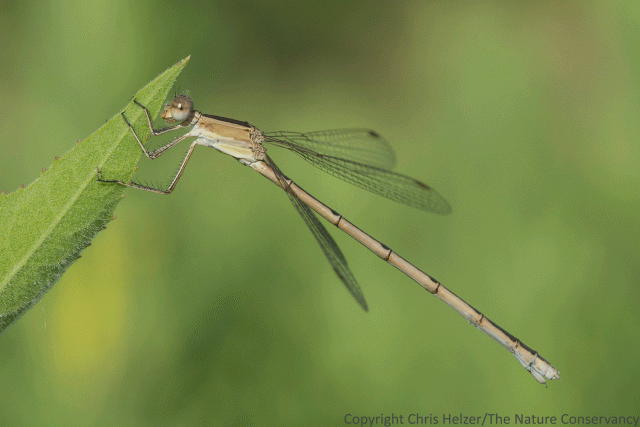
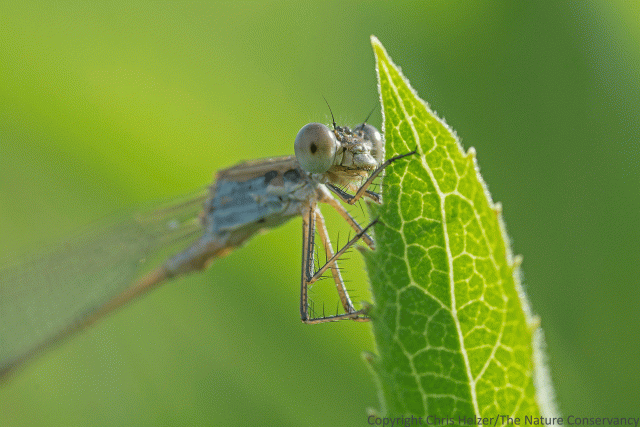
A damselfly rests briefly on an ironweed (Vernonia sp.).

Damselflies definitely fit into the category of insects that flee.  The nice thing about damselflies and dragonflies (as opposed to bees, moths and butterflies, for example) is they tend to be territorial.  That means that when they fly, they don’t usually go far.  Sometimes, if I’m patient, they’ll return to the same perch I flush them from.  That said, they can still be really difficult to get close to.  Staying low to the ground (keeping my head below the horizon line) seems to help, especially if I can avoid having my shadow pass over them.  A slow and steady approach usually works best, but it’s far from foolproof.  During the vast majority of attempts, they fly off just as I get in photography range.

The other issue with skittish subjects like damselflies is that when they do land, they often land in places that don’t work for photography.  That can include perches in the middle of a bunch of leaves that partially obscure them from view, or perches with vegetation behind them that overly clutters up the background.  The ideal situation is when they land on a relatively high perch, or at least one with good clear space all around it.  Trying to wait until they land in a favorable location and then watching them fly away just as I get close is an example of why insect photography is not for the impatient.

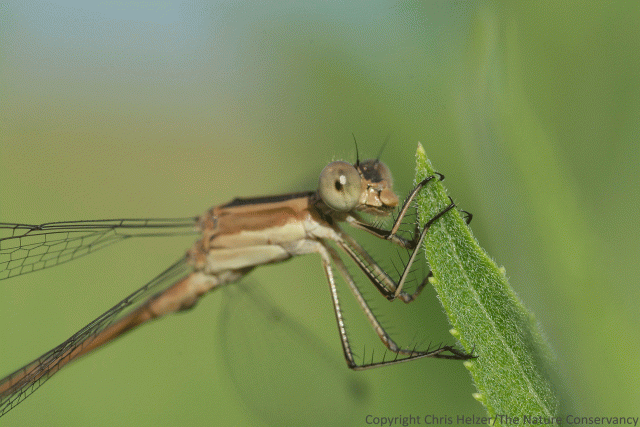
Eventually, I found a few damselflies that let me get close enough for some fairly intimate portraits.  The end results – nice peaceful looking insects resting on perches – don’t paint an accurate picture of the effort invested, however.  The grass stains on the knees of my pants and the sweat pouring down my face were better indicators of that.

Since I didn’t document the visual aspect of the damselfly photo hunt, here is a quick recap:

Helzer approaches a perched damselfly slowly.  Very slowly.  He creeps through the vegetation, being careful not to even slightly bump any plants because…DANG!  it flew away.  Ok, now he’s spotted another one but it’s not in a good spot.  He’s bypassing that one in favor of another on a higher perch.  He’s getting pretty close this time, but there’s a stray grass stem in the way.  Oh!  It looks like he’s going to try to carefully slide that stem out of the way.  It’s a bold move, but it’s going pretty well and…DANG!  It flew again.  Hmm.  He’s got another one in his sights now, and he’s working his way toward it, staying nice and low, keeping an ironweed plant between him and his subject.  Now he’s leaning around the ironweed…  he looks like he’s in range…. he’s focusing and depressing the shutter…OH NO!!  He lost his balance just a little and as he reached to catch himself the damselfly flew away again.  What a disappointment!

You get the idea…

One of the best parts of owning our own prairie is that I can do this kind of insect photography and not have to worry about anyone watching me.  The only thing I can think of that might make me look more foolish to passers by is when I’m chasing fruitlessly after a flying bee or butterfly with a net, swiping wildly at it while weaving back and forth in its path.  At least when I’m crawling around on the ground with my camera I’m a little more difficult to see from a distance.

Invertebrate photography can be frustrating, especially when I’m chasing insects in the “flee” category, but it’s awfully rewarding when I actually get a few good photos as a result.  Unfortunately, most viewers of my insect photos don’t give me any extra credit for the degree of difficulty of some photos over others.  The katydid shots in this post, for example, were a cakewalk compared to the damselflies, but unless I’d told you, you wouldn’t have known or cared, would you?  But I know, and I feel a little extra pride in these close-up damselfly portraits.

I’m just glad no one documented the process…