
This has been a month of having to squeeze little bursts of photography into tight windows. That’s certainly not my ideal approach. Nevertheless, I managed some fun exploration time and came away with some images I liked. Here are some you haven’t yet seen.
(Why do we use the word nevertheless to mean, basically, “however” or “despite that”? Who decided that was a word that makes sense in those contexts? If you make it three separate words, they’d make no sense in my above paragraph. But if we squeeze them all into one word it’s ok? Language evolution is weird.)
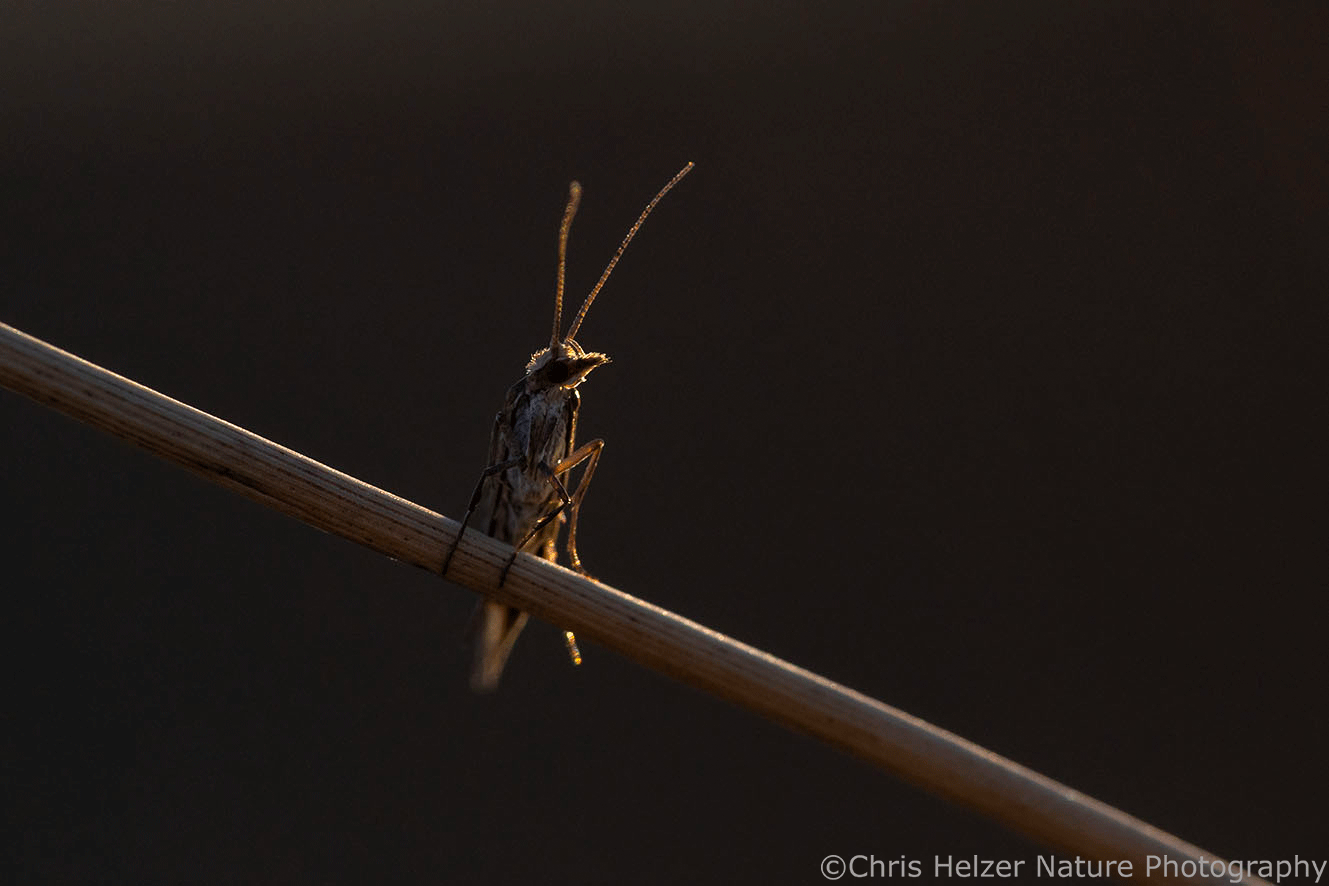
My first photo opportunity of April came during the first week of the month and I found myself at our family prairie as the sun was going down. I’d been doing some work on trees and decided to stick around to see what the sunrise looked like. The sunrise was just fine. However, as the sun dropped, I noticed a bunch of flying insects. Many of them were flies, but there were some moths included as well.
It was still early in the spring and I hadn’t seen many other insects that day, so I thought it was interesting that they’d start getting active as the sun was going down, instead of earlier, when the temperature was warmer. I followed a tiny moth around for a few minutes and managed to get a shot of it right after it landed on a grass stem and perched, momentarily, like a bird.
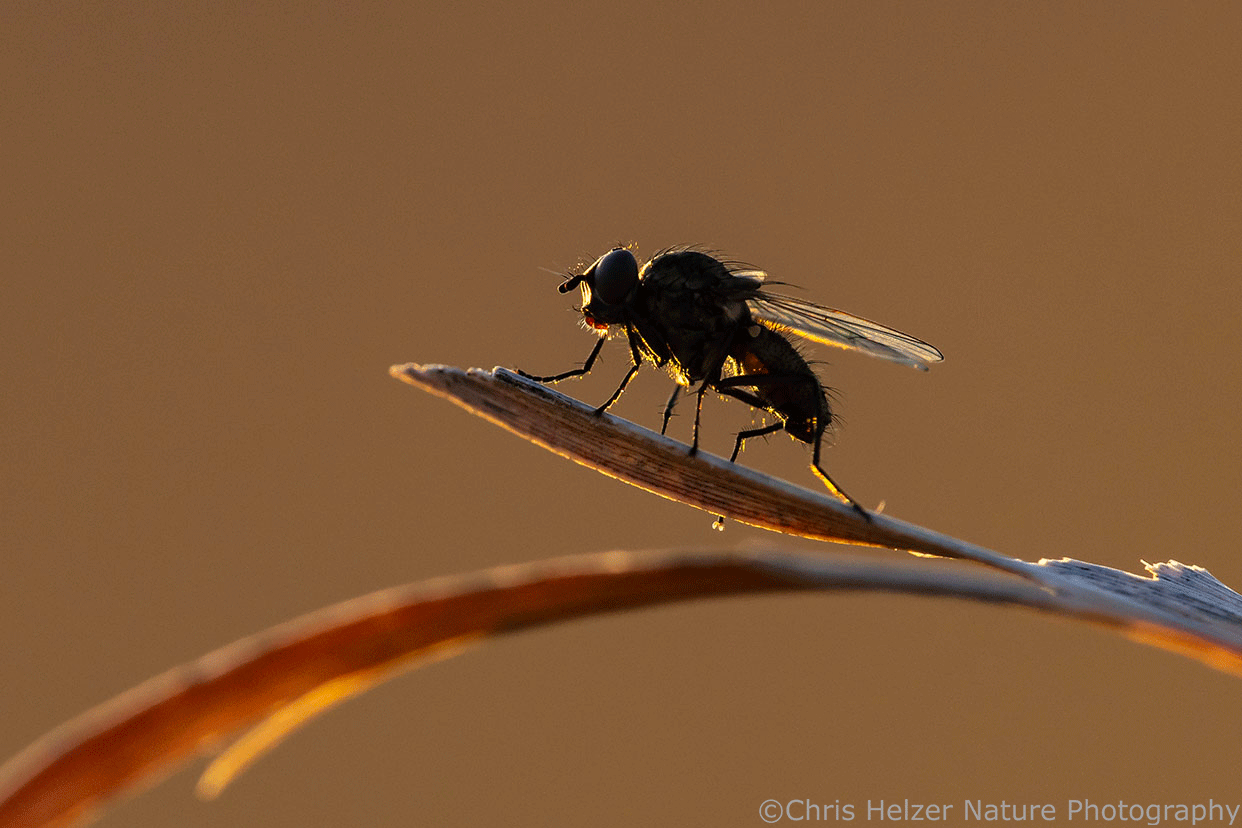
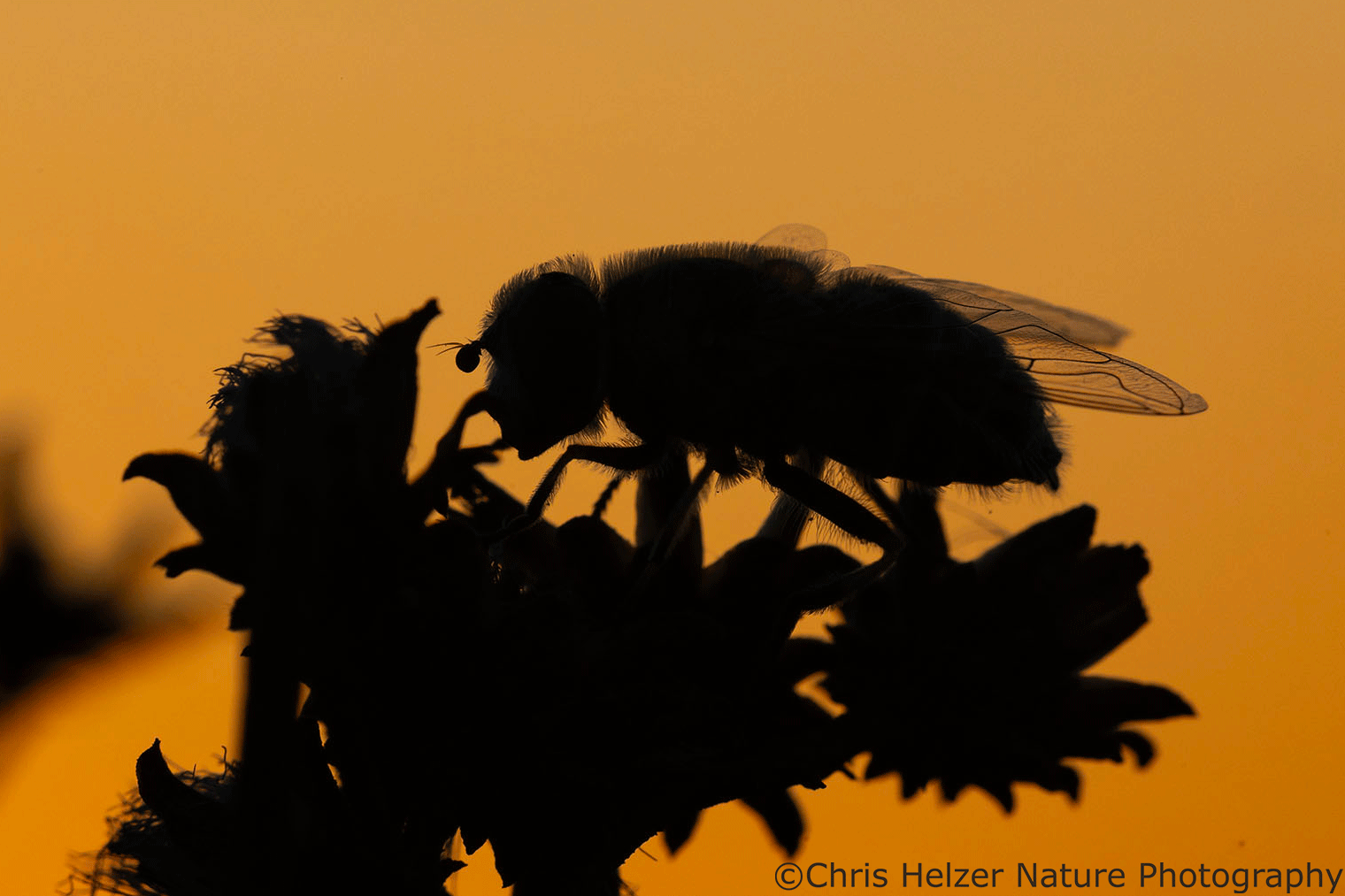
Then I focused my attention on all the flies, which seemed to be landing and preparing to roost overnight high in the vegetation. I’ve seen this before and am still not sure I understand the motivation. Why would they want to perch up high on plants where they are most easily seen by birds and other similar predators, especially as they’re about to get cold (and probably wet with dew), which will largely immobilize them. Why not hide further down in the more dense vegetation?
I assume it’s because there are more/scarier predators down low than up high? Plus, I can see the value of placing yourself where the morning sun will warm you up right away. Early birds like worms, but I bet they’d eat an immobilized fly, too, if one were available.
Ten days after I photographed evening flies, I was out at the Platte River Prairies and ended up with a free hour between meetings. Wild plum was blooming, so I went to see if it smelled as good as usual. It did.
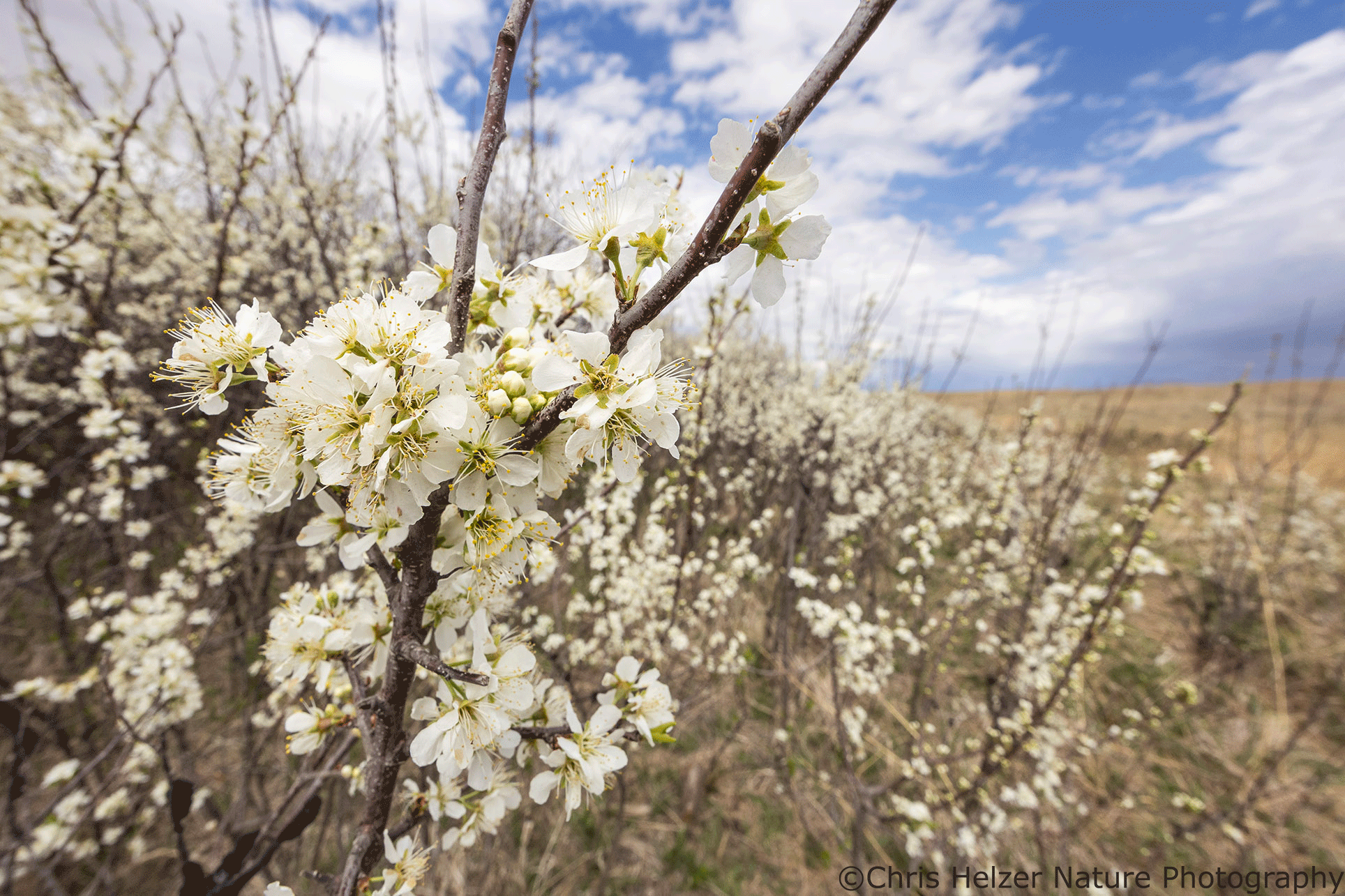
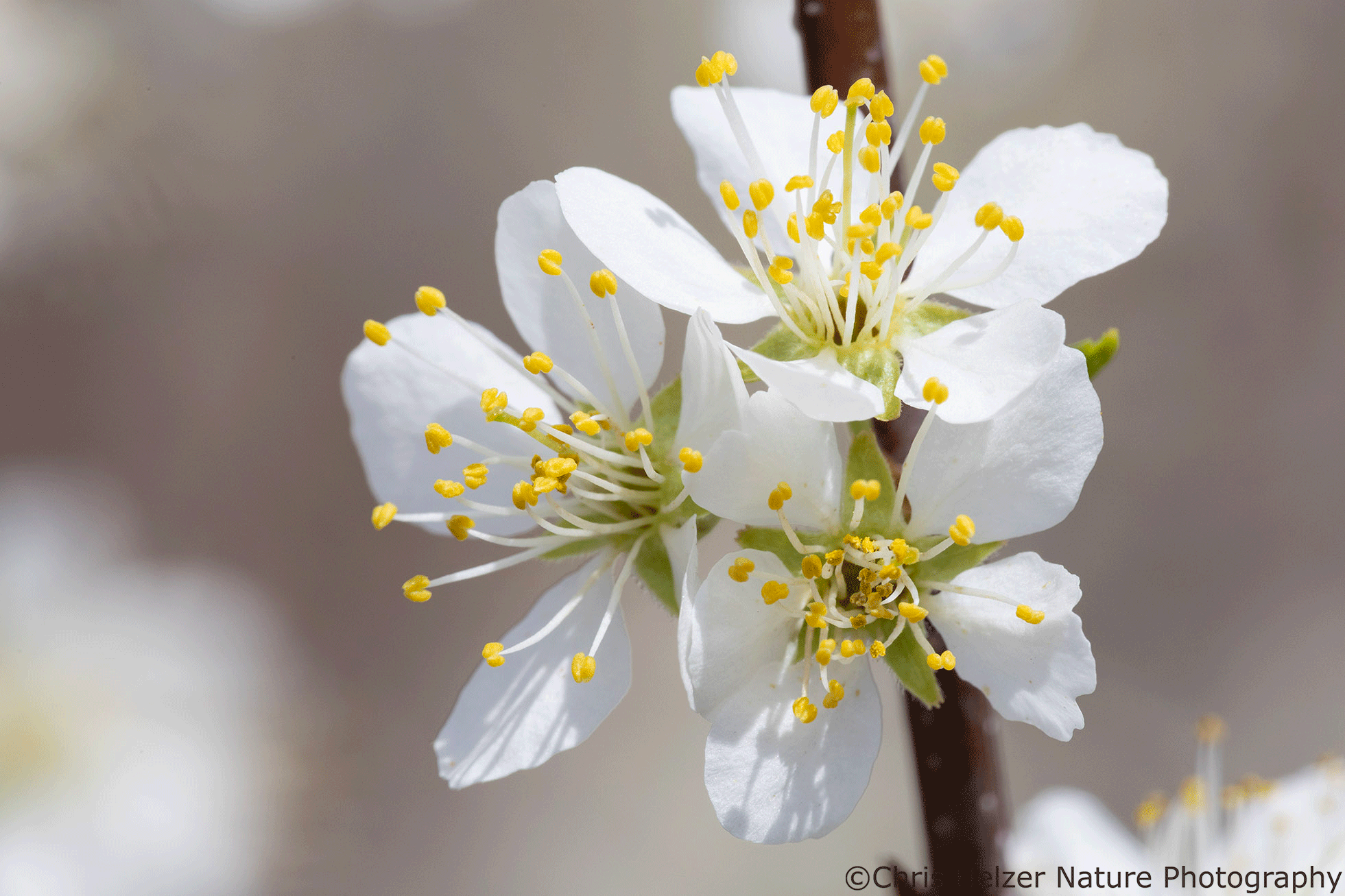
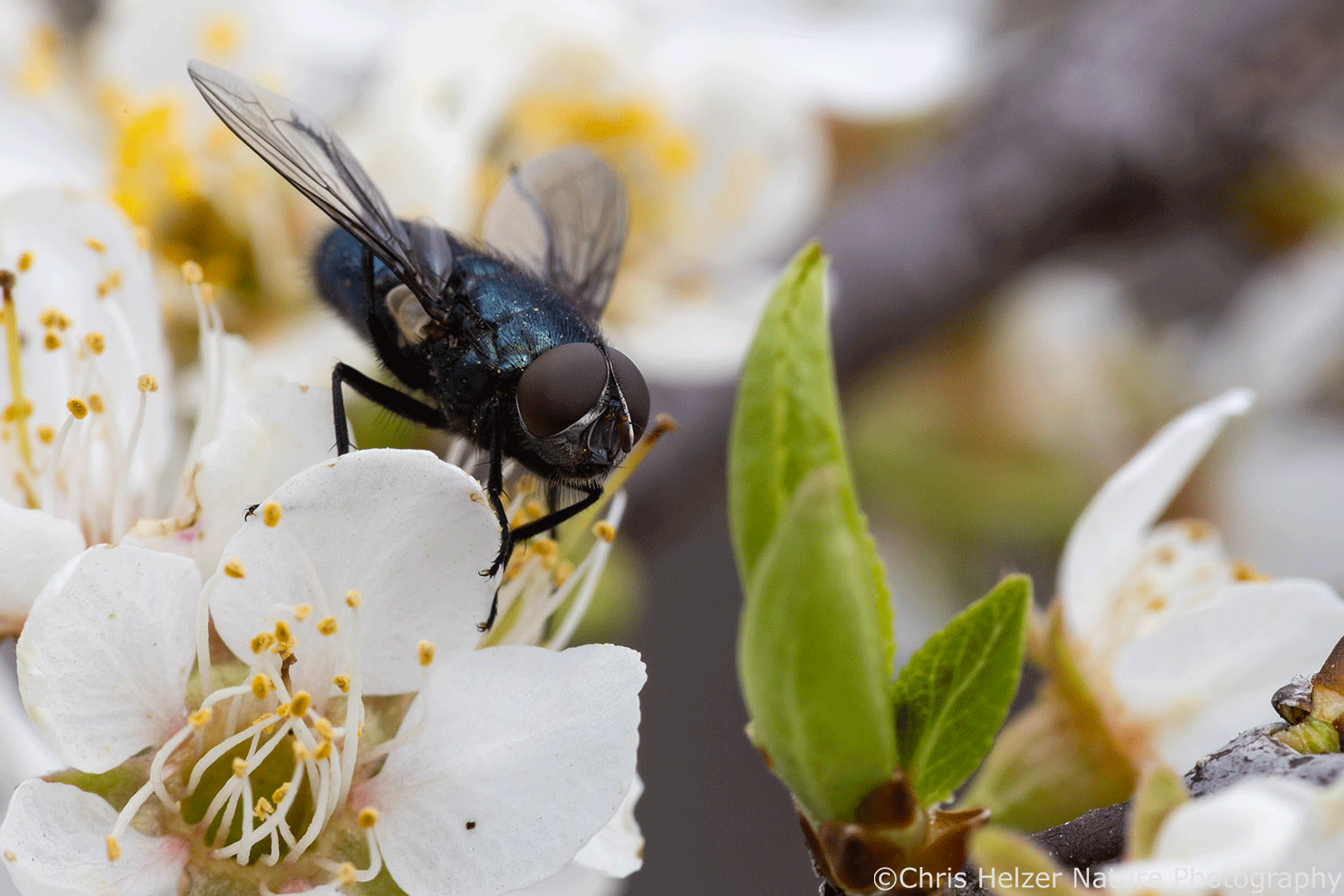
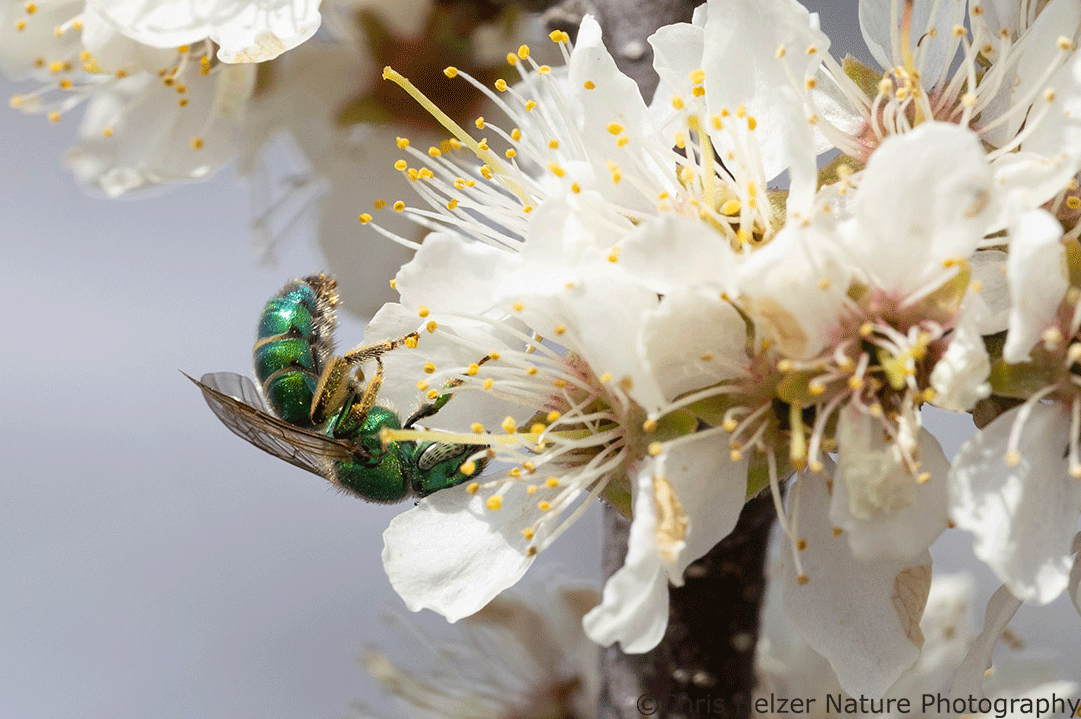
I found a portion of the big plum thicket where the lightly-diffused-by-clouds sunlight was hitting the flowers, but there was a little shelter from the strong breeze. Then I settled in to watch the parade of pollinator insects come by. I managed to photograph a fair number of them, but would have gotten more if I hadn’t become obsessed with one particular moth.
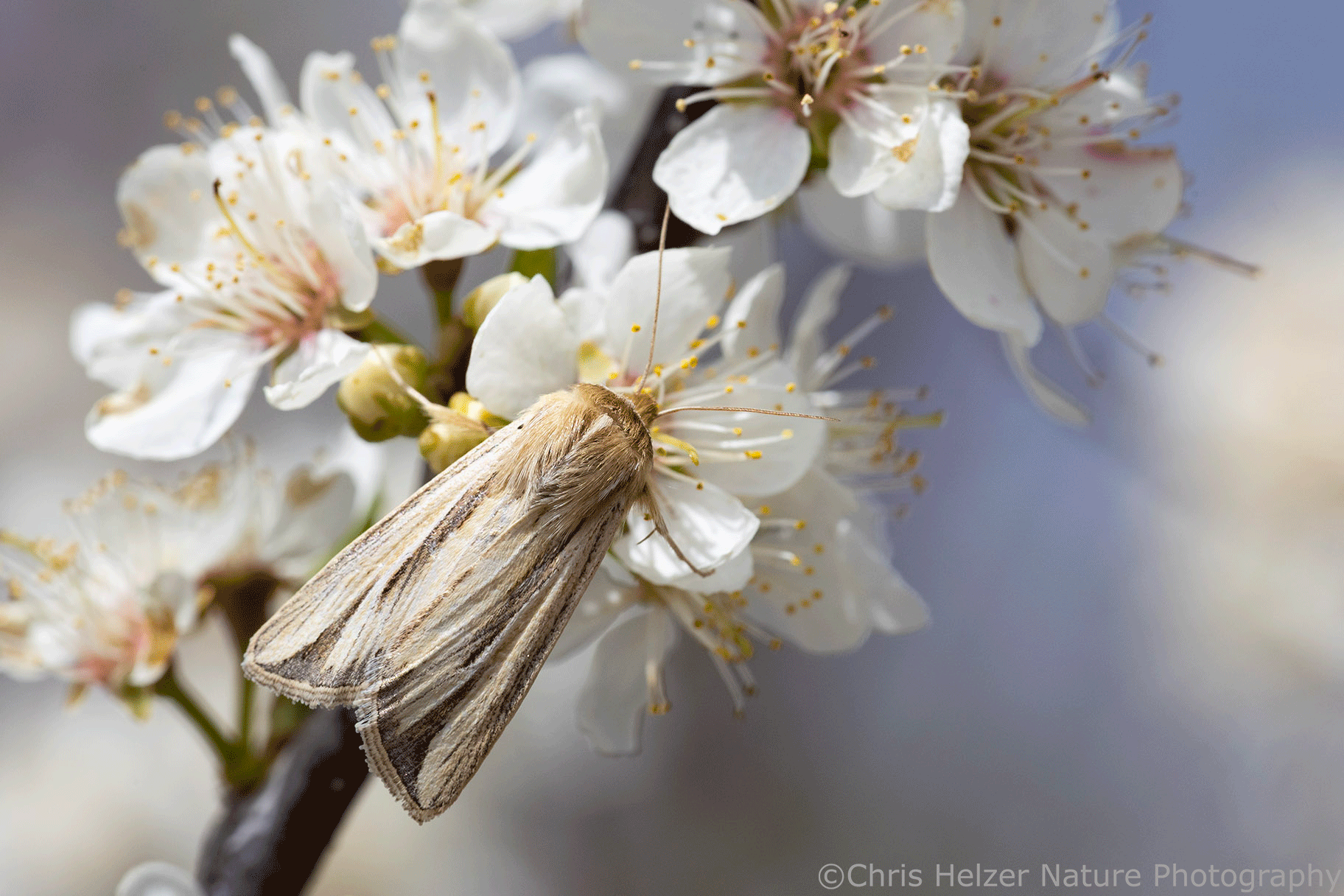
I wondered if it was a migratory moth species (there are lots of them), so I spent extra time following and photographing it to make sure I had good enough photos to identify it to species later. It didn’t turn out to be a migratory moth. Instead, it’s a native species called the wheat head armyworm moth. As you might guess, it is so-named because its larvae are often found feeding on wheat and related grain crops. You can’t really blame the moth for that – it was here before those grain crops showed up. What, you don’t expect it to eat anything from the huge fields of tasty grasses we planted?
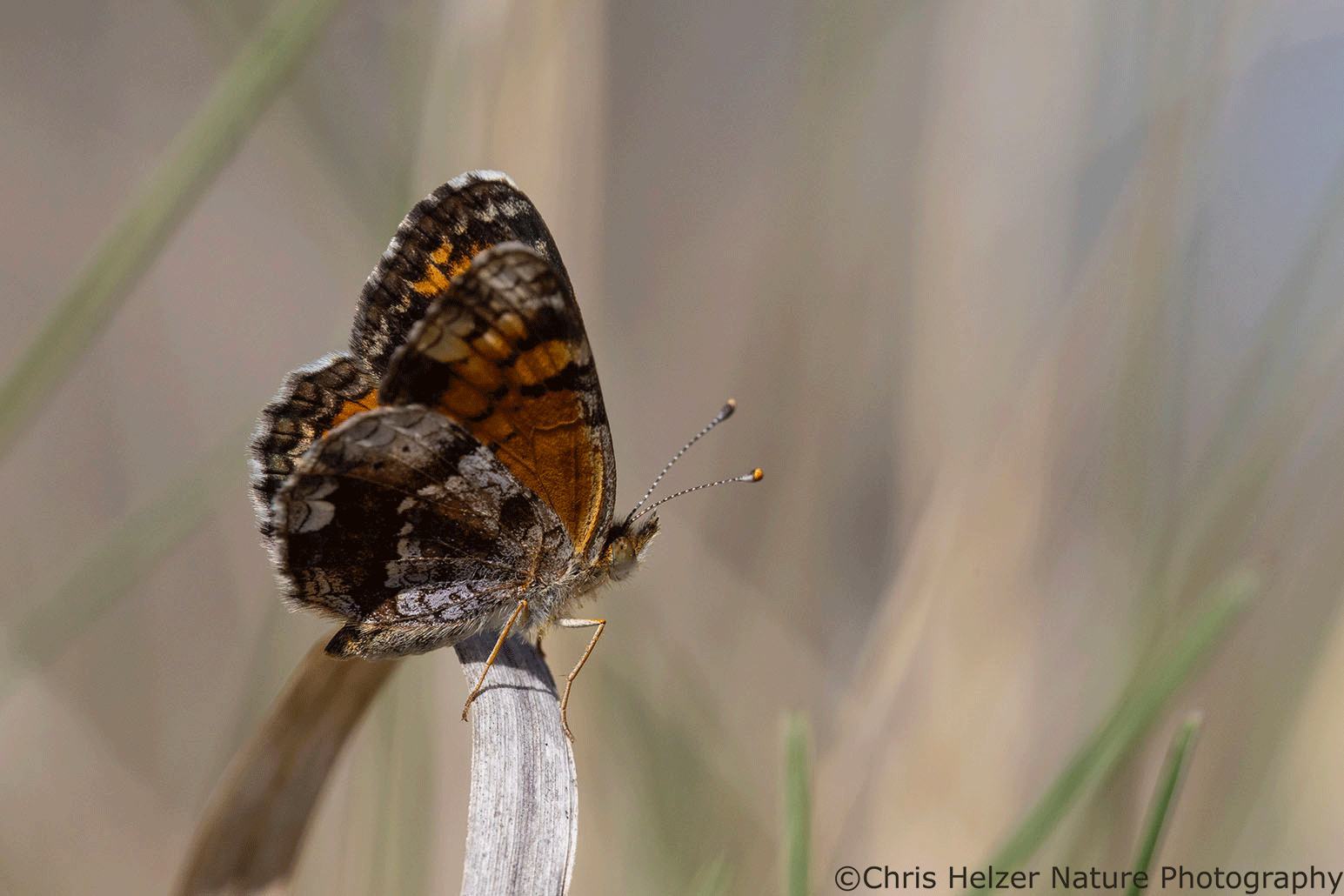
The next, very short, window came as I was opening a gate at the Platte River Prairies on my way to collect some data. I noticed some small butterflies flurrying around a patch of dandelions. I wanted to see what they were, so crept up close enough to identify them as Gorgone checkerspot butterflies. I grabbed my camera out of the truck and tried to get a photo of one of them on a dandelion, but they wouldn’t cooperate. I did manage to sneak up on one as it landed to bask in the sun, though.
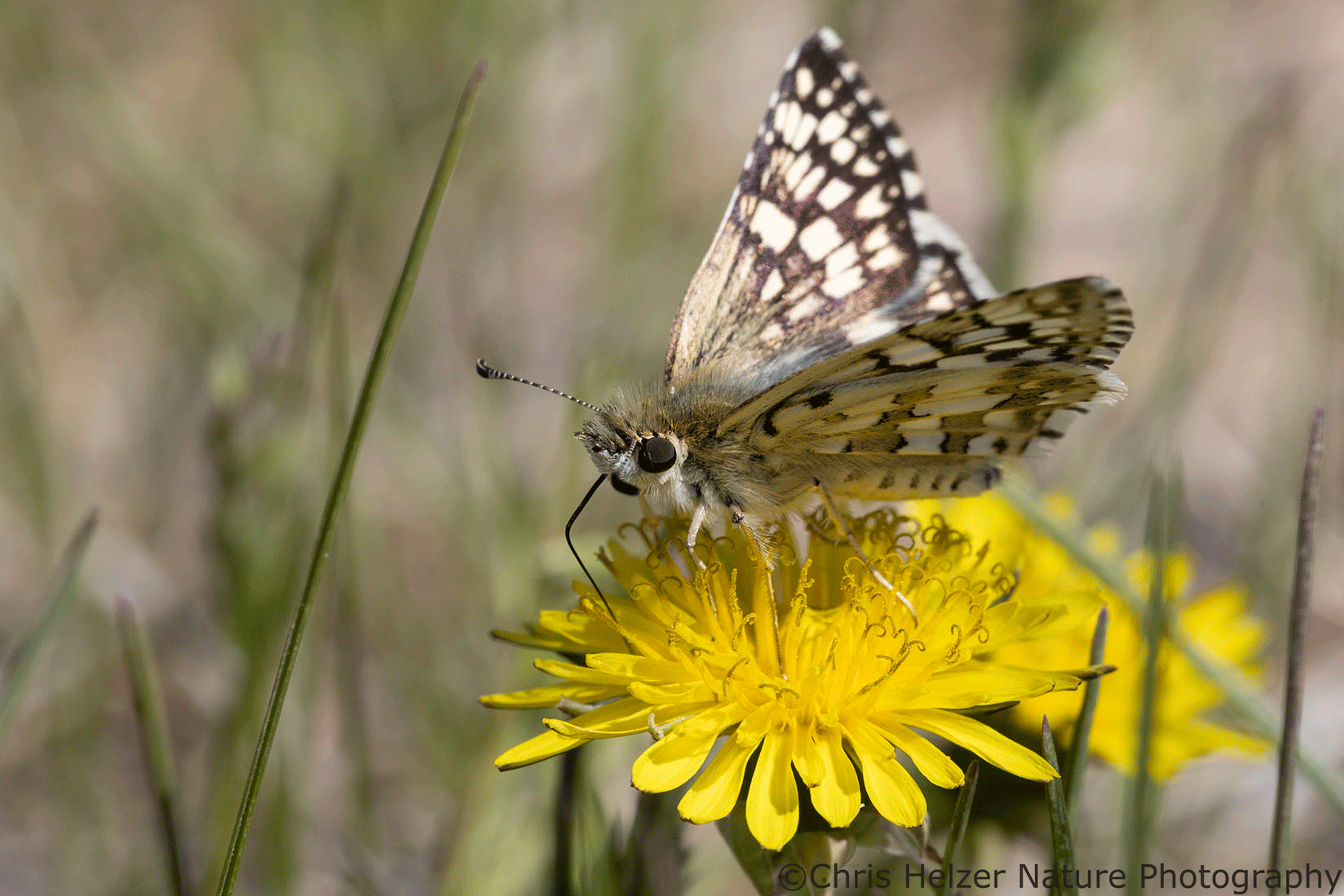
Once I was on the ground, I noticed other pollinators visiting the same patch of dandelions, including some flies, bees, and a couple common checkered skipper butterflies. I got a couple photos of one of the skippers before I pulled away to go do my real job.
This last Saturday, I finally took a trip to a prairie solely for the purpose of photography. Unfortunately, as I was driving up to Gjerloff Prairie, I could see it was going to be another “squeeze-it-in” kind of photography trip. This time, the issue was the tiny sliver of space between the eastern horizon and the big bank of dark clouds that was sliding slowly in that direction. I kept driving because it looked like I’d get at least a few minutes of light before the clouds obscured the sun.
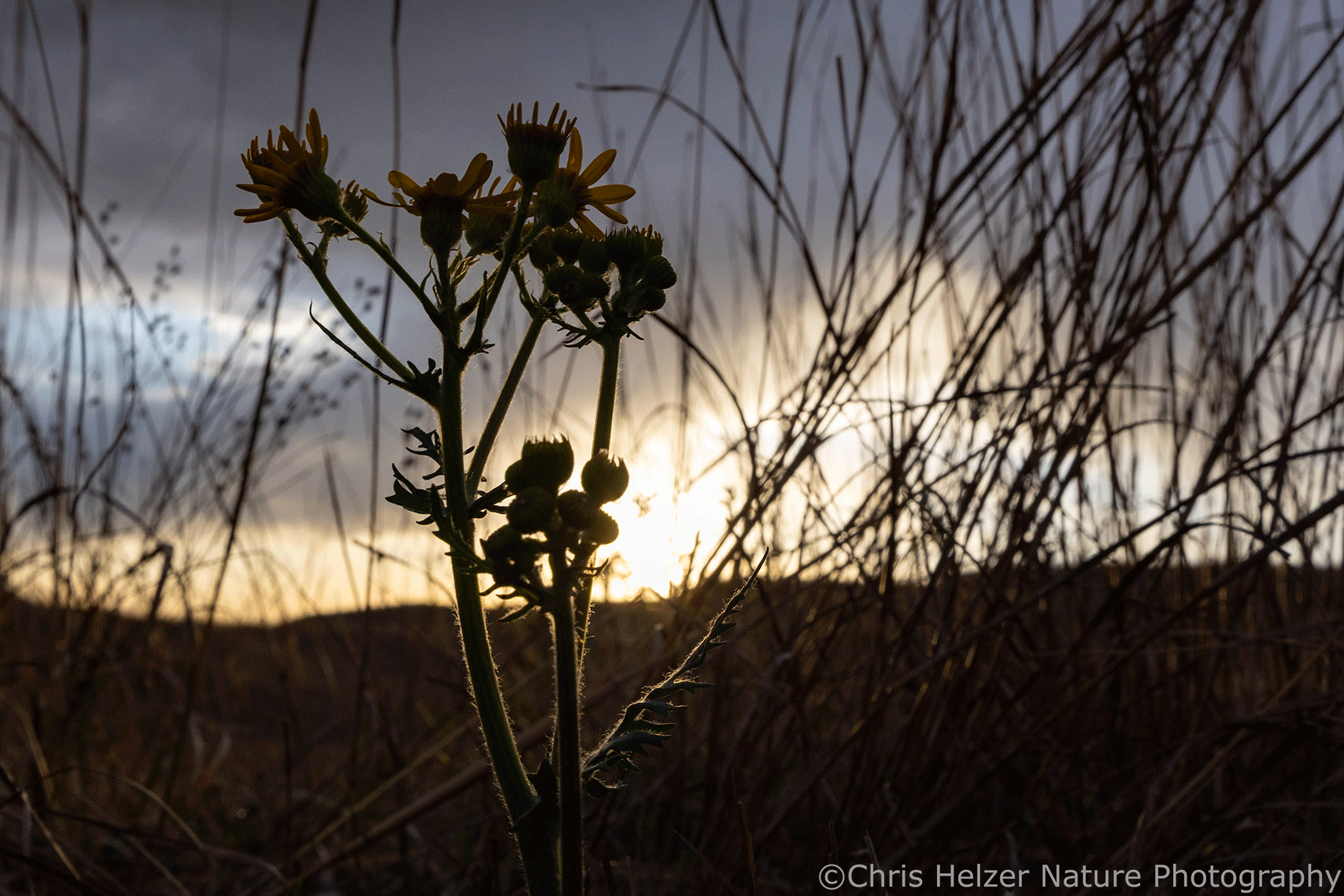
When I arrived, I did a lot of quick walking, trying to find a place where there were some blooming flowers on a high area that would be illuminated by the sun when it popped up. Most of the prairie hasn’t been burned or grazed much recently, so there was a lot of thatch and not an abundance of flowers. I finally found a ragwort plant that I thought might work and got a couple photos before the clouds swallowed the light.
After the clouds rolled in, I took a more leisurely stroll and enjoyed finding other hidden flowers here and there. As I eventually circled back closer to where I’d parked, the sun peeked briefly out through a tiny break in the clouds and it looked like there were a few other small windows coming. I headed to a small area that had been burned earlier in the month to see what I could find there.
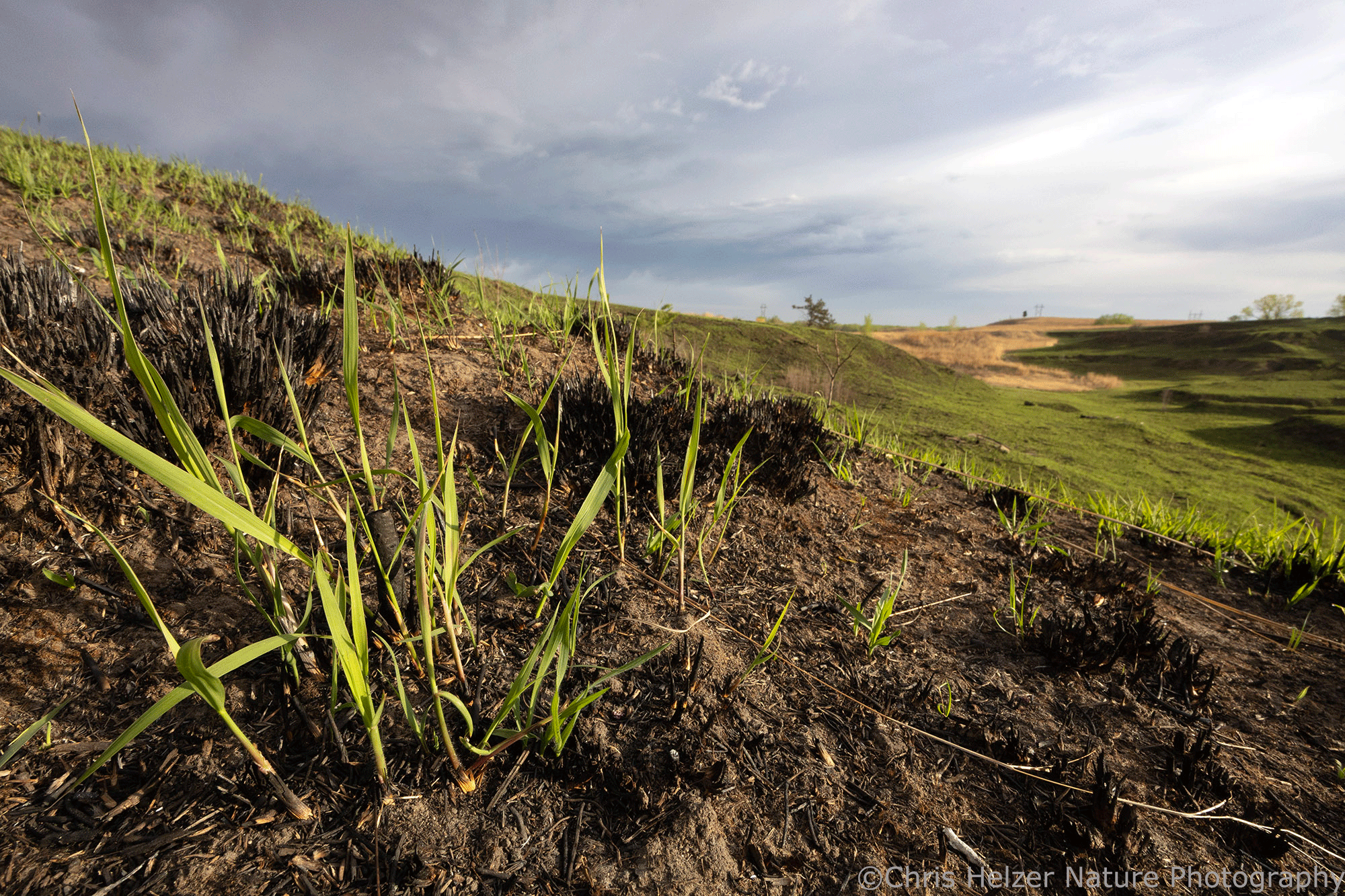
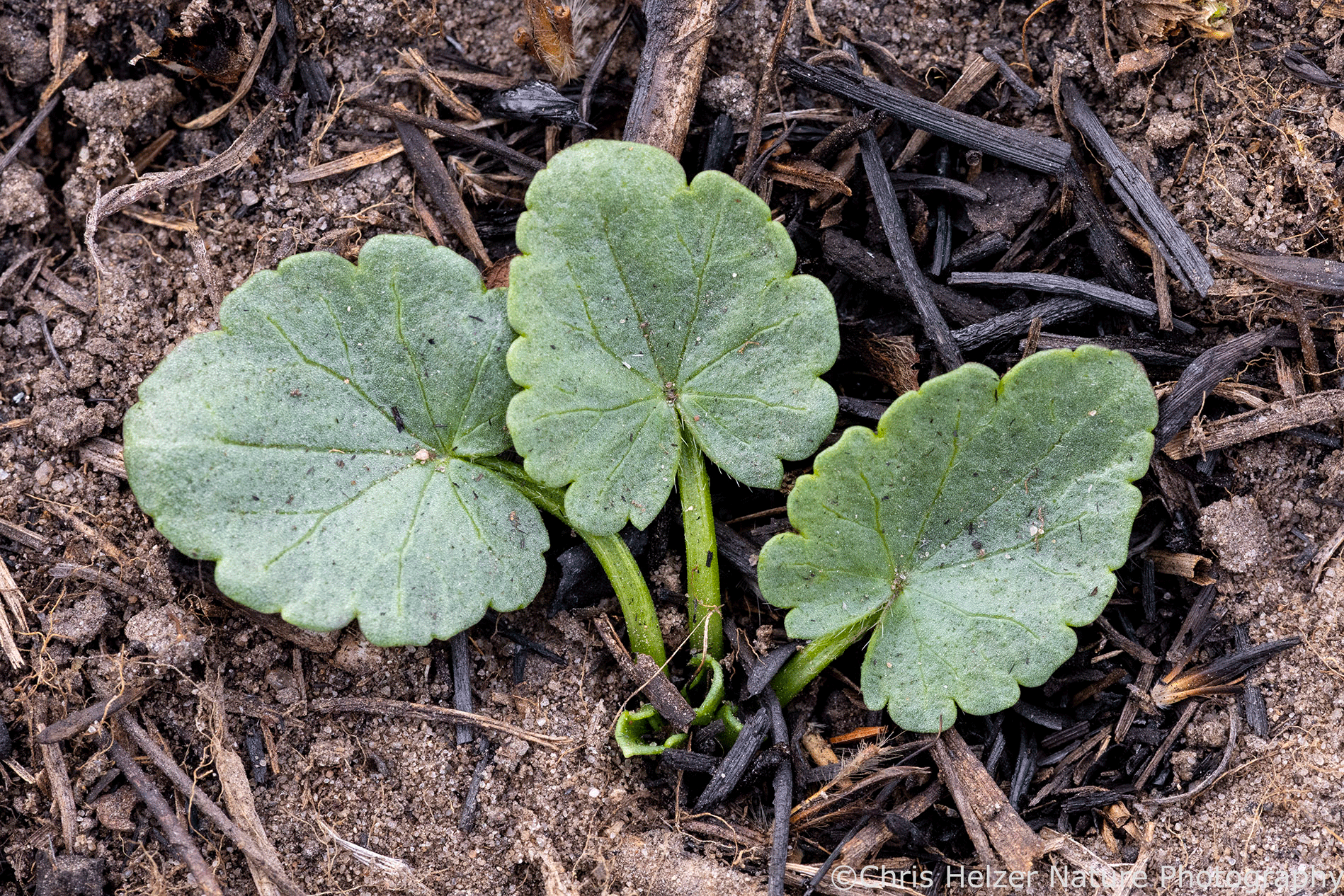
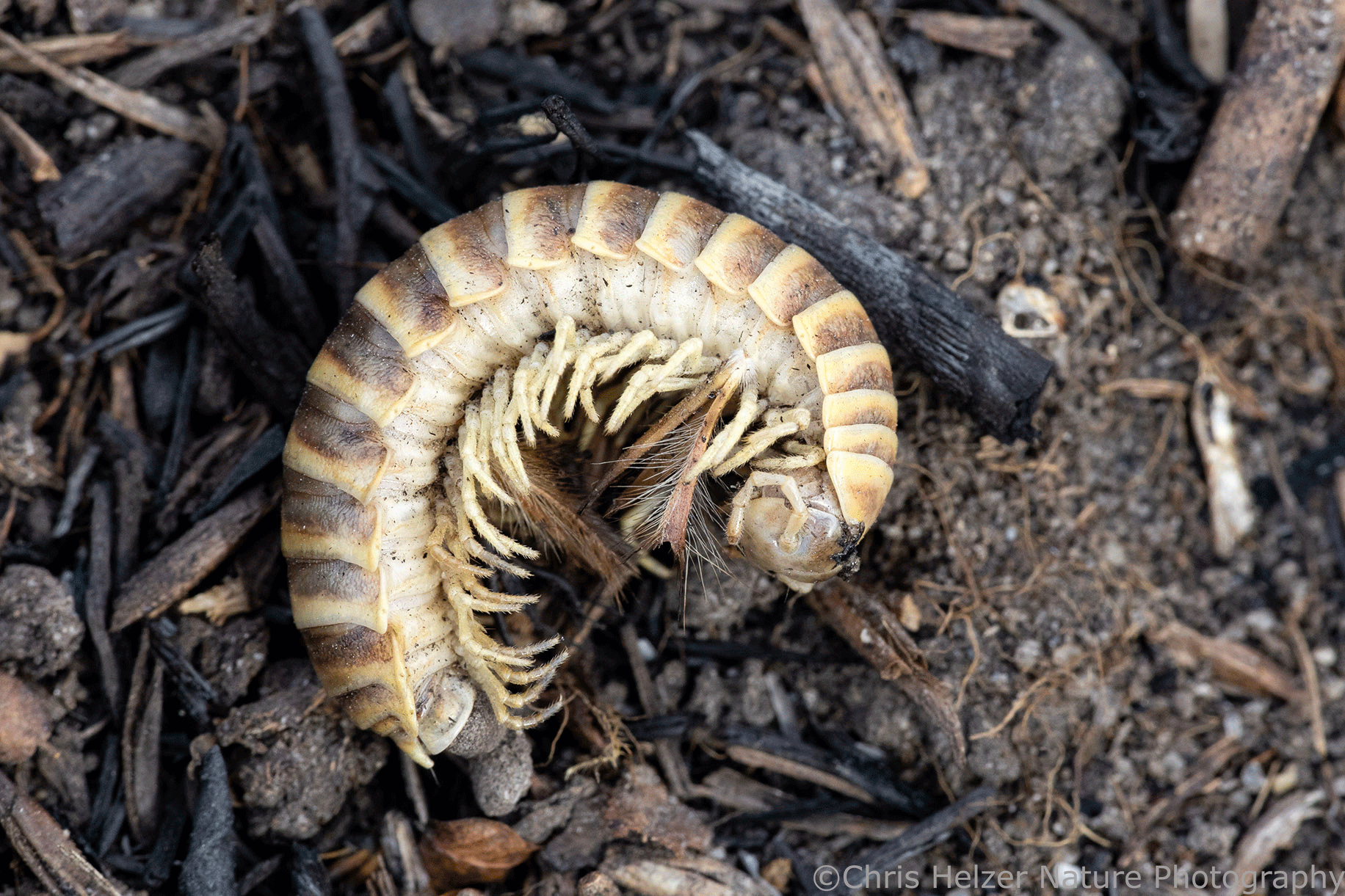
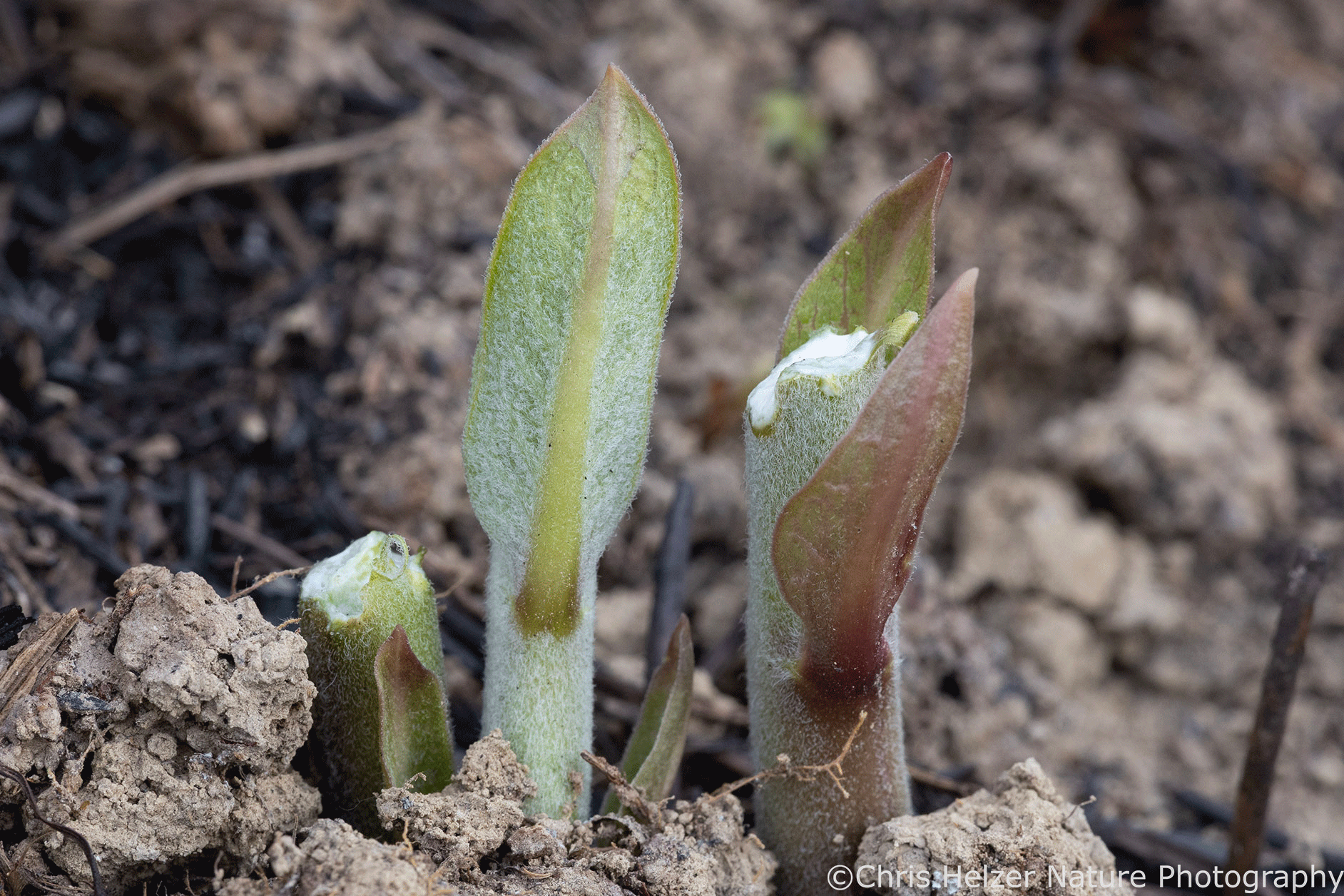
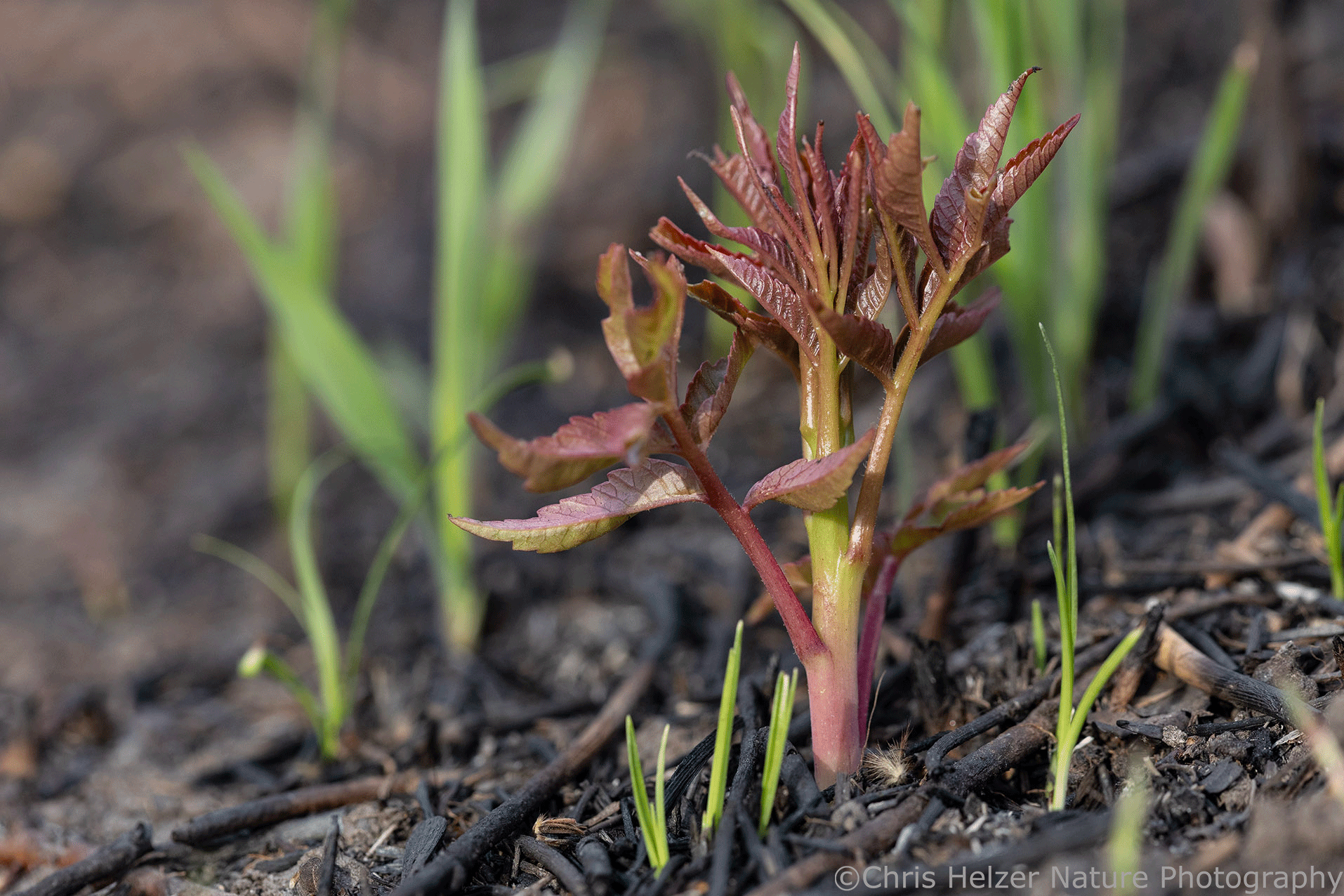
One aspect of the burned area I was paying close attention to was the resprouting of smooth sumac and other shrubs within the burned area. As always, it looks like a single burn isn’t going to do much to slow them down. Nearly every old stem that had burned had a nice fresh sprout emerging from its base. By the end of summer, they’ll be just about as tall as they were before the burn. This is just the world we live in now – shrubbier prairies are a fact of life, as I’ve written about before.
Eventually, it was clear the light was gone and wasn’t coming back for a while, so I packed up and headed back home. Ironically, I needed to get back home so Kim and I could head to some local nurseries to buy trees and shrubs for our yard. Look, I’ve eliminated way more woody plants from the world this month than I’ve added to it, but it’s all about the right plants in the right places, right? In this case, we wanted some shade, early flowers, and pie cherries in our yard. We waited a year since moving to our new house before starting to implement change, but now it’s time.
Nevertheless, it’s funny that I bought a bunch of woody plants to install in one place while working to suppress/manage the growth of many other woody plants in the prairies I care about. Also, it’s funny that I found two opportunities to use the word nevertheless in the same post. Heretofore, I’m not sure I’ve used it very much, insofar as I don’t like using words that are really three words in one.

