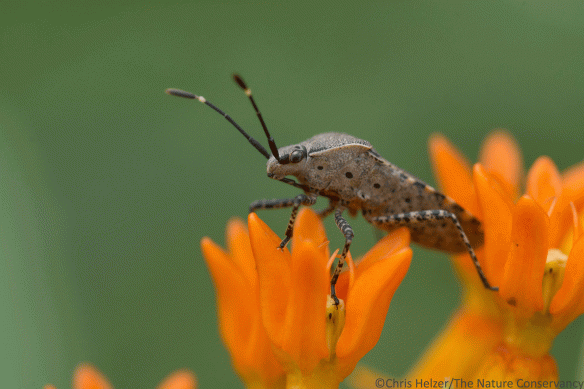
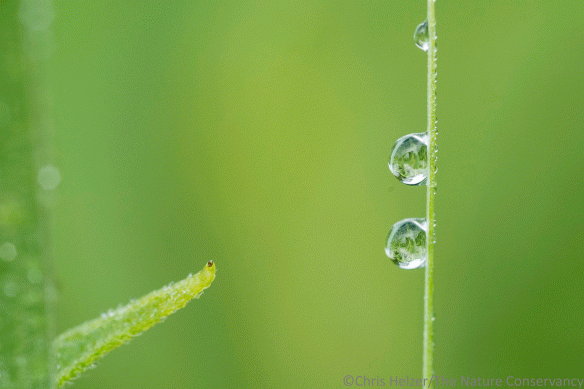
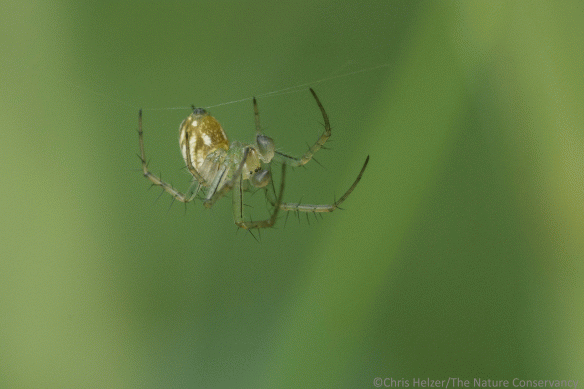
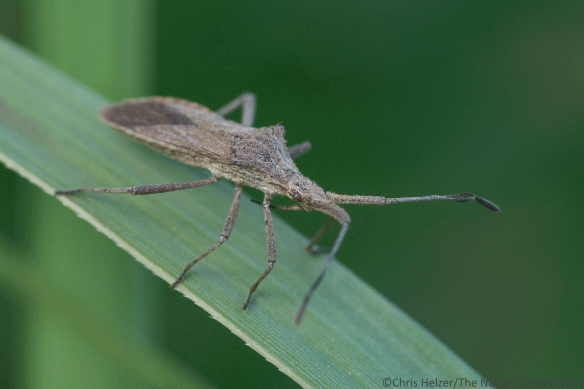
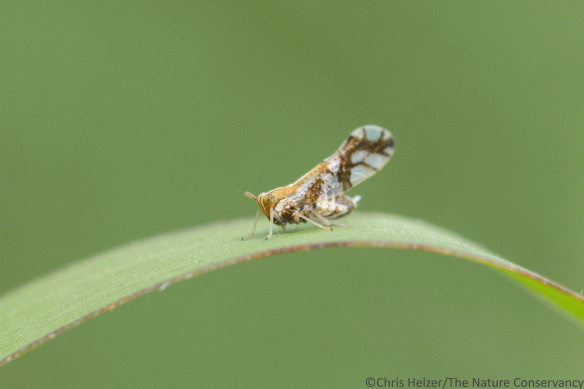
Another month has passed, and I’ve managed to carve out some more time staring at the little square meter of prairie I’m photographing this year. In June, activity really picked up as lead plant (Amorpha canescens) and butterfly milkweed (Asclepias tuberosa) started blooming within the plot. However, there was plenty to photograph besides just those species and the many insects they attracted. I continue to be inspired by the diversity of life I’m finding in a very small plot of land. Hopefully, I can pass along some of that inspiration, both during these periodic updates and when I somehow assemble all of this at the end of the project. Here are just a few of the photos taken during June within one single square meter of Lincoln Creek Prairie in Aurora, Nebraska.
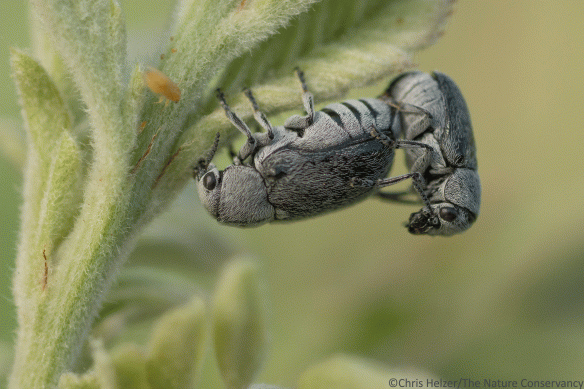
I’ve seen quite a few beetles in the plot, including several different species during June. Thanks to Bugguide.net, this one has been identified as Coleothorpa dominicana, in case you’re interested.
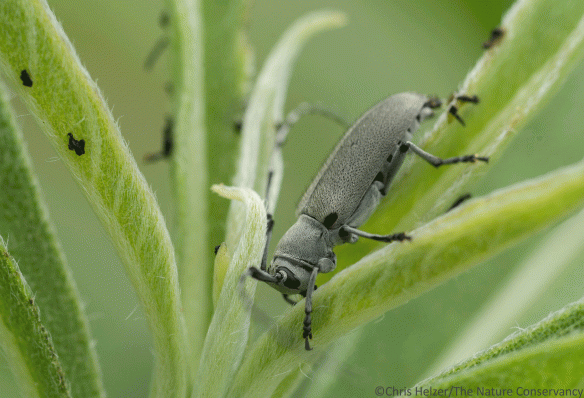
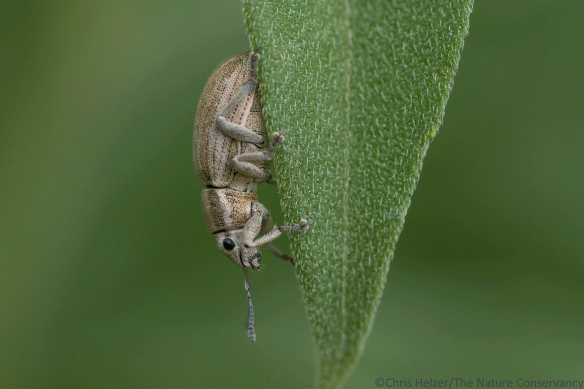
This is a completely different gray beetle, and I don’t know what it is, but there were several in the plot late in June.

This beautiful orange beetle (Anomoea sp.) was on a lead plant flower, just as it was starting to bloom.

I don’t know what these little beetles are, but they’ve been in the plot every time I’ve visited during the last month or so. They were usually (maybe always?) on Maximilian sunflower.
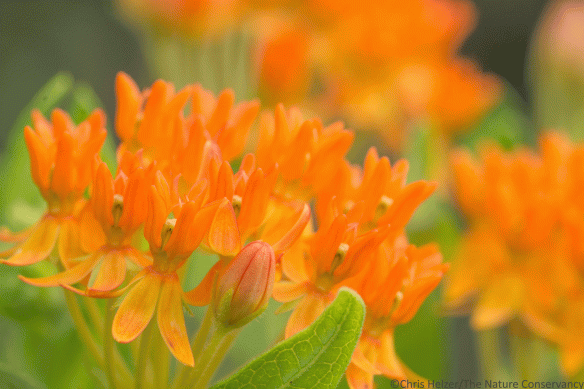
I was really glad to see butterfly milkweed blooming. I assumed it would attract quite a few insects, both pollinators and insects that feed on the foliage. So far, I’ve actually seen very few insects on butterfly milkweed. Maybe that’ll change soon, but it’ll have to be quick because the flowering period is wrapping up.
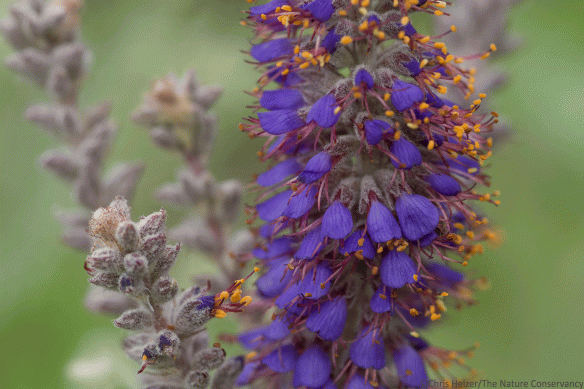
The tiny blossoms of lead plant are especially beautiful when seen up close.
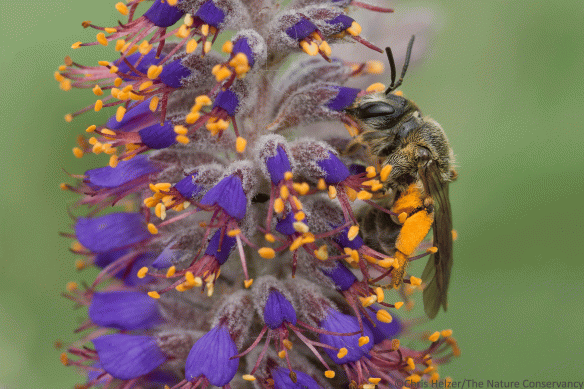
Mike Arduser informs me that this bee species is Andrena quintilus, a specialist feeder on lead plant.

This wasp was only a brief visitor to the plot, but it stuck around long enough to be photographed.

This long-horned beetle was eating the pollen, and probably other parts of the lead plant flowers. While beetles like this can help pollinate flowers, they also damage them, so they’re probably not the intended audience from the flower’s standpoint.
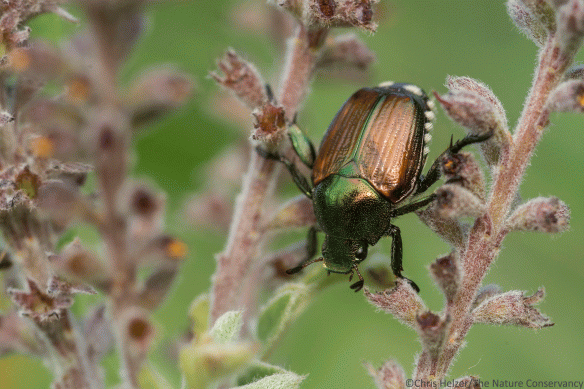
During the last couple weeks, invasive Japanese beetles have invaded the prairie, including my little plot. This one was denuding a lead plant flower stalk.
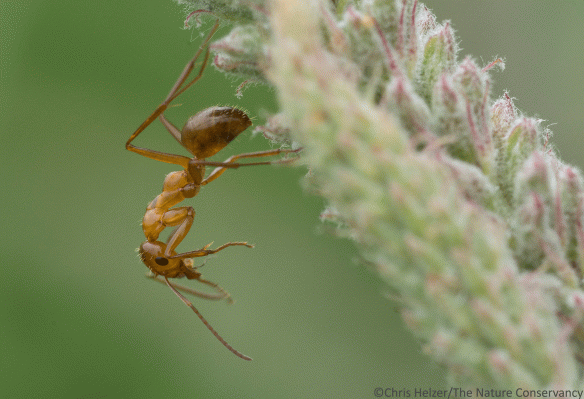
At any one time, there must be close to 100 ants in my little plot, and there are several different species. This is one of the bigger ones.
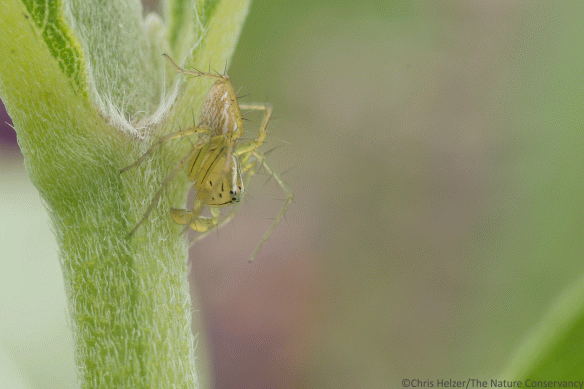
About a week after I got my first ever photos of a lynx spider (not inside my plot, but nearby) I found this one INSIDE my plot, and it sat nicely for me.

There are lots of different fly species that hang around the plot, but this is one of the smallest.
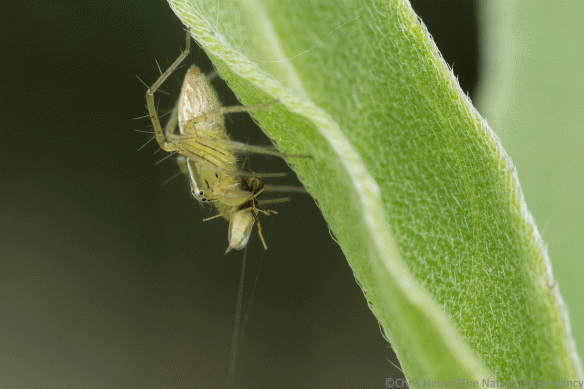
Just a few minutes after I photographed the lynx spider, I spotted it again (or another just like it), this time with one of those tiny flies in tow.
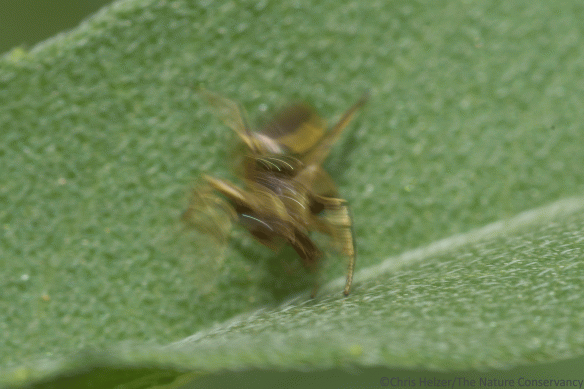
This metallic-looking jumping spider ALMOST stayed in the same place long enough for a photo. Even at 1/125 second shutterpeed, I wasn’t able to freeze the movement of this quick little bugger.
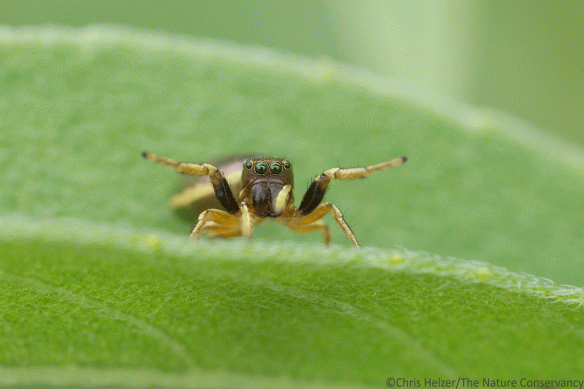
About a week after missing the first jumping spider photo, I finally got the same (?) spider to sit still long enough to capture this image.
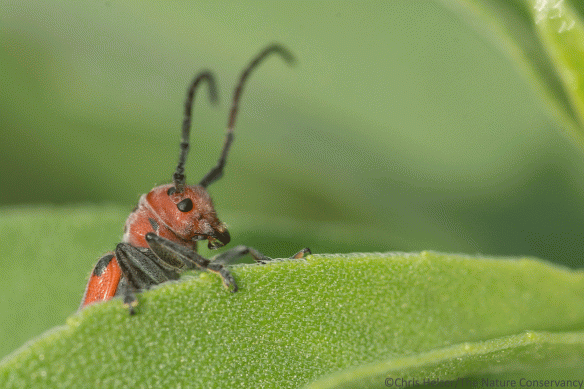
There are two milkweed plants in my plot -butterfly milkweed and common milkweed – but this long-horned milkweed beetle wasn’t on either of them. It was on Maximilian sunflower, at least when I saw it.
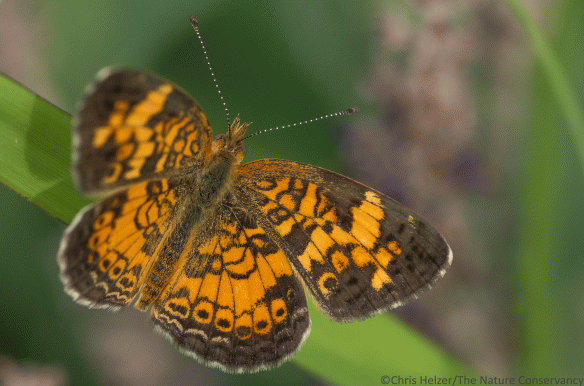
This might be my proudest capture of this project to date, but only because I’ve seen lots of pearl crescent butterflies come into and through my plot, but most of them took off well before I got within photo range. For this photo, I had to stalk very carefully (and get really lucky).