Prairies in central Nebraska continue to buzz with activity right now. Here are some local photos from the last week or so, along with a few from Wilson Lake in Kansas during Kim’s most recent race (which she won! – more on that below).
The first set of photos is from a morning at the Platte River Prairies, including a bunch from near or along our hiking trails.
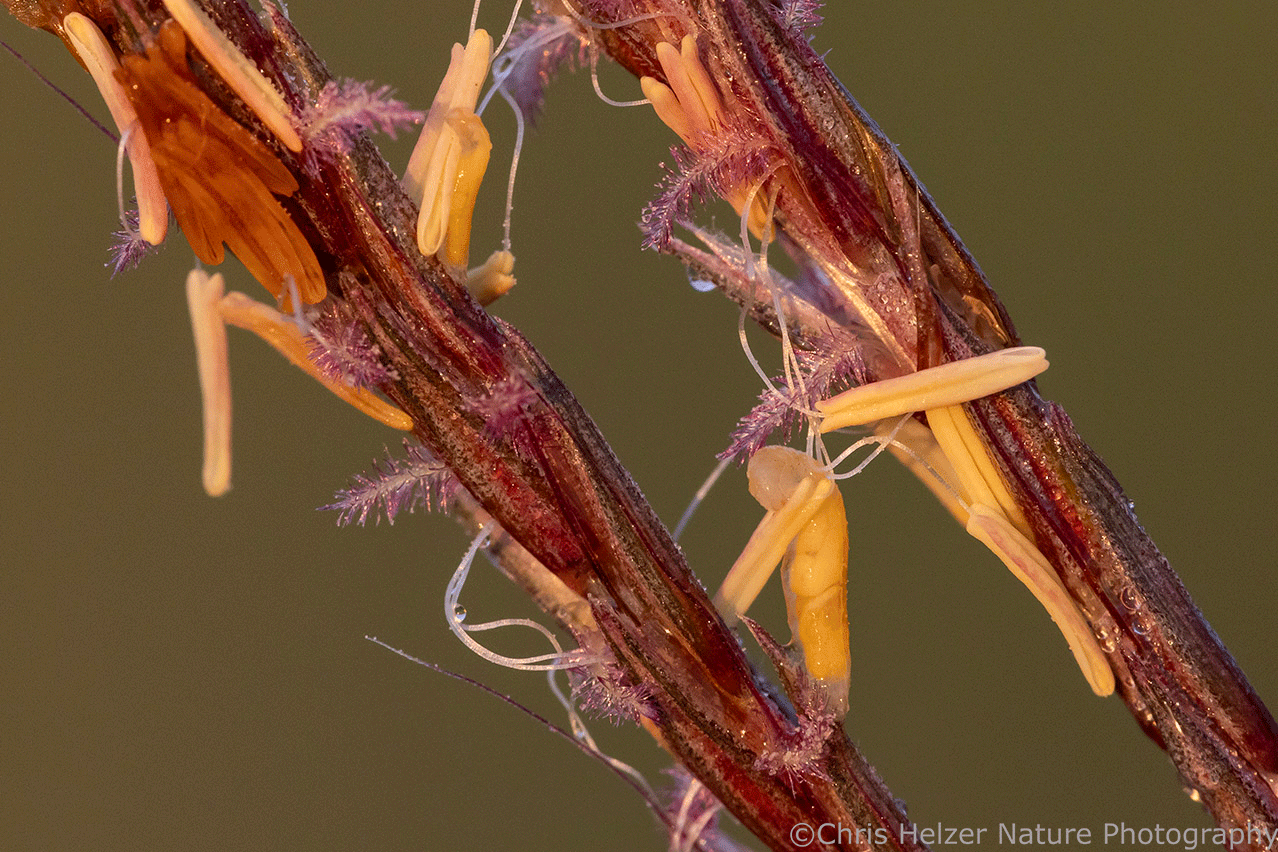
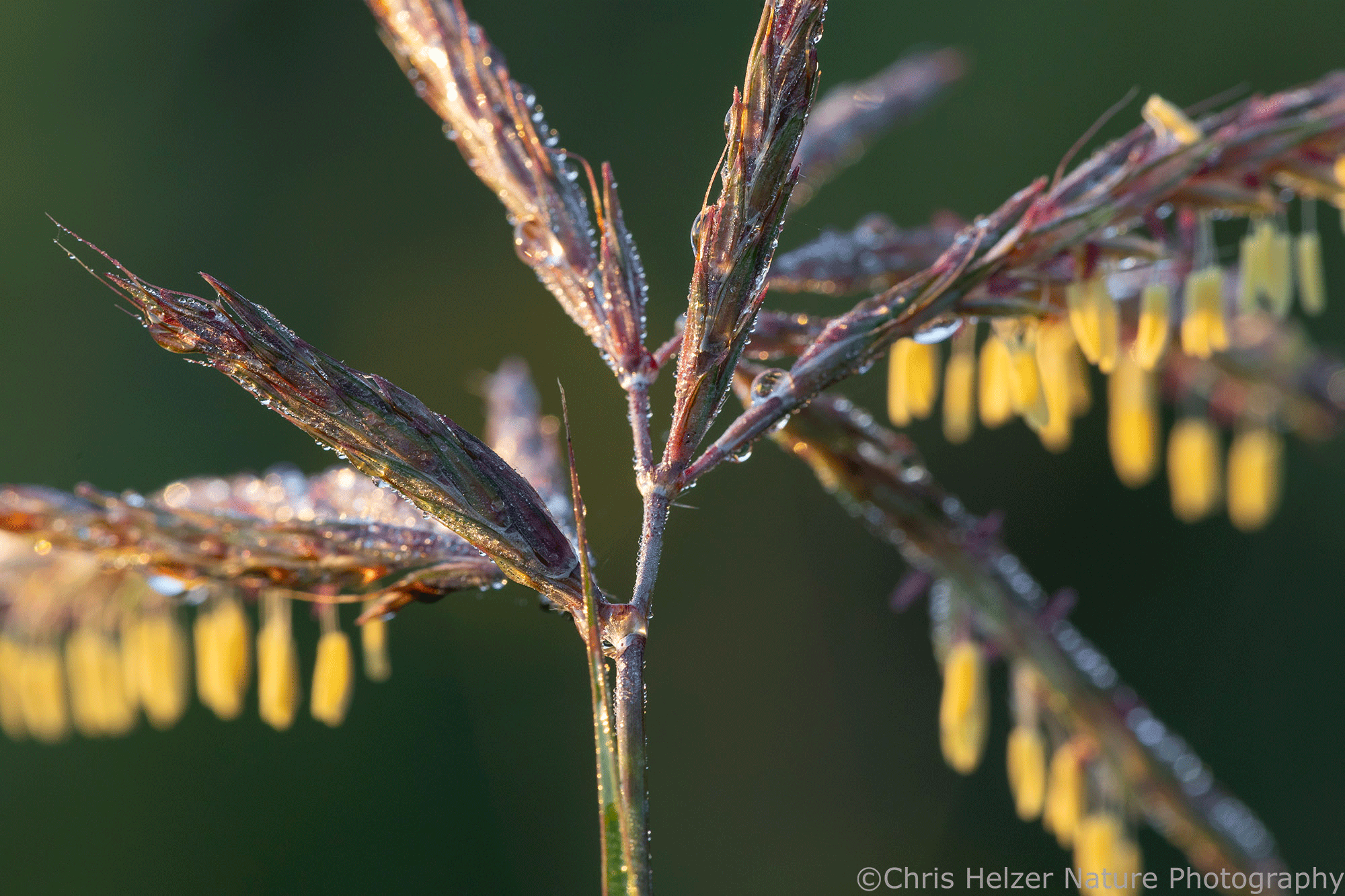
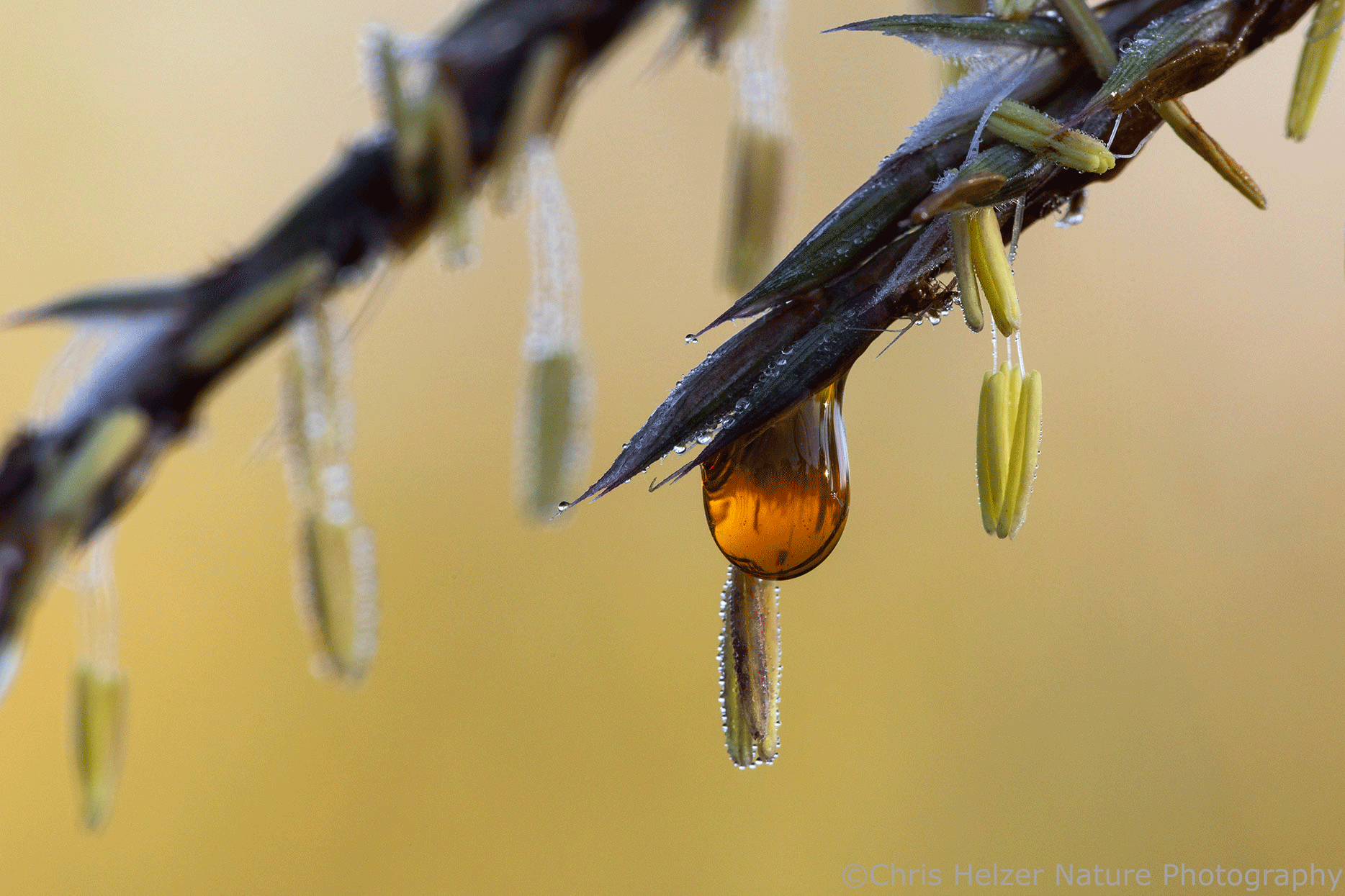
Most of our big warm-season grasses are flowering right now. That means little puffs of pollen every time I bump them as I walk past. My grass pollen allergies have diminished after a couple years of allergy shots, but I still react a little if I get a big dose.
If you look closely at those grass flowers, though, all the little yellow things aren’t anthers. There are also a lot of tiny hover fly larvae crawling around and feeding on the anthers. The photo below shows two of them – one bigger one in the bottom right of the photo and a smaller one above and to the left of it.
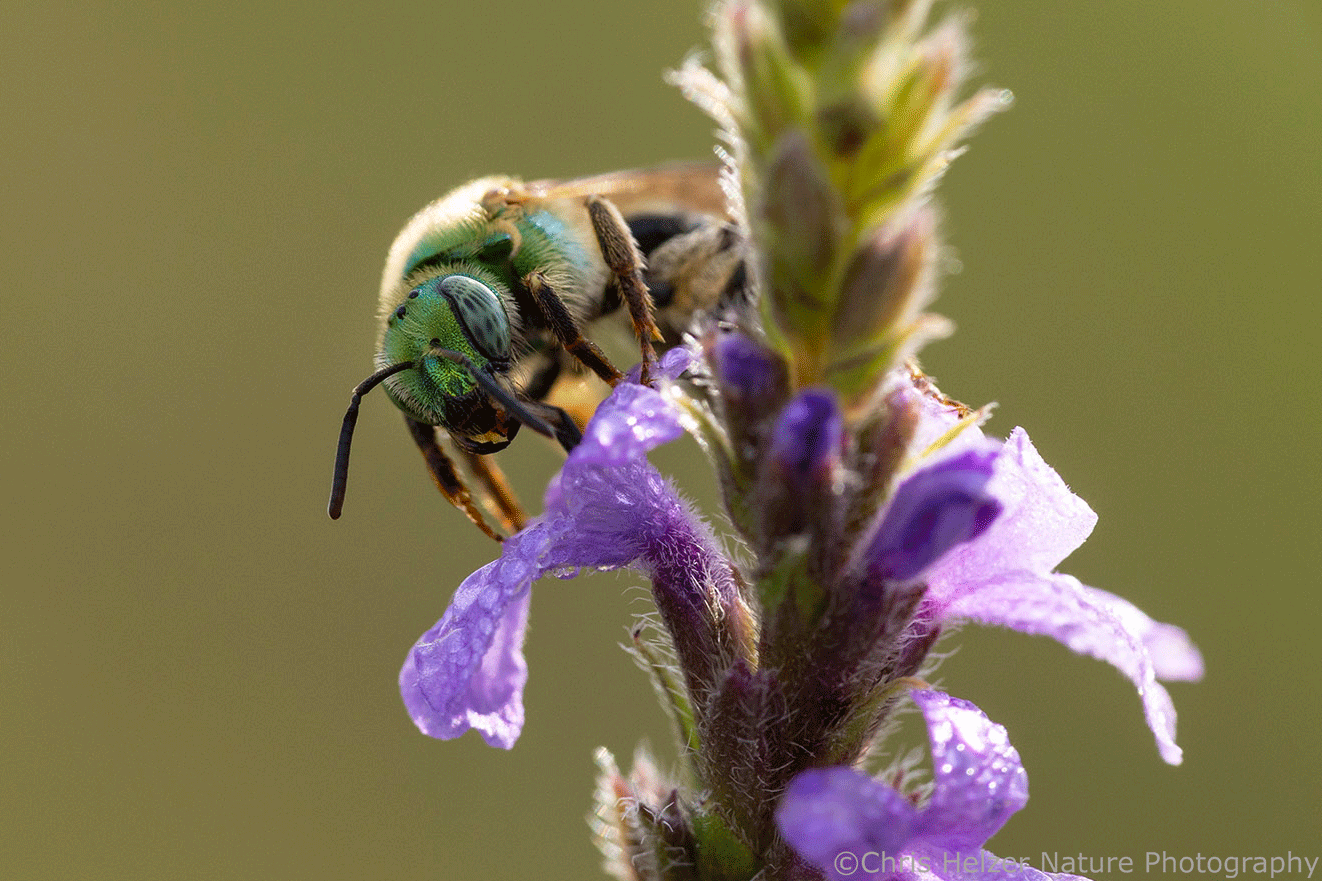
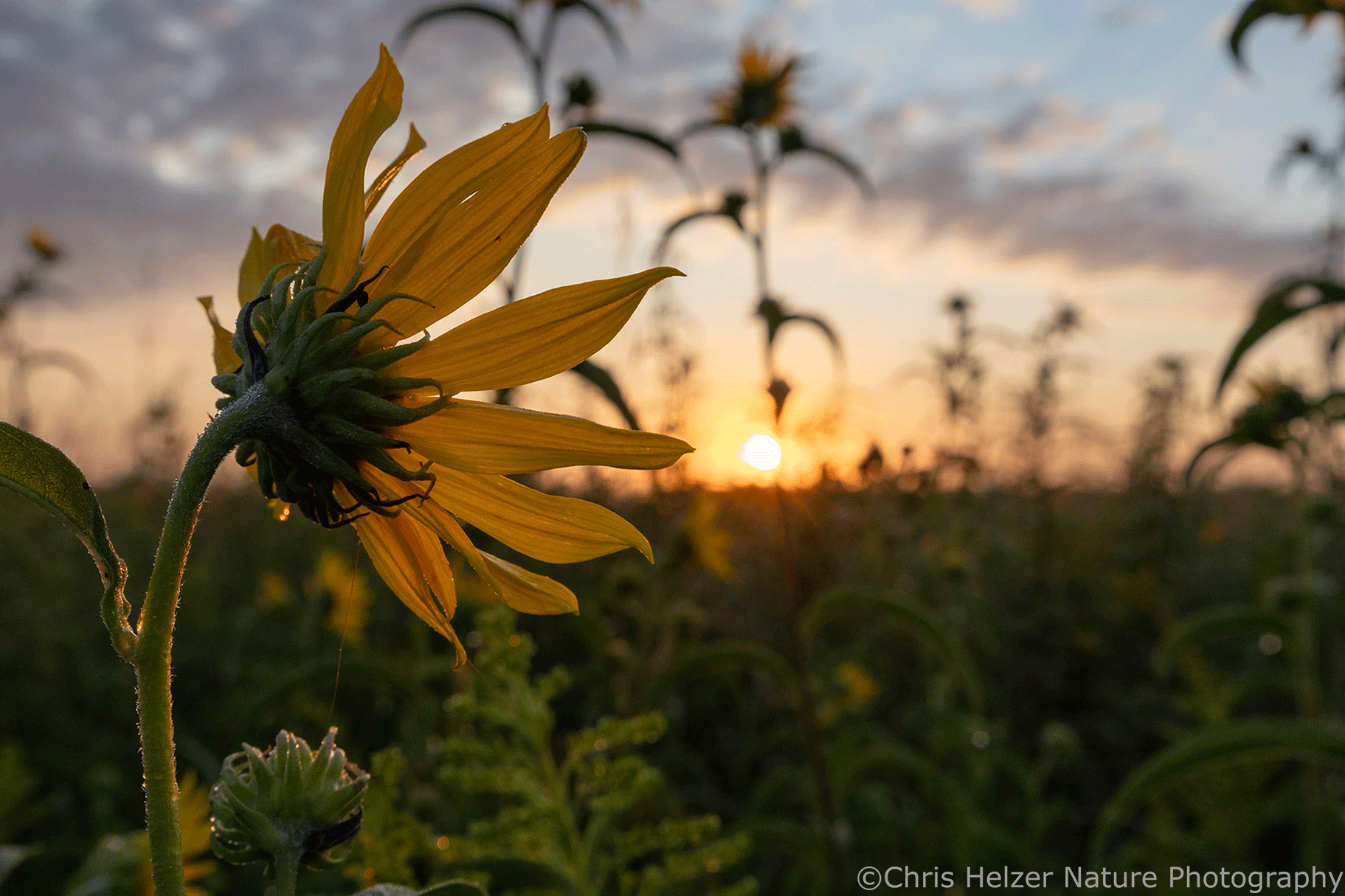
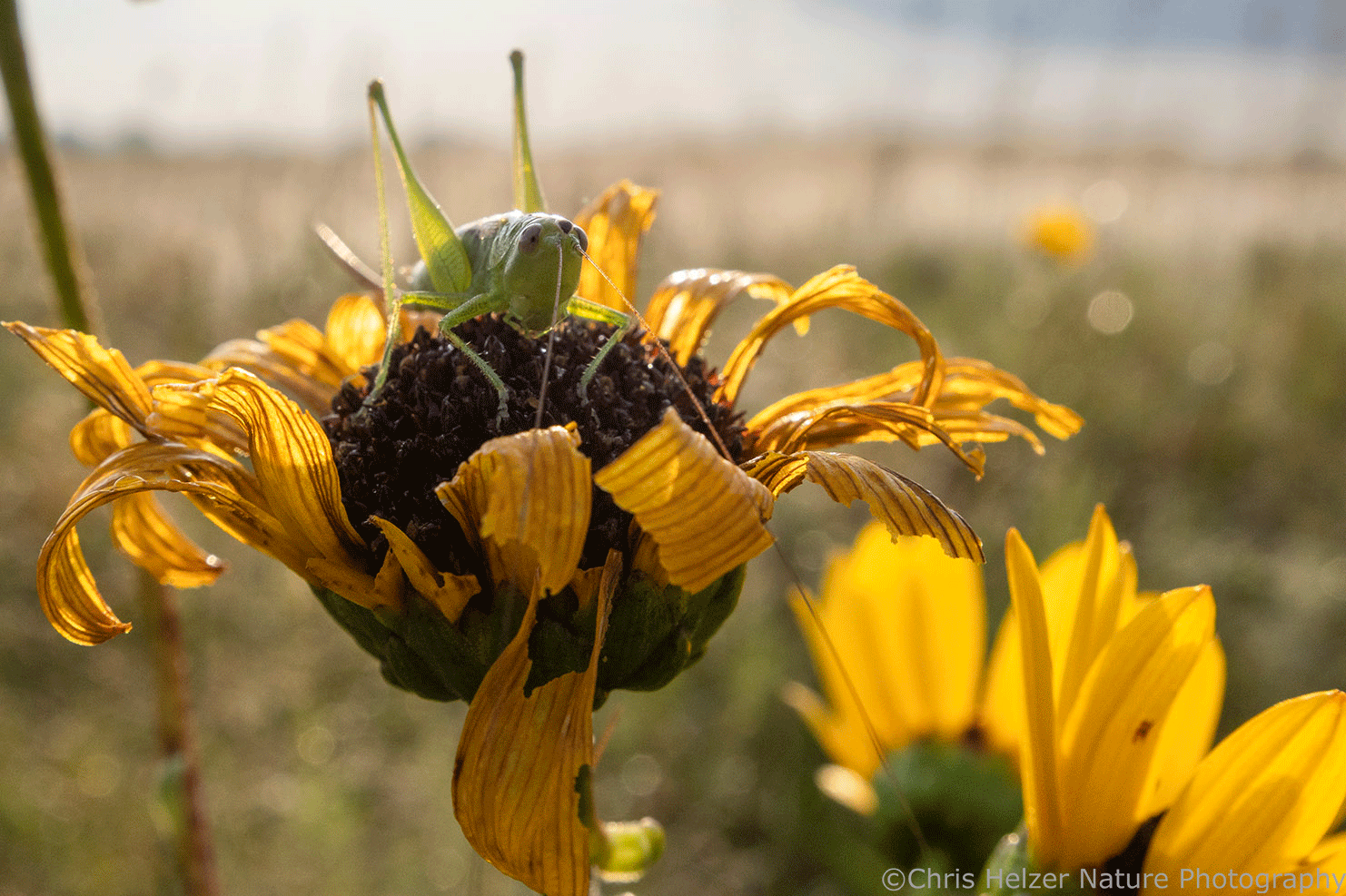
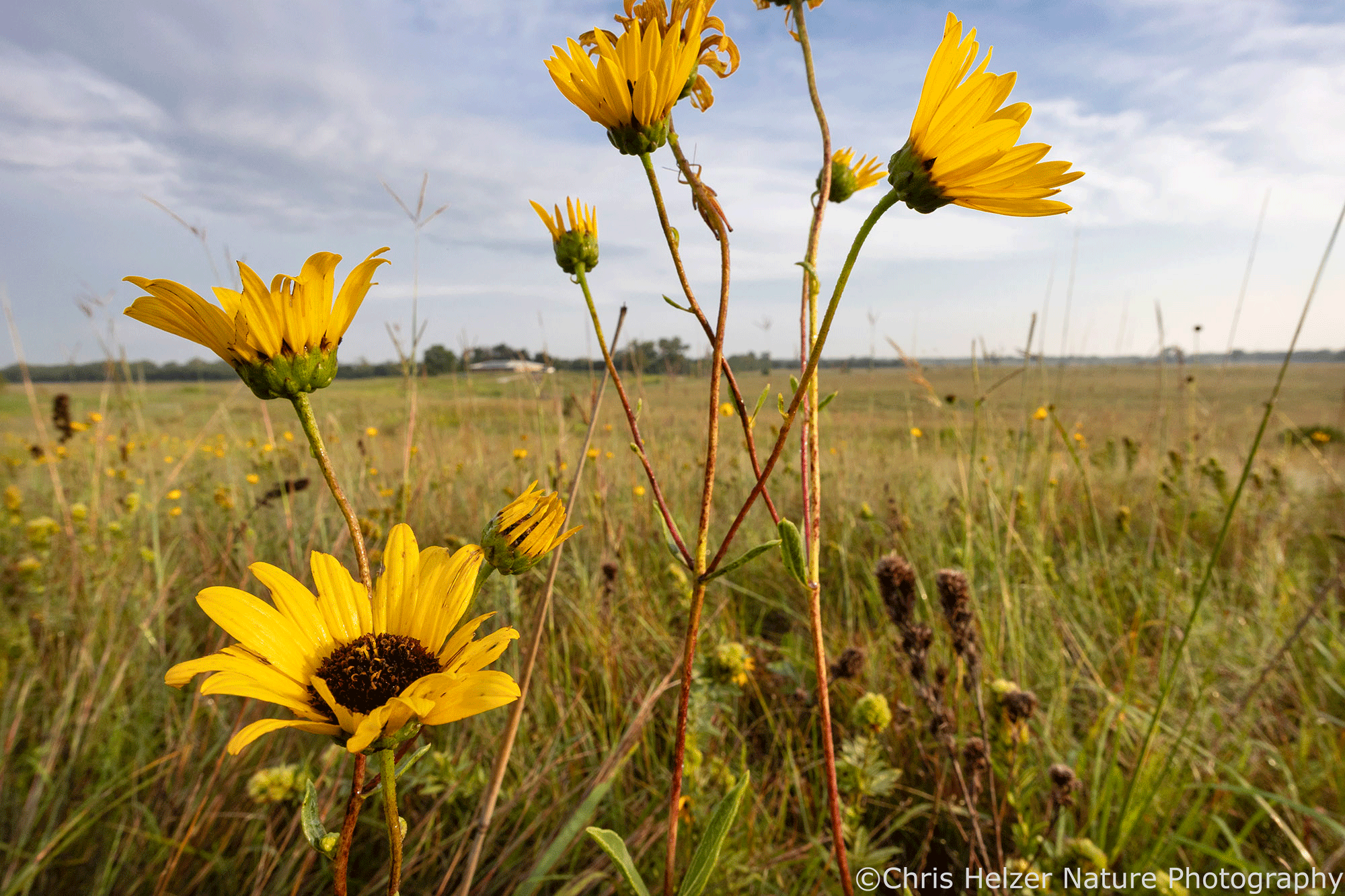
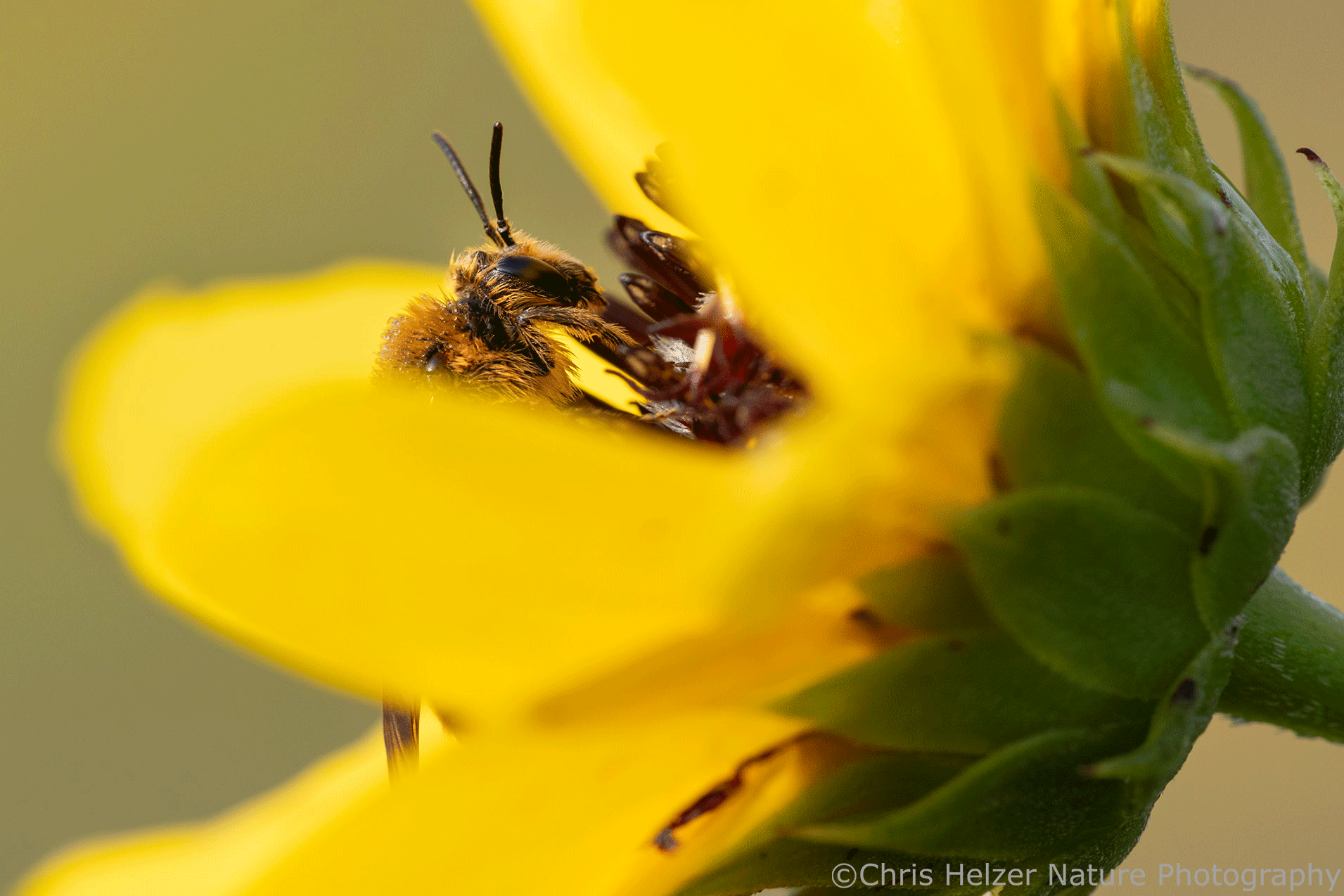
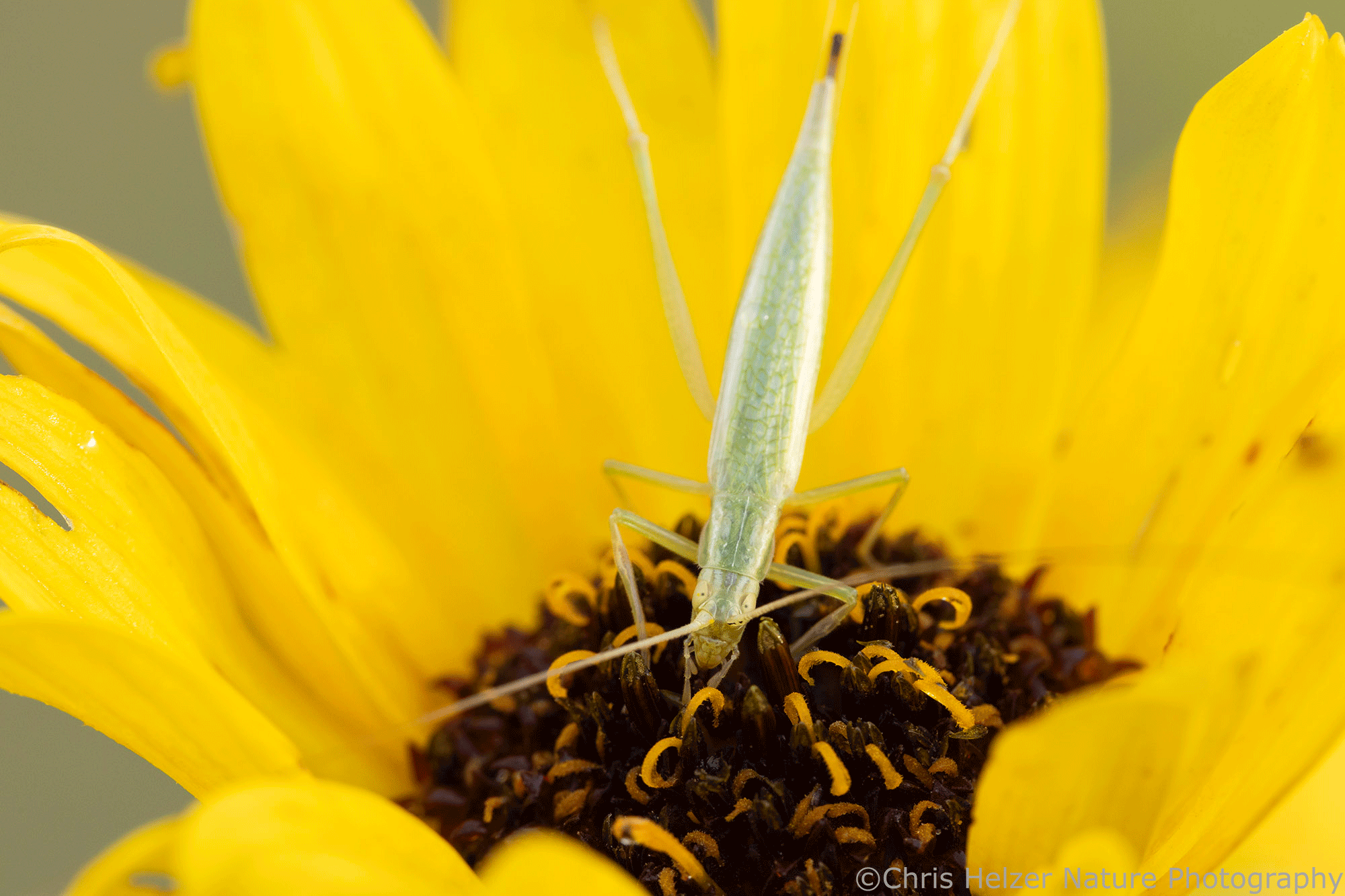
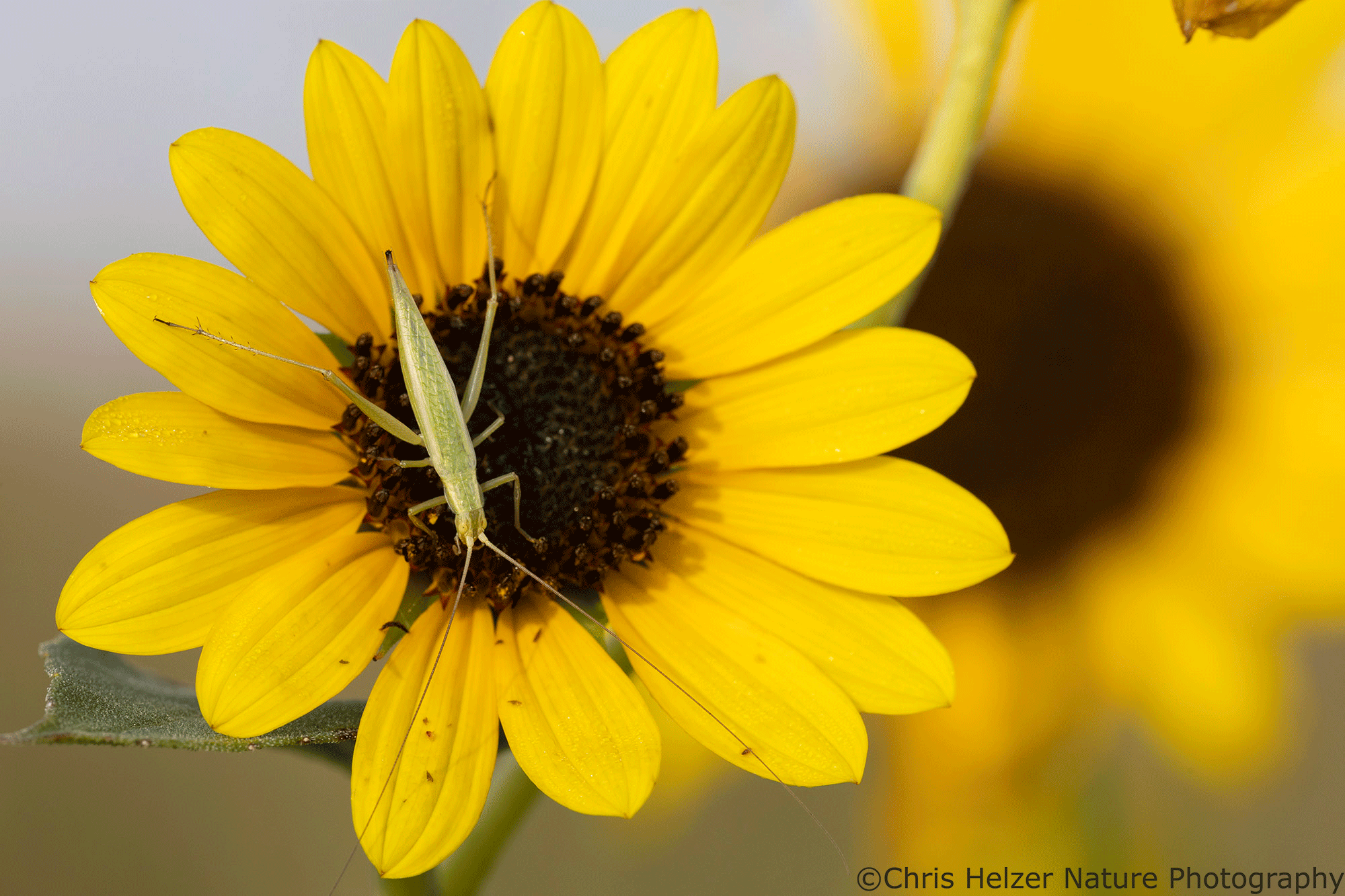
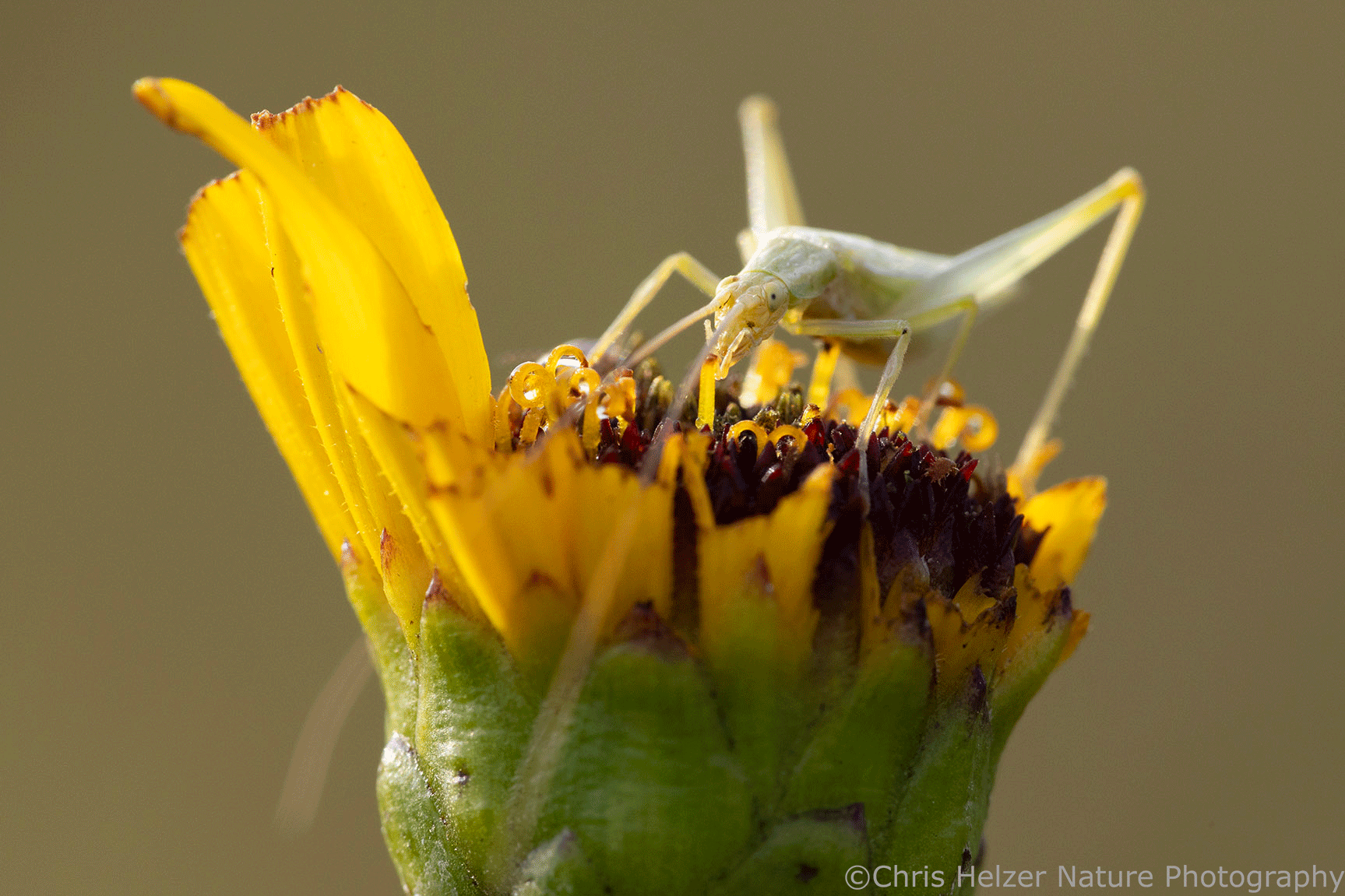
There are at least six sunflower species in bloom right now at the Platte River Prairies. All of them are very popular with a diversity of invertebrate species. Sunflowers are incredibly good sources of nutrition, including all parts of the plants. This time of year, though, the pollen and nectar, as well as the flowers themselves, are particularly sought after by lots of different creatures.
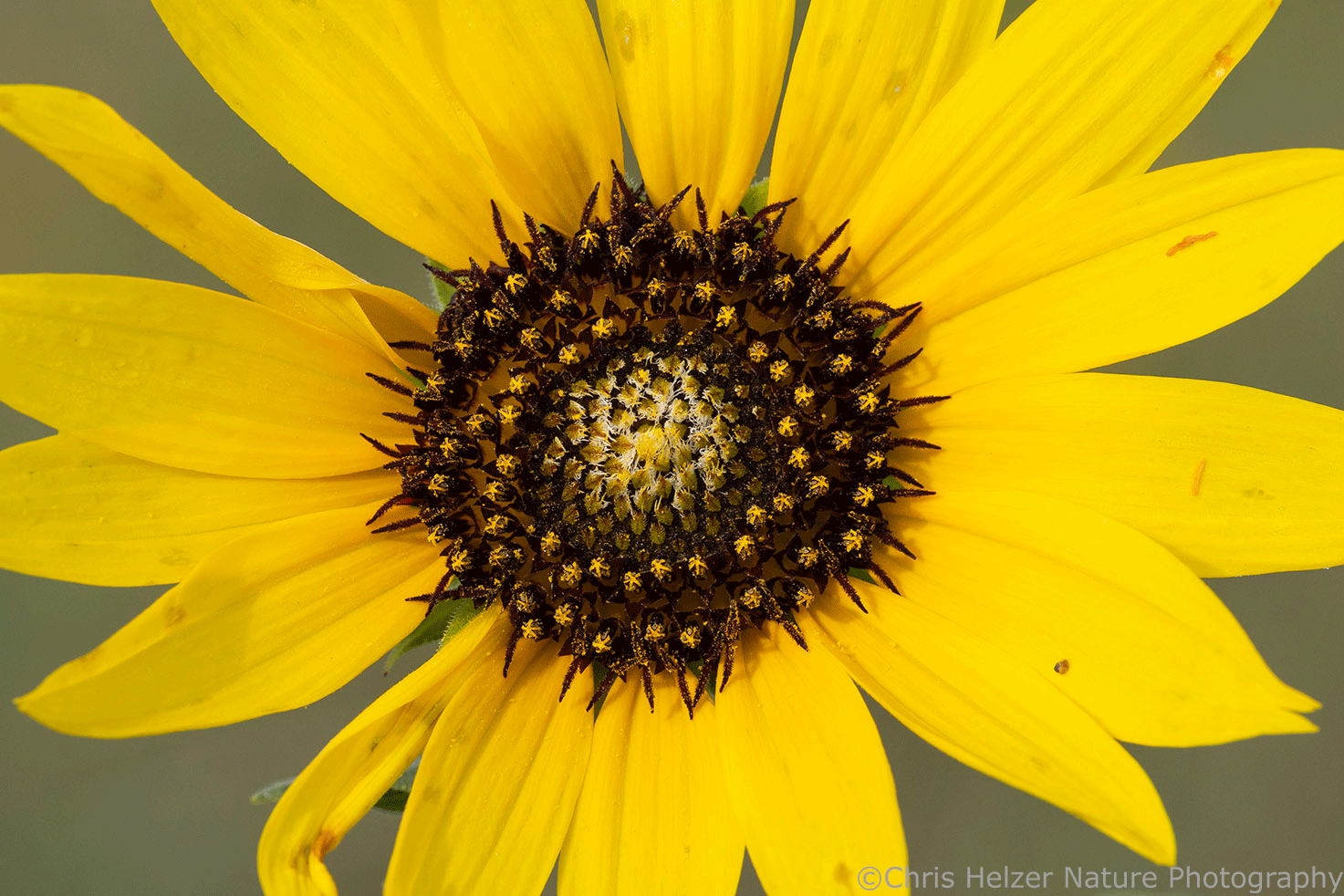
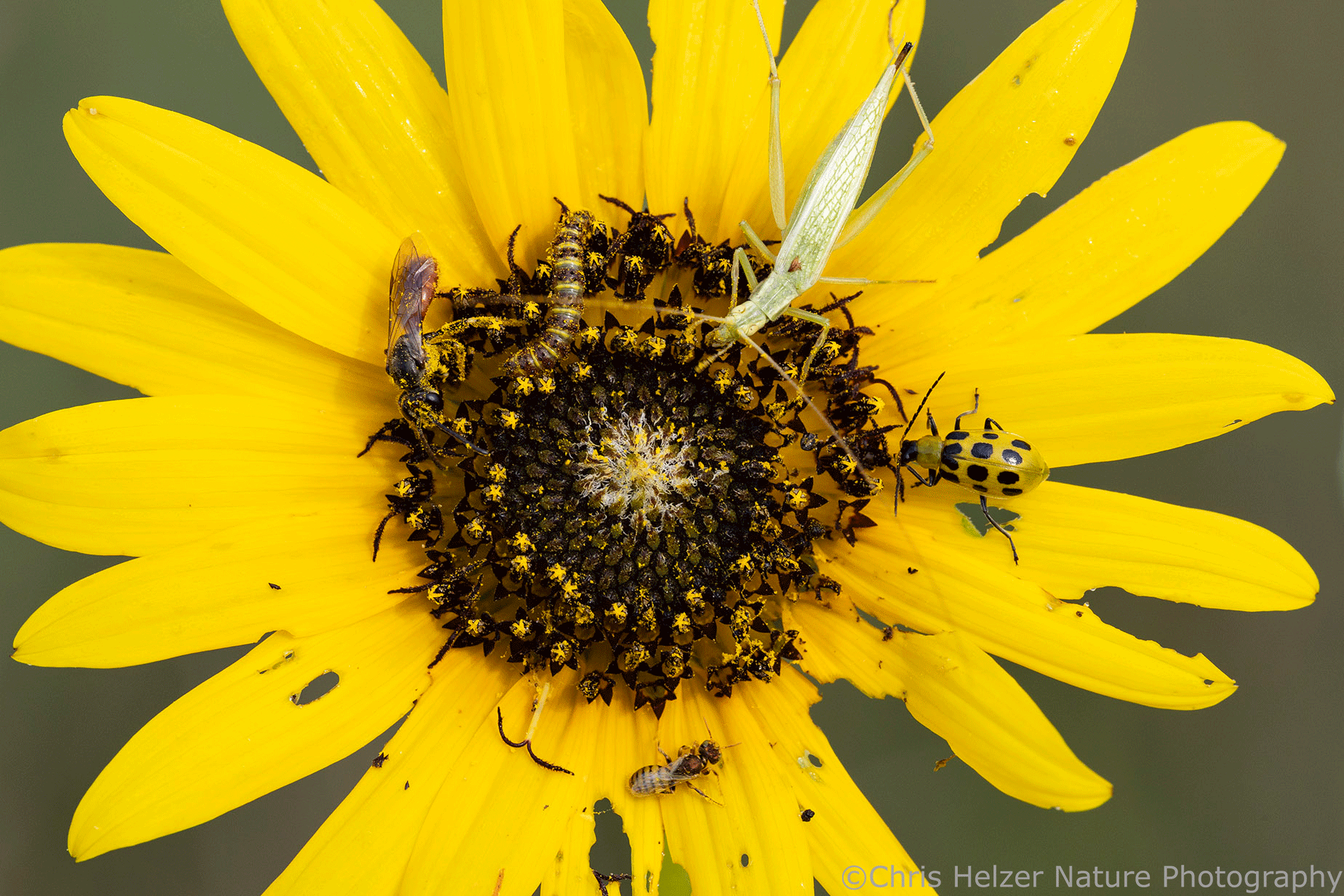
The photo below shows plains sunflower (Helianthus petiolaris) covered in visitors. I can see two bees, a tree cricket, a cucumber beetle, and a sunflower moth larva, all on one flower head.
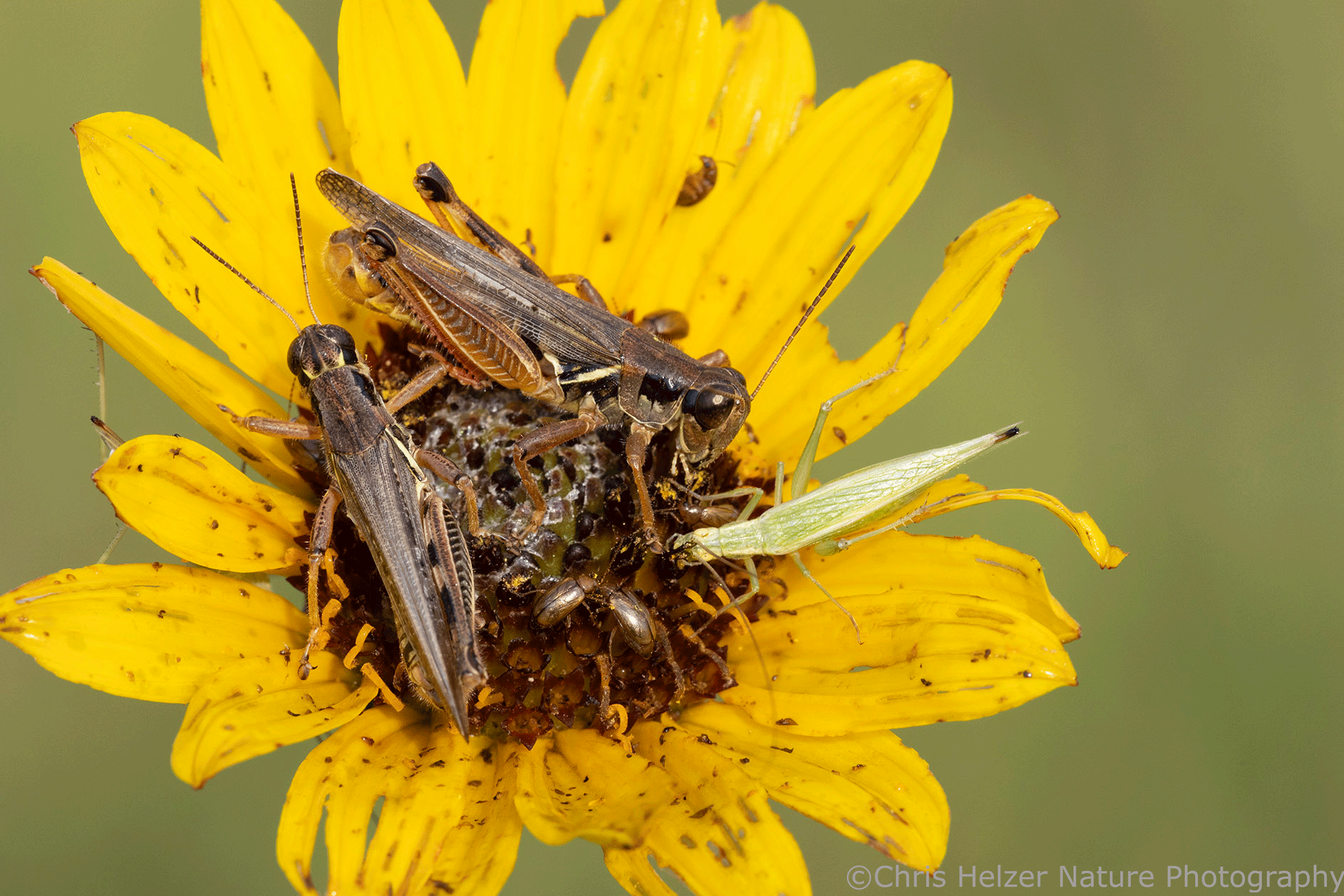
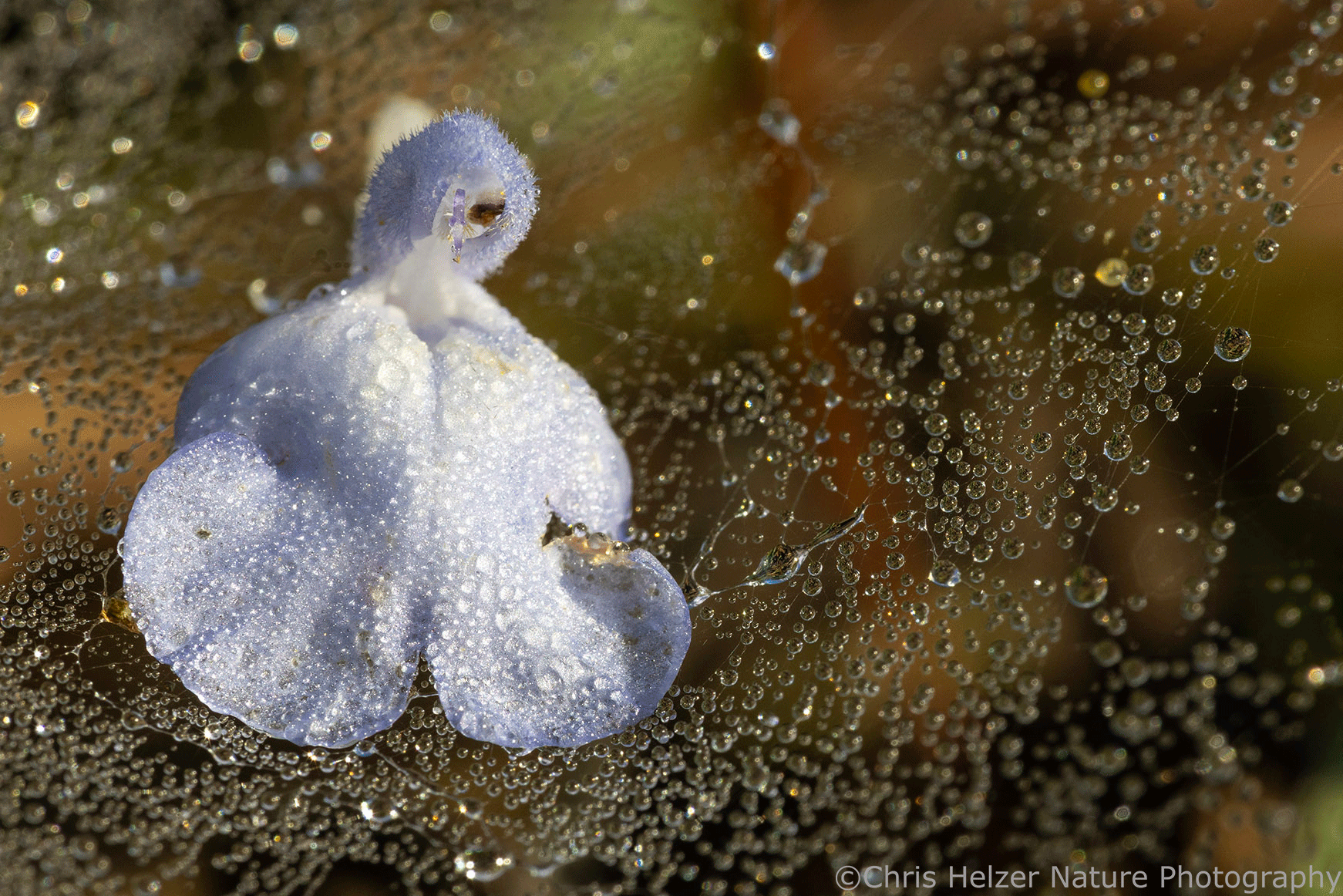
I’ve also been spending some early morning time at Lincoln Creek Prairie in Aurora (the site of my square meter photography projects). Here are some recent shots.
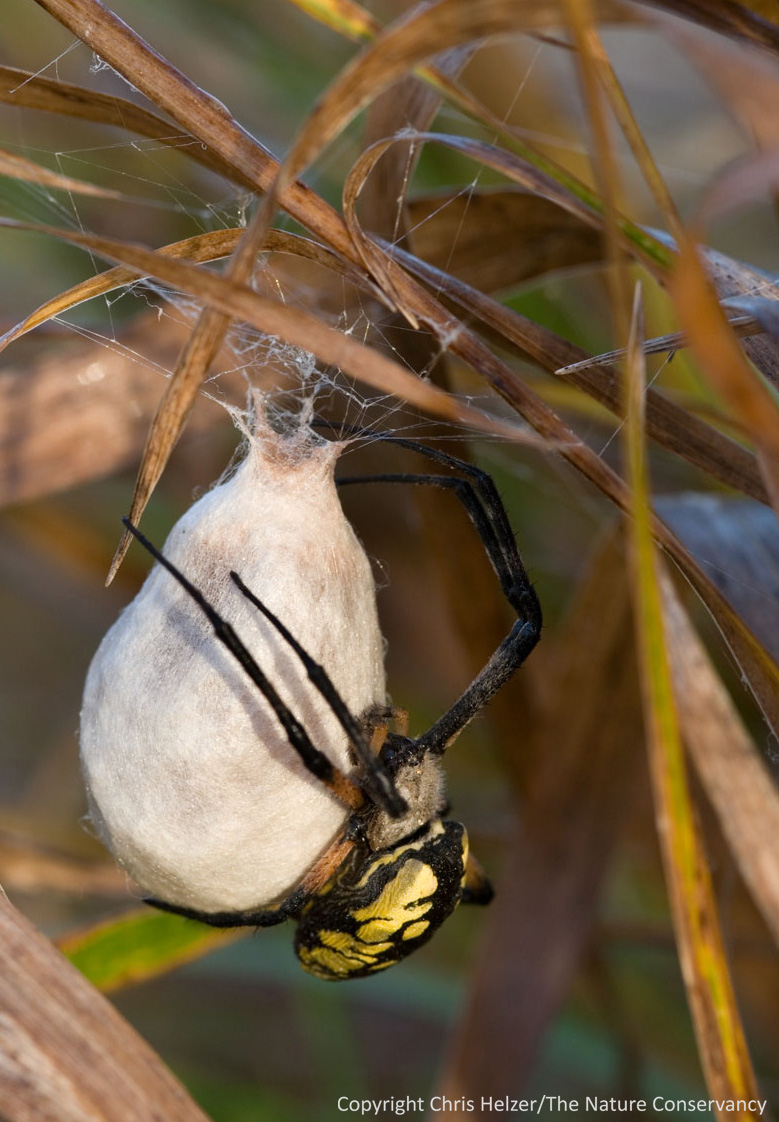
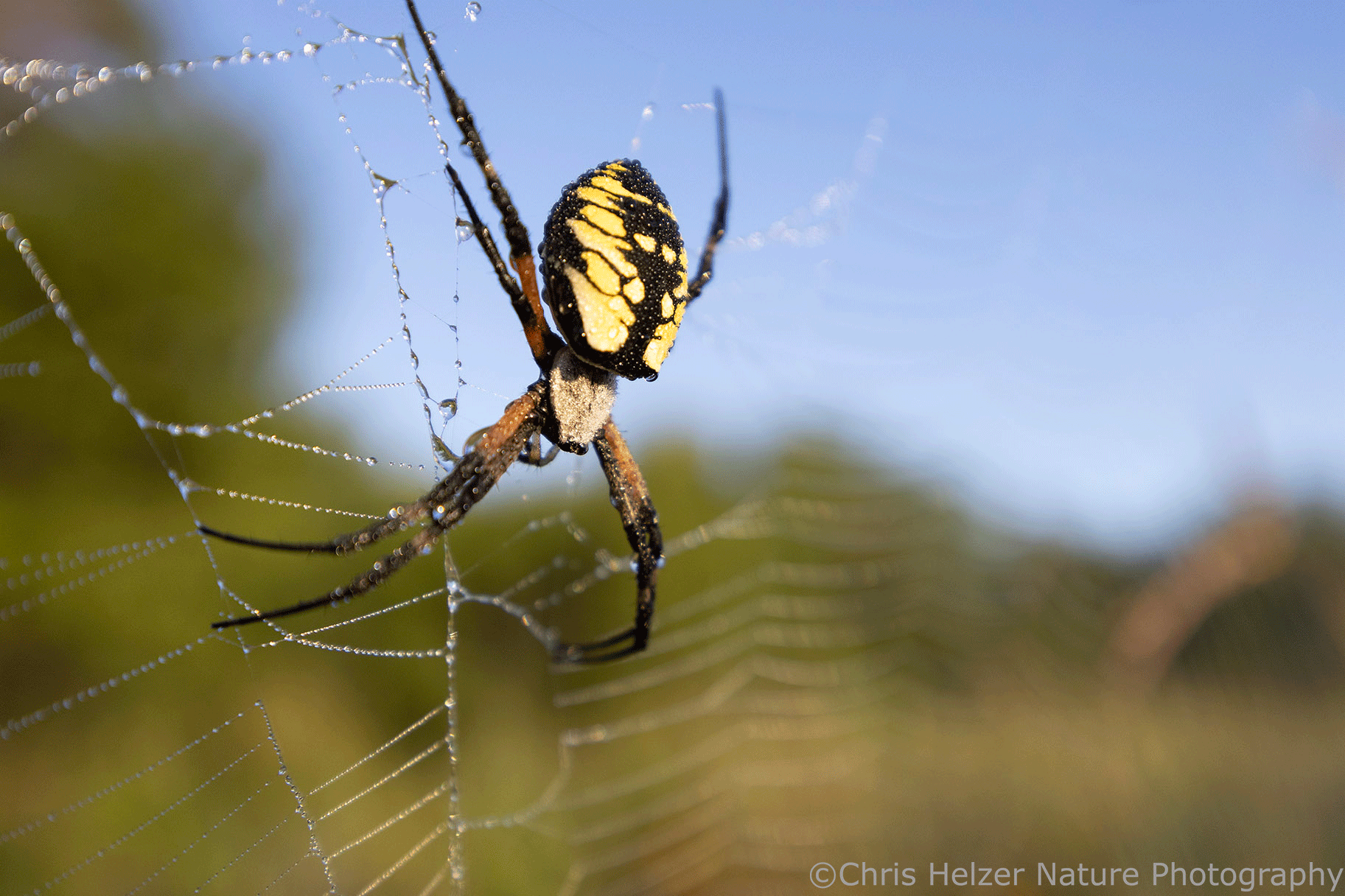
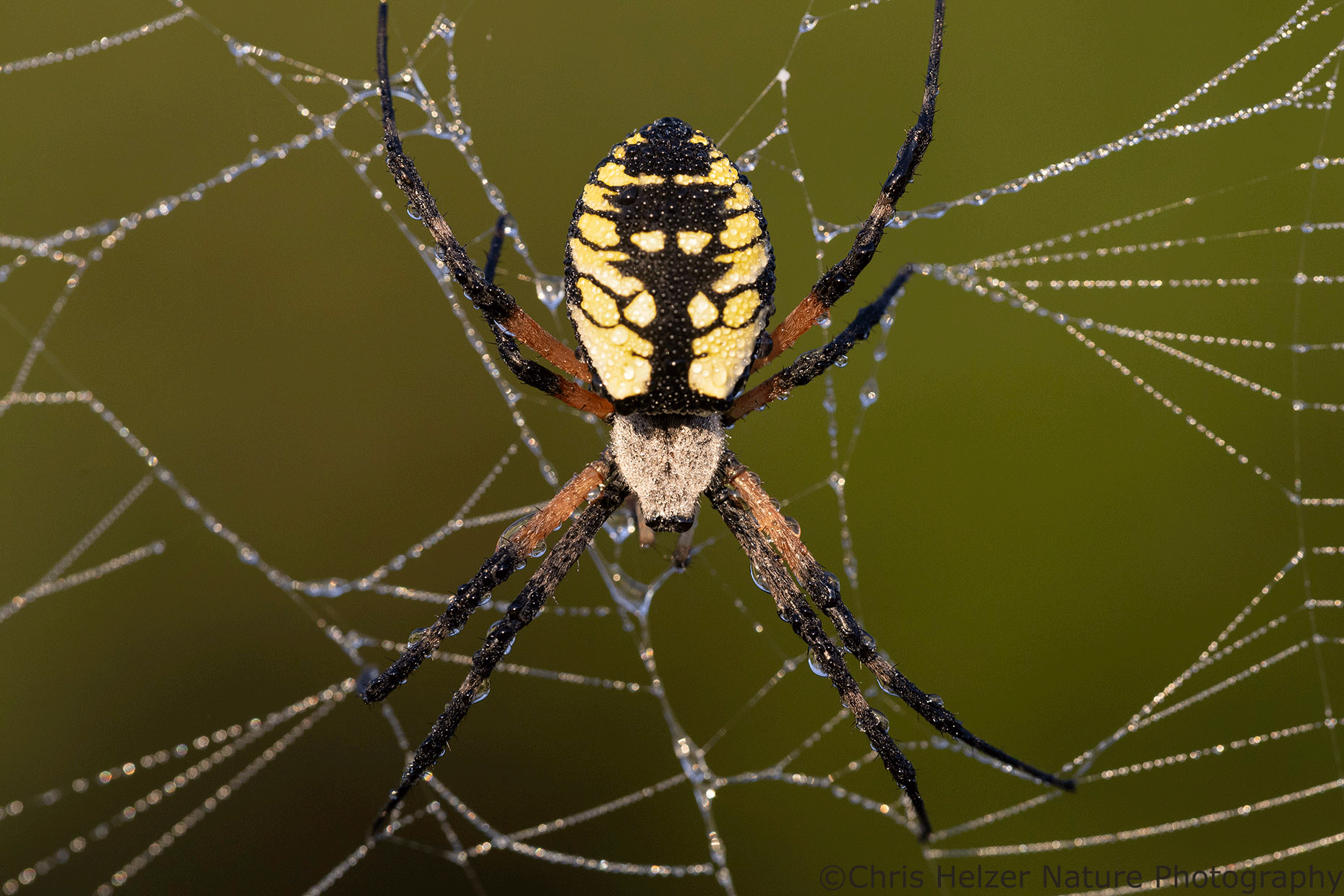
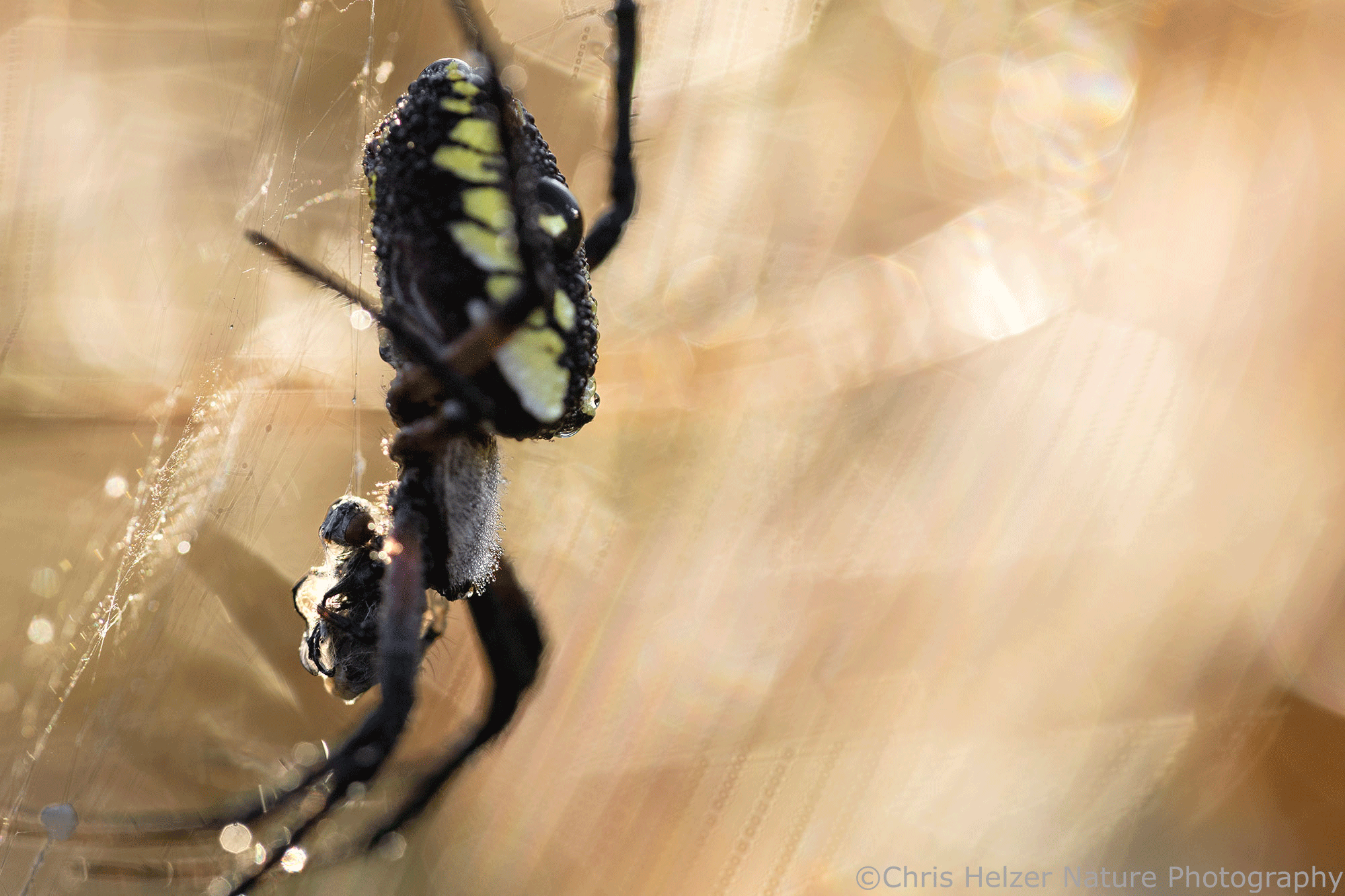
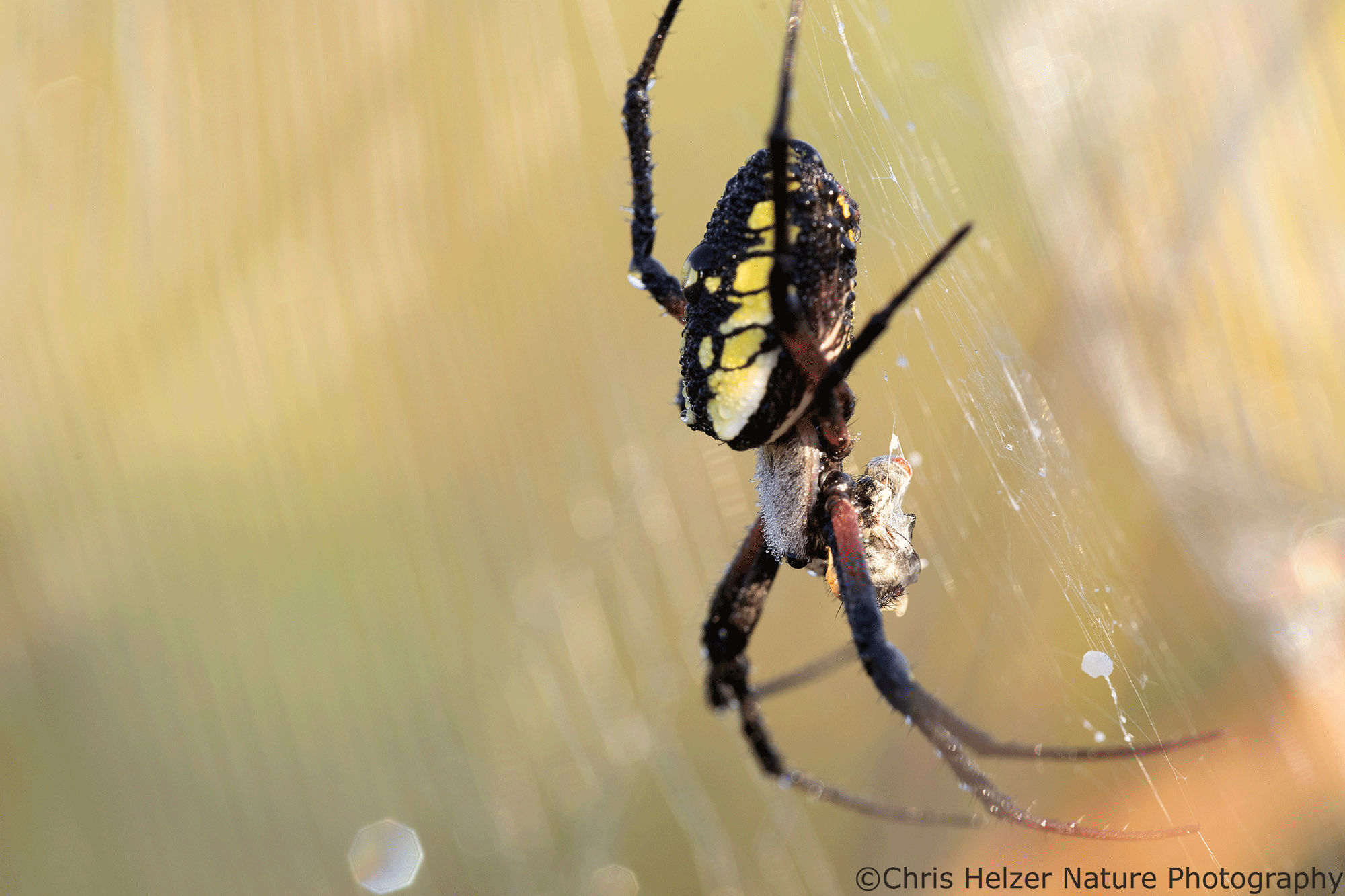
Yellow and banded garden spiders are prevalent right now at Lincoln Creek. Because they’re large spiders, not everyone enjoys them, but I really enjoy seeing them and watching them. Here are some yellow garden spider photos (Argiope aurantia).
Kim ran the Hell Creek 50K race at Wilson Lake last weekend. It was 100 degrees when she crossed the finish line in the early afternoon. It was also very windy, which was a mixed blessing. A breeze is nice, but in 100 degree heat, it felt more like a blast furnace than a pleasant breath of cooling air.
When she finished, the race organizers surprised her with a first place trophy. Neither she nor I knew she was in first place until then. She ran about 20 minutes slower than she had the year before, but felt like that was pretty good, given the conditions. A couple women dropped out before the race, and only three of the remaining 15 ended up crossing the finish line – with Kim leading the way. (Did I mention how hot it was?) One of Kim’s greatest strengths as a runner is her determination and ability to push through pain and discomfort. I was really pleased to see her rewarded for that!

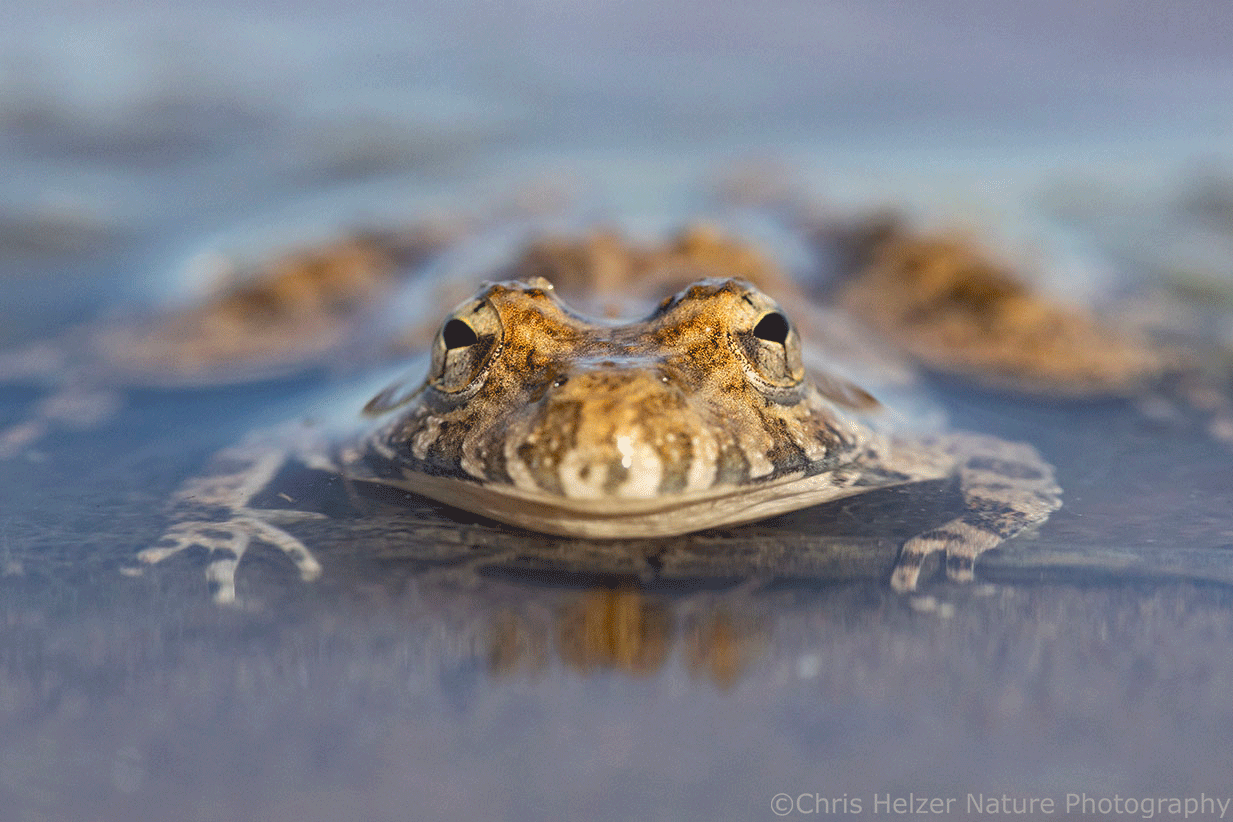
Meanwhile, while Kim was on the trail, I was trying to figure out how to do some photography in 30-mph winds. There were some unexpected clouds in the morning, which provided decent light, but the strong winds really reduced the range of potential subject matter. I wandered for a while before finding myself lying in wet sand on the edge of the lake. I hung out there with frogs, damselflies, robber flies, tiger beetles, and other little friends until the clouds went away and the sun drove me back to the shade.
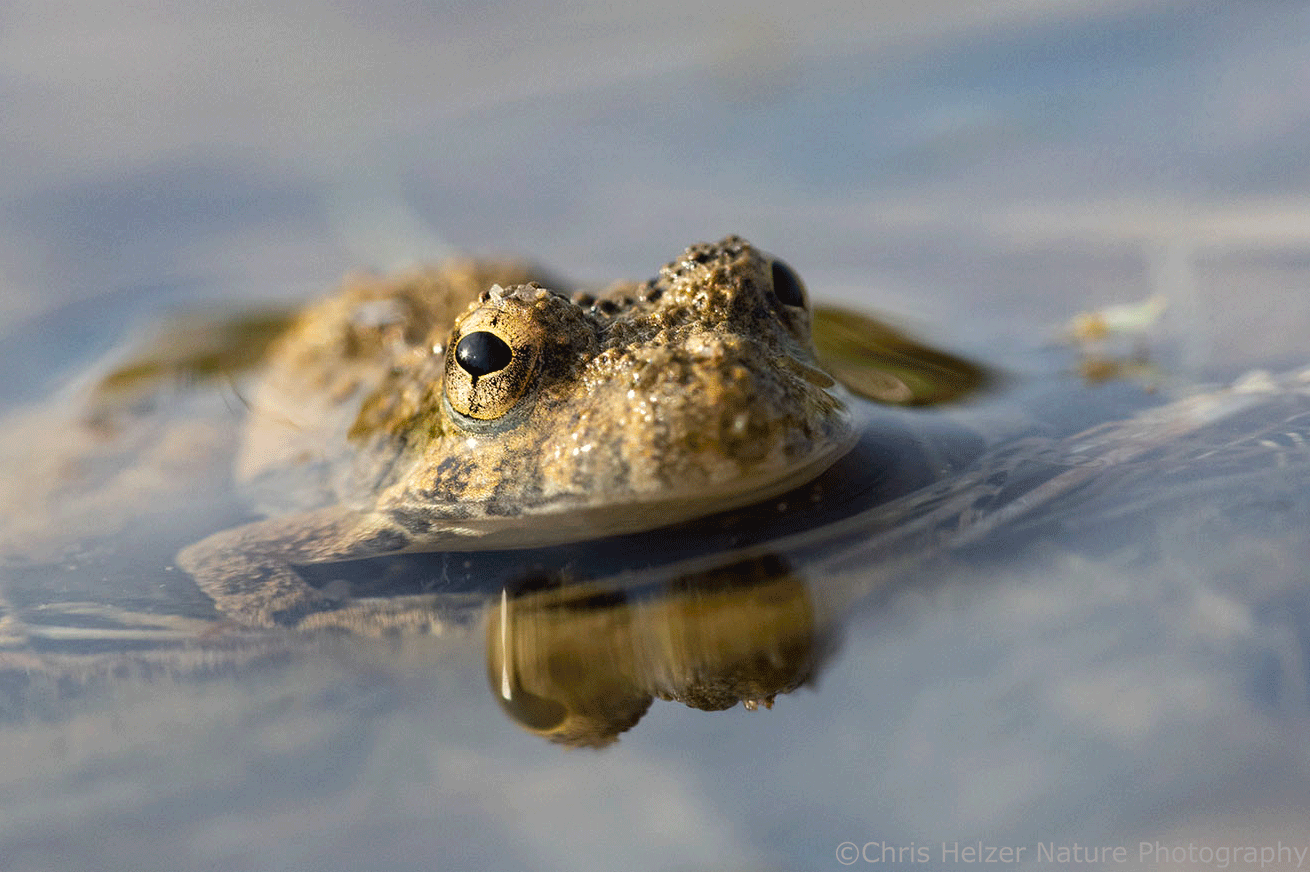
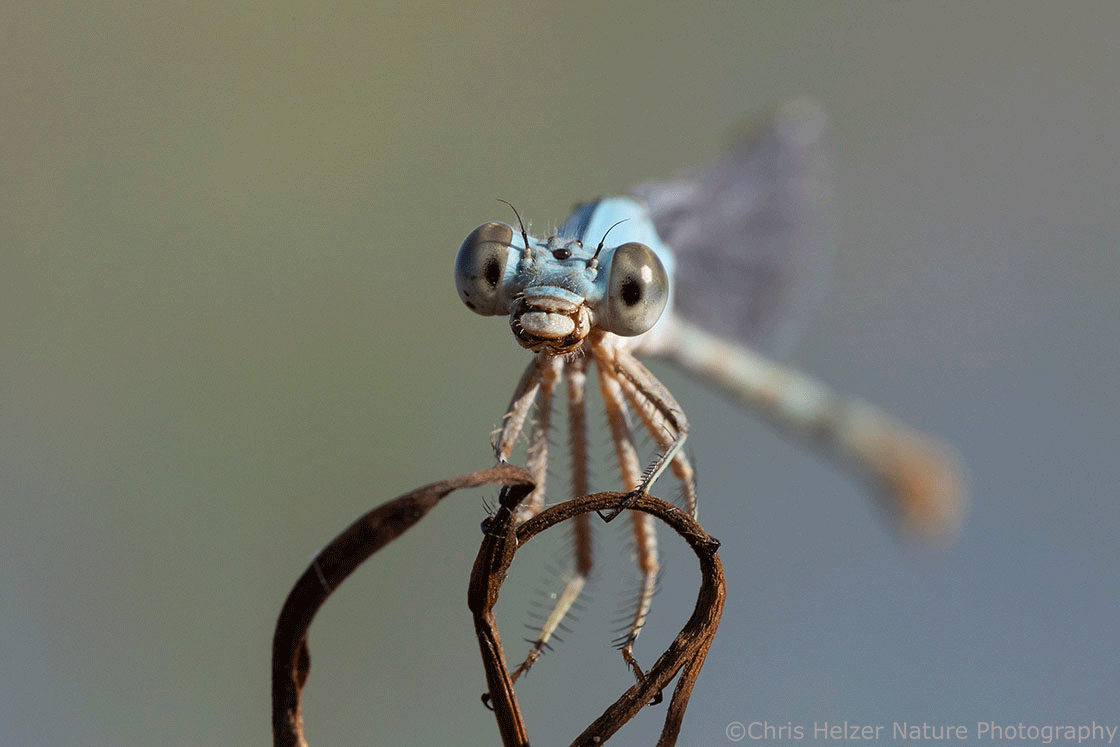
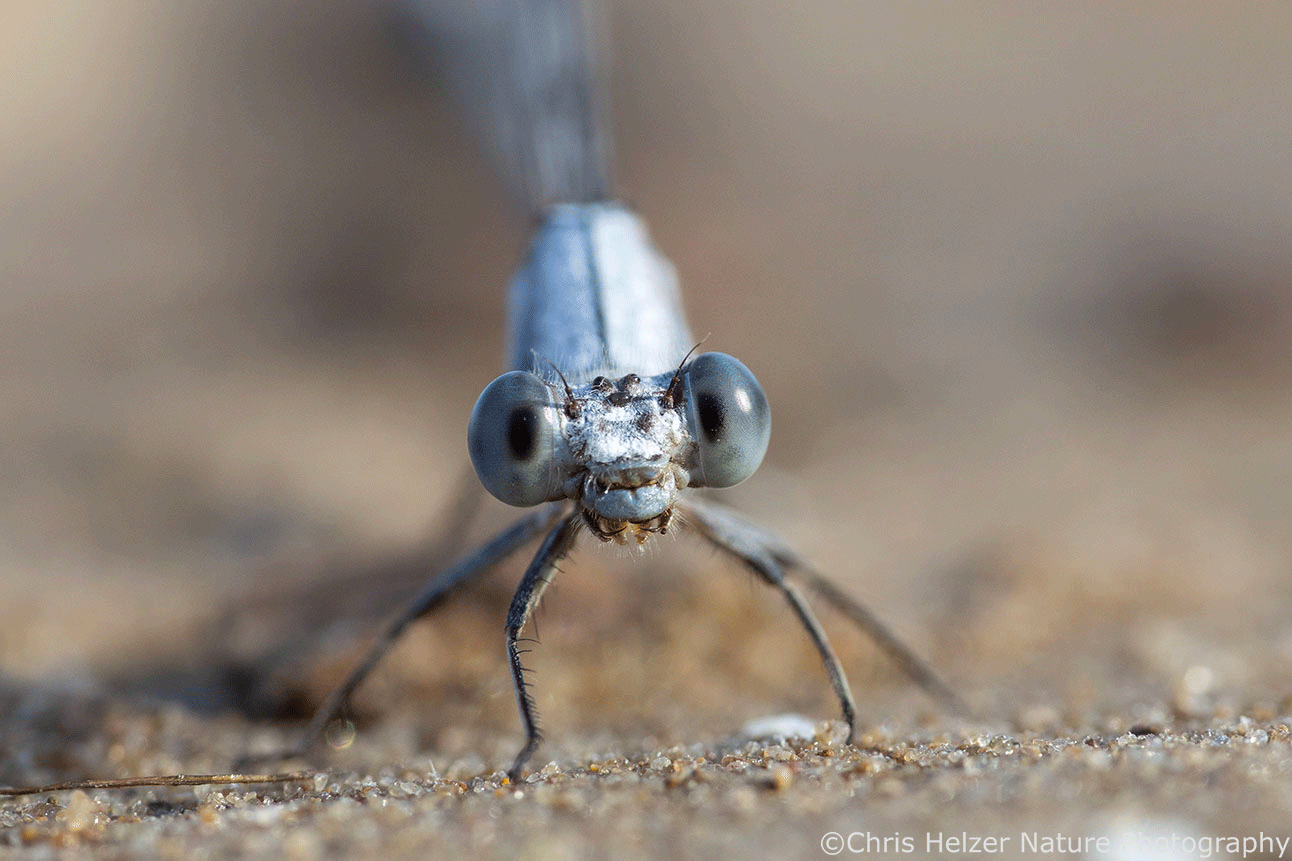
It looks like we’ve got another couple weeks of hot weather coming at us. I’m glad to have had so much outdoor time recently. That’ll make me feel better about huddling indoors around the air conditioner for a while – though I’ll surely sneak out in the early mornings and try to have some fun before things really heat up. There’s too much happening right now to stay inside the whole time!