Photos of the Week – September 30, 2026

Quick note: The Hubbard Fellowship application period has been extended through this coming weekend. Applications are now due at midnight on Sunday October 4. Click here to apply and please pass the word!

I was in north central Nebraska over the weekend because Kim was running the Cowboy 100 ultramarathon. She ran 100 miles in about 23 hours, getting third place among women and sixth place overall – a great race for her!

While she was running, I ended up finding an opportunity to photograph more monarch butterflies than the miles Kim ran. I stumbled upon a big roost just north of the town of Bassett, Nebraska. I was driving slowly down a dirt road and flushed a few butterflies from the tree line to my right. They flew up and then circled back to the tree they’d come from. Intriguing. When I stopped and looked more closely, I saw that there were hundreds of them in scattered groups along about 1/4 mile of trees. Most were high up in the branches, and the overcast skies made photography difficult, but I found a few groups I could capture images of during some brief periods of slightly brighter skies.
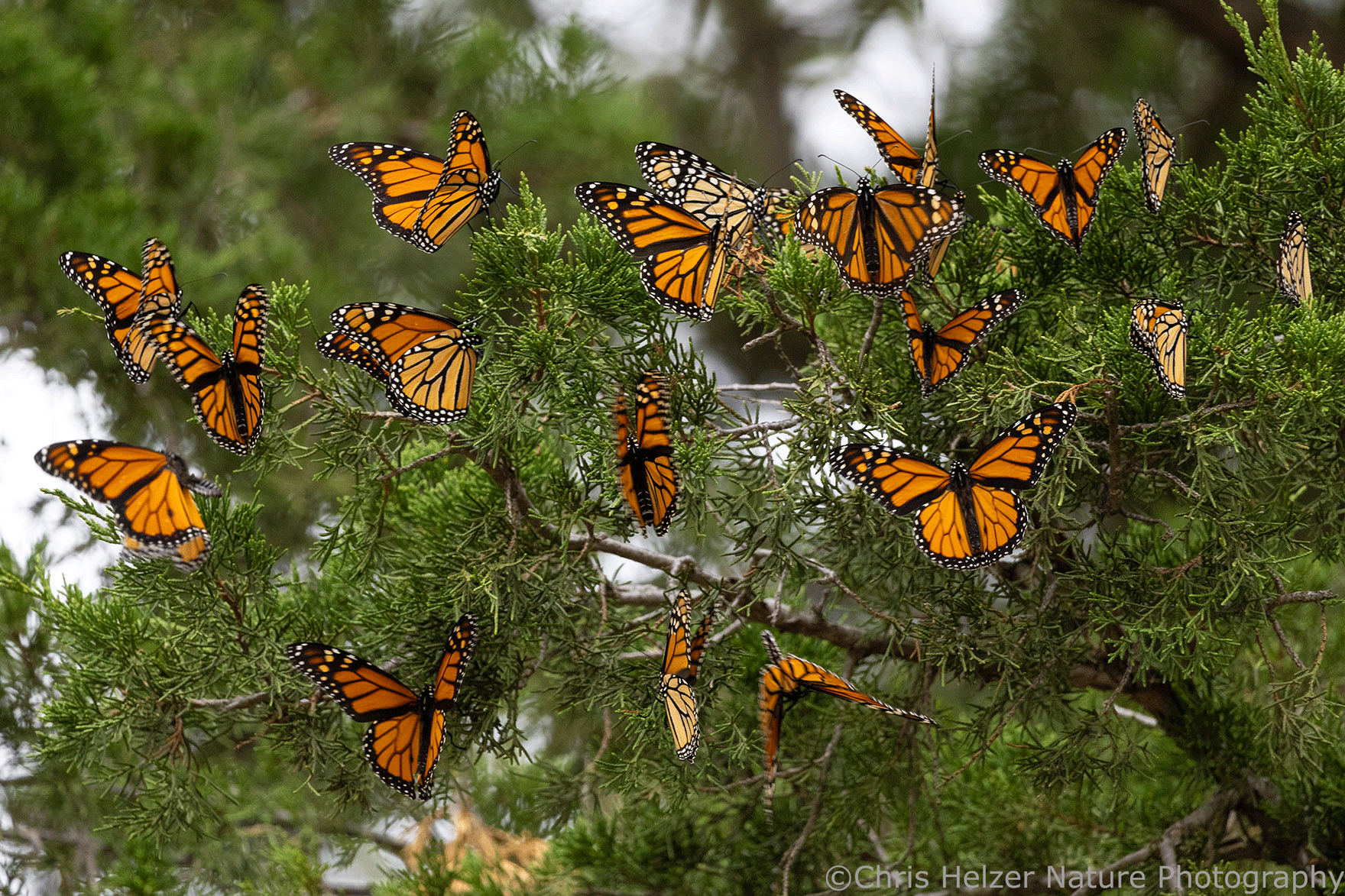
Monarchs fluttering their wings as one of their compatriots flew past.

I was particularly glad to find this roost because it’s more evidence of the value of this part of the world to monarchs. I feel like the Midwest and eastern U.S. gets most of the attention when it comes to monarch conservation efforts and funding. We should certainly spend money in that part of the country to improve habitat. However, further west in the Great Plains, there are tons of monarchs as well, both during breeding and migratory seasons. The numbers are underreported, largely because the human population is low and most of the landscape is privately-owned and not well-explored by people who count butterflies.

I made sure to report this roost and get another data point out there. As I shared the sighting with some local friends, I was told they were also seeing lots of monarchs coming through, both in their yards and on the ranches they work on. It shouldn’t be a surprise that the 12 million acres of Sandhills prairies (and the other 8 million acres of grassland in Nebraska) provide a lot of monarch butterfly habitat, but it’s apparently a story we need to keep telling people. So, here I am telling it.
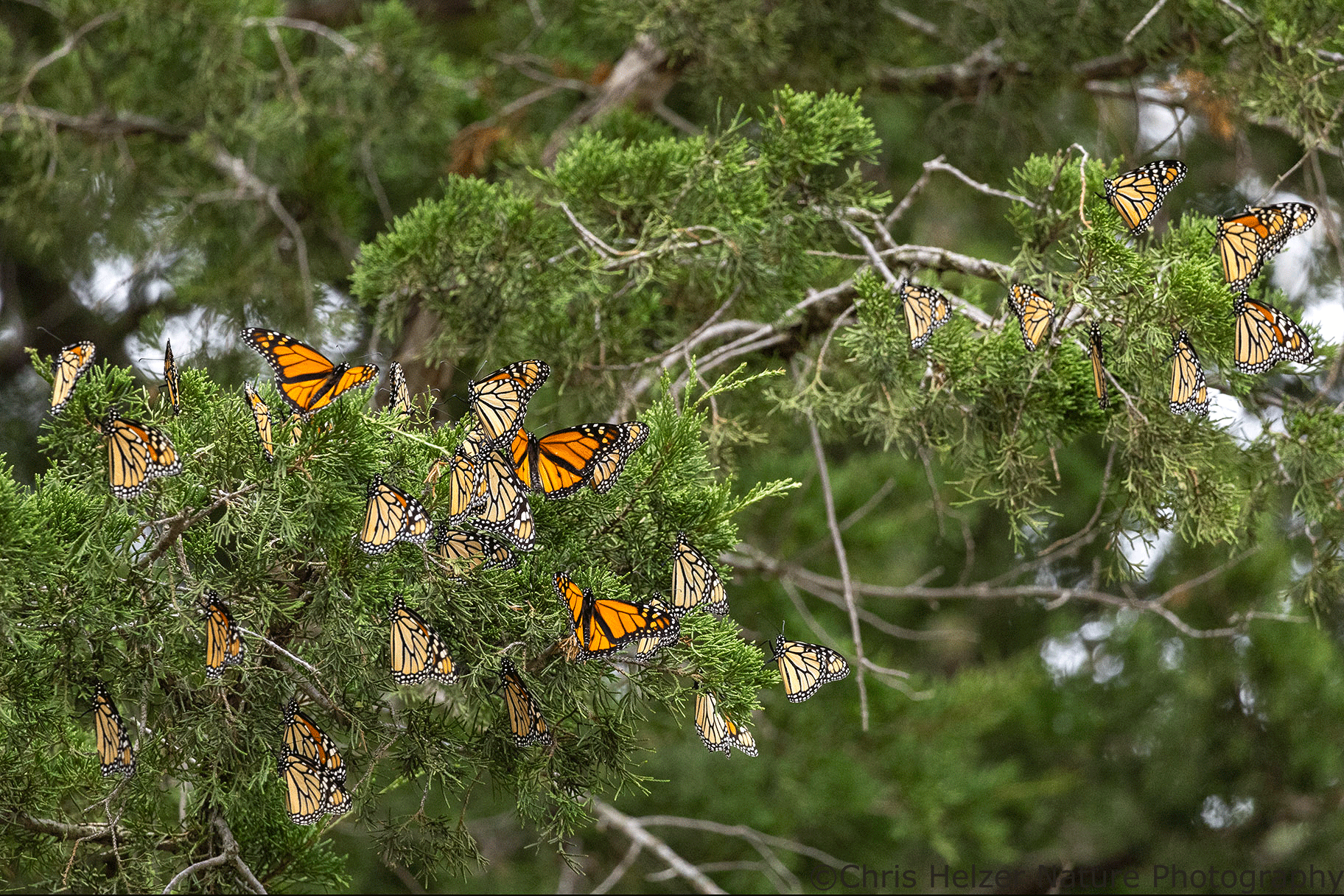
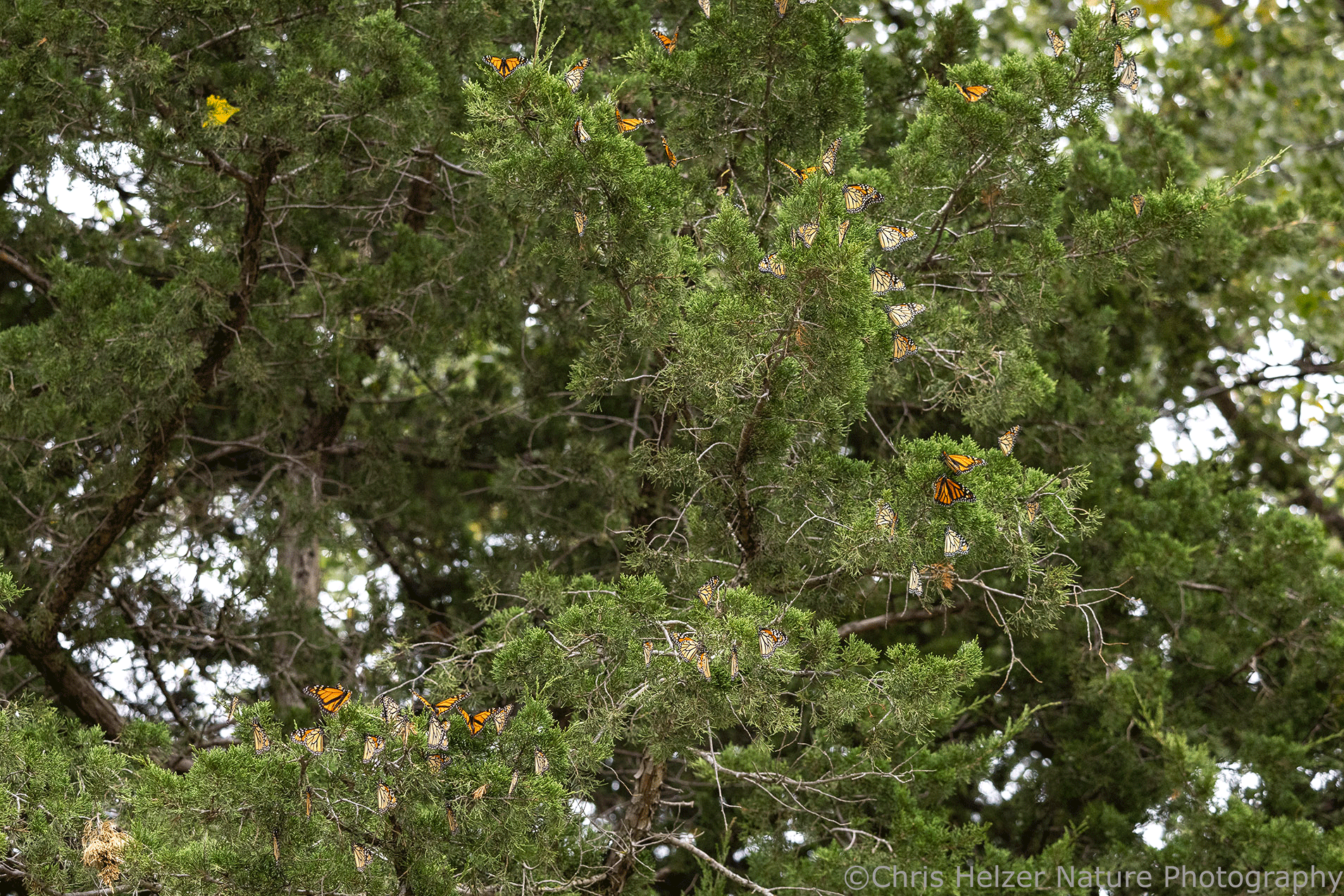
A slightly wider view of that same group shown above.
An even wider view of the same group. I count 54 monarchs in this photo.

Apart from the monarch roost, I didn’t find many other photo opportunities during the day. It was dark and dreary and just breezy enough that things didn’t line up well for photography. Plus, of course, I had race obligations – I had to stay ahead of Kim and meet her at the various aid stations where I could fill her up on water and encouragement. I did stop and watch a little family of milkweed bugs feeding on some milkweed pods, though. I also wandered around and enjoyed seeing the sights without trying to photograph everything I saw.
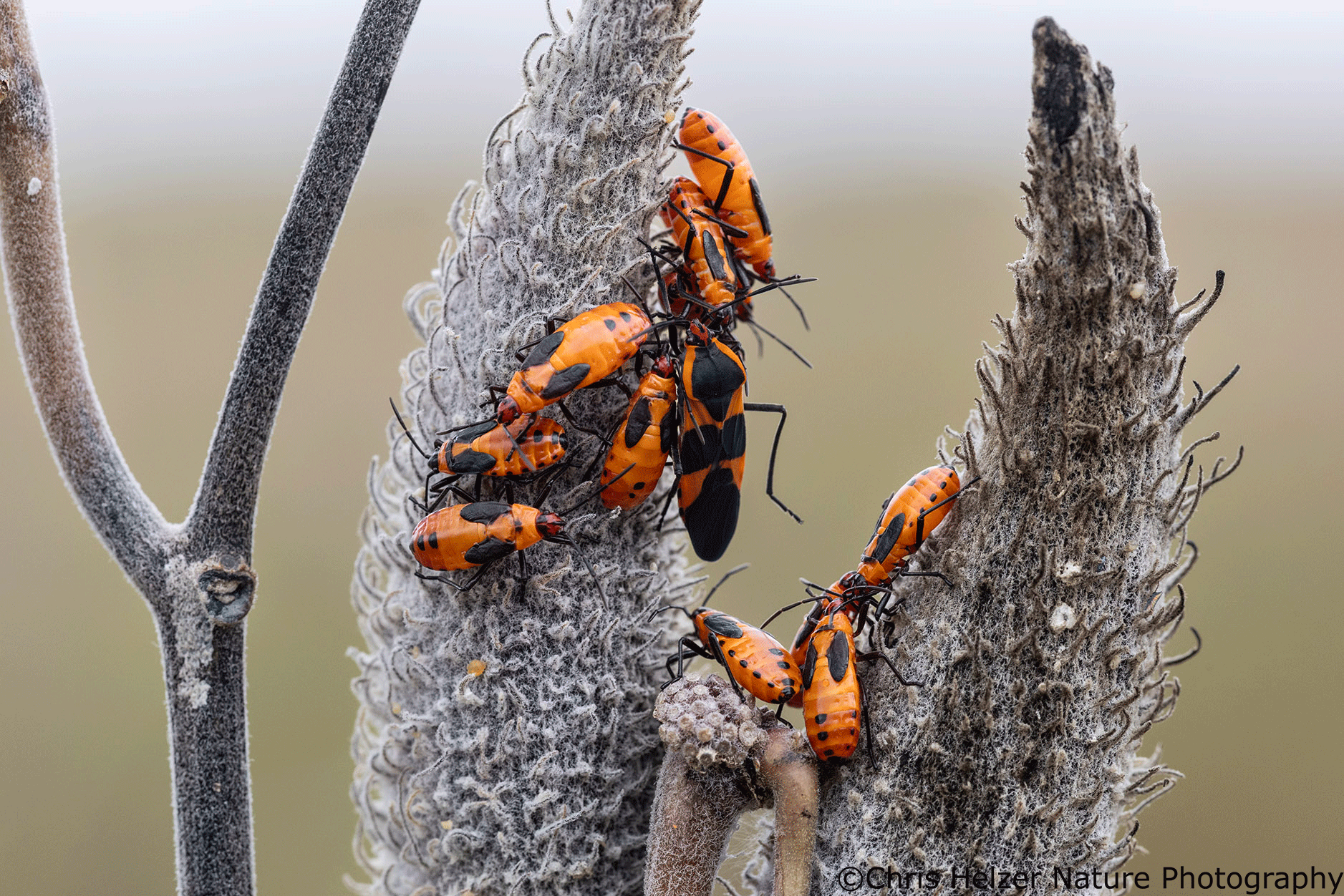
Large milkweed bugs on common milkweed.

As the sun went down Saturday night, a large full (or close) moon rose from the opposite horizon. As it emerged, large and pink, I was helping Kim get back on the trail, but once she was on her way, I drove out of town and found a spot where I could take a few quick photos before it got too high.
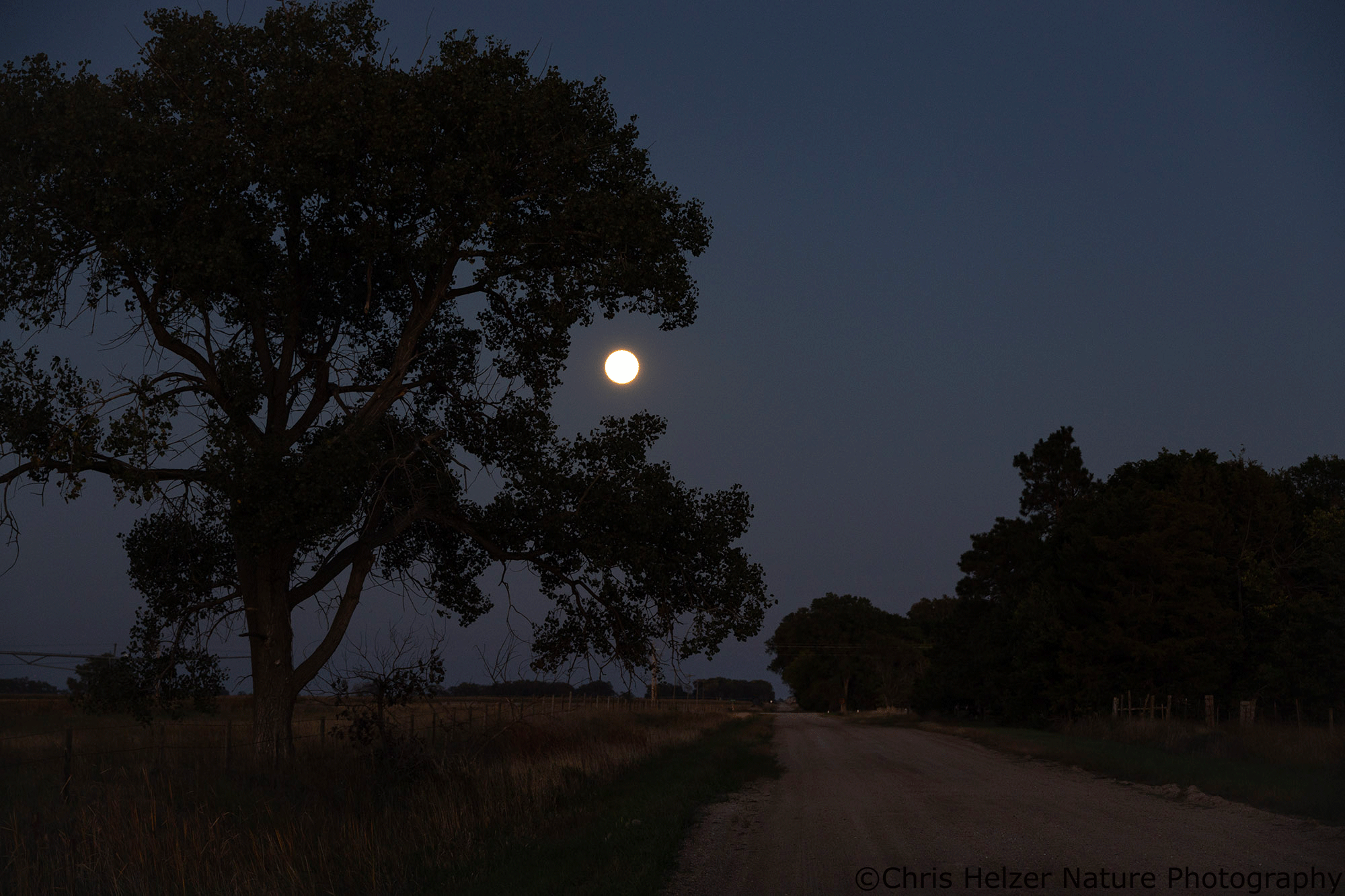
Full moon, cottonwood tree, and a country road.

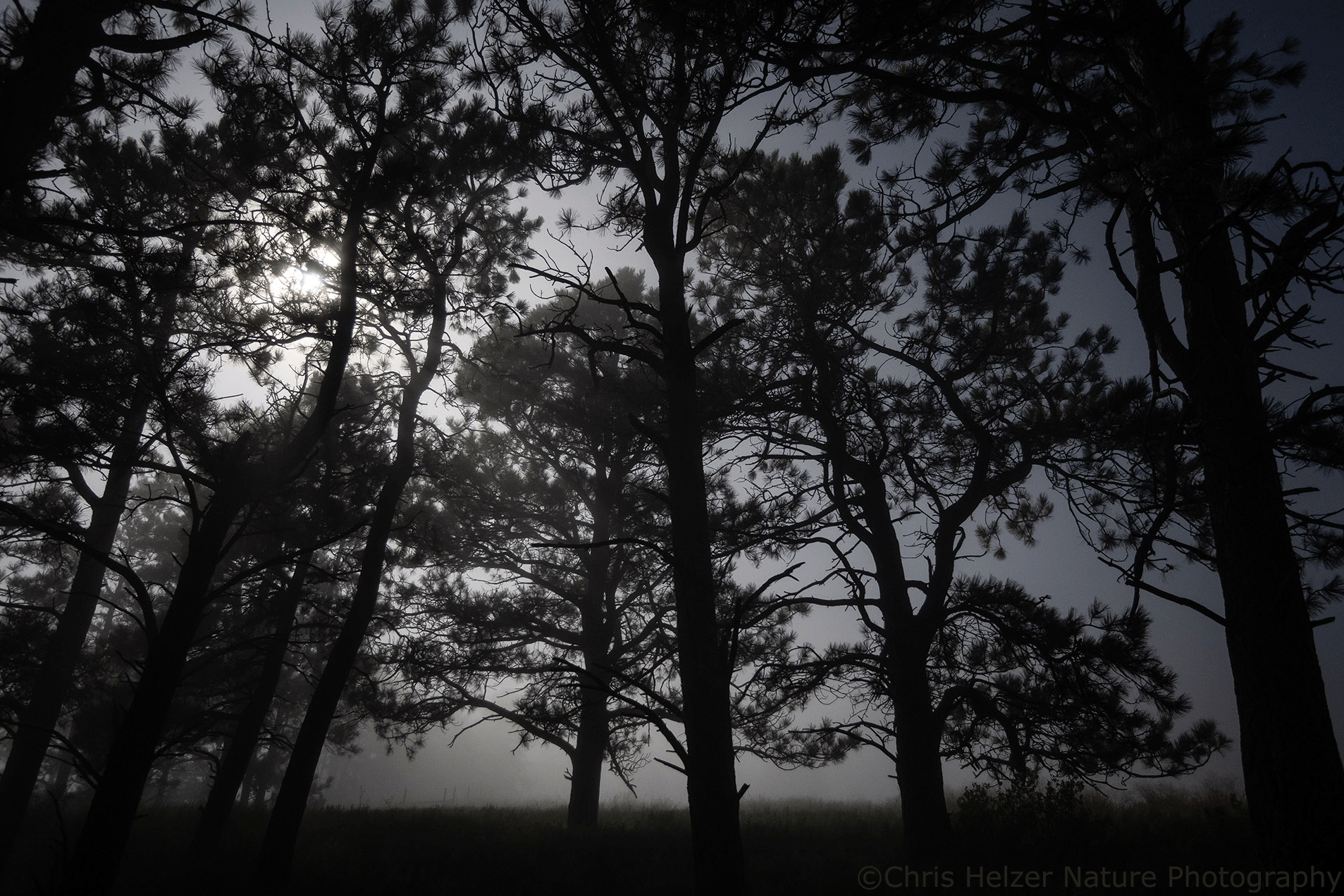
My next photo opportunity came at about 4 in the morning. I managed an hour or two of sleep (car camping) but kept waking up to check on Kim’s progress (online tracking tool). When it was clear I wasn’t going to sleep anymore, I stopped fighting it and drove up to a high point above the Niobrara River, where the full moon and rolling clouds of fog created some magical conditions for photography.
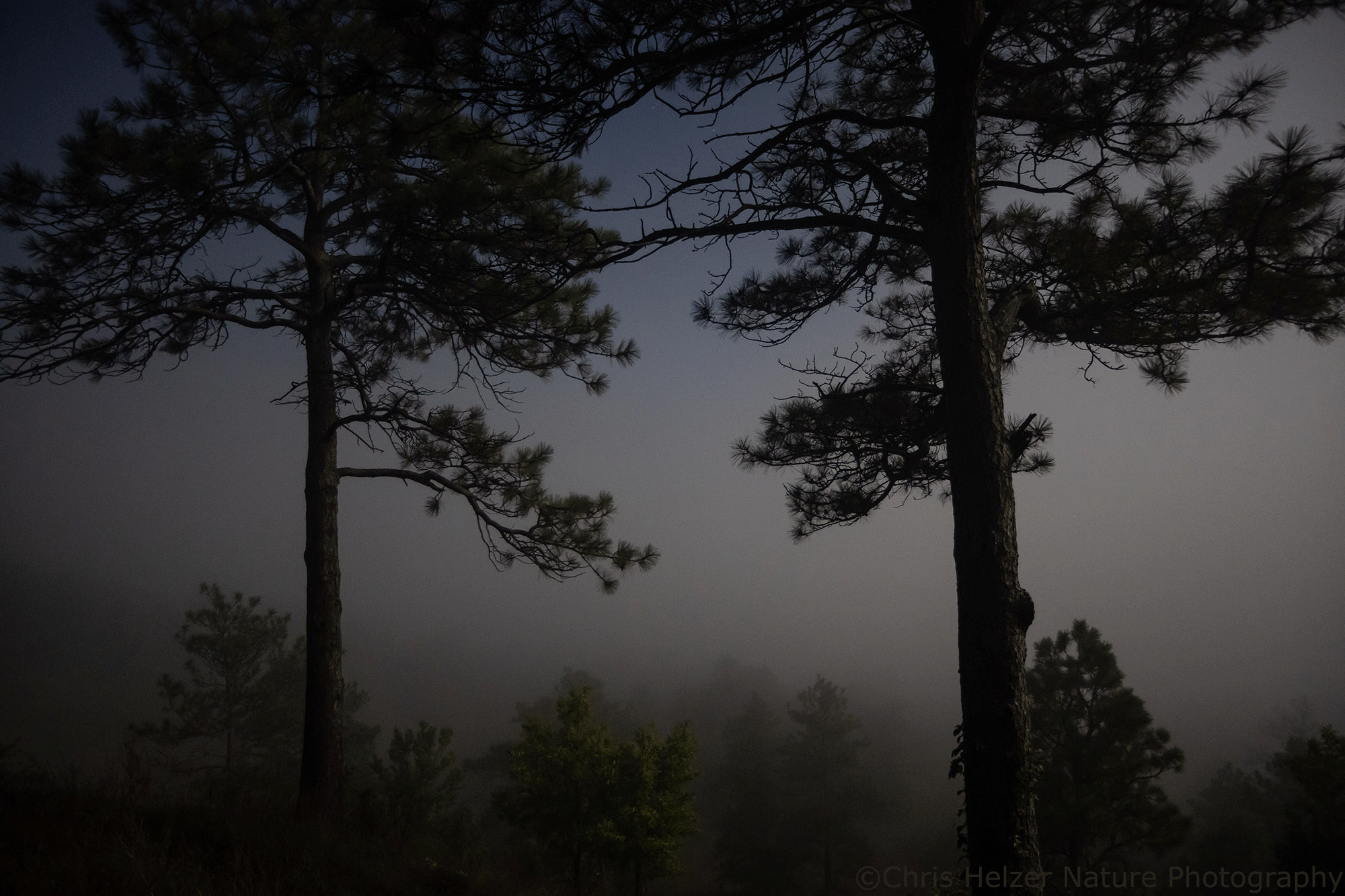
Ponderosa pines at the top of a ridge that dropped down to the Niobrara River (which was concealed by fog). The only light source was the moon.

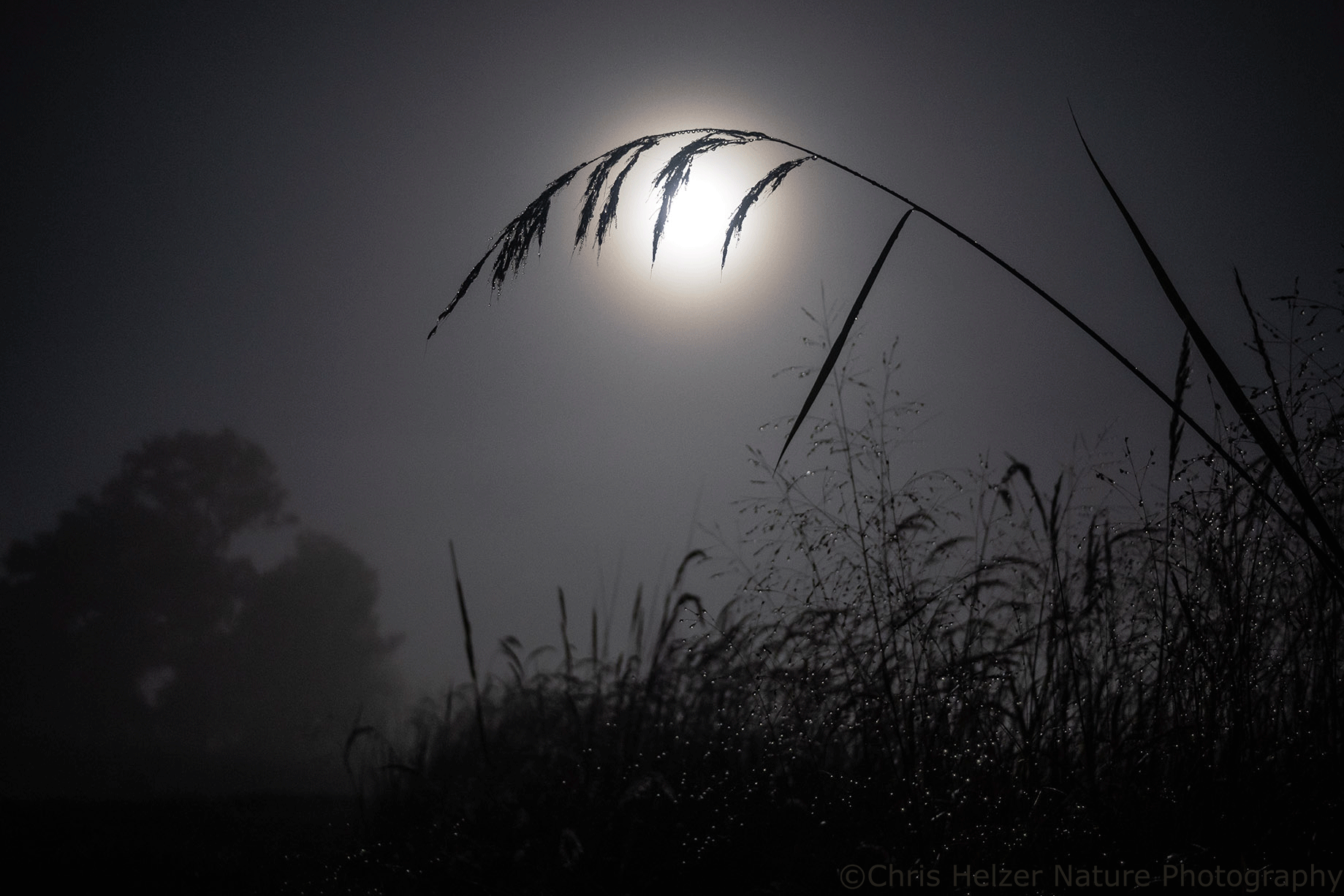
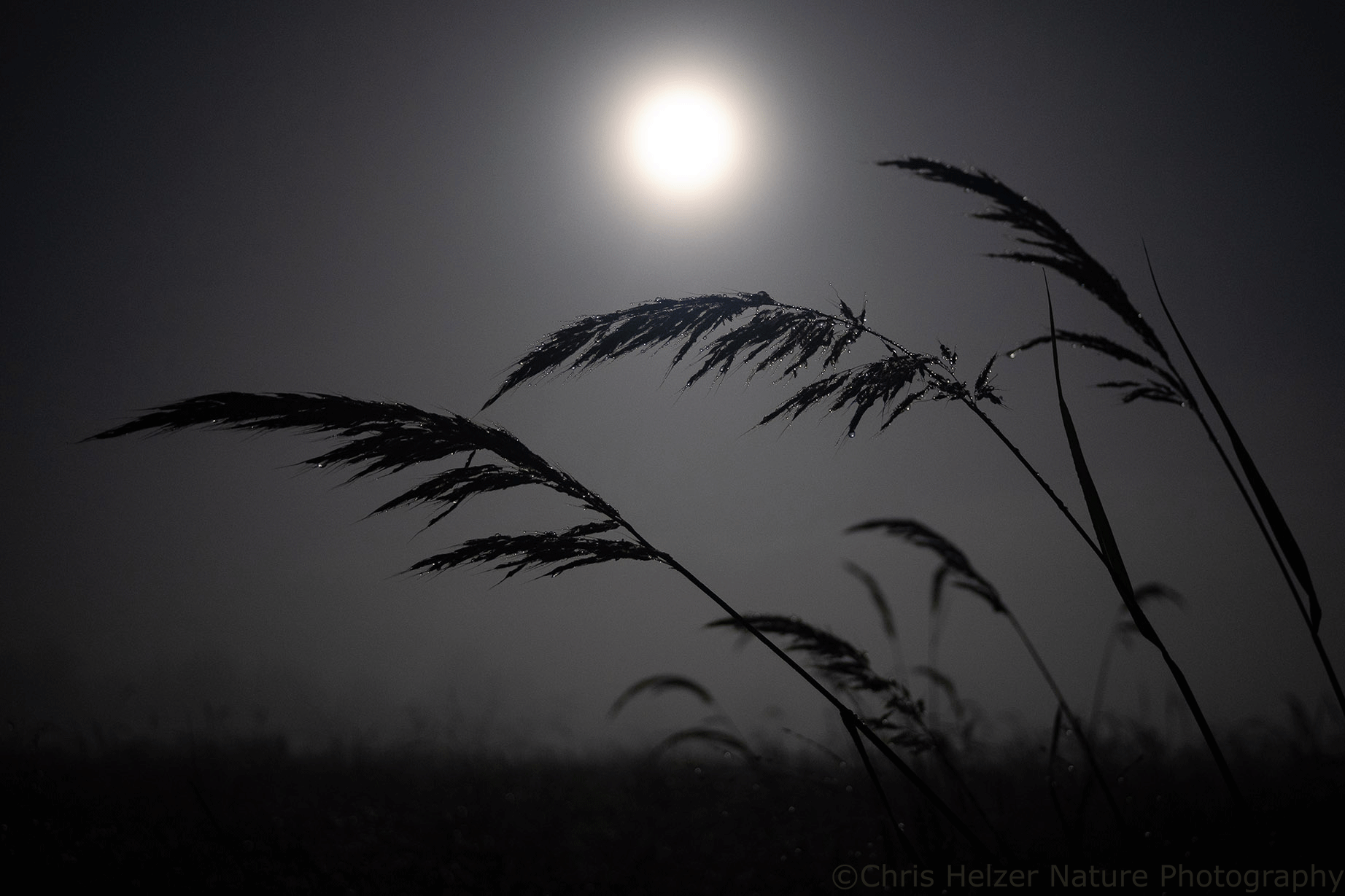
I spent time photographing ponderosa pines silhouetted against the moonlit fog and, periodically, glimpses of the stars above. I also went out into the dew-covered prairie and silhouetted some grasses against the sky as well. Despite being sleep deprived, I was no longer feeling tired. I was totally consumed by beauty all around me and tried my best to capture some of it.
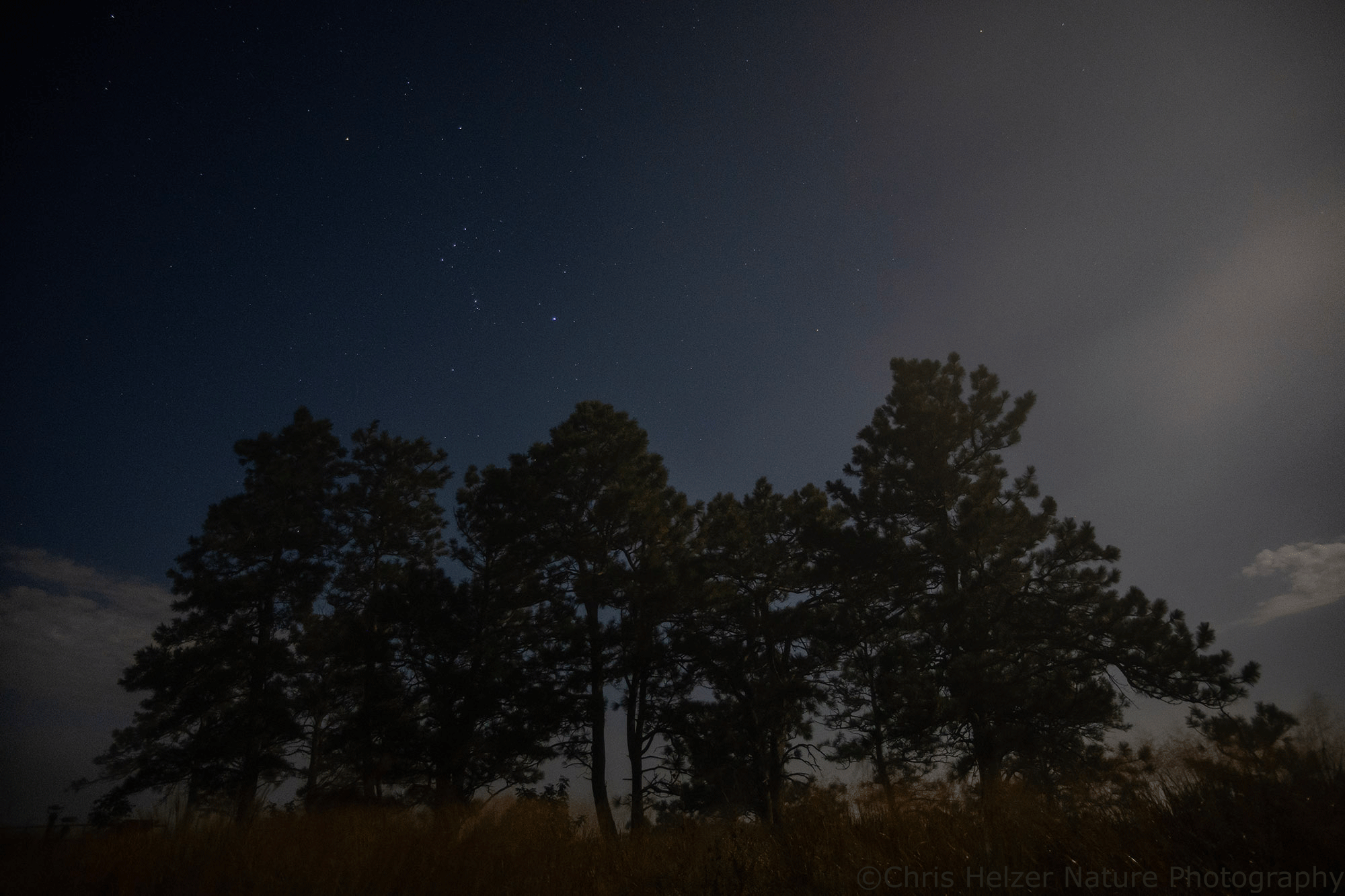
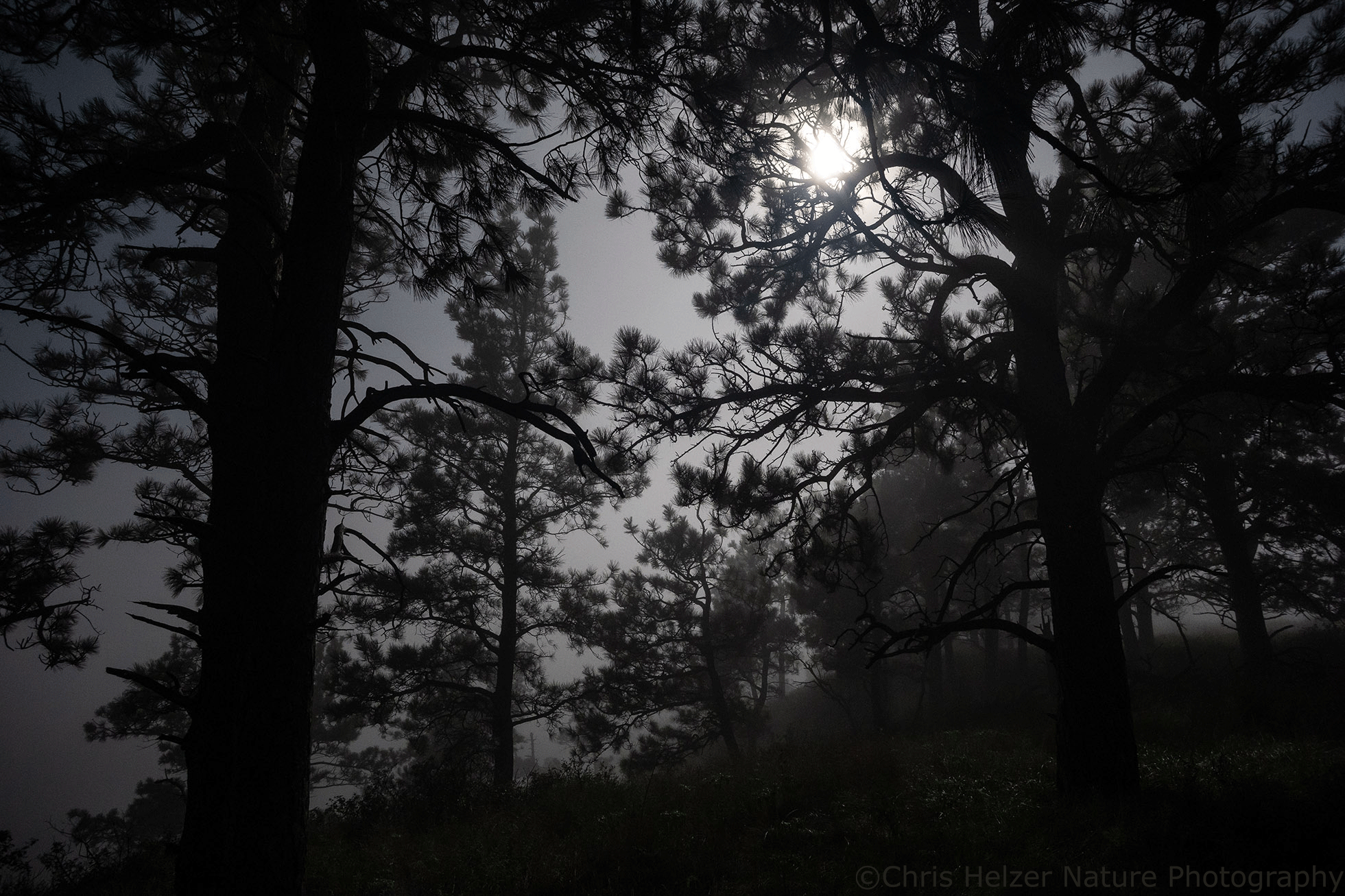
A few stars are visible above these pines but the fog closed that gap soon after I took the photo.
Pines, fog, and the moon.
More of the same.
Indiangrass and foggy moonlight.
A different patch of grass.

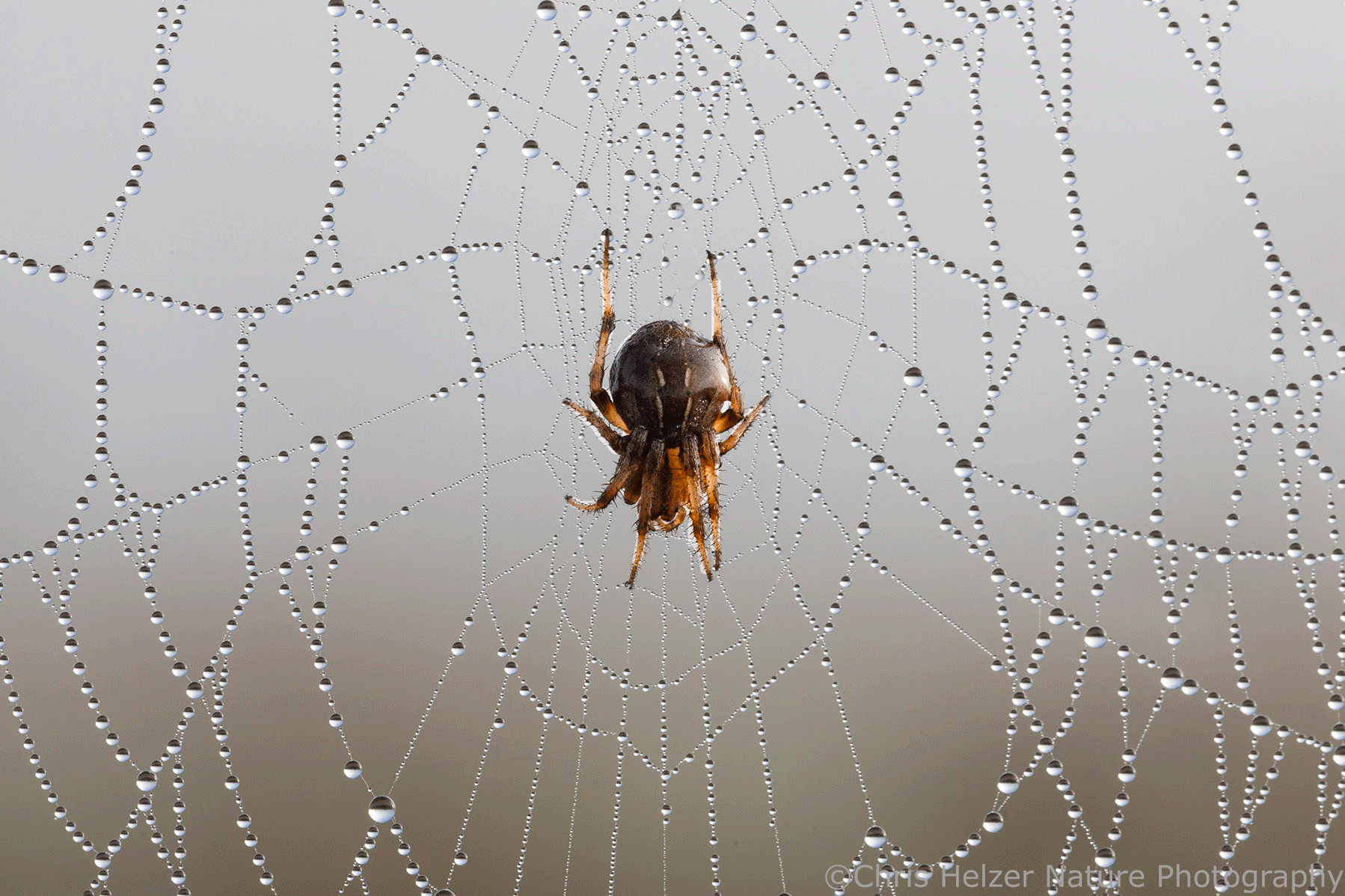
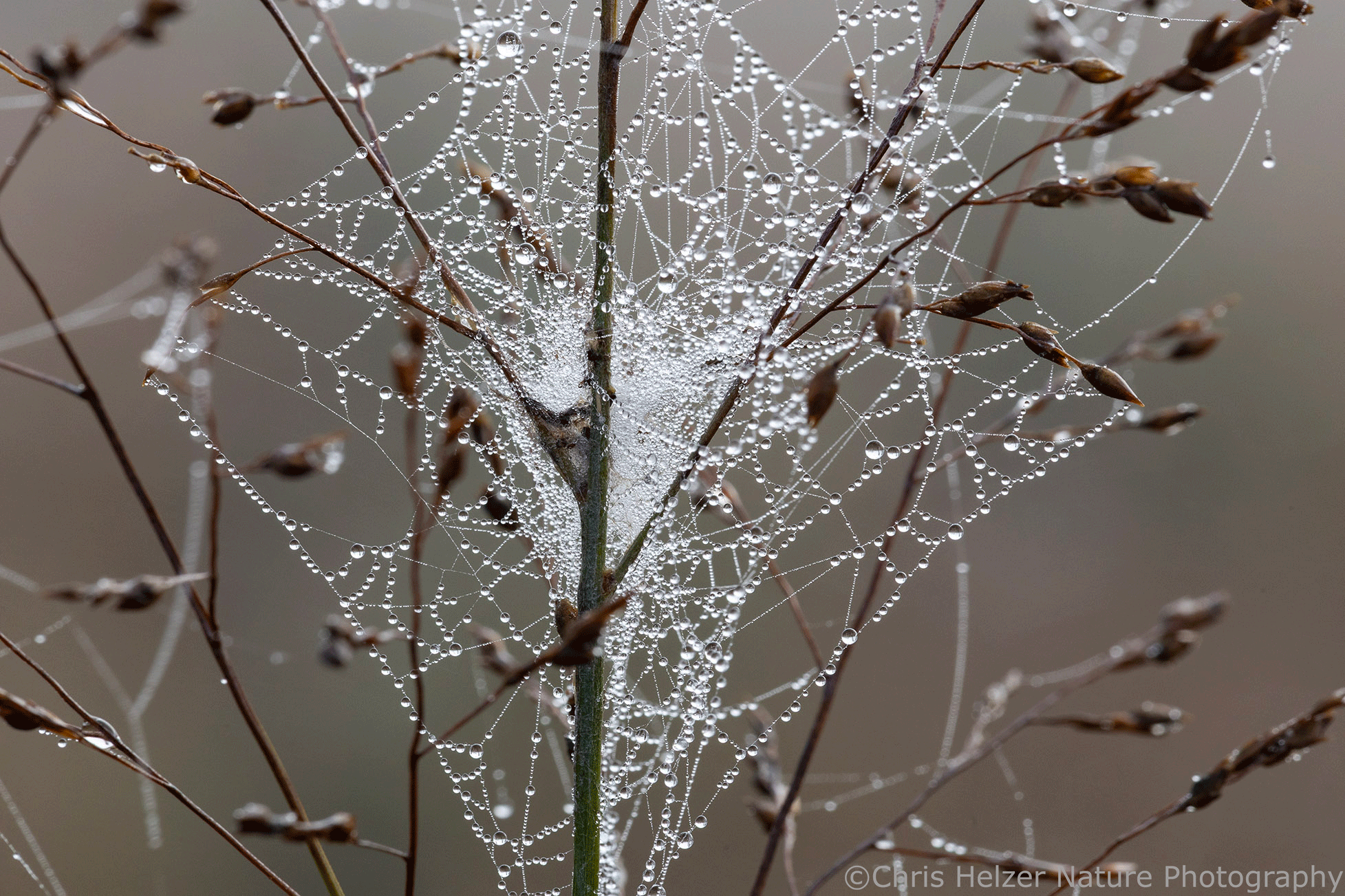
After Kim finished her race at about 7am, I had one more brief window of photography time and focused mostly on the thousands of dew-covered spiders and webs that were scattered along the Cowboy Trail.
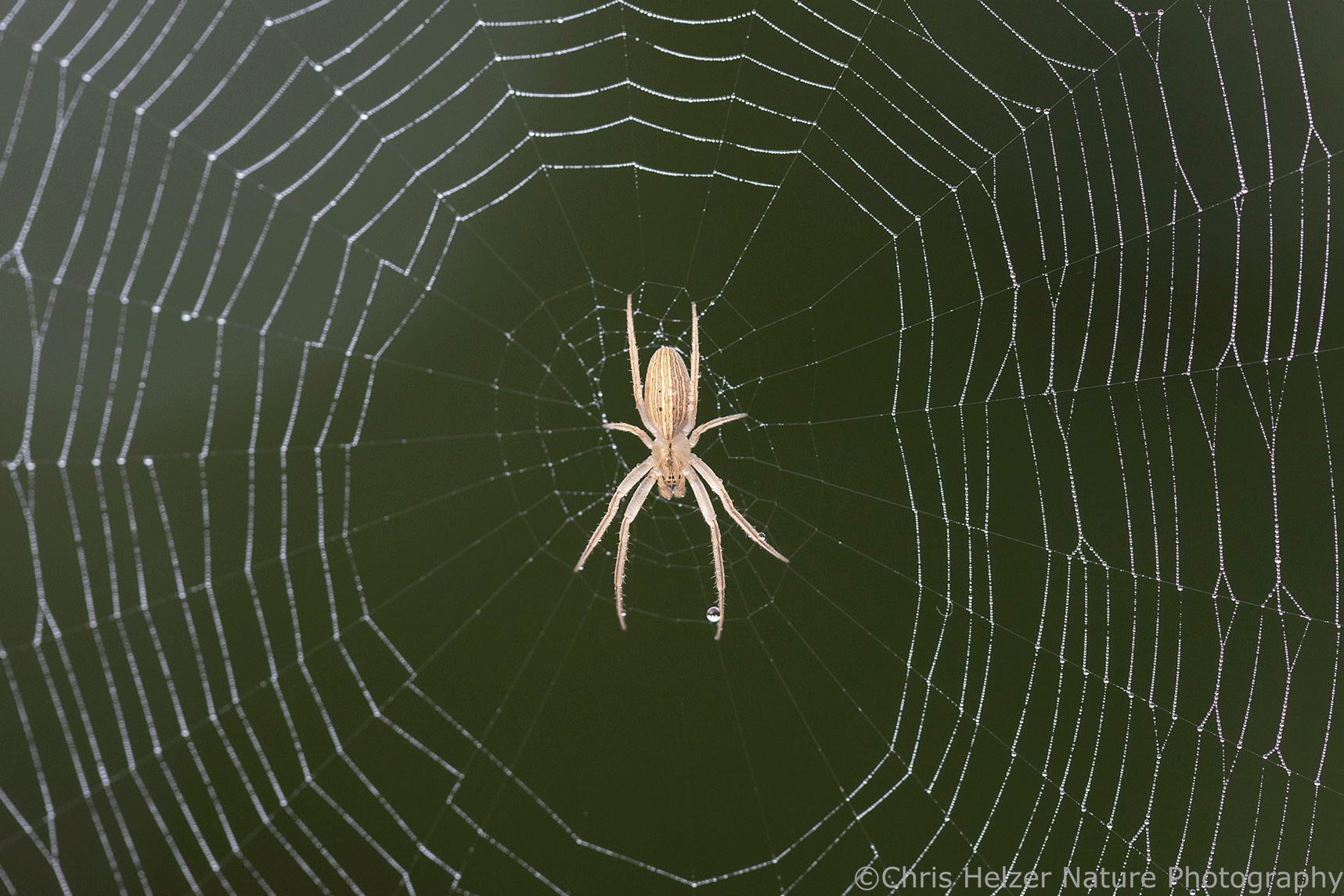
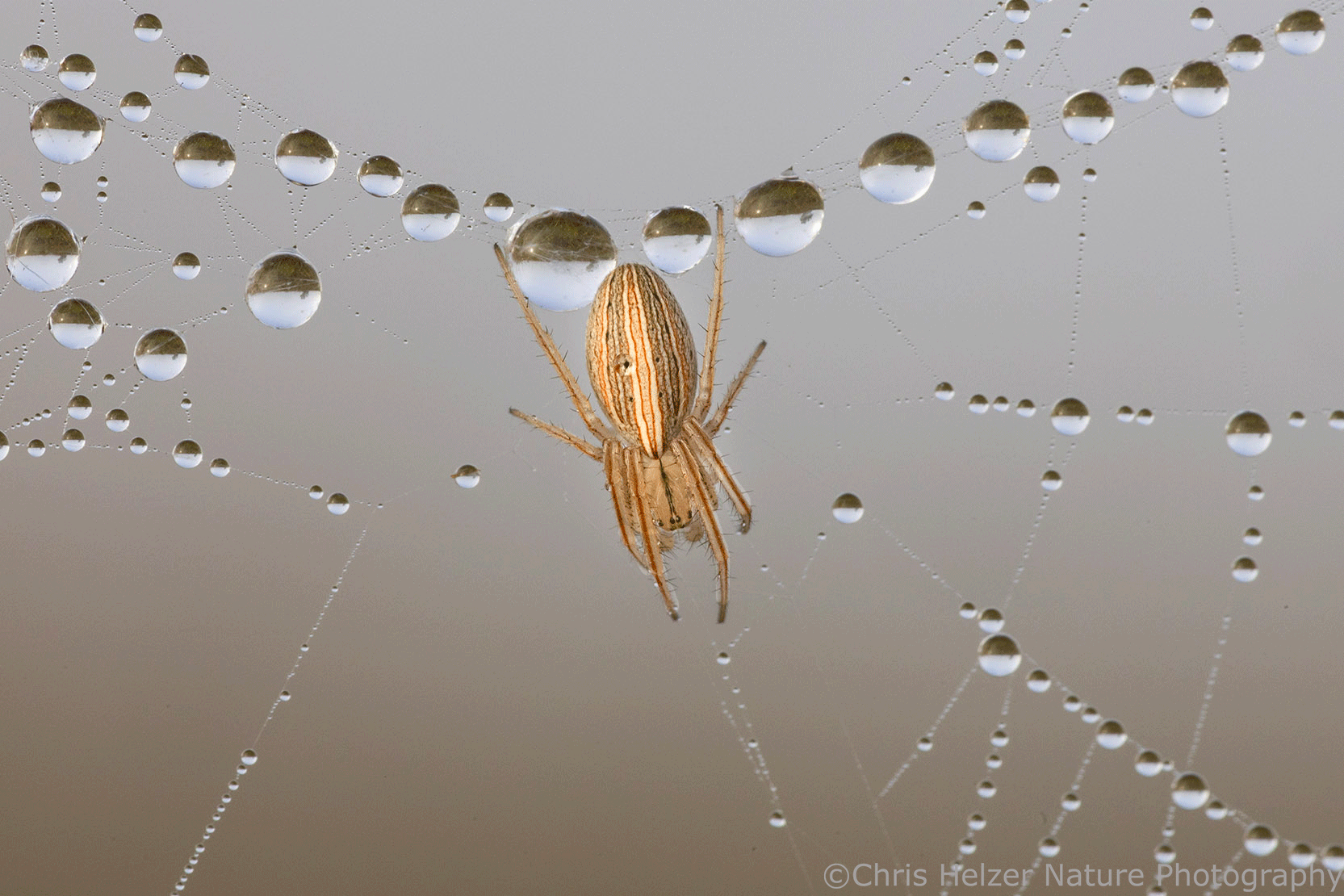
Orb weaver (Larinia borealis)
A different species of orb weaver (Neoscona pratensis).
Spider silk and switchgrass.

Then it was time to head home so both Kim and I could catch up on sleep. I drove and Kim tried to doze while icing her ankle and trying to get her stomach to settle enough to eat some food. Ultramarathoners do this for fun…
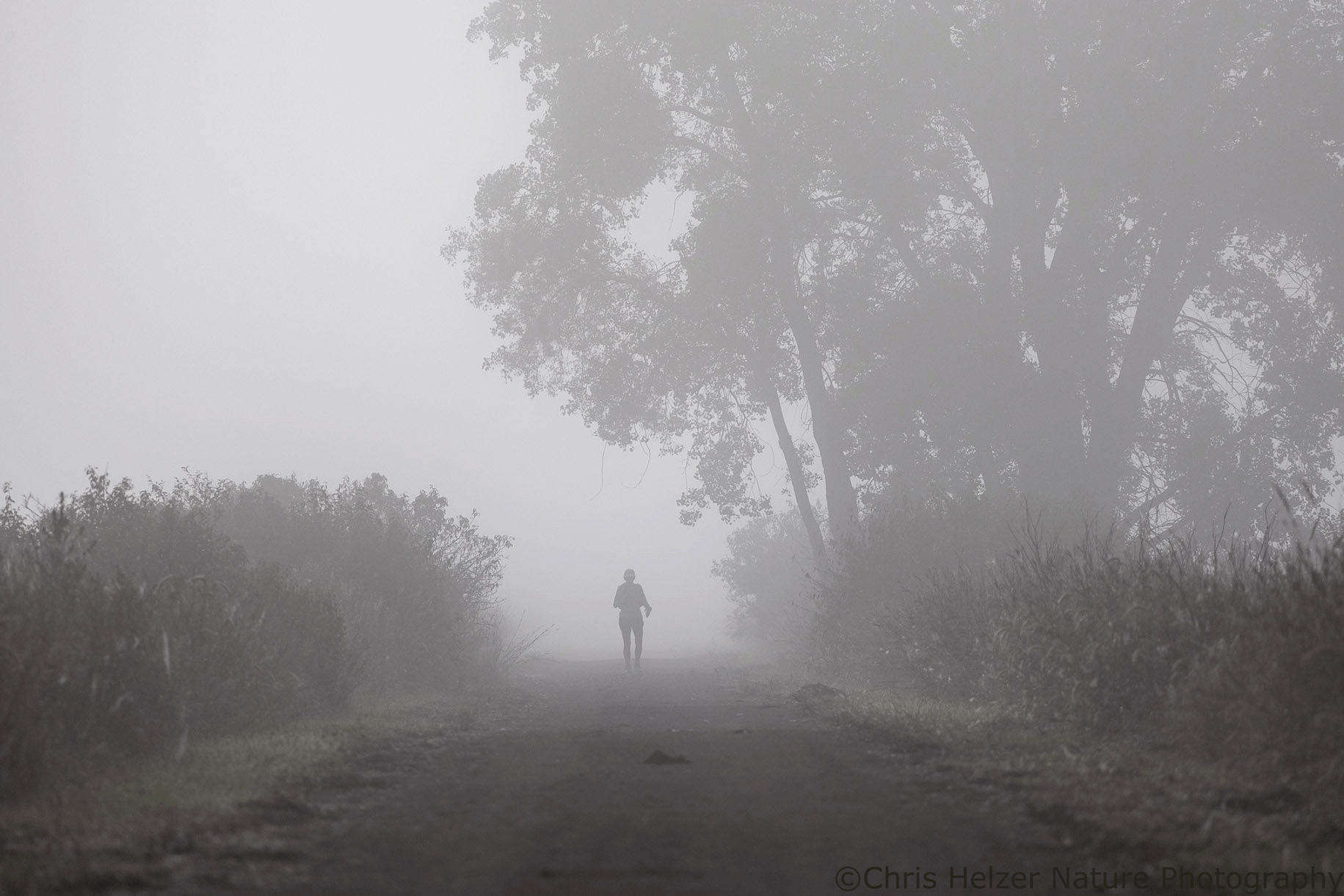
A runner coming through the fog on Sunday morning, heading toward the distant finish line.

I’m mostly caught up on sleep now and Kim is already dreaming about future races. Fine with me! I’m happy to hand out dry socks, nutrition, and encouraging words now and then if I also get time to kick around some beautiful places with my camera. It’s also fun to see Kim do something she’s really good at, even if I think it stretches the definition of “fun” a little.

If you want to see a little video of the race Kim ran, check out this link. It’s a local news story featuring the Cowboy 200/100 ultramarathon. There’s video of Kim crossing the finish line right at the beginning of the clip and brief interviews of a few of the top runners trying to explain why they do what they do.
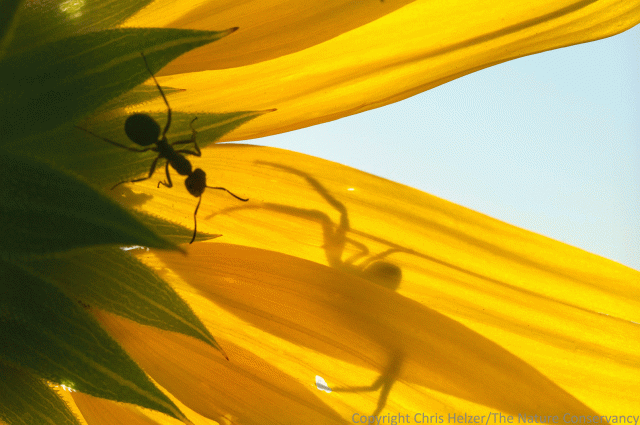
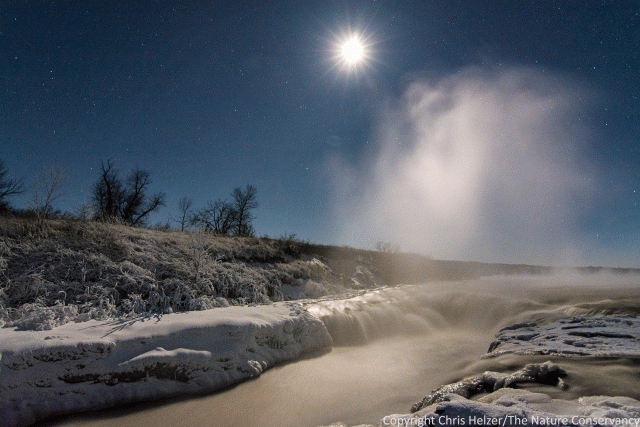
Photo of the Week – January 12, 2018

Tomorrow, I’m leading a photography workshop; something I rarely do.  I’m looking forward to the workshop, but always feel a little funny teaching photography for a couple reasons.  First, photography is a very individual activity, by which I mean that every photographer interprets the world in their own way.  Because of that, trying to “teach” someone how to be a photographer seems like kind of a crazy thing.  As a result, I’ll be talking very little about the interpretive part of photography, and concentrating mostly on the mechanics of how cameras work and how to use that knowledge to create art.  Then I’ll try to provide a lot of examples of what’s possible with photography, hoping to inspire people to develop their own vision.

Bugs (in the broad, non-scientific sense) and flowers are subjects I feel comfortable with.  Landscapes, wildlife, and other subjects are much less in my wheelhouse.

The second reason I hesitate to lead workshops in photography is that I feel pretty limited in my own knowledge.  After all, I spend most of my time on my knees, photographing tiny bugs and flowers, and I’ve learned how to do that using the few pieces of equipment I happen to own.  I suppose I know more than the average person, but I don’t feel like I have the kind of broad knowledge of camera equipment or techniques  held by many photographers I admire; people like Michael Forsberg, Clay Bolt, Piotr Naskrecki, and Joel Sartore.  Also, when I stray from my narrow range of expertise, I tend to make a lot of mistakes.  That seems to happen particularly often when I attempt night time photography.

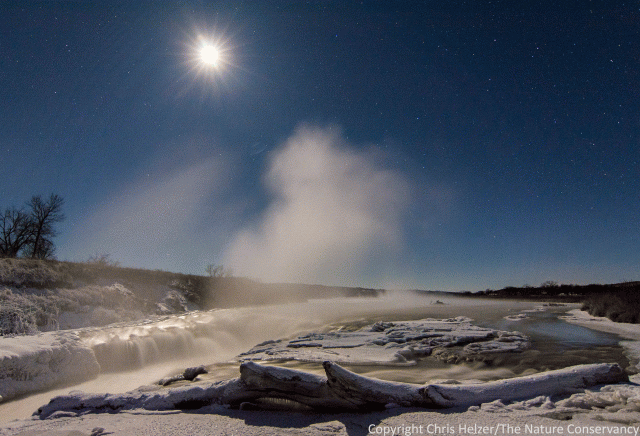
The latest example of my night time photography foibles came during the trip Kim and I made to the Niobrara Valley Preserve over the holiday season.  The weather was very cold while we were there, but I braved the temperatures one night and went out to photograph in the light of a half moon.  I worked along the river, mostly, shooting starry scenes with the river and silhouetted trees in the foreground.  Because of the moonlight, the stars weren’t really popping in the photos, so I decided to switch and shoot the moon instead.  I wandered over to “the chute”‘ a locally famous waterfall on the Niobrara River, right near the Norden Bridge.  Because of the sub-zero temperatures, much of the river was frozen, but the water pouring over the falls was still ice free, and there was fog (is it really called fog in those conditions?) coming off the falls and rising up toward the moon.  It was a magical scene, and I worked for about an hour to capture images of it.

Here is one of the three images I brought back from more than an hour photographing ice and water in the moonlight.  All three photos were taken with a Tokina 12-28mm lens at ISO 800, f/4, and a shutter speed of 6 seconds.

The log in this scene has been stuck on the same ledge for several years now. I keep waiting for a big water event to wash it away…

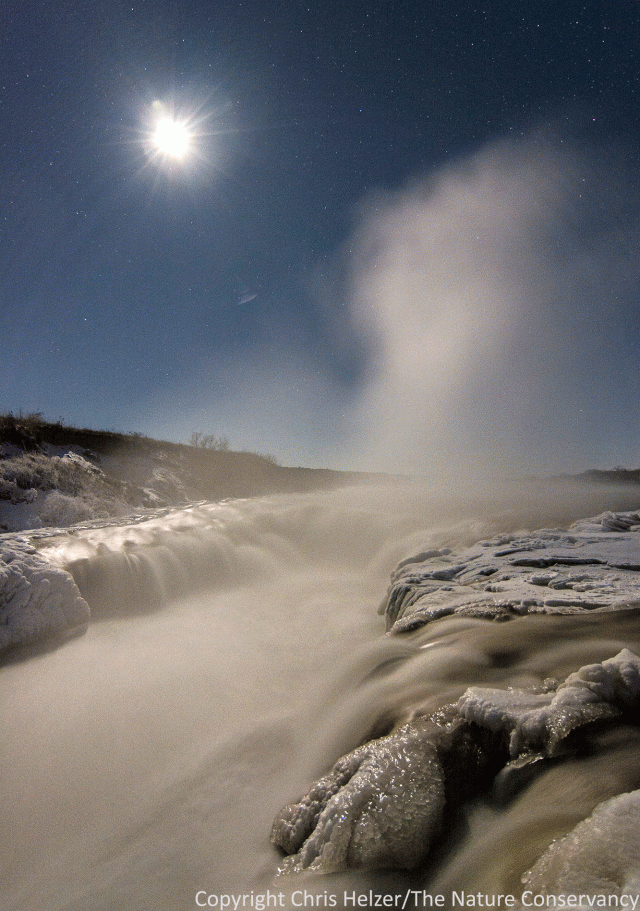
Unfortunately, my mind must have been as frozen as the the ice I was (carefully!) walking around on.  I completely forgot to change my aperture settings on the camera from the wide open settings I’d been using for star photos to settings that would give me more depth-of-field.  And because it was dark, I had a hard time focusing anyway, and didn’t notice how out of focus many of my foregrounds were.  This led to a lot of almost great photos with blurry images of rocks, ice, and/or water in the foreground.  Out of that entire hour, I ended up with three images that were fairly sharp all the way across – only because I was far enough from the foreground for it to be sharp.  Anything with a nice close waterfall in the foreground and starry sky in the background turned out to be junk.

This was my favorite of the three decent shots, mainly because there was something interesting in the foreground (though I had a couple others with that ice formation much closer to the camera that would have been spectacular…)

I sometimes make mistakes photographing bugs and flowers too, but night time photography always seems to give me big problems.  In fact, one of my biggest recurring issues with bug/flower photography is tied to night photography… I very often forget to reset my ISO after shooting star photos the night before and end up taking grainy photos of flowers with an obscene ISO of 2500 or so.  I’m telling you – night time photography is out to get me.  I’d like to think I’ll get better at it if I do more of it, and I’ve been making an effort in that regard, but so far, not much luck.  Fortunately, there are lots of bugs and flowers to photograph during the daylight hours, so my ego hasn’t completely deflated.

Gee, this wasn’t a great advertisement for my photo workshop tomorrow, was it?  If you’ve signed up and are reading this, I promise I’ll do my best to make it worth your time.  The good news is that the workshop happens during the day – not at night!