Kim and I recently moved across town. We waited a year before starting to work on the yard and garden, but things are underway now. Kim’s in charge of the vast majority of the landscaping, but I’m putting together a strip of prairie plants along our east boundary. It’ll take a few years to fill in all the space, both because I’ll keep adding plants and because the early plants will grow and spread. Meanwhile, some of this year’s additions are already blooming and attracting insects.
I’ve seen a surprisingly wide variety of visitors so far, but some of the most abundant are insects that are usually categorized as pests. I’ve complained about that characterization before, so I won’t go over all that ground again. However, most of the “pests” showing up on my prairie plants are native insects that also happen to have adapted well to the bounty of food plants humans have spread across the landscape. Their ability to adapt has (unfairly, I think) earned them names that reflect our frustration with them and made them targets.
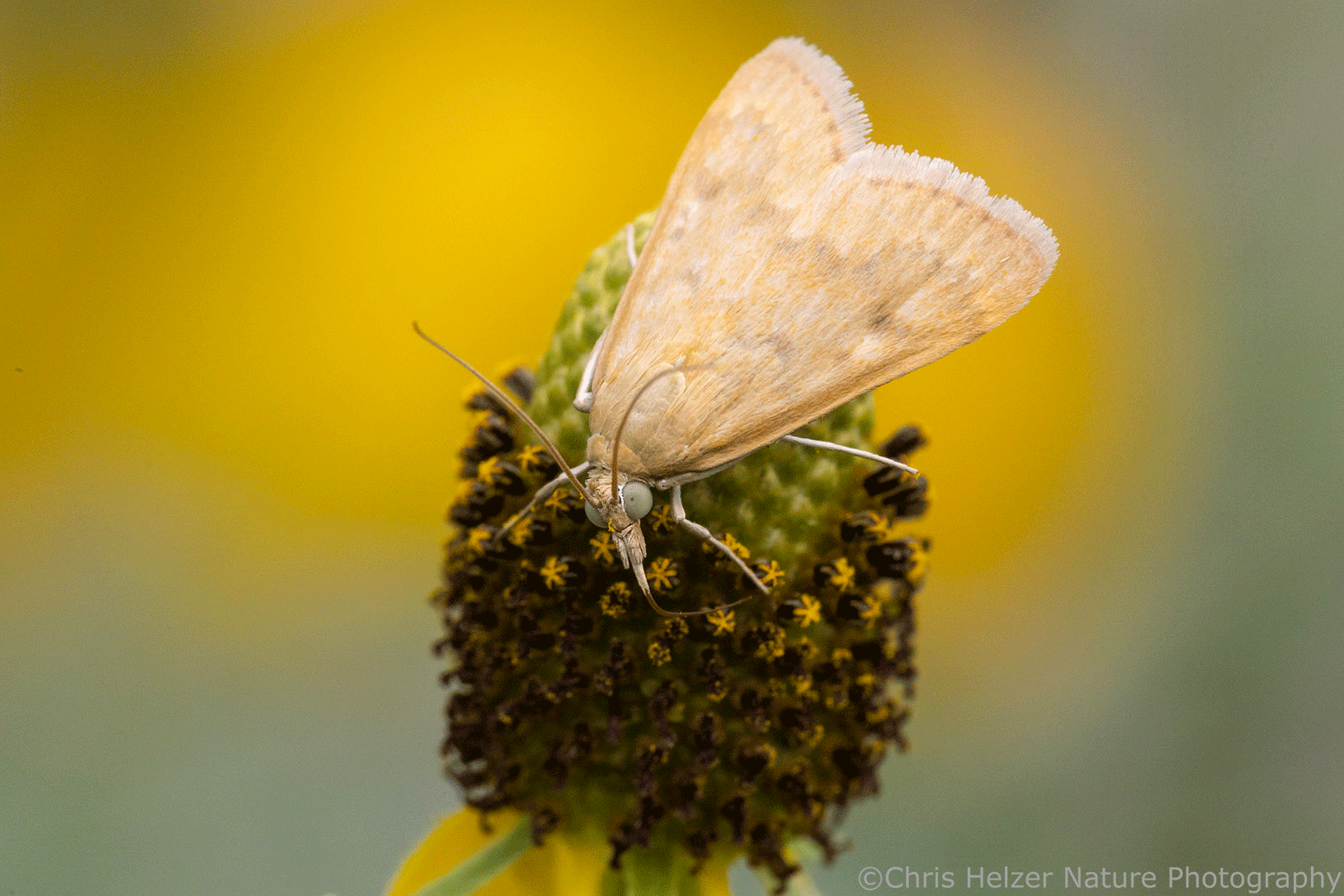
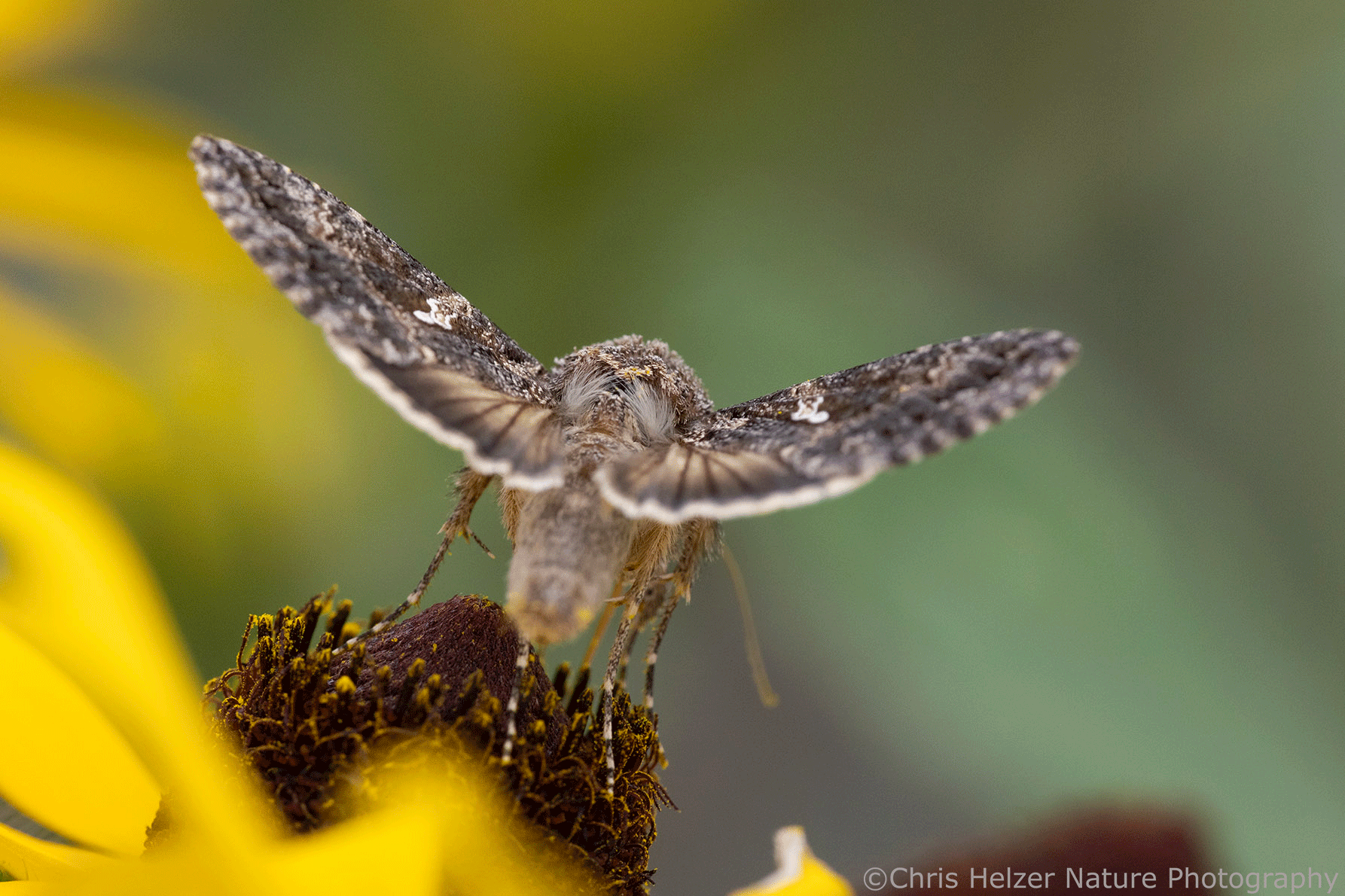
The corn earworm moth (above), according to Wikipedia, is the second most important economic pest in North America, next to the codling moth. That’s quite a reputation for a pretty nondescript native moth that is also a helpful pollinator for a lot of native plants. Because it feeds on a wide range of human crops, it has other names, including the cotton bollworm and tomato fruit worm.
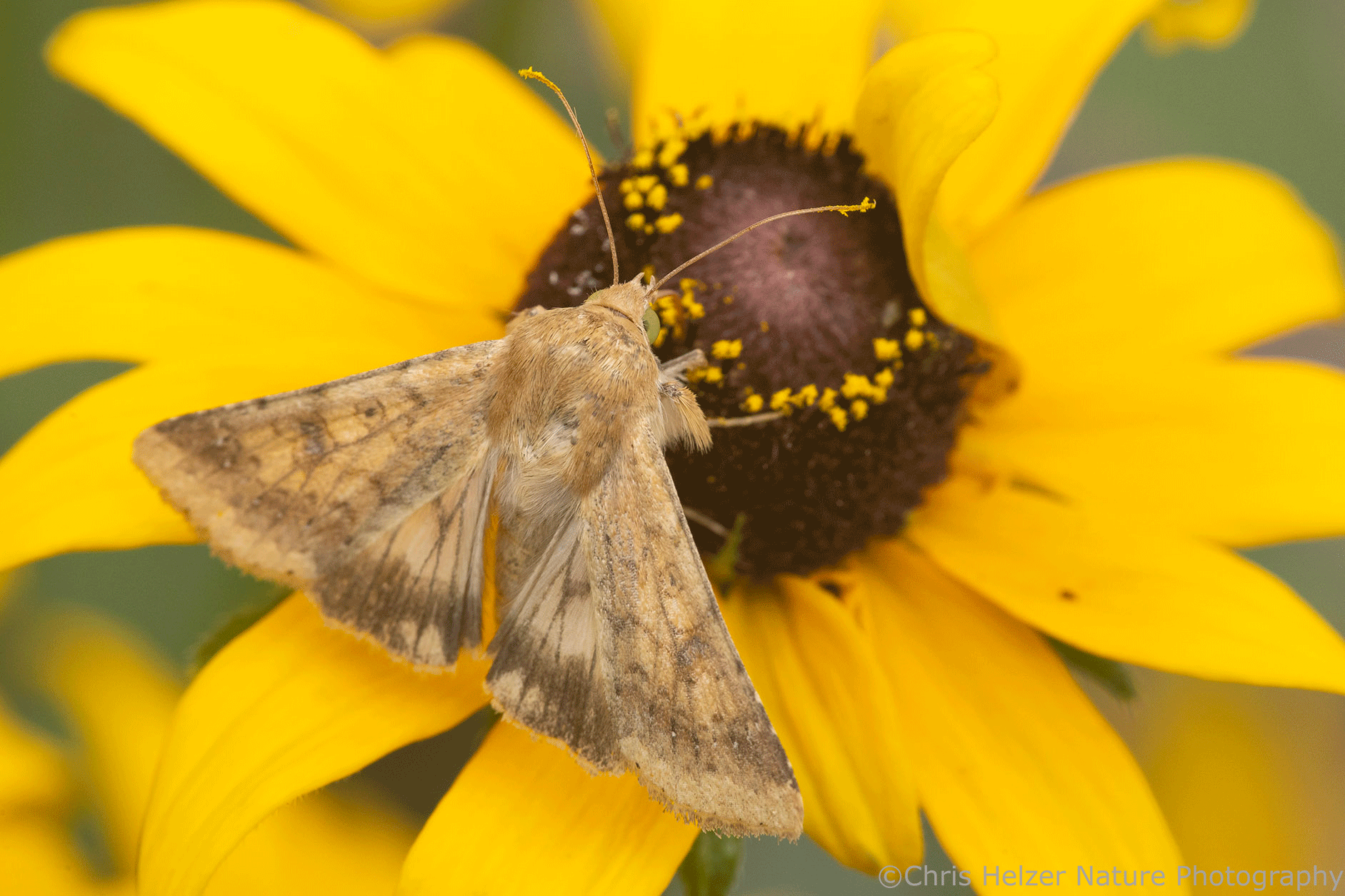
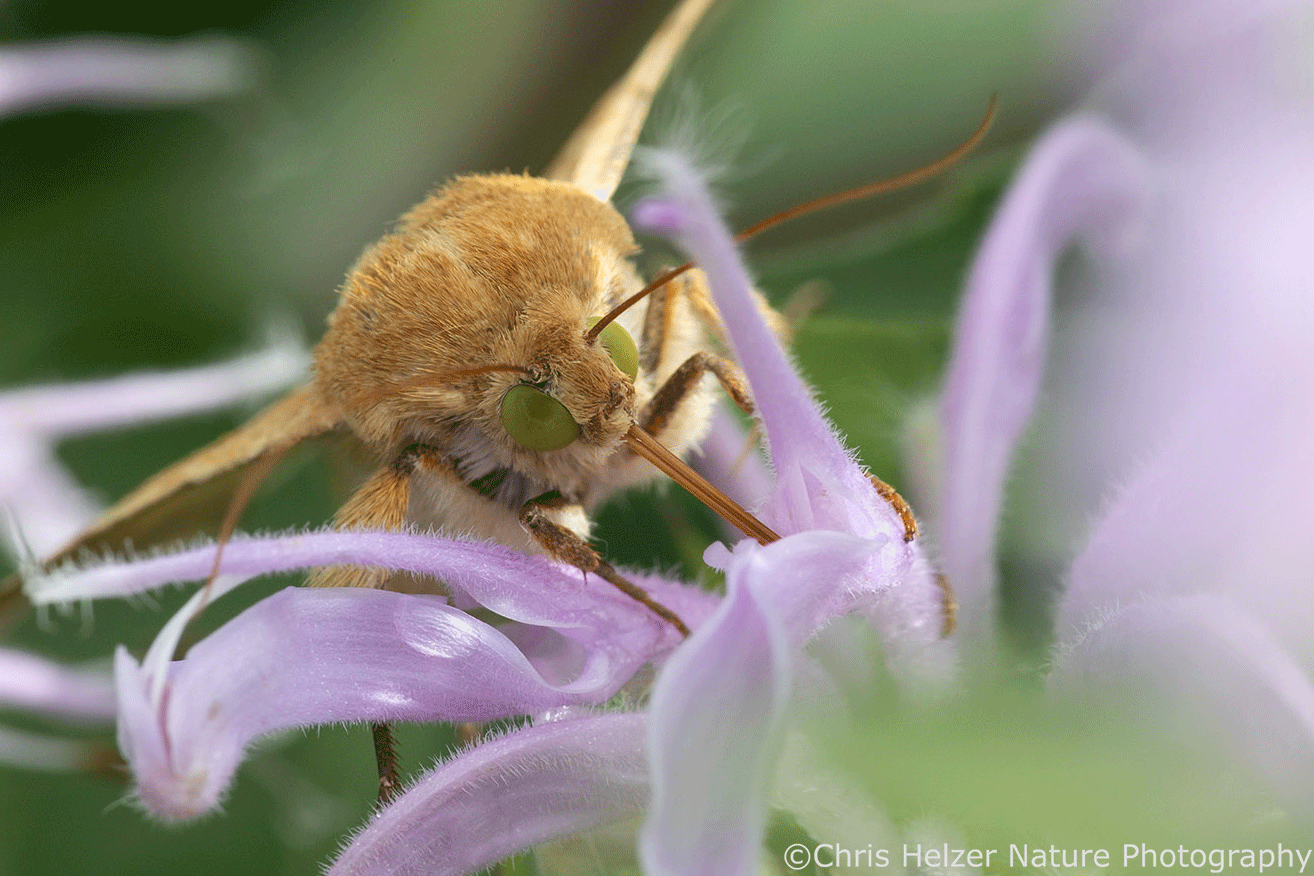
The cabbage looper moth (below) is a native owlet moth whose larval form happens to enjoy cruciferous vegetable plants such as cabbage, broccoli, and many others. Never mind that it also feeds on well over 150 other species of plants, or that it is a pollinator insect as an adult. Because it eats some of the same plants we eat, we have developed lots of ways to kill it.
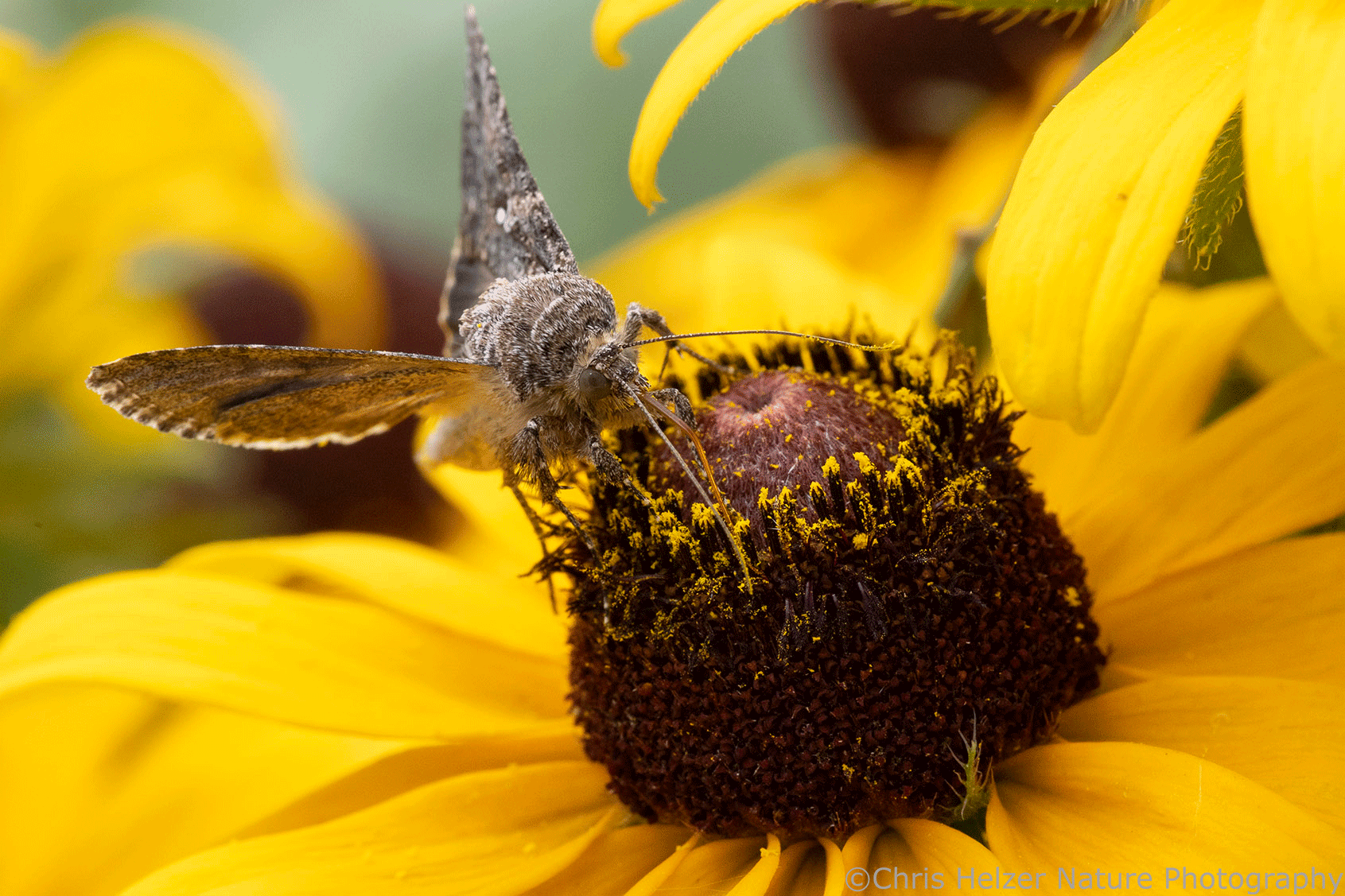
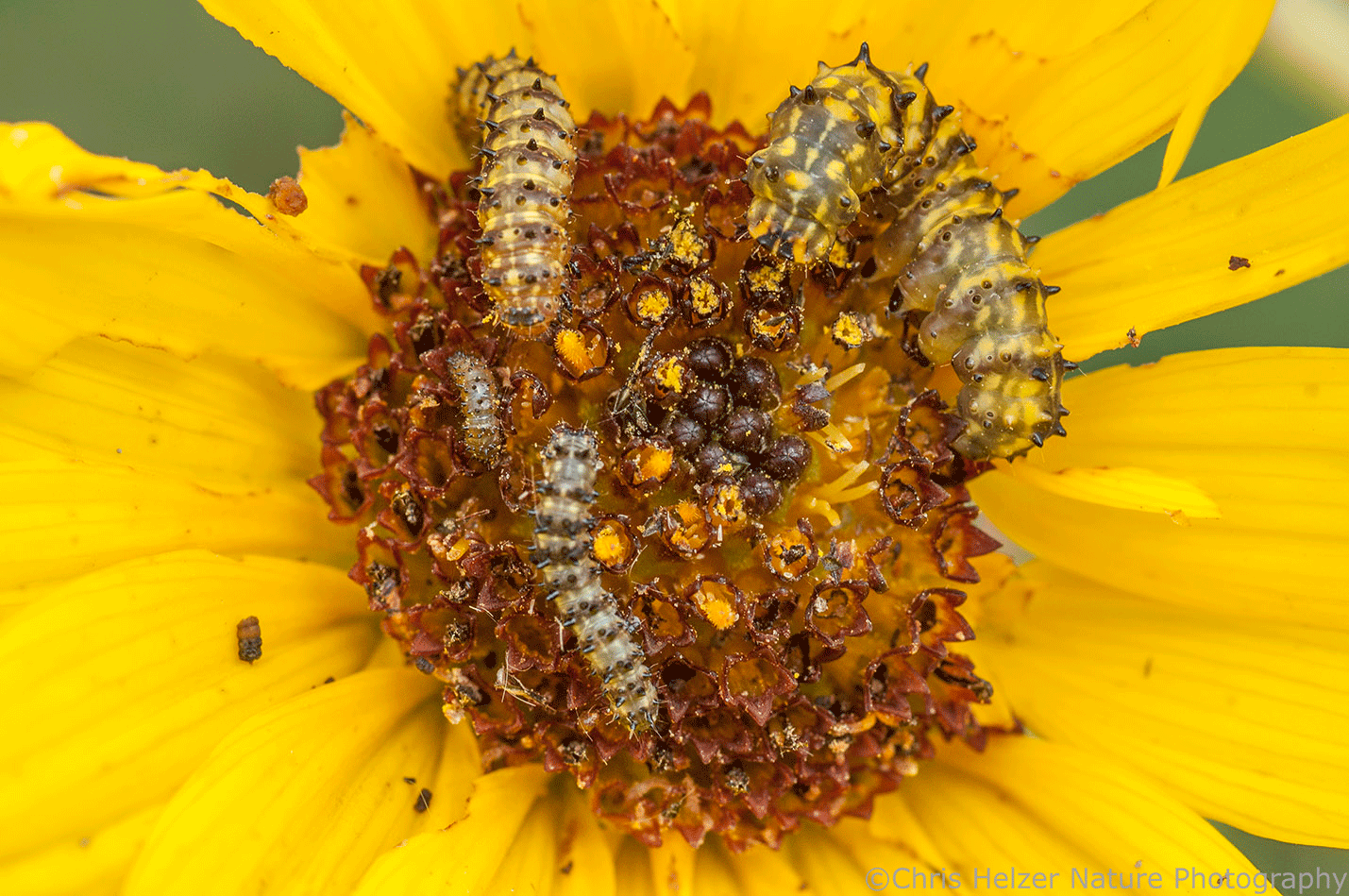
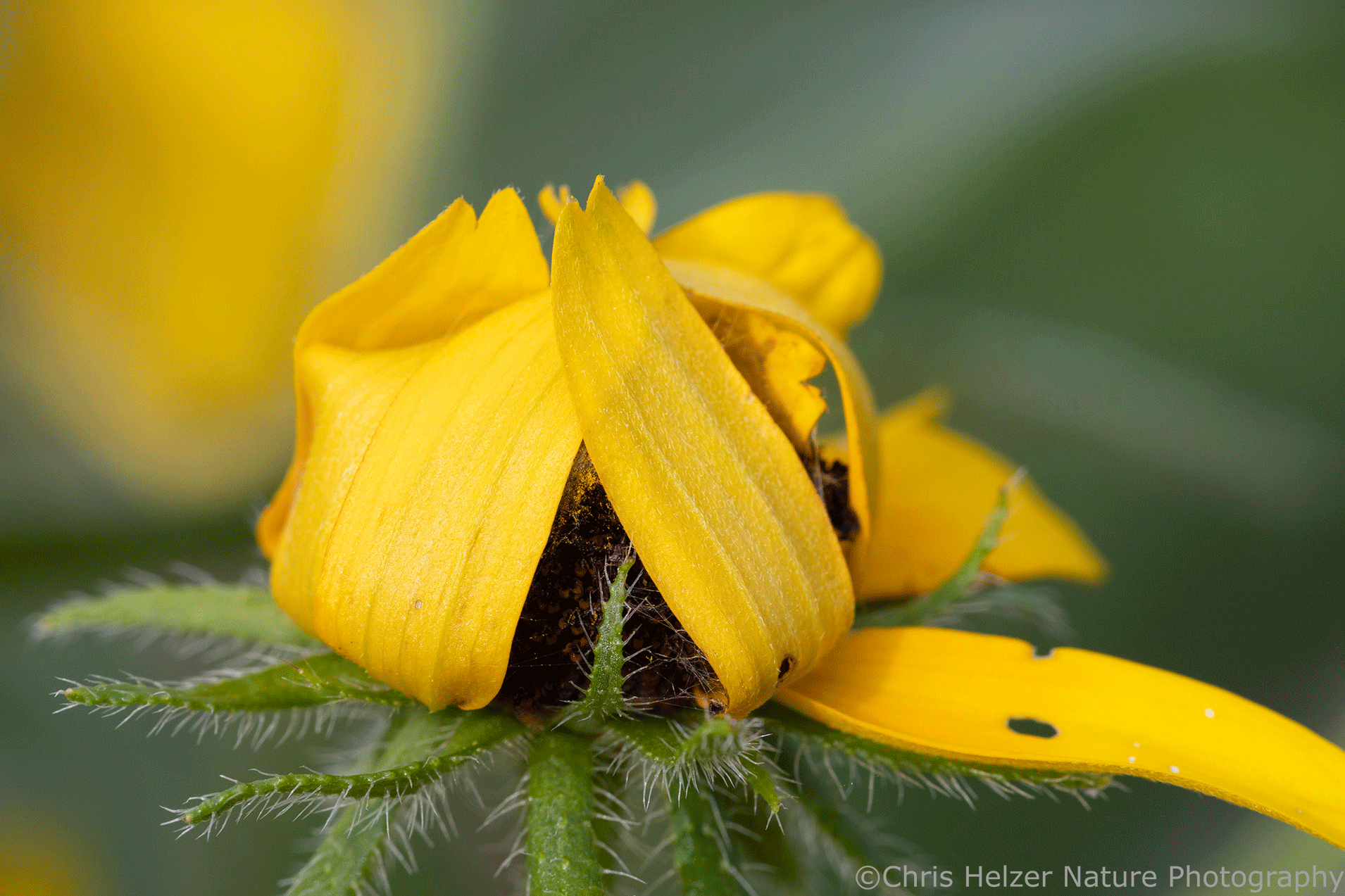
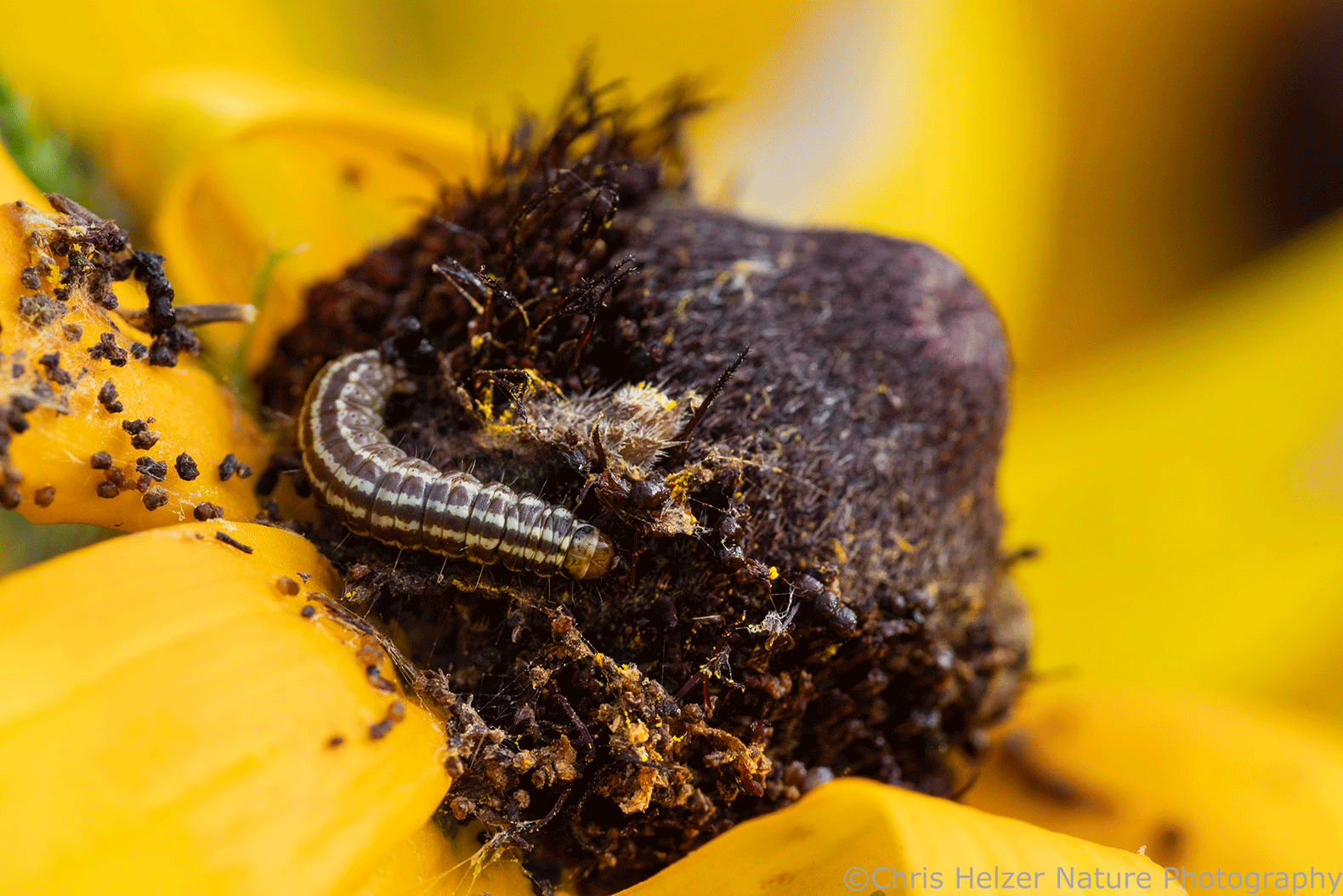
The American sunflower moth (below) doesn’t cause us any problems in our yard because we don’t mind if it eats a bunch of the seeds from our black-eyed Susans or sunflowers. If I was raising sunflowers for food, oil, or to support my family, however, I’m sure I’d look at them differently.
Look, I get it. We fight back against some of the insects that eat the vegetables in our home garden, too. Some of those, like the cabbage white butterfly, are species introduced to North America, but others are native species that are competing with us for our garden produce. The world is messy.
However, I do think it’s important to keep a certain perspective on these insects and remember that while we are sometimes in conflict, that doesn’t mean the entire species is evil or worthy of eradication. It’s also vital to be thoughtful and careful about how we attack “pests” that are eating our food or other agricultural crops. That includes both treating crops only when there’s a high enough abundance of those insects to be significant. It also means using pesticides and other treatments that are as selective as possible and minimize impacts to other species. We still have a lot of room to grow in this regard.
Keeping a proper perspective can be difficult in a complex world, though, so I’m not here to tell you what your particular perspective should be. As an example of how complicated this is, here (below) is a photo I took this morning of what I think is a European paper wasp in my prairie garden. As the name suggests, this is not a species native to North America, and it has apparently been spreading westward across the continent since about the mid-1990s.
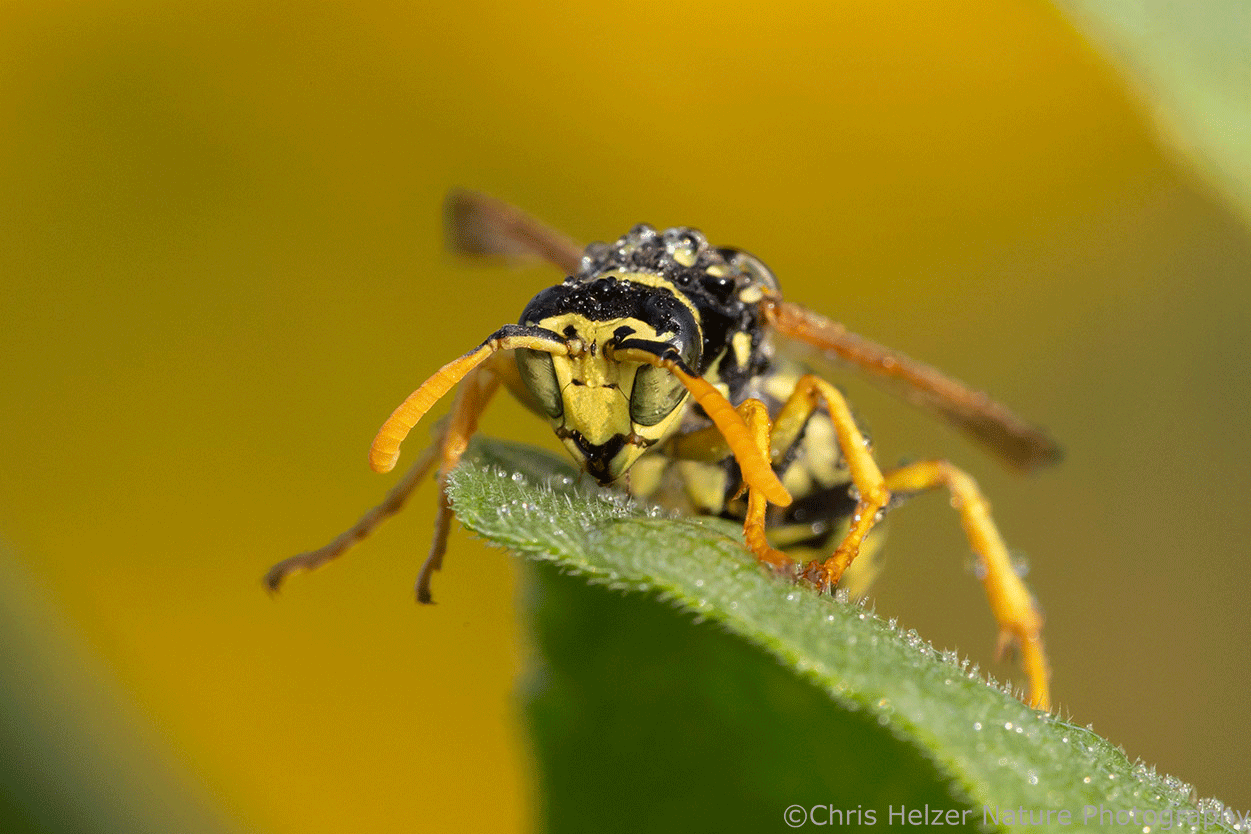
There is evidence from some parts of our continent that the European species may be displacing our native paper wasps. Some of you might think that’s not something to weep about since paper wasps are often unpopular, especially given their penchant for building and defending nests in/on the same structures we live in. However, we don’t really know all the potential ramifications of this continued invasion. Should I have squished that wasp instead of (or after) photographing it? I’ll bet there are those who would advocate for exactly that and I don’t know really have a good counterargument. I didn’t squish it, though, because this is a complicated topic I don’t yet understand well enough to form a strong opinion.
Oof.
Ok, that’s enough heavy stuff. Despite the complexity of some of the insect species and their actions, I really am enjoying seeing what species are finding and colonizing our new prairie garden. I’m looking forward to the next few years – and beyond – as both the plant and invertebrate communities continue to grow and diversify.
Here are some photos (and a video) of some other insects and plants I’ve seen in our garden over the last few days. I think they’re all pretty non-controversial.
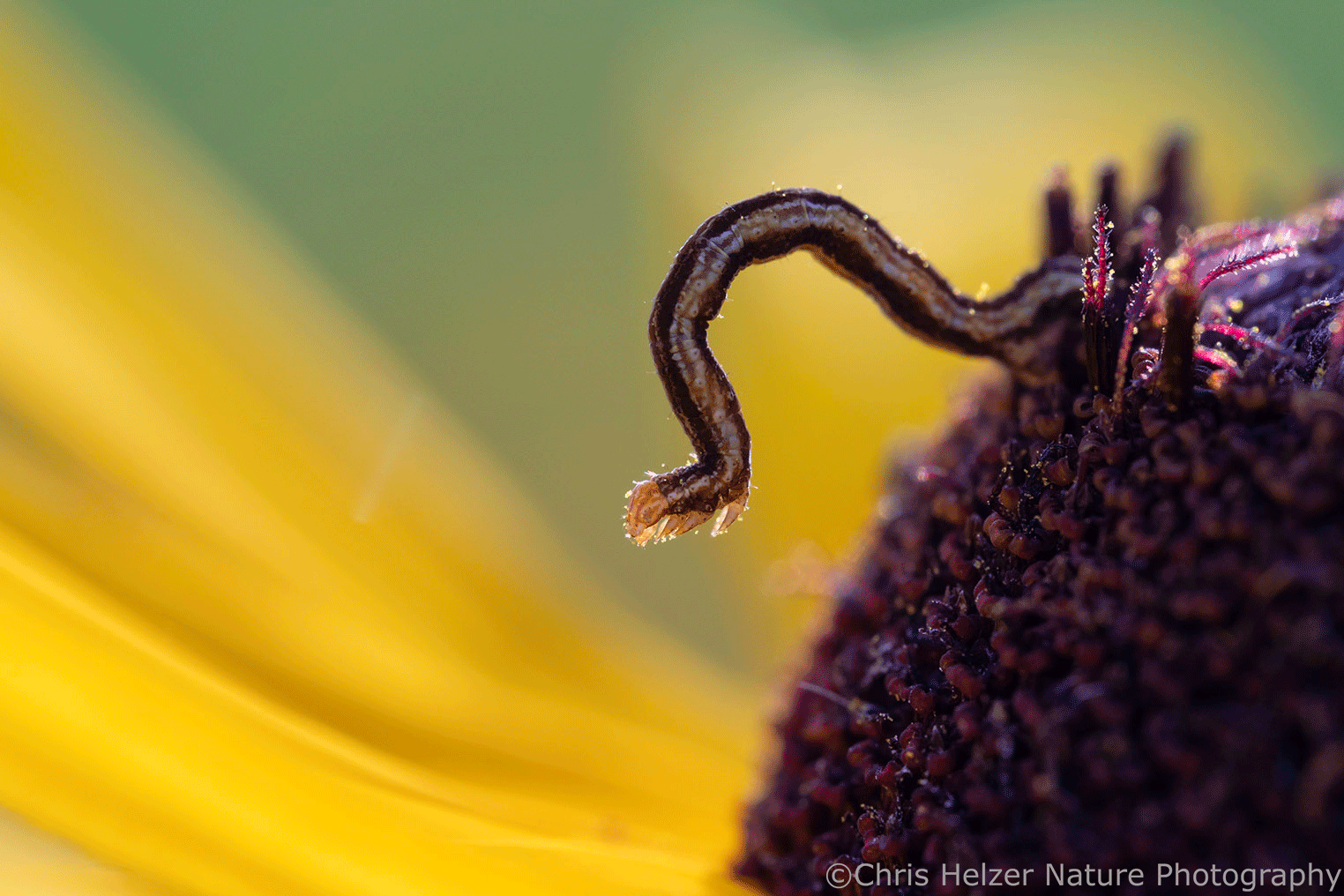
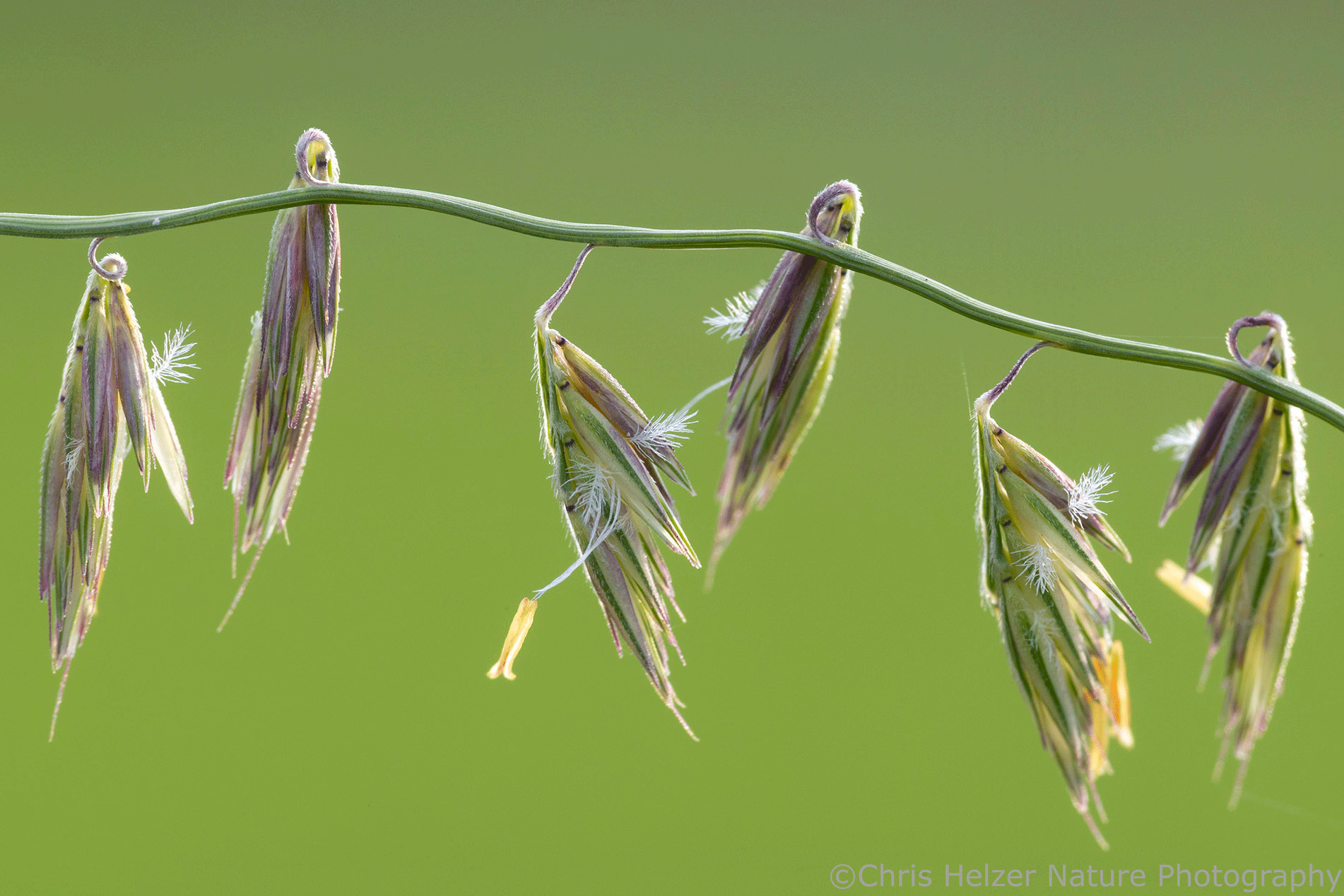
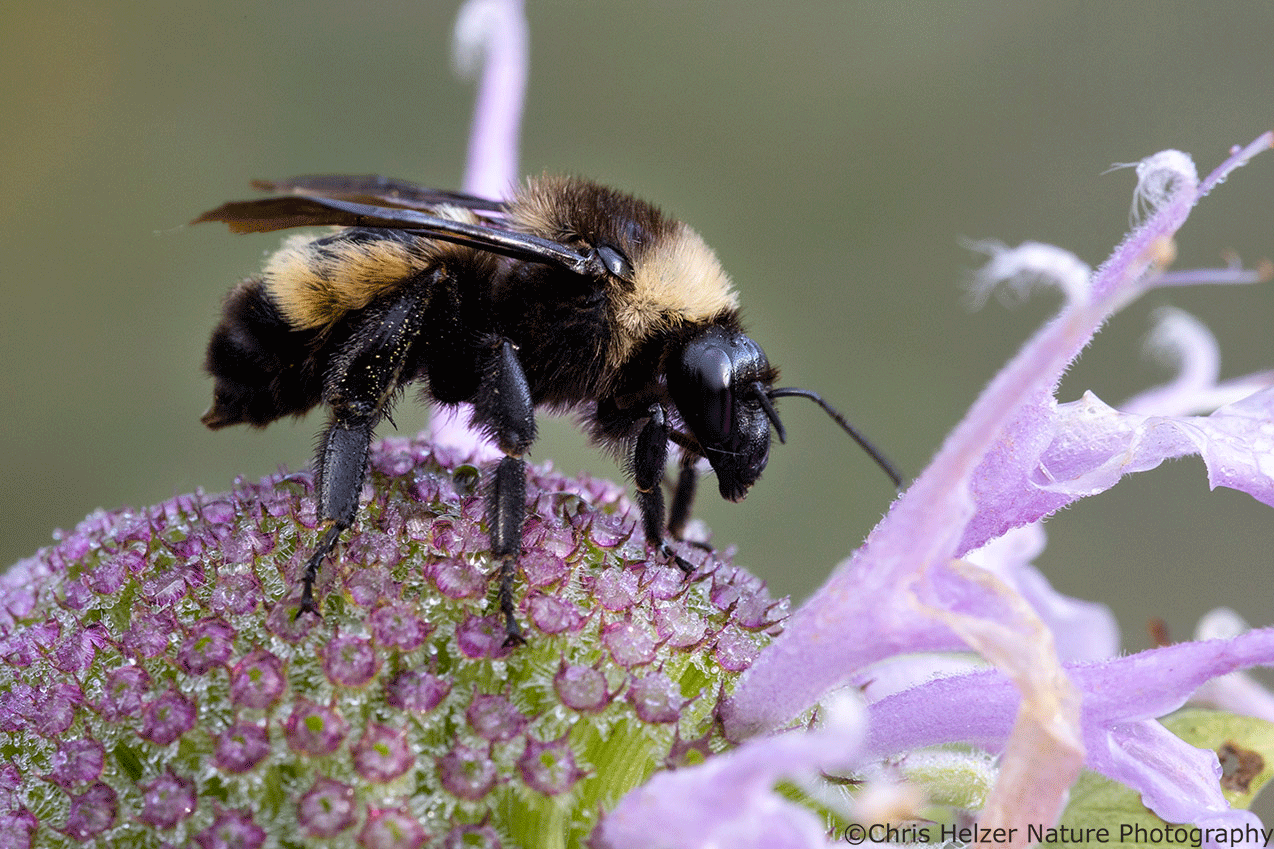
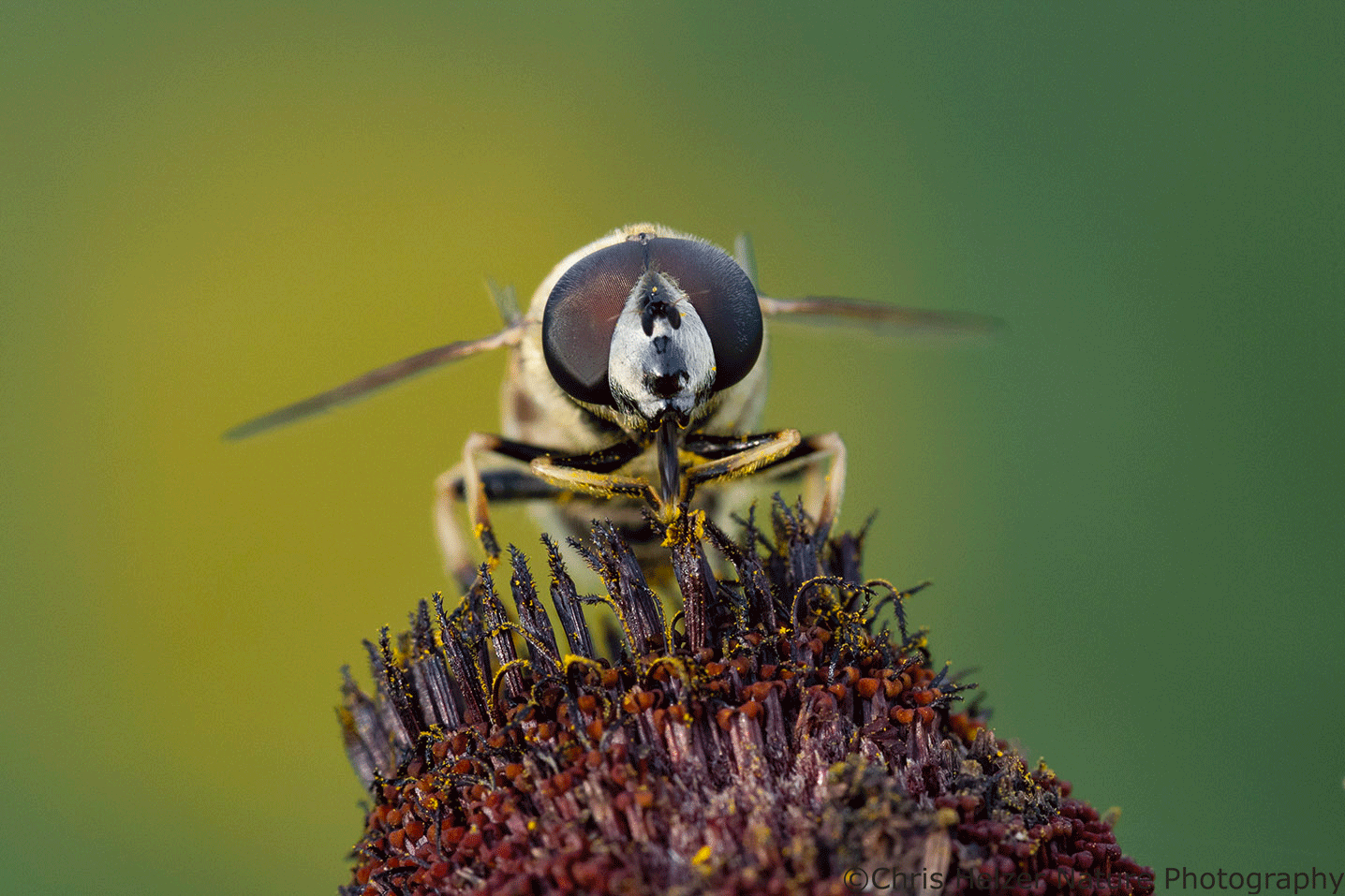
I hope all of you who are fortunate enough to live near some green space have the opportunity to see and appreciate similar insect diversity. It’s fun to see how popular native plants are getting with the public and how often I see them used in landscaping. That’s really helpful in lots of ways.
However, as I’ve written about before, putting native plants in your landscaping doesn’t necessarily preclude you from adding some non-native species as well. Many of the same insects l see in our prairie garden are also visiting our zinnias, salvia plants, viburnums, and other horticultural species around the yard. There’s nothing wrong with being a purist, if that’s what makes you happy, but it’s not the only path to providing good backyard habitat.
Ok, I’m off to grab some lunch and see what’s happening out in the garden.